
We focus on men's sweaters, cardigans, knit jackets, jacquard knitwear and private label knitwear. We support B2B buyers with OEM/ODM development, sampling and bulk production planning.
Guides for custom knitwear manufacturing, yarn selection, gauge options, quality control, cost planning and tech pack preparation.
Free interactive tool
Build your spec — yarn, gauge, colour, customisation — and instantly see the typical MOQ, sample & bulk timelines and what drives your cost.
Materials
A B2B yarn and material guide for choosing cotton blends, wool blends and synthetic support fibers for custom knitwear.
Read Guide ->Product Development
A guide to women's knitwear manufacturing for B2B brands, covering silhouette variety, fit and sizing, yarn and trend responsiveness.
Read Guide ->Benchmark Report
Reference benchmark ranges for B2B knitwear procurement in 2026 — MOQ, lead times, cost structure, gauge, quality control and commercial terms — to help buyers sanity-check quotes and plan with confidence.
Read Guide ->Sustainability
Recycled-content knitwear sounds simple on a hangtag, but the fiber choice, blend ratio, and chain-of-custody paperwork decide whether the program actually scales. This briefing walks through rPET, rPA, and recycled wool — what they each bring to a knit, the blend percentages that hold a clean hand, and where the trade-offs start to bite. It also separates GRS from RCS, addresses the microfiber-shed conversation honestly, and gives a buyer-side checklist for AW and year-round recycled programs. Written for sourcing managers who need answers their tech team and their compliance team will both accept.
Read Guide ->Materials
Cotton looks simple on a tech pack and gets expensive fast in a quote. The word covers a tier ladder that runs from commodity upland fiber to Supima-trademarked US long-staple, with mercerization, combing, and spin method layered on top. Each lever moves hand, luster, shrinkage, pilling, and price in ways that matter for spring-summer knit polos, fine-gauge crews, and lightweight cardigans. This decoder maps the commercial tiers buyers actually encounter, explains what mercerization and ring-spinning physically do to the yarn, and gives realistic FOB yarn-price bands so you can write tech packs that quote cleanly the first time.
Read Guide ->Strategy
Most sourcing scorecards still treat per-piece FOB as the headline KPI, and most brand directors quietly know it lies. In knitwear specifically — where every program runs through yarn development, lab dips, knit-down approval, wash trials, and a sampling room that has to learn your house fit — the cost of a garment is paid across eighteen months of friction, not in a single price line on a quotation. This article lays out a three-year total cost of ownership (TCO) model for knitwear supplier relationships aimed at brand directors and VPs of sourcing who keep getting pressured to chase a 40-cent FOB delta to a new factory. We walk through how sample cost actually declines as a supplier internalizes your spec (year 1 = 100, year 2 ≈ 70, year 3 ≈ 50), why reorders compress from week 7 to week 3 once a tech pack is genuinely owned by the other side, how yarn library carry-over kills new color development charges each season, and how production calendar priority — the unwritten advantage — only accrues to brands that stay. We also do the part most of these articles skip: the honest exit triggers. Communication breakdown, repeated first-bulk quality failure, no capability growth after eighteen months — these are real reasons to leave, and we name them. The argument is not loyalty for its own sake. It is that switching suppliers each season in knitwear almost always pays a 15-25% premium the FOB line does not show.
Read Guide ->FOB unit price is the headline number on every sweater quotation, but it is rarely the number a finance partner ends up writing into the cost-of-goods column. By the time the cartons leave the factory and clear the destination port, a small brand placing its first knit order has usually paid for a dozen line items that were never broken out at quotation stage — lab dips, sample charges, dye-house minimums, trim development, freight surcharges, demurrage, FX drift. This guide walks through twelve of the most common hidden costs we see buyers absorb during a custom sweater program, with typical USD impact ranges, which party usually pays, and the negotiation language that locks the number down before purchase order release. It is written for the finance partner at a small brand budgeting a first knit program, but the same checklist works for buying teams renegotiating an existing supplier.
7 min read - Guide
If you lead sustainability or compliance for an apparel brand vetting suppliers in China, Vietnam or Bangladesh, three acronyms come up over and over: BSCI, SEDEX and SA8000. Procurement teams often treat them as interchangeable badges, but they are very different instruments. One is an audit programme, one is an information-sharing platform around an audit framework, and one is a full management-system certification. Demanding the wrong one — or accepting whichever a supplier happens to have — leaves real social-compliance risk unaddressed and frustrates factories who are asked for documents that do not fit how their business is structured. This guide, written from a Dongguan-based custom knitwear manufacturer's seat across the table from European and North American buyers, explains what each scheme actually is, what a passed audit really tells you, where the gaps sit, and how to write supplier requirements that will be answered honestly rather than ticked off cosmetically.
6 min read - Guide
Brands with public sustainability targets need knitwear suppliers who can act on those targets at the PO level — not just nod along in a deck. The problem is that most of the carbon-reduction conversation in apparel sits at a glossy marketing altitude, where claims outrun data. This guide steps down to the buyer's actual tool kit: six concrete levers — yarn choice, gauge, dye method, packaging, freight mode, and durability — where the decision sits on a line in your tech pack or purchase order. For each lever, we give a realistic impact range drawn from published industry datasets, the certification or measurement that makes the claim defensible, and the exact language to put on the PO. Where the data is thin, we say so. The goal is a program your sustainability team can defend internally and externally, not a press release.
5 min read - Guide
Pilling is the single most common consumer complaint a QC lead hears about knitwear, and most of the root causes are locked in long before bulk knitting starts. This guide breaks down what pilling actually is — short fibres migrating to the garment surface and tangling under friction — and walks through the levers that decide whether a sweater shrugs off abrasion or balls up after three wears. We cover fibre length and yarn twist at the spinning stage, mill processes such as combing and gas singeing, finishing options including anti-pill chemistry and brushing direction, and the practical Martindale and ICI pillbox tests buyers can specify at the sample stage. Written for QC leads tired of post-sale returns, it is a buying and approval guide, not a marketing pitch.
8 min read - Guide
Between the linking machine and the polybag, a knitted garment goes through five to seven distinct finishing operations. Each one changes the garment in a different way: dimensions, hand, surface, pilling resistance, recovery. When a product developer pulls a sample from the carton and says it 'doesn't feel right,' the fault almost always sits in finishing — not in yarn, not in knitting. This article walks through the finishing line as we run it in Dongguan: what steaming, pressing, brushing, anti-pill treatment, and softener application each do, what they cost, where they go wrong, and what you should and should not specify on a tech pack. The goal is to give a product developer enough vocabulary to look at a sample and point to the step that needs to change, rather than asking the factory to 'make it softer' and hoping.
6 min read - Guide
AW26 and SS27 men's knitwear is moving in a direction that rewards buyers who understand production, not just mood boards. Heritage cable and fisherman knits are returning at chunky gauges, brushed and bouclé textures are gaining floor space, the earth-tone palette is extending into a second strong season alongside accent reds, oversized silhouettes are maturing into more refined fits, and shawl-collar cardigans plus refined knit polos are taking commercial share. Each of these directions carries a different yarn book, a different gauge bias and a different lead-time profile. This forecast is written from the factory floor in Dongguan: what the trend looks like, what it costs to make properly, what to lock in early, and where the risk lives if you book late. The goal is not to repeat trend-board imagery — it is to help your AW26 and SS27 capsules ship on time and at the right margin.
5 min read - Guide
Most missed retail dates in AW knitwear do not come from a factory missing a deadline. They come from a buyer entering the calendar two or three months late and then trying to compress what a manufacturer cannot compress: yarn dyeing, PP approval, and bulk knit time. This guide walks small-to-mid brand owners through the AW26/27 knitwear buying calendar month by month, from yarn books opening in January 2026 to DTC and store launches in October–November 2026. It is written from the manufacturer side of the table, using only verifiable lead times (sample 7–25 days, bulk 30–45 days), and it shows exactly what slips — air-freight upgrades, yarn substitutions, missed window dates — when each gate is hit late.
7 min read - Guide
Menswear brands that built their reputation on autumn-winter knits are pushing harder into spring-summer because the cotton tee category has plateaued and buyers are looking for an upgrade tier their customers will actually pay for. From where we sit on the Dongguan factory floor, the SS27 light-knit direction is already legible in the yarn quotes we are receiving for delivery windows in late 2026. This forecast is written for buyers expanding their SS knit offer beyond AW core — what stitches and yarns to specify, what colors mills are pre-dyeing, and the lead-time math you need to lock in now so the program lands in store March to April 2027 rather than missing the season.
6 min read - Guide
Synthetic yarns get a bad rap in editorial coverage and a quiet pass in the buying office, because the math on a 100,000-piece holiday sweater program rarely pencils in pure wool. This briefing is the version of the conversation you wish your mill would have with you: where acrylic genuinely earns its place (mass-market price points, vivid color, no-fuss care), where it quietly torpedoes a premium brand (hand, breathability, returns from in-store touch tests), and how nylon micro-percentages do real structural work in athletic ribs and high-abrasion zones. We cover the three blend ratios you will see quoted most often, the field-tip hand-feel checks your QC team can do without a lab, and the FOB yarn-price reality that drives most of these decisions in the first place.
7 min read - Guide
We focus on men's sweaters, cardigans, knit jackets, jacquard knitwear and private label knitwear. We support B2B buyers with OEM/ODM development, sampling and bulk production planning.
Ready sample styles and selected custom programs can support lower-risk trials before larger seasonal orders.
Yes. Brands, including new labels preparing a first collection, can pay for a sample and see it before placing a production order. Two routes: a ready sample of a published style at USD 60 per piece in about 7 days, or a development sample from your tech pack at USD 150 per style, covering yarn sourcing, knit programming, one prototype and one revision round, in 15-25 days. Cashmere and mohair styles are quoted individually and shipping is charged at cost. Production starts only after you approve the physical sample, at our minimum of 30 pieces per colour with sizes mixed inside the 30. A sample does not commit you to a production run; we do not make garments for personal use.
Our sample fee is not refundable. Yarn sourcing, knit programming, machine setup and hand linking cost about the same whether one piece follows or five hundred, which is why the fee exists at all. It is credited against your first bulk order placed within six months of sample approval: 100% of a development sample fee, 50% of a ready sample fee.
Yes, for brands developing a style. One development piece is fine, with no commitment to bulk: a development sample is USD 150 per style and covers yarn sourcing, knit programming, one prototype and one revision round, in 15-25 days (cashmere and mohair are quoted individually). If you then go to production, the minimum is 30 pieces per colour with sizes mixed inside the 30, and the full USD 150 is credited against a first bulk order placed within six months of approving the sample. We do not make garments for personal wear.
Plain and striped styles using the same yarn and colour can be combined toward a minimum of 30 pieces, with mixed sizes. For example, four plain styles of 25 pieces each in the same yarn and colour total 100 pieces and meet that minimum. Different yarns or colours are counted separately. Jacquard and intarsia require 30 pieces per pattern; quantities from different patterns cannot be combined. Send us your styles, yarns, colours and quantities so we can confirm how the minimum applies to your project.
Get a free catalog or submit an RFQ today. Our team will respond within 24 hours.
Cannot find what you need? Our team can create a custom guide or template for your specific project.
Request Custom Resource ->
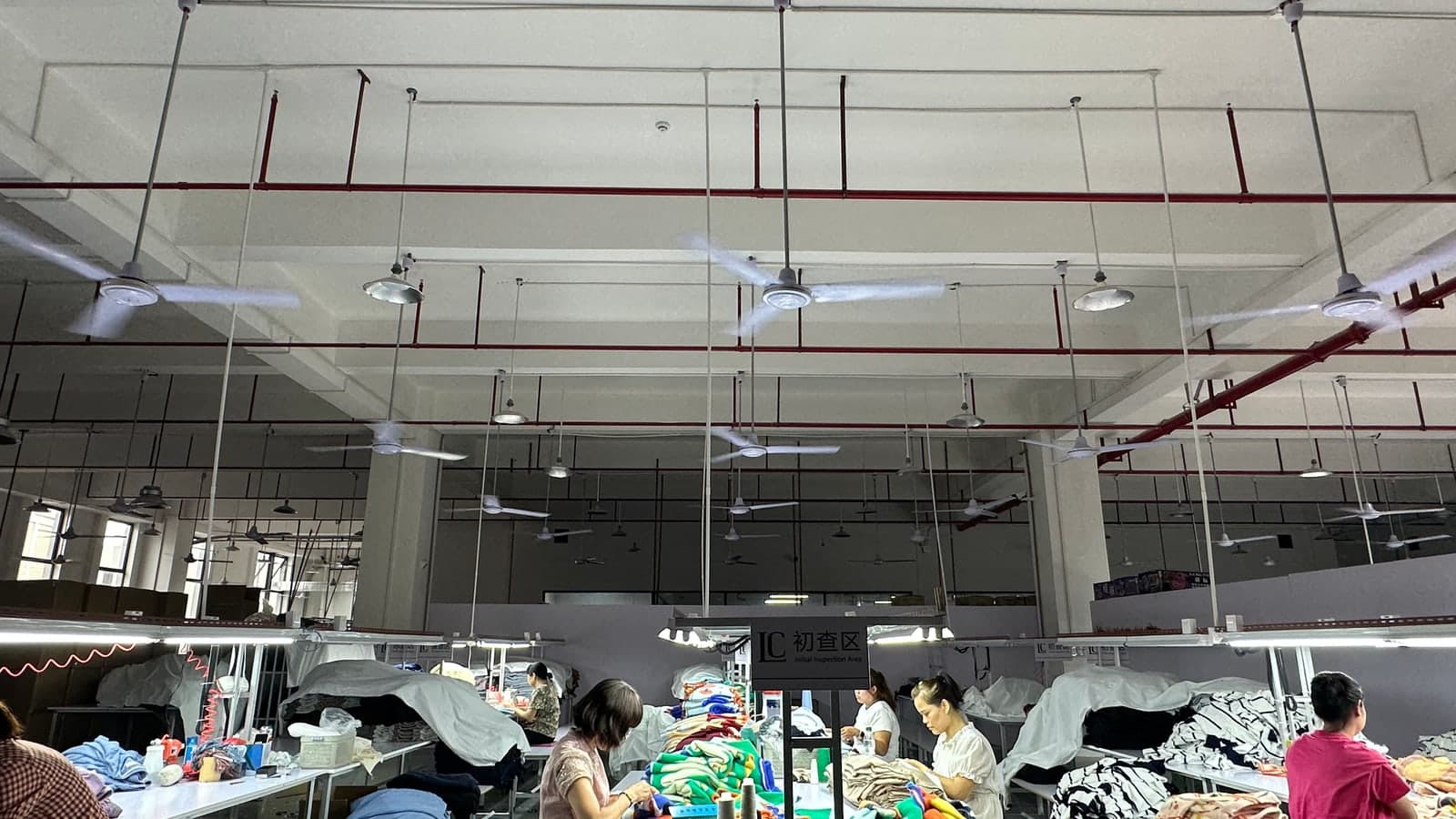
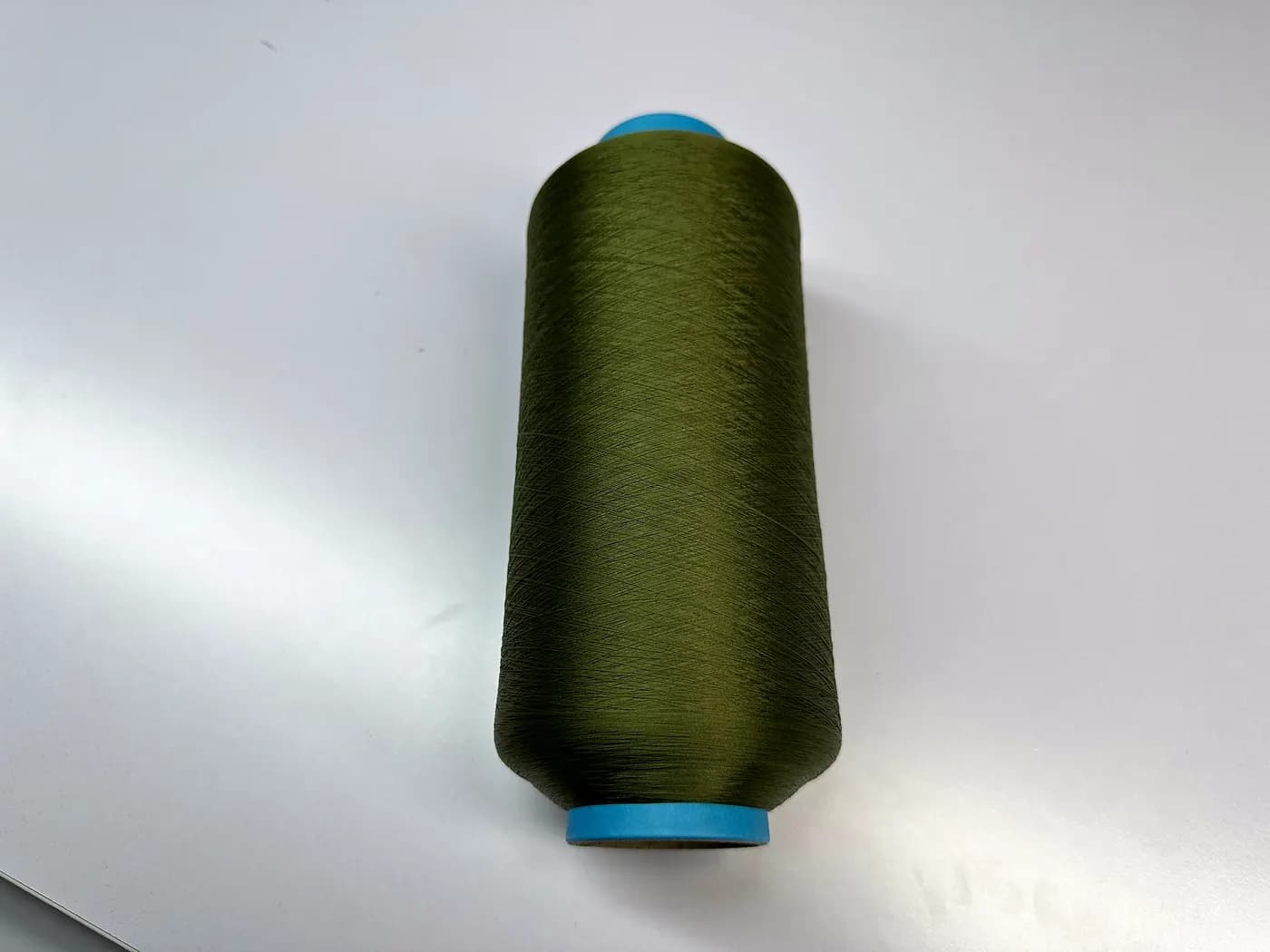
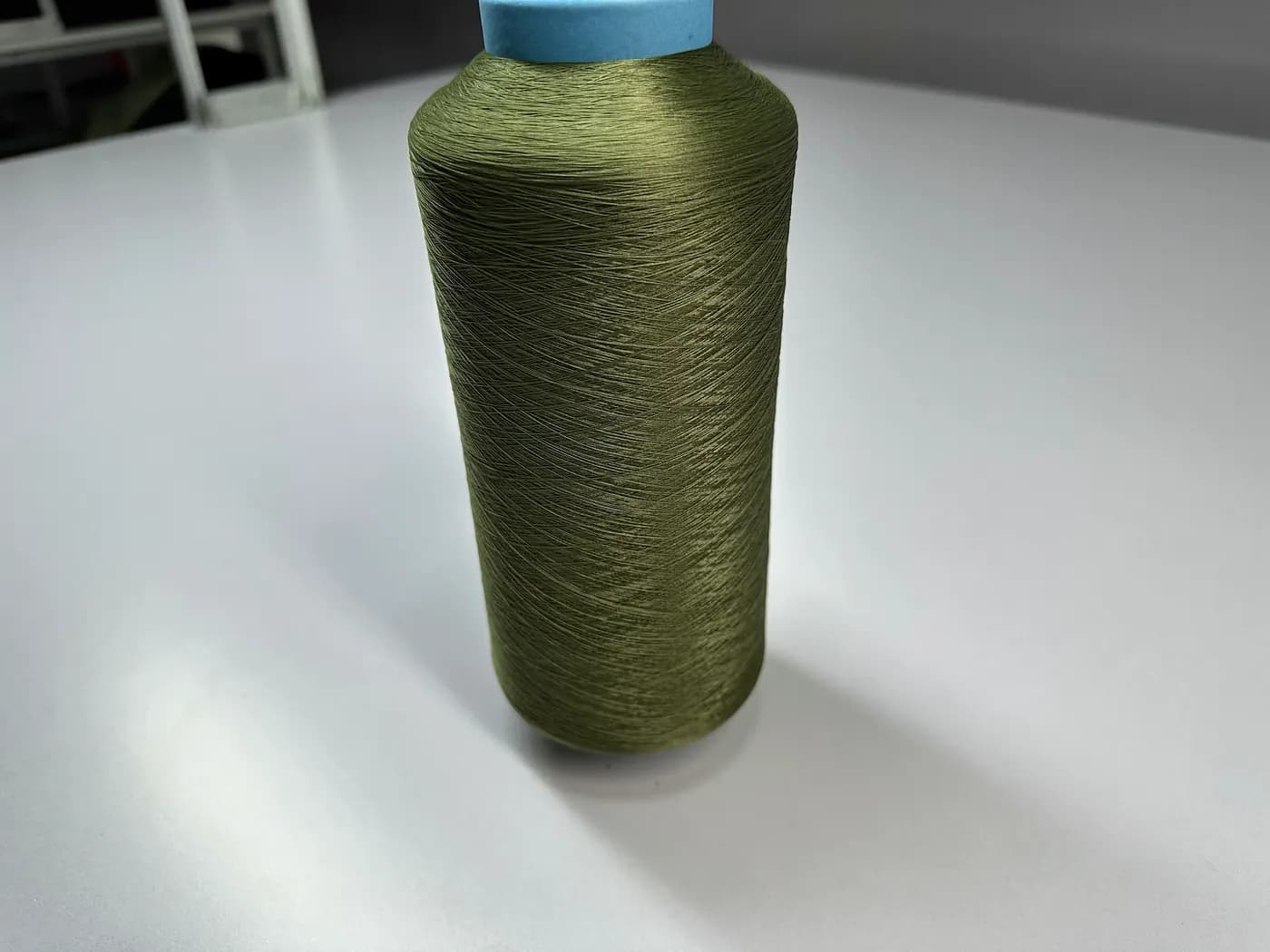
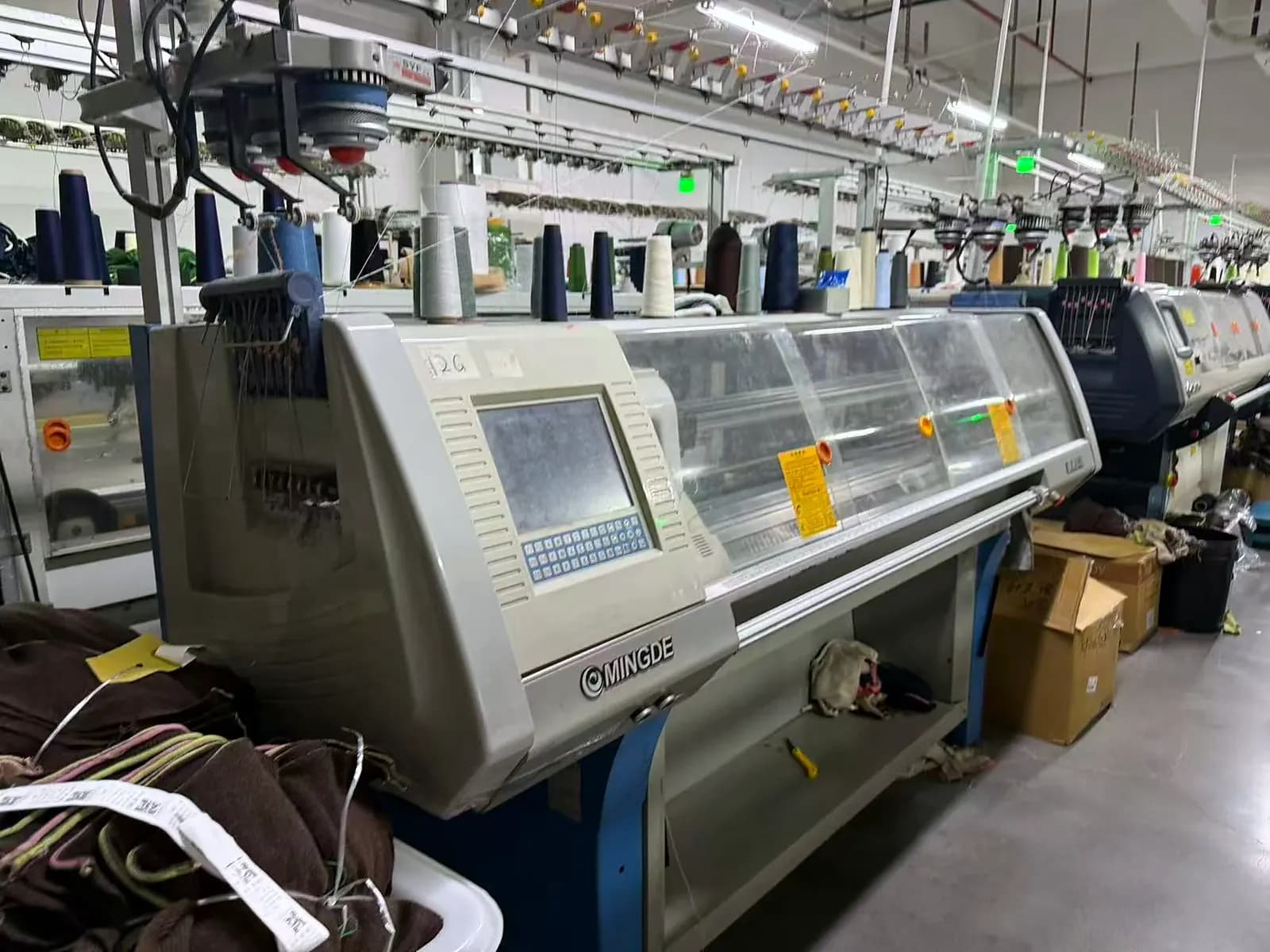
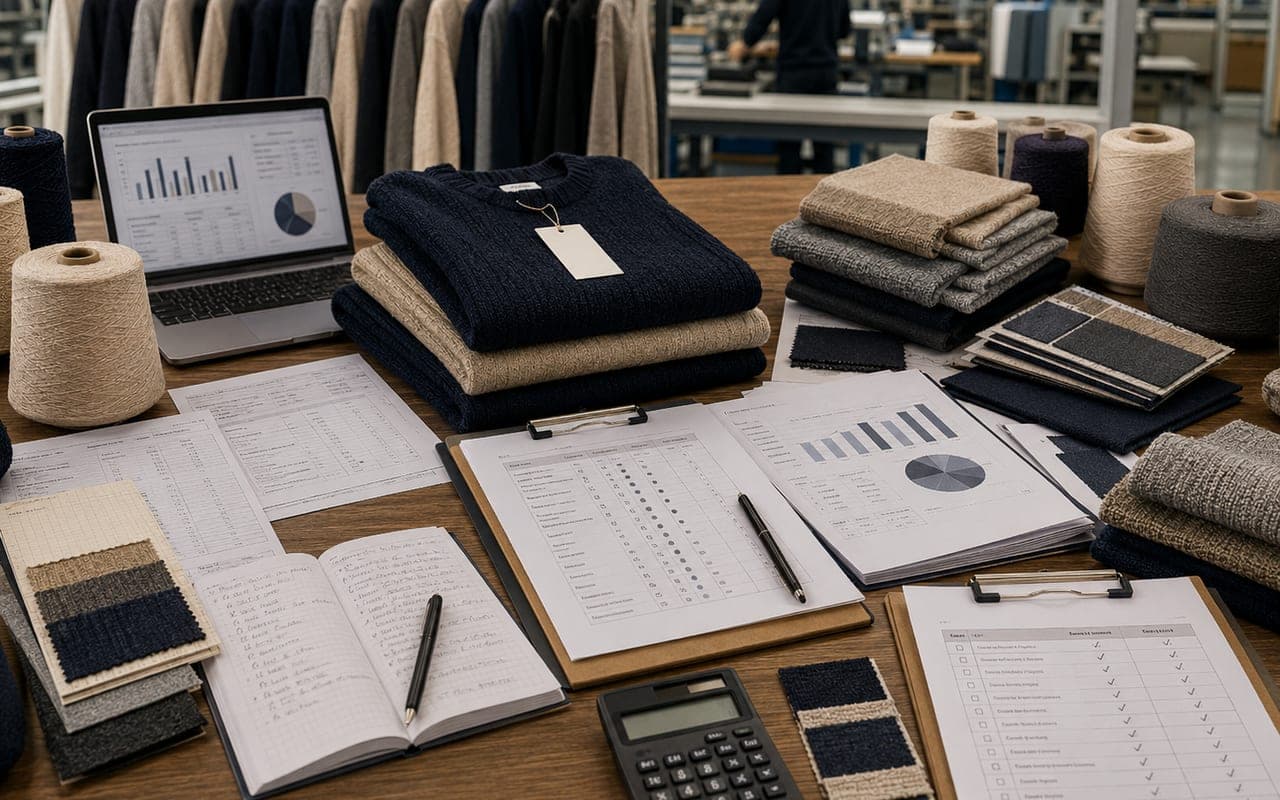
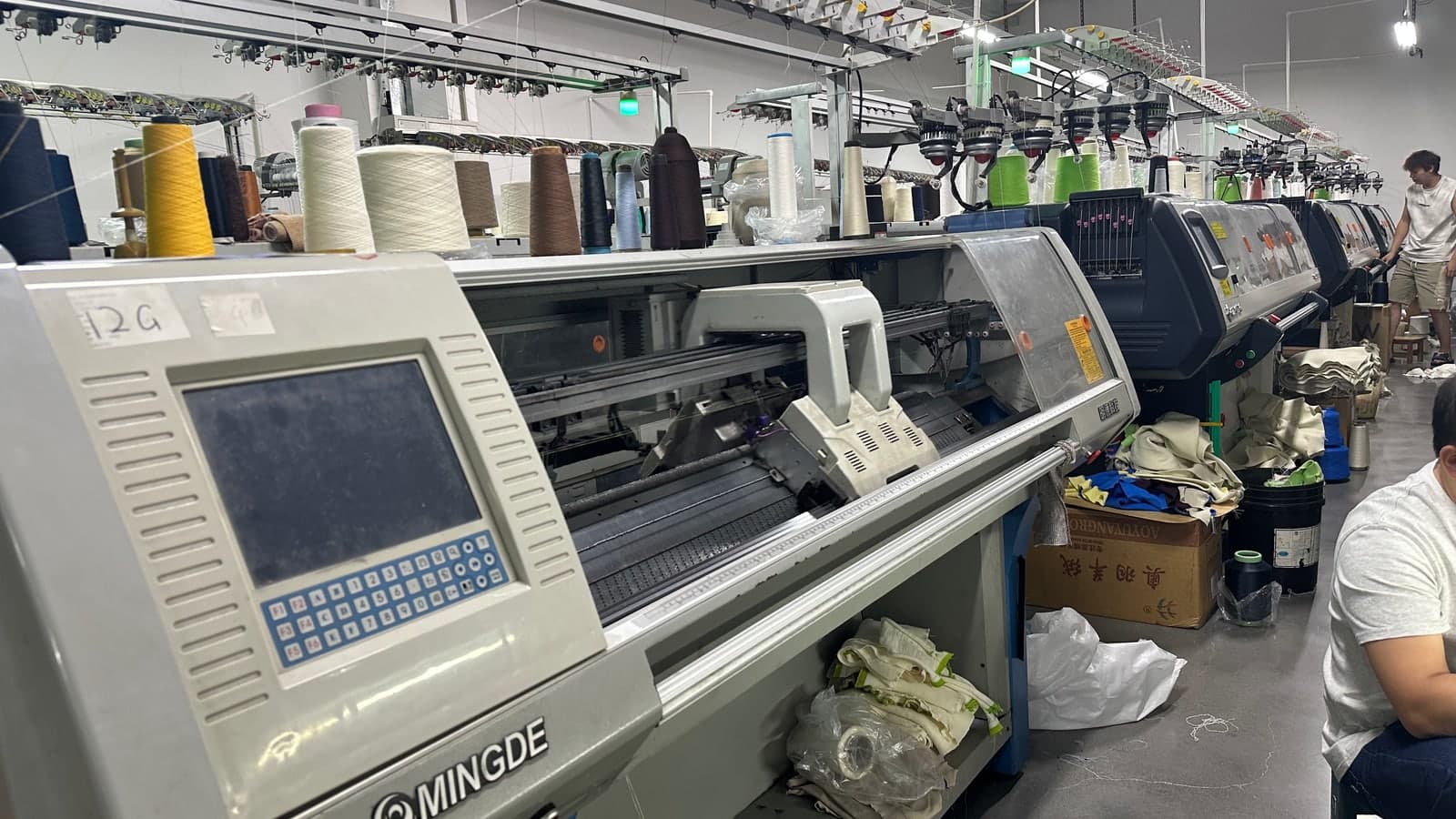
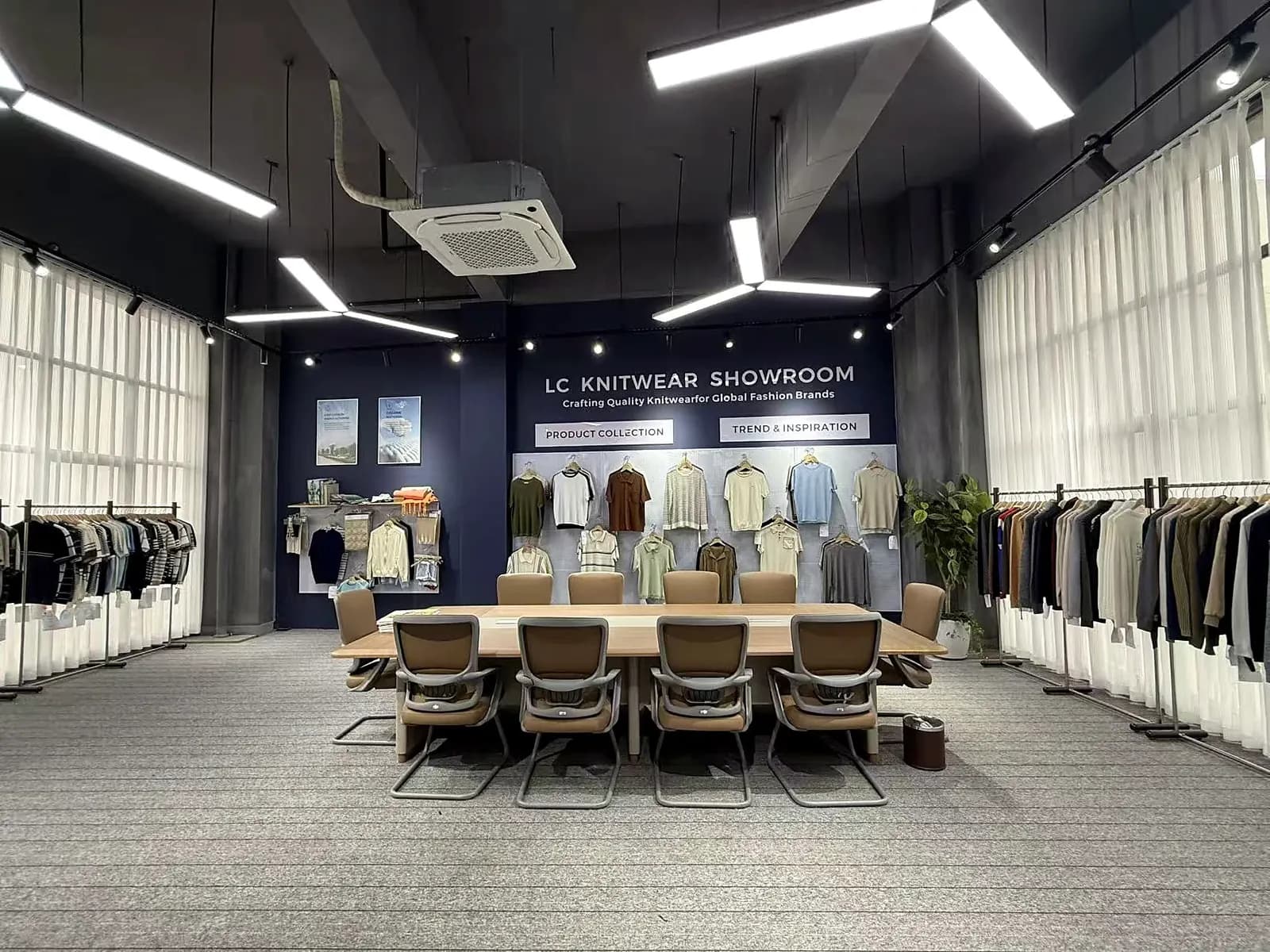

MOQ, lead time, cost ranges, gauge selection and QC checkpoints across typical OEM/ODM knitwear programs in NA + EU. Enter your email — we'll send you the report link in 30 seconds.
No spam. Unsubscribe with one reply. We use your email only to send you the report and follow up if you want a sourcing conversation.









Brand names shown are previously serviced OEM/ODM partners. Logos are decorative and do not imply current endorsement.
