CASE STUDY PATTERNS
Five composite stories drawn from real development work we've done with mid-market brands across North America and Europe. No client names. Real timelines, real spend ratios, real failure modes. Use them as a reference for what your own AW or SS sourcing plan should look like — and what the early warning signs of a calendar slip really are.
All stories are composites: facts and numbers are real, but client names and identifying details are removed. We never publish a brand as a customer without their explicit written consent.
CASE STUDY
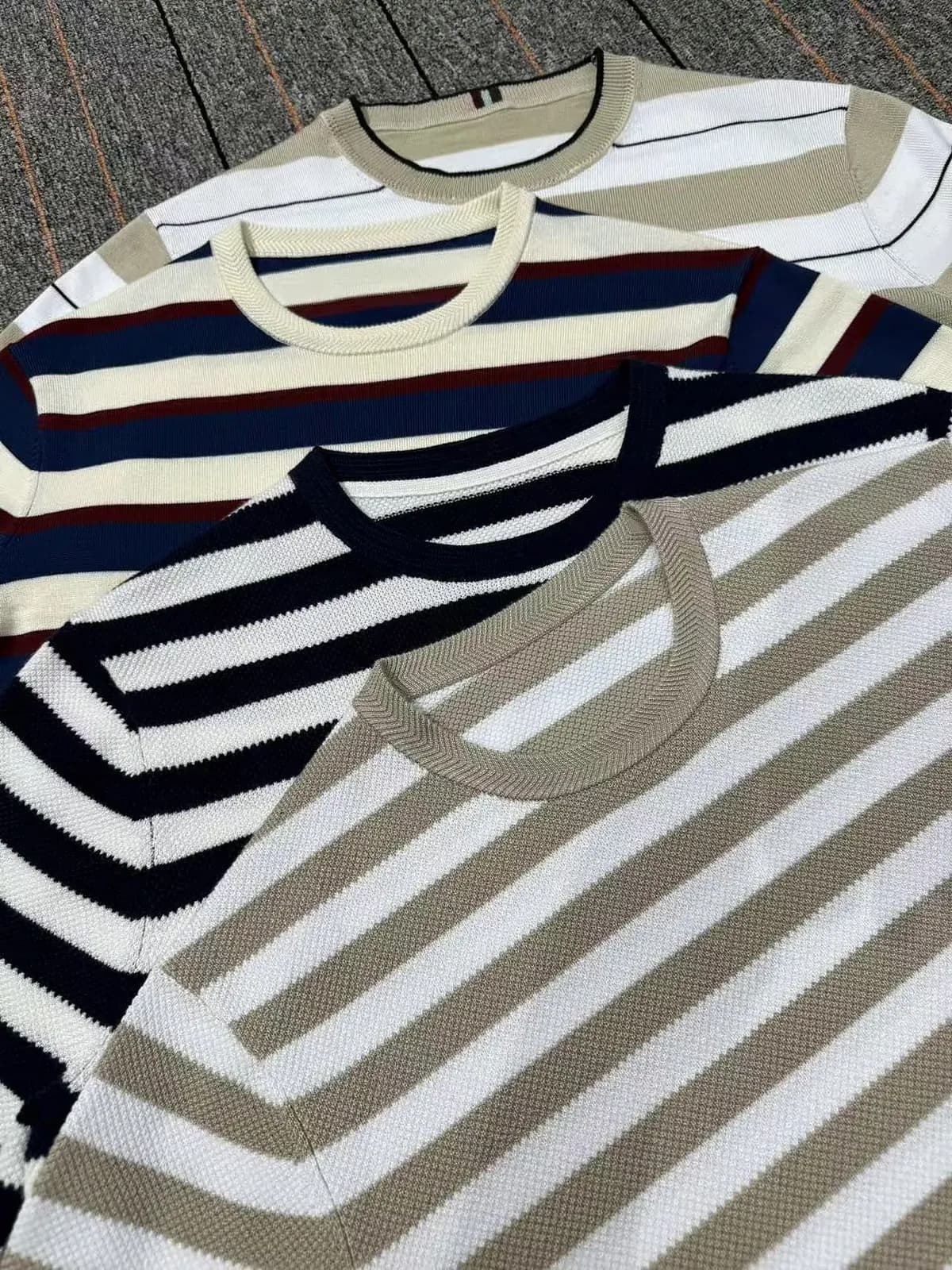
Most AW knitwear postmortems get written in the wrong room. Finance asks why landed cost crept four percent; merchandising asks why the cream cardigan missed the September floor set; QC asks why returns spiked on one linking-heavy style. Each team gets a partial answer, the supplier gets a polite scolding, and the same three mistakes repeat next year. This piece is different. It is an anonymized composite pattern drawn from real AW 2025 launches we worked through with mid-market brands — no single brand, no real names, no invented numbers. The point is the shape of the decisions, not the specific shop. We walk through three calls that paid off: locking the yarn library four weeks before tech-pack handoff, running in-factory AQL-2.5 inspection before container loading, and using DDP terms on smaller secondary SKUs to spare a thin import team. Then we walk through three that did not: introducing a new yarn shade three weeks into sampling, accepting a verbal MOQ flex on a new color, and chasing a small per-piece linking saving that became a returns problem on the retail floor. The pattern that emerges is unglamorous: brand-side discipline at the front of the calendar plus clear commercial terms plus early QC almost always beats clever optimization later. Read this as a checklist for your own AW 2026 brief.
Read the full pattern →CASE STUDY
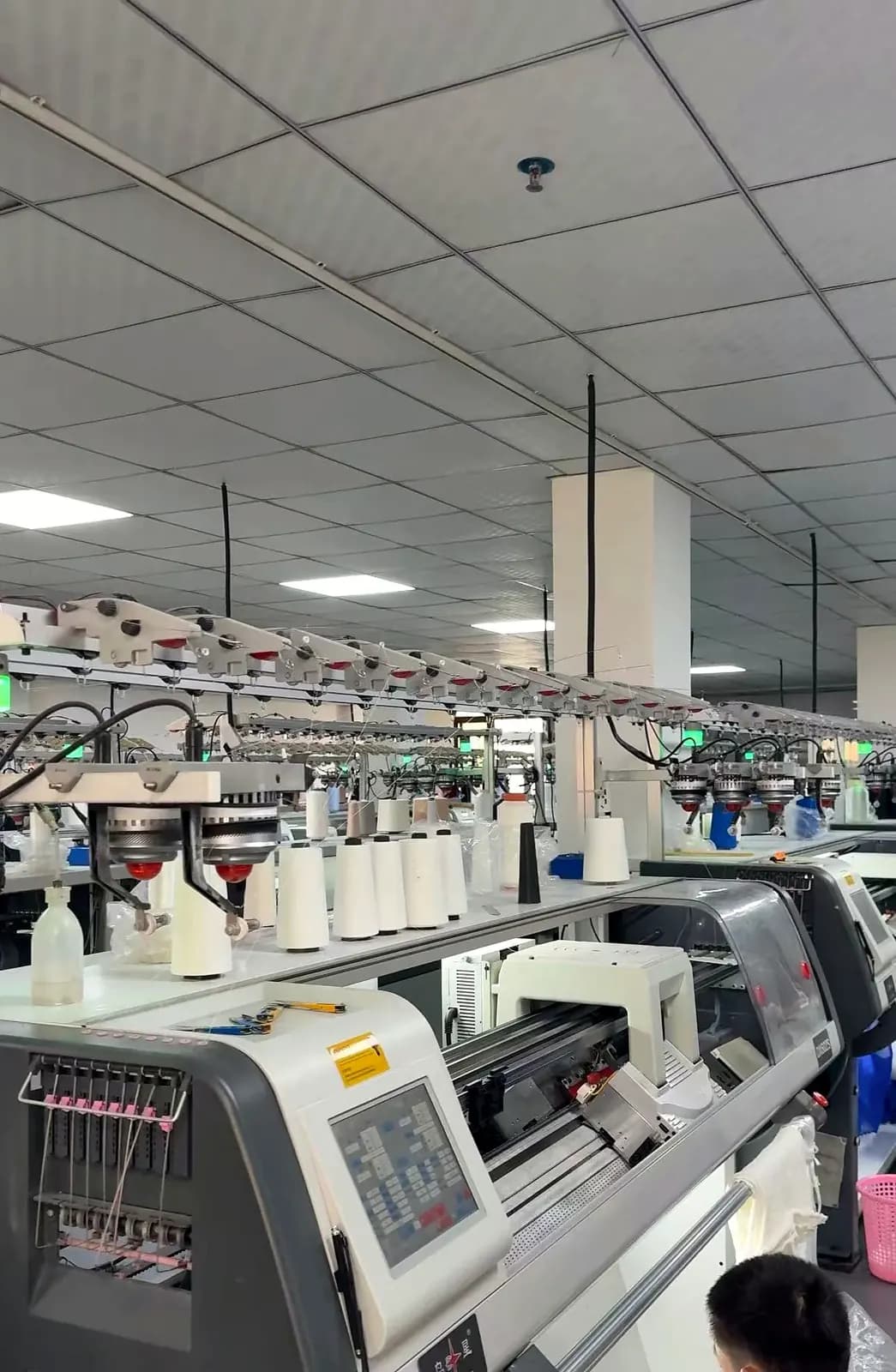
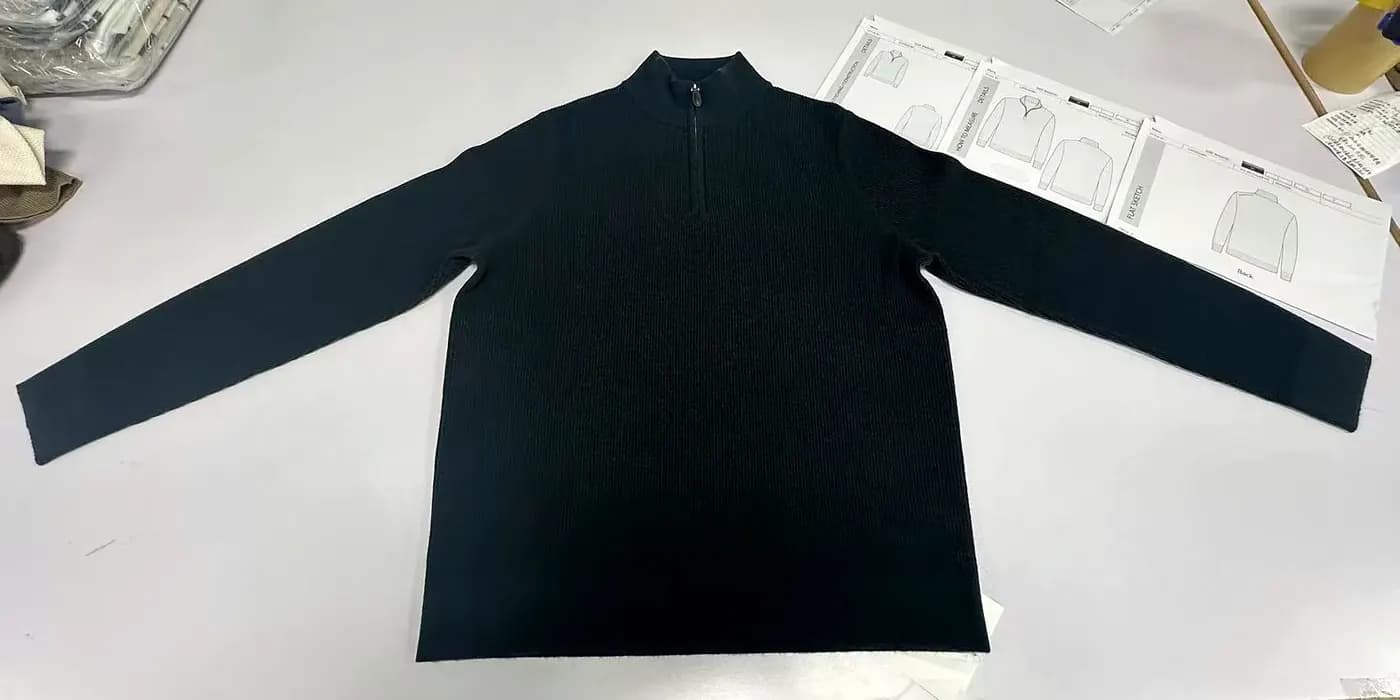
Switching a knitwear supplier mid-relationship is one of the higher-risk moves a sourcing manager makes. The old supplier knows your fits, your label placement, your shrinkage tolerances, and the half-dozen tiny corrections that never made it back into the tech pack. A new factory knows none of that. Move too fast and your first PO arrives with the right yarn count but the wrong hand feel, the right Pantone but the wrong wash recovery. Move too slowly and you miss the buying window. This briefing lays out a 60-day onboarding pattern drawn from anonymized composite work with established US wholesale brands transitioning Asian knitwear suppliers — what to do in each two-week block, what the new supplier should be asking you, and the red and green flags that tell you whether you have a real partner or a quote-chaser. It is not a magic checklist. It is a sequence designed to surface problems while they are still cheap to fix, before you commit a full season's volume to a factory whose actual capability you have not yet tested. Read it as the briefing you wish someone had handed you the first time you tried to switch mid-season.
YOUR PROJECT NEXT
Send a short brief and we'll come back within one business day with a practical direction, MOQ + lead time estimate, and a sample plan if it makes sense.