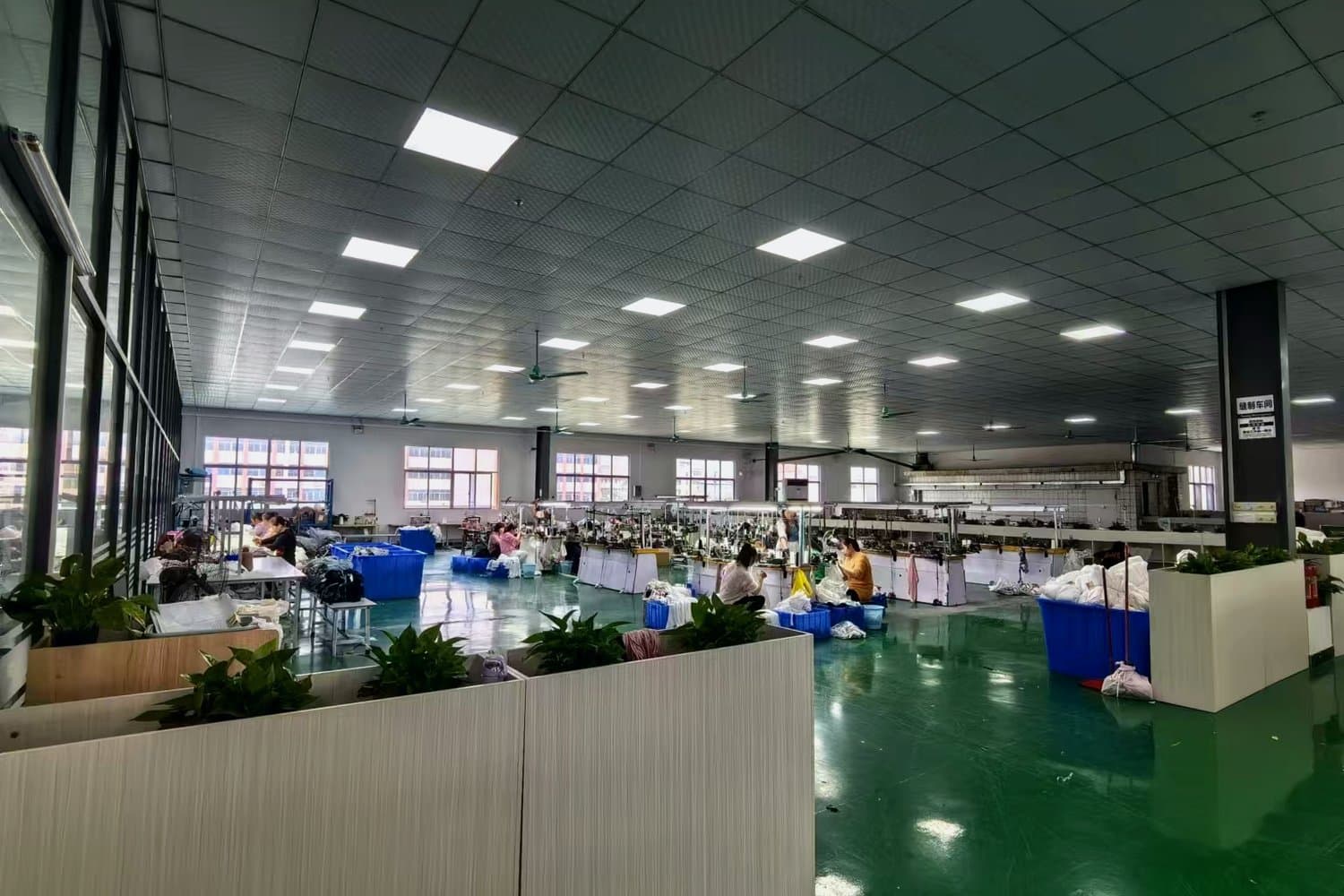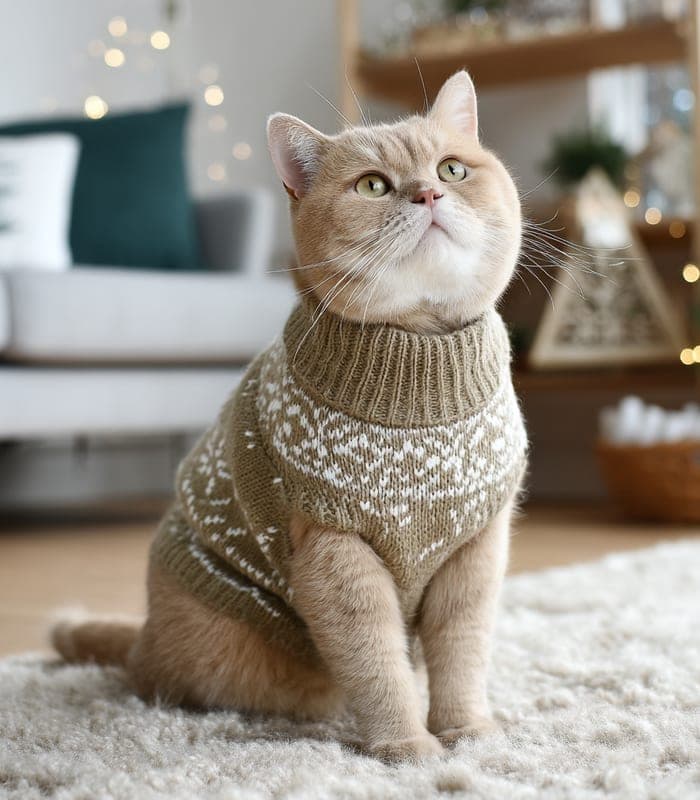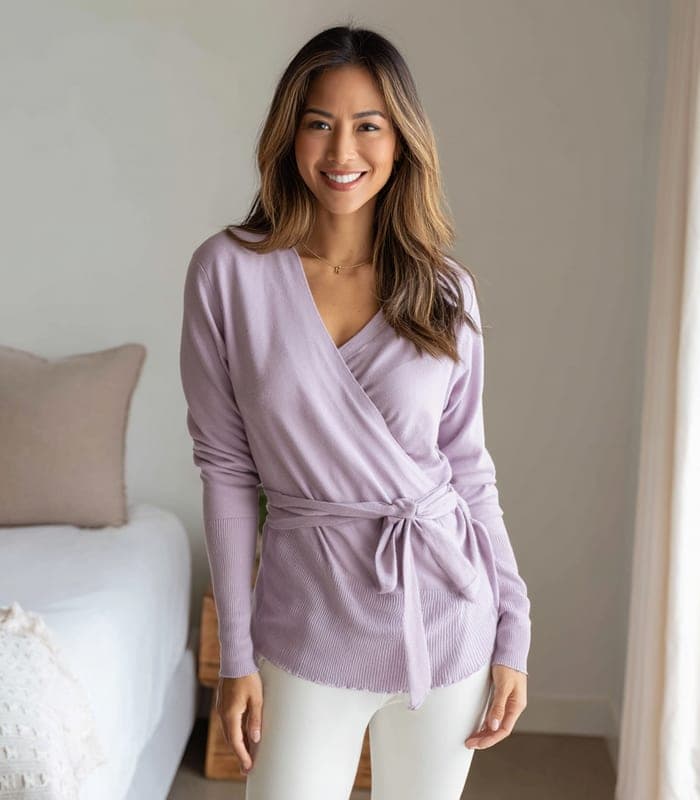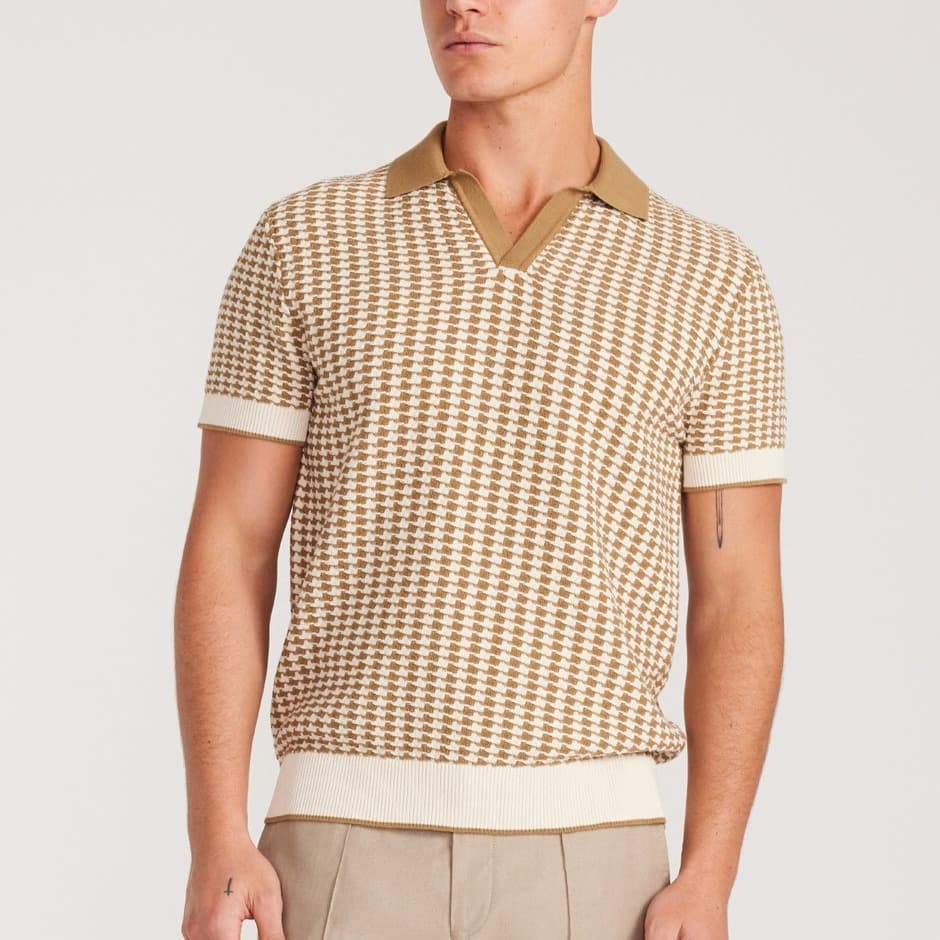
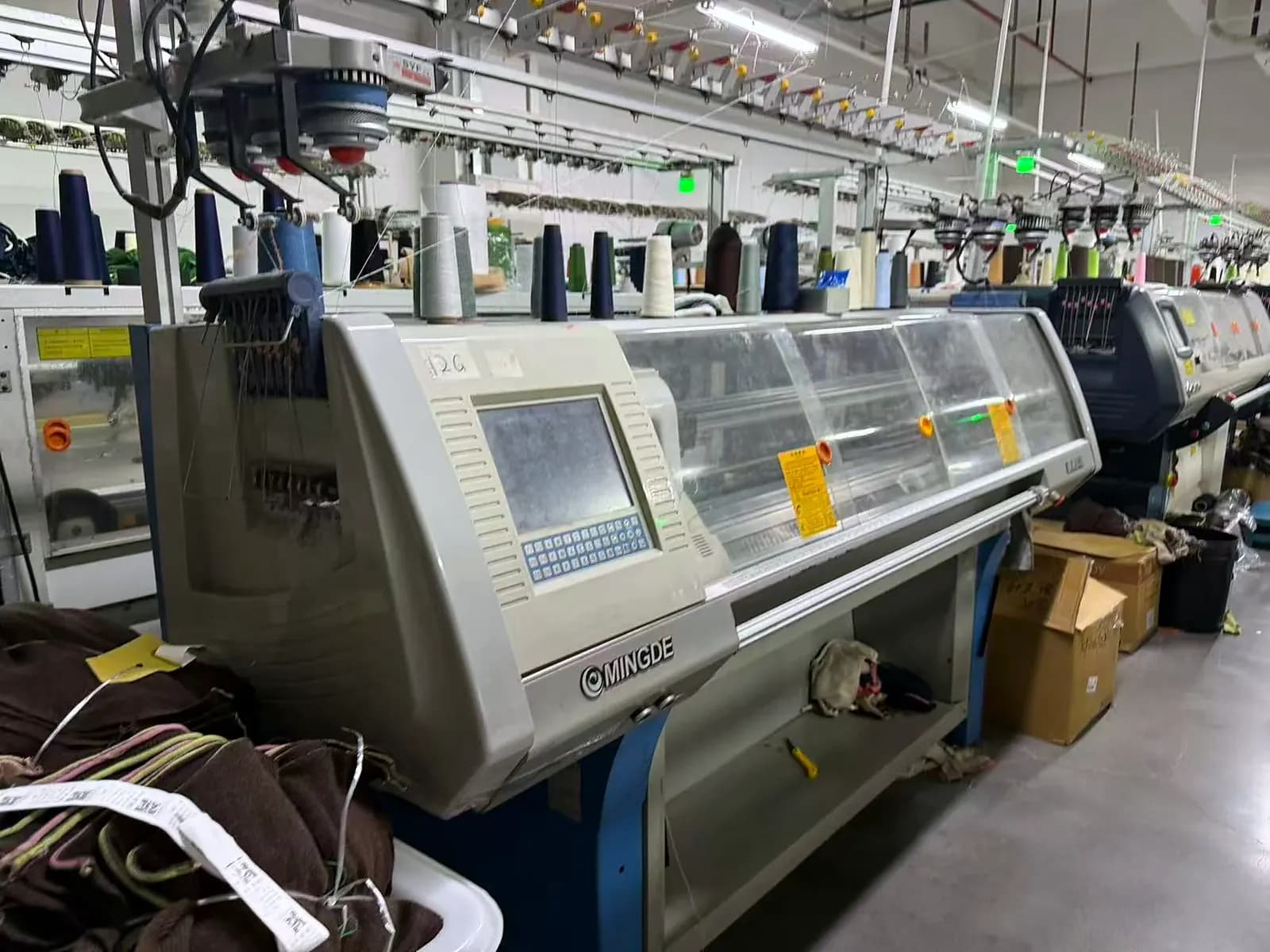
Women's Knitwear Manufacturing Guide
Updated 10/9/202612 min readBy Simon Liu · Licheng Knitwear
A guide to women's knitwear manufacturing for B2B brands, covering silhouette variety, fit and sizing, yarn and trend responsiveness.
A guide to women's knitwear manufacturing for B2B brands, covering silhouette variety, fit and sizing, yarn and trend responsiveness.
Our team is ready to support your brand from concept to delivery.
Discuss Your ProjectWomen's OEM knitwear at a glance (2026): MOQ from 30 pcs per colour (plain and striped styles in the same yarn and colour can be combined), samples in 15–25 days, bulk in 30–45 days. Gauges 3GG–18GG in cotton, wool, merino, cashmere blends, acrylic and recycled yarns. Core silhouettes — fitted, oversized, cropped, longline — across crew, V-neck, cardigan and polo. OEM / ODM / private-label for B2B brands in North America and Europe.
Women's knitwear is the largest segment of the sweater market, with broader style variety, faster trend cycles and different fit demands than menswear. For B2B brands expanding into or focusing on women's, understanding these differences is key to developing product that sells. This guide covers women's knitwear manufacturing for apparel brands.
Women's knitwear moves faster and wider than men's, more silhouettes, more trend turnover, more fit nuance. That variety is the opportunity and the challenge.
💬 Sourcing this for an upcoming project? Request a free quote → · MOQ 30 pcs · Sample in 15–25 days · WhatsApp us
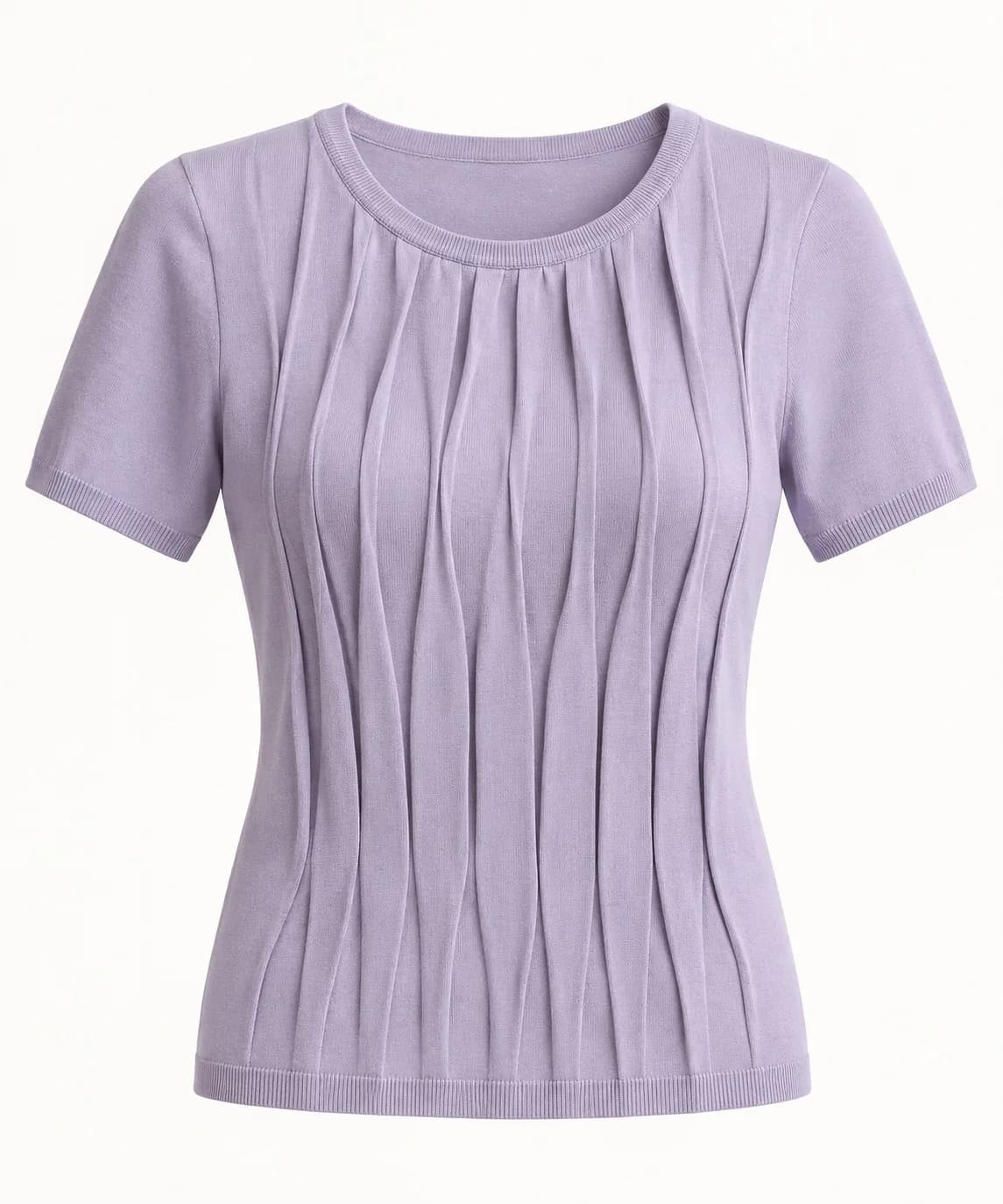
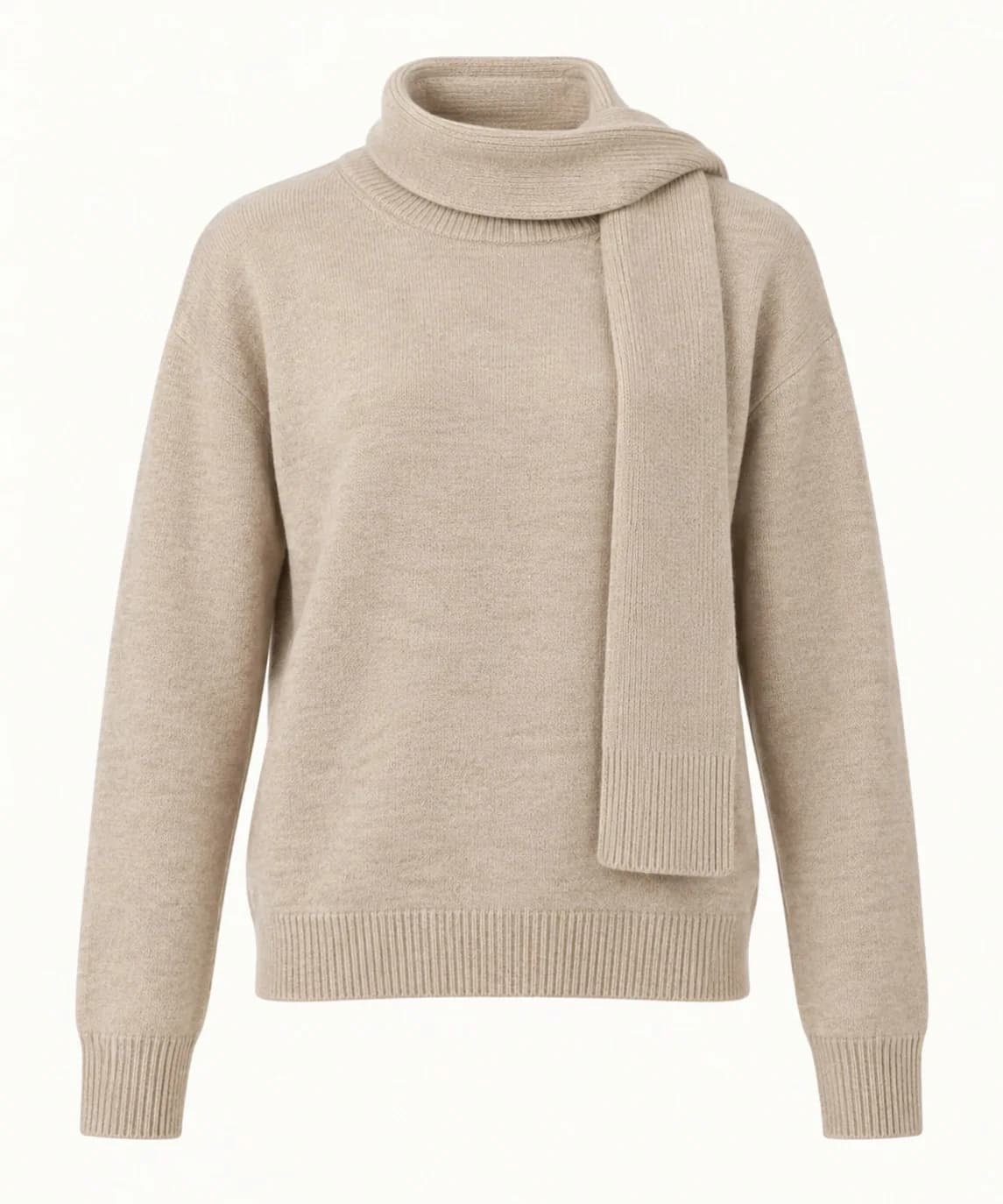
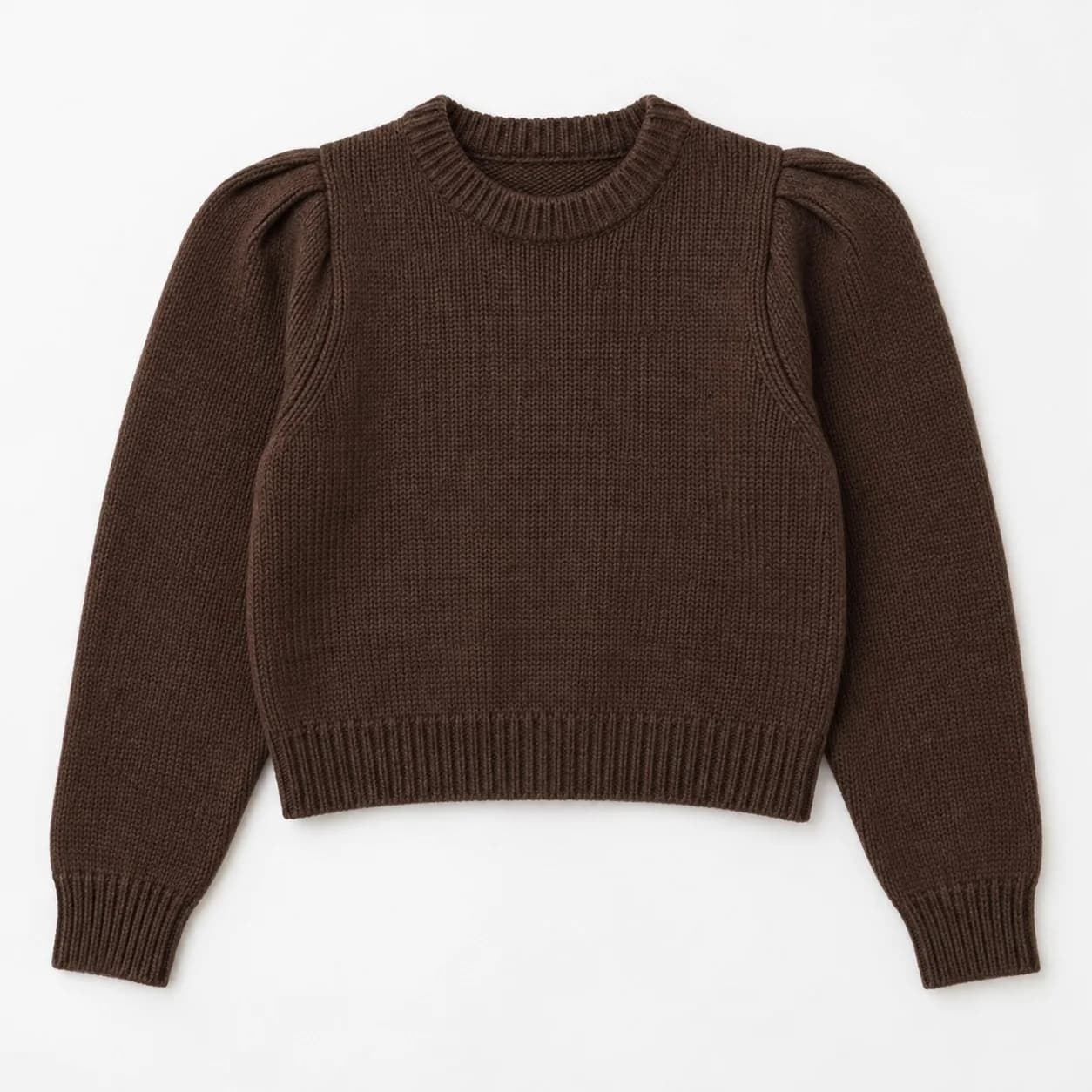
Women's knitwear spans a wider range of silhouettes (cropped, oversized, fitted, longline), responds faster to trends, and demands more nuanced fit. Where men's ranges lean on a few core shapes, women's ranges typically carry more variety in length, neckline, sleeve and silhouette.
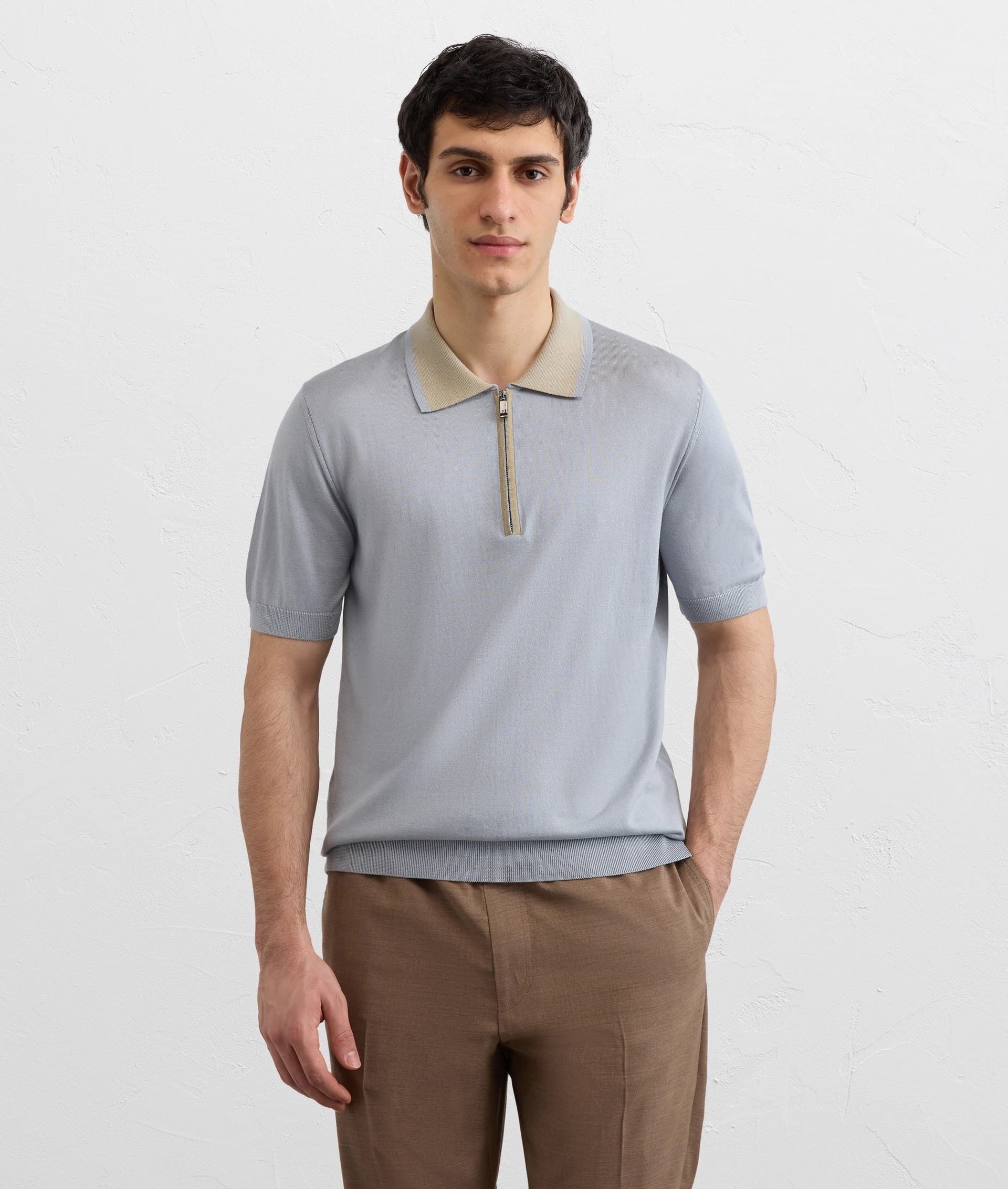
| Silhouette | Character | Trend role |
|---|---|---|
| Fitted | Classic, feminine | Core |
| Oversized | Relaxed, contemporary | Strong trend |
| Cropped | Modern, youthful | Trend |
| Longline | Cozy, layering | Seasonal |
A women's range usually balances fitted core shapes with on-trend oversized or cropped pieces. The same yarn and gauge can produce very different products across these silhouettes. Our published women's range splits into sweaters, cardigans, knit jackets and knit dresses and bottoms.
Women's fit is more nuanced, involving bust, waist and hip shaping that menswear rarely needs, and sizing systems differ by market (US, UK, EU). Build dedicated women's fit blocks and size specs rather than adapting menswear, and validate with fit samples, see our sizing and grading guide and market sourcing guide.
Women's sizing varies more by region than menswear, so confirm which system your range uses before grading. US (roughly 0–14), UK (6–20) and EU (32–46) numbering differ, and "vanity sizing" varies by brand, so a US 8 is not a universal measurement. Build your size spec to your target market's body and expectations, and validate the full graded set with fit samples before committing to bulk — a size run that fits in one market can run small or large in another.
Women's knitwear uses the full range of fibers and gauges, often with more emphasis on softness, drape and fashion detail:
Women's knitwear turns over faster, so range planning leans a little more toward trend than menswear, see our trends guide. An ODM factory partner that reads women's directions can help a lean brand stay current, see our OEM vs ODM guide. Test trend pieces in smaller quantities and anchor with core.
| Item | Women's OEM/ODM |
|---|---|
| MOQ | 30 pcs per colour (plain and striped styles in the same yarn and colour can be combined) |
| Sample lead time | 15–25 days |
| Bulk lead time | 30–45 days |
| Gauge range | 3GG–18GG |
| Yarn cost as % of FOB | ~40–60% |
| Models | OEM · ODM · private label |
These are typical starting terms for women's programs; exact MOQ and lead time depend on yarn, gauge and finish complexity. Request a quote with your styles for firm numbers.
Can I adapt menswear blocks for women's? Not well — women's fit needs dedicated blocks with bust, waist and hip shaping; adapting menswear shows in the fit.
How do I keep up with faster women's trends? Anchor with core fitted shapes, test trend silhouettes (oversized, cropped) in small quantities, and lean on an ODM partner to read directions.
What sells most reliably in women's knit? Soft, drapey fine-gauge pieces and cozy statement knits in premium-feeling yarns; texture and detail drive desire.
What's the MOQ for women's custom knitwear? 30 pcs per colour (plain and striped styles in the same yarn and colour can be combined) — low enough for small brands and capsule drops, with room to test trend pieces in small runs.
How long does a women's sweater sample take? 15–25 days for a development sample, depending on yarn availability and complexity; bulk then runs 30–45 days.
Can you do women's OEM V-necks, crews and cardigans at low MOQ? Yes — V-neck, crew, cardigan, polo and trend silhouettes (oversized, cropped, longline) in OEM/ODM and private label, from 30 pcs per colour.
Which yarns and gauges suit women's knitwear? The full range — fine 12–18GG for drapey, elegant pieces and 3–7GG for cozy statement knits, in cotton, merino, cashmere blends, brushed yarns, acrylic and recycled yarns.
Licheng Knitwear develops women's knitwear across silhouettes, gauges and fibers, in OEM and ODM, for B2B brands in North America and Europe. Browse our products or request a quote.
---
If you're planning a real project around any of the points above, we'd be glad to take a quick look. Send a short brief and we'll come back within one business day with a practical direction, MOQ + lead time estimate, and a sample plan if it makes sense.
→ Request a free quote · WhatsApp us · info@lcgarment.cn
Women's sweaters, cardigans, knit jackets, knit dresses and bottoms, in any yarn and gauge, with custom fit, colours, trims and labels.
From 30 pieces per colour, samples 15-25 days, bulk 30-45 days.
Yes - we develop and grade the size run to your measurements and target fit during sampling.
We focus on men's sweaters, cardigans, knit jackets, jacquard knitwear and private label knitwear. We support B2B buyers with OEM/ODM development, sampling and bulk production planning.
Ready sample styles and selected custom programs can support lower-risk trials before larger seasonal orders.
Yes. Brands, including new labels preparing a first collection, can pay for a sample and see it before placing a production order. Two routes: a ready sample of a published style at USD 60 per piece in about 7 days, or a development sample from your tech pack at USD 150 per style, covering yarn sourcing, knit programming, one prototype and one revision round, in 15-25 days. Cashmere and mohair styles are quoted individually and shipping is charged at cost. Production starts only after you approve the physical sample, at our minimum of 30 pieces per colour with sizes mixed inside the 30. A sample does not commit you to a production run; we do not make garments for personal use.
Get a free catalog or submit an RFQ today. Our team will respond within 24 hours.
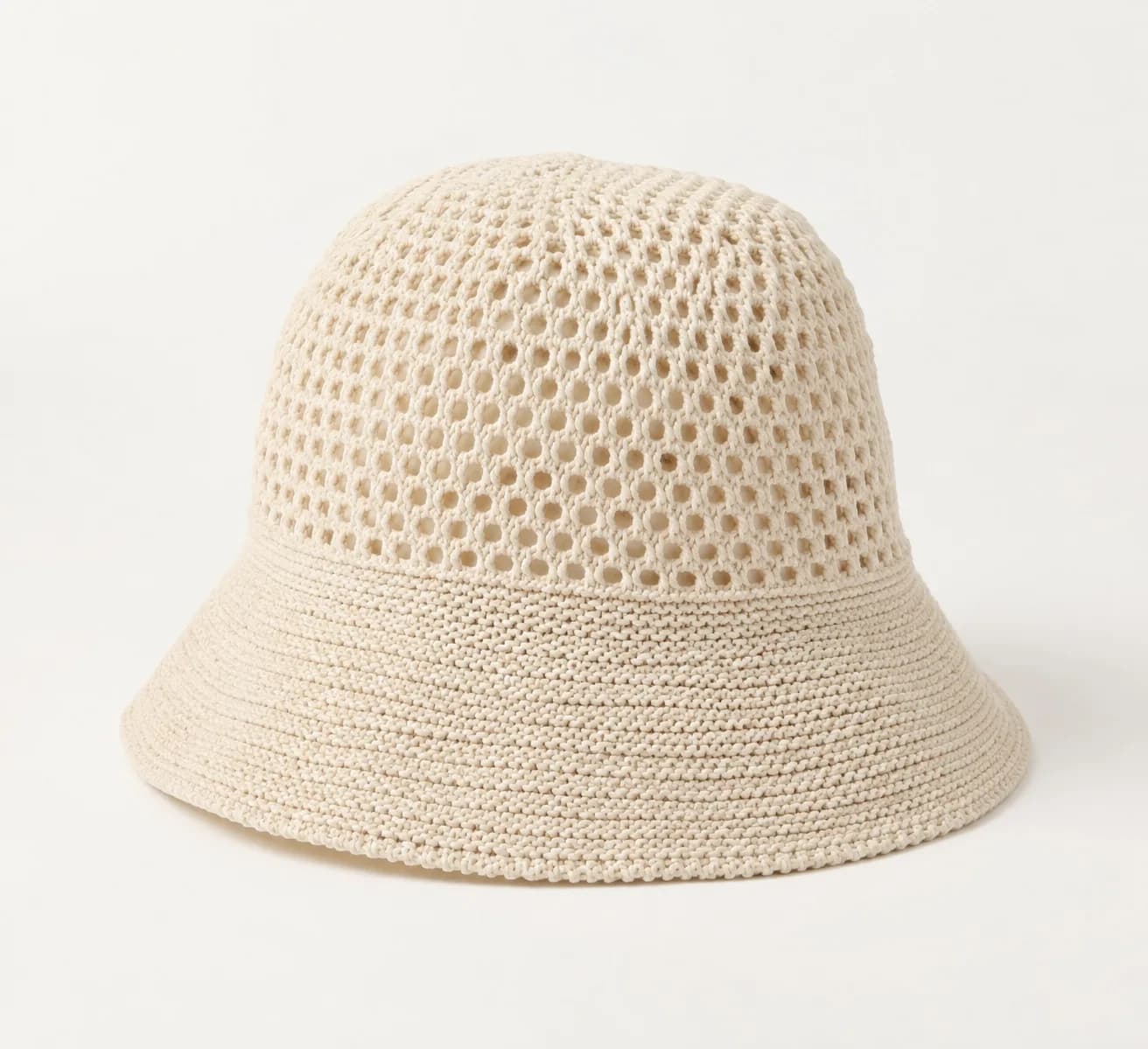
Knit Accessories
MOQ, lead time, cost ranges, gauge selection and QC checkpoints across typical OEM/ODM knitwear programs in NA + EU. Enter your email — we'll send you the report link in 30 seconds.
No spam. Unsubscribe with one reply. We use your email only to send you the report and follow up if you want a sourcing conversation.
Brand names shown are previously serviced OEM/ODM partners. Logos are decorative and do not imply current endorsement.