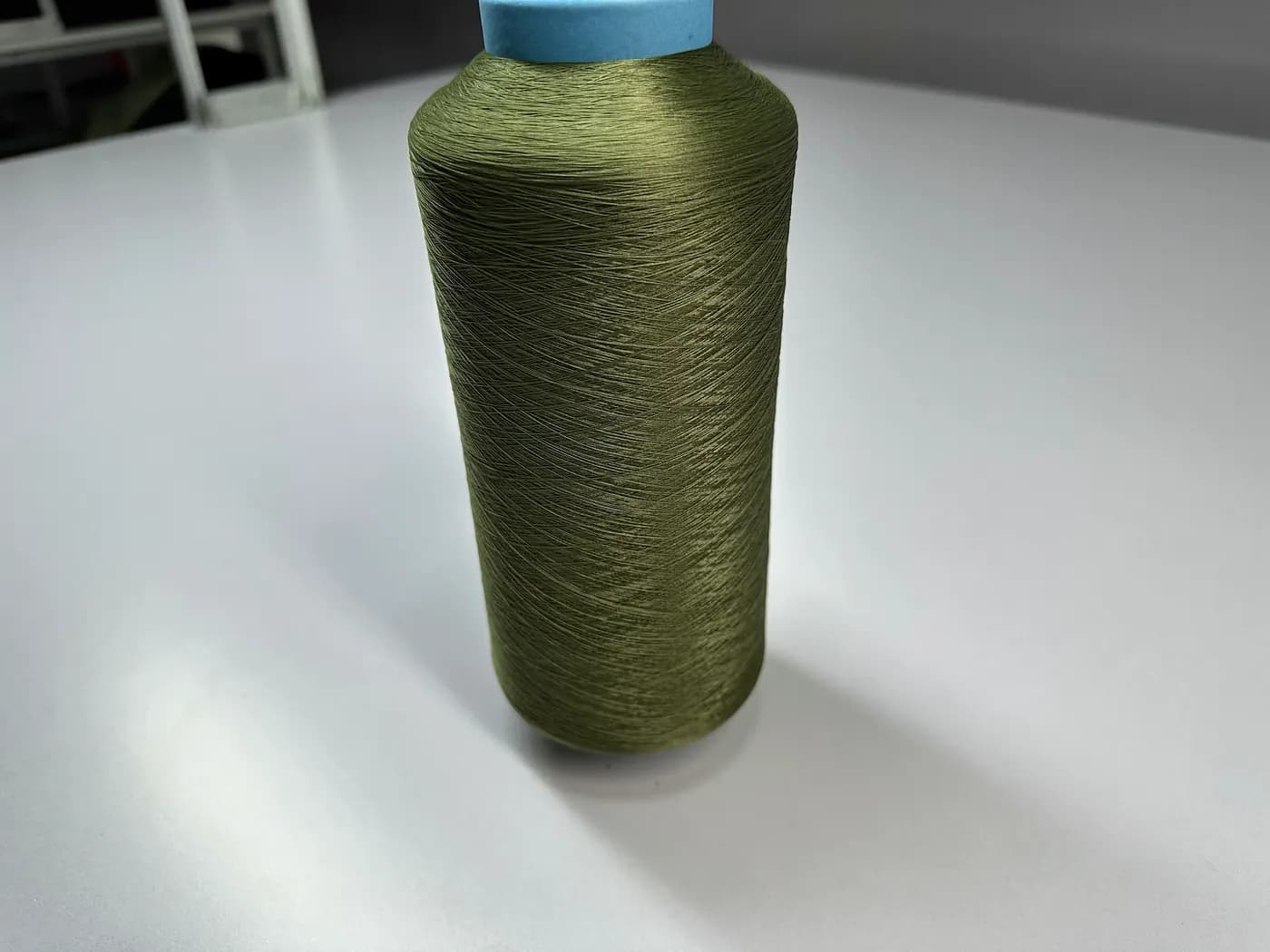
Yarn & Material Guide
Updated 10/9/202612 min readBy Simon Liu · Licheng Knitwear
A B2B yarn and material guide for choosing cotton blends, wool blends and synthetic support fibers for custom knitwear.
A B2B yarn and material guide for choosing cotton blends, wool blends and synthetic support fibers for custom knitwear.
Our team is ready to support your brand from concept to delivery.
Discuss Your ProjectYarn and material choices touch every part of a knitwear program, handfeel, warmth, durability, sustainability and cost. This guide is a hub overview of the material decisions B2B buyers face, linking to deeper guides on each topic. If you are specifically choosing yarn for men's sweaters, start with our yarn selection guide; this page maps the wider material landscape.
Material is the foundation of knitwear. Every other decision, gauge, fit, price, sits on top of the fiber you choose.
💬 Sourcing this for an upcoming project? Request a free quote → · MOQ 30 pcs · Sample in 15–25 days · WhatsApp us
A complete material brief covers more than just "wool or cotton." It spans fiber, blend, gauge, finish and sustainability:
| Decision | Key question | Deeper guide |
|---|---|---|
| Fiber | What handfeel and season? | Yarn selection |
| Blend | Pure or blended for cost/care? | Cotton vs wool |
| Gauge | How heavy and what stitch? | Gauge guide |
| Premium fiber | Cashmere or blend? | Cashmere sourcing |
| Sustainability | Recycled or certified? | Sustainable yarn |
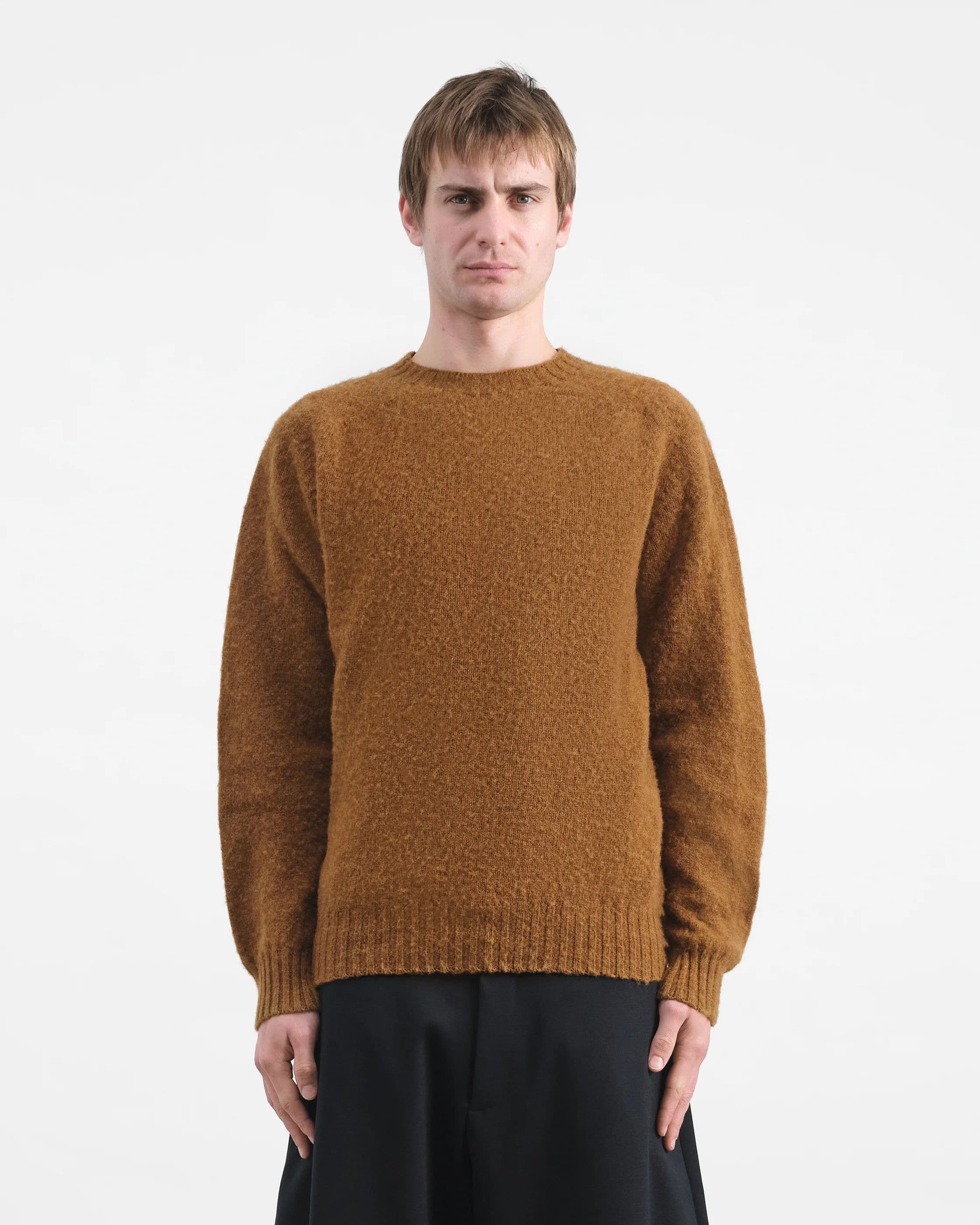
The core fibers each suit different seasons and positioning. Cotton is cool and breathable for warm weather; wool, lambswool, merino, cashmere, brings warmth and resilience for cold weather; acrylic and blends keep value programs accessible. For the full comparison, see our yarn selection guide and the focused cotton vs wool comparison.
Pure fibers tell a clean story, but blends often perform better and cost less. Wool-acrylic improves easy-care and price; cotton-cashmere adds softness to a breathable base; nylon boosts durability at stress points. Choosing pure versus blend is a deliberate trade-off between marketing claim and wear performance.
For premium positioning, cashmere and cashmere blends deliver luxury handfeel, with grade and ply driving quality, see our cashmere sourcing guide. For eco-conscious programs, recycled and certified yarns build a credible sustainability story, covered in our sustainable yarn guide. Both require testing the actual yarn before bulk.
The same fiber feels completely different at different gauges, chunky 5GG wool versus fine 12GG merino, so material and gauge must be chosen together. See how the common gauges compare in our gauge guide.
Fiber is the single biggest driver of unit cost (40-60% of the total) and of quality risks like pilling and shrinkage. Choose material first, test it, then build the rest of the spec on top. See our cost factors guide, quality control checklist and yarn cost index — median FOB per piece across 112 styles, broken out by fibre.
Most material briefs come down to matching a fiber family to a price tier, a season, and a care promise. Use the table below as a starting filter, not a final spec, because blend ratio and gauge shift every column.
| Fiber | Tier | Best season | Care | Watch-out |
|---|---|---|---|---|
| Cotton | Value–mid | Spring/summer | Machine wash | Loses shape if loosely knit |
| Acrylic | Value | Three-season | Easy-care | Pilling on cheap grades |
| Lambswool / wool | Mid | Autumn/winter | Wool wash | Itch on coarse grades |
| Merino | Mid–premium | Autumn/winter | Wool wash | Higher yarn cost |
| Cashmere (+ blends) | Premium | Winter | Gentle care | Grade and ply drive quality |
| Recycled blends | Value–mid | Three-season | Easy-care |
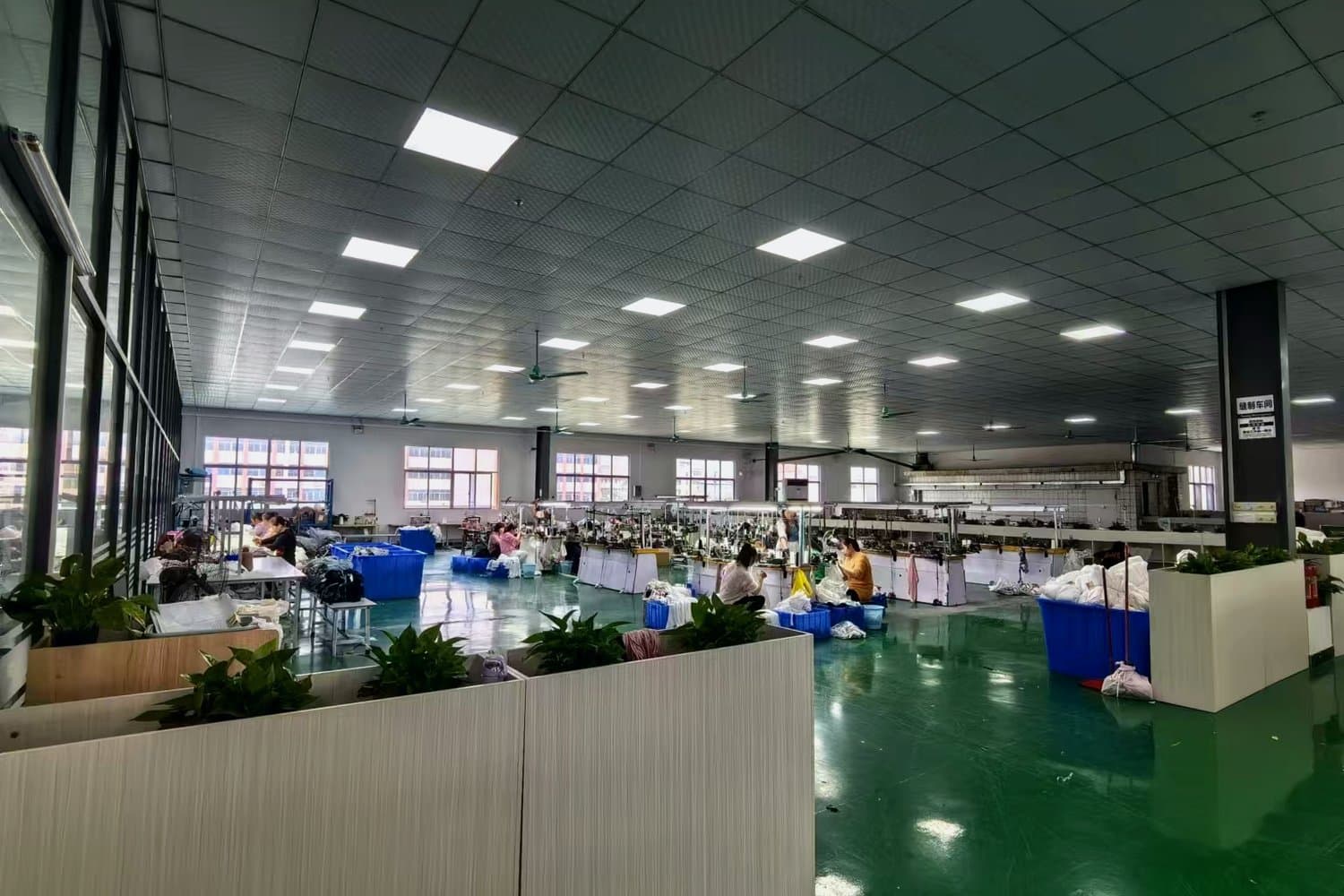
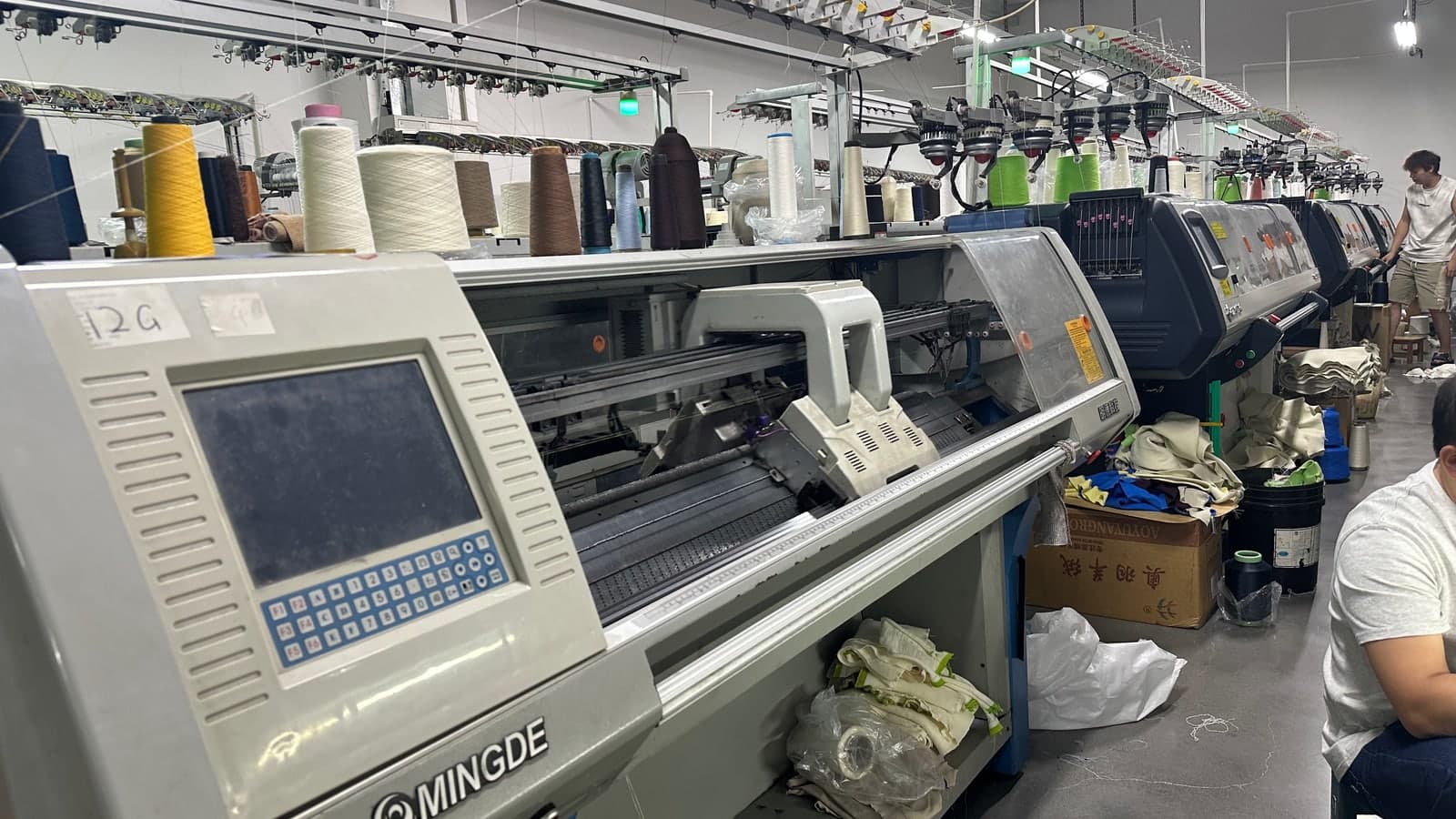
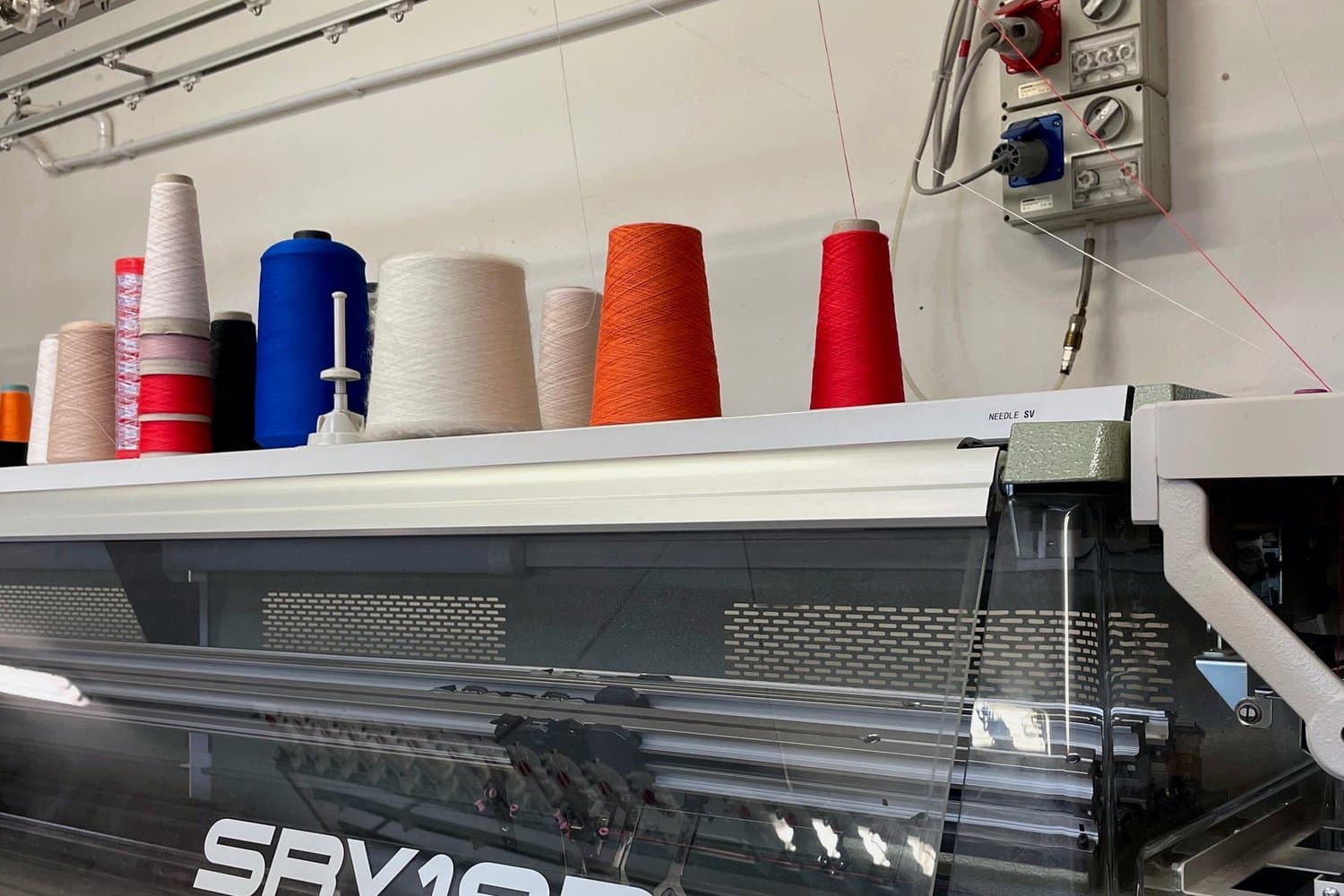
The fibers we run in production are cotton, wool, merino, cashmere and cashmere blends, acrylic, and recycled yarns, at gauges from chunky 3GG through fine 18GG. Where a sustainability claim matters, we work with OEKO-TEX Standard 100 yarns and GRS-certified recycled content, with ISO 9001 governing the process behind it.
Say a North American brand wants a mid-tier women's crew for an autumn drop, soft, easy to care for, and under a target cost. Here is how the material decision unfolds:
1. Season and positioning: autumn/winter, mid-tier, so the shortlist is merino or a wool blend rather than pure cashmere. 2. Fiber vs blend: pure merino hits the softness but pushes cost up; a merino-acrylic blend (for example 70/30) keeps most of the handfeel, adds machine-washability, and trims yarn cost. 3. Gauge: a 12GG knit gives a clean, refined face for a polished crew; dropping to 7GG reads chunkier and uses more yarn. 4. Compliance: specify OEKO-TEX Standard 100 yarn for a skin-safety claim; add GRS recycled content only if the sustainability claim is real and you want the certificate. 5. Prove it before bulk: order a sample (15–25 days), wash-test for shrinkage and pilling, then release bulk (30–45 days) against an approved sealed sample, from an MOQ of 30 pcs per colour (plain and striped styles in the same yarn and colour can be combined).
Locking the fiber and blend first means gauge, cost and care fall into place around a fixed foundation, instead of being renegotiated late when changes are expensive.
Licheng Knitwear develops knitwear across cotton, wool, merino, cashmere blends, acrylic and recycled yarns, advising on the full material picture. Request a quote or browse our products.
What is the minimum order quantity for a custom yarn or material? Our MOQ is 30 pieces per colour and style, which lets brands test a new fiber or blend in market without committing to a large run.
Can I get a physical sample to check the yarn before placing a bulk order? Yes. We produce samples in 15–25 days so you can confirm handfeel, wash-test for shrinkage and pilling, and approve a sealed sample before bulk production, which runs 30–45 days.
Do you offer certified sustainable or skin-safe yarns? We work with OEKO-TEX Standard 100 yarns for skin-safety claims and GRS-certified recycled content for sustainability programs, with our process backed by ISO 9001.
---
If you're planning a real project around any of the points above, we'd be glad to take a quick look. Send a short brief and we'll come back within one business day with a practical direction, MOQ + lead time estimate, and a sample plan if it makes sense.
→ Request a free quote · Download the men's knitwear catalog · WhatsApp us · info@lcgarment.cn
Match the fibre to season, price point and hand: cotton/linen for spring-summer, merino and wool for year-round, cashmere blends for luxury, acrylic and recycled for value. Tell us your season and target price and we recommend.
Wool, merino, cashmere blends, cotton, linen, acrylic, recycled/GRS, mohair and alpaca, across 3GG-18GG gauges.
Yes. Acrylic and cotton blends are the most economical; merino, alpaca and cashmere raise the unit cost most.
We focus on men's sweaters, cardigans, knit jackets, jacquard knitwear and private label knitwear. We support B2B buyers with OEM/ODM development, sampling and bulk production planning.
Ready sample styles and selected custom programs can support lower-risk trials before larger seasonal orders.
Yes. Brands, including new labels preparing a first collection, can pay for a sample and see it before placing a production order. Two routes: a ready sample of a published style at USD 60 per piece in about 7 days, or a development sample from your tech pack at USD 150 per style, covering yarn sourcing, knit programming, one prototype and one revision round, in 15-25 days. Cashmere and mohair styles are quoted individually and shipping is charged at cost. Production starts only after you approve the physical sample, at our minimum of 30 pieces per colour with sizes mixed inside the 30. A sample does not commit you to a production run; we do not make garments for personal use.
Get a free catalog or submit an RFQ today. Our team will respond within 24 hours.
| Verify GRS chain of custody |
Men's Sweaters
MOQ, lead time, cost ranges, gauge selection and QC checkpoints across typical OEM/ODM knitwear programs in NA + EU. Enter your email — we'll send you the report link in 30 seconds.
No spam. Unsubscribe with one reply. We use your email only to send you the report and follow up if you want a sourcing conversation.
Brand names shown are previously serviced OEM/ODM partners. Logos are decorative and do not imply current endorsement.