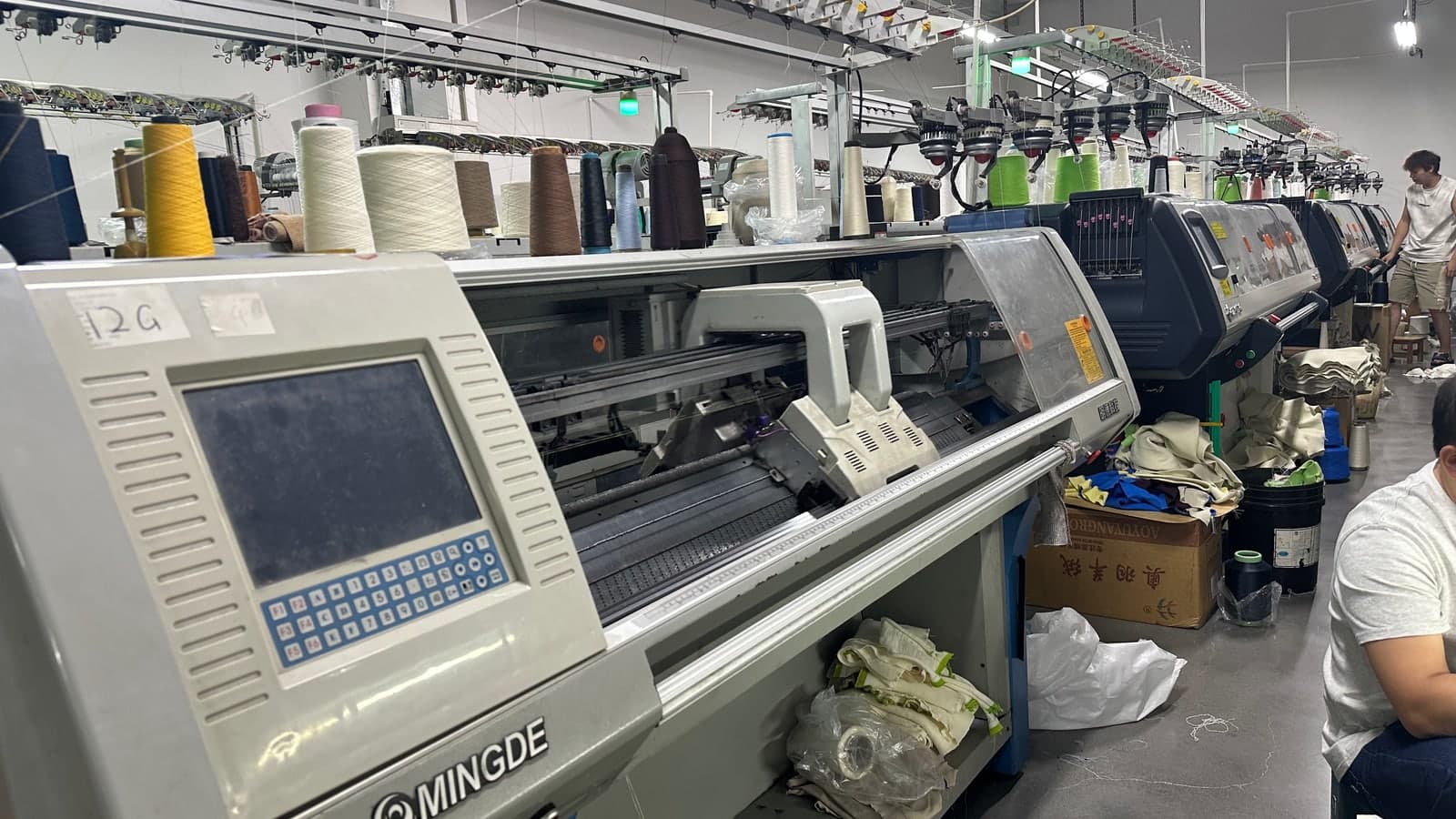
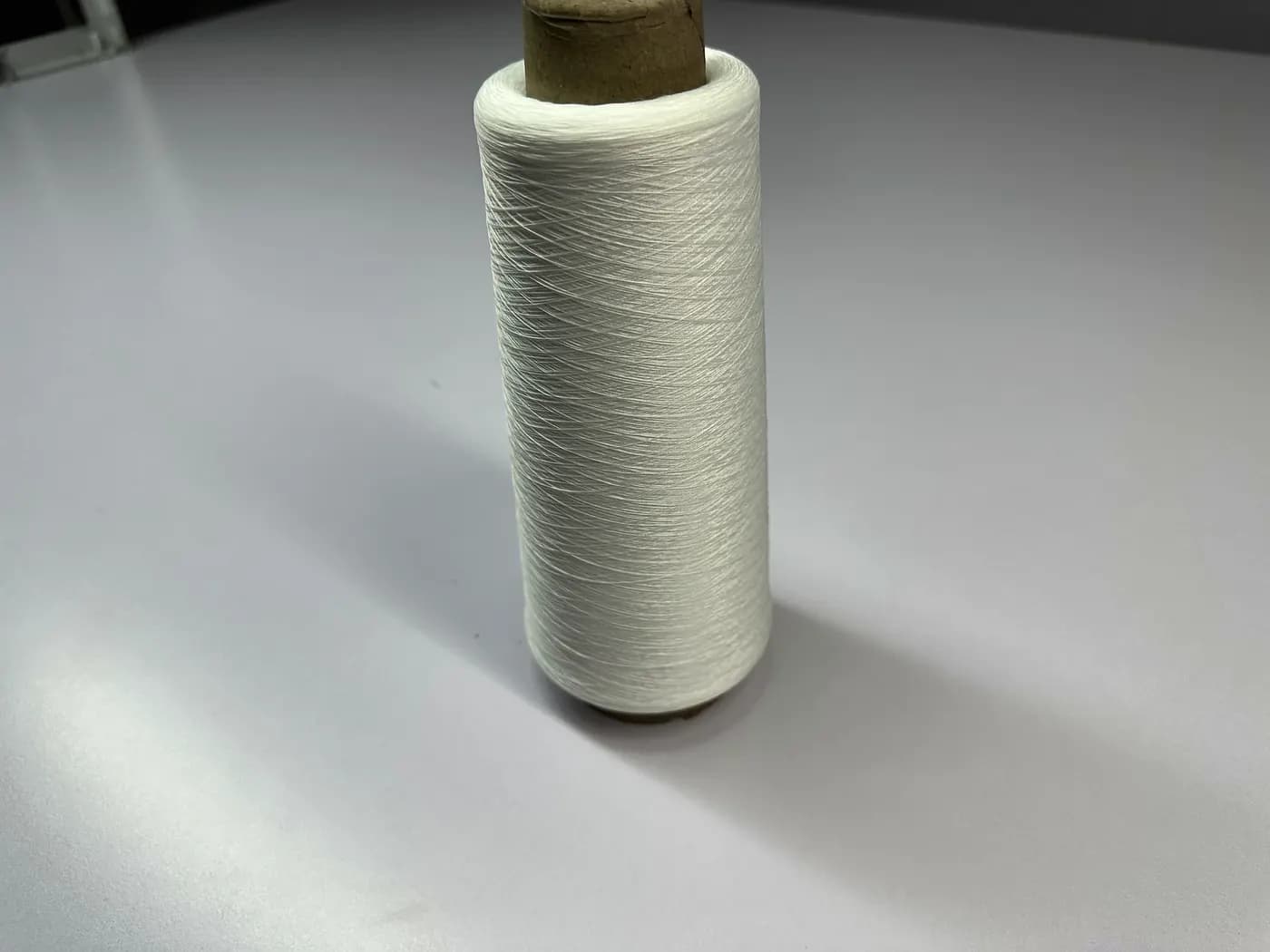
Most sourcing managers I talk to have a slightly embarrassed relationship with acrylic. The trend decks talk about merino, the press talks about regenerative wool, and then the line plan lands on the desk with a $19.99 holiday crew that needs to ship 80,000 units to a mid-tier retailer in Ohio. That sweater is not going to be wool. It is going to be acrylic, or an acrylic blend, and the only question is whether you spec it well or pretend it does not exist until customer reviews start coming in.
This is the honest version of the conversation. Where synthetic yarn earns its keep in knit, where it quietly damages a brand, and what to actually write on the tech pack. No moralizing about petroleum, no pretending a 70/30 acrylic-wool is the same garment as a 100% lambswool. Just the trade-offs as they look from the buyer's seat.
Is acrylic always the wrong choice for knitwear?
No. Acrylic holds bright colour, resists moths, costs less and washes easily, which makes it genuinely right for high-colour fashion pieces, for children's knitwear that will be washed constantly, and for price-driven programmes. It becomes the wrong choice when the garment is sold on handfeel or on longevity.
Where does acrylic quietly cost you?
In hand, in breathability and in how the piece ages. It pills readily, it does not recover shape as wool does, and it reads as synthetic against skin. Those costs land after purchase, which is why they show up in returns rather than in the sample review.
What does nylon do in a knit blend?
It adds strength and abrasion resistance. A small nylon percentage in a wool or cashmere blend is usually there to hold the garment together at the points that wear first - cuffs, elbows, hems - rather than to reduce cost.
How can a buyer judge a synthetic blend before committing?
Handle the sample after a wash, not before. Most synthetic blends present well new; the difference between a good blend and a poor one appears in surface condition and recovery after the first laundering, which is exactly what a sample wash test surfaces.
How should a synthetic blend be specified?
Name the exact percentages, the yarn count and the spinning method, and specify the pilling test to ISO 12945-2. 'Acrylic blend' covers yarns that behave very differently, and the percentages are what make two quotations comparable.
💬 Sourcing this for an upcoming project? Request a free quote → · MOQ 30 pcs · Sample in 15–25 days · WhatsApp us
Acrylic was invented in the 1940s as a wool substitute, and that origin still defines its strengths and weaknesses. The fiber takes dye beautifully — brighter, more saturated reds and royals than you can easily get on wool without aggressive processing. It is dimensionally stable, machine washable in cold, and moths ignore it. It is also the cheapest commercial sweater fiber on the market.
The rough FOB picture on yarn, as of recent quotes out of China for standard counts (Nm 2/28 to 2/32 range):
|
| 100% acrylic (HB / high-bulk) | $4-6 | Workhorse mass-market |
| 70/30 acrylic-wool | $6-9 | Mid-tier warmth and hand lift |
| 50/50 acrylic-cotton | $6-8 | Spring/transitional weight |
| 100% lambswool | $9-14 | Entry premium |
| 100% extrafine merino (~19 micron) | $18-28 | True premium |
| Cashmere blend (10-30% cashmere) | $30-60+ | Luxury tier |
These are yarn prices, not finished goods. The yarn is roughly 25-40% of garment cost depending on construction, so the gap between an all-acrylic sweater and a wool one usually translates to a $3-7 FOB delta on a standard mid-gauge crew. On a 50,000-unit program that delta is real money.
There are four categories where acrylic is not a compromise — it is the right answer.
Price-anchored programs. Anything that has to land under roughly $30 retail in mass channels (Target, Walmart, Kohl's, Primark, large grocery, club channels) is going to use acrylic or a heavy acrylic blend. Wool simply does not get there on a fully-loaded landed cost, even from the most efficient mills.
Vivid color stories. If your line plan calls for an electric cobalt, a true poppy red, or a holiday emerald that has to read across a store from twenty feet away, acrylic is the cleaner technical path. Wool dyeing at that saturation level often requires heavy metal dyes or compromises on lightfastness. Acrylic takes basic and cationic dyes that pop.
No-fuss care marketing. Machine washable cold, tumble low, no dry clean. For value-tier consumers this is not a small thing — it is a returns reducer and a customer-satisfaction lever. Wool care labels intimidate the mass-market shopper, fairly or not.
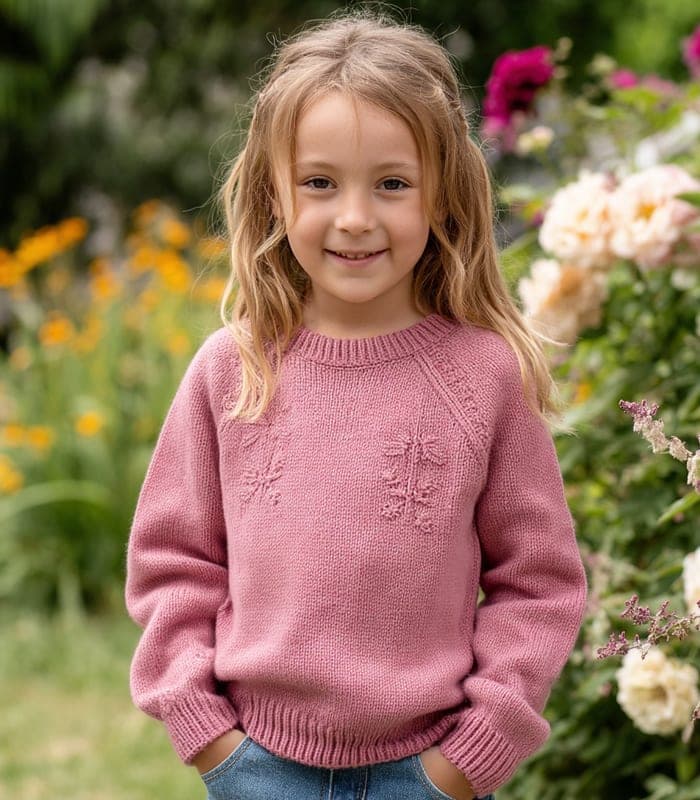
Children's wear and gift programs. Soft hand options, washable, hypoallergenic relative to wool, and cheap enough that the parent does not panic when the toddler spills cocoa. The same logic drives our pet range even harder — acrylic is on 12 of our 17 published pet styles, because a dog sweater is washed on a schedule no human sweater ever sees. Most children's holiday sweaters globally are acrylic for these stacked reasons.
The failure modes are subtle and they almost never show up in lab tests. They show up in customer reviews, in retailer chargebacks, and in repeat-purchase rates a season later.
Hand and perception above ~$40 retail. Once a shopper is paying $50+ for a sweater, they touch it. Acrylic has a specific cold, smooth, slightly squeaky drape that experienced shoppers register subconsciously as "cheap" within two seconds. You can fight this with brushing and high-bulk yarn, but you cannot fully erase it.
Breathability. Acrylic does not absorb moisture (~1.5% moisture regain vs ~16% for wool). Wear it indoors in a heated office and you feel clammy within an hour. This is one of the biggest drivers of the "itchy and hot" complaint in reviews, even when the garment itself is soft.
Static buildup. Synthetics generate static, especially in dry winter air. It manifests as cling, hair stand-up, and occasional small shocks. Anti-static finishes help but wash out over 5-10 cycles.
Pilling — the reality is mixed. Cheap short-staple acrylic pills aggressively. Well-processed high-bulk acrylic with proper twist and a singeing finish can actually outperform low-end wool on Martindale. The variable is yarn quality and finishing, not the fiber itself.
Heat sensitivity. Acrylic will glaze or distort under a hot iron. Care labels and steaming protocols matter at QC.
Nylon shows up in knit yarn at small percentages — usually 3% to 10% — and people often confuse what it is doing. It is not there to make the garment warmer or softer. It is there for two specific mechanical jobs.
Tensile strength and abrasion resistance. A small nylon percentage in a sock yarn or in the heel/toe of a knit garment extends wear life dramatically. In athletic crews you will see nylon used in the cuff, hem, and collar ribs specifically to keep them snapping back to shape after repeated stretching.
Elastic recovery in rib structures. A 1x1 or 2x2 rib that is 95% cotton can bag out within a season. The same rib at 88/7/5 cotton/nylon/elastane keeps its memory for years. For athletic-leaning knit polos, fitted crews, and any "performance" knit story, this matters.
Nylon is also the standard for fully-fashioned trims on technical knits and for any product story that emphasizes durability. It is not a hand-feel fiber. It is a structural fiber, used in the right ratio.
If you are sourcing acrylic-based knit out of China, Vietnam, or Bangladesh, ninety percent of what you will be quoted will fall into three blend buckets.
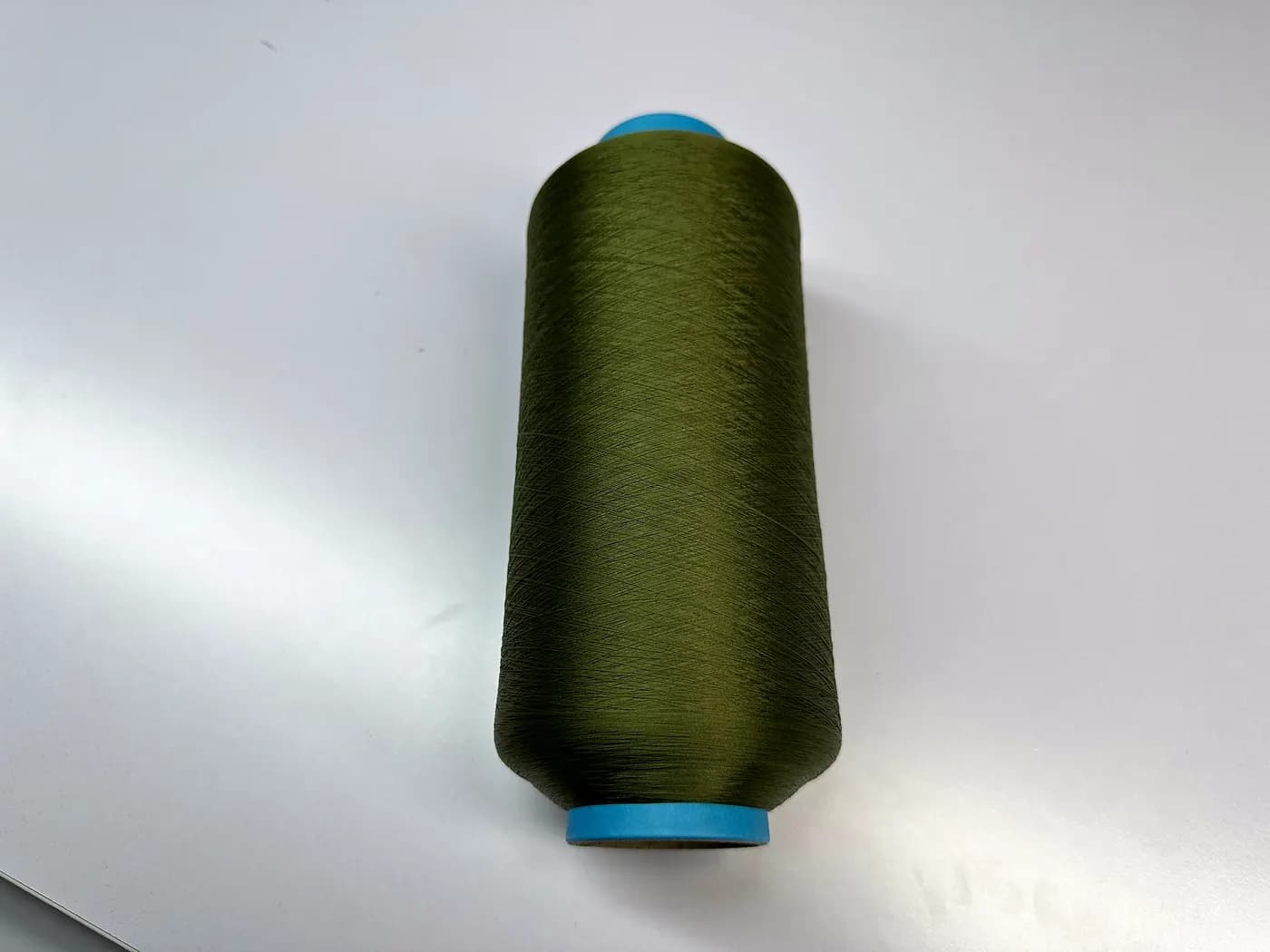
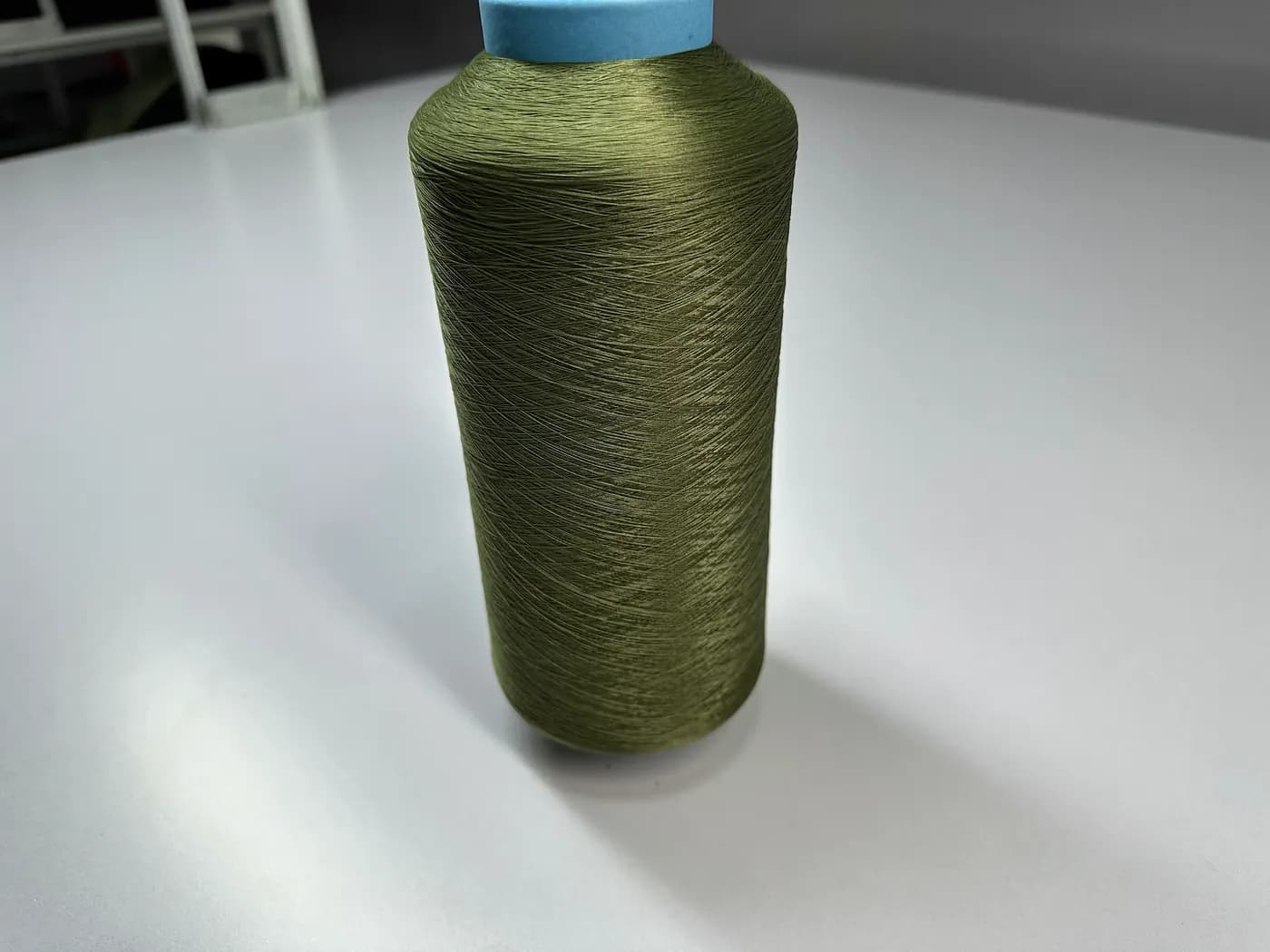
100% acrylic, high-bulk (HB), Nm 2/28 to 2/32. The budget workhorse. Used for chunky 5-7GG holiday sweaters, kids' programs, and any sub-$25 retail sweater. Hand can be lifted with brushing and softener finish. Watch for cheap short-staple versions that pill in two washes.
70/30 acrylic-wool. The classic mid-tier blend. Wool brings warmth, breathability, and a softer crimp to the hand. Acrylic brings price stability, washability (often still machine wash cold), and dye brightness. This is where most $30-60 retail mass-market sweaters live, and honestly it is a defensible product if specced well.
50/50 acrylic-cotton. The spring and transitional blend. Cotton brings breathability and a cooler hand, acrylic brings dimensional stability and color. Used for lighter-weight crews, polo sweaters, and layering pieces shipped February through May. Be careful with shrinkage if the cotton is not pre-shrunk.
You will also see 80/20 acrylic-nylon for athletic ribs, 60/30/10 acrylic-wool-nylon for more durable mid-tier programs, and various "premium acrylic" stories (microfiber acrylic, modacrylic blends for flame resistance) that occupy small niches.
You do not need a fiber lab to catch the worst synthetic samples. Three things to do when a sample lands on your desk.
First, the warmth test. Hold the fabric to the back of your wrist for ten seconds. Wool blends warm noticeably; pure acrylic feels neutral or cool. This is the single fastest tell.
Second, the drape and crunch test. Crumple a section in your fist for five seconds and release. Wool recovers slowly and asymmetrically; quality acrylic recovers cleanly; cheap acrylic stays crunched and shows angular wrinkles. If you hear a faint papery sound, the yarn count is wrong for the gauge.
Third, the burn test (if you have a swatch you can sacrifice). Wool smells like burning hair and self-extinguishes into a brittle ash. Acrylic smells acrid and chemical, drips a hard black bead, and keeps burning. Nylon smells like celery and forms a hard gray bead. This will not tell you blend percentages, but it will tell you fast if a "70/30 acrylic-wool" sample is actually 100% acrylic with a story.
For anything past field-checks, request a fiber content test report from an accredited lab (SGS, Intertek, BV) before bulk approval. On large programs, do this on production yarn, not just the development sample.
A few tech-pack details that separate a good acrylic program from a regretted one:
- Specify yarn count and ply, not just fiber. "100% acrylic" tells you nothing. "100% acrylic HB, Nm 2/28, 2-ply, ring-spun" tells your mill exactly what to source.
- Call out the finish. Anti-pill finish, silicone softener, anti-static, brushing — these are not free, but they are the difference between a sweater that survives a season and one that does not.
- Set Martindale and pilling thresholds in the spec. ISO 12945-2 pilling grade 3-4 minimum after 2,000 cycles is a reasonable bar for mass-market acrylic. Hold the mill to it on bulk.
- Confirm dye class and lightfastness. Cationic dyes on acrylic give the best color depth; verify ISO 105-B02 lightfastness grade 4+ for any saturated tone going into a window-display retailer.
- Lock the blend ratio with a third-party test. A 70/30 blend that arrives as 60/40 in bulk will change the hand, the drape, and the lab dip approvals. Test on production yarn.
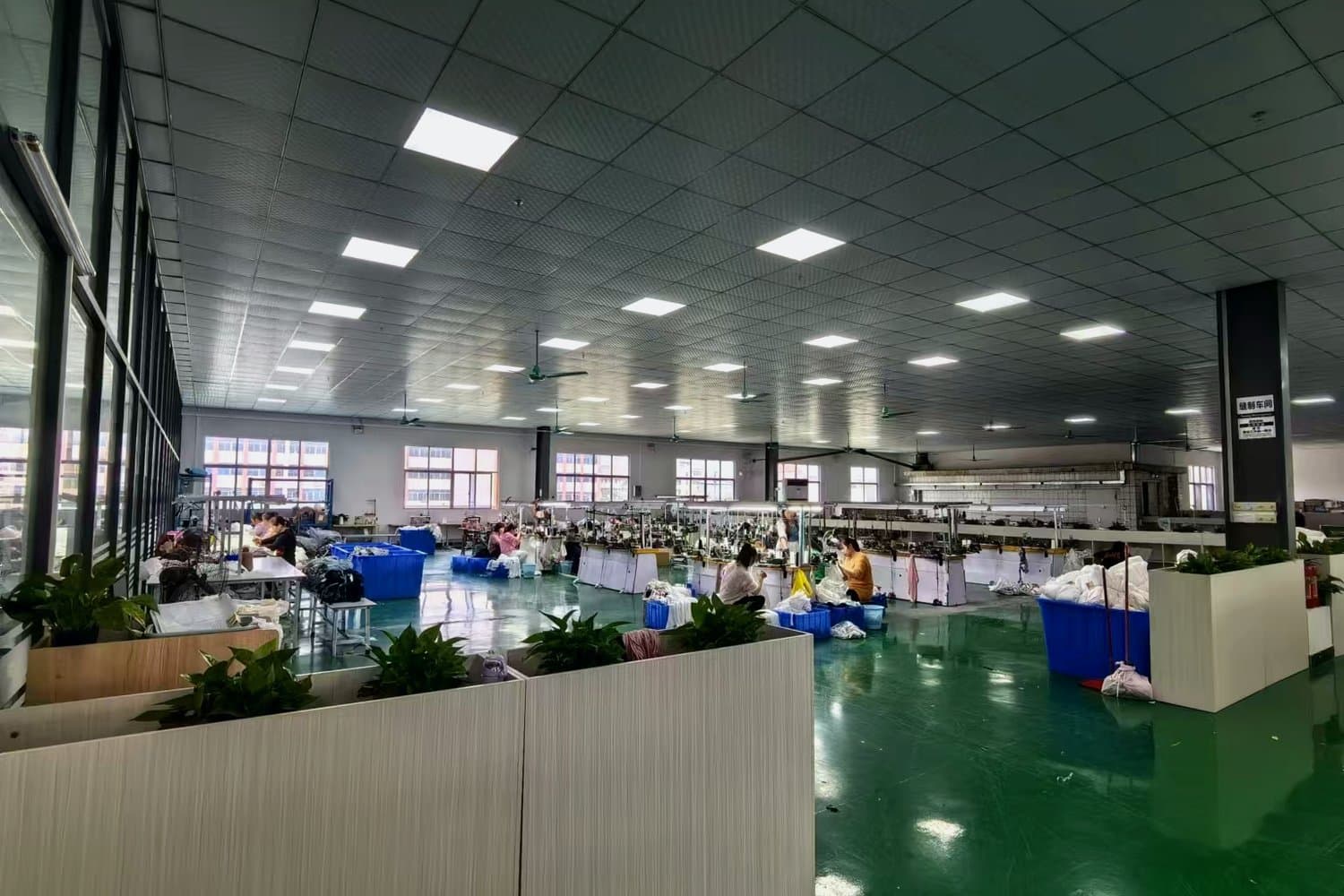
At Licheng we run acrylic, acrylic-wool, and acrylic-cotton programs across 3GG to 18GG, with a 30-piece MOQ per color for development and small runs, and we provide fiber-content documentation per project for the bulk yarn that ships. Sample lead times are typically 15-25 days; bulk runs 30-45 days depending on dye and finish complexity.
If your brand has any environmental positioning, acrylic is a difficult fiber to talk about. It is petroleum-derived, it sheds microplastics in the wash, and it is not biodegradable. Recycled acrylic exists but is rare and expensive relative to virgin, undermining the price advantage that drove the choice in the first place.
The defensible mid-tier sustainability moves are usually:
- Move from 100% acrylic to a 50/50 or 70/30 blend with a natural fiber, and tell the natural-fiber story.
- Use OEKO-TEX Standard 100 certified yarn so at least the chemistry is documented.
- Specify high-quality long-staple acrylic with good pilling resistance, so the garment lasts more seasons (longevity is a real sustainability lever, not just marketing).
- For any "recycled" claim, get GRS or RCS chain-of-custody documentation. Unverifiable recycled-content claims are a regulatory and PR risk in the EU and increasingly in California.
If your brand is positioned firmly on natural fibers, do not try to make acrylic work for a hero piece. Use it where it belongs — in the children's gift sweater, the holiday novelty, the value-tier basic — and let the wool and cotton hero pieces carry the brand story.
There are categories where acrylic is almost never the right call regardless of price point: a true premium men's cardigan, a heritage cable knit, anything with editorial press ambitions, and anything sold into specialty wool-focused boutiques. The customer in those channels is touching the garment and reading the care label, and synthetic content tanks the close rate.
For those categories, the right move is usually a wool blend or a wool-cashmere story, and the right conversation with your mill is about how to hit a competitive price on a natural-fiber base rather than how to dress up acrylic. Two different sourcing problems, two different supplier conversations.
---
If you're planning a real project around any of the points above, we'd be glad to take a quick look. Send a short brief and we'll come back within one business day with a practical direction, MOQ + lead time estimate, and a sample plan if it makes sense.
→ Request a free quote · Download the men's knitwear catalog · WhatsApp us · info@lcgarment.cn
Browse the full men's sweaters range →