Spring/Summer 2027 Light-Knit Direction Forecast for B2B Buyers
Updated 9/19/202612 min readBy Simon Liu · Licheng Knitwear
Menswear brands that built their reputation on autumn-winter knits are pushing harder into spring-summer because the cotton tee category has plateaued and buyers are looking for an upgrade tier their customers will actually pay for. From where we sit on the Dongguan factory floor, the SS27 light-knit direction is already legible in the yarn quotes we are receiving for delivery windows in late 2026. This forecast is written for buyers expanding their SS knit offer beyond AW core — what stitches and yarns to specify, what colors mills are pre-dyeing, and the lead-time math you need to lock in now so the program lands in store March to April 2027 rather than missing the season.
Ready to Start Your Project?
Get a free catalog or submit an RFQ today. Our team will respond within 24 hours.
Menswear buyers who built their volume on autumn-winter knit have started telling us the same thing in pre-season calls: the spring-summer half of the calendar is undercut. Cotton tees are crowded and margin-thin, woven shirts are seasonally specific, and the gap between them is where the SS knit category is now growing. This piece is the forecast we walk our SS27 development buyers through — what is moving, what is fading, what to book early, and the calendar math that determines whether you ship on time.
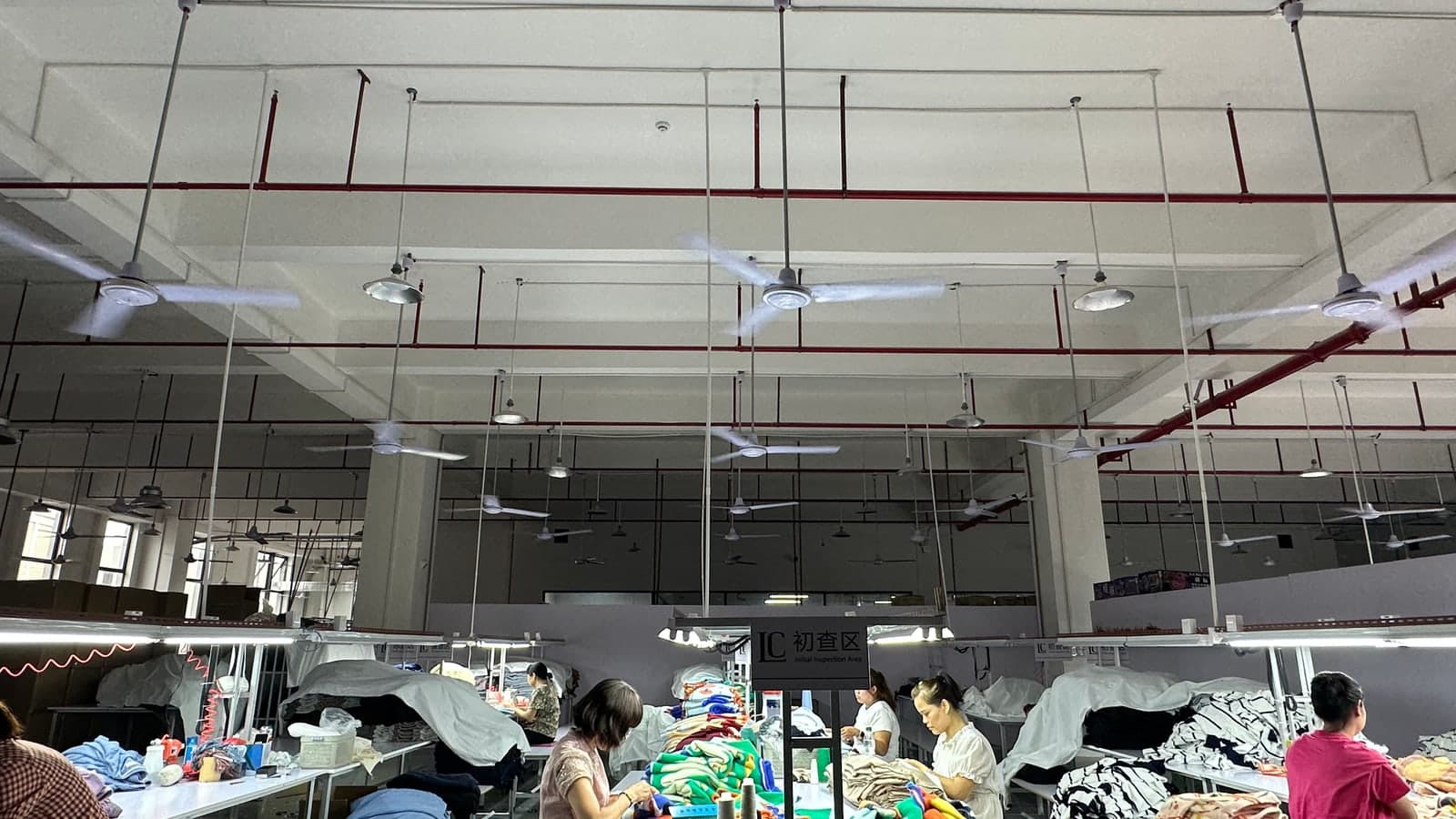
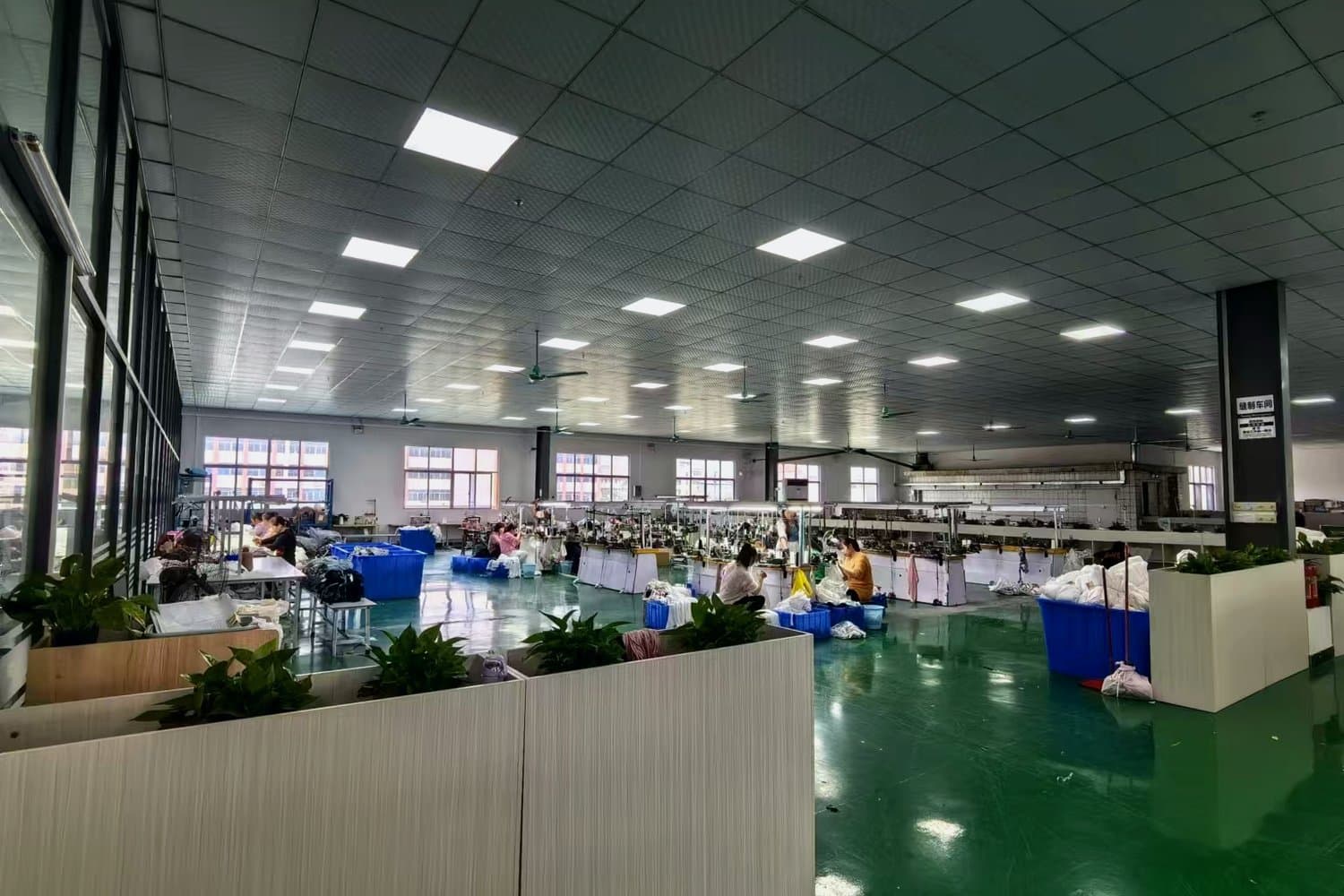
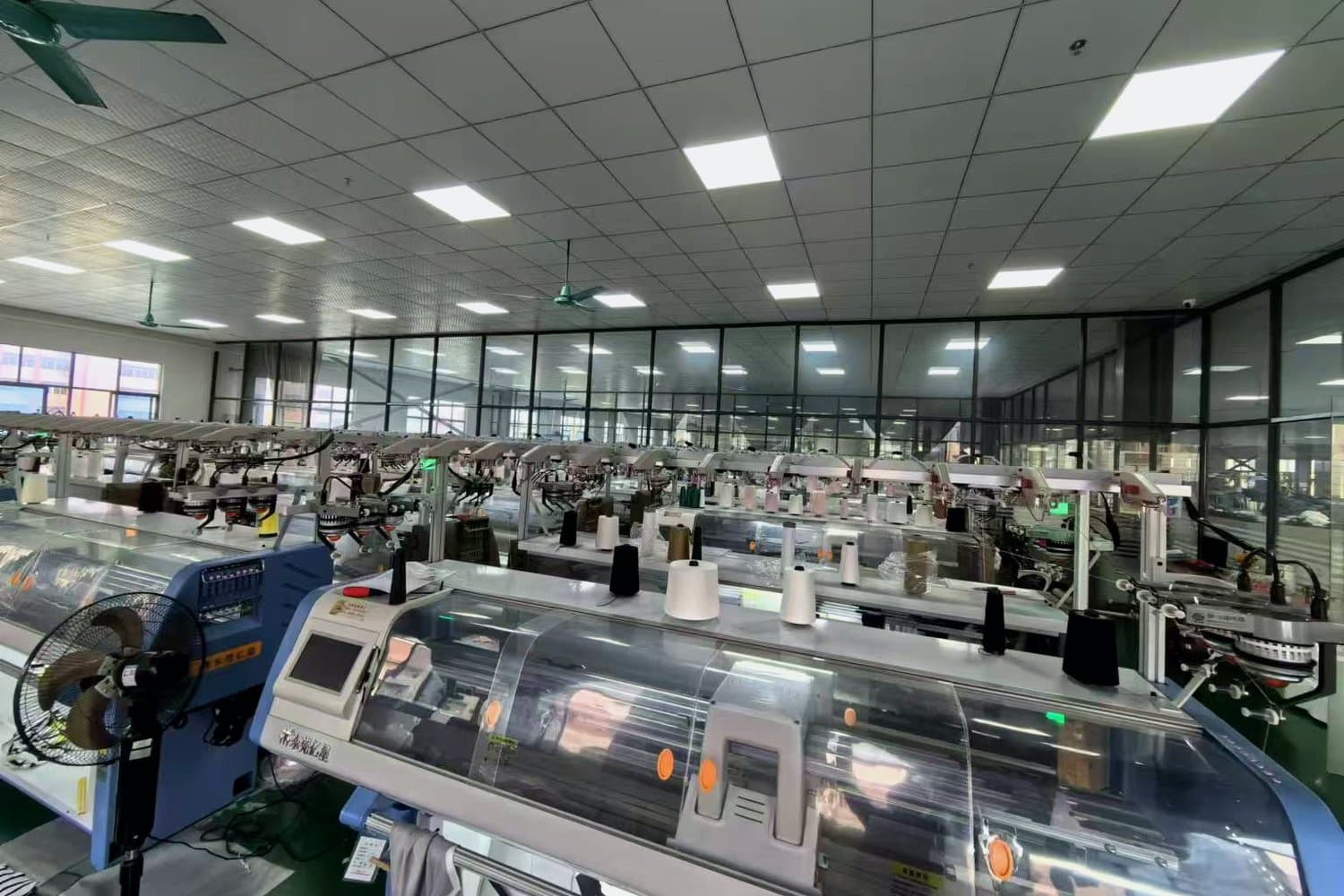
We are a knitwear factory in Dongguan, founded in 2018, running gauges from 3GG through 18GG. SS development pulls us toward the fine end of that range, and the conversations we are having now with yarn agents and pattern rooms are the basis for what follows. No forecaster names, no licensed trend reports — only what is showing up in our own quote book and sample requests for SS27.
Why SS Knit Is The Category Buyers Are Quietly Building
Common Questions
Which gauges define SS27 light knitwear?
12GG and 14GG carry most of it. They are fine enough to read as spring and summer product rather than as a thinned-out winter sweater, while remaining robust enough for a commercial calendar. Above that, 18GG belongs to the pieces meant to sit under a jacket without bulk.
What yarns are moving for SS27, and when should they be booked?
Lighter cottons and cotton blends, finer merino and linen blends. Book earlier than the styling feels ready: the constraint is dyeing rather than knitting, and a dyed-to-order shade carries the mill's minimum and lead time.
How does SS knit differ from AW knit commercially?
It uses less yarn per piece, which lowers unit cost but also lowers the buffer in the calendar - the season is shorter and the sell-through window narrower. Getting on the floor on time matters more in SS than a small saving does.
What is the lead-time maths for an SS27 drop?
Work backwards from the in-store date: sampling 15-25 days per round from confirmed yarn and artwork, then bulk, then sea freight. Start from the date the customer can buy it, not from the date the design is signed off.
What should a buyer book now versus hold?
Book the yarn and the colours you have committed to, since those carry external minimums. Hold the styling decisions that depend on a late read of the season - those can move without costing you the calendar.
The pressure to expand the SS knit offer is not coming from a trend report. It is coming from sell-through data on the buyer side. Cotton jersey tees compete on price with fast fashion and on graphics with streetwear, and most heritage and contemporary menswear brands have given up trying to win on either axis. What they can win on is hand-feel and construction — and that is where a 14GG linen-cotton knit polo or a 12GG mesh-stitch crew lands. It reads as elevated, it carries a higher AUR, and it sits in the wardrobe between a tee and a shirt where competition is thinner.
For SS27 specifically, the brands writing the biggest light-knit POs with us are the ones who already have a strong AW knit program and are simply asking their existing knit supplier — us — to extend the calendar. The development cost is lower because the relationship and the size set already exist; the merchandising gain is real because they are pulling a category their woven competitors cannot match.
The Stitch And Silhouette Shifts We Are Seeing For SS27
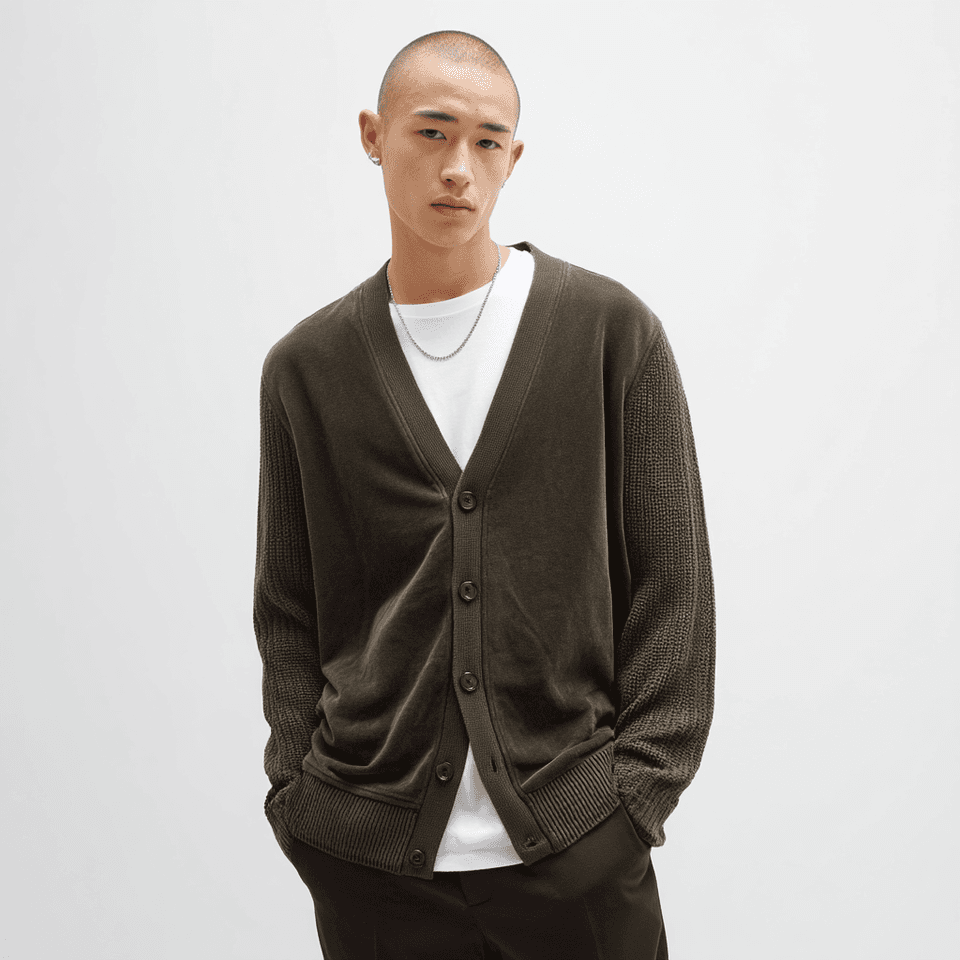
The single clearest movement in SS27 development is the knit polo continuing to take share from the cotton tee within elevated menswear. We are quoting more knit polos for SS27 than for SS26, and the construction requests skew toward fine-gauge open-collar designs with self-fabric placket and rib trims rather than the heavier piqué polos that dominated 2023-2024.
Mesh and pointelle stitches are the second clear shift. Buyers who would have specified a flat jersey two seasons ago are now asking for breathable open structures — tuck-stitch mesh, fine pointelle, micro-eyelet — that give the garment visual texture without adding weight. These stitches work because they break up a plain front, photograph well on PDP, and read as warm-weather appropriate.
The third shift is drape over structure. SS26 silhouettes still leaned slightly structured — fuller shoulder, defined hem. SS27 development we are sampling is softer: relaxed shoulder, longer body, dropped armhole, hem that falls rather than sits. This affects yarn choice as much as pattern. Drape requires a yarn with weight per length but low torque, which is why linen-cotton and viscose-cotton blends are dominating the SS27 quotes over pure cotton.
Yarns That Are Moving — And What To Book Early
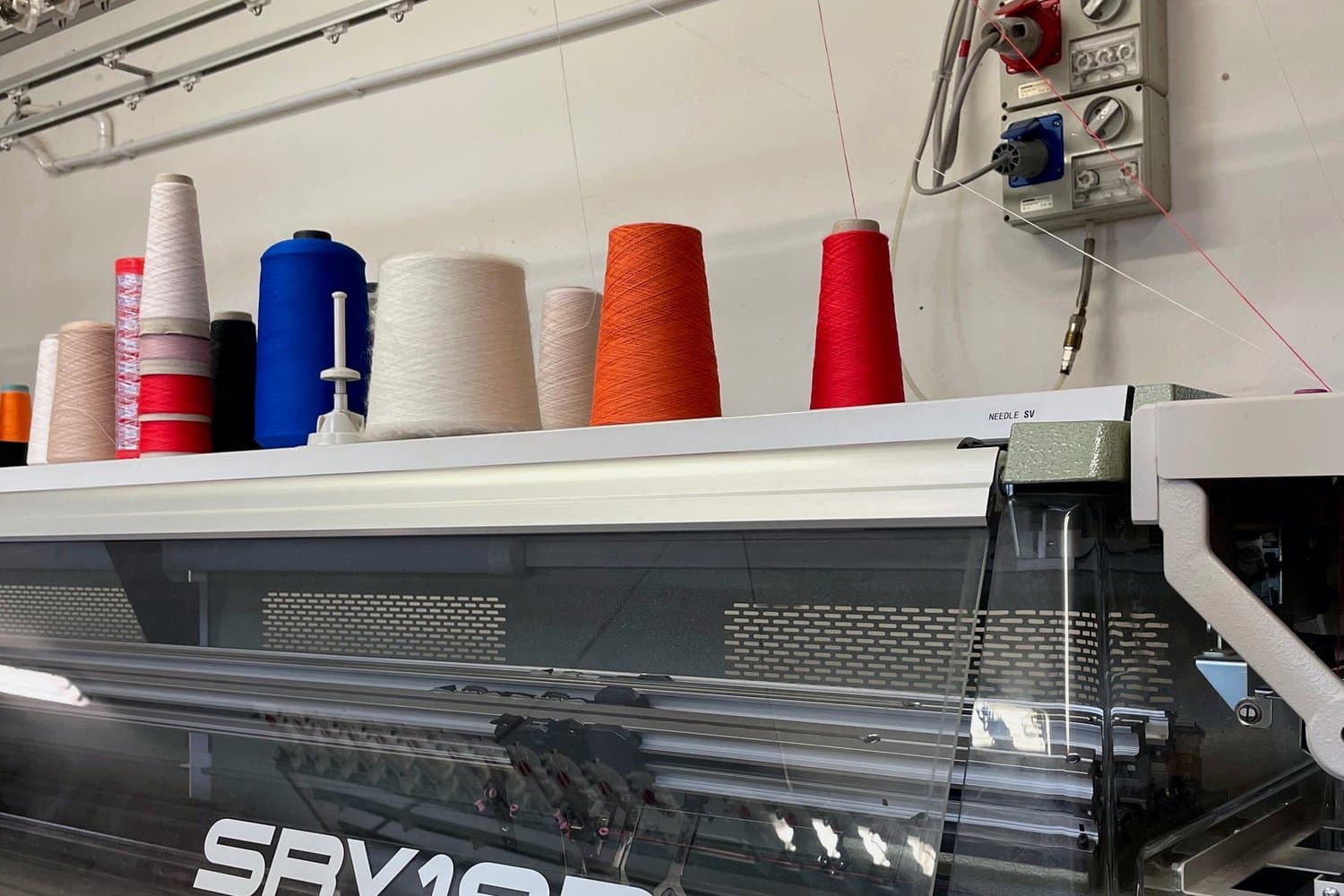
Our yarn store — booking the right count early is the whole SS27 timing problem.
The yarn conversation for SS27 is where the calendar pressure shows up. Below is the picture from our sourcing desk as of the last quarter of 2026:
Yarn Type
Typical SS27 Gauge
Why It Is Moving For SS27
Booking Pressure
Linen-cotton blend (55/45 or 70/30)
12GG / 14GG
Drape, breathability, sun-bleached hand
High — book by Dec 2026
Combed cotton fine count
14GG
Clean surface for polos, takes pastels well
Medium
Viscose-cotton blend
12GG
Drape-forward, fluid hand for relaxed silhouettes
Medium-high
Cotton-silk blend
14GG
Lustre on pastels, premium tier
Low volume, allocate early
Mercerised cotton
14GG
Subtle sheen, holds wash-pastel dye well
Medium
Recycled cotton blend
12GG
Buyers asking for an entry sustainability story
Mill-dependent, ask early
The single line that matters most: linen-cotton in fine counts. Linen-supply quality varies year to year and the mills we work with allocate the cleaner European-flax-spun blends to buyers who commit early. If a brand waits until February 2027 to confirm SS27 development, the yarn they sampled in October may not be available at the count and color they need for bulk.
The Color Story — Washed Pastels And Sun-Bleached Neutrals
The color shift for SS27 is away from the saturated brights that dominated SS25-SS26 and toward washed, low-chroma tones. The shorthand we use internally is washed pastels plus sun-bleached neutrals — colors that look as if a stronger version has been left in sunlight for a season.
On the pastel side: faded lavender, dusty mint, chalk pink, washed butter yellow, pale stone-blue. These read as warm-weather without screaming resort, and they hold up well in fine-gauge knit where a saturated color can look synthetic.
On the neutral side: bleached oat, raw linen, soft chalk, warm stone, paper-grey, sand. These are the safer half of the SS27 palette and the colors most of our buyers are using as anchor for their elevated polos and crews.
A practical note: washed pastels require lab-dip discipline. The difference between a washed pastel that reads premium and one that reads weak is roughly five points of chroma. Approve lab-dips under both warm and cool light, and confirm wash-down behavior after one and three home washes before bulk yarn dye.
Gauge Choice — Why 12GG And 14GG Define The Season
For SS specifically, the gauges that matter are 12GG and 14GG. Coarser gauges — 7GG, 5GG, 3GG — belong to AW (women's AW27 direction, men's AW2027 read from 241 published styles). Finer than 14GG is specialist territory and adds production cost without a clear sell-through gain at the volume most menswear brands operate at.
12GG sits at the breakpoint between visible stitch and clean surface. It works for mesh and pointelle structures where you want the texture to be legible, and for relaxed-silhouette crews where some weight gives the drape. Most of the SS27 sample requests we are making are 12GG.
14GG is the polo and refined-crew gauge. The stitch reads as smooth ground from one metre away, which is what an elevated polo needs. It also takes pastel dyes more cleanly than 12GG because the surface is denser and the dye sits more evenly. Combed cotton, mercerised cotton, and the finer linen-cotton counts all run at 14GG comfortably.
Where buyers get into trouble is asking for an SS knit at 7GG because that is what their AW program runs at. The fabric ends up too heavy for the silhouette and prices out against the cotton-shirt comparison set. If the AW supplier cannot quote 12GG / 14GG, the SS program needs a different supplier or a different vendor at the same supplier.
The Lead-Time Math For SS27 — Working Backwards From Store
The calendar is the part buyers most often underestimate. Working backwards from in-store March to April 2027, the SS27 timeline looks like this:
Store floor March to April 2027 means ex-factory January to February 2027 for sea freight and a March ex-factory window only if buyers can absorb air. Bulk production at our typical 30-45 day lead time means PO confirmed and bulk yarn dyed by mid-November 2026 for the earliest store-floor window, or by early January 2027 for the later one. Bulk yarn dye-to-knit needs the yarn on the mill floor, which means yarn booked December 2026 for any volume that depends on a specific count, color, or fibre blend. Sample lead time of 7-25 days means pre-production samples confirmed October to November 2026. Initial development samples, lab dips, and stitch swatches need to be in flight from August to September 2026.
The single failure mode we watch buyers walk into is treating SS27 as if the calendar is symmetric with AW. It is not. AW yarn supply is deeper, dye-houses are less stretched in Q3, and a late confirmation can still ship. SS yarn supply — especially fine linen blends and washed pastels — is allocation-driven, and a late confirmation can mean substituting yarn or color, which kills the premium read of the garment.
How We Run SS27 Development With Buyers Expanding From AW Core
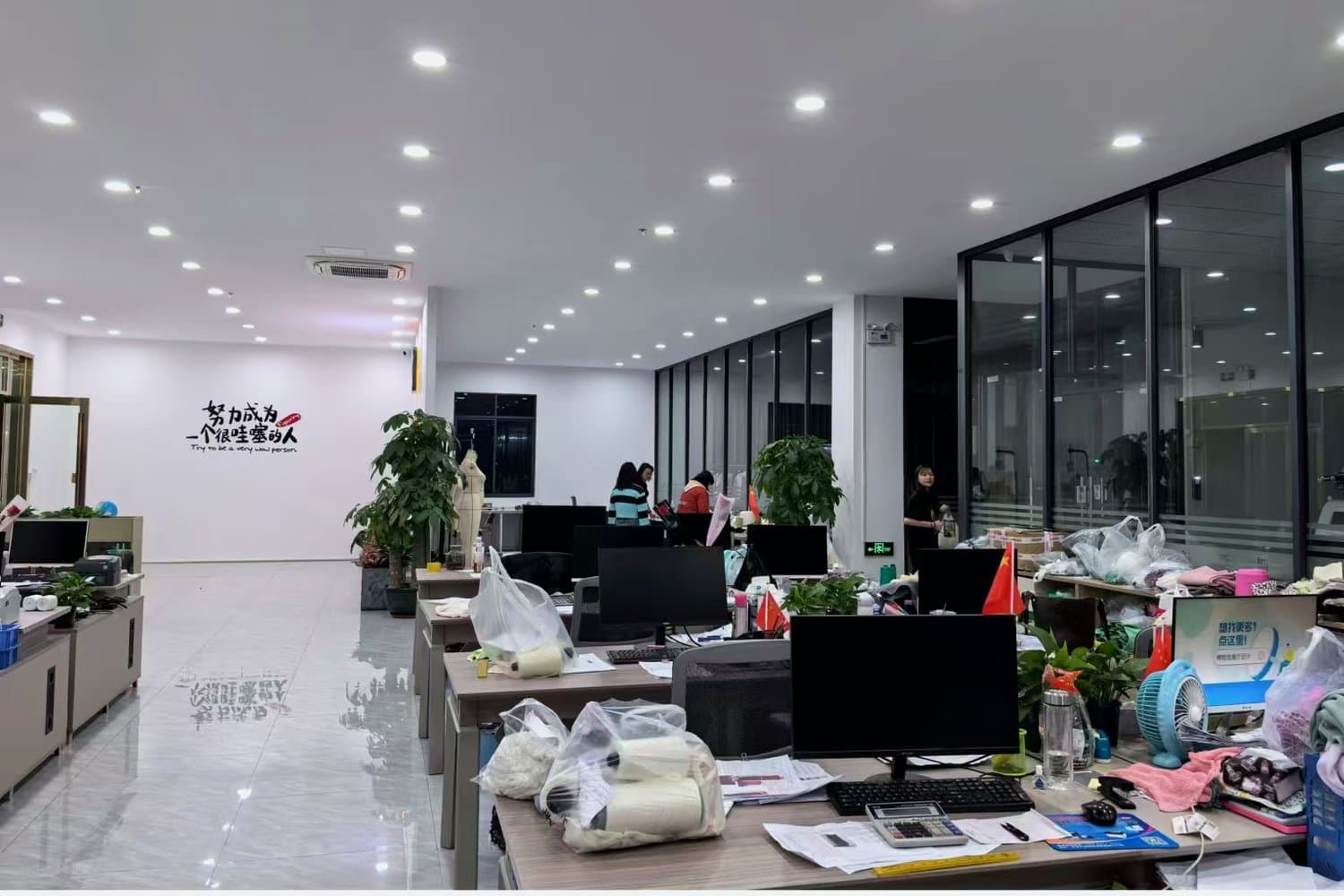
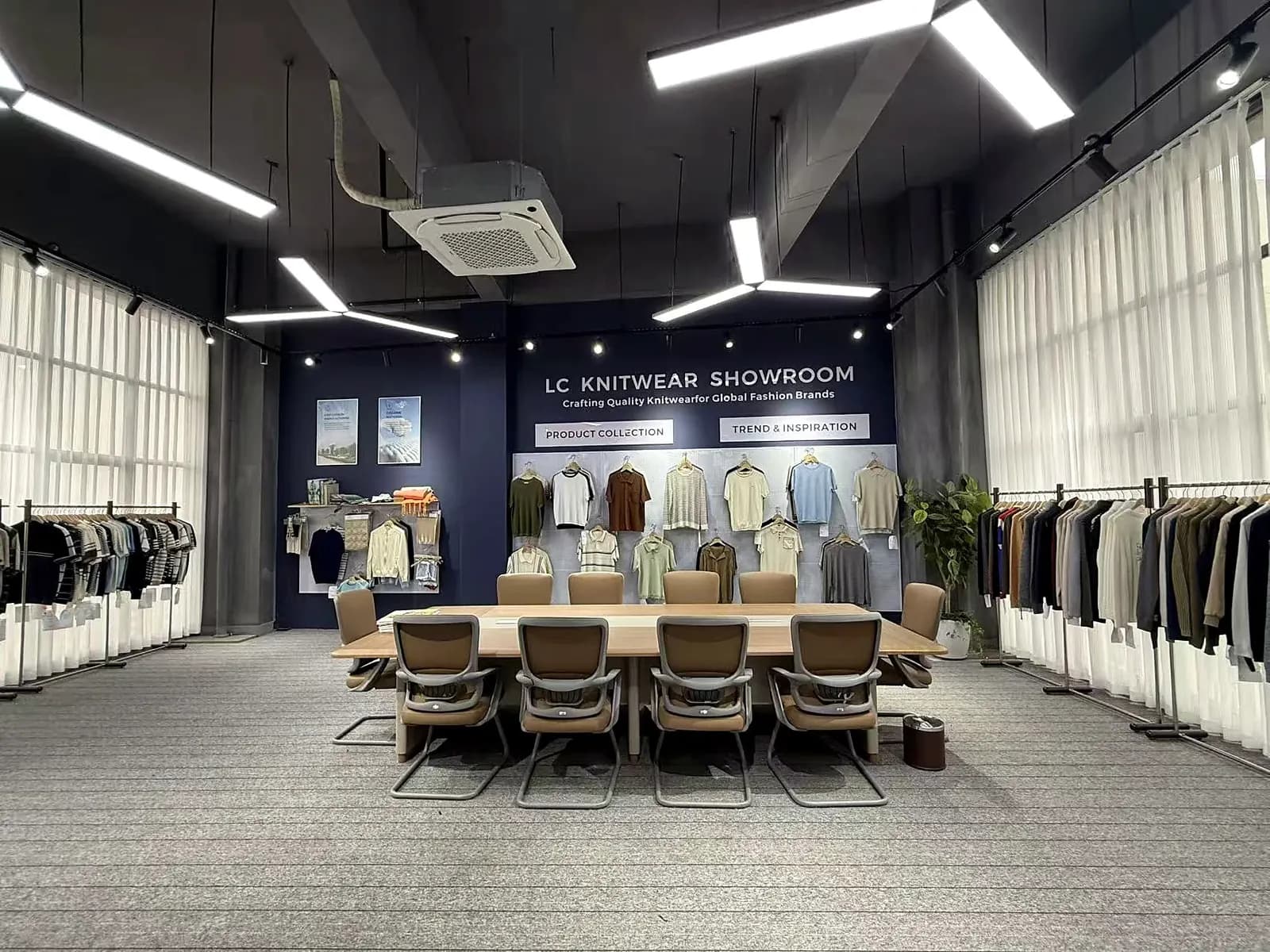
The sample room, where an SS27 direction turns into a first proto.
For menswear brands extending their AW knit program into SS27, our standard cadence is: a stitch and yarn swatch package in September 2026, a first-fit sample round in October, a refined fit plus lab-dip round in November, and PP samples approved by mid-December. MOQ on our catalog yarn-and-color combinations is 30 pieces per color; bespoke linen-cotton or pastel lab-dips need higher commit per color and we walk buyers through that during quote.
We inspect to AQL at final, run needle and metal detection on every shipment, and grade XS through 3XL on request. SS knit polos and fine-gauge crews tend to run a smaller graded spread than AW because the customer base for elevated SS knit skews narrower, but we will grade what the buyer's size curve calls for. OEM, ODM, and private-label arrangements all work on this calendar; the difference is who owns the patterns and who owns the development cost, which we settle in the initial quote rather than discovering mid-program.
For buyers shipping into the US, Canada, Germany, UK (post-Brexit REACH diverges), France, Spain, Netherlands (textile EPR is already charged there), and Sweden — our standard market set — landed cost on a 14GG combed-cotton knit polo in the SS27 development we are running is sitting in the mid-teens USD FOB China at MOQ, before any sustainability documentation or specialty yarn premium. Linen-cotton at the same gauge runs a measurable step higher and the spread between linen blends is wider than the spread between cotton qualities, which is why locking the specific linen yarn early matters more than the cotton choice.
What To Do This Quarter If SS27 Is On Your Plan
The action list for buyers reading this in late 2026 is short. Lock the yarn shortlist by November — specifically the linen-cotton count and the pastel lab-dip targets. Get the first stitch swatches and a hand-feel package onto the merchant desk before the team breaks for end-of-year. Confirm gauge and silhouette direction by December so bulk yarn can be booked. Treat anything later than mid-January 2027 as a risk window for the earliest store-floor date.
SS27 is the season where the menswear brands who have been talking about expanding their light-knit offer either do it or push another year. The supply side is ready; the question is which buyers move on the calendar.
---
Talk to our team about this
If you're planning a real project around any of the points above, we'd be glad to take a quick look. Send a short brief and we'll come back within one business day with a practical direction, MOQ + lead time estimate, and a sample plan if it makes sense.
See every spring/summer style we currently publish → — 29 styles in cotton, linen-cotton, modal and bamboo-viscose, each listed with gauge, yarn composition, MOQ and lead time. Sizes may be mixed within the 30-piece minimum.
12GG and 14GG are the SS-appropriate gauges. 12GG suits mesh, pointelle, and relaxed crews where some weight supports drape. 14GG is the polo and refined-crew gauge, with a denser surface that takes pastel dyes more cleanly. Coarser gauges belong to AW programs.
Yarn should be booked by December 2026 for any volume that depends on a specific count, color, or fibre blend — particularly linen-cotton in fine counts and washed-pastel dye lots. Late confirmation in February 2027 often means substituting yarn or color, which compromises the premium read of the garment.
Working backwards: in-store March to April 2027 requires ex-factory January to February 2027. Bulk runs 30-45 days at our typical lead time, so PO must be confirmed and bulk yarn dyed by mid-November 2026 to early January 2027. Sample lead time is 7-25 days, with pre-production samples confirmed October to November 2026.
Cotton tees compete with fast fashion on price and streetwear on graphics, and most heritage and contemporary brands cannot win on either axis. A fine-gauge knit polo wins on hand-feel and construction, carries a higher AUR, and sits in the wardrobe between a tee and a shirt where competitive pressure is lower.
Our catalog MOQ is 30 pieces per color across the standard size set XS through 3XL. Bespoke linen-cotton counts or custom washed-pastel lab-dips require a higher commitment per color because mill dye lots are larger; we walk buyers through the specific minimums during the initial quote.
We focus on men's sweaters, cardigans, knit jackets, jacquard knitwear and private label knitwear. We support B2B buyers with OEM/ODM development, sampling and bulk production planning.
B2B Knitwear Manufacturer | OEM/ODM & Private Label | Exporting Worldwide to North America & EuropeEmail: info@lcgarment.cn | Tel: +86 151 7024 4792
MOQ, lead time, cost ranges, gauge selection and QC checkpoints across typical OEM/ODM knitwear programs in NA + EU. Enter your email — we'll send you the report link in 30 seconds.
No spam. Unsubscribe with one reply. We use your email only to send you the report and follow up if you want a sourcing conversation.
Brand names shown are previously serviced OEM/ODM partners. Logos are decorative and do not imply current endorsement.