Sourcing managers asking for recycled-content knitwear in 2026 are caught between two pressures. Marketing wants a story for the hangtag and the brand deck; the tech team wants a sweater that does not pill on the showroom floor or shed visibly in the wash test. Most early recycled programs collapse somewhere between those two desks because the wrong fiber gets blended at the wrong percentage and nobody asks for the right paperwork. This briefing is the version of that conversation we have with brands during development — what each recycled fiber actually does in a knit, the blend ratios that survive a production run, and the certifications worth chasing versus the ones that just generate emails.
Which recycled fibres actually run well in knitwear?
Three appear in practice: rPET, recycled nylon and recycled wool. Each brings different behaviour to the fabric, and each has a different availability and colour situation, so the choice is usually driven by what the garment has to do rather than by which sounds best.
Why do recycled blends usually stop around a quarter to a third of the content?
Because beyond that the fabric's hand, strength or consistency typically suffers. Recycled content is blended with virgin fibre to keep the garment performing; a higher percentage is possible in some constructions and is not automatically better in any of them.
What is the difference between GRS and RCS?
RCS verifies recycled content. GRS verifies recycled content plus social, environmental and chemical criteria along the chain. Which one you need depends on the claim you intend to make, and either way your specific shipment needs its own transaction documentation - the supplier's certificate alone does not cover your order.
Is recycled content a fair sustainability claim?
It is a defensible one if it is precise. State the fibre, the percentage and the standard, and avoid extending a content claim into a general environmental claim. The microfibre question in particular is not resolved by using recycled polyester rather than virgin.
Do recycled yarns change MOQ or lead time?
Often yes. Certified recycled yarn has a narrower supplier base and colour availability can be more limited, so booking earlier matters more than with a commodity yarn. Raise it at quotation stage rather than after a colour is approved.
💬 Sourcing this for an upcoming project? Request a free quote → · MOQ 30 pcs · Sample in 15–25 days · WhatsApp us
Ninety percent of recycled-content knitwear sold by Western brands today uses one of three inputs: recycled polyester (rPET), recycled nylon (rPA) or recycled wool. They are not interchangeable, and a buyer who treats them as one bucket will end up with three different problems.
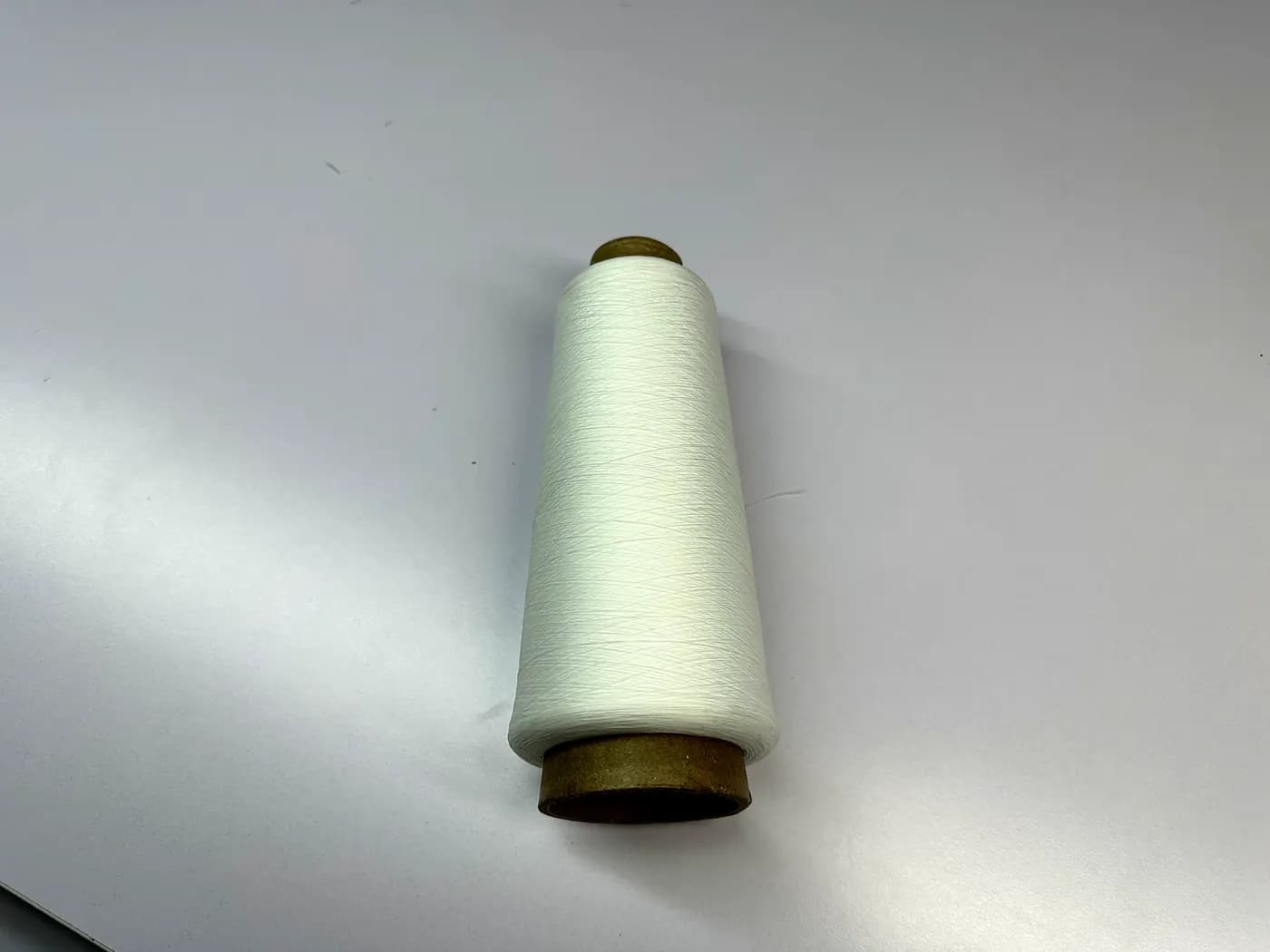
Recycled polyester (rPET) is the most available and the cheapest. The bulk of commercial rPET comes from mechanically recycled PET bottles — bottles are washed, flaked, melted and re-extruded into staple or filament. It blends well with wool, cotton and acrylic, takes dye predictably, and adds dimensional stability to a knit. The trade-off is that mechanically recycled PET has a slightly shorter, less uniform staple than virgin polyester, so heavy reliance on it tends to introduce micro-pilling in fine-gauge knits over time.
Recycled nylon (rPA) is the more technical option. Sources include pre-consumer industrial waste (carpet scrap, fabric offcuts) and post-consumer streams (the well-known fishing-net programs, plus carpet take-back). It performs well in stretch knits, fine-gauge polos, base layers and any program that wants moisture management. It is two to three times the price of rPET and the supply base is narrower, which matters for lead time and minimums.
Recycled wool splits cleanly into two categories that buyers often confuse. Post-industrial recycled wool is mill scrap, cutting-room clip and yarn-spinning waste — the fiber is cleaner, the color is sortable, and the staple length is reasonable. Post-consumer recycled wool is shredded garments, which means shorter staple, mixed dye lots and a grayer baseline. Most recycled-wool yarn sold as commercial-grade is heavily weighted toward post-industrial input for that reason.
|
| rPET (mechanical) | 20-50% with wool, cotton, acrylic | Cost, dye consistency, dimensional stability | Micro-pilling at high % in fine gauge; microfiber shed |
| rPET (chemical) | 30-100% | Closer to virgin PET hand | Limited supply, premium price |
| rPA (recycled nylon) | 10-30% with wool or cotton | Stretch recovery, durability, fine-gauge feel | Cost, longer lead time, fewer color options on stock |
| Post-industrial rWool | 30-70% with virgin wool | Color control, cleaner hand, traceable | Limited to wool family, premium over virgin in some grades |
| Post-consumer rWool | 20-50% with virgin wool/PET | Strong sustainability story | Shorter staple, grayer base, more neps |
The pattern across all of these is the same. Recycled fibers behave like the virgin version of themselves with one or two compromises — usually shorter staple, narrower color range, or a small premium. None of that is fatal at the right blend percentage.
The most useful number in this category is the one nobody puts on a certification: the practical ceiling for recycled content before hand-feel and pilling resistance start to slip noticeably.
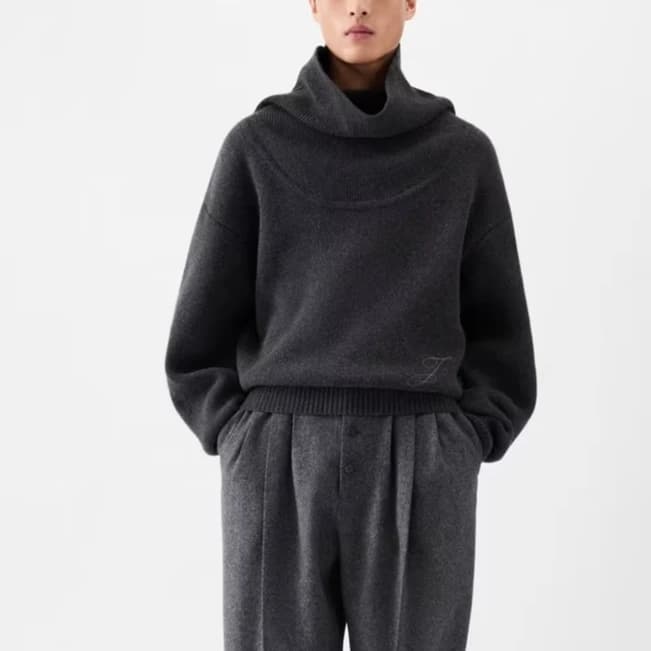
For a fine-gauge crewneck (12GG cotton-blend) or a 7GG wool-blend cardigan, 25-30% recycled content blended with virgin or natural fiber is the sweet spot. At that ratio you get a credible recycled claim on the hangtag, a clean hand, and pilling behavior that holds up in standard Martindale tests. The yarn knits at normal tension on standard machines and your dye lots stay consistent across colors.
Push to 50% recycled and the behavior changes. Surface fuzz becomes more visible after the first wash cycle, dye depth drops slightly on darker shades, and you start needing to brief the knitter to drop machine speed to keep tension even. It can still work — it just needs more lab time and tighter QC.
Push to 70-100% recycled and you are in a different program entirely. Hand-feel becomes a deliberate design choice rather than a compromise, costs climb, and you need to be honest with the design team that the resulting fabric will not feel like the virgin reference swatch they signed off on. Some heritage and workwear-leaning brands embrace that texture; mainstream commercial assortments usually do not.
The exception is chemically recycled polyester, which performs closer to virgin and can be run at higher percentages without the hand penalty. Supply is still limited and the premium is meaningful, but for premium programs it solves the trade-off cleanly.
The two certifications buyers ask for most often are the Global Recycled Standard (GRS) and the Recycled Claim Standard (RCS). Both are administered through Textile Exchange and both require third-party certification at every step of the supply chain. They are not the same product, and treating them as interchangeable will eventually cause a compliance argument.
RCS verifies recycled content and chain of custody. It tells you that the recycled fiber claim on the hangtag is real and traceable from the recycler through to the finished garment. That is its entire scope. It does not certify any environmental processing criteria, social compliance or chemical inputs.
GRS does everything RCS does, plus it adds social criteria (similar in spirit to SA8000 expectations), environmental processing requirements (wastewater, energy reporting), and a restricted chemical input list at the processing stages. It is the more credible claim and the one most large retailers and EU brands now expect.
Both standards require a Transaction Certificate (TC) issued by the certification body for each shipment of certified material between certified facilities. The chain breaks the moment one link in the supply chain is uncertified. This is the most common failure point — buyers get a GRS-certified yarn into a non-certified knit factory and the finished garment legally cannot carry the GRS claim.
|
| Recycled content verified | Yes | Yes (minimum 20%) |
| Chain of custody required | Yes | Yes |
| Social criteria | No | Yes |
| Environmental processing criteria | No | Yes |
| Chemical input restrictions | No | Yes |
| Transaction Certificate per lot | Yes | Yes |
| What buyers usually need | Entry-level claim | Marketing-grade claim |
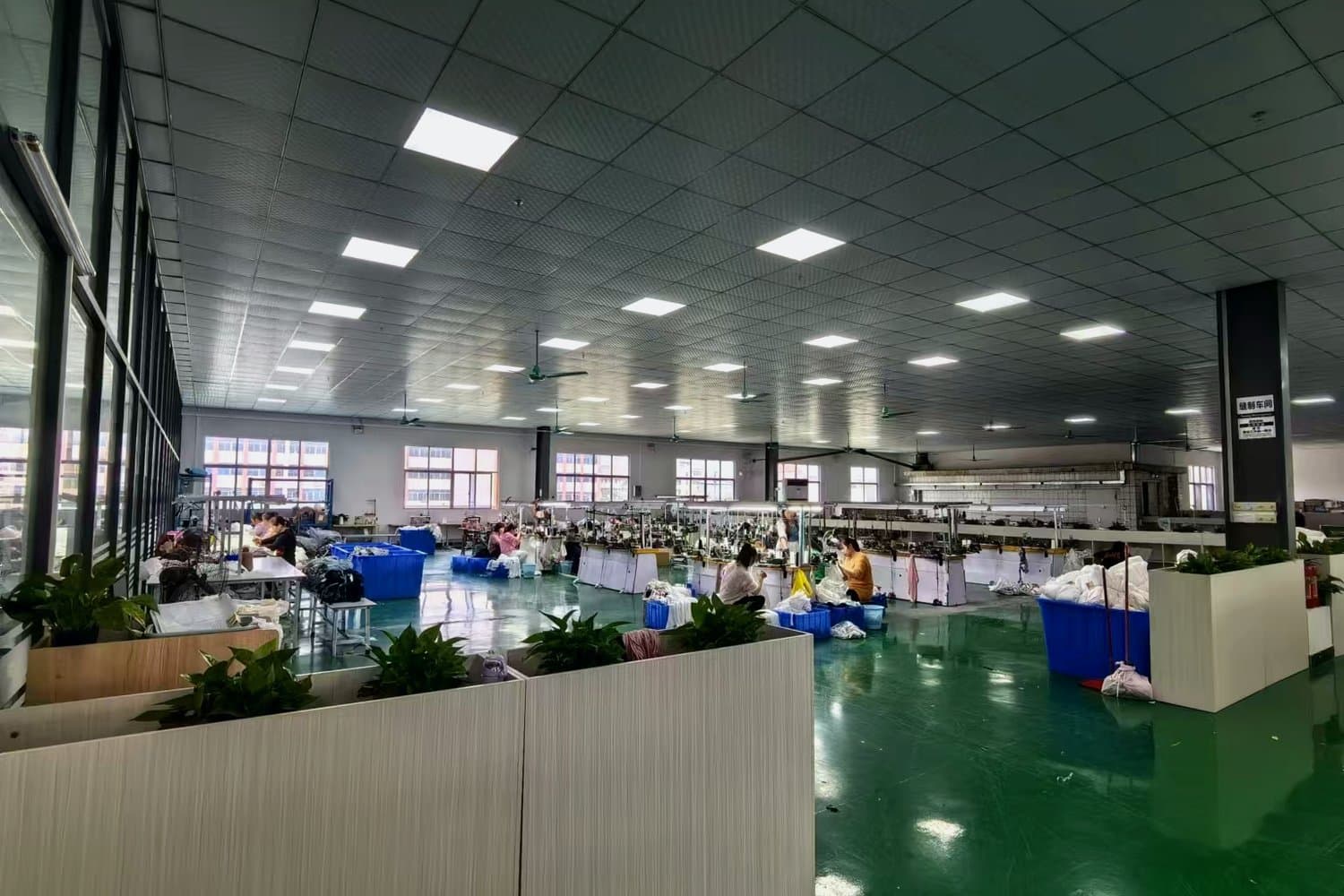
A practical note: at Licheng we source GRS-certified and RCS-certified recycled yarn from certified spinning mills on a project basis, with transaction certificates provided per lot on request. We do not currently hold GRS chain-of-custody certification at the factory level, which means a buyer who needs the finished garment to carry a GRS claim should plan that into the development conversation early so we can route the order through a certified partner.
Any synthetic knit sheds microfibers in laundering. That includes rPET. Pretending otherwise is the fastest way to lose credibility with a sustainability buyer who has read the recent research.
What the technical literature does support is that shed rate is not fixed — it varies by yarn construction, fabric structure and finishing. Levers that measurably reduce shedding on recycled-blend knits include:
- Tighter ply twist on the yarn before knitting (more turns per meter holds fibers in the yarn structure)
- Tighter knit structures (a denser jersey or a structured rib sheds less than a loose, open knit)
- Mercerization of the cotton portion in a cotton/rPET blend (the cotton fibers swell and lock the synthetic staples more effectively)
- Reduced brushing intensity during finishing (a brushed surface releases more shed than a smooth one)
- Garment-level finishing controls like enzyme wash to remove loose surface fiber before the consumer ever launders the piece
None of these eliminate shed. They reduce it. The honest claim for a recycled-blend knit is that the construction was specified to minimize fiber release — not that the garment does not shed.
A few standing combinations that hold up in commercial production at the 3GG-18GG range Licheng runs:
- 30% rPET / 70% virgin wool — clean 7GG crewneck or zip jacket, good drape, reliable dye depth, modest premium over a 100% virgin wool reference.
- 25% rPET / 75% cotton (mercerized) — fine-gauge polo or lightweight crewneck for spring-summer, good pilling resistance, strong story for a year-round program.
- 20% rPA / 80% extrafine merino — fine-gauge base-layer or technical polo, stretch recovery, premium price point.
- 40% post-industrial recycled wool / 60% virgin lambswool — chunky 5GG or 7GG cardigan or crewneck, heritage texture that flatters the recycled content rather than fighting it.
- 50% rPET / 50% acrylic — entry-price-point sweater for value programs; honest about being a synthetic, useful when natural-fiber budget is not there.
These are starting points, not prescriptions. Final blend gets tuned to the gauge, the hand-feel reference and the price target during sample development. Plan on two to three rounds of yarn-blend swatches before signing off, especially if this is the first time the brand has run a recycled program.
Recycled yarn supply is thinner than virgin supply. That has two consequences buyers should plan for.
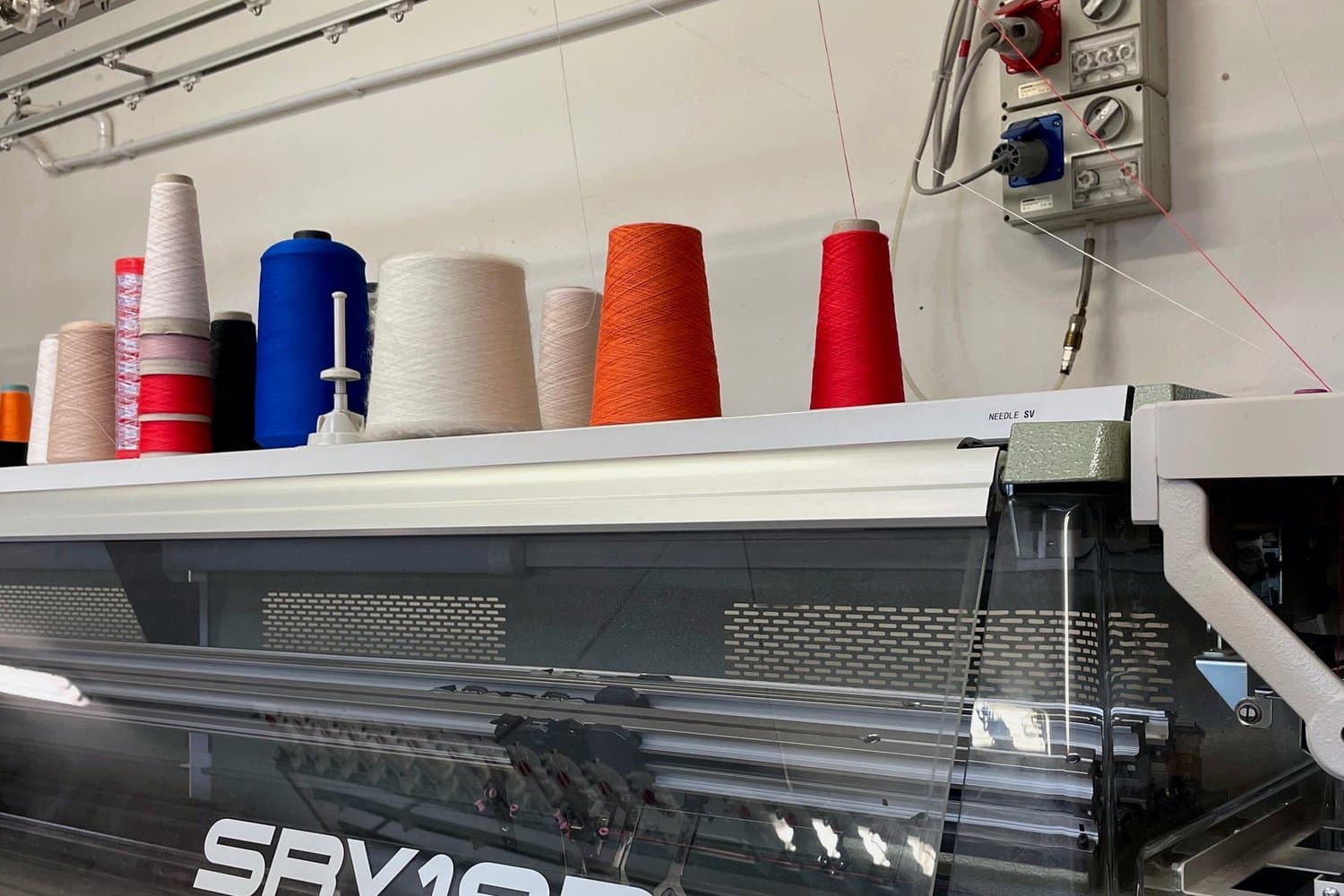
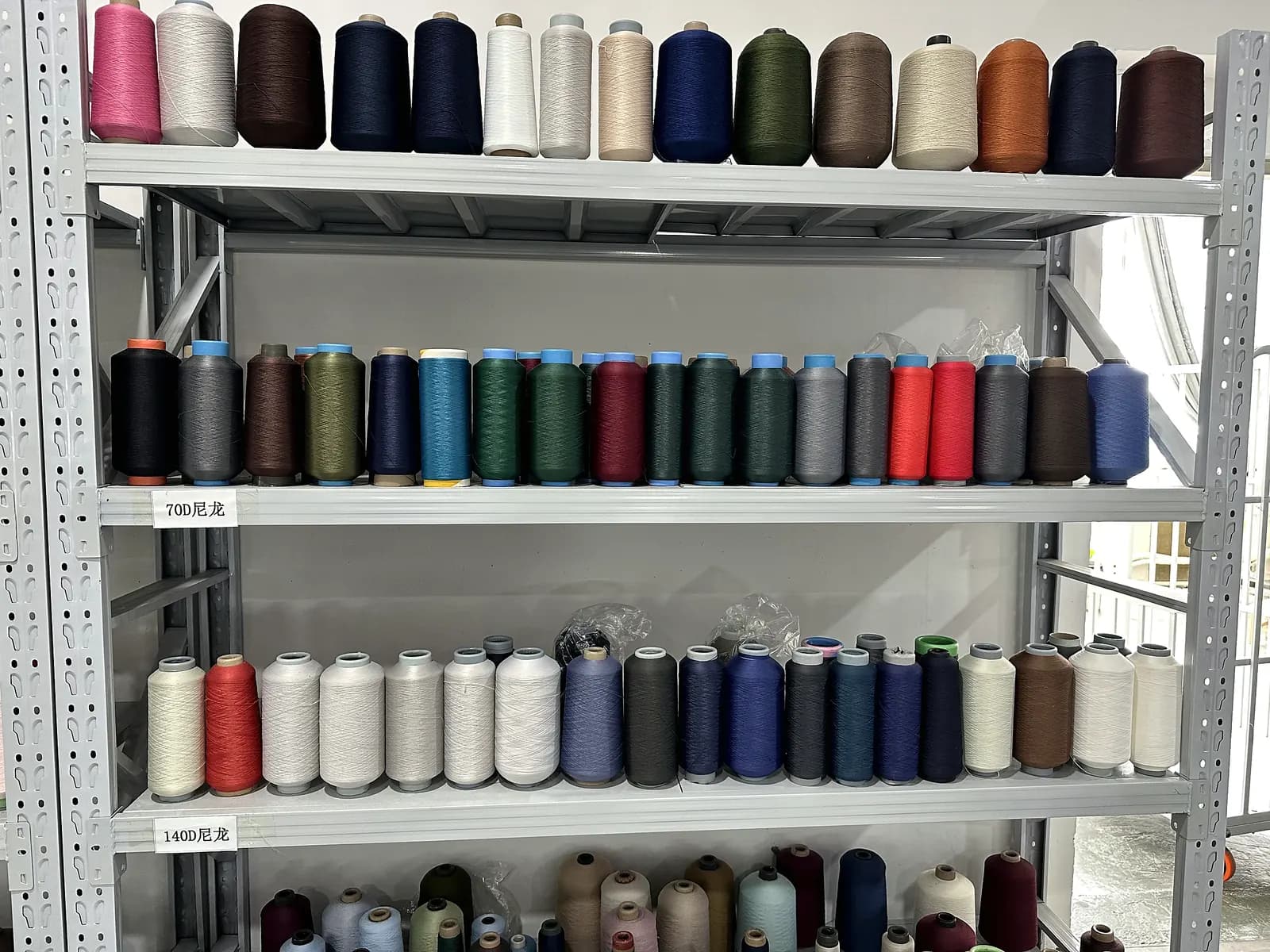
First, stock-color availability is narrower. Most GRS- and RCS-certified spinners hold stock in a core palette — naturals, navy, charcoal, ivory — and run other colors to order. Custom dye for a recycled blend typically adds two to three weeks to the front of the development calendar and triggers a yarn-dye minimum that may exceed your style minimum. For brands running our standard 30-piece-per-colour-per-style MOQ, custom recycled colors can need a higher-yarn-minimum conversation early.
Second, sample lead times stretch. A standard sample at Licheng runs 15-25 days. A recycled-blend sample, when the yarn has to come from a certified mill and arrive against a TC, more often lands at 15-21 days. Bulk timing of 30-45 days holds in most cases, but plan certificate handling into the calendar so the paperwork is not the bottleneck at shipment.
The development conversations that go well share a few questions asked upfront:
- What recycled-content percentage do we actually need on the hangtag to support the claim — and is that floor (GRS minimum 20%) or a higher number marketing committed to?
- Do we need GRS at the finished-garment level, or is RCS enough, or are we comfortable with a non-certified "contains recycled content" claim backed by mill-level documentation?
- What is our color palette, and how many of those colors exist in certified-stock yarn versus need custom dye?
- What is the program volume per color, and does that hit the certified-yarn supplier's minimums?
- What is the brand's position on microfiber shed, and does the construction spec need to reflect that?
Get these answered before sampling. They drive yarn selection, supplier routing, certificate handling and calendar — and they prevent the version of the project where a beautiful sample arrives with no path to scale.
---
If you're planning a real project around any of the points above, we'd be glad to take a quick look. Send a short brief and we'll come back within one business day with a practical direction, MOQ + lead time estimate, and a sample plan if it makes sense.
→ Request a free quote · Download the men's knitwear catalog · WhatsApp us · info@lcgarment.cn
Browse the full men's sweaters range →