
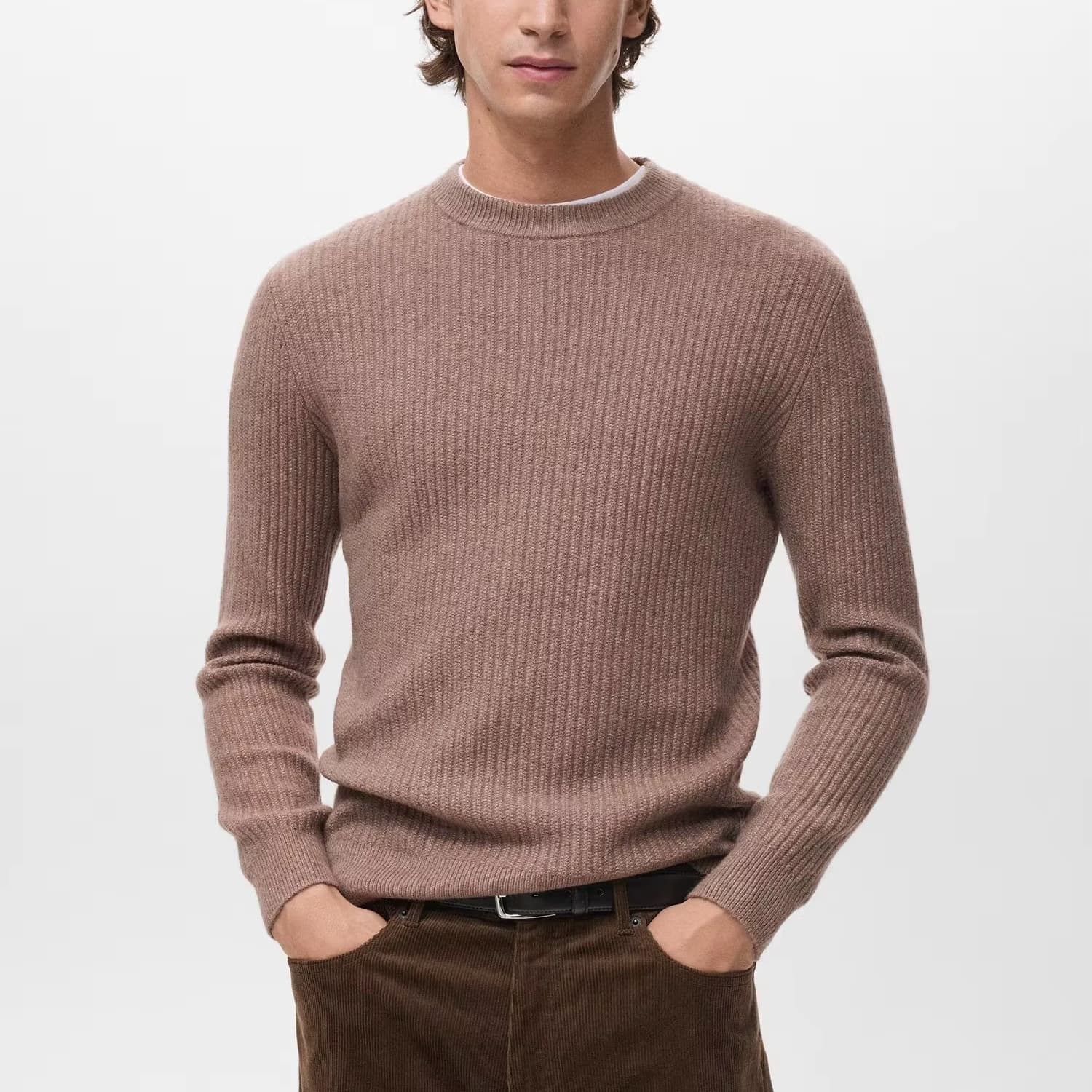
We focus on men's sweaters, cardigans, knit jackets, jacquard knitwear and private label knitwear. We support B2B buyers with OEM/ODM development, sampling and bulk production planning.
Guides for custom knitwear manufacturing, yarn selection, gauge options, quality control, cost planning and tech pack preparation.
Materials
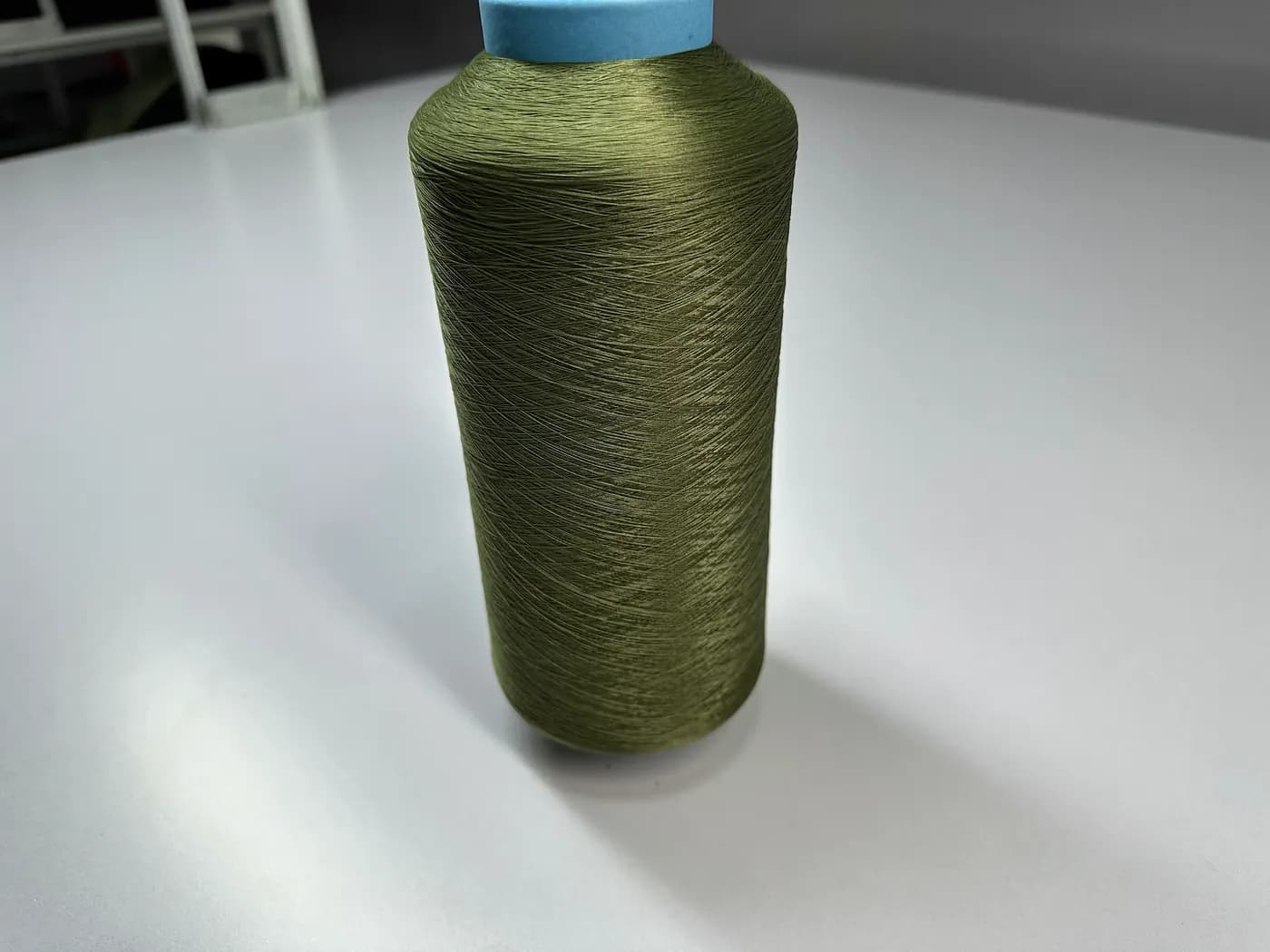
A B2B yarn and material guide for choosing cotton blends, wool blends and synthetic support fibers for custom knitwear.
Read Guide ->Product Development
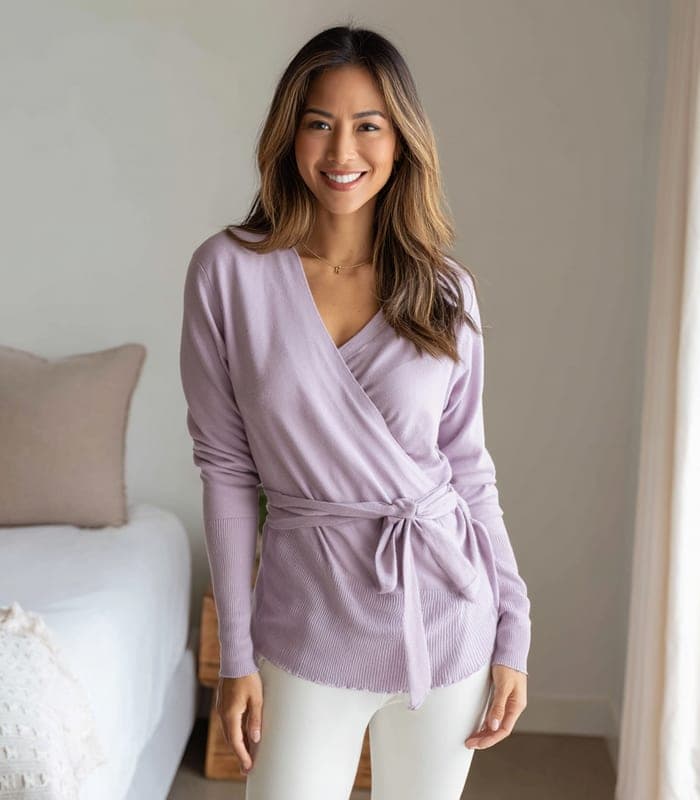
A guide to women's knitwear manufacturing for B2B brands, covering silhouette variety, fit and sizing, yarn and trend responsiveness.
Read Guide ->Benchmark Report
Reference benchmark ranges for B2B knitwear procurement in 2026 — MOQ, lead times, cost structure, gauge, quality control and commercial terms — to help buyers sanity-check quotes and plan with confidence.
Read Guide ->Sustainability
Recycled-content knitwear sounds simple on a hangtag, but the fiber choice, blend ratio, and chain-of-custody paperwork decide whether the program actually scales. This briefing walks through rPET, rPA, and recycled wool — what they each bring to a knit, the blend percentages that hold a clean hand, and where the trade-offs start to bite. It also separates GRS from RCS, addresses the microfiber-shed conversation honestly, and gives a buyer-side checklist for AW and year-round recycled programs. Written for sourcing managers who need answers their tech team and their compliance team will both accept.
Read Guide ->Materials
Cotton looks simple on a tech pack and gets expensive fast in a quote. The word covers a tier ladder that runs from commodity upland fiber to Supima-trademarked US long-staple, with mercerization, combing, and spin method layered on top. Each lever moves hand, luster, shrinkage, pilling, and price in ways that matter for spring-summer knit polos, fine-gauge crews, and lightweight cardigans. This decoder maps the commercial tiers buyers actually encounter, explains what mercerization and ring-spinning physically do to the yarn, and gives realistic FOB yarn-price bands so you can write tech packs that quote cleanly the first time.
Read Guide ->Strategy
Most sourcing scorecards still treat per-piece FOB as the headline KPI, and most brand directors quietly know it lies. In knitwear specifically — where every program runs through yarn development, lab dips, knit-down approval, wash trials, and a sampling room that has to learn your house fit — the cost of a garment is paid across eighteen months of friction, not in a single price line on a quotation. This article lays out a three-year total cost of ownership (TCO) model for knitwear supplier relationships aimed at brand directors and VPs of sourcing who keep getting pressured to chase a 40-cent FOB delta to a new factory. We walk through how sample cost actually declines as a supplier internalizes your spec (year 1 = 100, year 2 ≈ 70, year 3 ≈ 50), why reorders compress from week 7 to week 3 once a tech pack is genuinely owned by the other side, how yarn library carry-over kills new color development charges each season, and how production calendar priority — the unwritten advantage — only accrues to brands that stay. We also do the part most of these articles skip: the honest exit triggers. Communication breakdown, repeated first-bulk quality failure, no capability growth after eighteen months — these are real reasons to leave, and we name them. The argument is not loyalty for its own sake. It is that switching suppliers each season in knitwear almost always pays a 15-25% premium the FOB line does not show.
Read Guide ->Recycled-content knitwear sounds simple on a hangtag, but the fiber choice, blend ratio, and chain-of-custody paperwork decide whether the program actually scales. This briefing walks through rPET, rPA, and recycled wool — what they each bring to a knit, the blend percentages that hold a clean hand, and where the trade-offs start to bite. It also separates GRS from RCS, addresses the microfiber-shed conversation honestly, and gives a buyer-side checklist for AW and year-round recycled programs. Written for sourcing managers who need answers their tech team and their compliance team will both accept.
7 min read - Guide
Cotton looks simple on a tech pack and gets expensive fast in a quote. The word covers a tier ladder that runs from commodity upland fiber to Supima-trademarked US long-staple, with mercerization, combing, and spin method layered on top. Each lever moves hand, luster, shrinkage, pilling, and price in ways that matter for spring-summer knit polos, fine-gauge crews, and lightweight cardigans. This decoder maps the commercial tiers buyers actually encounter, explains what mercerization and ring-spinning physically do to the yarn, and gives realistic FOB yarn-price bands so you can write tech packs that quote cleanly the first time.
6 min read - Guide
Most sourcing scorecards still treat per-piece FOB as the headline KPI, and most brand directors quietly know it lies. In knitwear specifically — where every program runs through yarn development, lab dips, knit-down approval, wash trials, and a sampling room that has to learn your house fit — the cost of a garment is paid across eighteen months of friction, not in a single price line on a quotation. This article lays out a three-year total cost of ownership (TCO) model for knitwear supplier relationships aimed at brand directors and VPs of sourcing who keep getting pressured to chase a 40-cent FOB delta to a new factory. We walk through how sample cost actually declines as a supplier internalizes your spec (year 1 = 100, year 2 ≈ 70, year 3 ≈ 50), why reorders compress from week 7 to week 3 once a tech pack is genuinely owned by the other side, how yarn library carry-over kills new color development charges each season, and how production calendar priority — the unwritten advantage — only accrues to brands that stay. We also do the part most of these articles skip: the honest exit triggers. Communication breakdown, repeated first-bulk quality failure, no capability growth after eighteen months — these are real reasons to leave, and we name them. The argument is not loyalty for its own sake. It is that switching suppliers each season in knitwear almost always pays a 15-25% premium the FOB line does not show.
5 min read - Guide
A cardigan direction read built from our own published range rather than runway notes: zip and button are level at 25 each on the construction field, 44 of 71 styles sit in the 7GG–12GG band, and the fibre choice moves the index median 4.4× from USD 14.98 to 66.05. What that means for AW27 booking.
8 min read - Guide
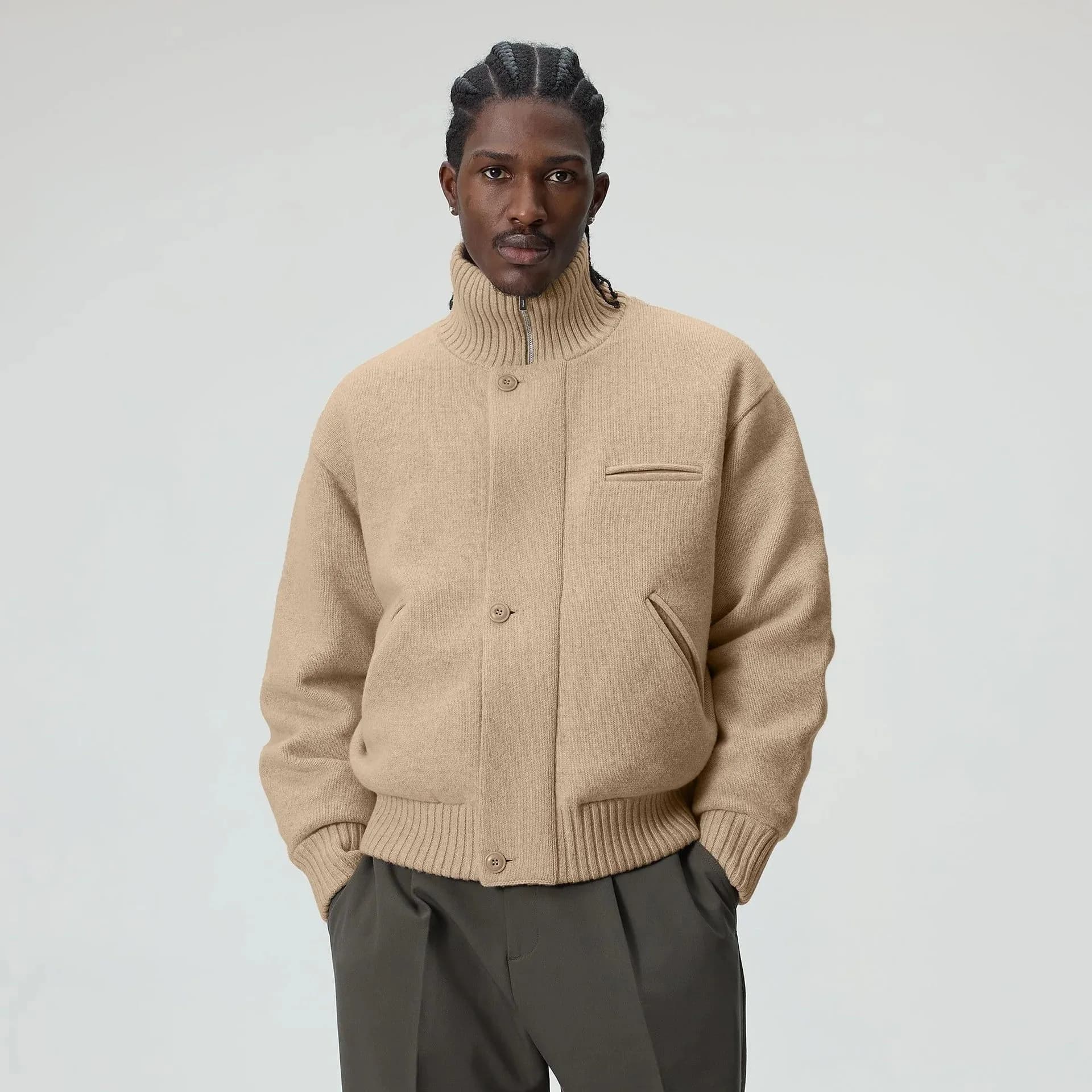
A men's AW2027 direction read counted from our own published range rather than runway notes: zip leads button 57 to 33 across the 92 styles carrying a front closure, 63.1% of the book sits at 7GG-12GG, and 50.6% of styles name both wool and cotton in the same composition.
6 min read - Guide
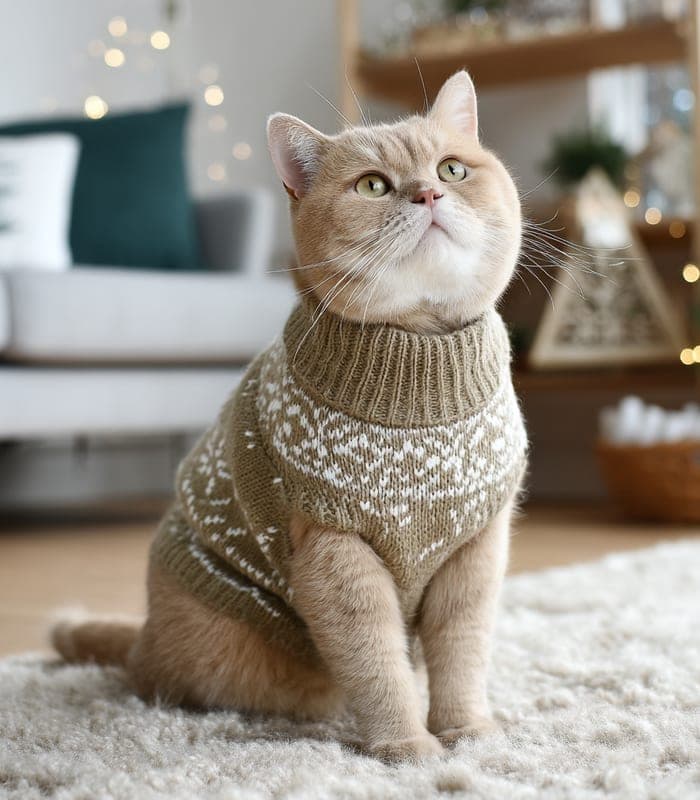
A pet knitwear sourcing read counted from our own published range: two separate size runs rather than one stretched chart, acrylic on 12 of 17 styles for wash durability, 10 of 17 at 7GG-12GG, and why the harness opening has to be on the tech pack before knitting.
5 min read - Guide
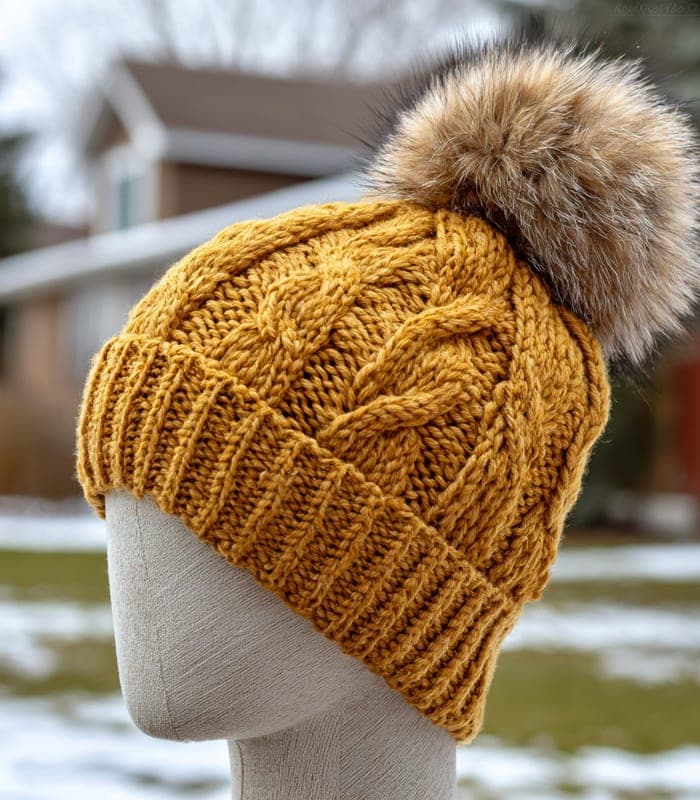
An accessory sourcing read counted from our own published range: 13 of 30 styles are 12GG or finer - the opposite balance to our garment book - 18 are one size, and the USD 2.83 category median is a range-level figure that should never be used as a per-style price.
7 min read - Guide
A maternity and baby sourcing read counted from our own published range: 12 maternity styles graded XS-XL and 6 baby graded 0-24m, cotton or bamboo on 12 of 18, seven maternity styles carrying nursing access, and why a matching set costs like two garments.
6 min read - Guide
A practical guide to custom knitwear manufacturing for B2B buyers developing men's sweaters, cardigans and knit jackets.
7 min read - Guide
We focus on men's sweaters, cardigans, knit jackets, jacquard knitwear and private label knitwear. We support B2B buyers with OEM/ODM development, sampling and bulk production planning.
Ready sample styles and selected custom programs can support lower-risk trials before larger seasonal orders.
Yes. Brands, including new labels preparing a first collection, can pay for a sample and see it before placing a production order. Two routes: a ready sample of a published style at USD 60 per piece in about 7 days, or a development sample from your tech pack at USD 150 per style, covering yarn sourcing, knit programming, one prototype and one revision round, in 15-25 days. Cashmere and mohair styles are quoted individually and shipping is charged at cost. Production starts only after you approve the physical sample, at our minimum of 30 pieces per colour with sizes mixed inside the 30. A sample does not commit you to a production run; we do not make garments for personal use.
Our sample fee is not refundable. Yarn sourcing, knit programming, machine setup and hand linking cost about the same whether one piece follows or five hundred, which is why the fee exists at all. It is credited against your first bulk order placed within six months of sample approval: 100% of a development sample fee, 50% of a ready sample fee.
Yes, for brands developing a style. One development piece is fine, with no commitment to bulk: a development sample is USD 150 per style and covers yarn sourcing, knit programming, one prototype and one revision round, in 15-25 days (cashmere and mohair are quoted individually). If you then go to production, the minimum is 30 pieces per colour with sizes mixed inside the 30, and the full USD 150 is credited against a first bulk order placed within six months of approving the sample. We do not make garments for personal wear.
Plain and striped styles using the same yarn and colour can be combined toward a minimum of 30 pieces, with mixed sizes. For example, four plain styles of 25 pieces each in the same yarn and colour total 100 pieces and meet that minimum. Different yarns or colours are counted separately. Jacquard and intarsia require 30 pieces per pattern; quantities from different patterns cannot be combined. Send us your styles, yarns, colours and quantities so we can confirm how the minimum applies to your project.
Get a free catalog or submit an RFQ today. Our team will respond within 24 hours.
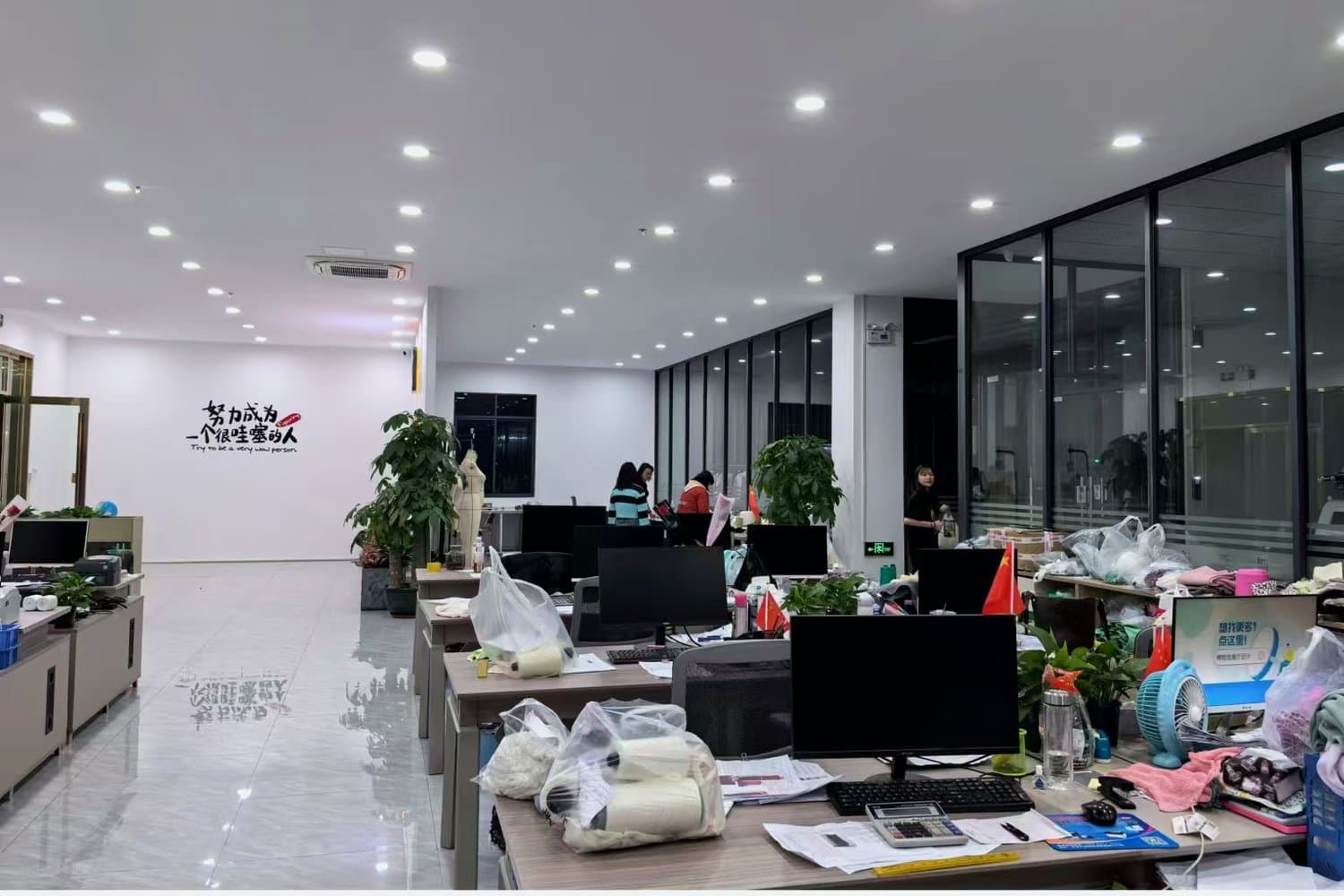
Cannot find what you need? Our team can create a custom guide or template for your specific project.
Request Custom Resource ->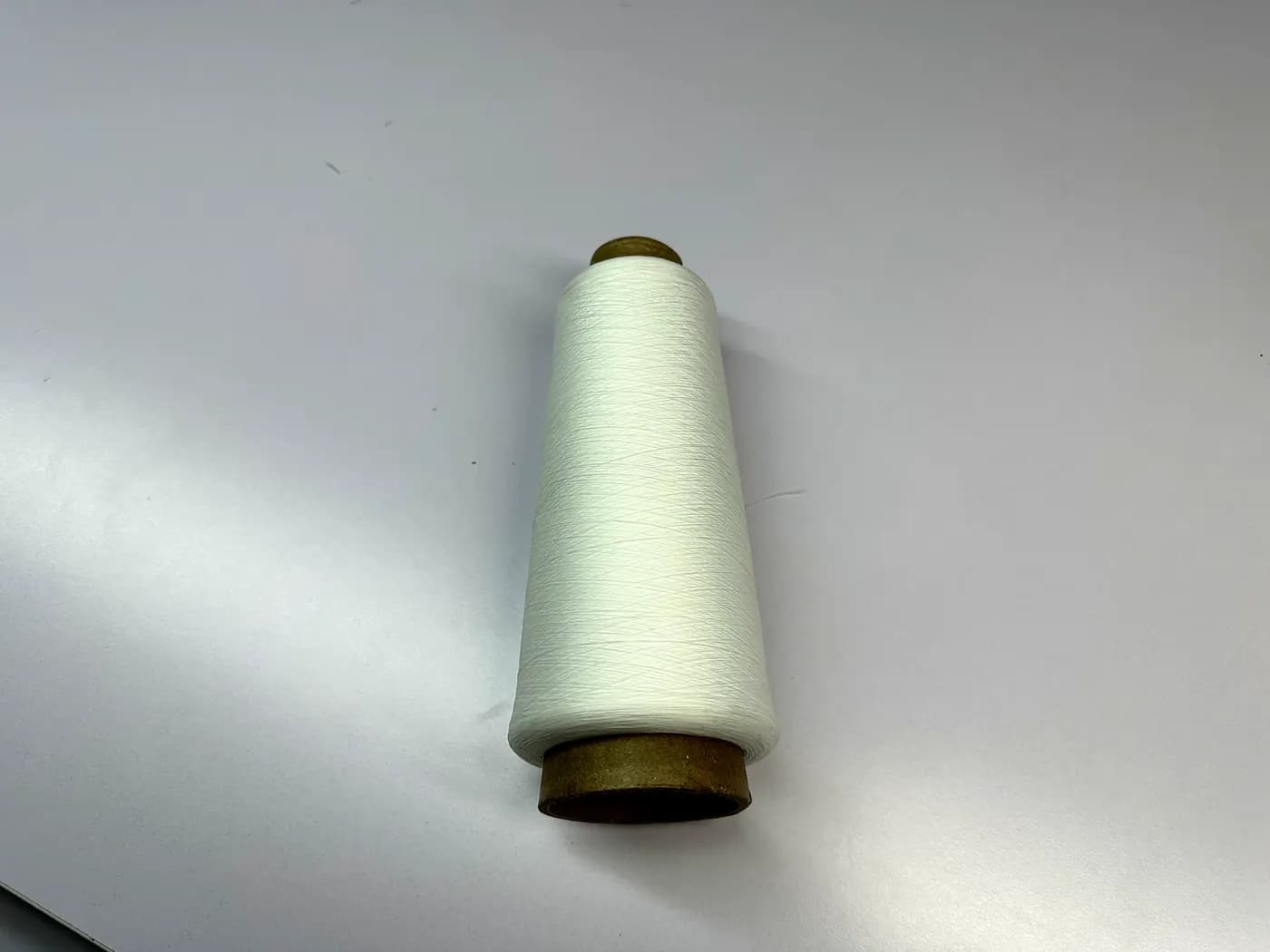
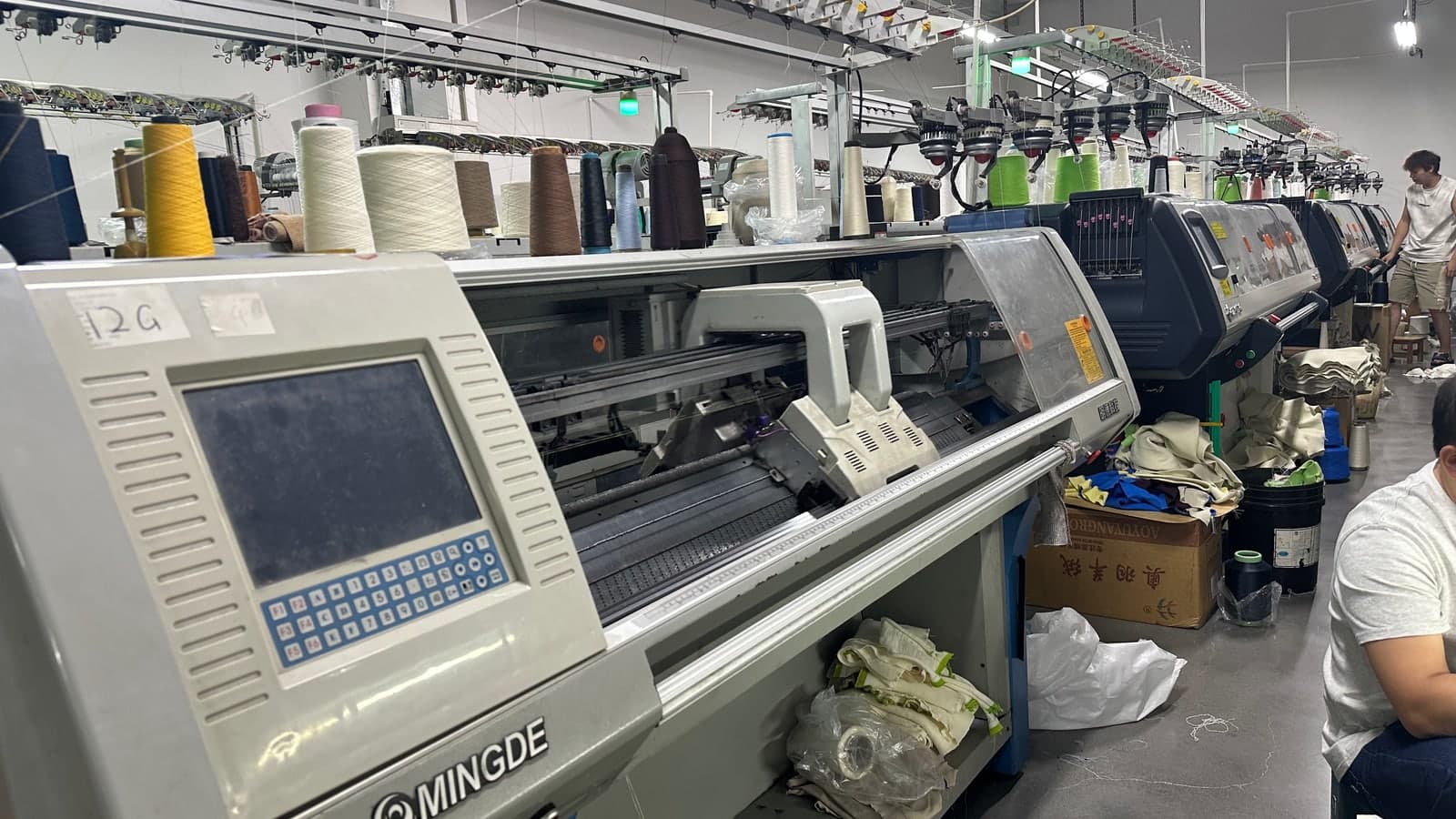
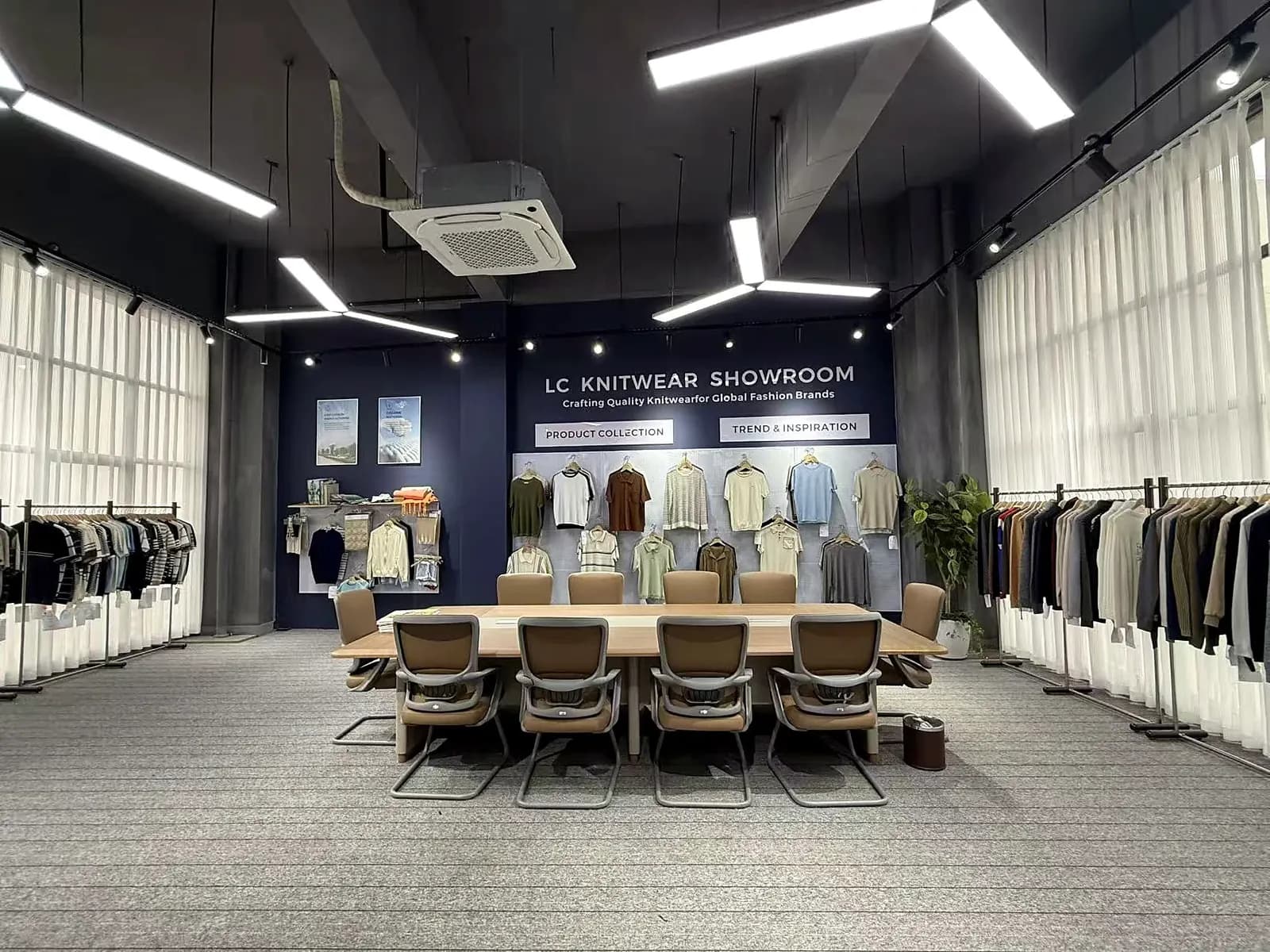
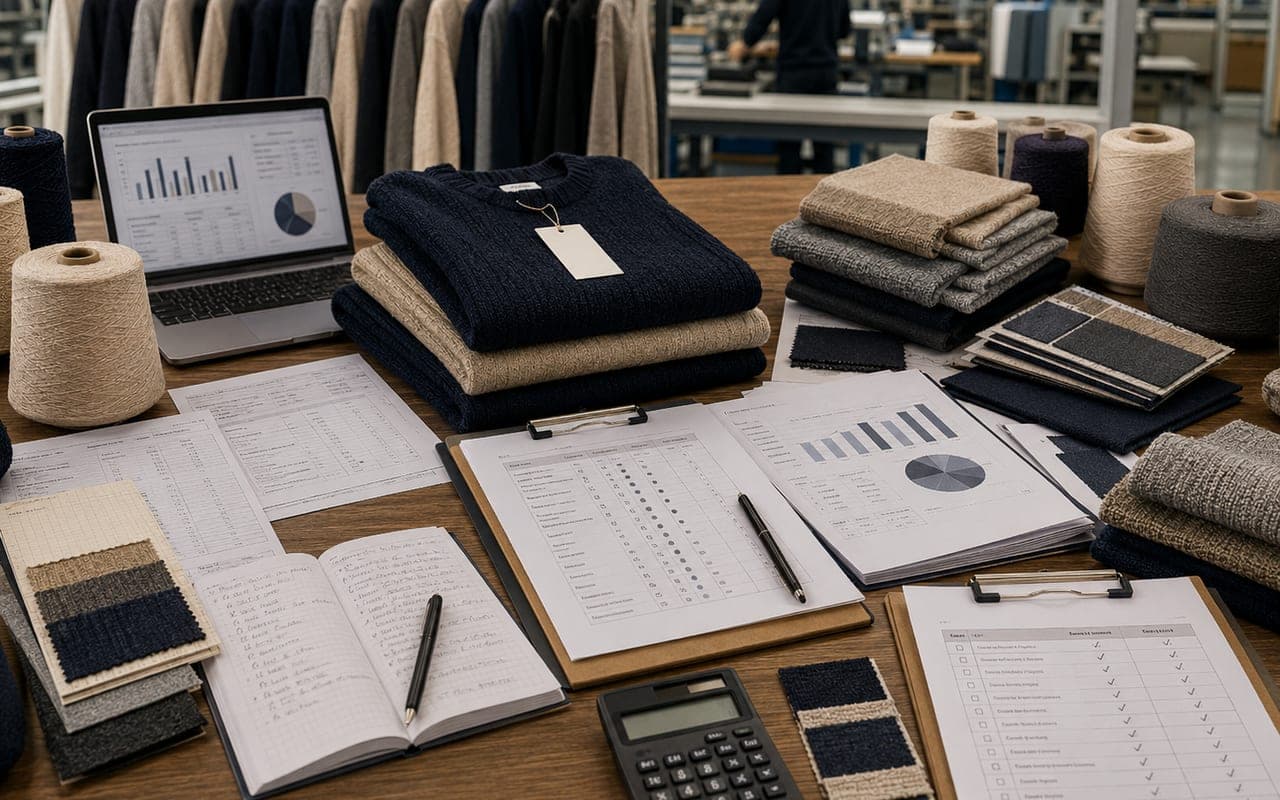

MOQ, lead time, cost ranges, gauge selection and QC checkpoints across typical OEM/ODM knitwear programs in NA + EU. Enter your email — we'll send you the report link in 30 seconds.
No spam. Unsubscribe with one reply. We use your email only to send you the report and follow up if you want a sourcing conversation.









Brand names shown are previously serviced OEM/ODM partners. Logos are decorative and do not imply current endorsement.
