Custom Knitwear Manufacturing Guide for B2B Buyers
Updated 10/9/202612 min readBy Simon Liu · Licheng Knitwear
A practical guide to custom knitwear manufacturing for B2B buyers developing men's sweaters, cardigans and knit jackets.
Bringing a custom knitwear program to life means moving from an idea to a shipped, sellable product through a sequence of decisions about yarn, gauge, sampling, production and quality. For B2B buyers and apparel brands, understanding the full journey makes you a better partner to your factory and protects your margins and timeline. This guide maps the complete custom knitwear manufacturing process from concept to delivery.
Custom knitwear is a process, not a transaction. The brands that get great product are the ones that understand each stage and brief it well.
The Custom Knitwear Journey at a Glance
💬 Sourcing this for an upcoming project?Request a free quote → · MOQ 30 pcs · Sample in 15–25 days ·
Ready to Start Your Project?
Get a free catalog or submit an RFQ today. Our team will respond within 24 hours.
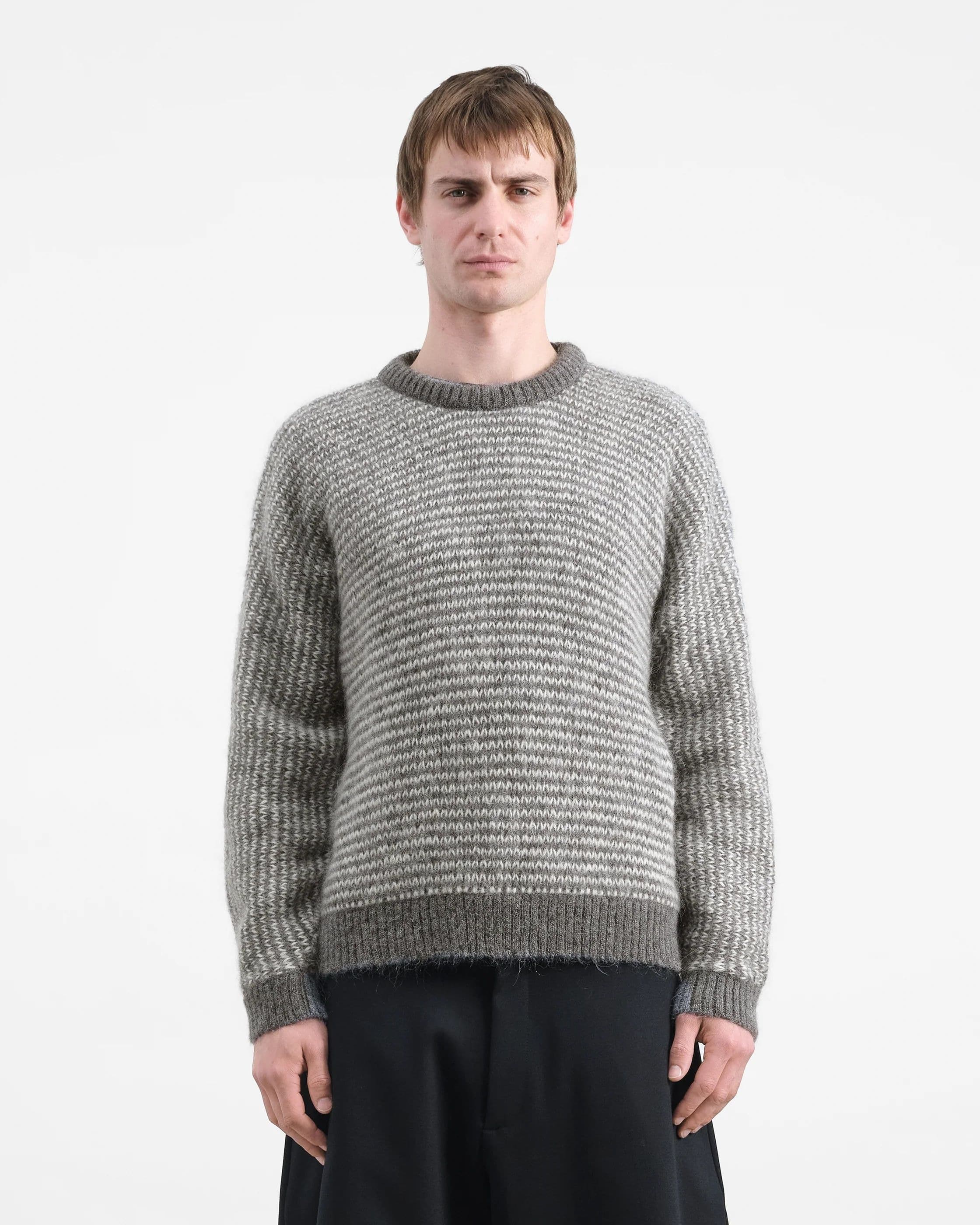
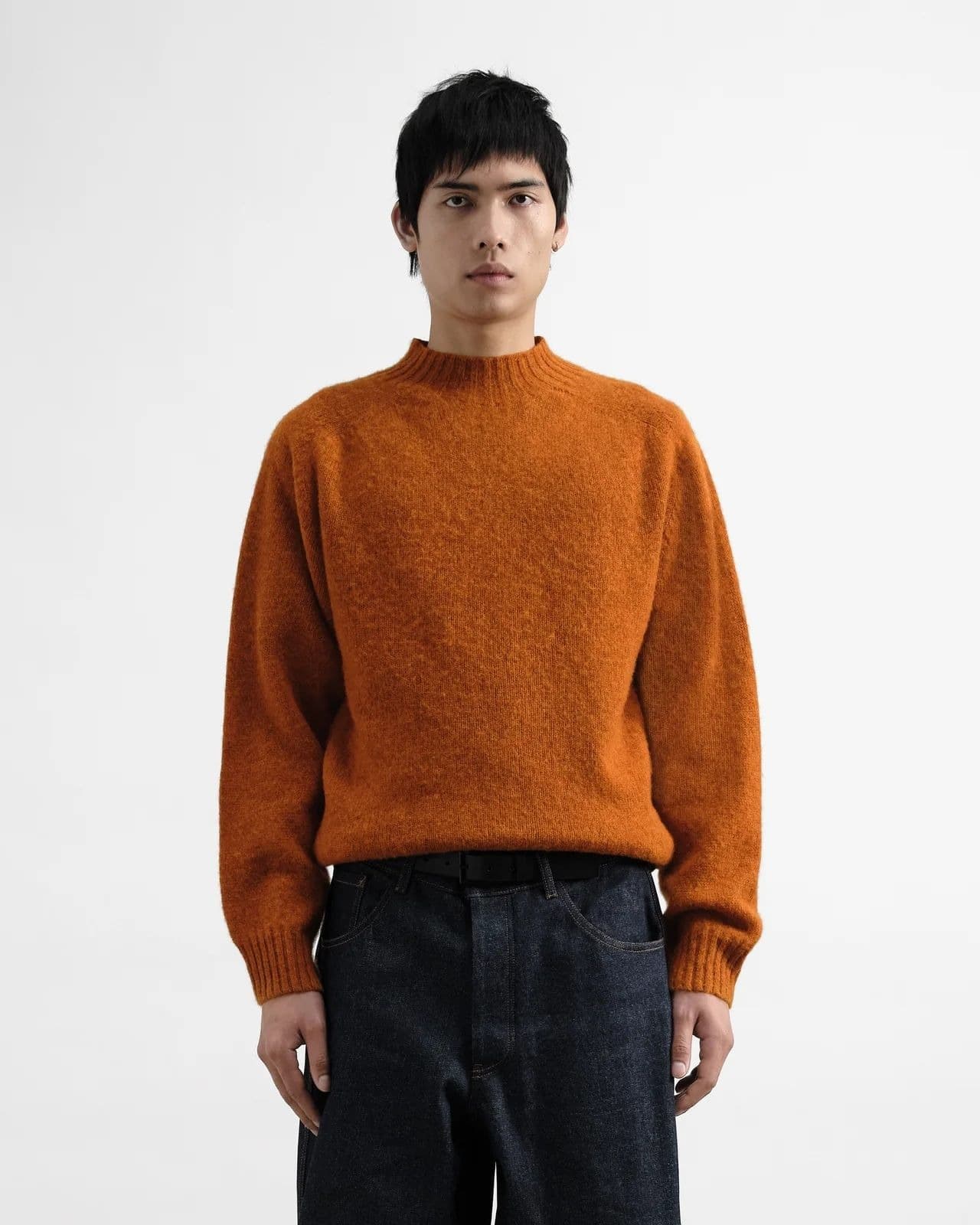
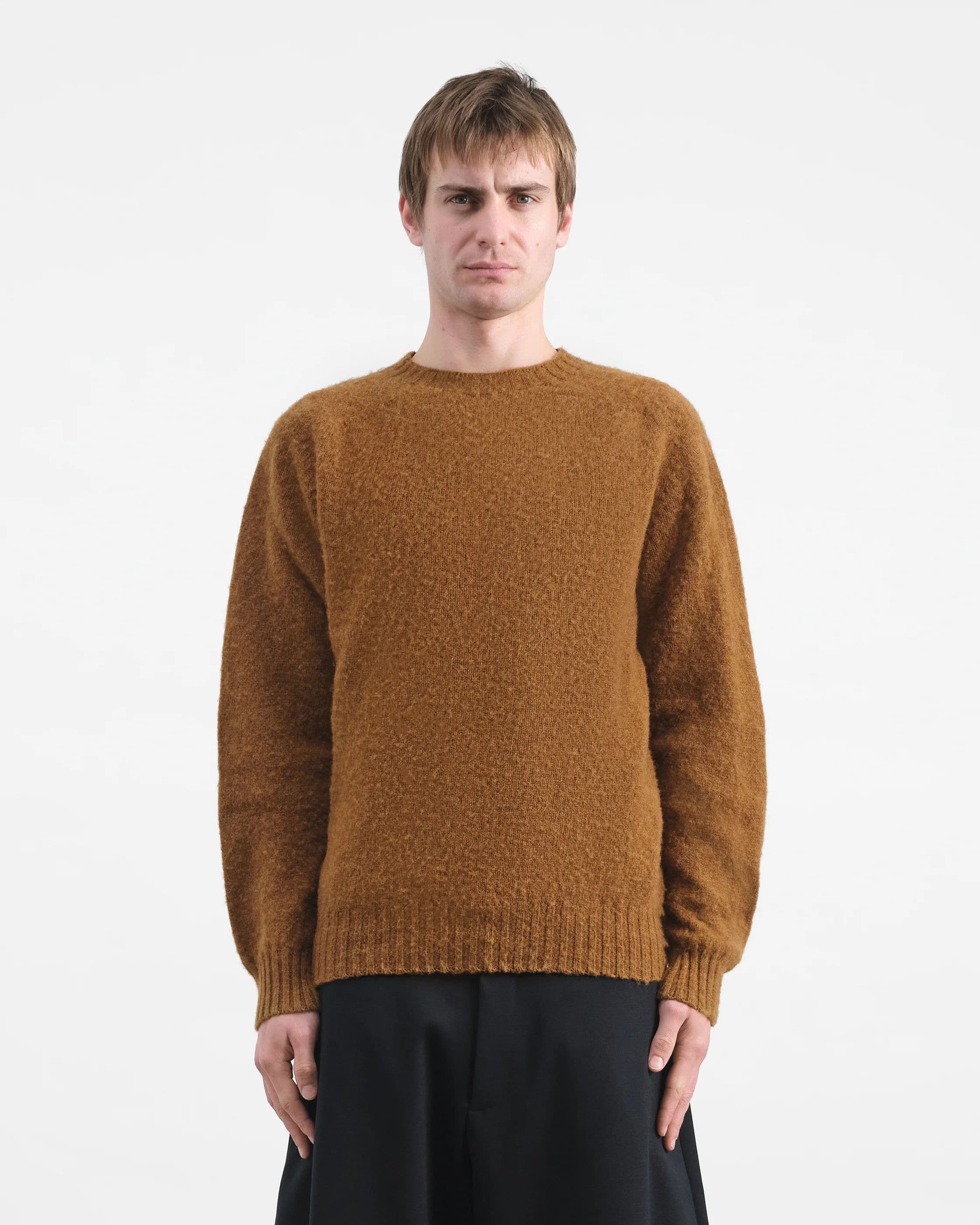
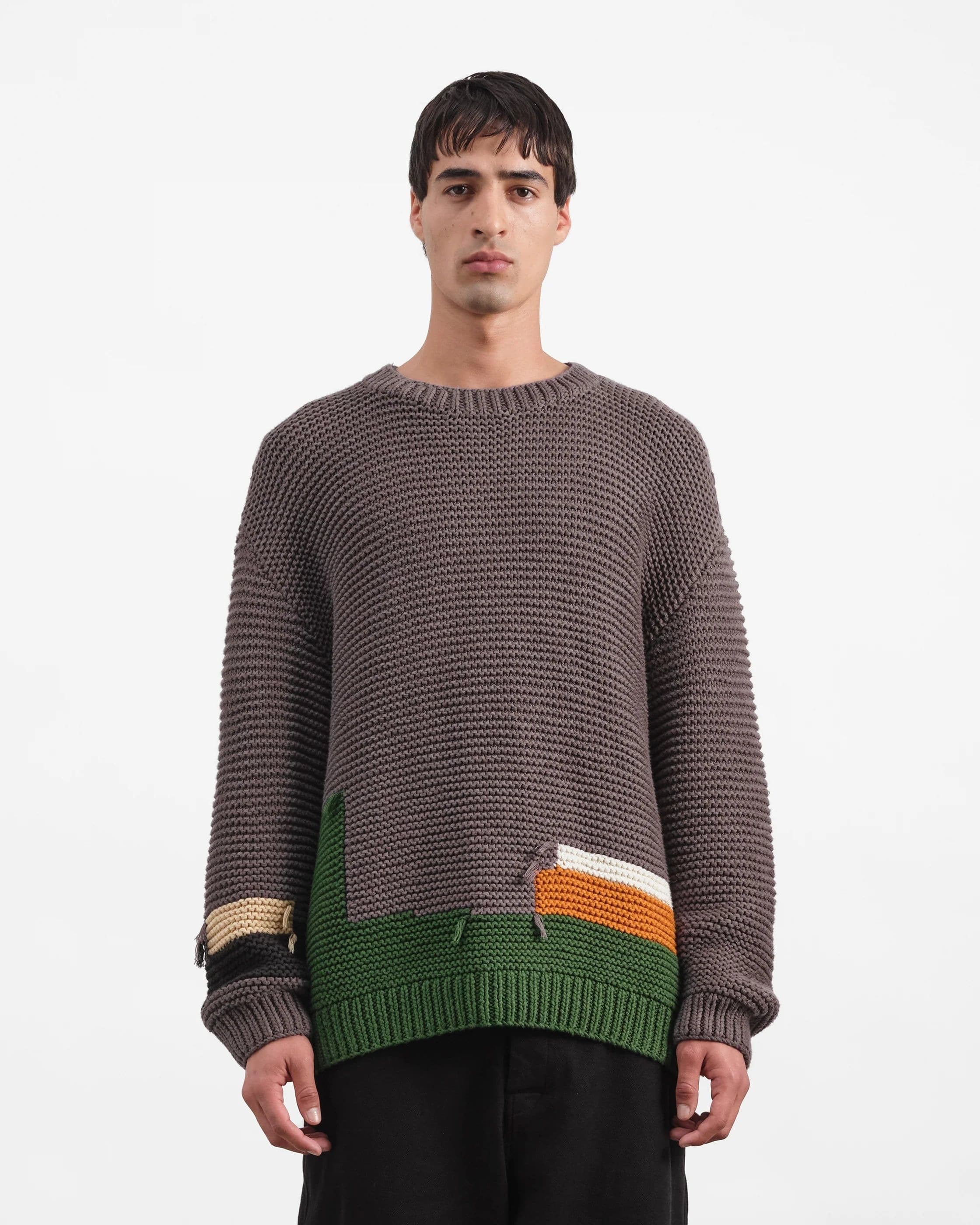
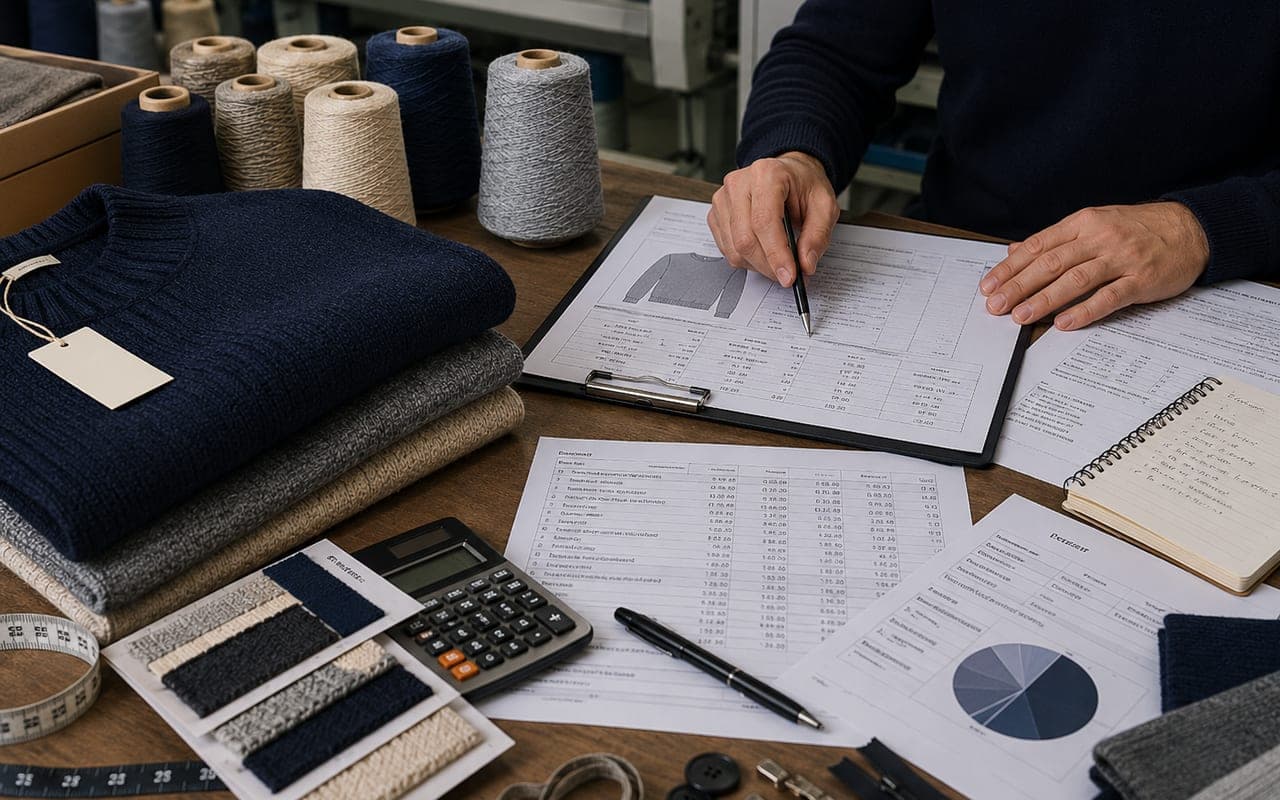
The finished product is the result of deliberate choices at every stage, from yarn to final inspection.
Stage 1: Concept and Brief
Start with the essentials: what is the style, which season, who is the customer, and what is the target retail price? These answers drive every downstream decision. A reference garment or sketch accelerates everything. The clearer your brief, the more accurately a factory can quote and sample.
Stage 2: Material and Construction Selection
Yarn and gauge define handfeel, warmth and most of your cost. Choose fiber for season and positioning, gauge for weight and stitch definition, and structure for the look you want. A capable factory advises on trade-offs here rather than just quoting. See our yarn guide and gauge guide.
Stage 3: Sampling and Approval
Sampling is where the design becomes real. Expect a proto sample (look and handfeel), a fit sample (measurements across sizes), and a pre-production sample (the approved bulk standard). Provide a clear tech pack and batch your feedback. Realistic timing is in our sampling lead time guide.
Stage 4: Bulk Production
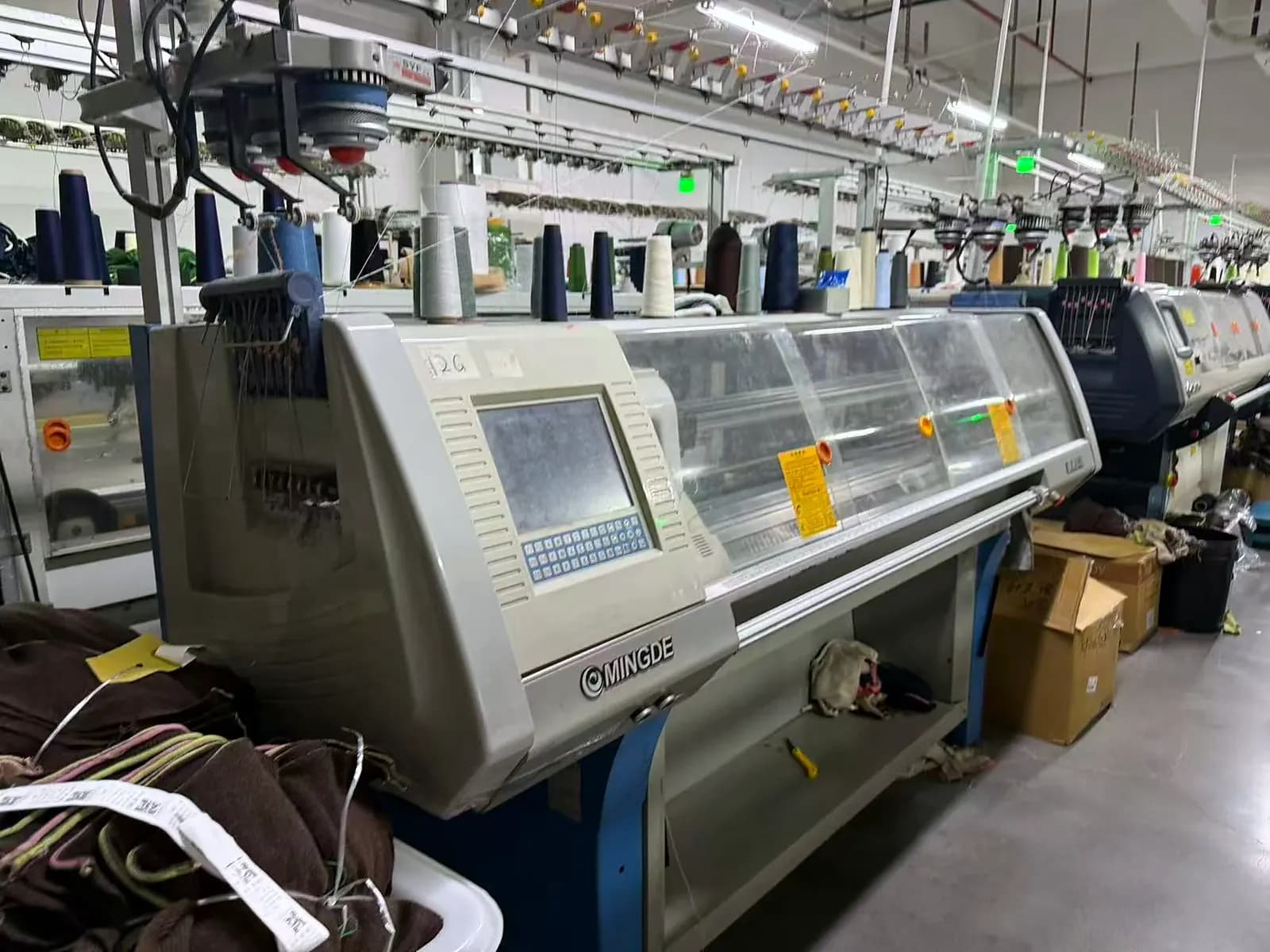
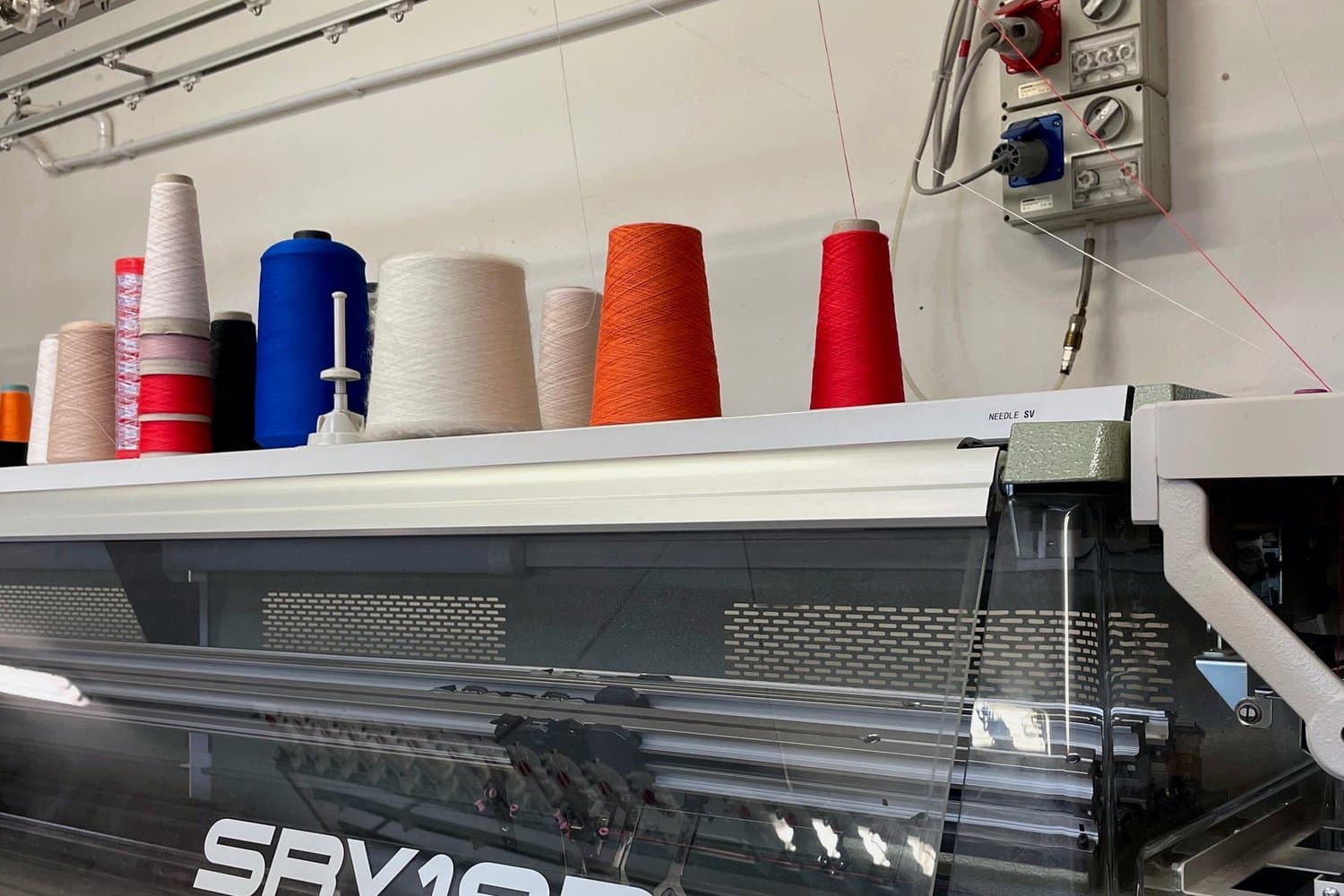
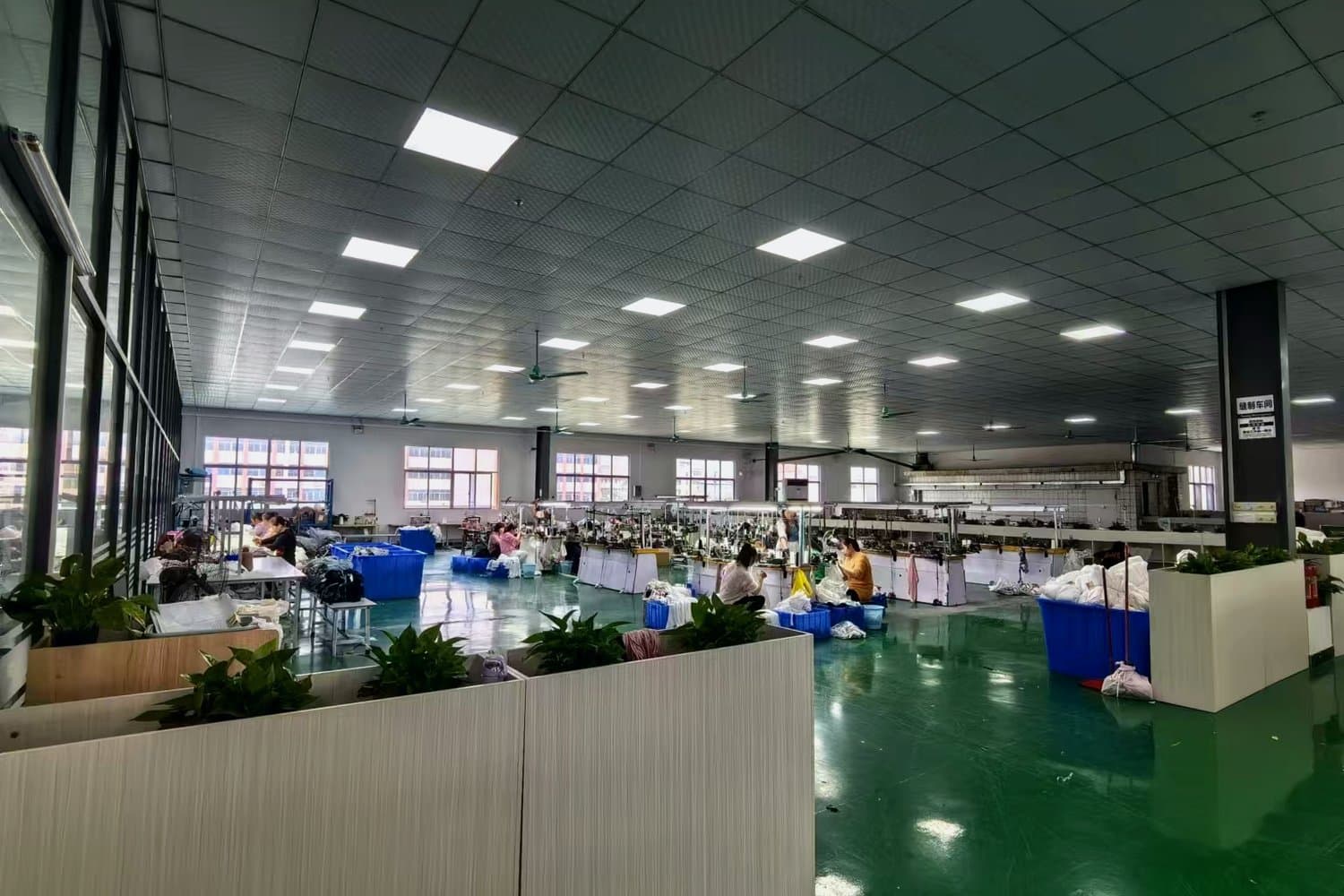
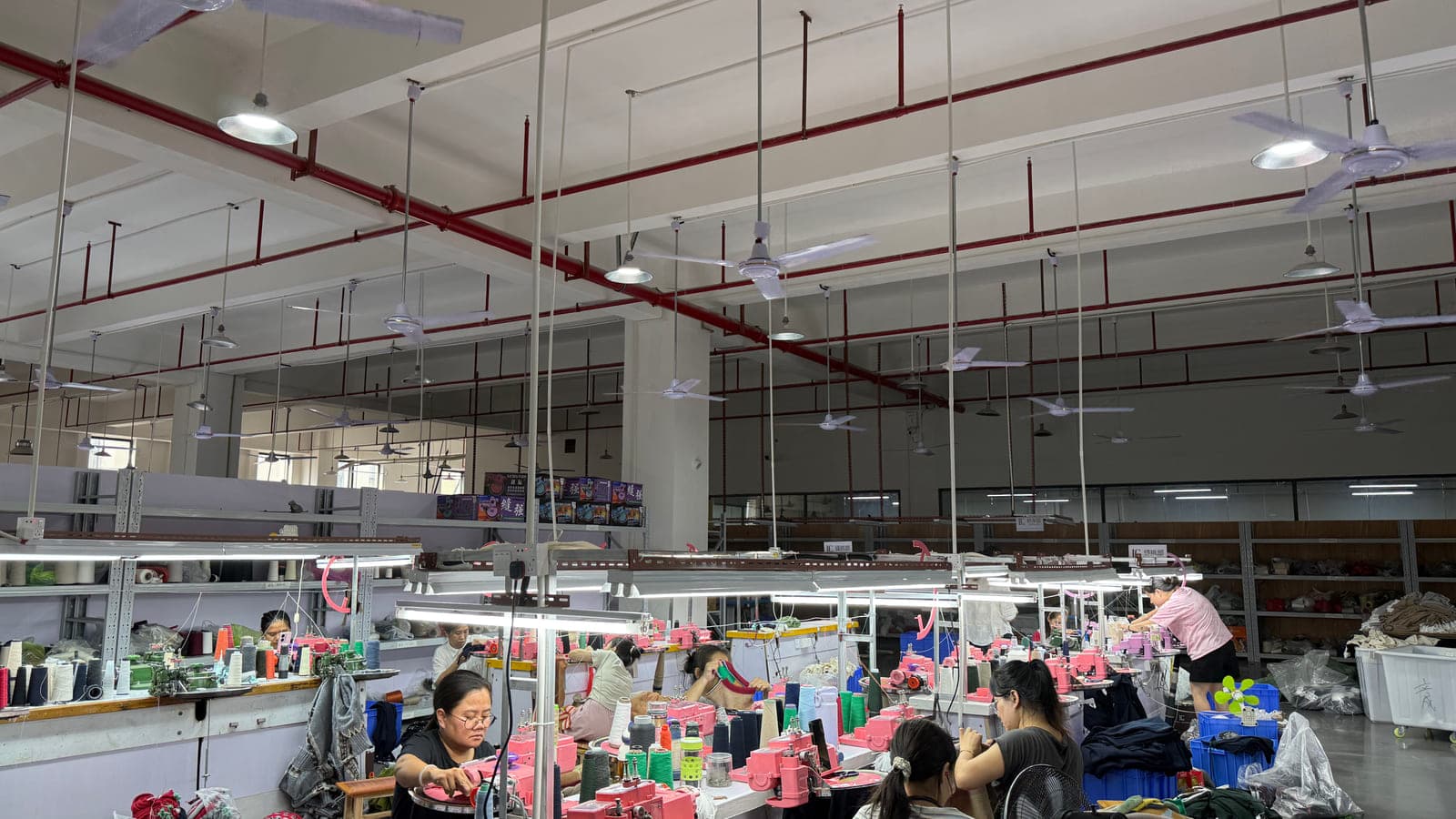
Once the PP sample is approved, bulk knitting begins, followed by linking, washing and finishing. Production typically runs 30-45 days depending on quantity, yarn availability and complexity. Good factories keep you updated and flag risks early rather than at the end.
Stage 5: Quality Control
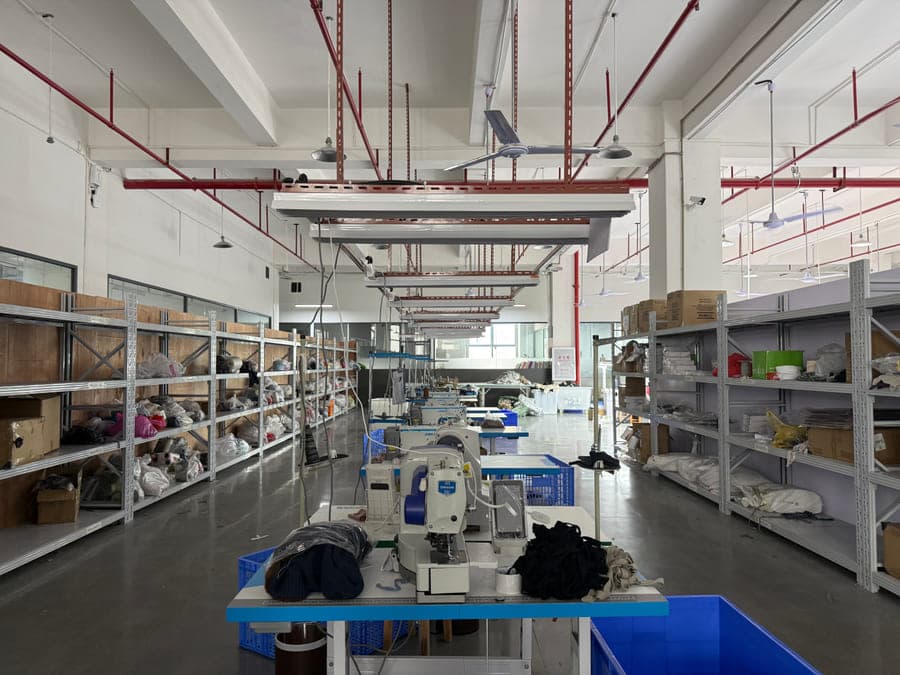
Reliable manufacturers inspect incoming yarn, run in-line checks during knitting and linking, and perform a final AQL inspection before packing, testing for pilling, shrinkage and color fastness. Agree tolerances and an AQL standard up front. See our QC checklist.
Stage 6: Packing and Shipping
Finished garments are pressed, labeled, packed to your spec and dispatched. Confirm folding, polybag and carton requirements early so packing does not delay shipment, and agree your shipping method to control the final lead time.
How to Be a Great Partner
Brief clearly with a tech pack or reference
Choose a manufacturer matched to your product and stage
Plan backwards from your launch date with realistic timing
Agree price, MOQ, tolerances and AQL in writing before bulk
Matching Fiber and Gauge to Your Product
The single most common cost overrun we see comes from buyers who pick a fiber or gauge for its name rather than for the product brief. Use the matrix below as a starting point, then refine it with your factory against your target retail price.
Fiber
Best for
Typical gauge
Positioning
Cotton
Spring/summer, year-round basics
12GG–18GG
Accessible to mid
Acrylic
Volume programs, fashion colors
5GG–7GG
Entry to mid
Wool
Core fall/winter knits
5GG–12GG
Mid
Merino
Lightweight layering, next-to-skin
12GG–18GG
Mid to premium
Cashmere & blends
Luxury, gifting, hero pieces
7GG–12GG
Premium
Recycled (GRS)
Sustainability-led ranges
5GG–12GG
Mid to premium
A lower gauge number (3GG) means a chunkier, faster-knitting garment; a higher number (18GG) means a fine, lightweight fabric that takes longer on the machine. Both yarn cost and machine time feed your unit price, so a "premium" handfeel and a tight target price are often in tension. Settle that tension at the brief stage, not after the first quote. If sustainability is part of your story, ask specifically for GRS-certified recycled yarn so the chain-of-custody claim holds up at retail.
A Worked Example: 600-Piece Merino Crew
To make the timeline concrete, here is how a typical first order flows from approval to dispatch:
1. Brief and quote (week 0): You send a tech pack for a 12GG merino crew, 600 pcs across four colors and three sizes, with a target landed cost.
2. Sampling (days 1–15): Proto, fit and PP samples are produced within the 15–25 day sampling window. You batch one round of fit comments rather than drip-feeding changes.
3. PP approval (week 3): You sign off the pre-production sample as the bulk standard and confirm AQL, tolerances and packing spec in writing.
4. Bulk production (30–45 days): Knitting, linking, washing and finishing run in sequence, with in-line QC at each step.
5. Final inspection and dispatch (1–2 weeks): A final AQL inspection checks pilling, shrinkage and color fastness before pressing, labeling and packing to your carton spec.
End to end, a clean first order like this lands in roughly 10–12 weeks. Repeat orders compress because the PP standard, yarn and packing are already locked. Note that the 30-piece MOQ lets you trial new styles cheaply before committing to a volume run.
Common Questions
What is the minimum order quantity for custom knitwear?
Our MOQ starts at 30 pieces per style, which lets brands test a design or seasonal capsule before scaling. The same style can usually be split across a few colorways within that minimum.
How long does the whole process take from approval to shipment?
Sampling runs 15–25 days and bulk production 30–45 days, so a typical first order is about 10–12 weeks including packing and final inspection. Repeat orders are faster because the pre-production standard is already approved.
What certifications does Licheng Knitwear hold?
We hold OEKO-TEX Standard 100, ISO 9001, GRS (Global Recycled Standard) and GOTS (Global Organic Textile Standard). These cover textile safety, quality management and verified recycled content for sustainability-led ranges.
Licheng Knitwear supports B2B buyers across the full journey, OEM and ODM, for North America and Europe, with verifiable capability and multi-stage QC. Request a quote or browse our products to start.
---
Talk to our team about this
If you're planning a real project around any of the points above, we'd be glad to take a quick look. Send a short brief and we'll come back within one business day with a practical direction, MOQ + lead time estimate, and a sample plan if it makes sense.
Yes. Private label packaging can be included after product direction is clear. Buyers should confirm label artwork, hangtags, care labels and carton requirements before bulk production.
From your sketch, reference or tech pack we spec yarn, gauge, structure and trims, make a sample in 15-25 days, refine through revisions, then run bulk in 30-45 days.
A reference image or tech pack and basic specs (yarn, colour, quantity, target price). A tech pack improves accuracy but is not required.
From 30 pieces per colour; custom dyeing adds a small-lot surcharge below 100-300 pieces per colour, and nominated trims may raise the minimum.
We focus on men's sweaters, cardigans, knit jackets, jacquard knitwear and private label knitwear. We support B2B buyers with OEM/ODM development, sampling and bulk production planning.
Ready sample styles and selected custom programs can support lower-risk trials before larger seasonal orders.
B2B Knitwear Manufacturer | OEM/ODM & Private Label | Exporting Worldwide to North America & EuropeEmail: info@lcgarment.cn | Tel: +86 151 7024 4792
MOQ, lead time, cost ranges, gauge selection and QC checkpoints across typical OEM/ODM knitwear programs in NA + EU. Enter your email — we'll send you the report link in 30 seconds.
No spam. Unsubscribe with one reply. We use your email only to send you the report and follow up if you want a sourcing conversation.