Maternity and Baby Knitwear Manufacturing: Two Size Systems, One Programme
Updated 10/13/202612 min readBy Simon Liu · Licheng Knitwear
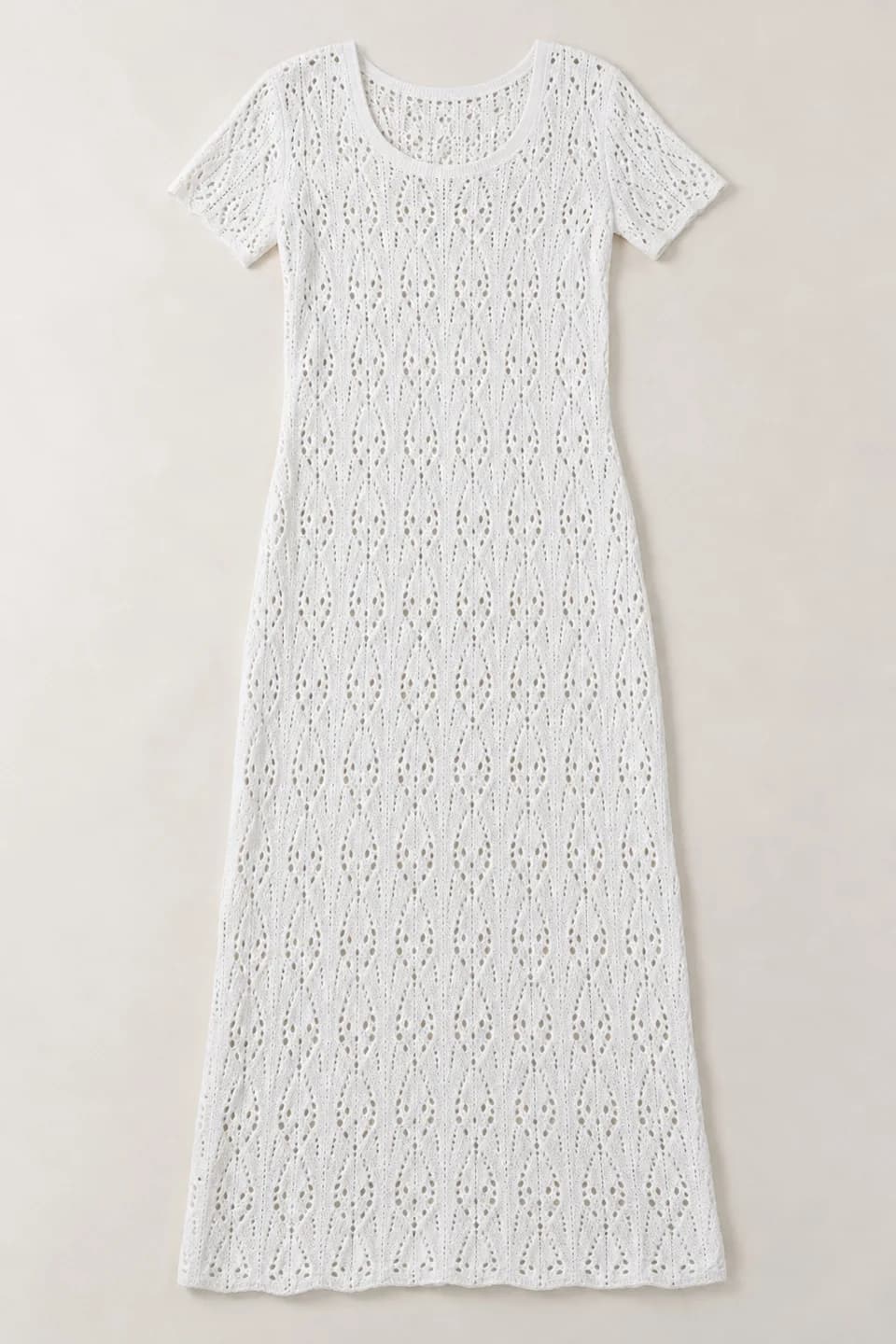
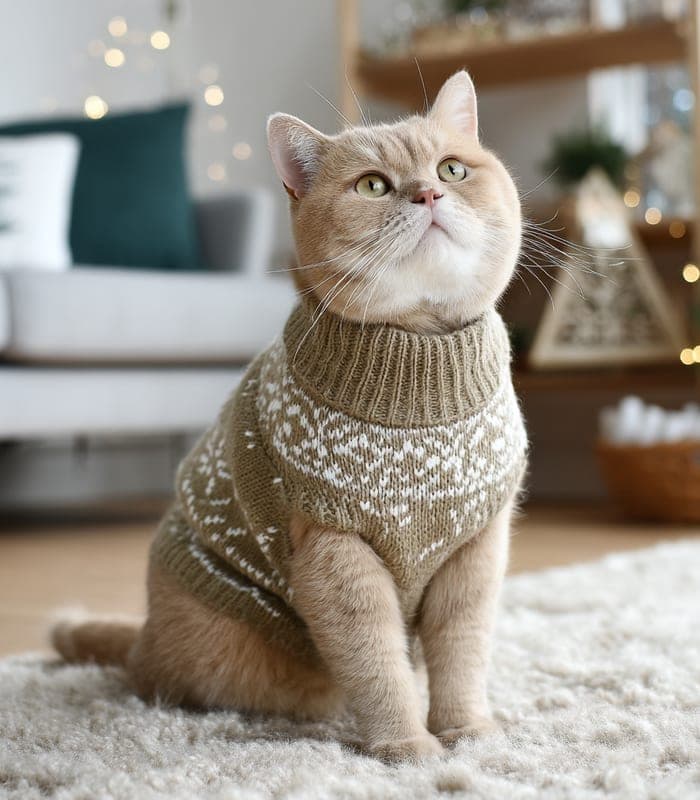
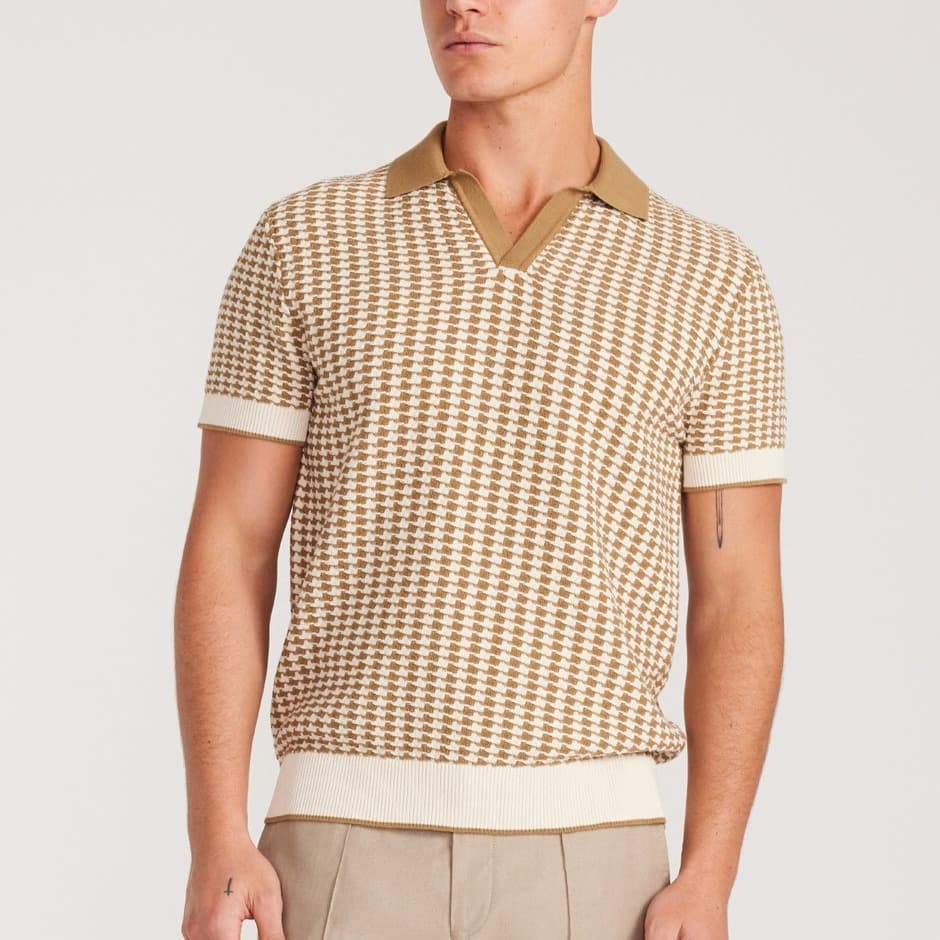
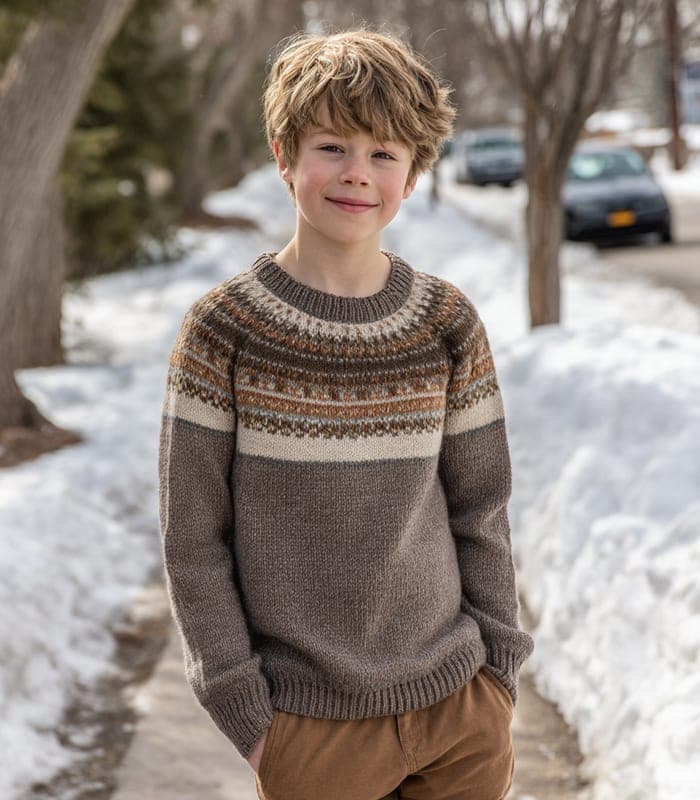
A maternity and baby sourcing read counted from our own published range: 12 maternity styles graded XS-XL and 6 baby graded 0-24m, cotton or bamboo on 12 of 18, seven maternity styles carrying nursing access, and why a matching set costs like two garments.
Maternity and baby knitwear look like one line on a range plan and behave like two programmes. They share a customer and a shelf, and almost nothing else: two size systems, two fibre standards, and two completely different definitions of what "fits" means.
This is a count of our own published range: 18 styles live on lcsweater.com right now — 12 maternity graded XS–XL and 6 baby graded 0–24m. Every figure below comes from that count.
Two size systems inside one small programme
Wearer
Size run
Styles
Maternity
XS–XL
12
Baby
0–24m
6
Our MOQ is 30 pieces per colour, and it applies to each size system separately — a maternity cardigan and a matching baby cardigan are two styles, not one.
That is worth stating early because the matching mother-and-baby set is the thing brands most often want and most often under-budget. It is an attractive product and it is two garments.
Fibre is chosen for skin contact, not for price
Counted across the 18 published styles: cotton in 11, bamboo in 4, wool in 4, merino in 3, cashmere in 2, plus modal, spandex and recycled polyester on individual pieces.
Cotton or bamboo appears on 12 of the 18 styles — cotton on 11, bamboo on 4. For baby product that is not a preference, it is the entry requirement — and for maternity it matters almost as much, because skin sensitivity changes during pregnancy and a yarn that was fine before can stop being fine.
Specific choices in the published range worth copying:
100% organic cotton on the baby textured cardigan and on two maternity pieces
Bamboo viscose blends where drape matters — the baby romper, the lightweight maternity pullover
Merino rather than coarse wool where warmth is needed next to skin — the baby hooded sweater is 100% merino for exactly this reason
Modal with spandex on the seamless maternity top, where recovery over a changing body is the whole product
Wool that itches is a returns problem in any category. In this one it is a returns problem plus a review problem.
Nursing access is construction, not styling
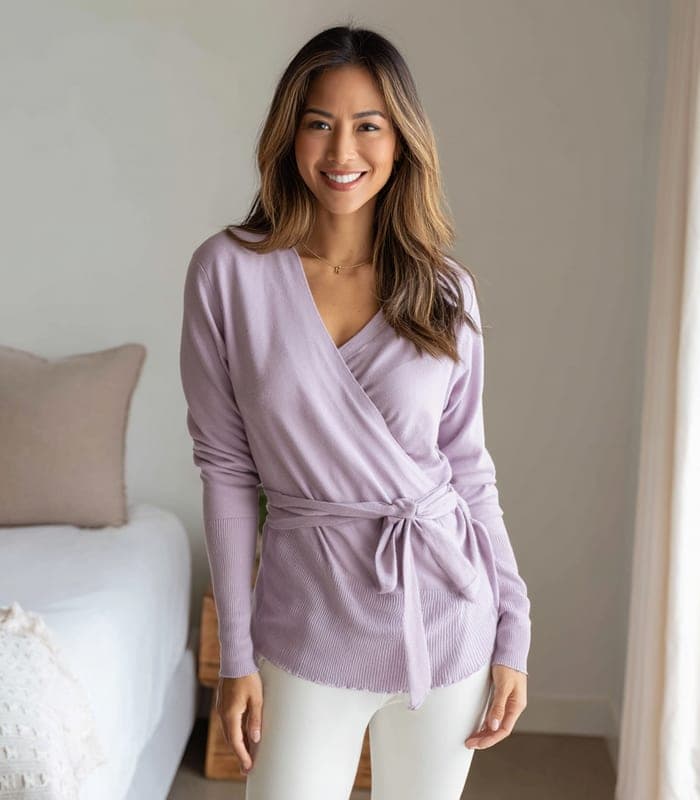
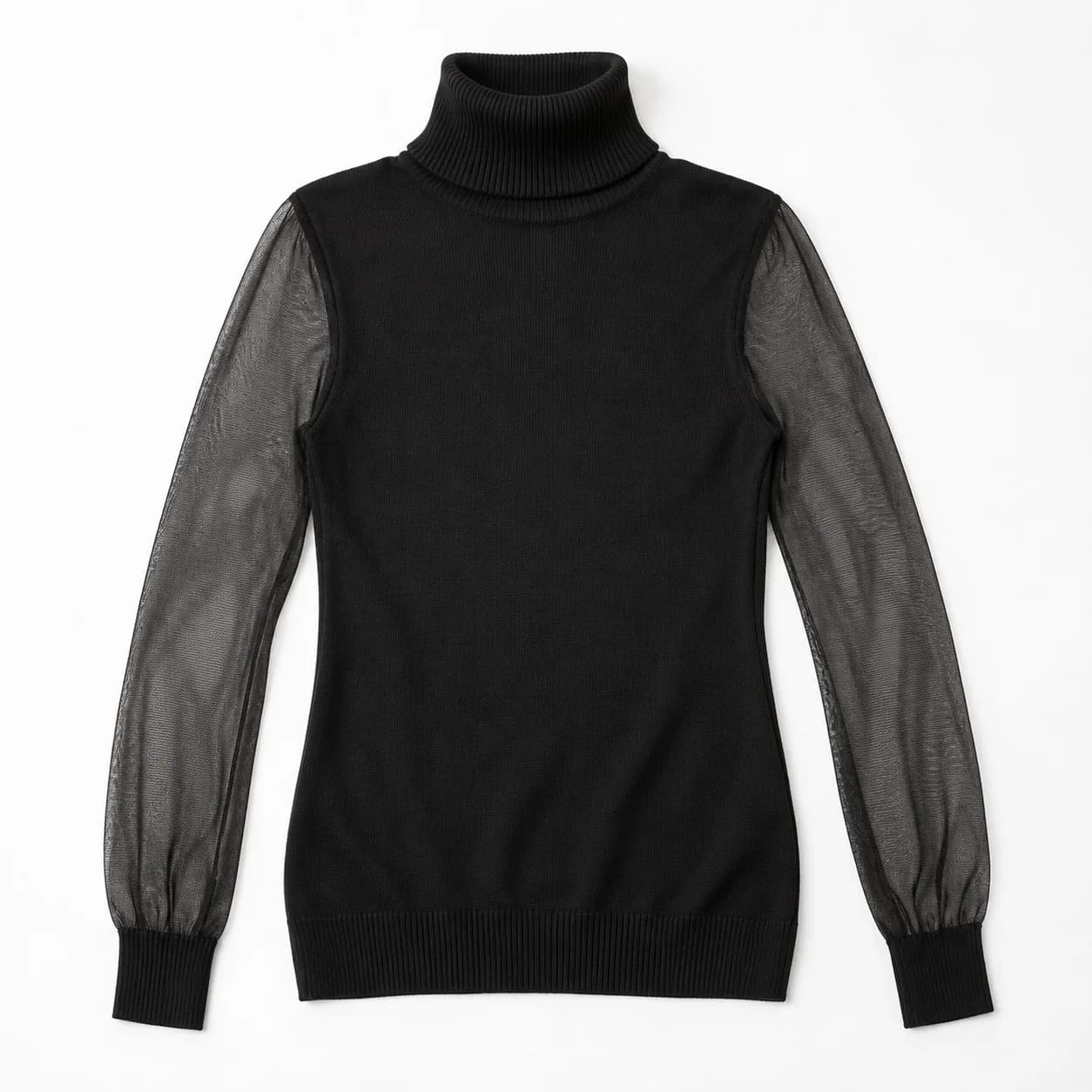
Seven of our 12 published maternity styles carry nursing access. Five are named as nursing pieces — a cable-knit nursing cardigan, a colourblock nursing hoodie, a Fair Isle nursing sweater, a turtleneck with a hidden zipper and a wrap-style nursing sweater — and two more provide it by construction: a side-zip merino pullover and a wrap cardigan.
Every one of those solves the same problem differently — wrap, hidden zip, side zip, button placket — and the choice changes the panel shaping. It has to be on the tech pack before knitting starts, not added at fit sampling.
Two things that go wrong when it is left late:
A zip added to a knitted panel after the fact will ripple. The band has to be knitted to a stable width and tension for the closure it is going to carry. This is the same failure mode as a cardigan front band, and it is more visible here because the opening sits across the bust.
A wrap that works flat does not always work on a changing body. Wrap and tie positions need a fit sample on a real body at more than one stage, not a flat measurement check.
Maternity fit is a moving target
The garment has to work across a body that changes for months, and then often has to work again afterwards. In the published range that is handled three ways: high-low hems, side ruching and side seams that release, and wrap or tie constructions that adjust.
What does not work is grading a standard women's block up a size and calling it maternity. The change is not uniform — bust, waist and hip do not move together — and a straight grade produces a garment that is tight where it matters and loose everywhere else.
What our published figures actually say about cost
11 of the 18 styles carry a published index figure; the other 7 are quoted individually.
By product type, at MOQ 30 per colour, FOB:
Category
Index median
Sweater vests
—
Cardigans
USD 19.73
Knit dresses
USD 21.73
Sweaters / pullovers
USD 22.73
Knit bottoms / sets
USD 40.03
By yarn family, on the styles that carry one: cotton blend USD 14.98, wool blend USD 17.36, 100% merino USD 44.27, cashmere on a cotton base USD 45.77, cashmere on a wool base USD 66.05.
Two readings that matter for planning:
A set costs like two garments because it is two garments. The knit bottoms and sets median is USD 40.03 — nearly double a pullover. It reads as one line on a range plan and arrives as two on the invoice.
The organic-cotton and bamboo core sits near the bottom of the fibre ladder. Cotton blend at USD 14.98 is the cheapest position in the whole catalogue apart from plain cotton, which means the fibre choice this category actually requires is also its most affordable one. The cost pressure here is construction — nursing openings, seamless knitting, fine gauge — not yarn.
Gauge
Gauge band
Styles
3GG – 5GG (chunky)
5
7GG – 12GG
11
12GG and finer
2
11 of 18 sit at 7GG–12GG, which is the band that works for both wearers — warm enough for a baby layer, light enough for a maternity piece worn indoors through a long pregnancy. The two fine-gauge styles are the seamless maternity top and the baby romper, both next-to-skin pieces.
Sourcing reference — maternity & baby knitwear at a glance
Published styles
18 — 12 maternity (XS–XL), 6 baby (0–24m)
MOQ
30 pieces per colour (plain and striped styles in the same yarn and colour can be combined), applied to each size system separately
Fibre core
Cotton or bamboo on 12 of 18 styles (cotton 11, bamboo 4)
If you are building this line, decide the nursing access and the size systems before anything else — those two are what the tech pack is really about. Browse the published range, request a quote, or send a photo of the reference piece on WhatsApp.
30 pieces per colour, applied to each size system separately. Our published range uses two: XS-XL on 12 maternity styles and 0-24m on 6 baby styles. A matching mother-and-baby set is therefore two styles and two minimums, which is the thing brands most often under-budget.
Cotton or bamboo appears on 12 of our 18 published styles - cotton on 11, bamboo on 4 - because for baby product skin contact is the entry requirement rather than a preference. Where warmth is needed next to skin we specify merino rather than coarse wool; our baby hooded sweater is 100% merino for that reason. Organic cotton appears on several styles, and GOTS and OEKO-TEX Standard 100 documentation is available.
Yes, and it must be on the tech pack before knitting. Seven of our 12 published maternity styles carry nursing access - wrap, hidden zip, side zip and button placket are all represented - and each solves the problem differently, which changes the panel shaping. A zip added to a finished knitted panel will ripple, and the opening sits across the bust where it shows.
Through construction rather than grading. Our published range uses high-low hems, side ruching and releasing side seams, and wrap or tie constructions that adjust. Grading a standard women's block up a size does not work, because bust, waist and hip do not move together - the result is tight where it matters and loose everywhere else.
By product type at MOQ 30 per colour FOB: cardigans USD 19.73, knit dresses USD 21.73, sweaters and pullovers USD 22.73, and knit bottoms or sets USD 40.03. Sets are nearly double a pullover because they are two garments. On yarn, cotton blend indexes at USD 14.98 - near the bottom of our fibre ladder - so the fibre this category requires is also its most affordable; the cost pressure is construction, not yarn.
We focus on men's sweaters, cardigans, knit jackets, jacquard knitwear and private label knitwear. We support B2B buyers with OEM/ODM development, sampling and bulk production planning.
Ready to Start Your Project?
Get a free catalog or submit an RFQ today. Our team will respond within 24 hours.
MOQ, lead time, cost ranges, gauge selection and QC checkpoints across typical OEM/ODM knitwear programs in NA + EU. Enter your email — we'll send you the report link in 30 seconds.
No spam. Unsubscribe with one reply. We use your email only to send you the report and follow up if you want a sourcing conversation.
Brand names shown are previously serviced OEM/ODM partners. Logos are decorative and do not imply current endorsement.