
We focus on men's sweaters, cardigans, knit jackets, jacquard knitwear and private label knitwear. We support B2B buyers with OEM/ODM development, sampling and bulk production planning.
Guides for custom knitwear manufacturing, yarn selection, gauge options, quality control, cost planning and tech pack preparation.
Materials
A B2B yarn and material guide for choosing cotton blends, wool blends and synthetic support fibers for custom knitwear.
Read Guide ->Manufacturing
A manufacturing guide comparing fully fashioned knitwear and cut-and-sew knitwear for B2B sweater, cardigan and knit jacket development.
Read Guide ->Craftsmanship
A craftsmanship guide comparing jacquard and intarsia knitwear for brands developing graphic sweaters, pattern cardigans and custom artwork.
Read Guide ->Gauge
A gauge guide explaining how 5GG, 7GG and 12GG affect sweater texture, weight, season, cost and buyer positioning.
Read Guide ->Comparison
Few sourcing terms generate as much buyer-supplier confusion as OEM, ODM, private label and white label. They overlap, they are used interchangeably in supplier emails, and the wrong assumption can mean a brand pays for a custom development they never owned, or expects a custom design when the factory is preparing a generic catalog product. This guide separates the four models clearly: who designs, who owns the intellectual property, who picks the yarn and trims, what each implies for MOQ and lead time, how visible your brand actually is to the end consumer, and which brand stage typically uses each route. It is written from Licheng's perspective as a Dongguan knitwear manufacturer that operates OEM, ODM and private label programs every season, so emerging brand founders can decide which sourcing model fits where they are today.
Read Guide ->Trend
A holiday novelty knit capsule on US or EU shelves for a November 1 launch must leave a Chinese factory by mid-September. That single line is what most brand merchandisers underestimate when they start a fair-isle, gift sweater, or Christmas novelty program in late summer. Holiday knitwear is a calendar problem before it is a design problem: the gauge is usually denser, the colorways are higher, and the patterning takes more development time than a basic crew neck, so sample approval has to land by early July and the bulk PO has to be issued by mid-July to keep August knitting on track. This article walks through the reverse calendar Licheng uses with brands planning a 2027 holiday drop, the failure modes we see most often when POs slip into late August or September, and the honest cost reality of recovering a missed shipment by air. No hype, just the math.
Read Guide ->How Pantone color matching actually works in custom knitwear: lab dip rounds, Solid Coated codes, Delta-E tolerances, light booths and bulk approval.
7 min read - Guide
Merino is the most over-promised fiber in knitwear sourcing. Mills quote 'fine merino' on a line sheet and a buyer assumes 18.5 micron Australian RWS — what arrives is often 21 micron South American, blended down with a touch of polyamide and labeled the same. This guide breaks down the actual micron tiers used in the trade (16.5 through 21+), the working differences between Australian, New Zealand, Argentine, Uruguayan and South African clips, what mulesing-free and RWS certification really mean on a commercial invoice, and the small set of spec lines you need in a tech-pack to prevent substitution. It closes with verification steps — IWTO test reports, fiber-content lab tests, and what to ask for at PP sample — that take a sourcing manager from trust-based buying to evidence-based buying without slowing development.
6 min read - Guide
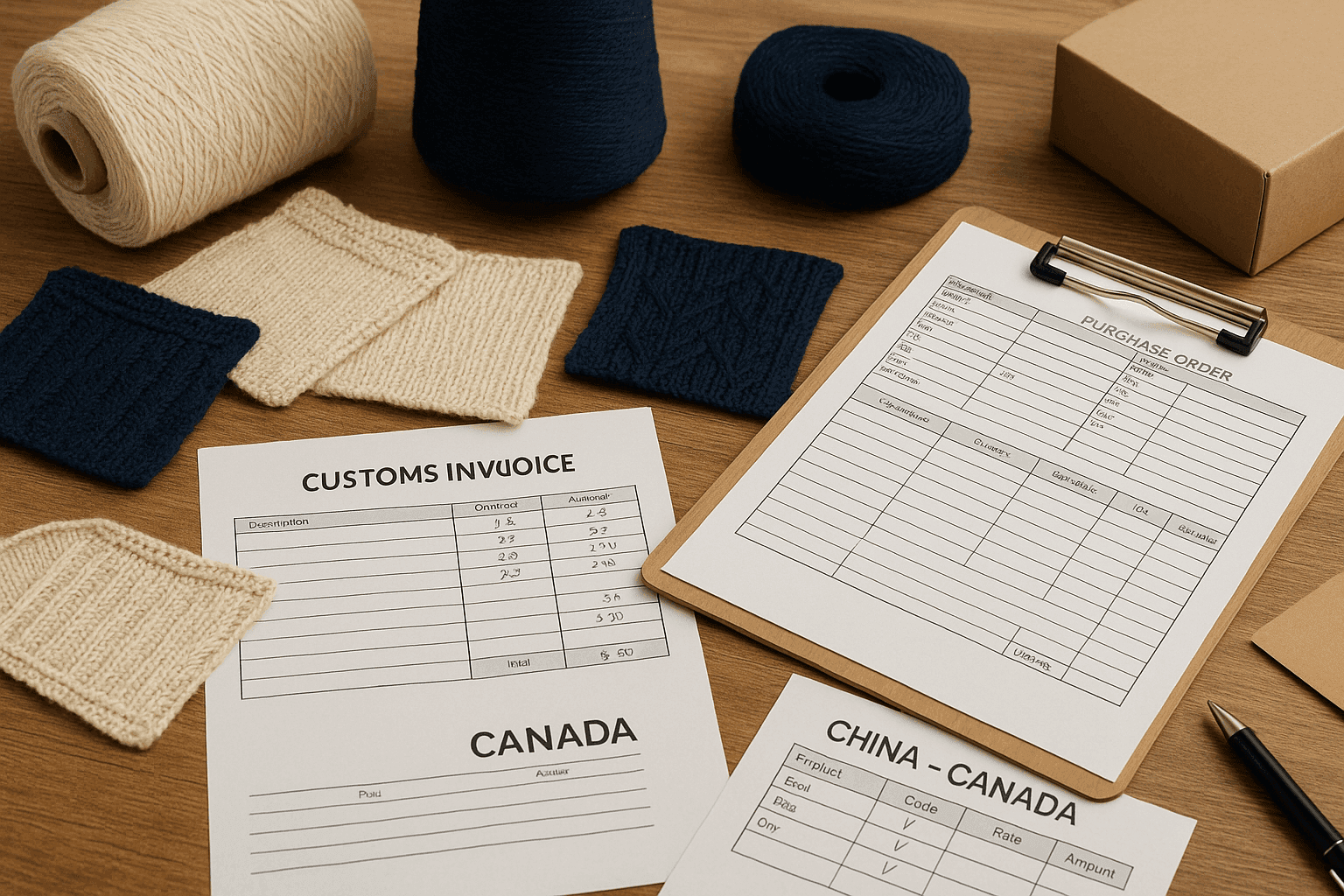
Canadian apparel buyers comparing a FOB China quote against landed cost in Toronto or Vancouver are usually working with two very different numbers. The FOB price covers yarn, knitting, linking, trims, packing and a small margin — it stops at the port of loading. The landed number adds ocean or air freight, MFN duty, customs brokerage, GST, and inland trucking to your warehouse. This guide, written from Licheng's perspective as a Dongguan-based knitwear manufacturer working with North American brands, walks through the lead-time math, MOQ realities, yarn and gauge directions Canadian buyers tend to favour, the compliance items Canadian retailers ask for, and the Incoterms and payment conventions we see most often on Canada-bound knitwear programs.
5 min read - Guide
US knitwear sourcing is rarely a single market. Buyers based on the East Coast and West Coast operate under different climates, freight gateways, retail rhythms and aesthetic expectations, and those differences shape the men's sweater, cardigan and knit jacket assortments we develop with them. At Licheng Knitwear, we work with US apparel brands shipping into both LA/Long Beach and New York/New Jersey, and we plan production calendars, gauges and packaging accordingly. This guide breaks down what changes — and what doesn't — when you move a US knitwear program from one coast to the other, covering sample lead time, bulk lead time, MOQ, yarn direction, gauge mix, QC, payment and Incoterms. It is written for sourcing managers, founders and merchandisers comparing a coastal anchor point for their next men's knit drop.
8 min read - Guide
France is one of the most demanding sourcing markets we work with — French menswear, contemporary and premium-everyday brands tend to brief tightly on hand-feel, color depth, finishing detail and care labeling, and they expect the factory to push back when something is technically wrong. This playbook is written from our experience as a Dongguan-based custom knitwear manufacturer (Licheng, founded 2018) supplying brands across the EU, France included. It covers the lead time and MOQ realities for France-bound programs, the yarn and gauge directions French buyers most often pick, the quality and compliance points that come up in their tech packs, and the logistics, payment and Incoterms norms that keep France knitwear sourcing predictable from PO to landed warehouse.
6 min read - Guide
Dutch and Belgian apparel buyers operate in one of Europe's most demanding sourcing environments — small home markets, mature e-commerce, multilingual customers, and a strong cultural focus on documentation and transparency. At Licheng Knitwear, we manufacture custom sweaters, cardigans, knit polos and knit jackets in Dongguan, China, and Benelux buyers are a regular part of our European order book. These notes pull together what we have learned working with Benelux buyers: how they brief, what gauges and yarn directions they favor, where MOQ negotiations usually land, which compliance documents they ask for first, and how logistics realities — port choice, duty, Incoterms — shape the final landed cost. The aim is to give Netherlands- and Belgium-based buyers a practical reference before sending the next RFQ to an Asian knit supplier.
5 min read - Guide
If you sell knitwear into the EU, US, or UK, sooner or later a retail buyer, a marketplace listing, or a children's-wear regulator will ask you for OEKO-TEX Standard 100 certification. The label is famous — the white hangtag with the trefoil logo and an ID number is on millions of garments — but most of the buyers asking for it cannot say exactly what it certifies, what the four product classes mean, or how to check whether a certificate is real. This guide is a clear, practical explainer written from our perspective as a Dongguan-based knitwear manufacturer. We work with yarn mills and dye houses that hold their own STeP and OEKO-TEX scope certificates on materials we routinely source, and we support buyers who structure documentation requests around their compliance teams. Here is what the standard actually does, what it does not do, and how to handle it in a real knitwear purchase order.
7 min read - Guide
Incoterms look like alphabet soup until your first container is stuck at port because nobody agreed who pays the brokerage. This buyer-facing guide walks through the seven terms knitwear sourcing managers actually see on quotations — EXW, FCA, FOB, CIF, CPT, DAP, and DDP — and explains who owns the goods at each transfer point, who pays freight, insurance, duty, and brokerage, and how each choice reshapes your cash flow. For mainland China knitwear shipping out of Yantian or Shekou, FOB is still the dominant mode (roughly 70-80 percent of POs we see), but small brands without a customs broker often default to DDP for the simpler P&L. We compare the four most common terms head-to-head with a risk-transfer table, walk through a realistic 500-piece cotton sweater example showing how FOB, CIF, and DDP land at different total costs, and flag the moments when DDP quietly costs you negotiating power. The guide closes with practical advice on switching terms between PO 1 and PO 3, when to add cargo insurance yourself, and the document trail you need so customs doesn't hold your container over a missing commercial invoice line.
6 min read - Guide
Most B2B buyers comparing knitwear factories on Alibaba see the same surface: a logo, a few product photos, an MOQ in the listing and a sales rep who answers "yes" to every question. The harder part is figuring out what actually changes once your order is in production. This article puts Licheng side-by-side with the typical anonymous China knitwear OEM across fourteen dimensions that matter to sourcing managers — MOQ, sample lead time, bulk lead time, gauge range, QC stack, AQL, payment terms, Incoterms, language support, traceability, communication cadence, NDA and IP handling, sustainability documentation, and after-sale. The goal is not to argue that Licheng is right for every project; it is to give you a structured way to compare any supplier, including us, against the realities of buying custom knitwear from China.
7 min read - Guide
We focus on men's sweaters, cardigans, knit jackets, jacquard knitwear and private label knitwear. We support B2B buyers with OEM/ODM development, sampling and bulk production planning.
Ready sample styles and selected custom programs can support lower-risk trials before larger seasonal orders.
Yes. Brands, including new labels preparing a first collection, can pay for a sample and see it before placing a production order. Two routes: a ready sample of a published style at USD 60 per piece in about 7 days, or a development sample from your tech pack at USD 150 per style, covering yarn sourcing, knit programming, one prototype and one revision round, in 15-25 days. Cashmere and mohair styles are quoted individually and shipping is charged at cost. Production starts only after you approve the physical sample, at our minimum of 30 pieces per colour with sizes mixed inside the 30. A sample does not commit you to a production run; we do not make garments for personal use.
Our sample fee is not refundable. Yarn sourcing, knit programming, machine setup and hand linking cost about the same whether one piece follows or five hundred, which is why the fee exists at all. It is credited against your first bulk order placed within six months of sample approval: 100% of a development sample fee, 50% of a ready sample fee.
Yes, for brands developing a style. One development piece is fine, with no commitment to bulk: a development sample is USD 150 per style and covers yarn sourcing, knit programming, one prototype and one revision round, in 15-25 days (cashmere and mohair are quoted individually). If you then go to production, the minimum is 30 pieces per colour with sizes mixed inside the 30, and the full USD 150 is credited against a first bulk order placed within six months of approving the sample. We do not make garments for personal wear.
Plain and striped styles using the same yarn and colour can be combined toward a minimum of 30 pieces, with mixed sizes. For example, four plain styles of 25 pieces each in the same yarn and colour total 100 pieces and meet that minimum. Different yarns or colours are counted separately. Jacquard and intarsia require 30 pieces per pattern; quantities from different patterns cannot be combined. Send us your styles, yarns, colours and quantities so we can confirm how the minimum applies to your project.
Get a free catalog or submit an RFQ today. Our team will respond within 24 hours.
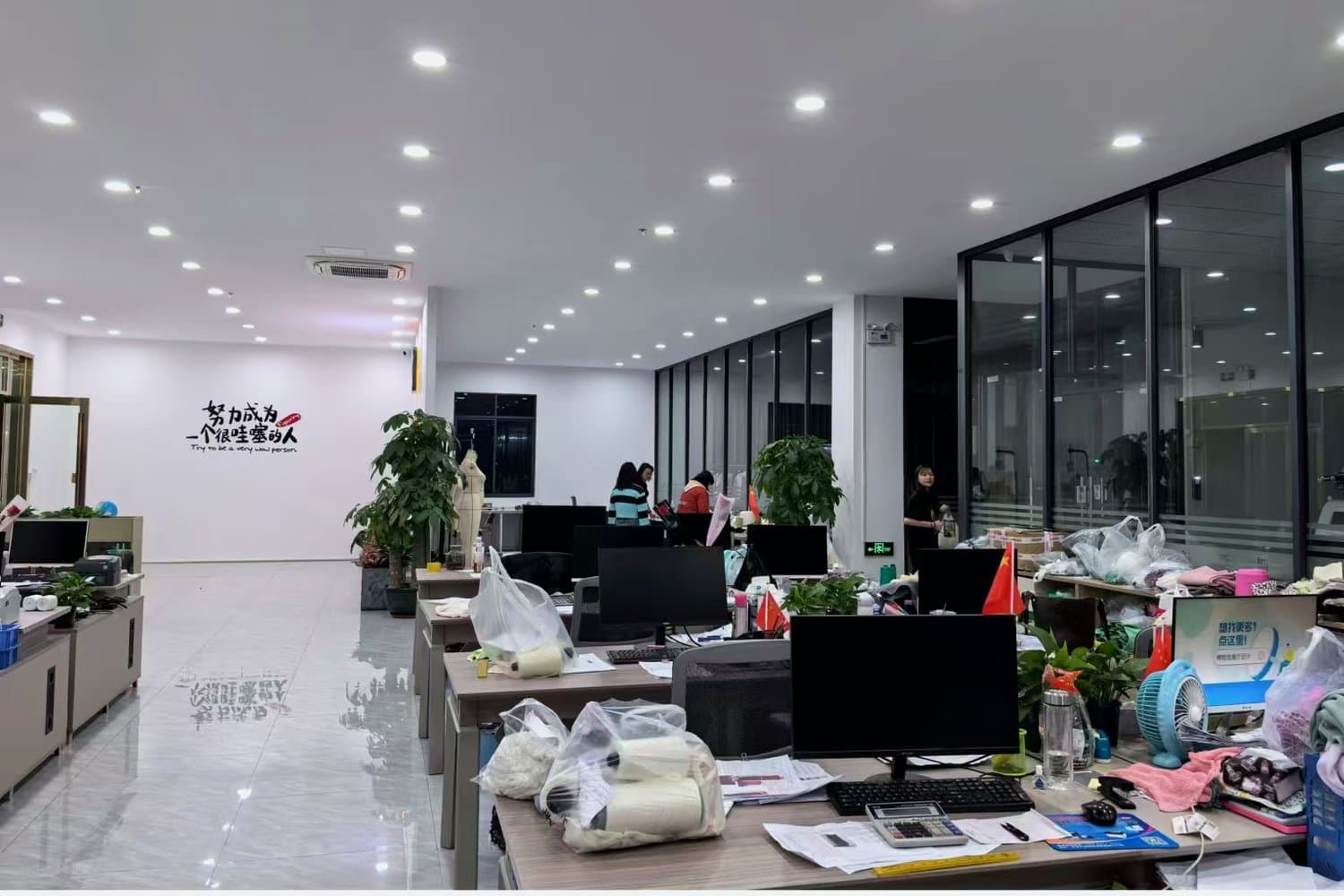
Cannot find what you need? Our team can create a custom guide or template for your specific project.
Request Custom Resource ->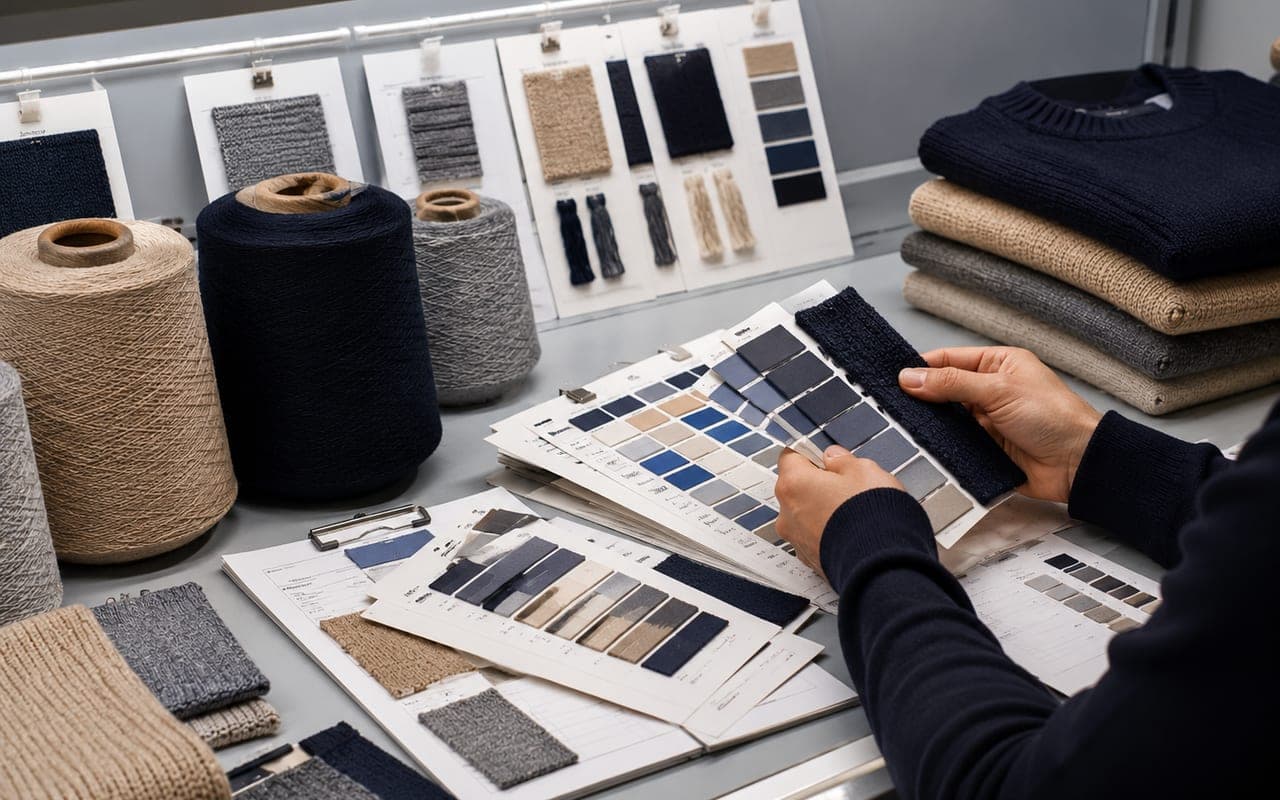
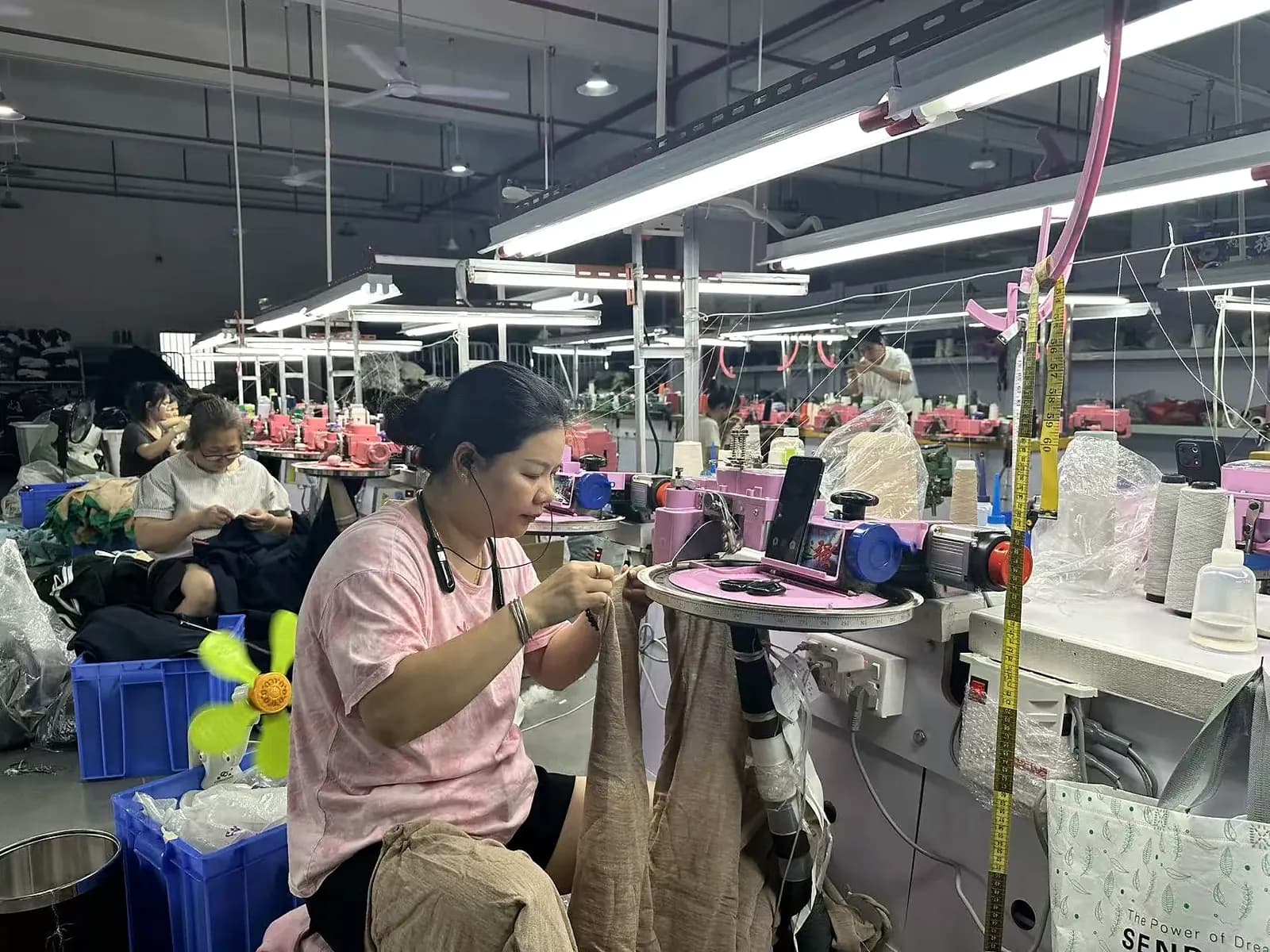
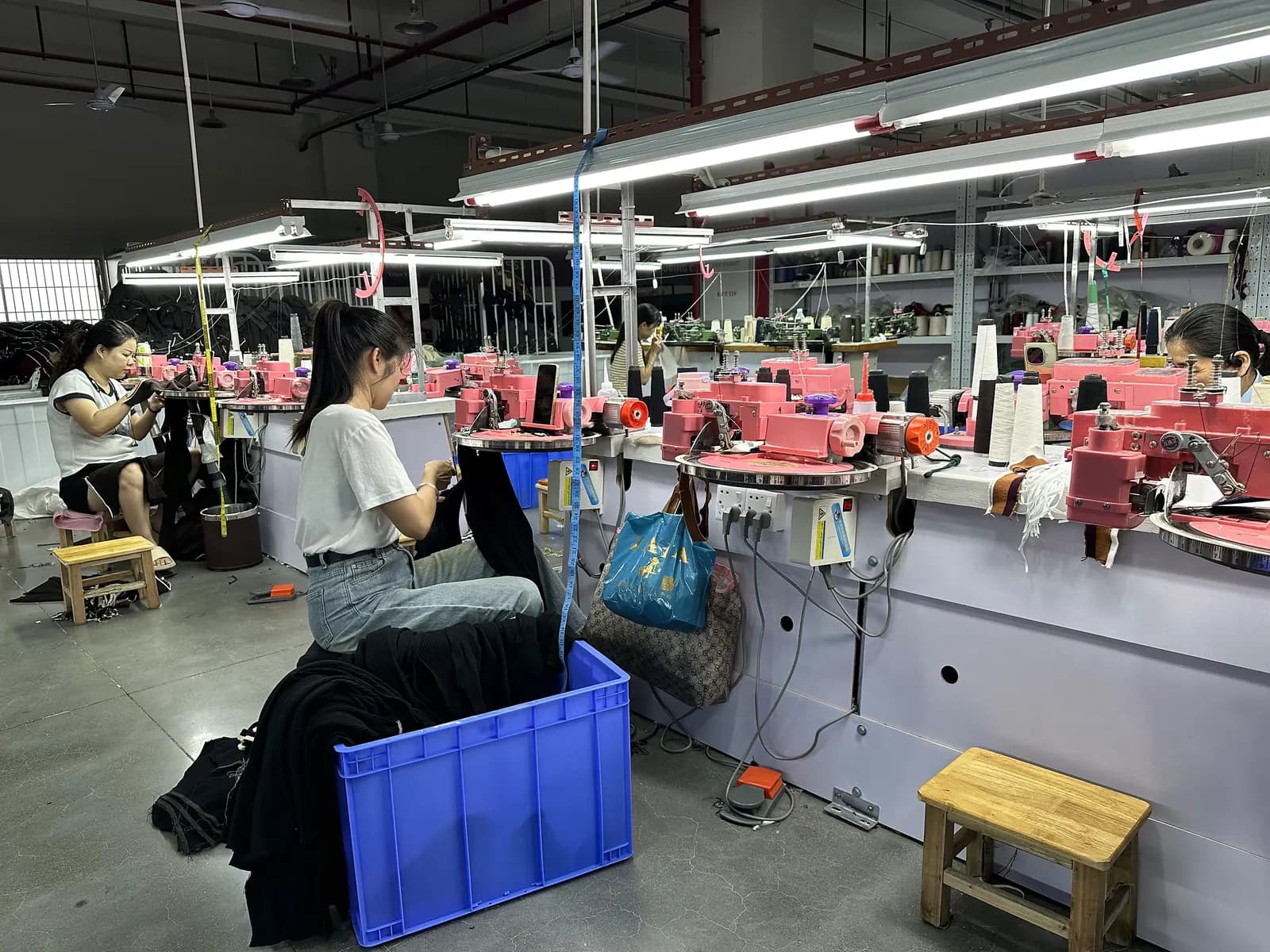
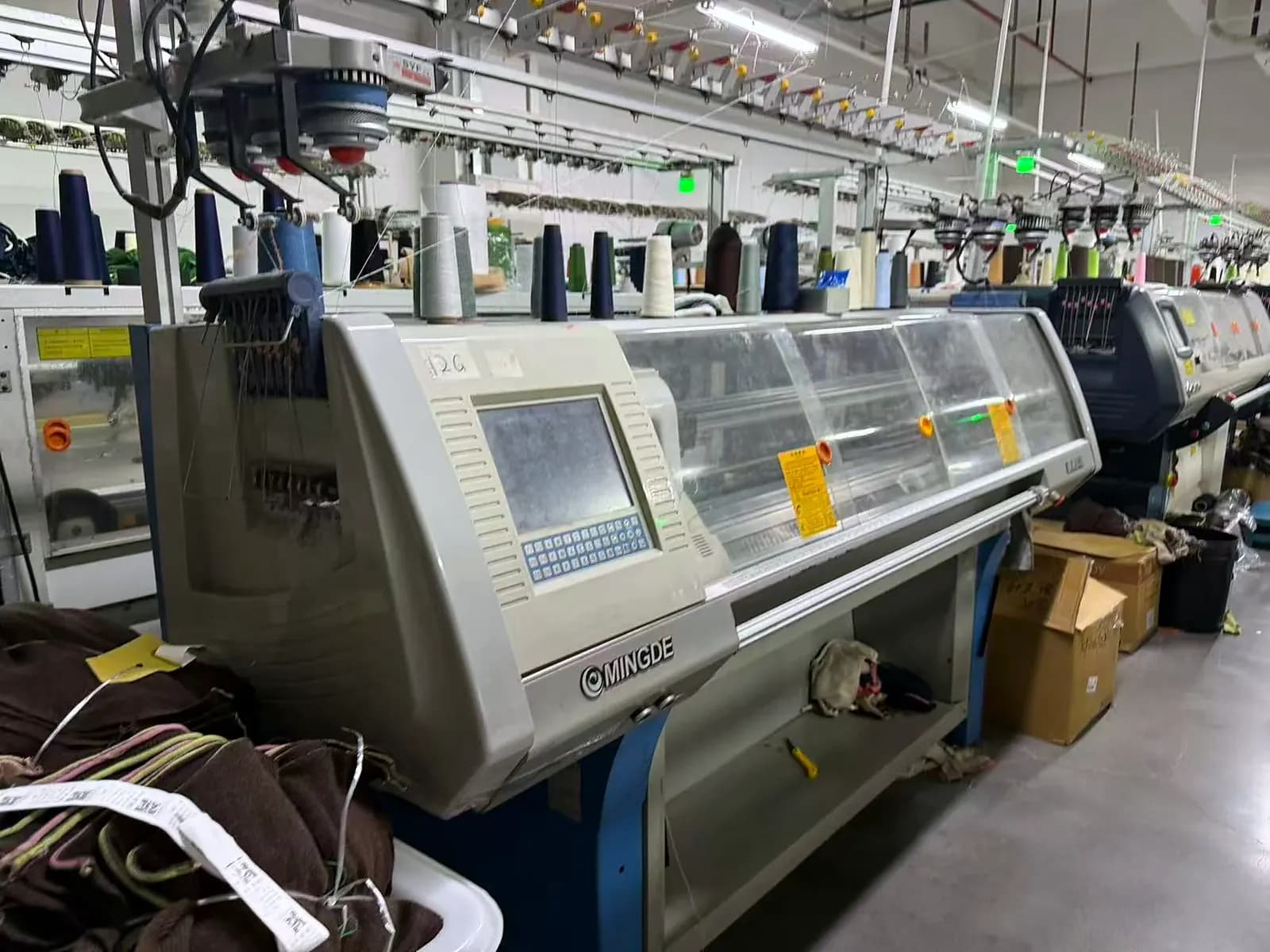
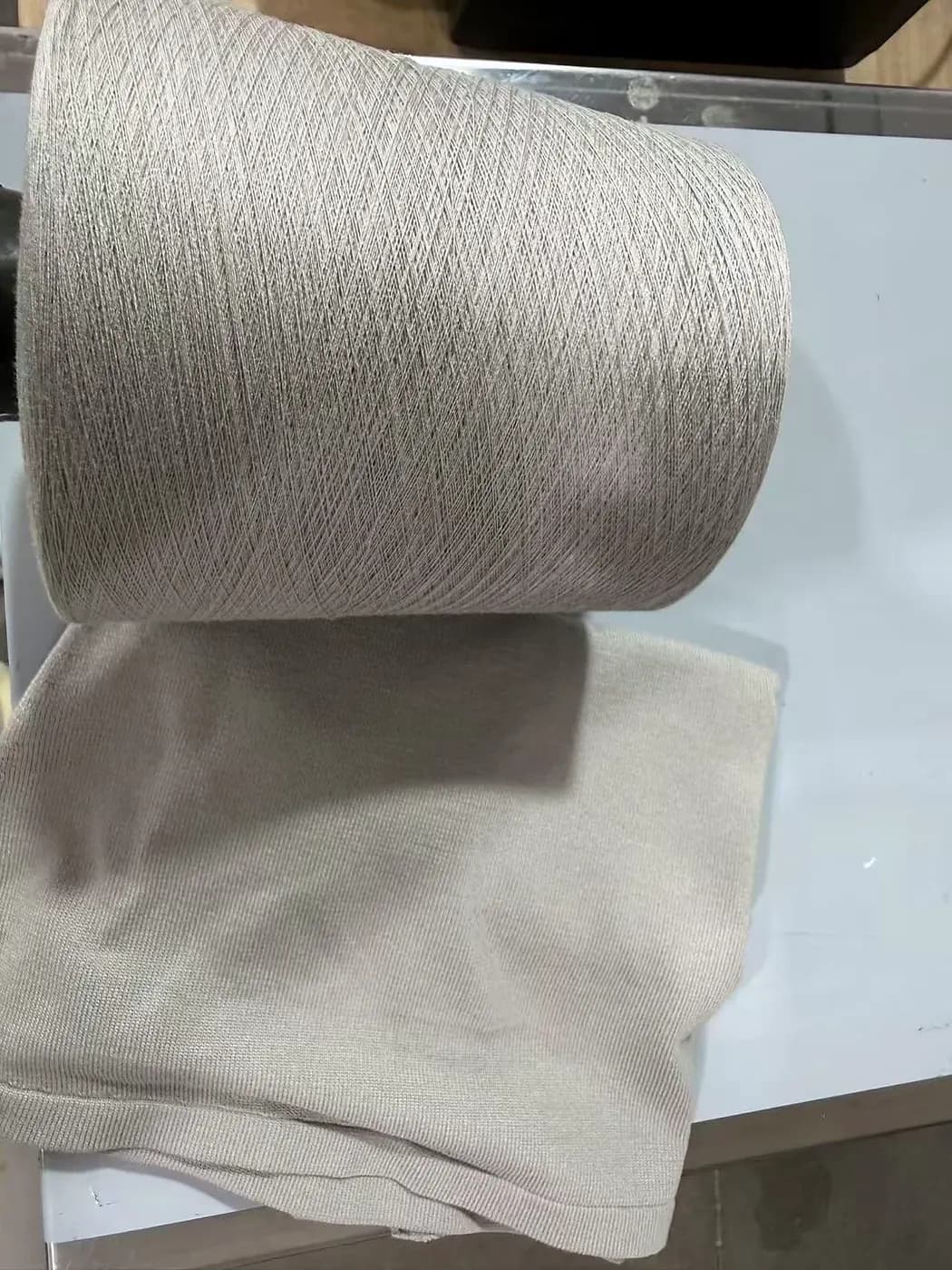


MOQ, lead time, cost ranges, gauge selection and QC checkpoints across typical OEM/ODM knitwear programs in NA + EU. Enter your email — we'll send you the report link in 30 seconds.
No spam. Unsubscribe with one reply. We use your email only to send you the report and follow up if you want a sourcing conversation.









Brand names shown are previously serviced OEM/ODM partners. Logos are decorative and do not imply current endorsement.