Fully Fashioned vs Cut-and-Sew Knitwear
Updated 9/11/202612 min readBy Simon Liu · Licheng Knitwear
A manufacturing guide comparing fully fashioned knitwear and cut-and-sew knitwear for B2B sweater, cardigan and knit jacket development.
A manufacturing guide comparing fully fashioned knitwear and cut-and-sew knitwear for B2B sweater, cardigan and knit jacket development.
Our team is ready to support your brand from concept to delivery.
Discuss Your ProjectTwo sweaters can look identical on a rail yet be built in completely different ways. "Fully fashioned" and "cut and sew" are the two core methods of constructing knitwear (a third, whole-garment, removes the seams altogether), and the choice affects quality, fit, waste and cost. For B2B buyers, knowing the difference helps you specify the right construction and understand why quotes vary.
Fully fashioned shapes the panels on the machine. Cut and sew shapes them with scissors. That single difference drives quality, waste and price.
💬 Sourcing this for an upcoming project? Request a free quote → · MOQ 30 pcs · Sample in 15–25 days · WhatsApp us
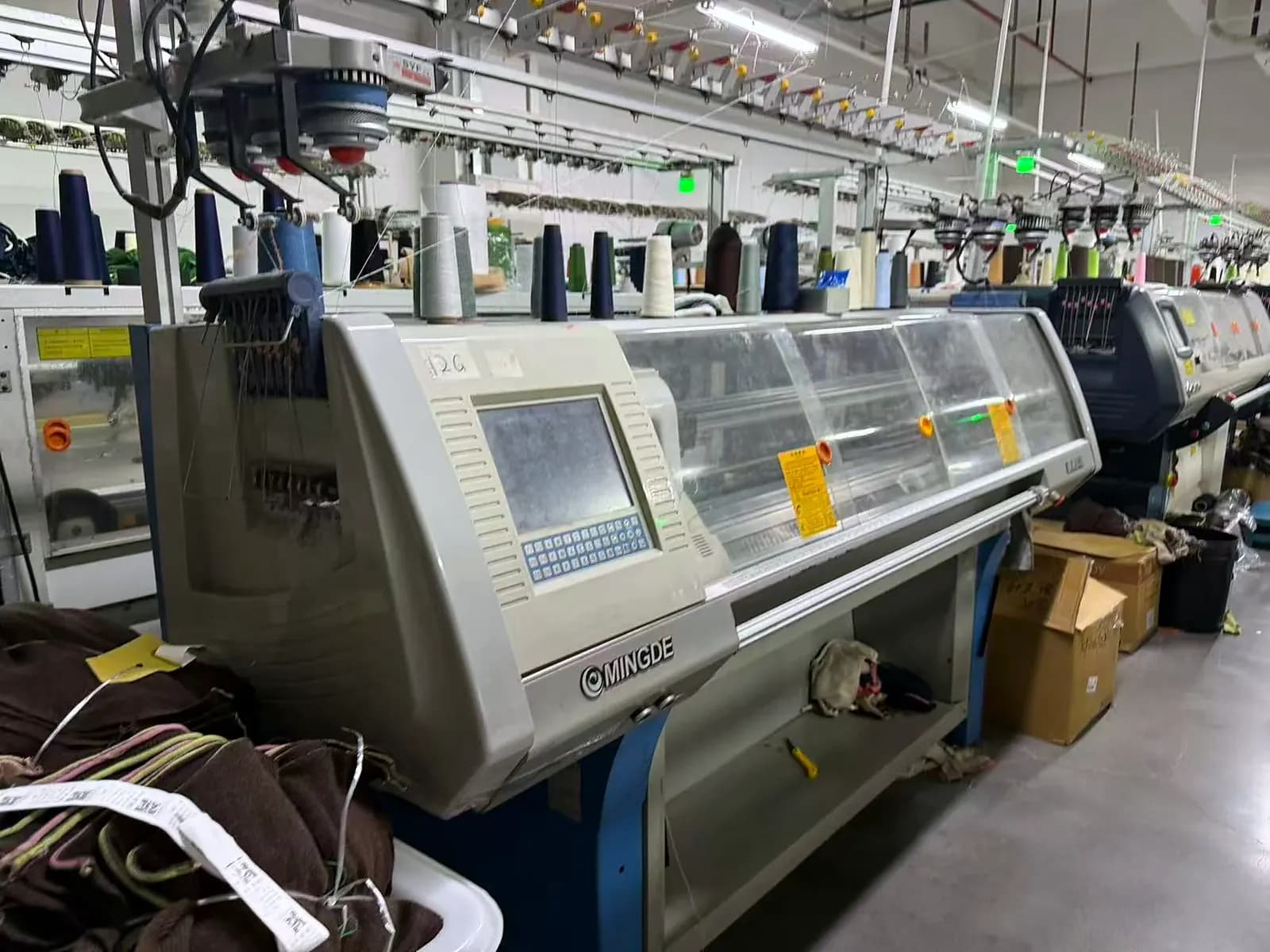
Fully fashioned knitting shapes each panel (front, back, sleeves) directly on the knitting machine by adding or dropping needles. The panels come off the machine already shaped, then are linked together. The result is clean, shaped edges, minimal yarn waste, and a premium finish.
Cut and sew knits a large flat panel of fabric, then cuts the garment pieces from it like woven fabric and sews them together. It is faster and more flexible for some shapes, but creates yarn waste and cut edges that need finishing.
| Feature | Fully fashioned | Cut and sew |
|---|---|---|
| Shaping | On the machine | Cut from flat panel |
| Edges | Clean, linked | Cut, sewn, may fray |
| Yarn waste | Minimal | Higher |
| Quality perception | Premium | Standard to value |
| Cost | Higher labor, less waste | Lower setup, more waste |
| Best for | Quality sweaters, fine gauges | Simple shapes, jersey, volume |
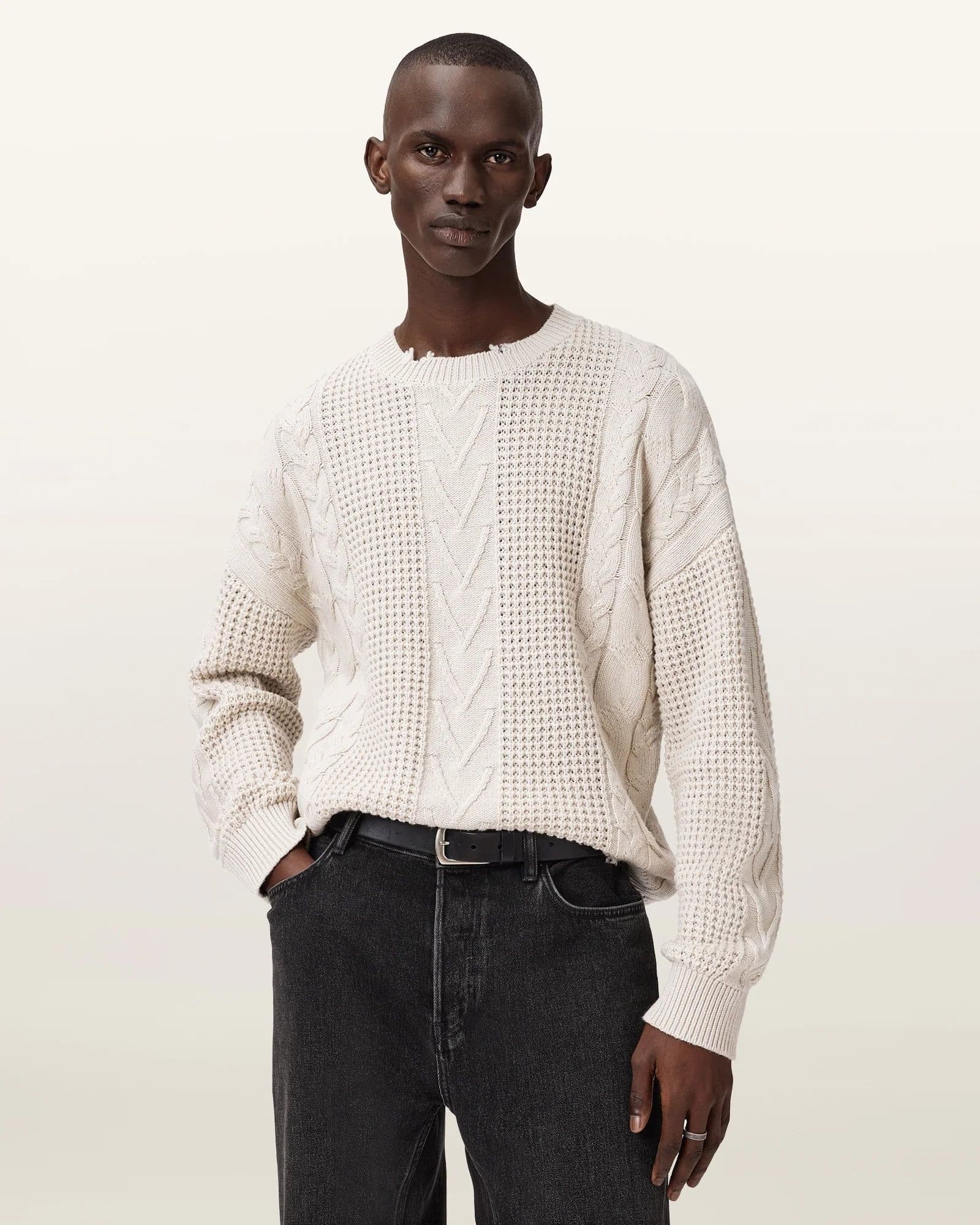
Fully fashioned is the mark of quality knitwear. Choose it when:
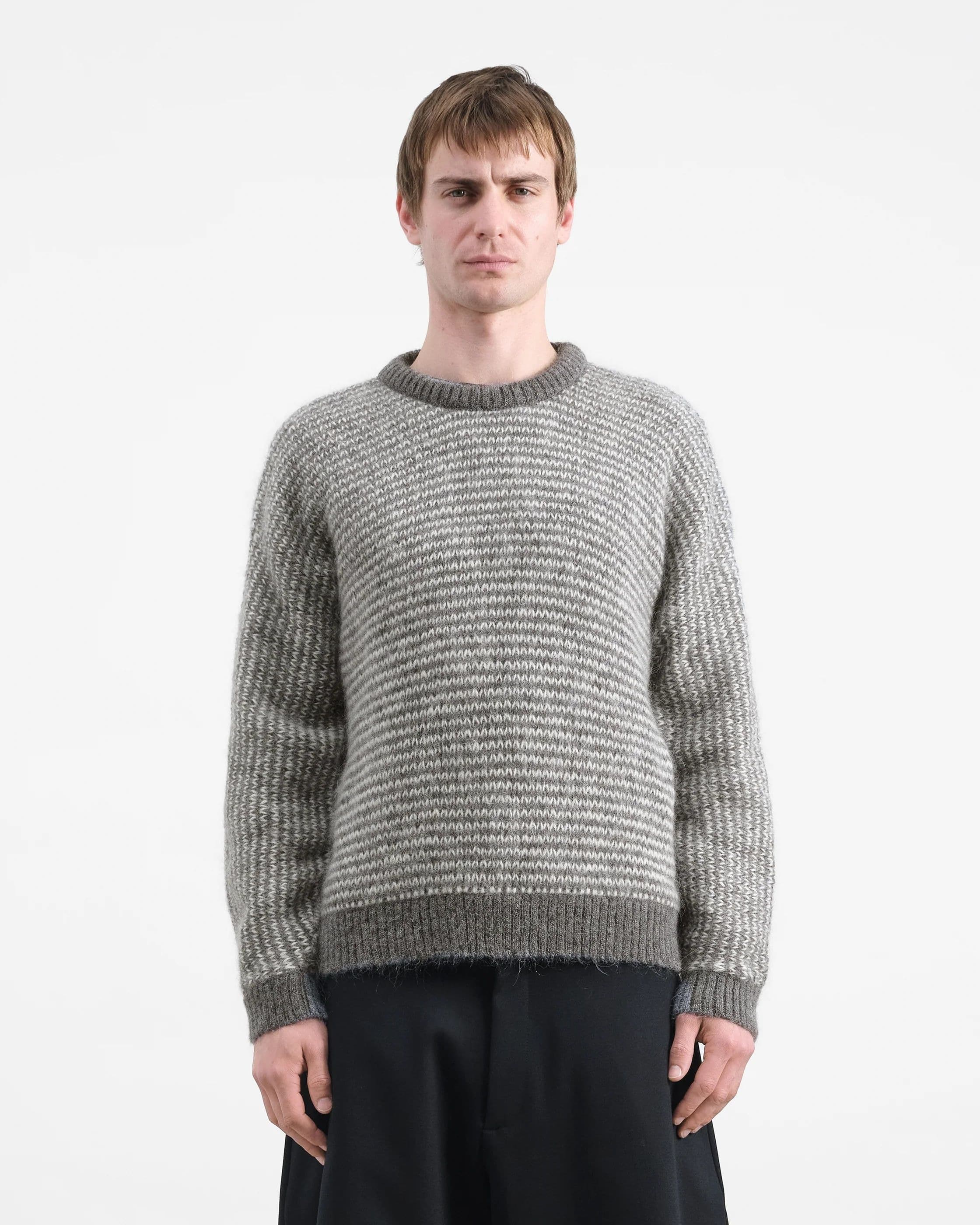
The shaped, linked edges resist fraying and give a refined finish that customers can see and feel.
Cut and sew suits simpler, higher-volume or jersey-style knits where speed and flexibility matter more than a fully-fashioned finish:
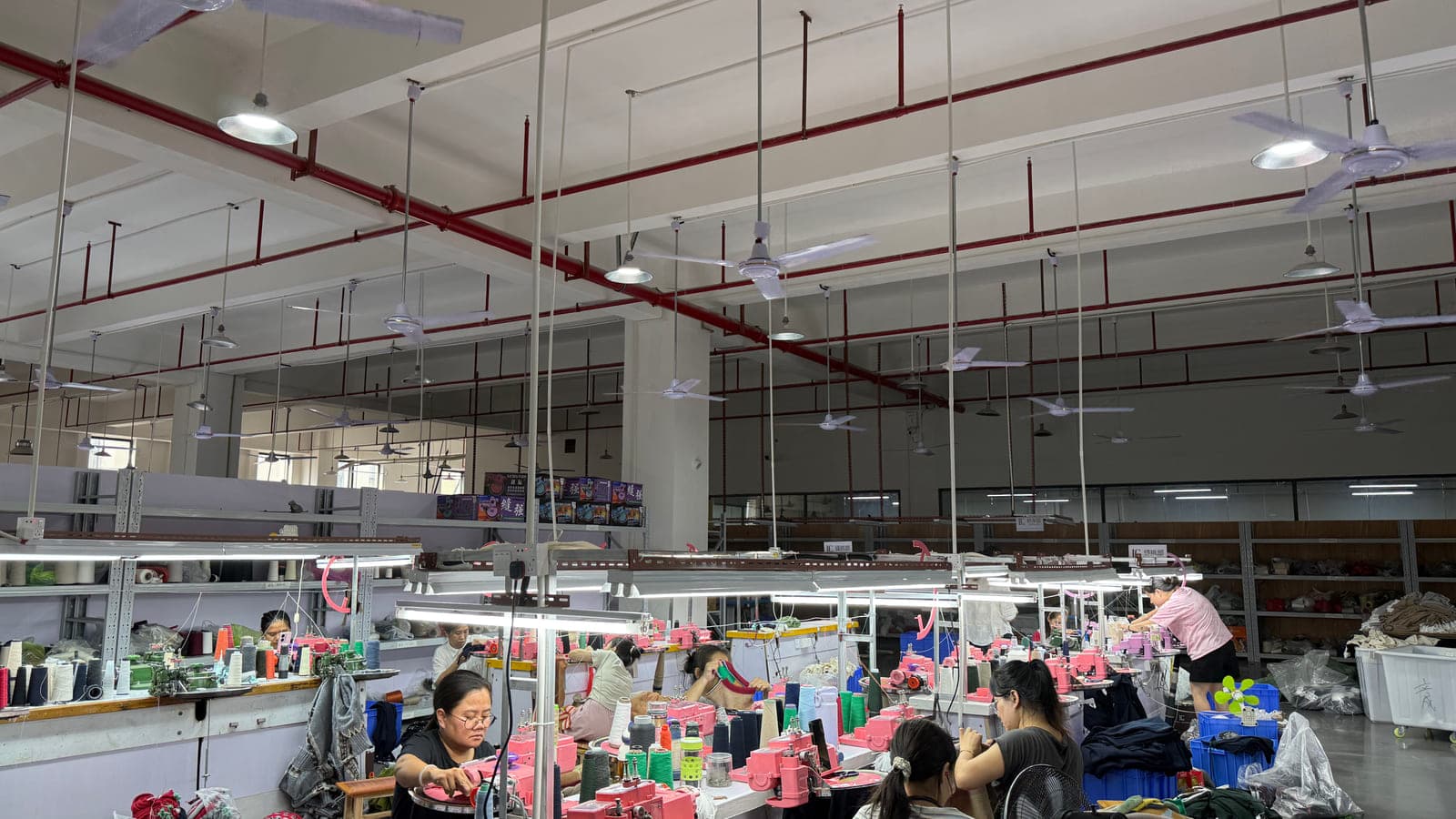
Fully fashioned uses more skilled labor and machine time but wastes very little yarn, which matters most on premium fibers. Cut and sew has lower setup but higher material waste. Neither is universally cheaper; it depends on yarn cost and complexity. A capable factory will recommend the method that fits your product and budget. See our cost factors guide.
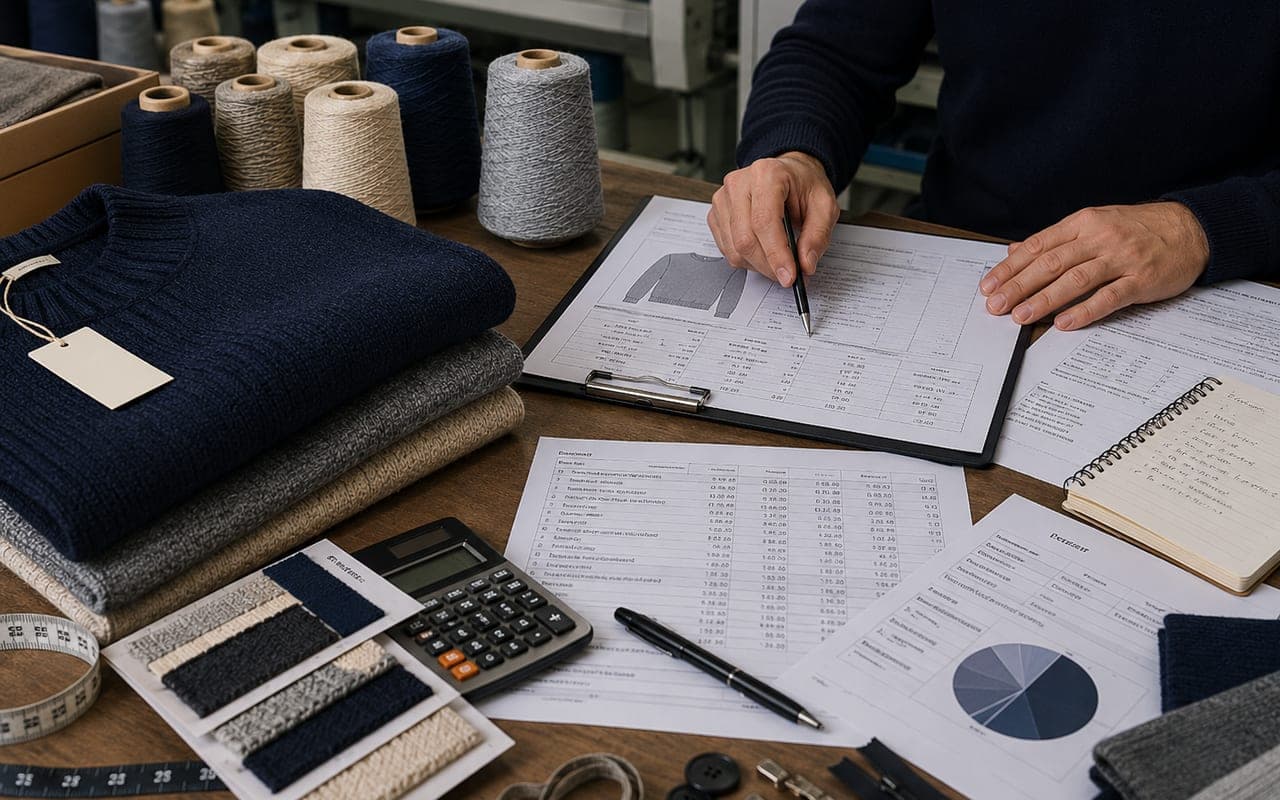
State your intended construction in the tech pack, or describe your quality target and let the factory advise. For premium sweaters, ask specifically for fully-fashioned panels and linked seams, and check them at sampling against your QC checklist.
Imagine sourcing 1,000 merino crewnecks at 12GG. The ratios below are illustrative rather than a fixed quote, but they show why the decision is rarely about sticker price alone.
| Factor | Fully fashioned | Cut and sew |
|---|---|---|
| Knitting | Front, back, sleeves shaped on machine | One large panel, then cut to pattern |
| Yarn consumed per piece | Baseline | ~10–20% more (cutting waste) |
| Make-up labor | Linking shaped edges, slower | Overlock seaming, faster |
| Edge durability | High; linked, no raw edges | Depends on seam and trim quality |
| Where cost lands | Skilled labor + machine time | Extra yarn + faster sewing |
On merino, wool, or cashmere the wasted yarn in cut and sew often cancels out its labor savings, so fully fashioned can land at a similar landed cost while looking and lasting noticeably better. On acrylic, recycled, or cotton-blend basics where yarn is cheap, cut and sew usually wins on price. The right answer follows your fiber and your positioning, not a blanket rule.
Run a new style through these questions before you lock the method:
For most styles you can settle the method in a single sampling round (15–25 days), then move to bulk production in 30–45 days once the construction is approved.
Is fully fashioned always more expensive than cut and sew? No. Fully fashioned uses more labor but wastes little yarn, so on premium fibers like merino or cashmere the total landed cost is often comparable. Cut and sew is usually cheaper only on low-cost yarns.
Can one factory do both methods? Yes. Licheng runs gauges from 3GG to 18GG and can build a style fully fashioned or cut and sew, advising per product so you get the best fit of quality, waste, and price.
How do I tell which method was used on a finished sweater? Look at the edges and seams: fully-fashioned panels show clean, shaped, linked joins with no raw cut edges, while cut-and-sew pieces have sewn seams over cut fabric, often finished with overlock stitching or trims.
Licheng Knitwear specializes in fully-fashioned sweater construction for quality-focused B2B brands, and advises on the right method per style. Request a quote or browse our products.
---
If you're planning a real project around any of the points above, we'd be glad to take a quick look. Send a short brief and we'll come back within one business day with a practical direction, MOQ + lead time estimate, and a sample plan if it makes sense.
→ Request a free quote · Download the men's knitwear catalog · WhatsApp us · info@lcgarment.cn
Fully-fashioned knits each panel to shape and links them with minimal waste and cleaner seams; cut-and-sew cuts pieces from knit fabric and sews them, which is faster but wastes more yarn.
Fully-fashioned is generally higher quality and more durable for sweaters; cut-and-sew suits certain jersey or lightweight styles. We advise by product.
Yes - fully-fashioned uses more skilled labour and linking; cut-and-sew can be cheaper at volume but wastes more material.
We focus on men's sweaters, cardigans, knit jackets, jacquard knitwear and private label knitwear. We support B2B buyers with OEM/ODM development, sampling and bulk production planning.
Ready sample styles and selected custom programs can support lower-risk trials before larger seasonal orders.
Yes. Brands, including new labels preparing a first collection, can pay for a sample and see it before placing a production order. Two routes: a ready sample of a published style at USD 60 per piece in about 7 days, or a development sample from your tech pack at USD 150 per style, covering yarn sourcing, knit programming, one prototype and one revision round, in 15-25 days. Cashmere and mohair styles are quoted individually and shipping is charged at cost. Production starts only after you approve the physical sample, at our minimum of 30 pieces per colour with sizes mixed inside the 30. A sample does not commit you to a production run; we do not make garments for personal use.
Get a free catalog or submit an RFQ today. Our team will respond within 24 hours.
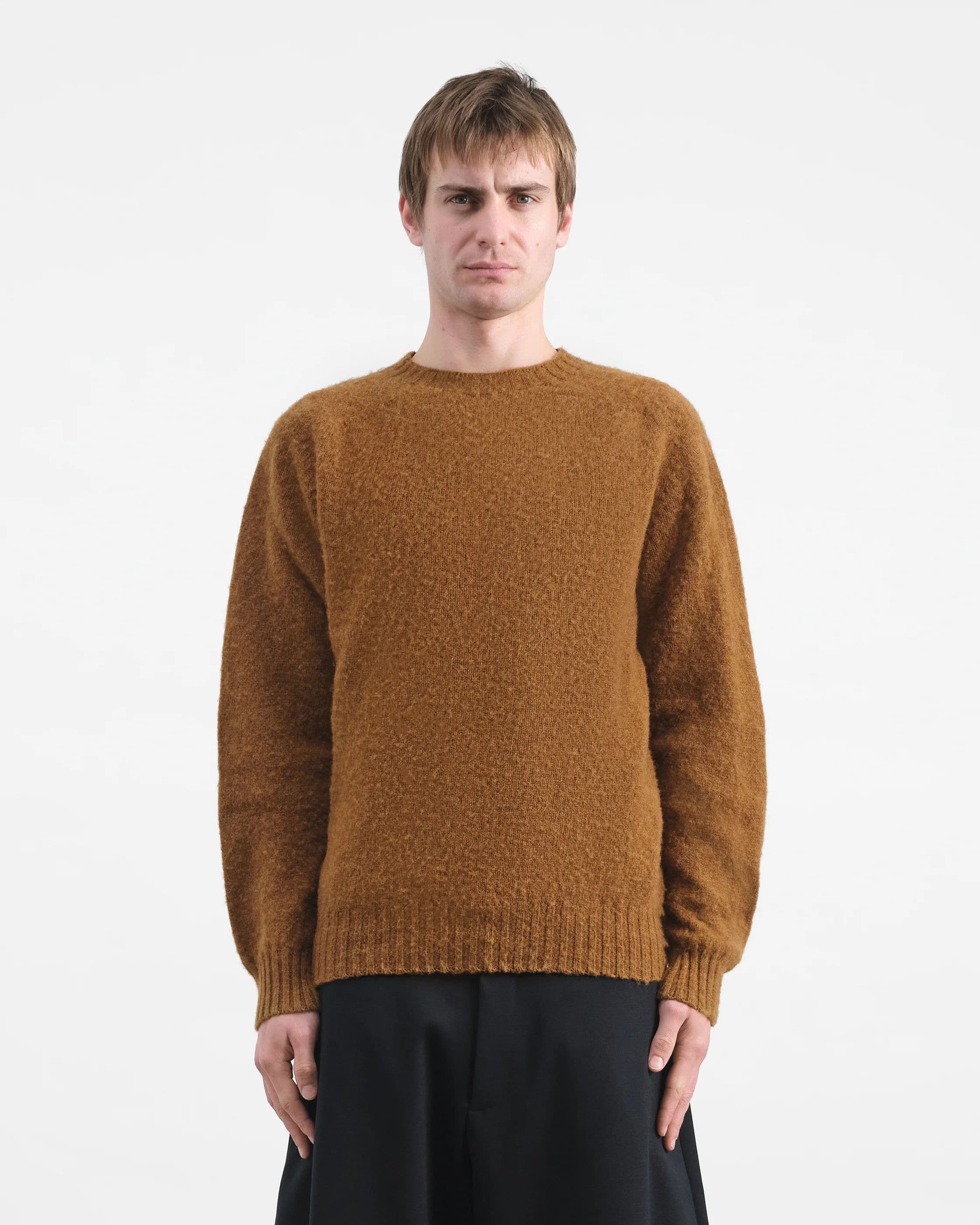
Men's Sweaters
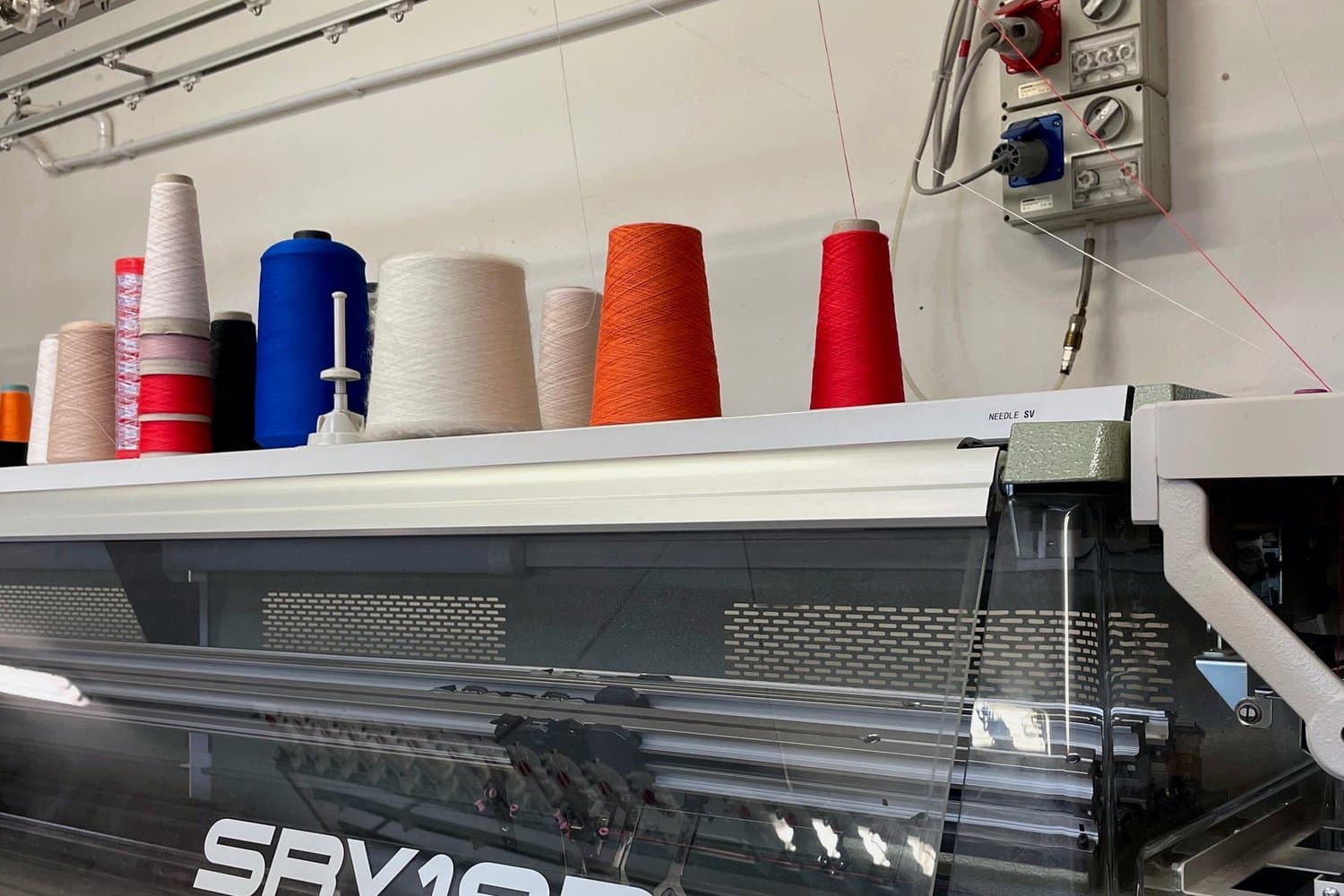
MOQ, lead time, cost ranges, gauge selection and QC checkpoints across typical OEM/ODM knitwear programs in NA + EU. Enter your email — we'll send you the report link in 30 seconds.
No spam. Unsubscribe with one reply. We use your email only to send you the report and follow up if you want a sourcing conversation.





Brand names shown are previously serviced OEM/ODM partners. Logos are decorative and do not imply current endorsement.