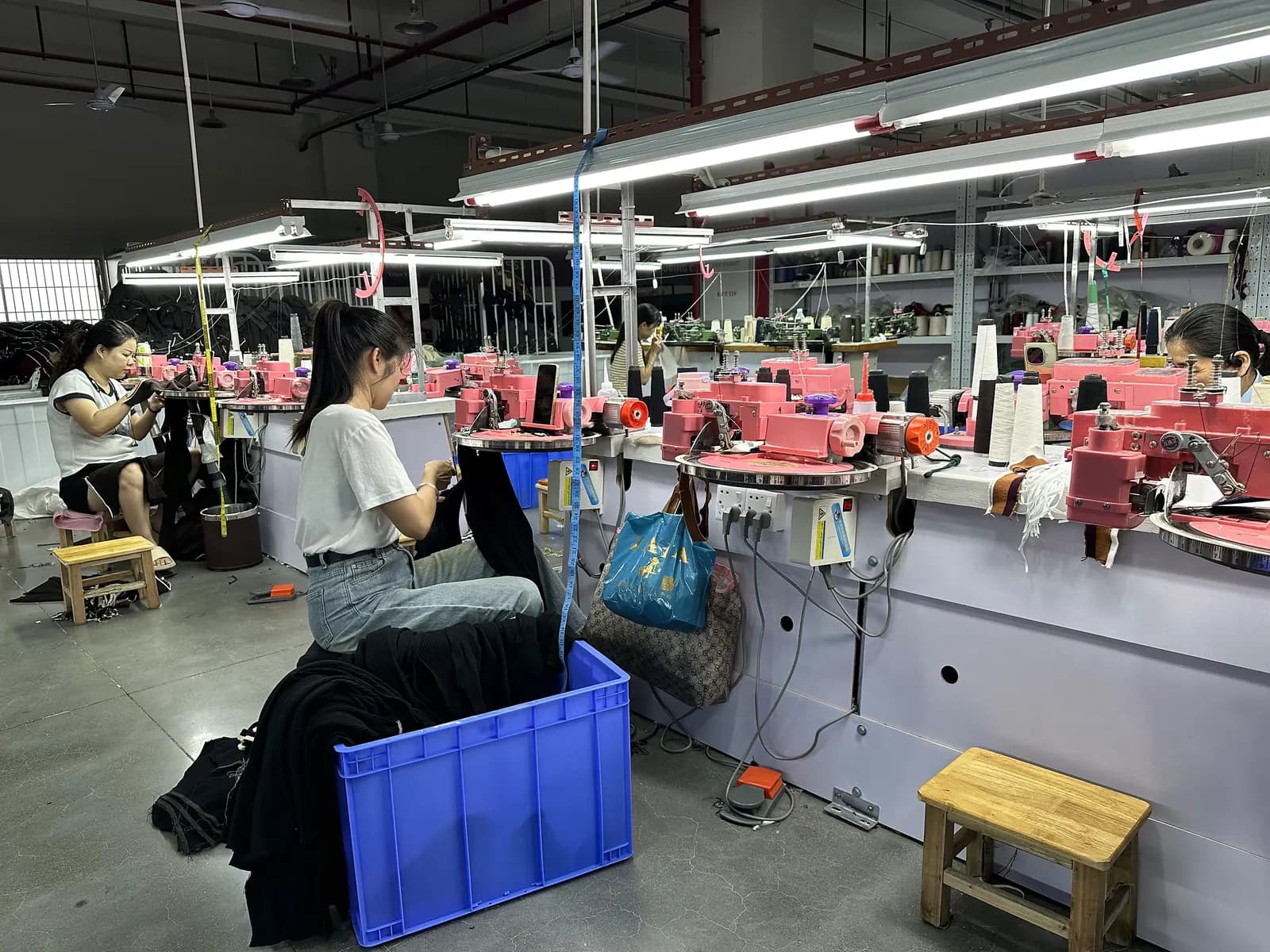
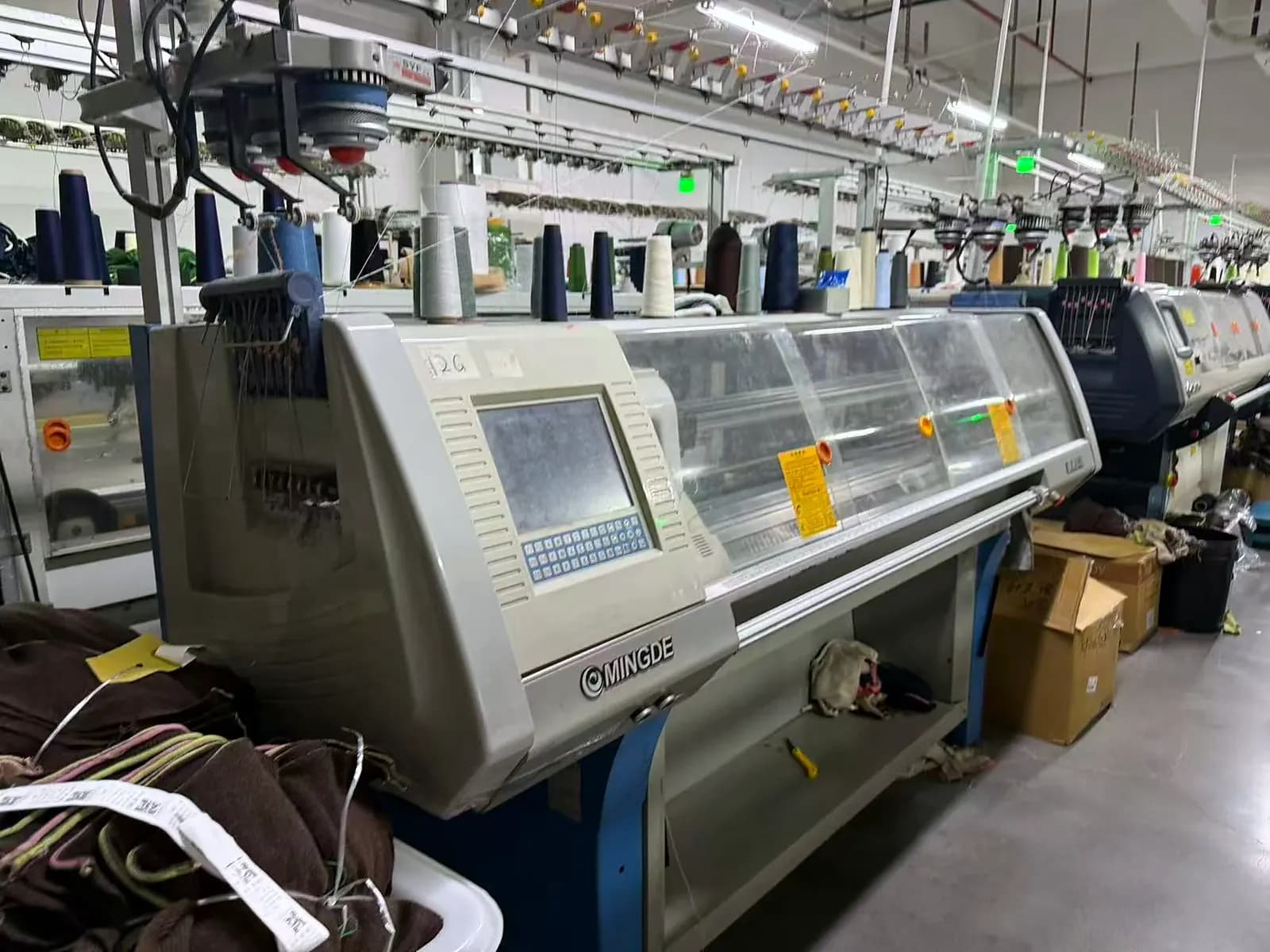
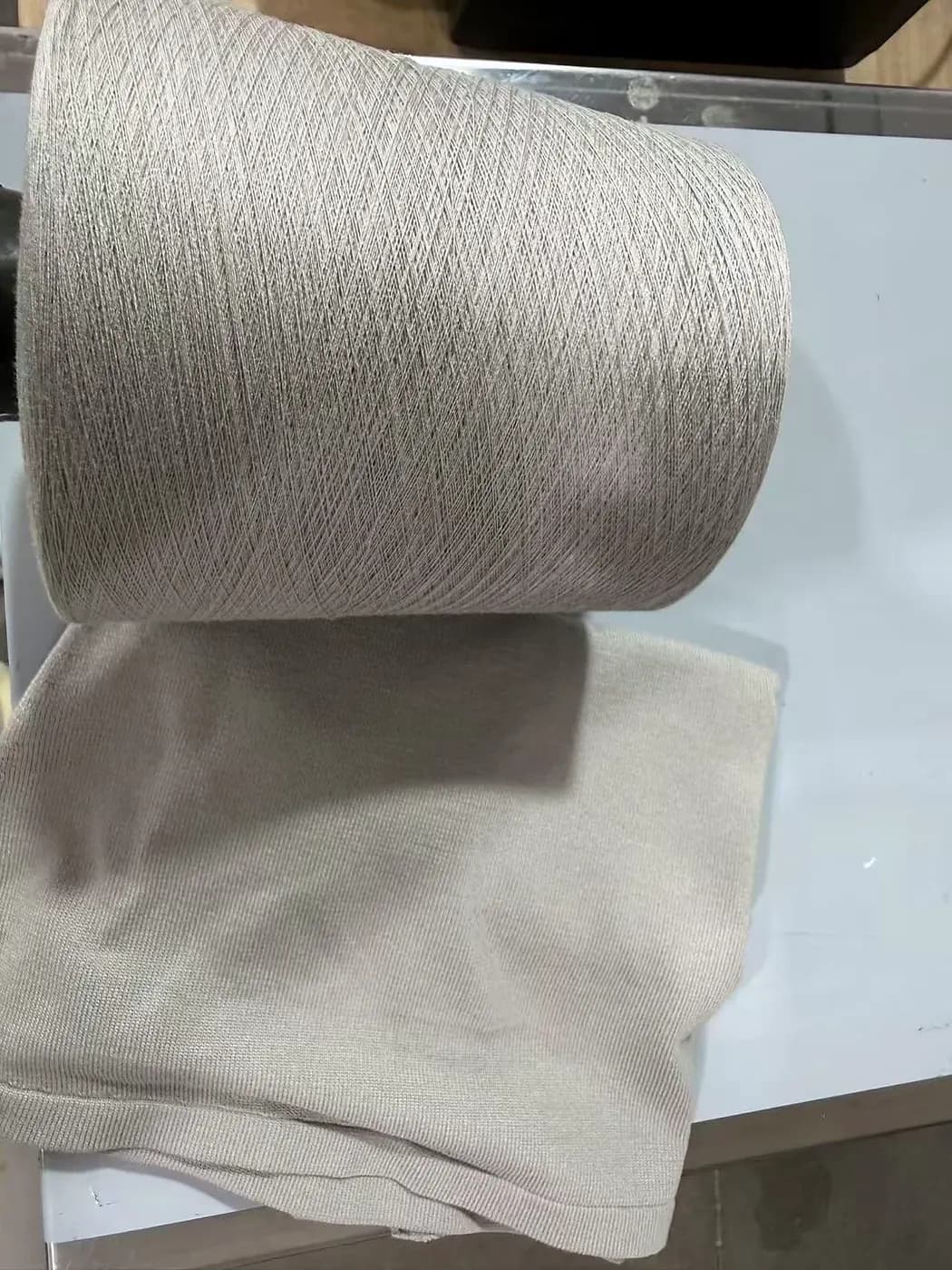
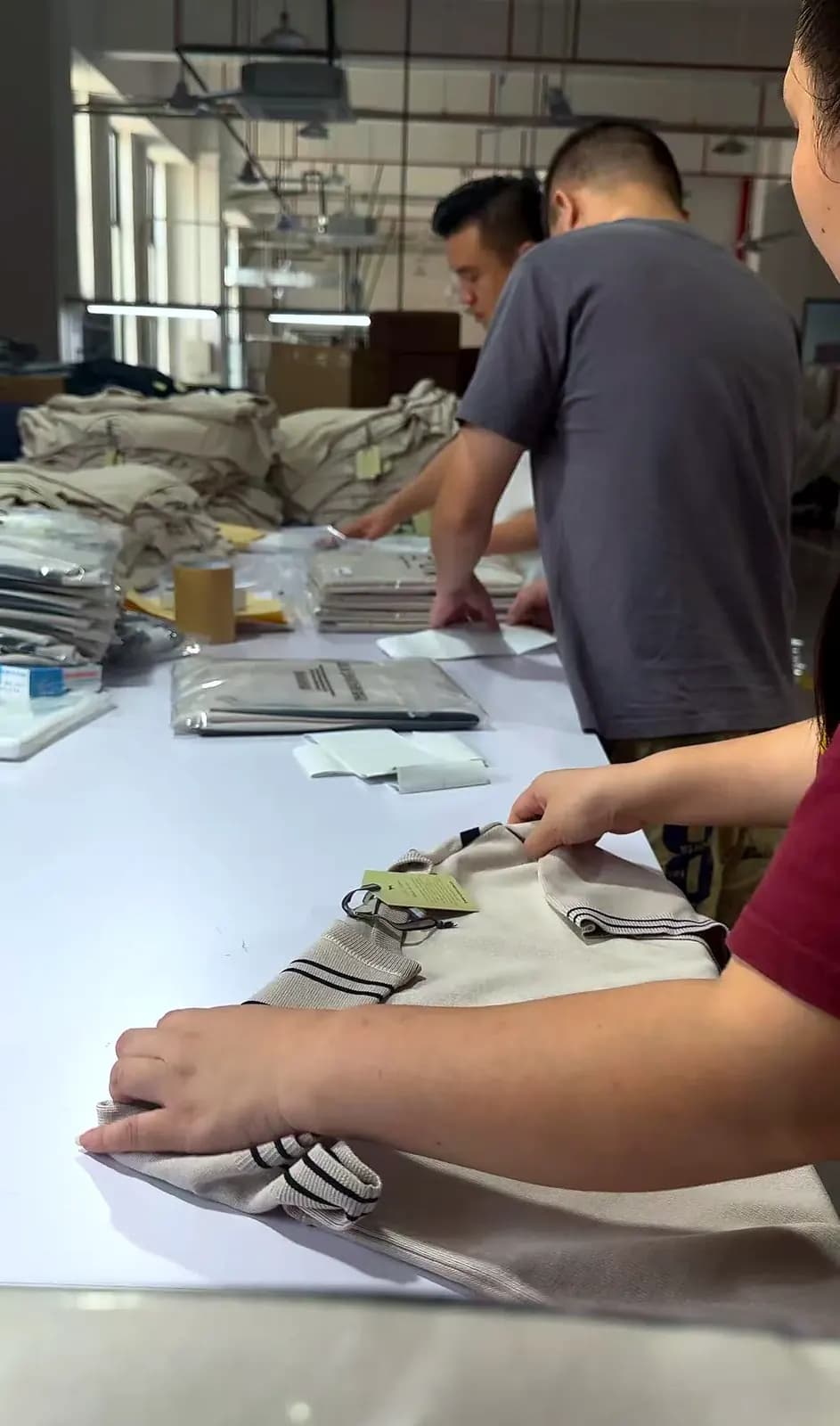
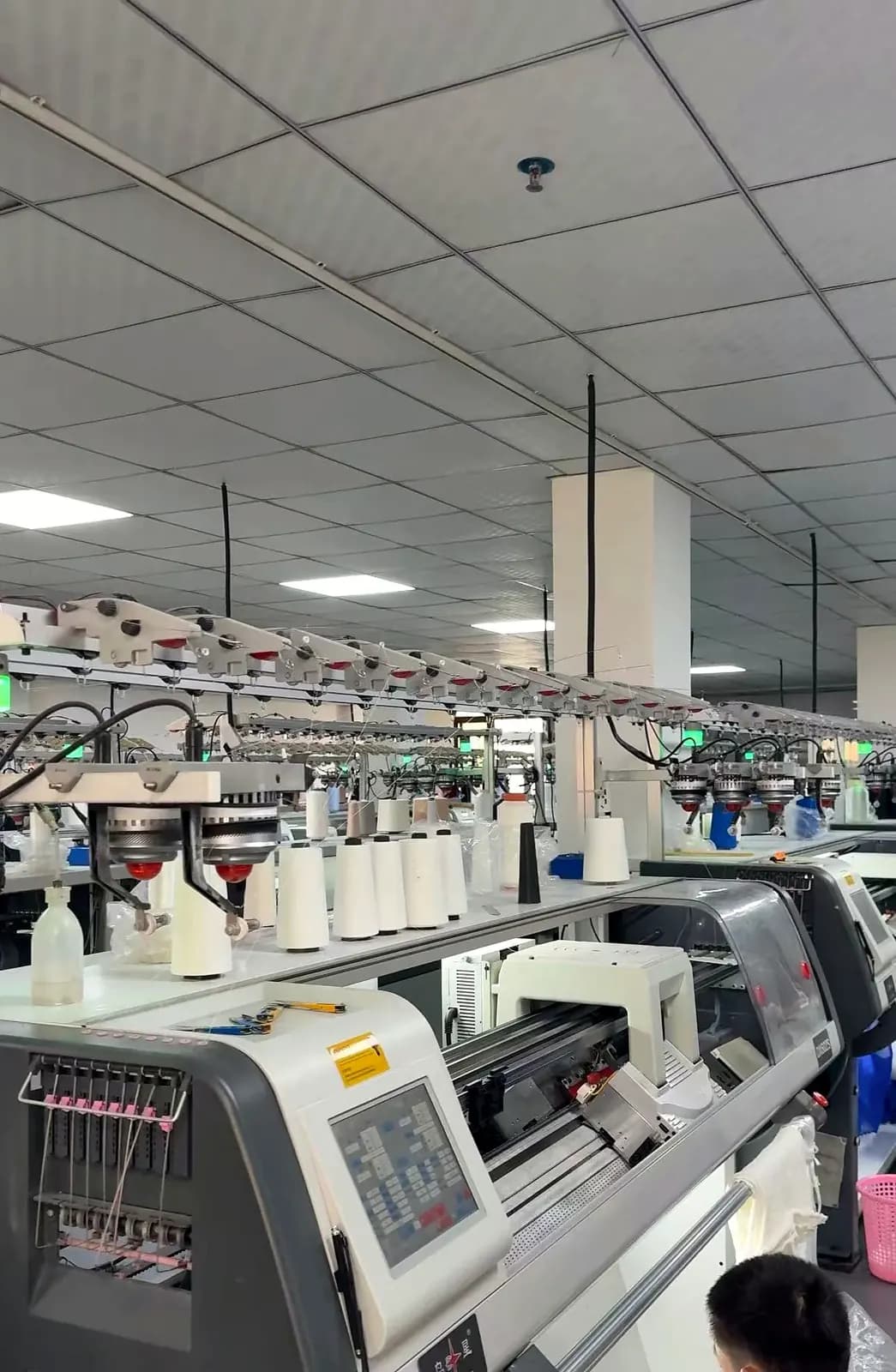
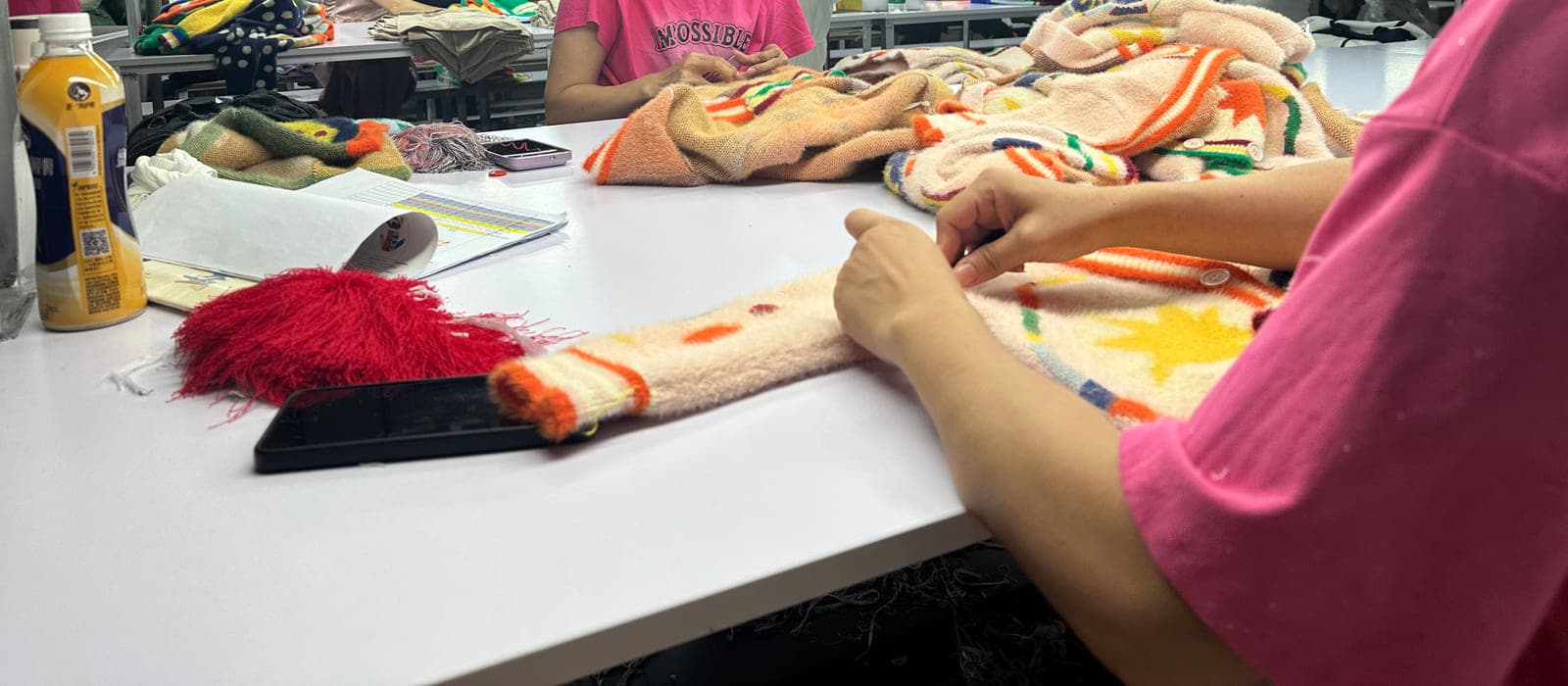
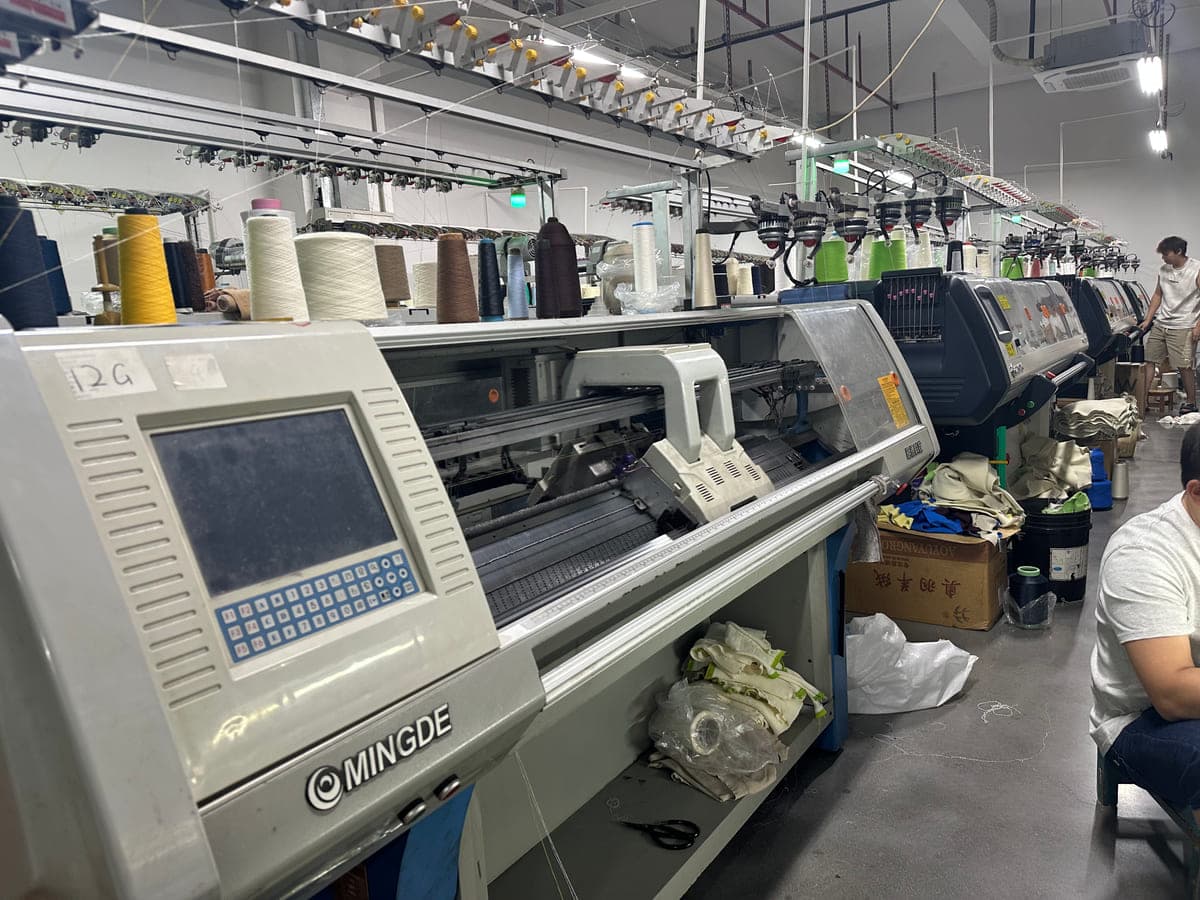
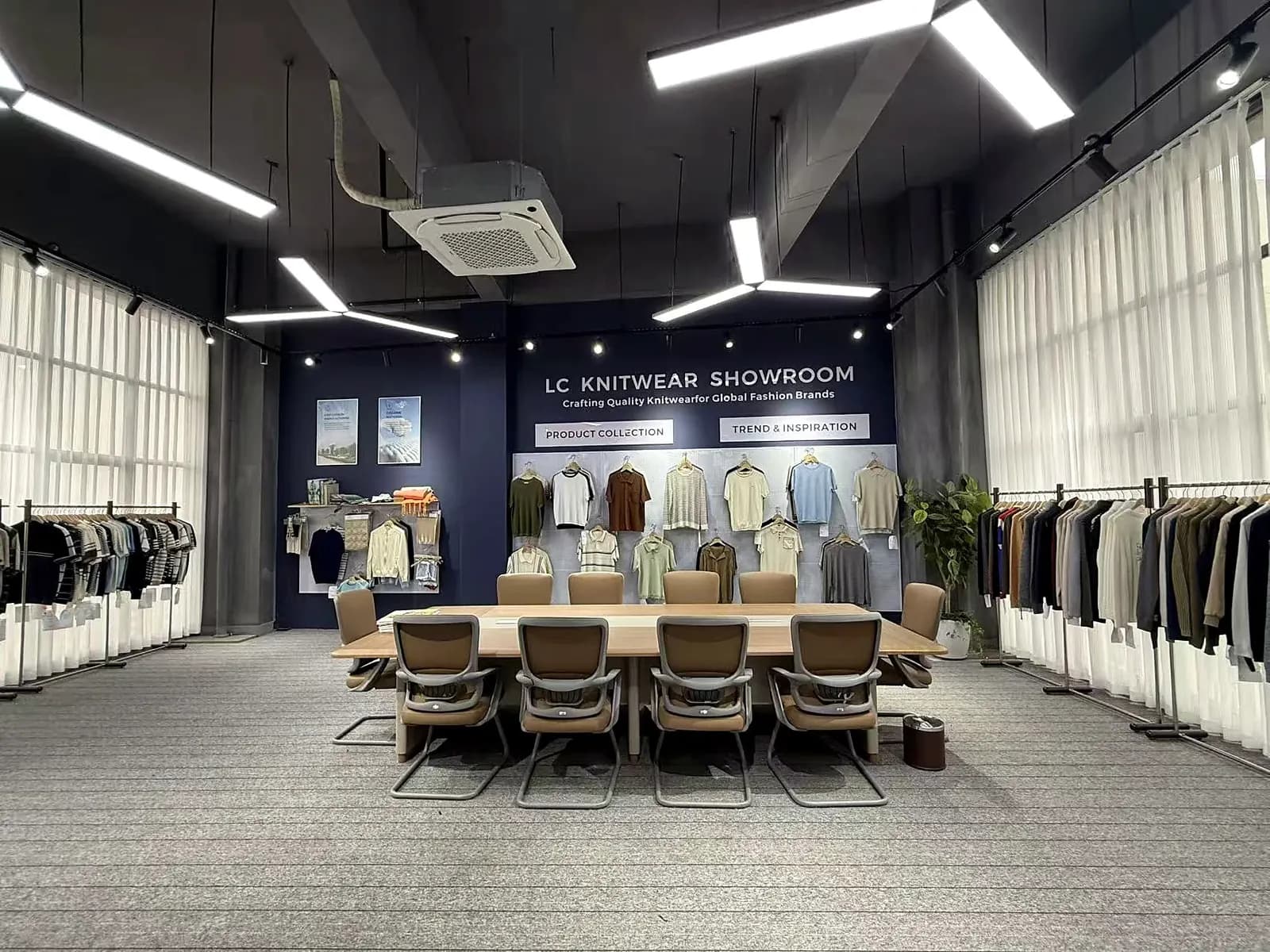
We focus on men's sweaters, cardigans, knit jackets, jacquard knitwear and private label knitwear. We support B2B buyers with OEM/ODM development, sampling and bulk production planning.
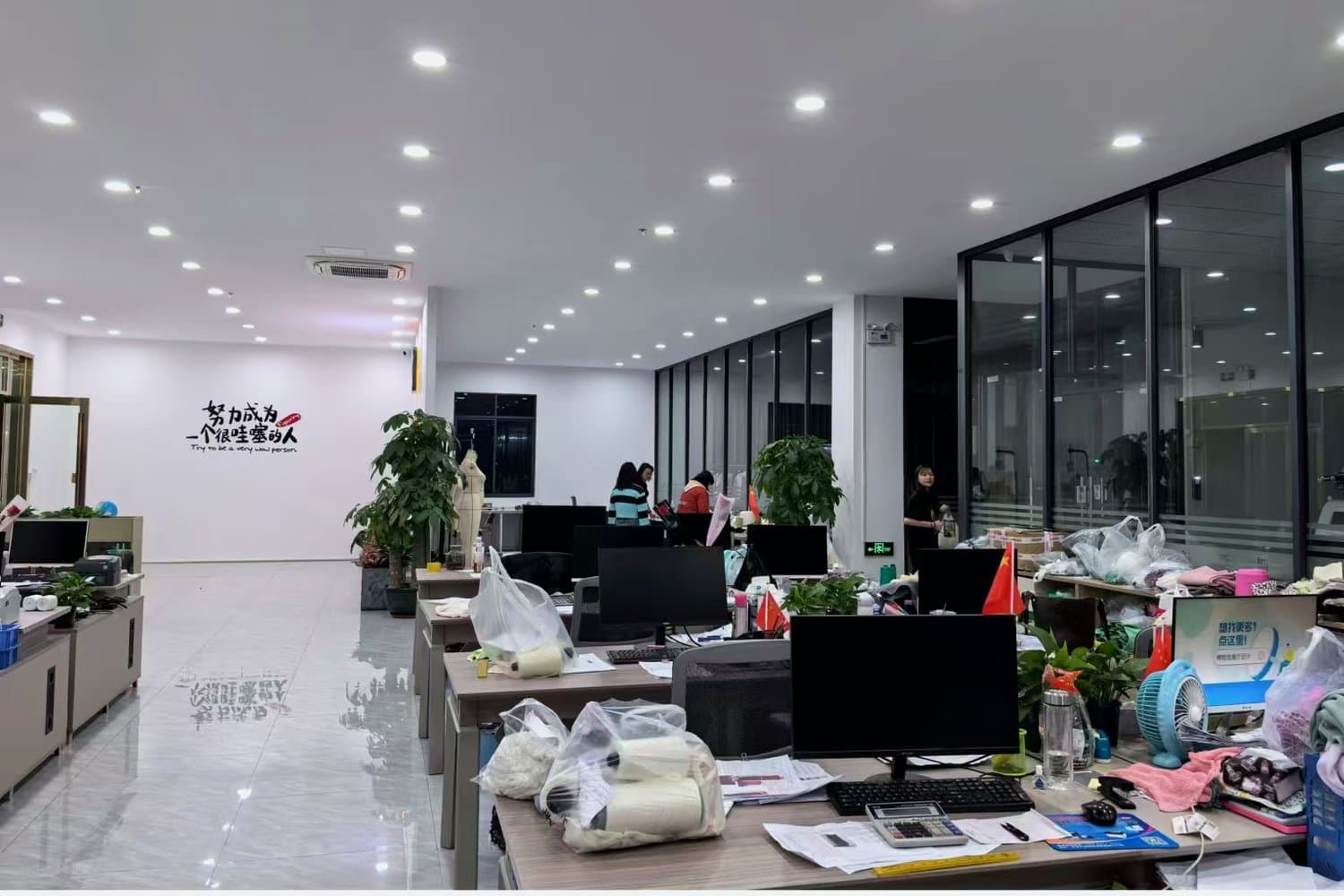
Guides for custom knitwear manufacturing, yarn selection, gauge options, quality control, cost planning and tech pack preparation.
Free interactive tool
Build your spec — yarn, gauge, colour, customisation — and instantly see the typical MOQ, sample & bulk timelines and what drives your cost.
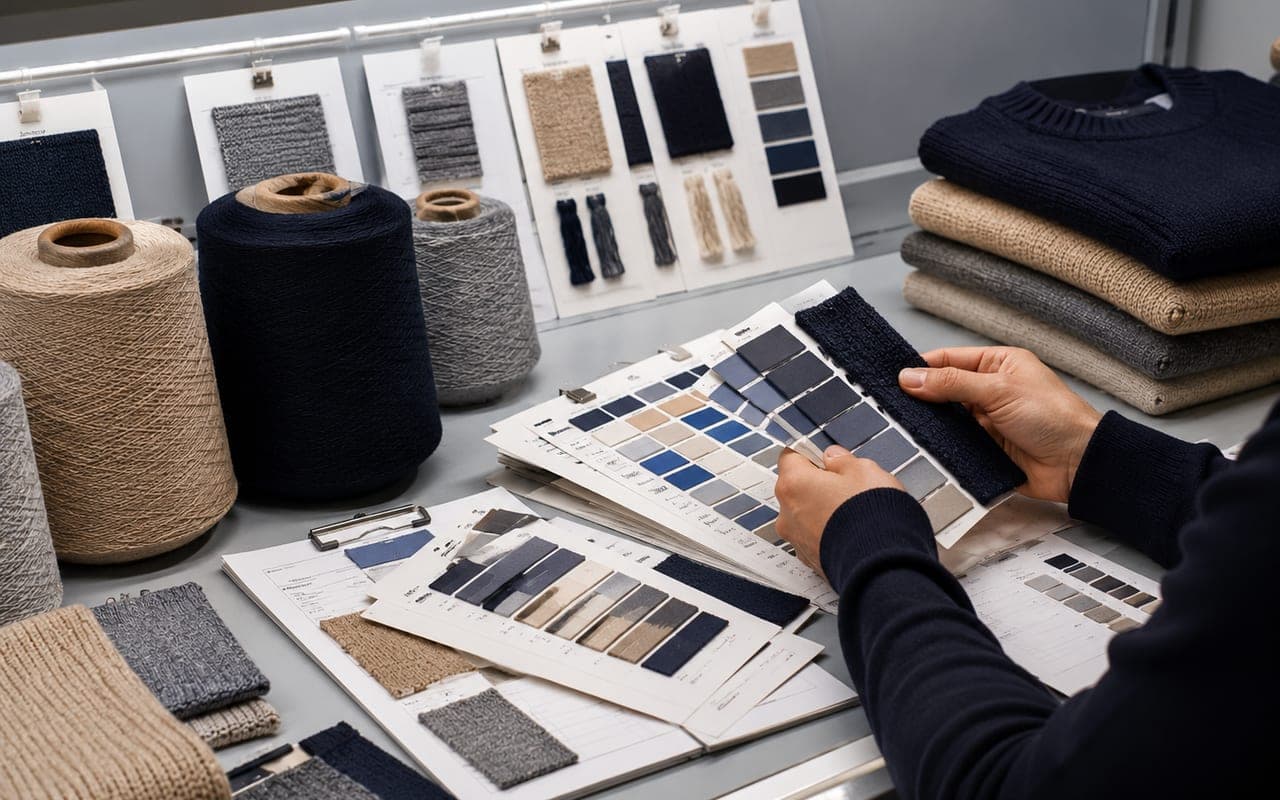
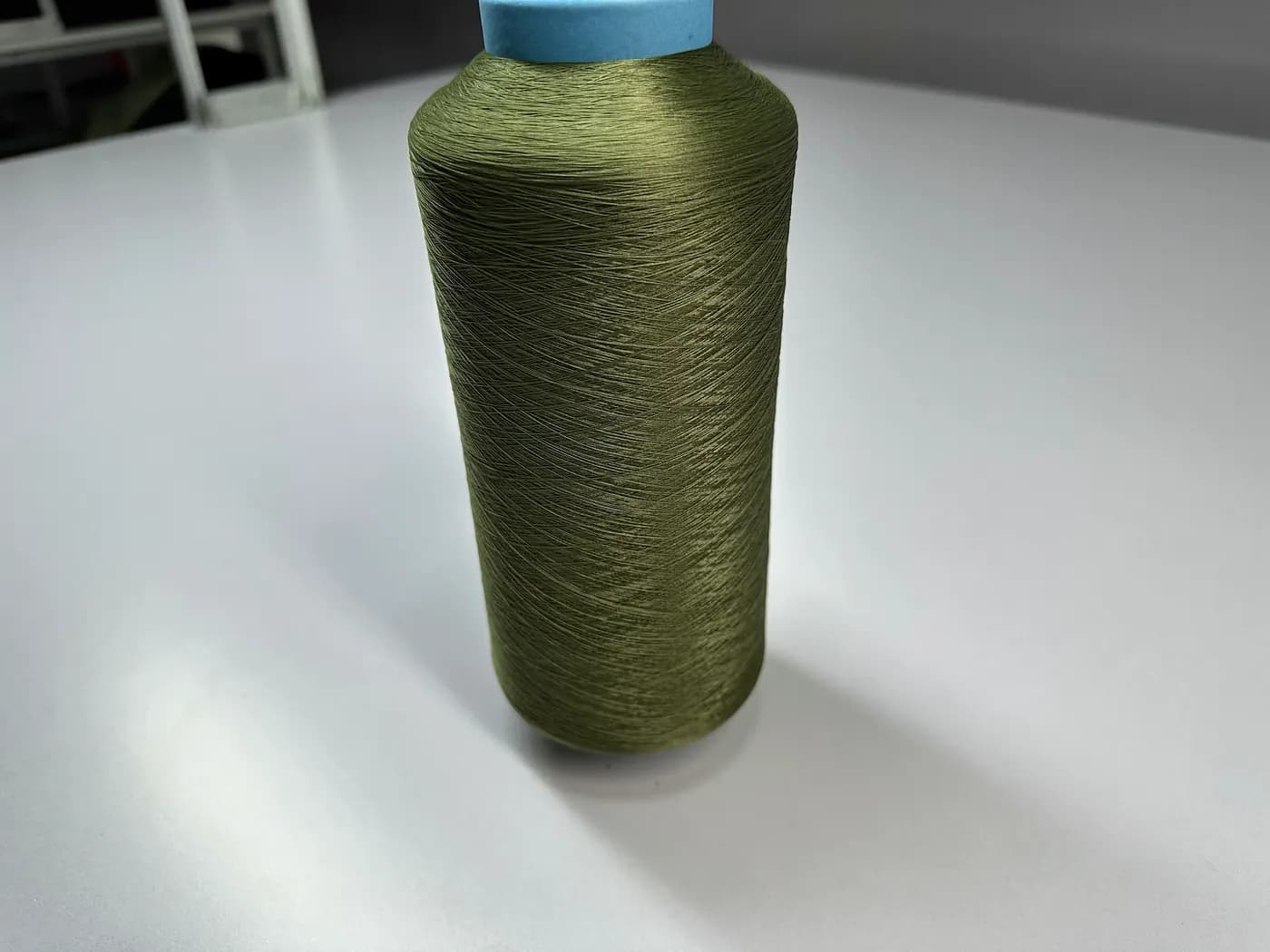
How Pantone color matching actually works in custom knitwear: lab dip rounds, Solid Coated codes, Delta-E tolerances, light booths and bulk approval.
7 min read - Guide
Merino is the most over-promised fiber in knitwear sourcing. Mills quote 'fine merino' on a line sheet and a buyer assumes 18.5 micron Australian RWS — what arrives is often 21 micron South American, blended down with a touch of polyamide and labeled the same. This guide breaks down the actual micron tiers used in the trade (16.5 through 21+), the working differences between Australian, New Zealand, Argentine, Uruguayan and South African clips, what mulesing-free and RWS certification really mean on a commercial invoice, and the small set of spec lines you need in a tech-pack to prevent substitution. It closes with verification steps — IWTO test reports, fiber-content lab tests, and what to ask for at PP sample — that take a sourcing manager from trust-based buying to evidence-based buying without slowing development.
6 min read - Guide
We focus on men's sweaters, cardigans, knit jackets, jacquard knitwear and private label knitwear. We support B2B buyers with OEM/ODM development, sampling and bulk production planning.
Ready sample styles and selected custom programs can support lower-risk trials before larger seasonal orders.
Yes. Brands, including new labels preparing a first collection, can pay for a sample and see it before placing a production order. Two routes: a ready sample of a published style at USD 60 per piece in about 7 days, or a development sample from your tech pack at USD 150 per style, covering yarn sourcing, knit programming, one prototype and one revision round, in 15-25 days. Cashmere and mohair styles are quoted individually and shipping is charged at cost. Production starts only after you approve the physical sample, at our minimum of 30 pieces per colour with sizes mixed inside the 30. A sample does not commit you to a production run; we do not make garments for personal use.
Our sample fee is not refundable. Yarn sourcing, knit programming, machine setup and hand linking cost about the same whether one piece follows or five hundred, which is why the fee exists at all. It is credited against your first bulk order placed within six months of sample approval: 100% of a development sample fee, 50% of a ready sample fee.
Yes, for brands developing a style. One development piece is fine, with no commitment to bulk: a development sample is USD 150 per style and covers yarn sourcing, knit programming, one prototype and one revision round, in 15-25 days (cashmere and mohair are quoted individually). If you then go to production, the minimum is 30 pieces per colour with sizes mixed inside the 30, and the full USD 150 is credited against a first bulk order placed within six months of approving the sample. We do not make garments for personal wear.
Plain and striped styles using the same yarn and colour can be combined toward a minimum of 30 pieces, with mixed sizes. For example, four plain styles of 25 pieces each in the same yarn and colour total 100 pieces and meet that minimum. Different yarns or colours are counted separately. Jacquard and intarsia require 30 pieces per pattern; quantities from different patterns cannot be combined. Send us your styles, yarns, colours and quantities so we can confirm how the minimum applies to your project.
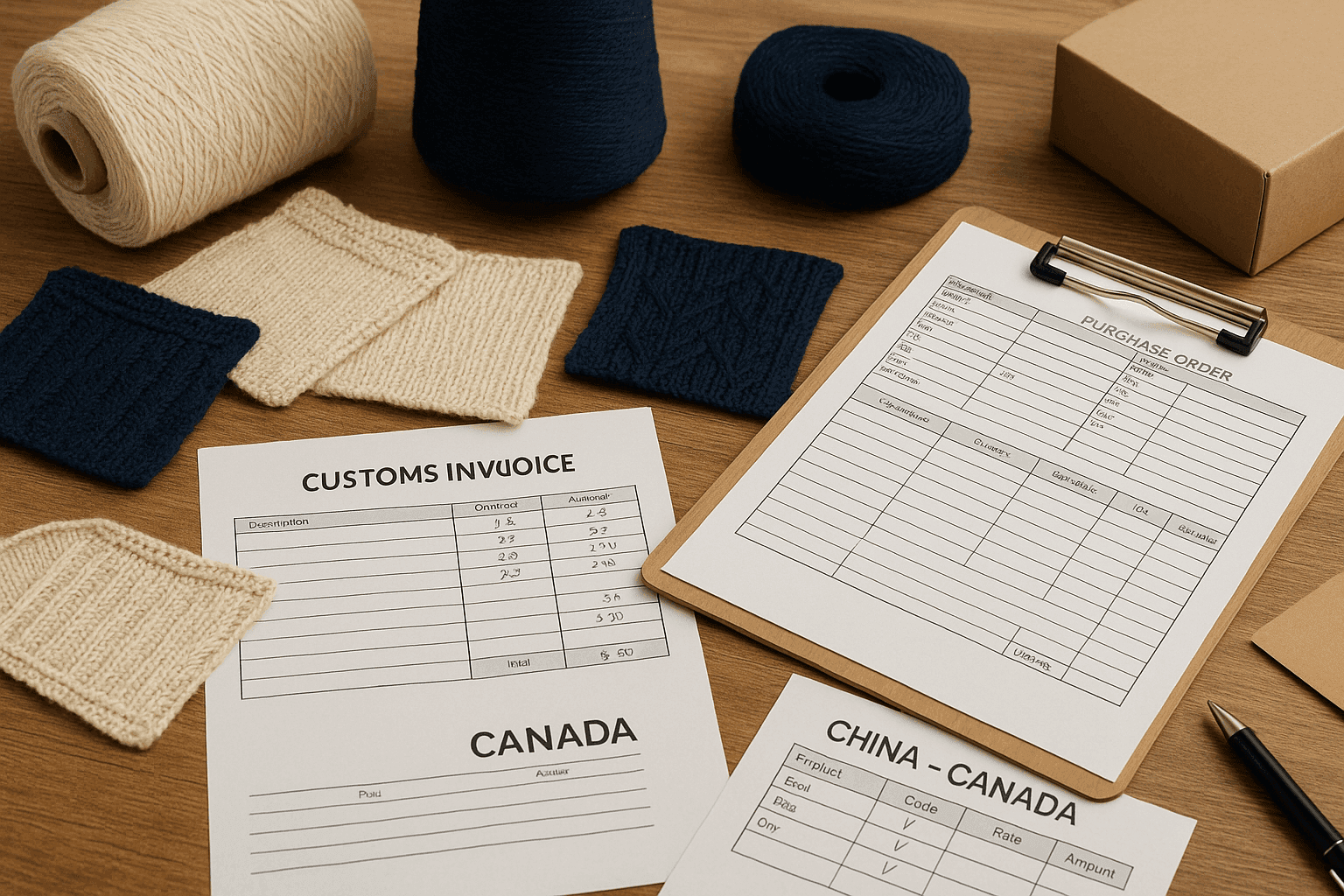
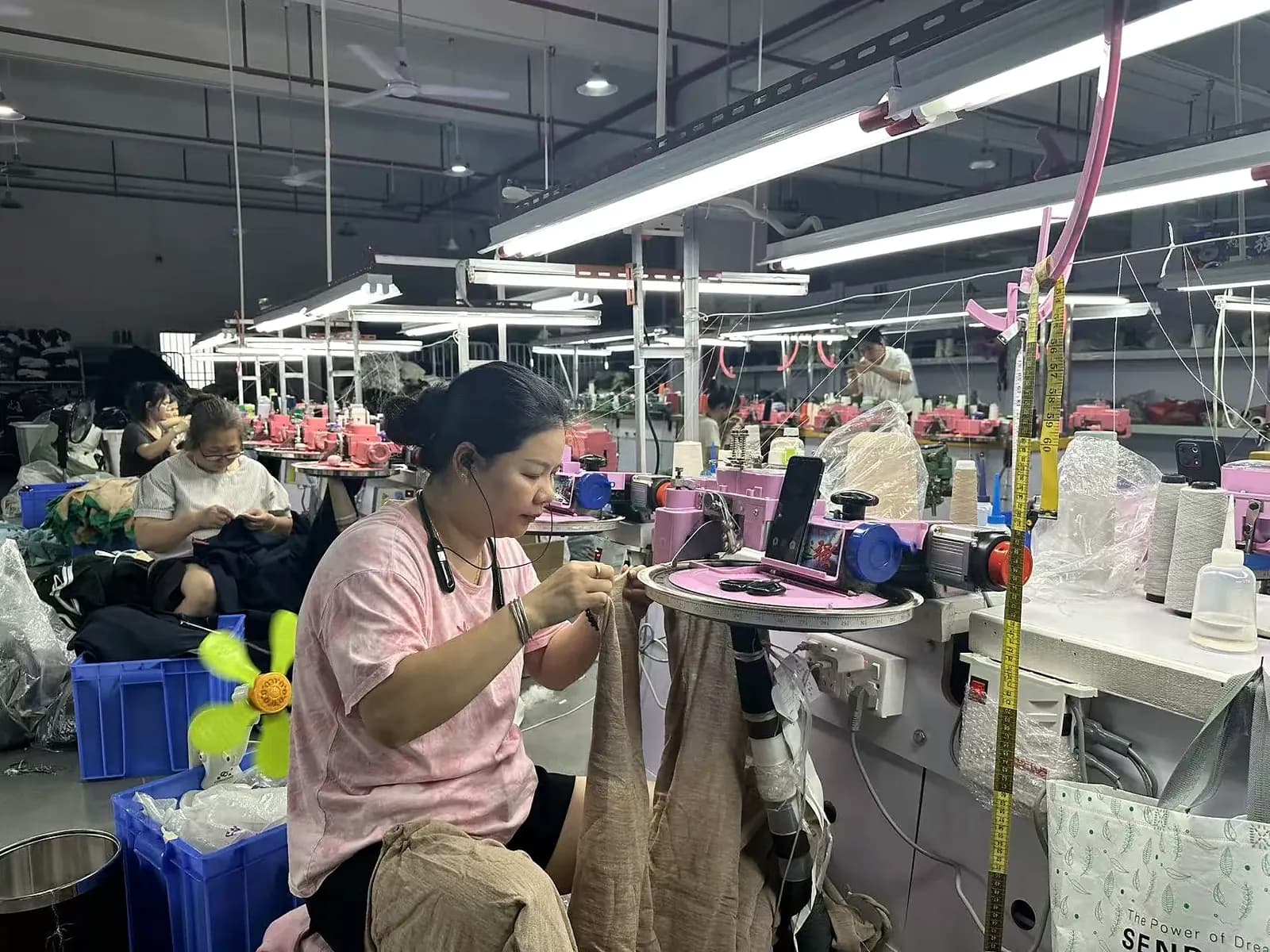
Canadian apparel buyers comparing a FOB China quote against landed cost in Toronto or Vancouver are usually working with two very different numbers. The FOB price covers yarn, knitting, linking, trims, packing and a small margin — it stops at the port of loading. The landed number adds ocean or air freight, MFN duty, customs brokerage, GST, and inland trucking to your warehouse. This guide, written from Licheng's perspective as a Dongguan-based knitwear manufacturer working with North American brands, walks through the lead-time math, MOQ realities, yarn and gauge directions Canadian buyers tend to favour, the compliance items Canadian retailers ask for, and the Incoterms and payment conventions we see most often on Canada-bound knitwear programs.
5 min read - Guide

Get a free catalog or submit an RFQ today. Our team will respond within 24 hours.