
We focus on men's sweaters, cardigans, knit jackets, jacquard knitwear and private label knitwear. We support B2B buyers with OEM/ODM development, sampling and bulk production planning.
Guides for custom knitwear manufacturing, yarn selection, gauge options, quality control, cost planning and tech pack preparation.
Materials
A B2B yarn and material guide for choosing cotton blends, wool blends and synthetic support fibers for custom knitwear.
Read Guide ->Manufacturing
A manufacturing guide comparing fully fashioned knitwear and cut-and-sew knitwear for B2B sweater, cardigan and knit jacket development.
Read Guide ->Craftsmanship
A craftsmanship guide comparing jacquard and intarsia knitwear for brands developing graphic sweaters, pattern cardigans and custom artwork.
Read Guide ->Gauge
A gauge guide explaining how 5GG, 7GG and 12GG affect sweater texture, weight, season, cost and buyer positioning.
Read Guide ->Comparison
Few sourcing terms generate as much buyer-supplier confusion as OEM, ODM, private label and white label. They overlap, they are used interchangeably in supplier emails, and the wrong assumption can mean a brand pays for a custom development they never owned, or expects a custom design when the factory is preparing a generic catalog product. This guide separates the four models clearly: who designs, who owns the intellectual property, who picks the yarn and trims, what each implies for MOQ and lead time, how visible your brand actually is to the end consumer, and which brand stage typically uses each route. It is written from Licheng's perspective as a Dongguan knitwear manufacturer that operates OEM, ODM and private label programs every season, so emerging brand founders can decide which sourcing model fits where they are today.
Read Guide ->Trend
A holiday novelty knit capsule on US or EU shelves for a November 1 launch must leave a Chinese factory by mid-September. That single line is what most brand merchandisers underestimate when they start a fair-isle, gift sweater, or Christmas novelty program in late summer. Holiday knitwear is a calendar problem before it is a design problem: the gauge is usually denser, the colorways are higher, and the patterning takes more development time than a basic crew neck, so sample approval has to land by early July and the bulk PO has to be issued by mid-July to keep August knitting on track. This article walks through the reverse calendar Licheng uses with brands planning a 2027 holiday drop, the failure modes we see most often when POs slip into late August or September, and the honest cost reality of recovering a missed shipment by air. No hype, just the math.
Read Guide ->AW26 and SS27 men's knitwear is moving in a direction that rewards buyers who understand production, not just mood boards. Heritage cable and fisherman knits are returning at chunky gauges, brushed and bouclé textures are gaining floor space, the earth-tone palette is extending into a second strong season alongside accent reds, oversized silhouettes are maturing into more refined fits, and shawl-collar cardigans plus refined knit polos are taking commercial share. Each of these directions carries a different yarn book, a different gauge bias and a different lead-time profile. This forecast is written from the factory floor in Dongguan: what the trend looks like, what it costs to make properly, what to lock in early, and where the risk lives if you book late. The goal is not to repeat trend-board imagery — it is to help your AW26 and SS27 capsules ship on time and at the right margin.
7 min read - Guide
Most missed retail dates in AW knitwear do not come from a factory missing a deadline. They come from a buyer entering the calendar two or three months late and then trying to compress what a manufacturer cannot compress: yarn dyeing, PP approval, and bulk knit time. This guide walks small-to-mid brand owners through the AW26/27 knitwear buying calendar month by month, from yarn books opening in January 2026 to DTC and store launches in October–November 2026. It is written from the manufacturer side of the table, using only verifiable lead times (sample 7–25 days, bulk 30–45 days), and it shows exactly what slips — air-freight upgrades, yarn substitutions, missed window dates — when each gate is hit late.
6 min read - Guide
Menswear brands that built their reputation on autumn-winter knits are pushing harder into spring-summer because the cotton tee category has plateaued and buyers are looking for an upgrade tier their customers will actually pay for. From where we sit on the Dongguan factory floor, the SS27 light-knit direction is already legible in the yarn quotes we are receiving for delivery windows in late 2026. This forecast is written for buyers expanding their SS knit offer beyond AW core — what stitches and yarns to specify, what colors mills are pre-dyeing, and the lead-time math you need to lock in now so the program lands in store March to April 2027 rather than missing the season.
5 min read - Guide
Most sourcing managers get a one-line FOB number from a knitwear factory and have no idea whether the 12.40 USD they are looking at is fair, padded, or hiding a problem that will surface at production. This briefing decomposes a representative 11-14 USD FOB mid-weight men's sweater quote into the cost components factories actually use internally: yarn (usually the largest single bucket at 35-50 percent), knitting machine time, linking labor, dyeing and finishing, trims and branding, QC, factory margin, and commercial overhead. We show ranges rather than false-precision numbers, because the real shape of the cost stack shifts with gauge, fiber, and order size. A 3GG chunky cardigan and a 14GG fine merino crew look like the same product category on paper but have inverted cost structures — one is yarn-heavy and machine-light, the other is the opposite. Knowing which line is fat and which is bone is what separates buyers who negotiate effectively from buyers who chase a five-cent reduction in the wrong place and lose a season to a panicked corner-cut. The article ends with a practical list of RFQ questions that force a supplier to reveal the assumptions inside their quote without demanding their full cost sheet, which no factory will share anyway.
8 min read - Guide
Most knitwear brands hit the same wall around month 14. The first season was a thrill — one pilot PO, a tight tech pack, a handful of stockists. By the second autumn the founder is firefighting between new development and chasing the same three best-sellers that should, by all rights, just reorder cleanly. They don't. Each repeat behaves like a new program: fresh sampling, fresh yarn lot, fresh lead-time fight. This piece is an anonymized composite drawn from real client work with brands transitioning out of the one-off PO model. The protagonist is a small UK menswear label — chunky lambswool, a fisherman cable, a brushed mohair piece — who went from a 600-piece pilot in year one to a four-PO yearly calendar by month 18. The transformation was not glamorous. It came from separating the engine SKUs from the new development track, locking the tech packs they should not have been touching, and pre-booking yarn at fiber-mill level instead of waiting for the spinner to allocate. We walk through what changed mechanically: sampling iteration time dropping from six weeks to eleven days, FOB falling roughly eight percent without anyone renegotiating, and lead time tightening to 28 days on repeats. We also cover what disqualifies an SKU from the reorder track entirely — silhouette change, yarn change, anything that breaks the tech pack lineage. The lesson is unglamorous: reorder discipline is a documentation and calendar problem, not a price problem.
6 min read - Guide
What REACH (Reg. 1907/2006) restricts in knitwear — azo dyes/aromatic amines, CMR/disperse dyes/phthalates, nickel on trims, formaldehyde — plus SVHC/SCIP duties, how OEKO-TEX covers most of it, and a buyer test-report checklist.
5 min read - Guide
Claims are free; verification protects your order. How to check the six most-inflated supplier claims — years in business, sample lead times, certifications, client logos, reviews and the factory itself — with a red-flag scorecard.
7 min read - Guide
A 6-step 2026 sourcing playbook for launching a knitwear brand — positioning, spec, finding a low-MOQ manufacturer, sampling, a validated first run, and scaling — with realistic MOQ, cost and timeline.
6 min read - Guide
How US and EU brands should model the true landed cost of China knitwear in 2026: the FOB→DDP formula, a worked example, the ~20–45% effective apparel-duty reality (HS Ch.61), EU duty/VAT, and the levers that lower landed cost. Planning ranges, not a quote — verify HTS with a broker.
7 min read - Guide
We focus on men's sweaters, cardigans, knit jackets, jacquard knitwear and private label knitwear. We support B2B buyers with OEM/ODM development, sampling and bulk production planning.
Ready sample styles and selected custom programs can support lower-risk trials before larger seasonal orders.
Yes. Brands, including new labels preparing a first collection, can pay for a sample and see it before placing a production order. Two routes: a ready sample of a published style at USD 60 per piece in about 7 days, or a development sample from your tech pack at USD 150 per style, covering yarn sourcing, knit programming, one prototype and one revision round, in 15-25 days. Cashmere and mohair styles are quoted individually and shipping is charged at cost. Production starts only after you approve the physical sample, at our minimum of 30 pieces per colour with sizes mixed inside the 30. A sample does not commit you to a production run; we do not make garments for personal use.
Our sample fee is not refundable. Yarn sourcing, knit programming, machine setup and hand linking cost about the same whether one piece follows or five hundred, which is why the fee exists at all. It is credited against your first bulk order placed within six months of sample approval: 100% of a development sample fee, 50% of a ready sample fee.
Yes, for brands developing a style. One development piece is fine, with no commitment to bulk: a development sample is USD 150 per style and covers yarn sourcing, knit programming, one prototype and one revision round, in 15-25 days (cashmere and mohair are quoted individually). If you then go to production, the minimum is 30 pieces per colour with sizes mixed inside the 30, and the full USD 150 is credited against a first bulk order placed within six months of approving the sample. We do not make garments for personal wear.
Plain and striped styles using the same yarn and colour can be combined toward a minimum of 30 pieces, with mixed sizes. For example, four plain styles of 25 pieces each in the same yarn and colour total 100 pieces and meet that minimum. Different yarns or colours are counted separately. Jacquard and intarsia require 30 pieces per pattern; quantities from different patterns cannot be combined. Send us your styles, yarns, colours and quantities so we can confirm how the minimum applies to your project.
Get a free catalog or submit an RFQ today. Our team will respond within 24 hours.
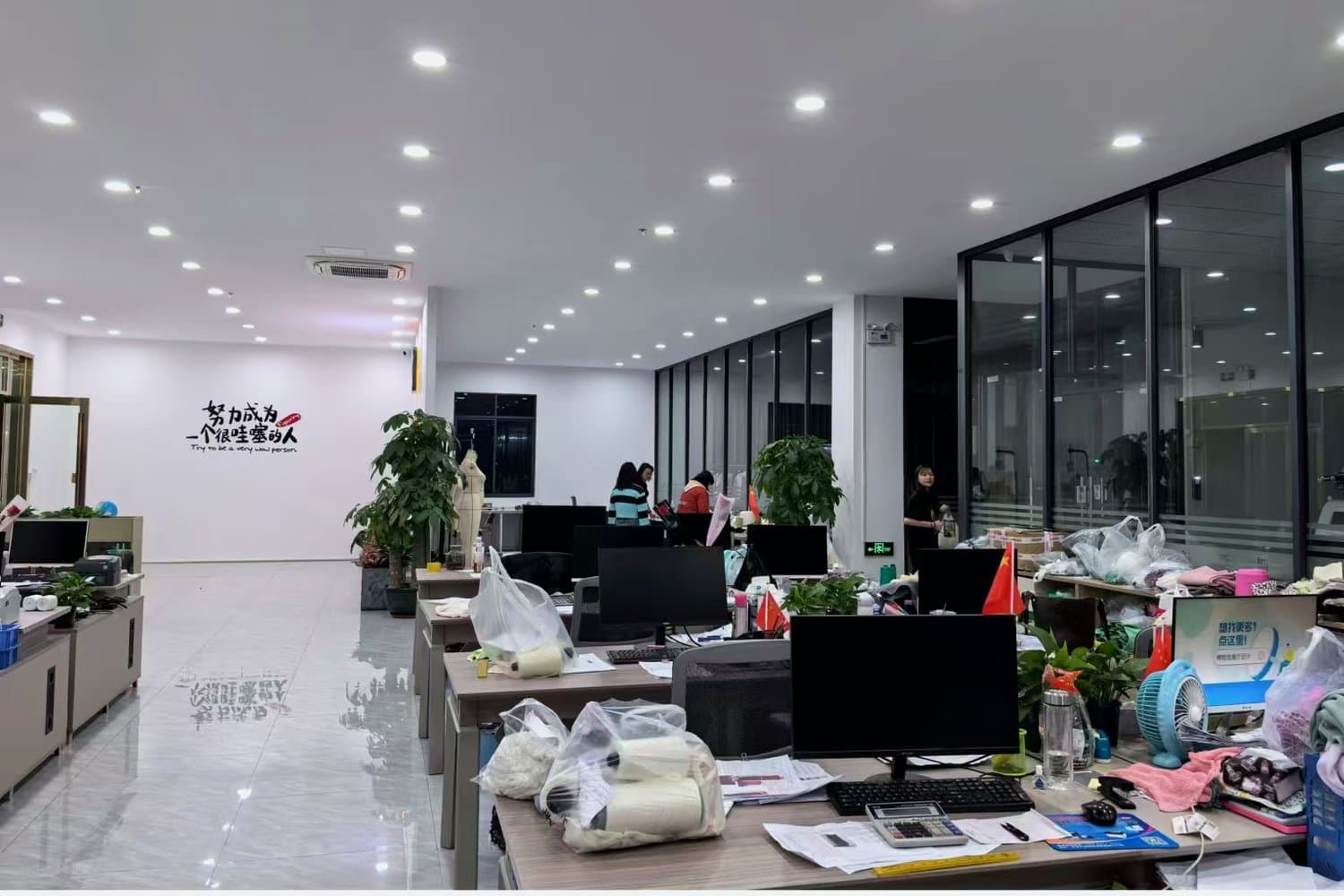
Cannot find what you need? Our team can create a custom guide or template for your specific project.
Request Custom Resource ->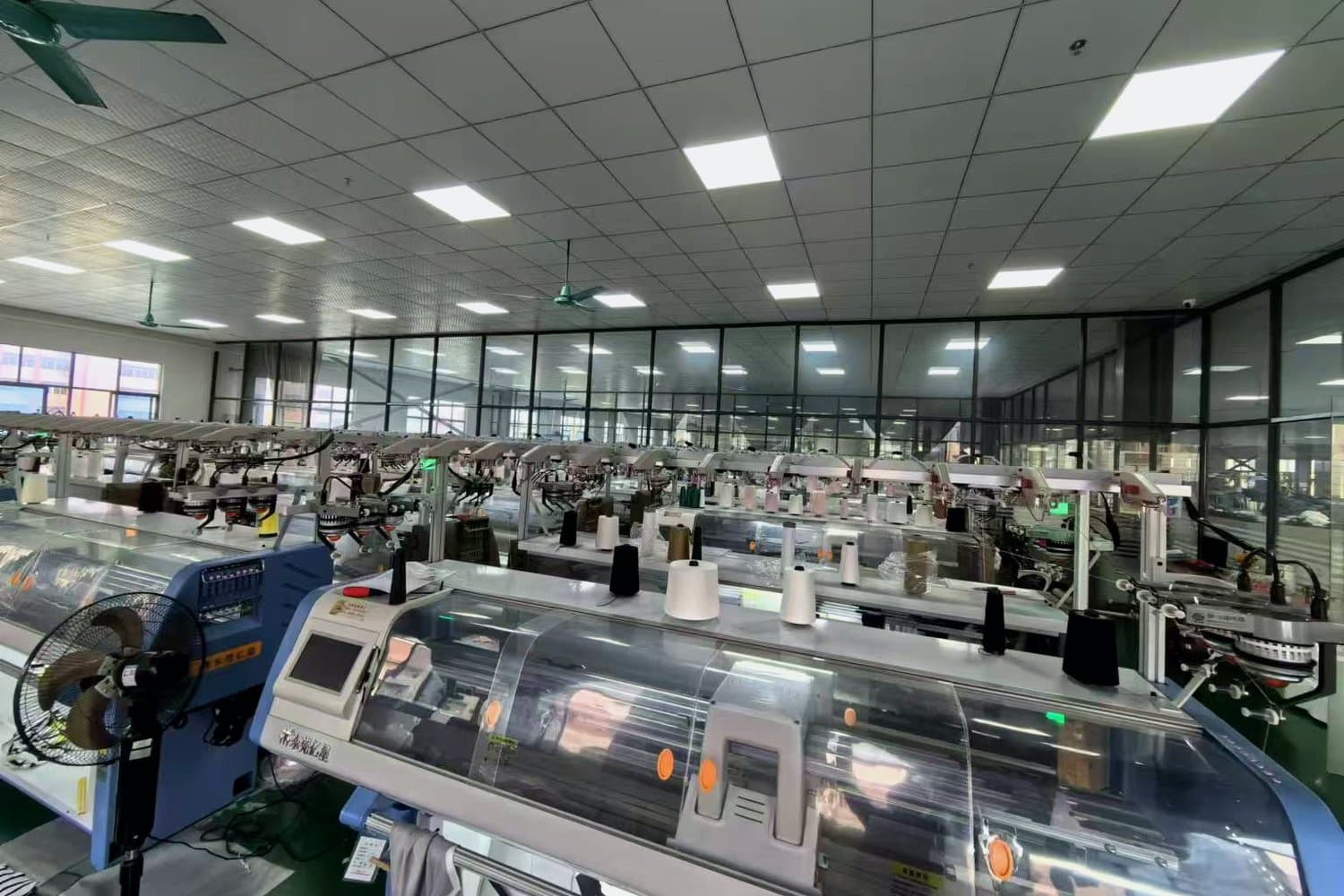
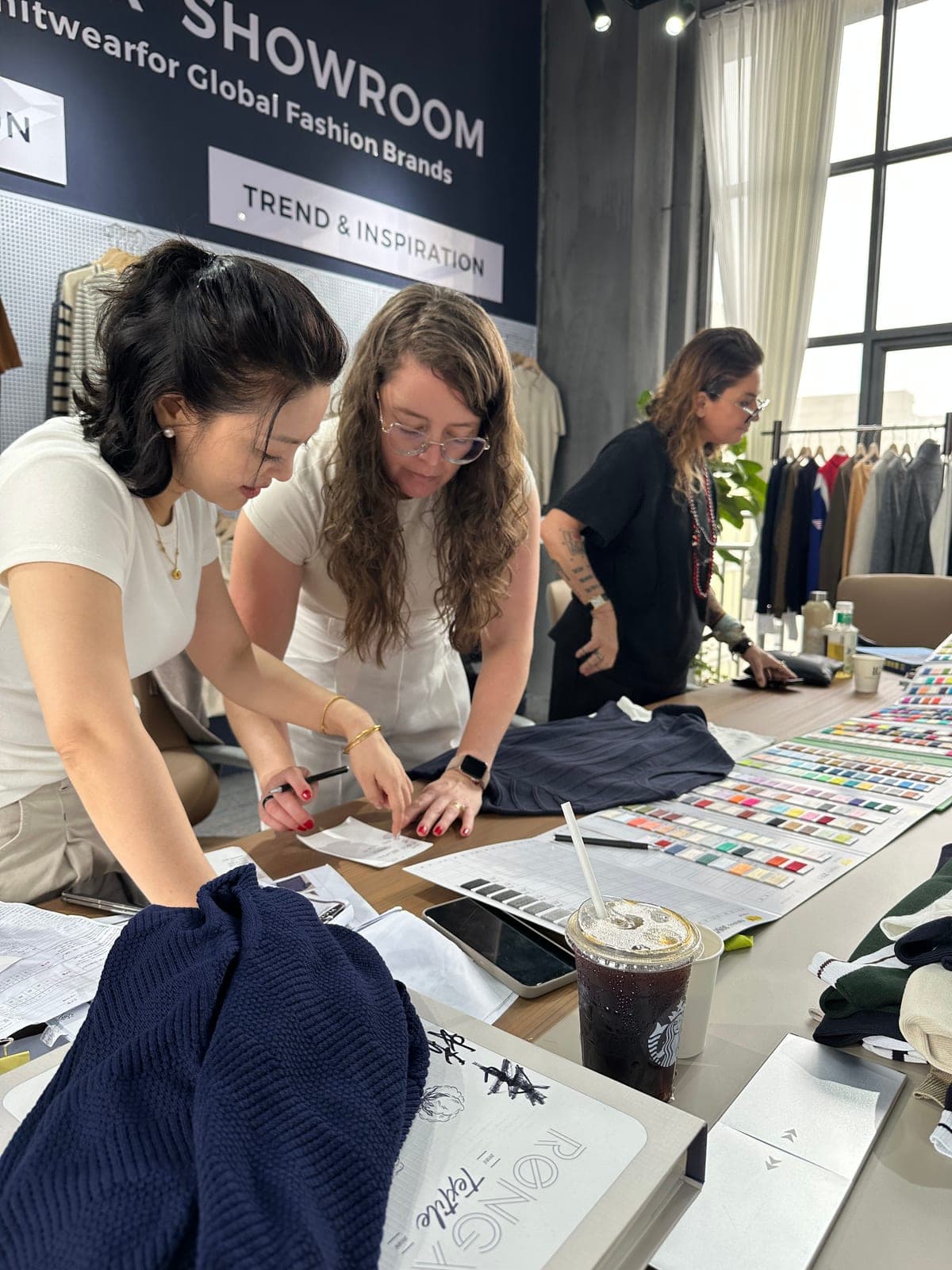
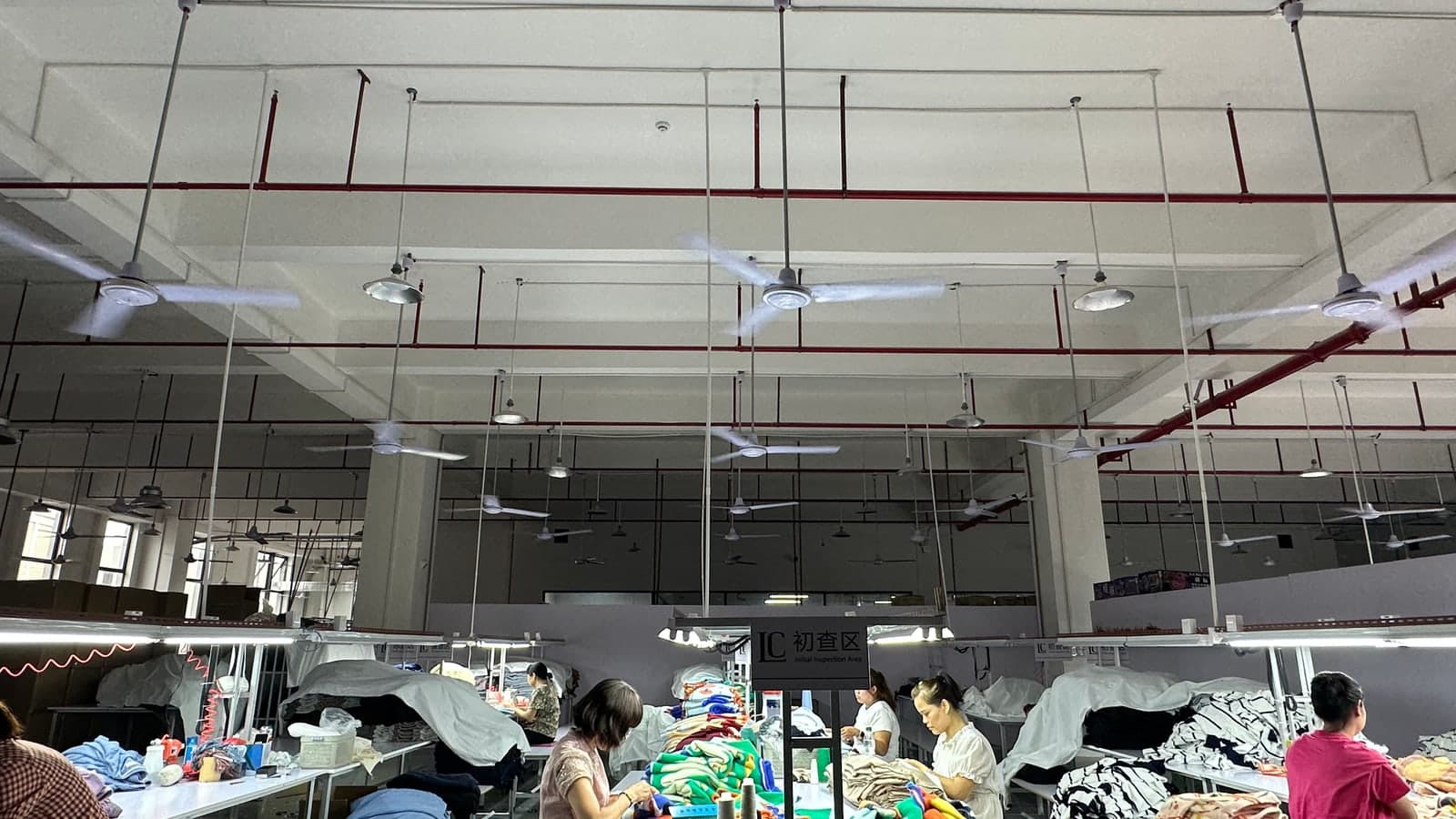
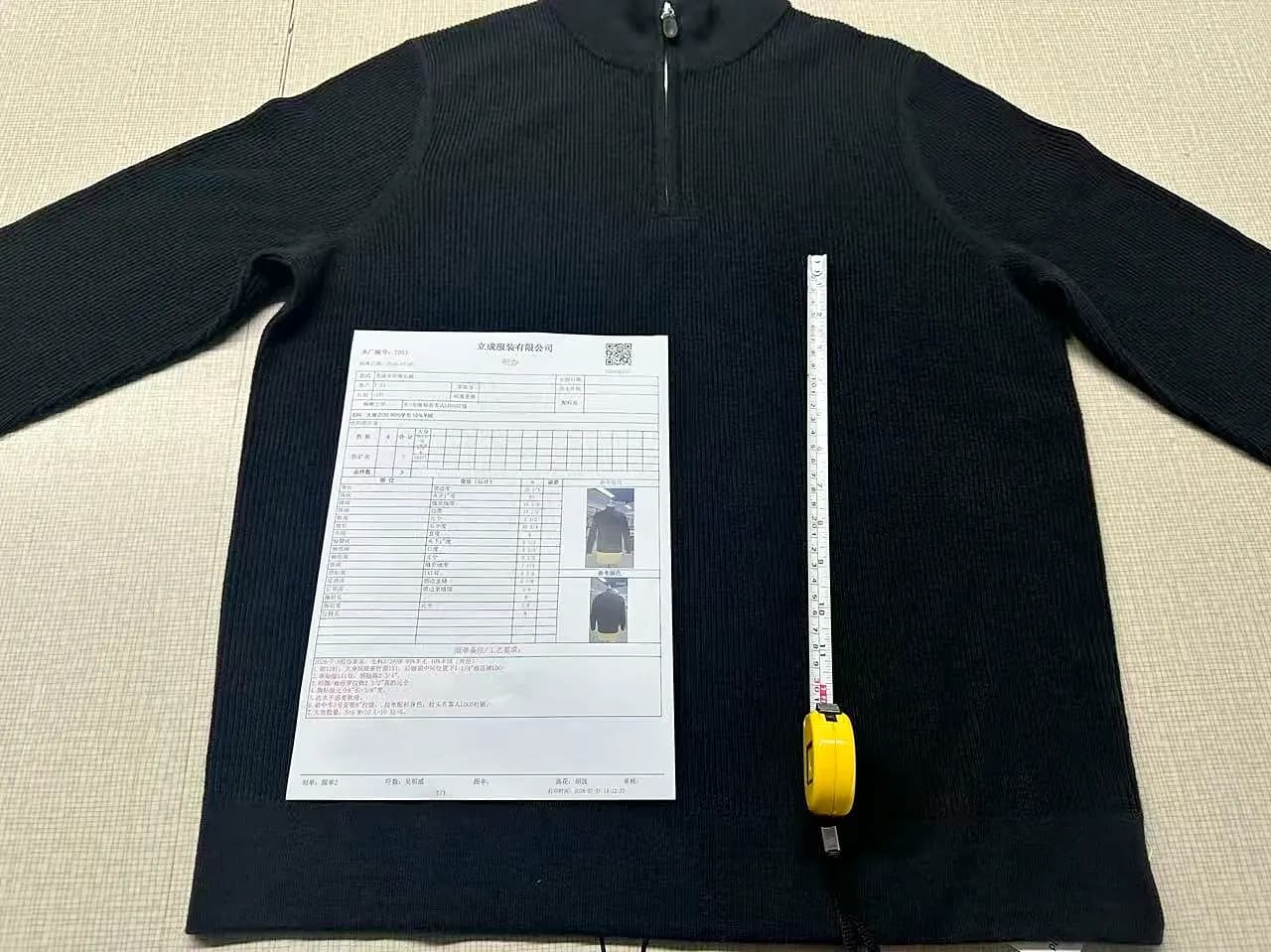
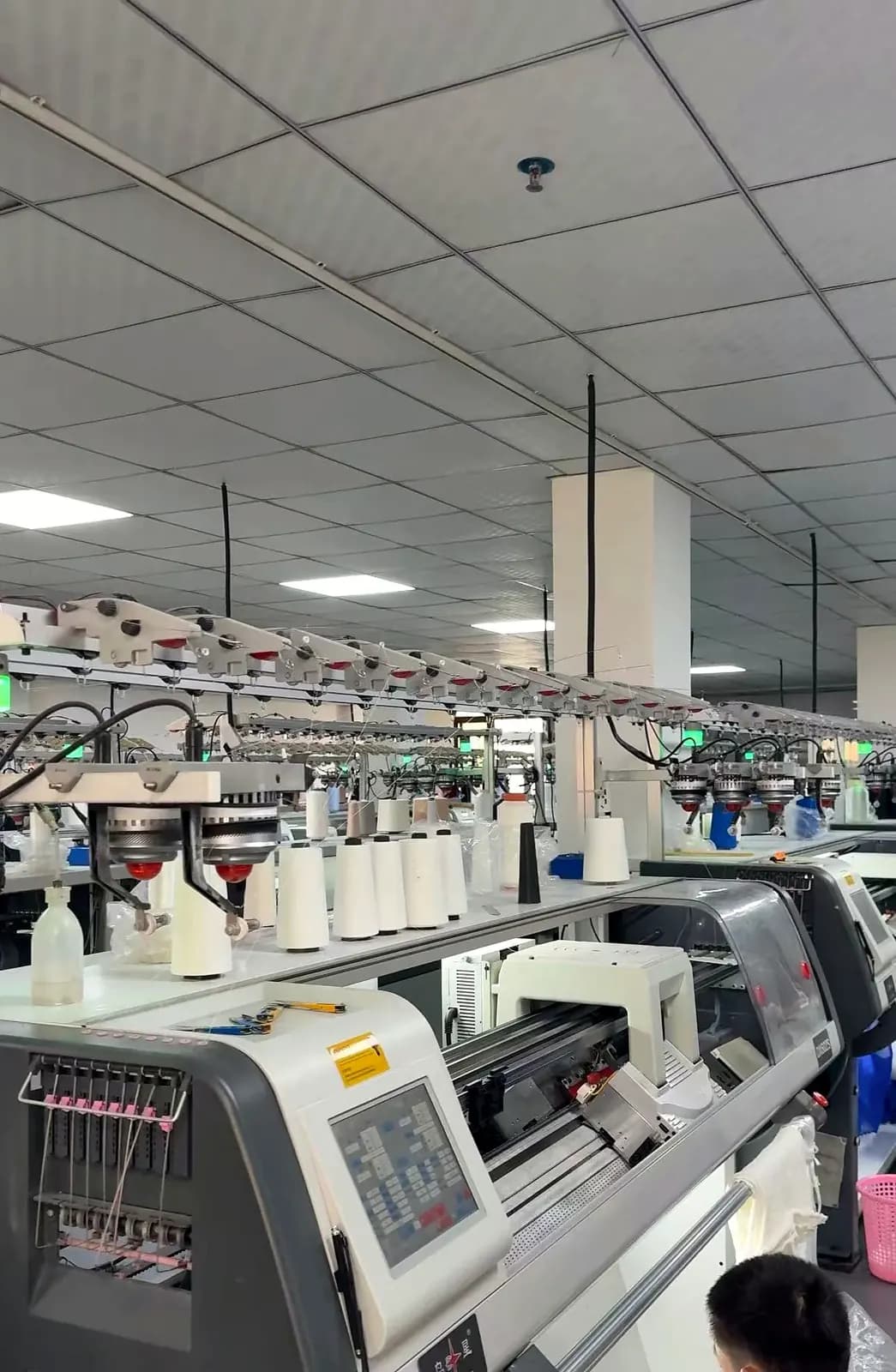
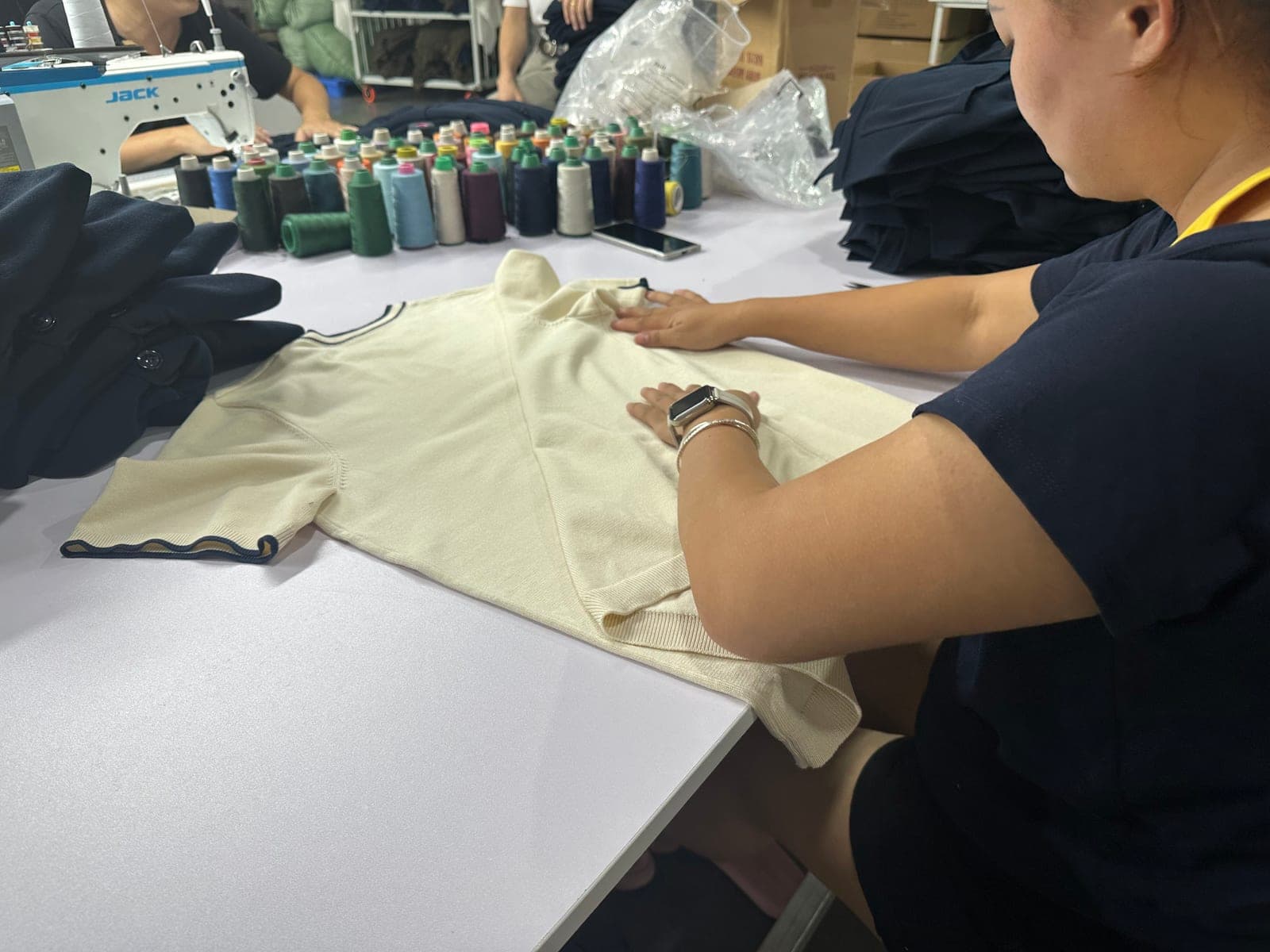
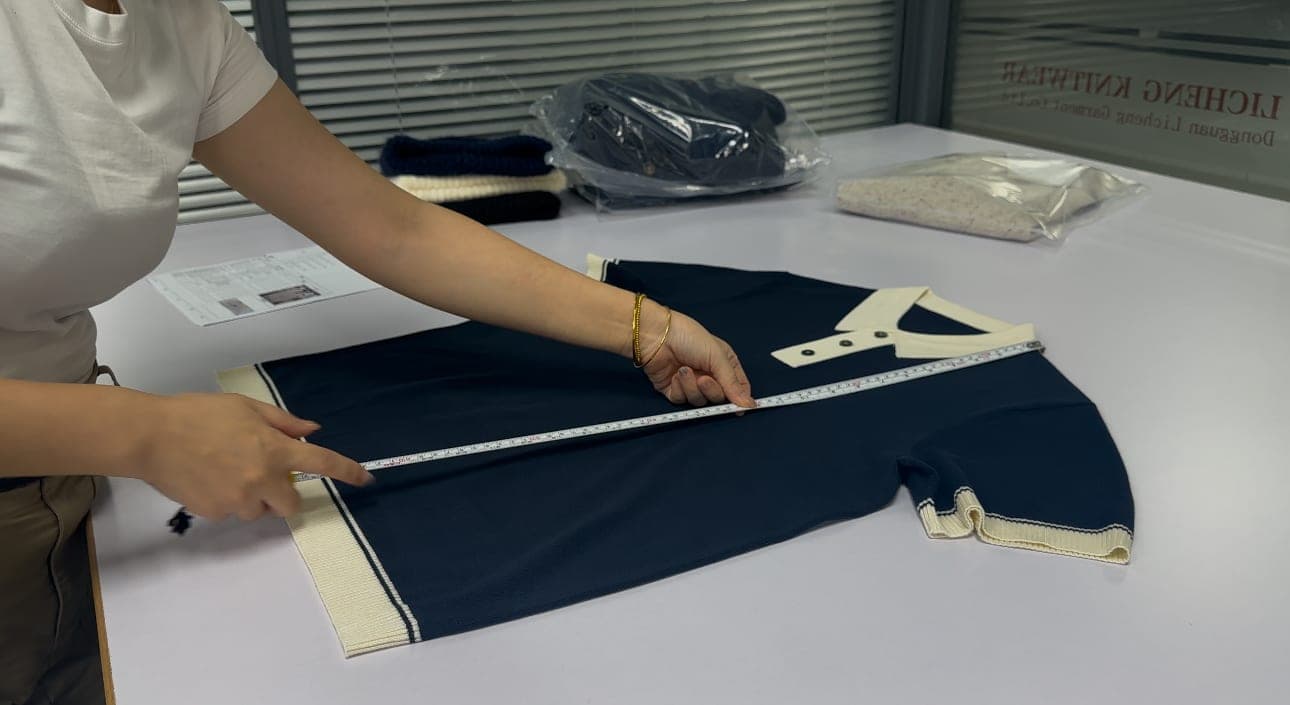


MOQ, lead time, cost ranges, gauge selection and QC checkpoints across typical OEM/ODM knitwear programs in NA + EU. Enter your email — we'll send you the report link in 30 seconds.
No spam. Unsubscribe with one reply. We use your email only to send you the report and follow up if you want a sourcing conversation.









Brand names shown are previously serviced OEM/ODM partners. Logos are decorative and do not imply current endorsement.