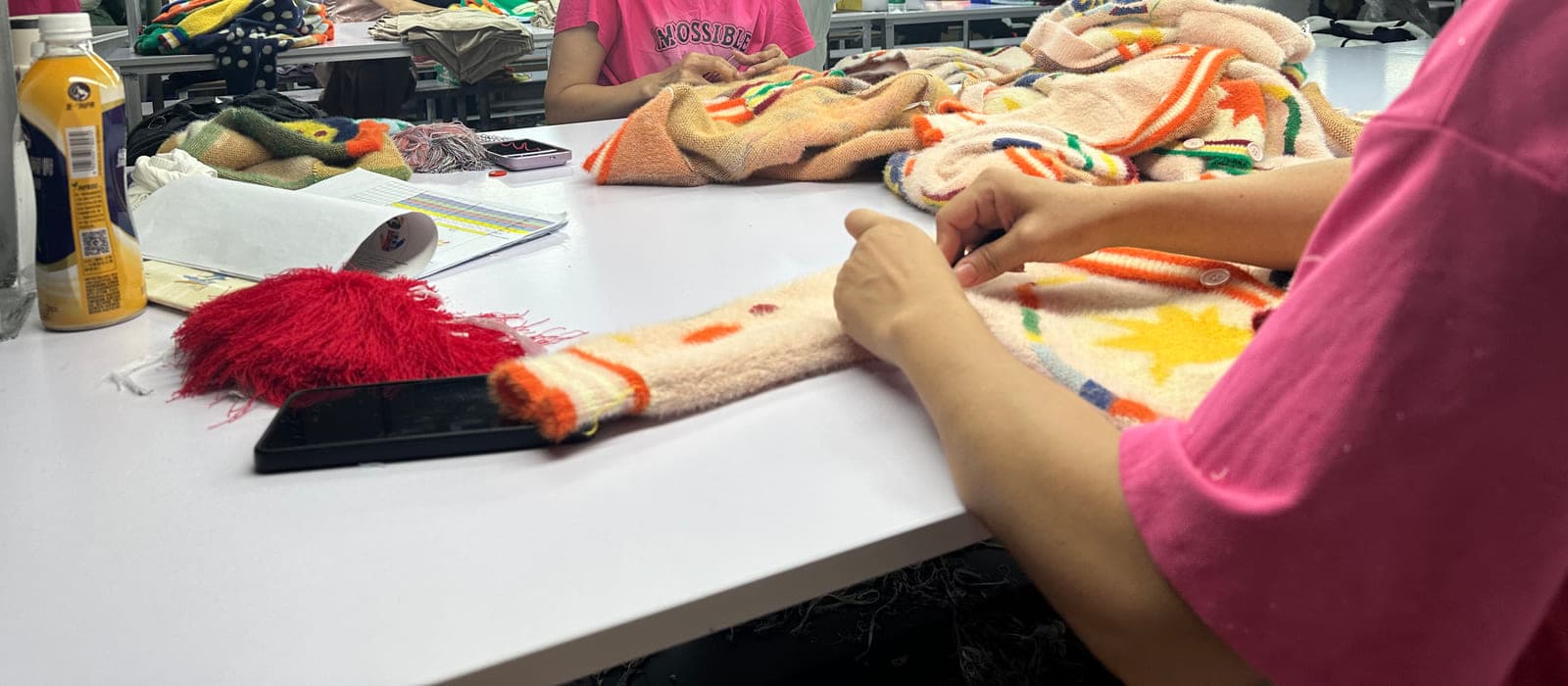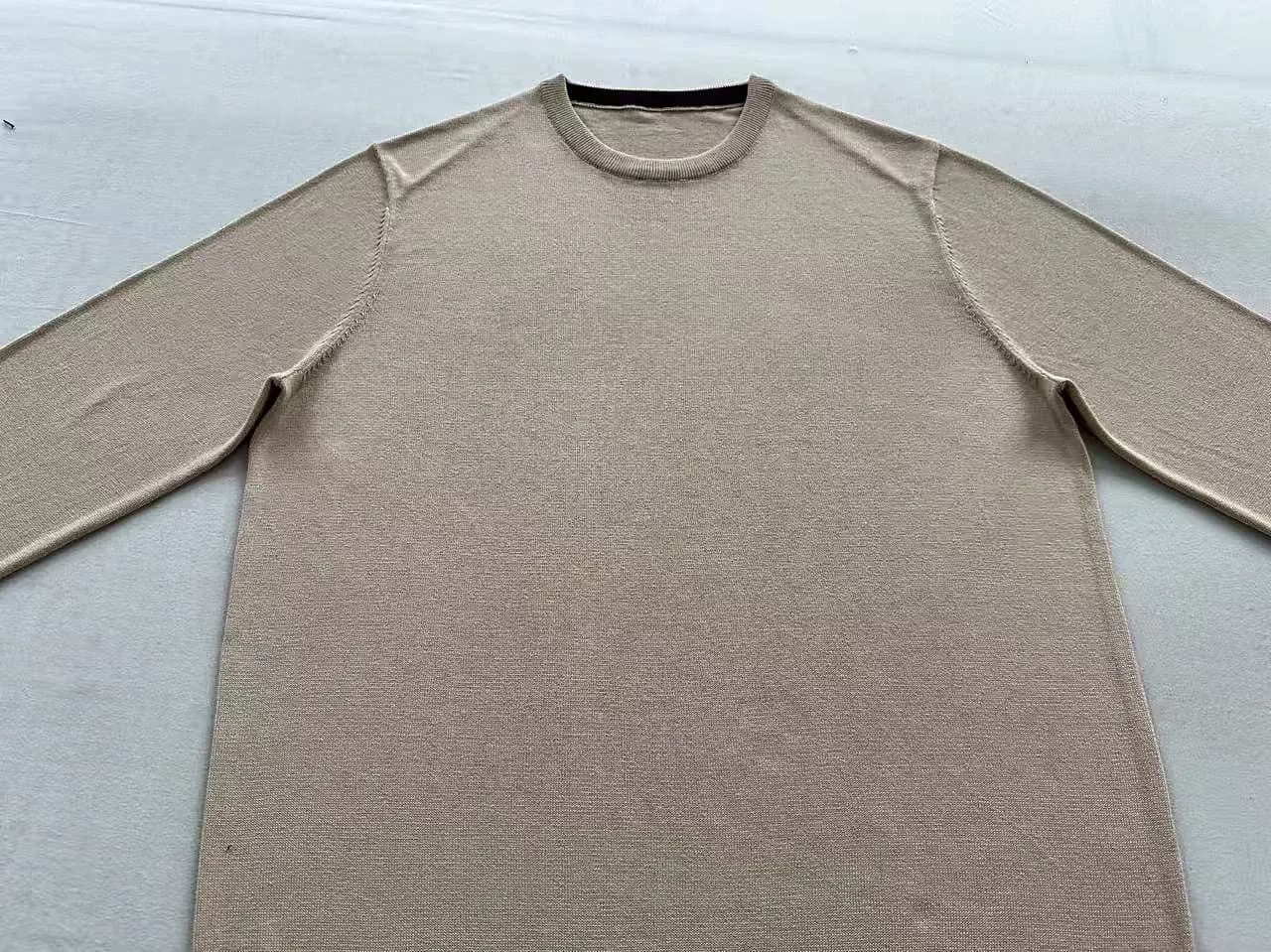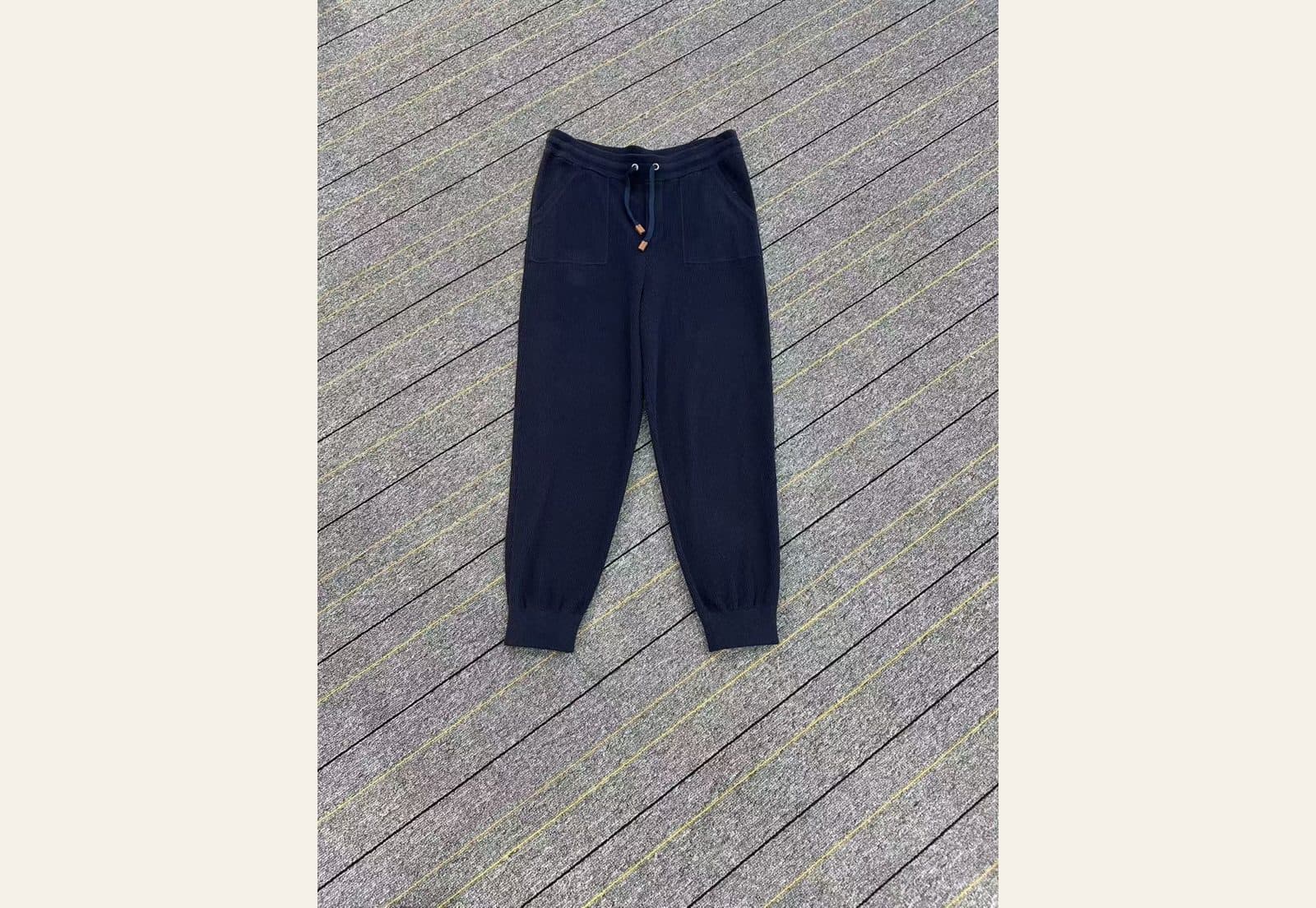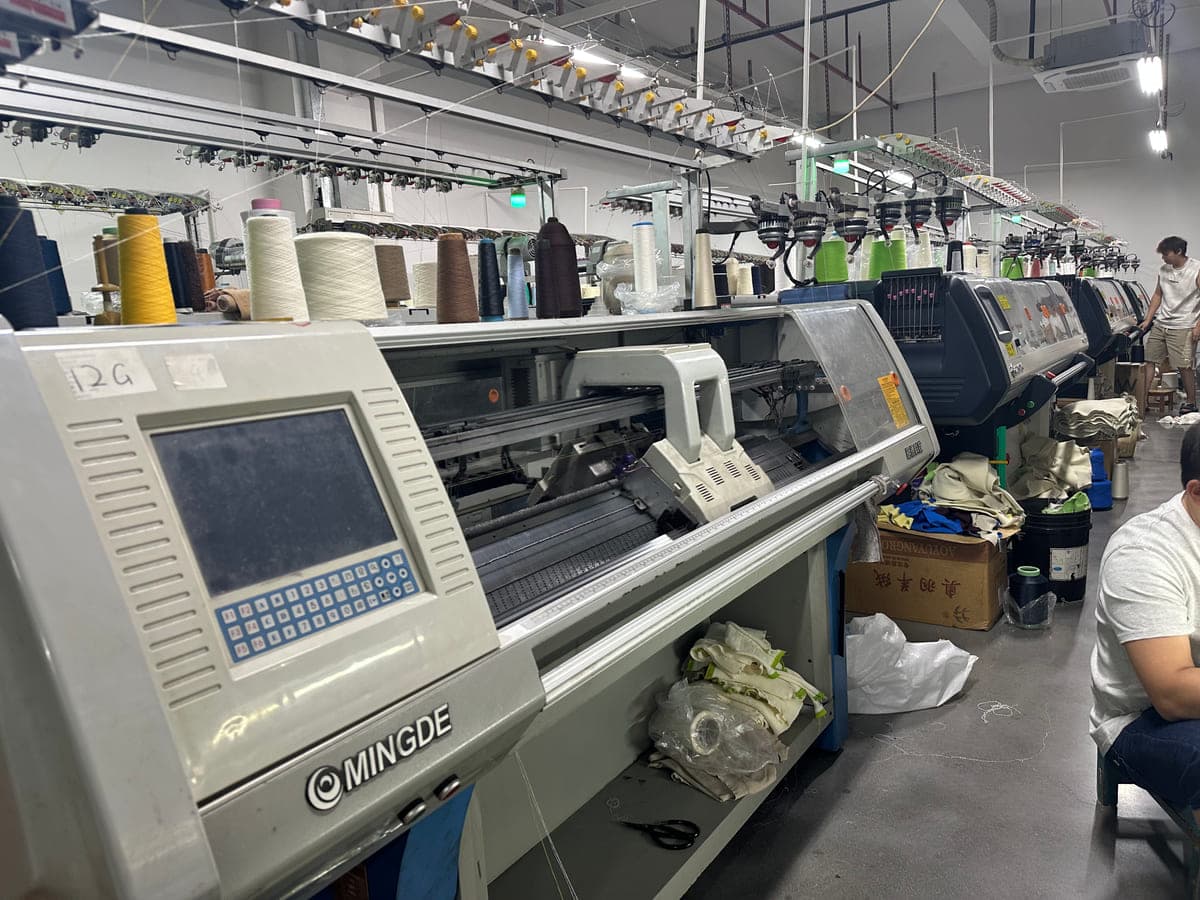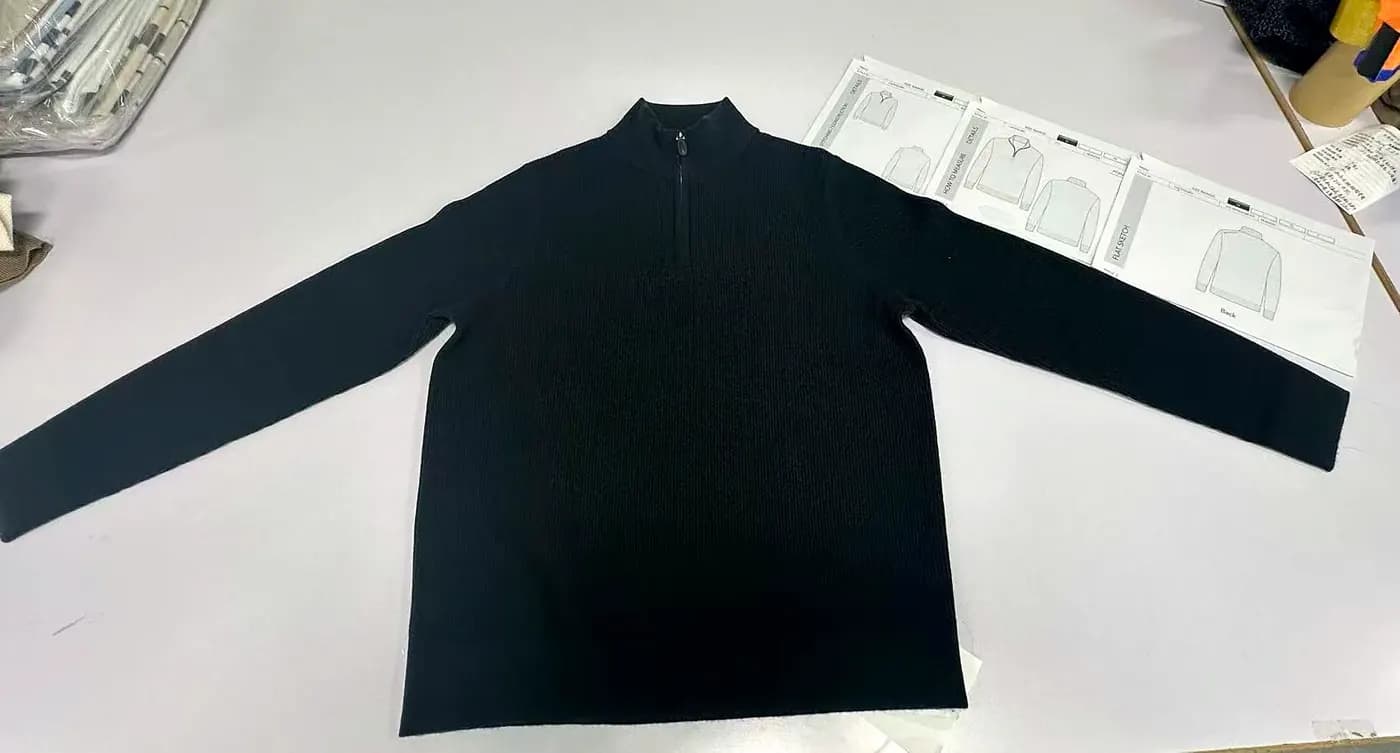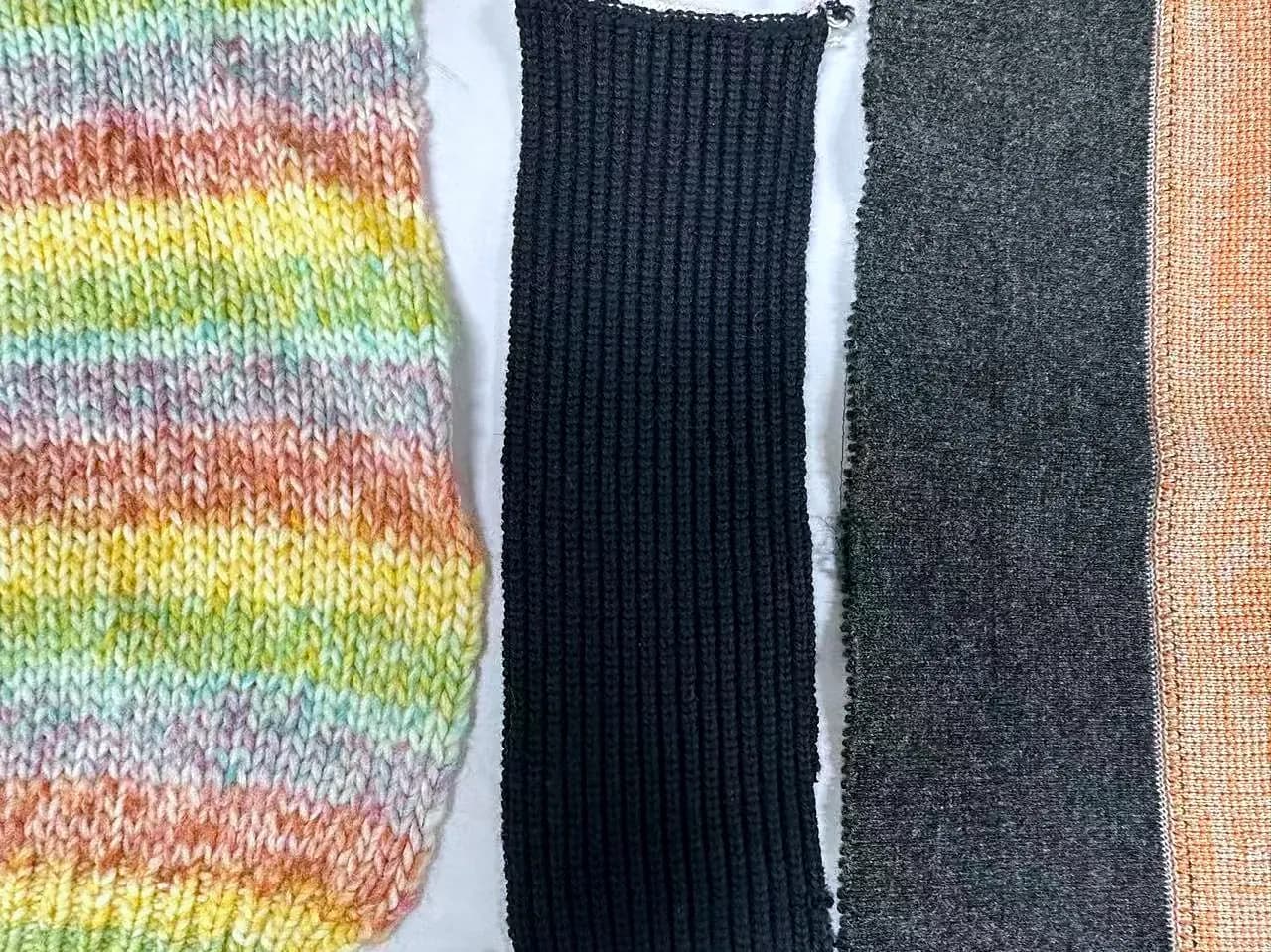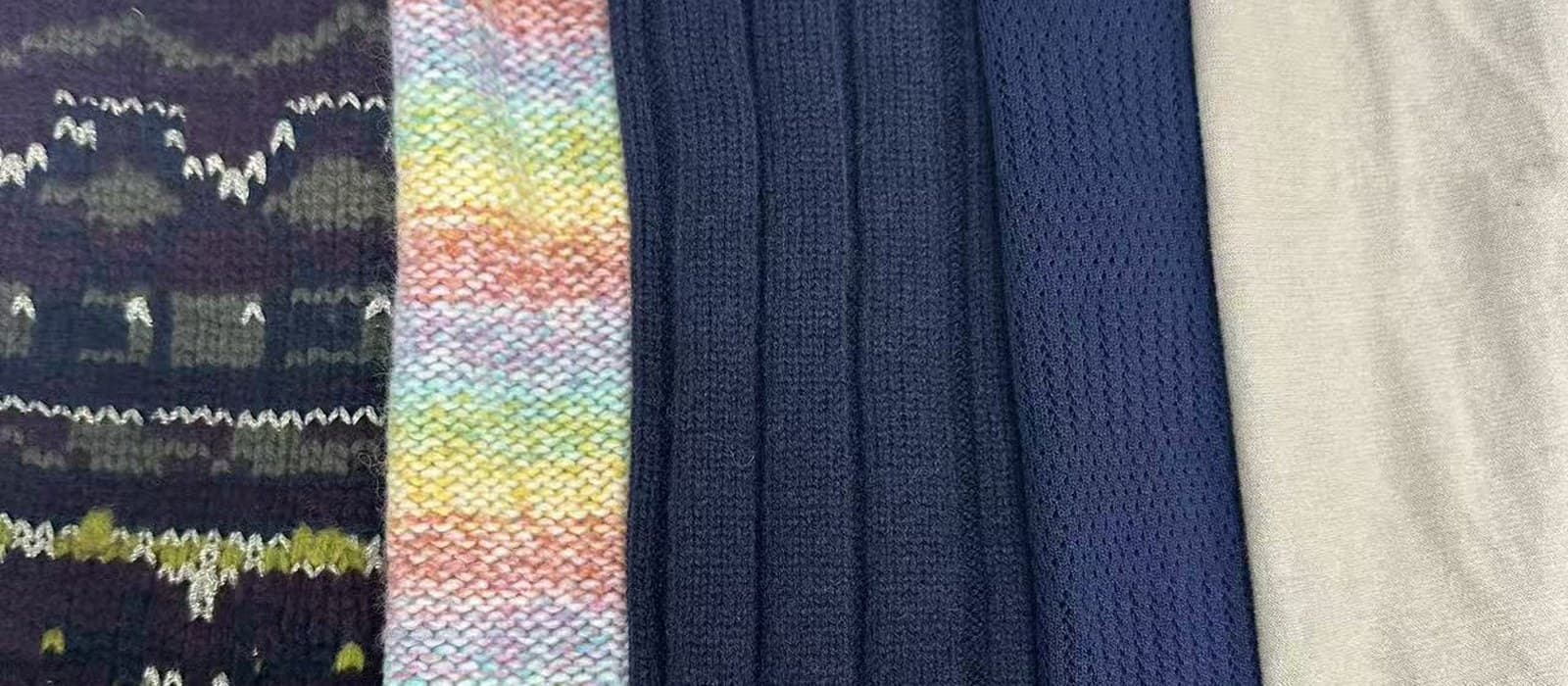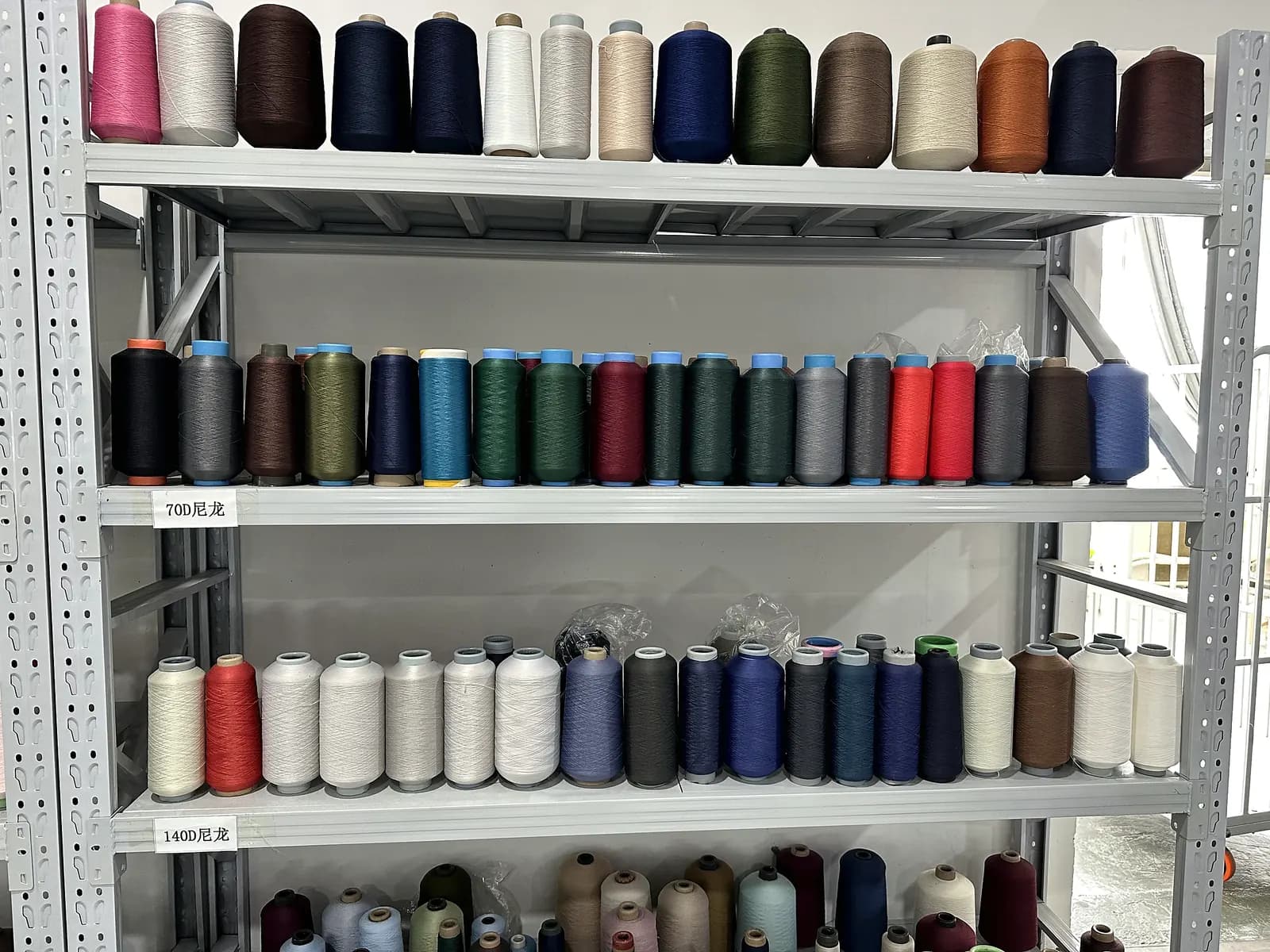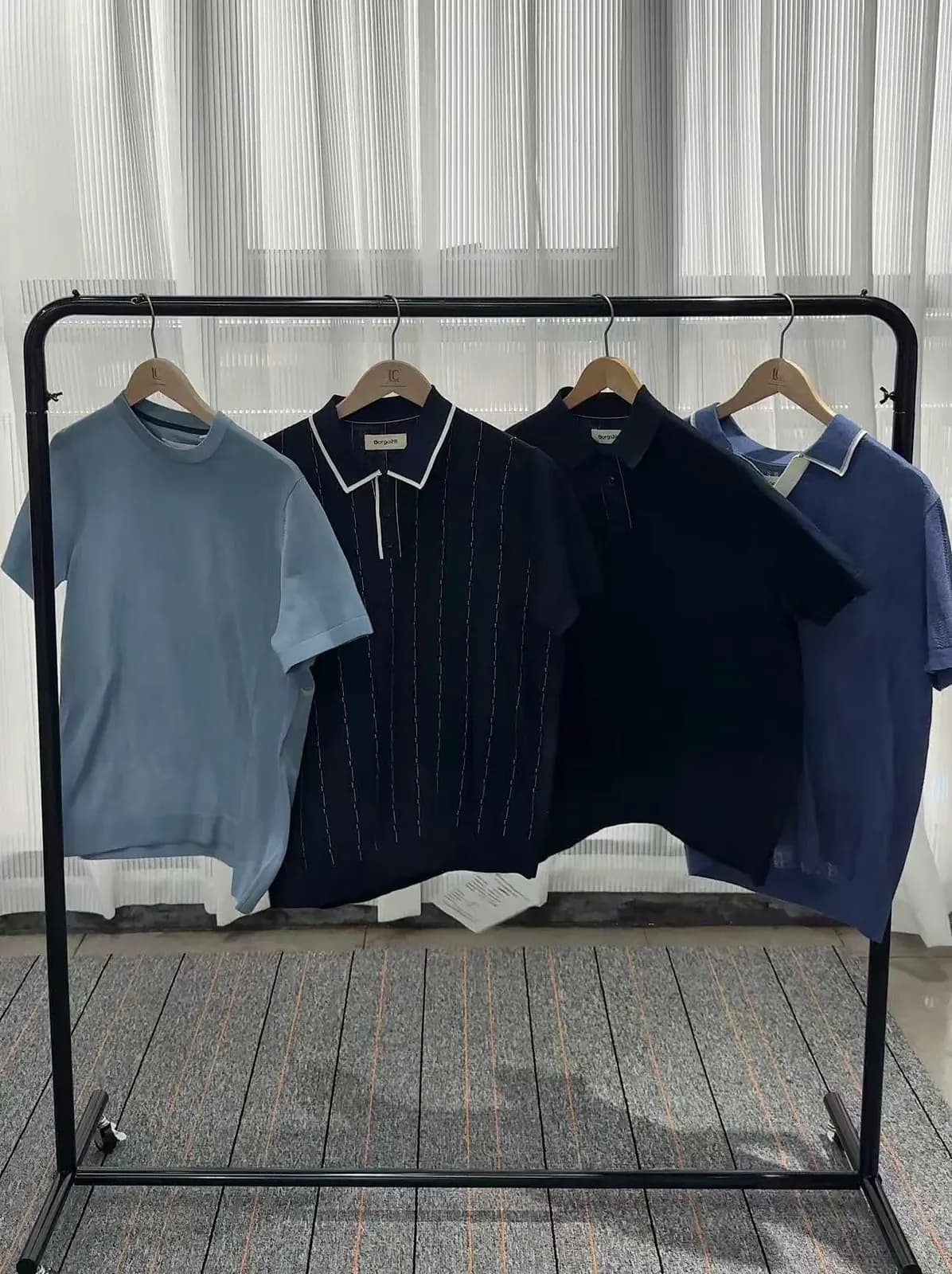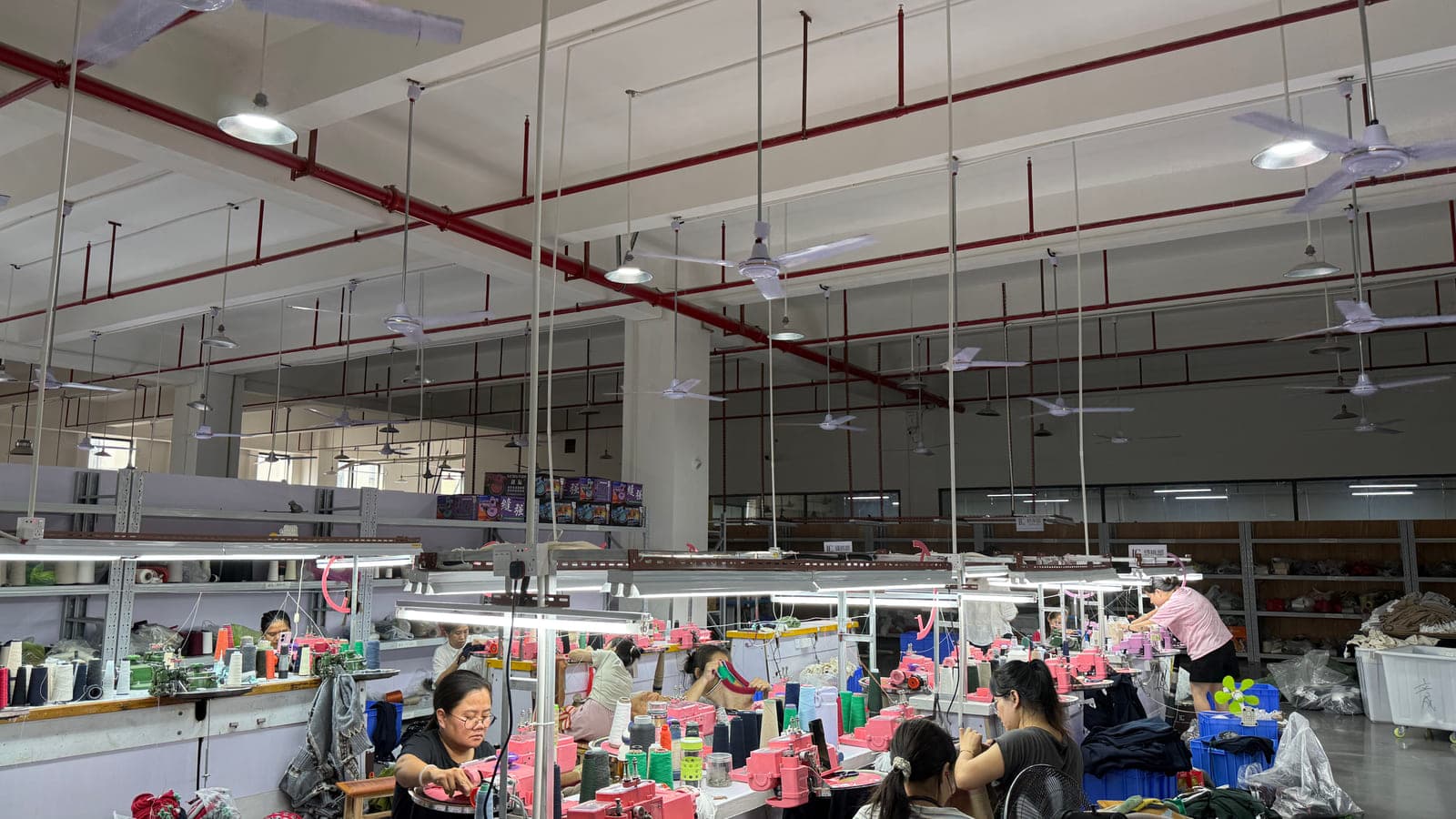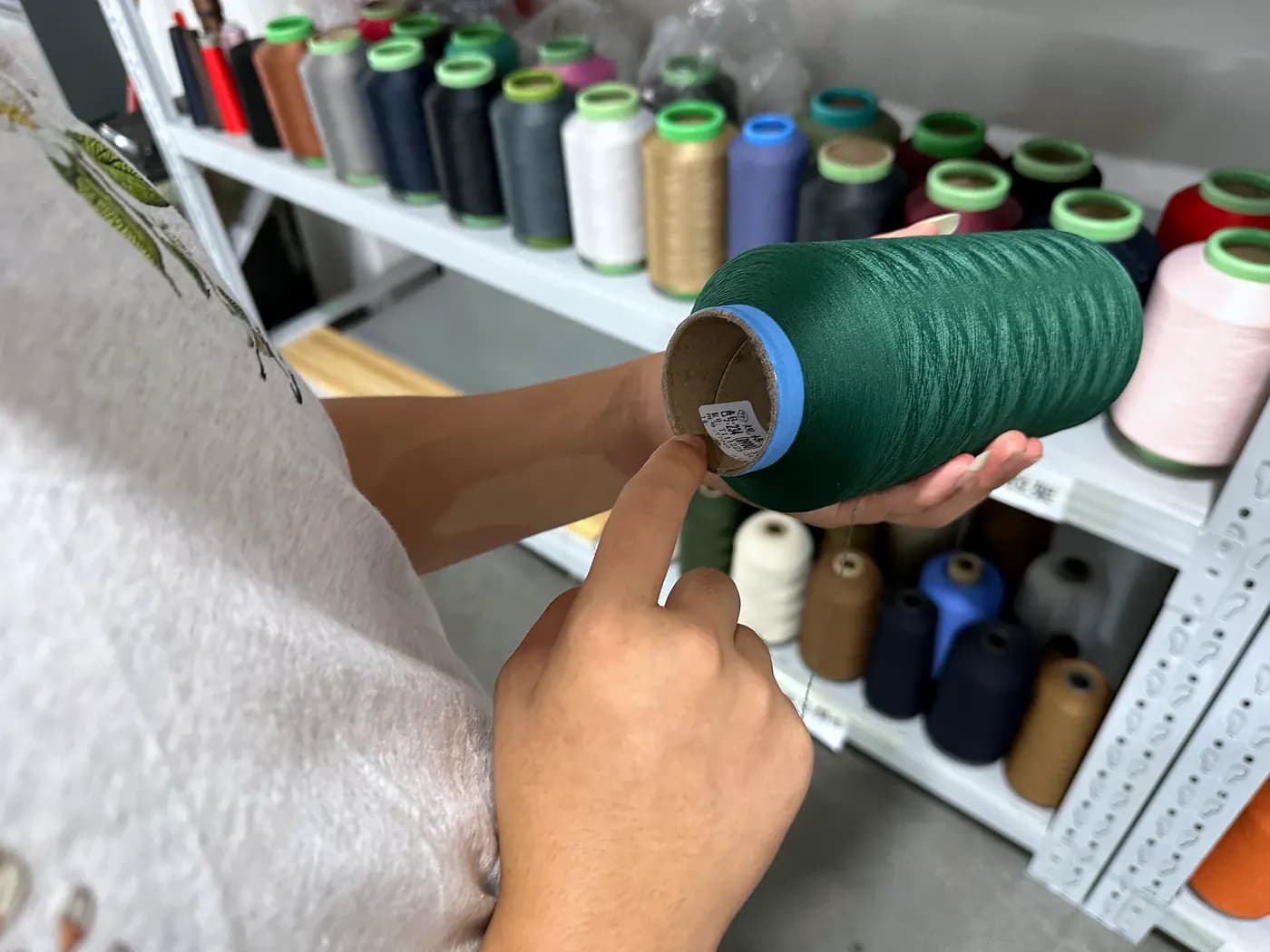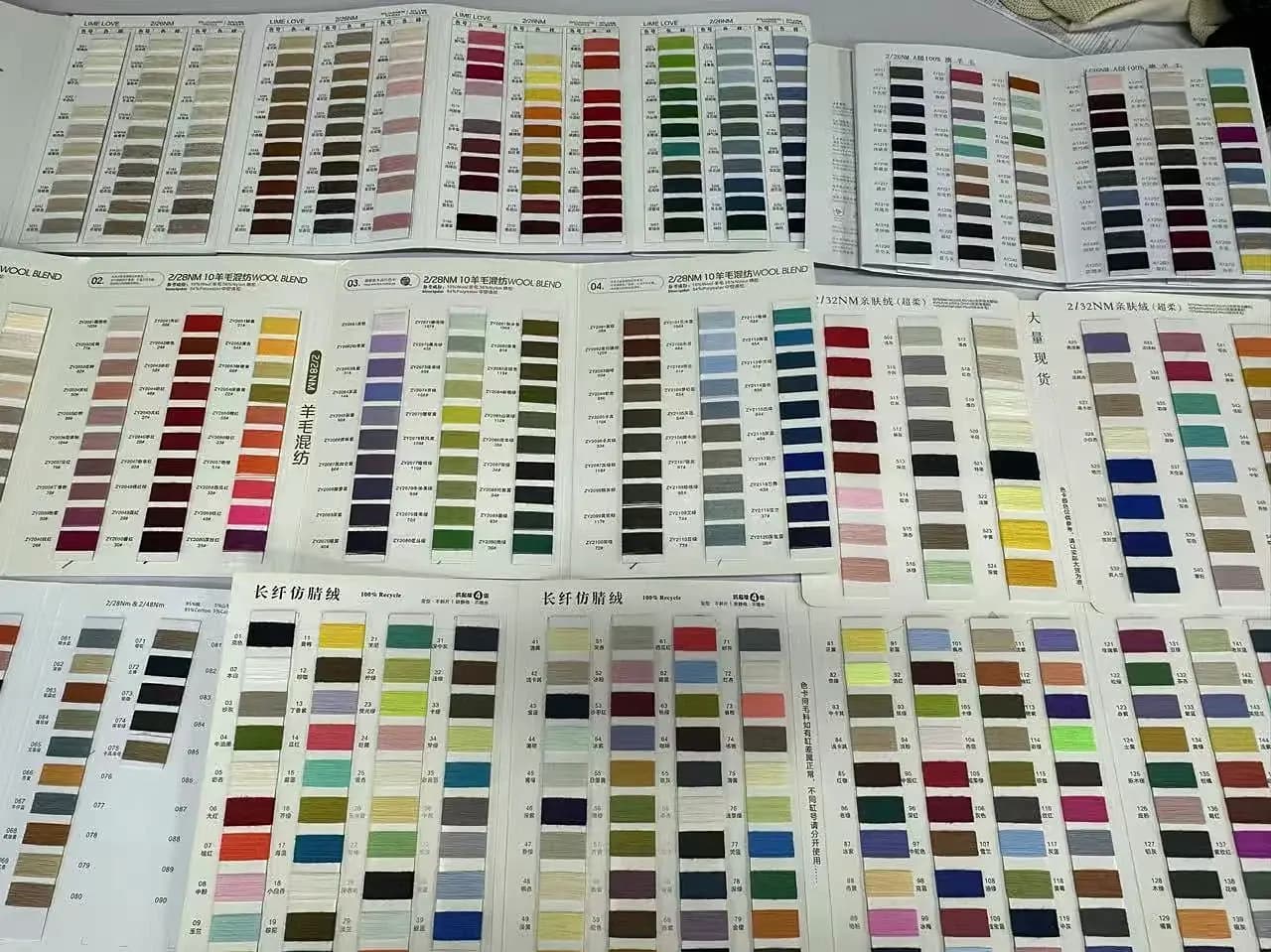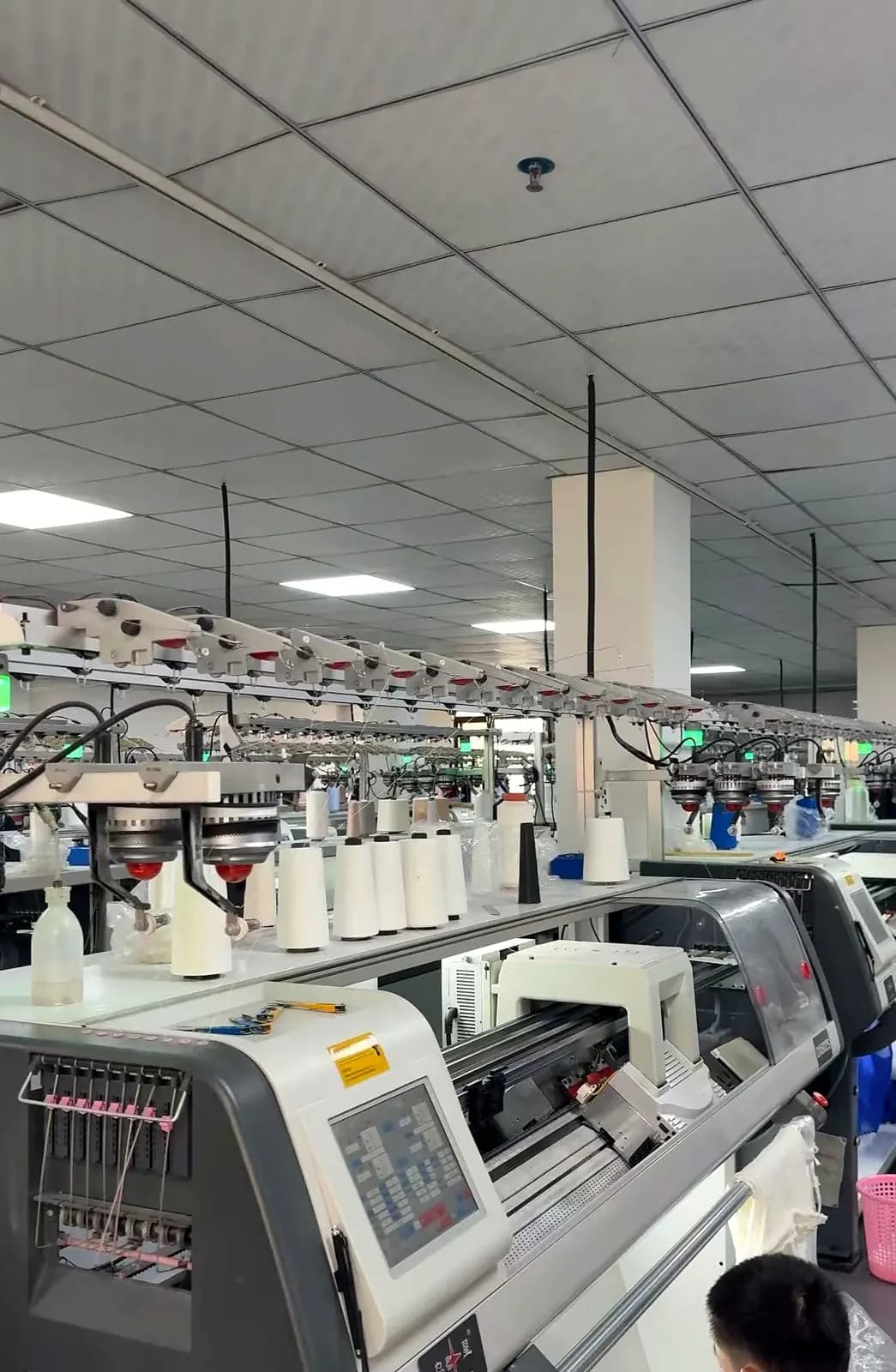
We focus on men's sweaters, cardigans, knit jackets, jacquard knitwear and private label knitwear. We support B2B buyers with OEM/ODM development, sampling and bulk production planning.
Guides for custom knitwear manufacturing, yarn selection, gauge options, quality control, cost planning and tech pack preparation.
Gauge
A gauge guide explaining how 5GG, 7GG and 12GG affect sweater texture, weight, season, cost and buyer positioning.
Read Guide ->Production Planning
How to plan knitwear production around Fall/Winter and Spring/Summer launch windows, working backward through lead times to hit your season on time.
Read Guide ->Manufacturing
An honest comparison of China, Vietnam and Bangladesh for sweater and cardigan production — gauge range, yarn access, MOQ, lead time, complexity and total cost — to match the right country to your product and volume.
Read Guide ->Materials
A buyer's guide to the certifications that matter in knitwear — OEKO-TEX, RWS, GRS, GOTS and BCI — what each one certifies, when you actually need it, and how chain-of-custody and transaction certificates prove a material claim.
Read Guide ->Quality
Stop bulk arriving a shade off. A practical guide to knitwear color approval — from Pantone reference to lab dips to consistent bulk — covering metamerism, dye-lot tolerance, fastness and how to sign color off so delivered sweaters match.
Read Guide ->Market
Germany remains one of Europe's most disciplined knitwear sourcing markets. Buyers here expect tight spec adherence, predictable lead times, clean documentation, and yarns that perform through long autumn-winter selling windows. This guide is written from our position as a Dongguan-based custom knitwear manufacturer working with German menswear and lifestyle brands. We cover what drives the procurement calendar, where sample and bulk timelines realistically land, what MOQ a mid-sized German label can plan against, which gauges and yarns we see specified most often for the DACH market, how quality control and compliance documentation are typically structured, and how logistics, payment, and Incoterms tend to be negotiated on FOB China terms. The aim is a working reference a sourcing manager can take into the next supplier review.
Read Guide ->A craftsmanship guide comparing jacquard and intarsia knitwear for brands developing graphic sweaters, pattern cardigans and custom artwork.
7 min read - Guide
How to develop knit bombers, shackets and knit-outerwear hybrids, covering structure, closures, yarn and positioning for B2B brands.
6 min read - Guide
A knitted set is two garments, but it does not have to be two minimum orders. How the 50-piece-per-colour minimum counts across a top and matching knit trousers, which trouser shapes work on a flat-knit machine, and the four things to agree at sample stage so the two pieces match.
5 min read - Guide
A gauge guide explaining how 5GG, 7GG and 12GG affect sweater texture, weight, season, cost and buyer positioning.
8 min read - Guide
A guide to fall/winter knit jacket development for buyers planning bomber, zip collar or hybrid knit outer-layer styles.
6 min read - Guide
Stitch structure is the single biggest lever a product developer can pull after yarn and gauge. It decides how a sweater drapes, what it weighs, how long it takes a flat-bed machine to produce, and how forgiving the body is on a fit range. This guide walks through the four stitch families that account for the vast majority of men's knitwear we produce in Dongguan — jersey/plain, rib, cable, and jacquard — and explains what each one costs you in yarn and knit time, where it works on the gauge ladder, the failure modes that surface in fit sessions and inspection, and the buyer scenarios where one beats the others. The goal is to help you spec a knit collection on commercial reality, not on mood-board photography.
5 min read - Guide
Knitted-in or applied: which route a pattern, logo or motif should take on a knit garment, what each costs, the gauge and colour-count limits, and the tests that catch failures late.
7 min read - Guide
Brands with public sustainability targets need knitwear suppliers who can act on those targets at the PO level — not just nod along in a deck. The problem is that most of the carbon-reduction conversation in apparel sits at a glossy marketing altitude, where claims outrun data. This guide steps down to the buyer's actual tool kit: six concrete levers — yarn choice, gauge, dye method, packaging, freight mode, and durability — where the decision sits on a line in your tech pack or purchase order. For each lever, we give a realistic impact range drawn from published industry datasets, the certification or measurement that makes the claim defensible, and the exact language to put on the PO. Where the data is thin, we say so. The goal is a program your sustainability team can defend internally and externally, not a press release.
6 min read - Guide
A guide to knitwear care, washing and care labeling for B2B brands, covering care by fiber, market labeling rules and reducing returns.
7 min read - Guide
We focus on men's sweaters, cardigans, knit jackets, jacquard knitwear and private label knitwear. We support B2B buyers with OEM/ODM development, sampling and bulk production planning.
Ready sample styles and selected custom programs can support lower-risk trials before larger seasonal orders.
Yes. Brands, including new labels preparing a first collection, can pay for a sample and see it before placing a production order. Two routes: a ready sample of a published style at USD 60 per piece in about 7 days, or a development sample from your tech pack at USD 150 per style, covering yarn sourcing, knit programming, one prototype and one revision round, in 15-25 days. Cashmere and mohair styles are quoted individually and shipping is charged at cost. Production starts only after you approve the physical sample, at our minimum of 50 pieces per colour with sizes mixed inside the 50. A sample does not commit you to a production run; we do not make garments for personal use.
Our sample fee is not refundable. Yarn sourcing, knit programming, machine setup and hand linking cost about the same whether one piece follows or five hundred, which is why the fee exists at all. It is credited against your first bulk order placed within six months of sample approval: 100% of a development sample fee, 50% of a ready sample fee.
Yes, for brands developing a style. One development piece is fine, with no commitment to bulk: a development sample is USD 150 per style and covers yarn sourcing, knit programming, one prototype and one revision round, in 15-25 days (cashmere and mohair are quoted individually). If you then go to production, the minimum is 50 pieces per colour with sizes mixed inside the 50, and the full USD 150 is credited against a first bulk order placed within six months of approving the sample. We do not make garments for personal wear.
Plain and striped styles using the same yarn and colour can be combined toward a minimum of 50 pieces, with mixed sizes. For example, four plain styles of 25 pieces each in the same yarn and colour total 100 pieces and meet that minimum. Different yarns or colours are counted separately. Jacquard and intarsia require 50 pieces per pattern; quantities from different patterns cannot be combined. Send us your styles, yarns, colours and quantities so we can confirm how the minimum applies to your project.
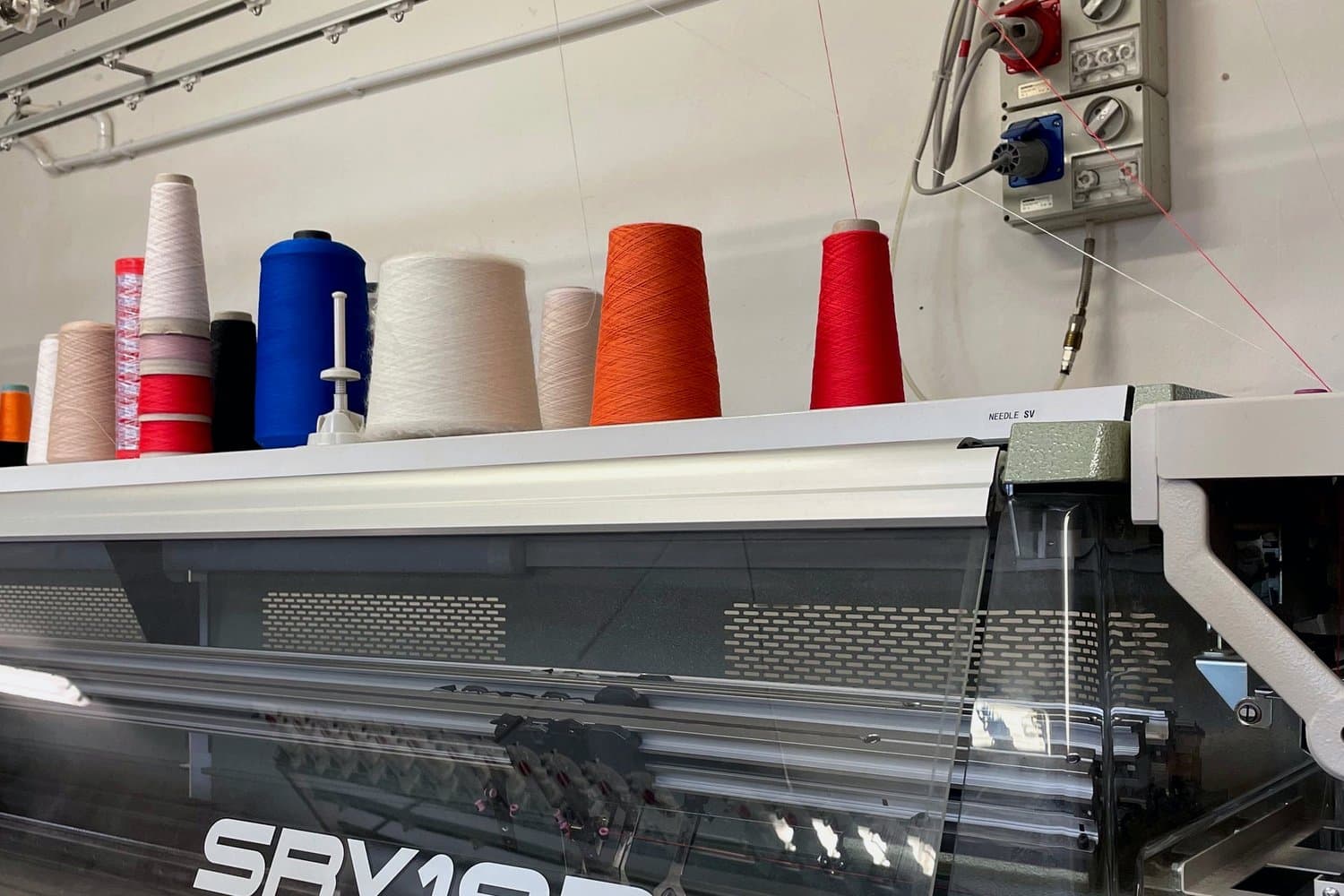
Get a free catalog or submit an RFQ today. Our team will respond within 24 hours.
Cannot find what you need? Our team can create a custom guide or template for your specific project.
Request Custom Resource ->