Knitwear Certifications Explained: RWS, OEKO-TEX, GRS & More
Updated 9/19/202612 min readBy Simon Liu · Licheng Knitwear
A buyer's guide to the certifications that matter in knitwear — OEKO-TEX, RWS, GRS, GOTS and BCI — what each one certifies, when you actually need it, and how chain-of-custody and transaction certificates prove a material claim.
As sustainability and chemical-safety expectations rise, more buyers — especially in Europe and North America — are asked by their own customers and retailers to back up claims with certifications. For knitwear, a handful of standards come up again and again: OEKO-TEX, RWS, GRS, GOTS and a few others. This guide explains what each one actually certifies, when you genuinely need it, and how the supply chain proves it — so you can ask the right questions instead of treating "certified" as a vague badge.
A certification is only meaningful with a valid, current certificate that names the right scope and the right entity. Always ask for the document — a Scope Certificate and, for material claims, a Transaction Certificate — not just a logo on a website.
Certifications attach to fibres, processes and transactions — ask for the paperwork, not just a logo.
The standards buyers ask about most
Common Questions
Which certifications do knitwear buyers most often ask for?
OEKO-TEX for chemical safety, GOTS and OCS for organic content, GRS and RCS for recycled content, and RWS for responsible wool. They answer different questions, and holding one says nothing about the others.
What does each certification actually attach to?
Different things - and this is the distinction that matters. Some attach to a product, some to a facility, and some to a chain of custody across several parties. A certificate covering a facility does not by itself evidence that your specific order was produced under it.
When does a buyer actually need a certification?
When you intend to make the corresponding claim to your customer, or when your retailer requires it. Certifying a programme that makes no claim adds cost and lead time without adding value; making a claim without certification is the exposure to avoid.
What certifications does Licheng hold?
OEKO-TEX Standard 100, ISO 9001, GRS and GOTS. As with any supplier, a certified order has to be booked and documented as certified from the yarn onward - so raise it at quotation stage rather than after production.
How do I verify a supplier's certification claim?
Ask for the certificate number and look it up in the issuing body's public register, then check the validity dates and that the scope covers the article you are buying. For content claims, also require transaction documentation covering your shipment.
This is the part buyers most often misunderstand. Certifications generally attach to fibres, processes and transactions, not simply to a factory:
OEKO-TEX Standard 100 is typically tied to the material/article being tested.
RWS, GRS and GOTS rely on a chain of custody — each link (farm, spinner, knitter, etc.) is certified, and material claims are documented with Transaction Certificates that follow the goods.
So a knit manufacturer doesn't "own" a recycled-wool claim by itself — the claim is only valid if the yarn is certified and the documentation flows through the chain to your order.
When you actually need a certificate
A retailer or marketplace requires it to list your product
You want to make a specific public claim ("recycled", "organic", "responsible wool") and must substantiate it under advertising rules
Your target market (often the EU) increasingly expects evidence behind green claims
If you're not making a specific claim, OEKO-TEX Standard 100 on the material is a common, practical baseline for chemical-safety reassurance.
Match the certification to the claim you actually intend to make.
How to source certified knitwear in practice
1. Decide the claim you need to make — that determines the standard.
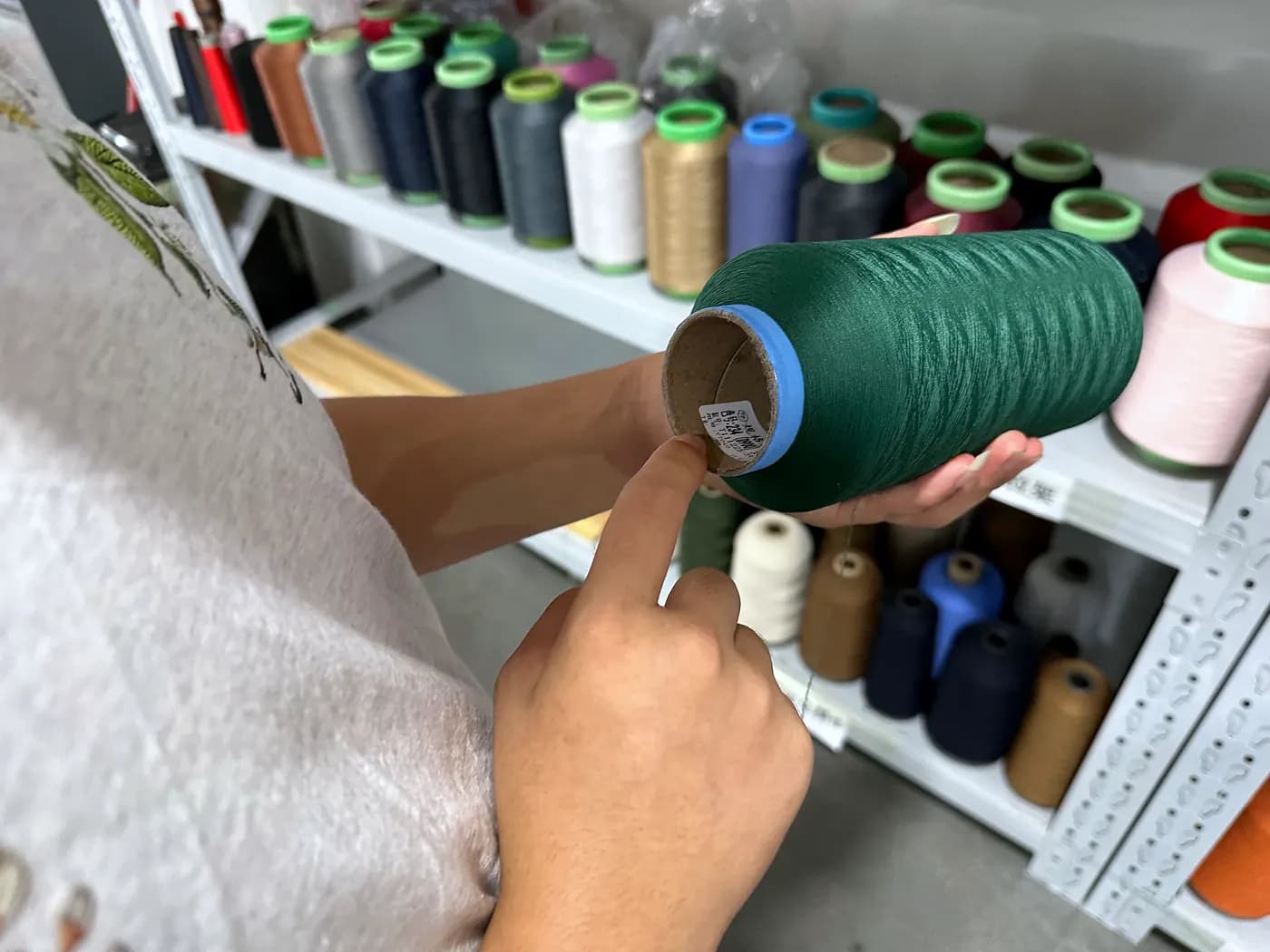
2. Specify certified yarn up front; material claims start at the fibre. See the sustainable and recycled yarn guide and the yarn material guide.
3. Ask your supplier to source certified yarn and to pass through the Transaction Certificates for your order.
4. Keep documentation on file for your retailer or compliance team.
How Licheng supports certification requirements
Licheng Knitwear can source certified yarns (such as recycled or responsible-wool options) and support buyers whose programs require specific standards, working with accredited yarn suppliers so the relevant certificates and transaction documents accompany your order. Certificates themselves are issued per program by accredited certification bodies — we help you specify and document the right ones rather than asking you to take a claim on trust.
If you're planning a real project around any of the points above, we'd be glad to take a quick look. Send a short brief and we'll come back within one business day with a practical direction, MOQ + lead time estimate, and a sample plan if it makes sense.
A Scope Certificate shows that a company is certified for a standard and scope. A Transaction Certificate documents a specific shipment of certified material, and it is what substantiates a claim such as "recycled" or "organic" on your order.
Yes. The Responsible Wool Standard covers animal welfare and land management in the wool supply chain, and it is the standard behind welfare-style claims on wool products.
Better Cotton is a mass-balance sustainable cotton sourcing scheme, usually specified for cotton programmes at a retailer's request.
No. For GRS, RWS and GOTS the claim is valid only if the yarn is certified and the chain-of-custody documentation flows through every link to your order. The knitter specifies and passes through the certificates rather than owning the claim.
OEKO-TEX Standard 100 on the material is a common, practical baseline for chemical-safety reassurance on garments worn against the skin.
We focus on men's sweaters, cardigans, knit jackets, jacquard knitwear and private label knitwear. We support B2B buyers with OEM/ODM development, sampling and bulk production planning.
Ready to Start Your Project?
Get a free catalog or submit an RFQ today. Our team will respond within 24 hours.
MOQ, lead time, cost ranges, gauge selection and QC checkpoints across typical OEM/ODM knitwear programs in NA + EU. Enter your email — we'll send you the report link in 30 seconds.
No spam. Unsubscribe with one reply. We use your email only to send you the report and follow up if you want a sourcing conversation.
Brand names shown are previously serviced OEM/ODM partners. Logos are decorative and do not imply current endorsement.