
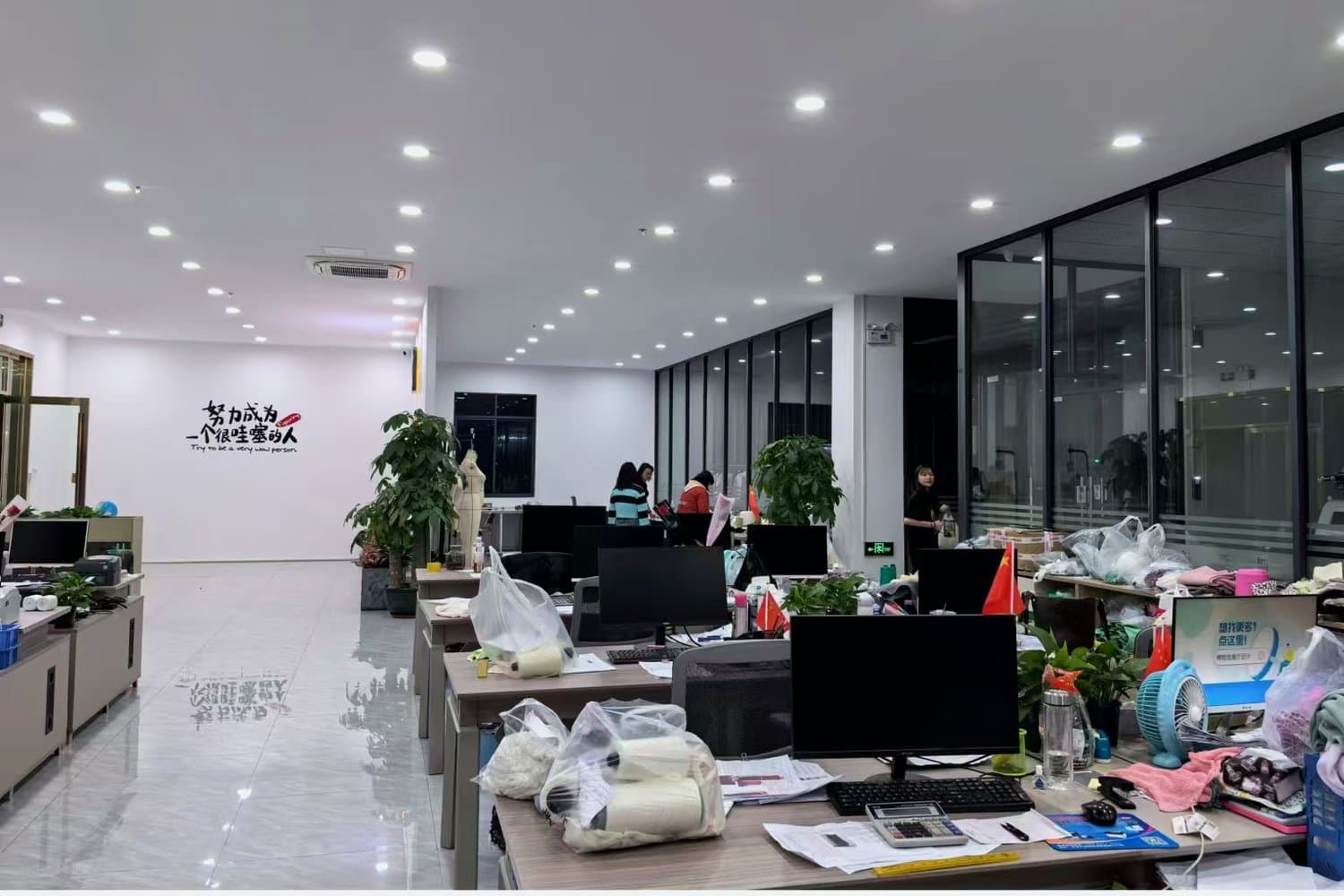
We focus on men's sweaters, cardigans, knit jackets, jacquard knitwear and private label knitwear. We support B2B buyers with OEM/ODM development, sampling and bulk production planning.
Guides for custom knitwear manufacturing, yarn selection, gauge options, quality control, cost planning and tech pack preparation.
Free interactive tool
Build your spec — yarn, gauge, colour, customisation — and instantly see the typical MOQ, sample & bulk timelines and what drives your cost.
Materials
A B2B yarn and material guide for choosing cotton blends, wool blends and synthetic support fibers for custom knitwear.
Read Guide ->Manufacturing
A manufacturing guide comparing fully fashioned knitwear and cut-and-sew knitwear for B2B sweater, cardigan and knit jacket development.
Read Guide ->Craftsmanship
A craftsmanship guide comparing jacquard and intarsia knitwear for brands developing graphic sweaters, pattern cardigans and custom artwork.
Read Guide ->Gauge
A gauge guide explaining how 5GG, 7GG and 12GG affect sweater texture, weight, season, cost and buyer positioning.
Read Guide ->Comparison
Few sourcing terms generate as much buyer-supplier confusion as OEM, ODM, private label and white label. They overlap, they are used interchangeably in supplier emails, and the wrong assumption can mean a brand pays for a custom development they never owned, or expects a custom design when the factory is preparing a generic catalog product. This guide separates the four models clearly: who designs, who owns the intellectual property, who picks the yarn and trims, what each implies for MOQ and lead time, how visible your brand actually is to the end consumer, and which brand stage typically uses each route. It is written from Licheng's perspective as a Dongguan knitwear manufacturer that operates OEM, ODM and private label programs every season, so emerging brand founders can decide which sourcing model fits where they are today.
Read Guide ->Trend
A holiday novelty knit capsule on US or EU shelves for a November 1 launch must leave a Chinese factory by mid-September. That single line is what most brand merchandisers underestimate when they start a fair-isle, gift sweater, or Christmas novelty program in late summer. Holiday knitwear is a calendar problem before it is a design problem: the gauge is usually denser, the colorways are higher, and the patterning takes more development time than a basic crew neck, so sample approval has to land by early July and the bulk PO has to be issued by mid-July to keep August knitting on track. This article walks through the reverse calendar Licheng uses with brands planning a 2027 holiday drop, the failure modes we see most often when POs slip into late August or September, and the honest cost reality of recovering a missed shipment by air. No hype, just the math.
Read Guide ->A guide to children's knitwear manufacturing for B2B brands, covering safety compliance, sizing, material choices and design considerations.
7 min read - Guide
A guide to fall/winter knit jacket development for buyers planning bomber, zip collar or hybrid knit outer-layer styles.
6 min read - Guide
How to develop knit bombers, shackets and knit-outerwear hybrids, covering structure, closures, yarn and positioning for B2B brands.
5 min read - Guide
AW27 women's knitwear from the factory floor: five directions with gauge, yarn booking pressure and published FOB medians. 7GG is the AW workhorse (32 of 65 women's styles); the cashmere base yarn is a $20-per-piece decision; a knit set costs nearly double a knit dress.
8 min read - Guide
A precise read of which EU rules bind a knitwear programme in 2026 and which bind somebody else. The 6 August 2026 REACH formaldehyde date does not apply to consumer knitwear — entry 77 excludes articles covered by entry 72, where the limit is 75 mg/kg and has been since 2020. Plus the ESPR unsold-goods ban (large companies only), the real textile EPR timeline, GPSR, and what is not law at all.
6 min read - Guide
Most sourcing managers learn LCL versus FCL the expensive way: by booking the wrong one on a borderline PO and watching destination charges eat the saving. Knitwear makes the decision trickier than it looks because sweaters cube heavy on volume but weigh almost nothing, so the standard freight-forwarder advice ("under 15 CBM go LCL") needs translating into pieces, cartons, and lead-time tolerance before it means anything on your sheet. This briefing walks through the real math for a typical knitwear PO leaving Yantian or Shenzhen for the US East Coast or Northern Europe. We cover how many sweaters fit per cubic meter in retail-folded poly bags, where the LCL/FCL break-even actually lands once you load destination fees in, what the 5-10 day LCL transit penalty does to your on-shelf date, and the line items forwarders quietly leave off the initial quote. We also look at the secondary costs that don't show up in CBM math: extra handling damage on LCL, demurrage exposure when customs holds your container, and the difference in customs-broker workload between a clean BL and a CFS deconsolidation. By the end you should be able to glance at a quote and a packing list and know within 30 seconds whether you are about to pay too much.
5 min read - Guide
Most first-time apparel brands underestimate two things about a knitwear debut: how many decisions sit upstream of the tech pack, and how unforgiving the calendar gets once dye lots are locked. This composite case study walks through a 30-SKU debut collection launched by a US D2C brand with no in-house tech designer and a tight equity round, sketching out the 90-day timeline that actually worked. We cover the yarn library walk-through that replaced a tech pack in weeks one and two, the ODM development phase where our pattern team carried the load, the PP sample loop, the lab-dip recovery on two darker shades, the boxy jacket that needed re-grading, and the bulk production window that finally shipped on week fourteen. The point is not the brand — names are not used and the pattern is composite, drawn from how repeat-launch clients actually behave. The point is the discipline: locking the color palette before tech-pack iteration, accepting 30-piece MOQ per colorway as a feature rather than a hardship, and learning where to spend revision cycles and where not to. Buyers reading this should come away with a realistic mental model of cost, cadence, and the moments where a founder's instinct to push the timeline costs more than it saves.
7 min read - Guide
Most small and mid-size brands have the same moment of confusion: you pay around 12 dollars for a development sample, then the bulk quote at 500 pieces comes back at around 7 dollars FOB. Your first instinct is suspicion — either the sample was padded or the bulk number is too good to be true. Usually it is neither. Knitwear is unusual among apparel categories because so many of the costs that drive a unit price are one-time setup costs: a yarn dye lot, machine programming, linking calibration, finishing line setup, QC time. When those costs are spread across one piece, you get the sample price. When they are spread across 500, you get the bulk price. This briefing walks through the cost stack honestly. You will see which line items are genuinely fixed, which scale with volume, where the realistic bulk-to-sample ratio sits (55-65 percent for the same SKU), what it means when the gap is wider or narrower than that, and how to negotiate sample charges down without bullying your factory into a number that will haunt the bulk PO. The goal is not to win the sample line — it is to read it correctly so you know what your true landed cost will be and whether the supplier is being straight with you.
6 min read - Guide
Shrinkage is the single most common reason a measurement-spec sweater fails inspection at final QC — and the failure almost always traces back to the sample stage, not the bulk run. Wool felts when scales lock together under moisture, heat, and agitation. Cotton swells in water and contracts as it dries, especially in heavier gauges where yarn tension is high. Both behaviors are predictable, both are controllable in production, and both need to be written into the purchase order before bulk knitting starts. This guide walks a QC lead through the physics of shrinkage in wool and cotton knit structures, the production controls Licheng applies at yarn, panel, and finished-garment stages, the tolerance ranges buyers typically write into POs (commonly 1-3%), and the language to use on the PP sample approval form so bulk shrinkage liability is unambiguous.
7 min read - Guide
We focus on men's sweaters, cardigans, knit jackets, jacquard knitwear and private label knitwear. We support B2B buyers with OEM/ODM development, sampling and bulk production planning.
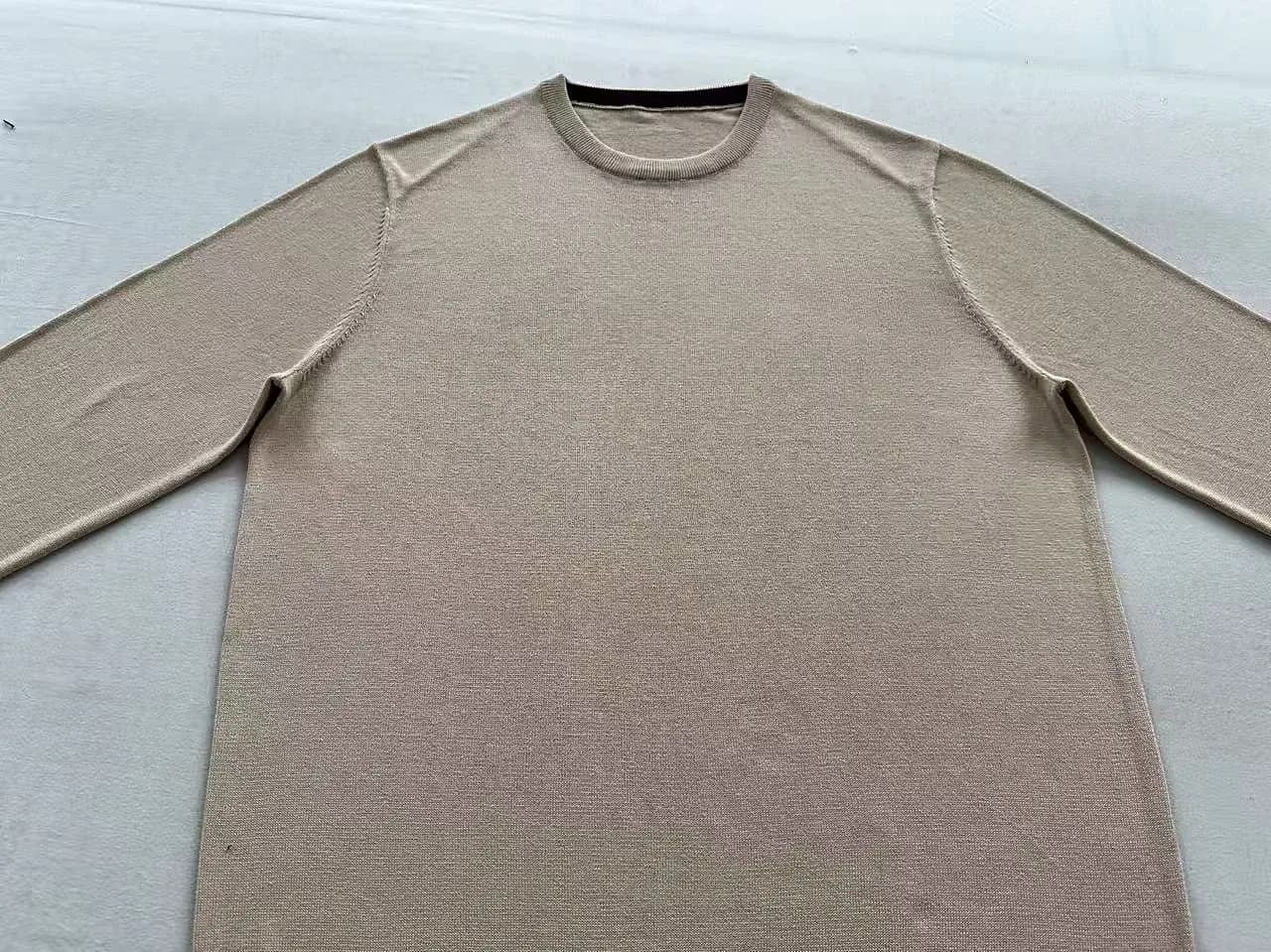
Ready sample styles and selected custom programs can support lower-risk trials before larger seasonal orders.
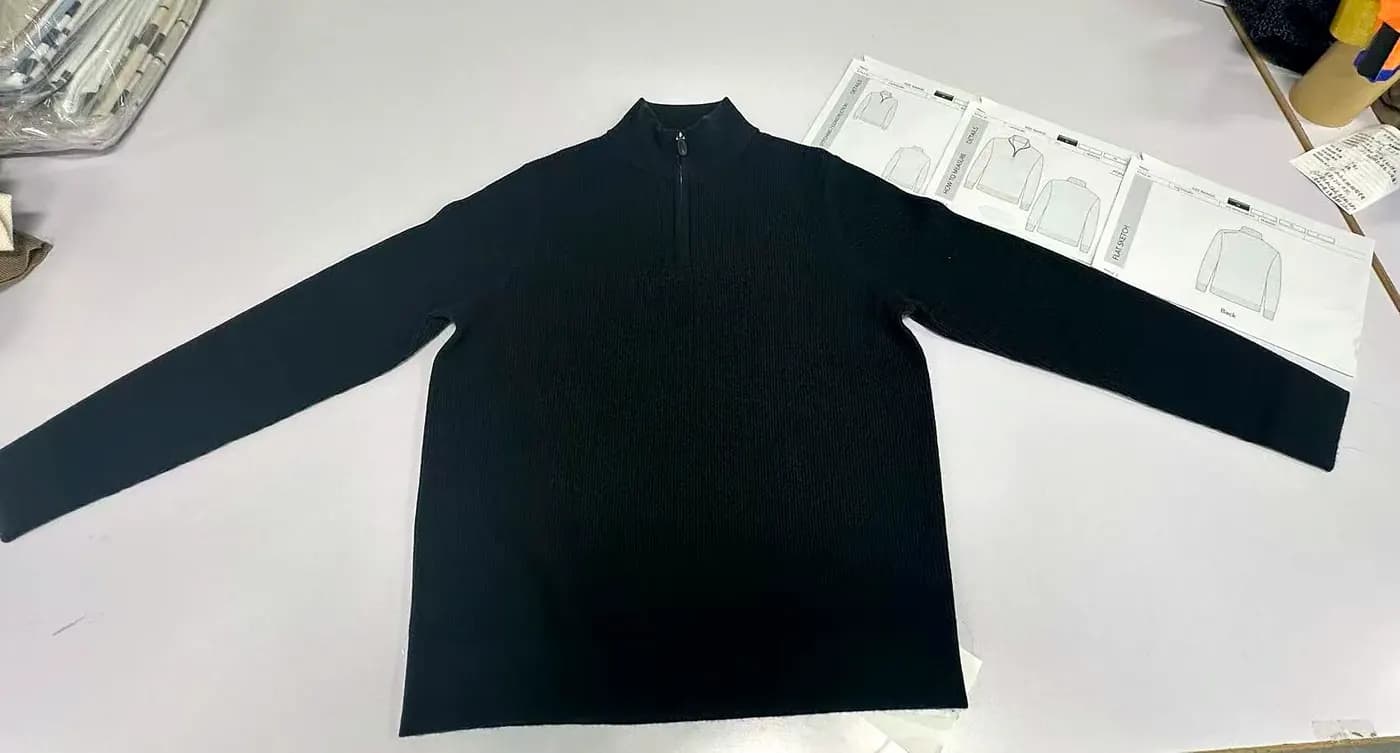
Yes. Brands, including new labels preparing a first collection, can pay for a sample and see it before placing a production order. Two routes: a ready sample of a published style at USD 60 per piece in about 7 days, or a development sample from your tech pack at USD 150 per style, covering yarn sourcing, knit programming, one prototype and one revision round, in 15-25 days. Cashmere and mohair styles are quoted individually and shipping is charged at cost. Production starts only after you approve the physical sample, at our minimum of 30 pieces per colour with sizes mixed inside the 30. A sample does not commit you to a production run; we do not make garments for personal use.
Our sample fee is not refundable. Yarn sourcing, knit programming, machine setup and hand linking cost about the same whether one piece follows or five hundred, which is why the fee exists at all. It is credited against your first bulk order placed within six months of sample approval: 100% of a development sample fee, 50% of a ready sample fee.
Yes, for brands developing a style. One development piece is fine, with no commitment to bulk: a development sample is USD 150 per style and covers yarn sourcing, knit programming, one prototype and one revision round, in 15-25 days (cashmere and mohair are quoted individually). If you then go to production, the minimum is 30 pieces per colour with sizes mixed inside the 30, and the full USD 150 is credited against a first bulk order placed within six months of approving the sample. We do not make garments for personal wear.
Plain and striped styles using the same yarn and colour can be combined toward a minimum of 30 pieces, with mixed sizes. For example, four plain styles of 25 pieces each in the same yarn and colour total 100 pieces and meet that minimum. Different yarns or colours are counted separately. Jacquard and intarsia require 30 pieces per pattern; quantities from different patterns cannot be combined. Send us your styles, yarns, colours and quantities so we can confirm how the minimum applies to your project.
Get a free catalog or submit an RFQ today. Our team will respond within 24 hours.
Cannot find what you need? Our team can create a custom guide or template for your specific project.
Request Custom Resource ->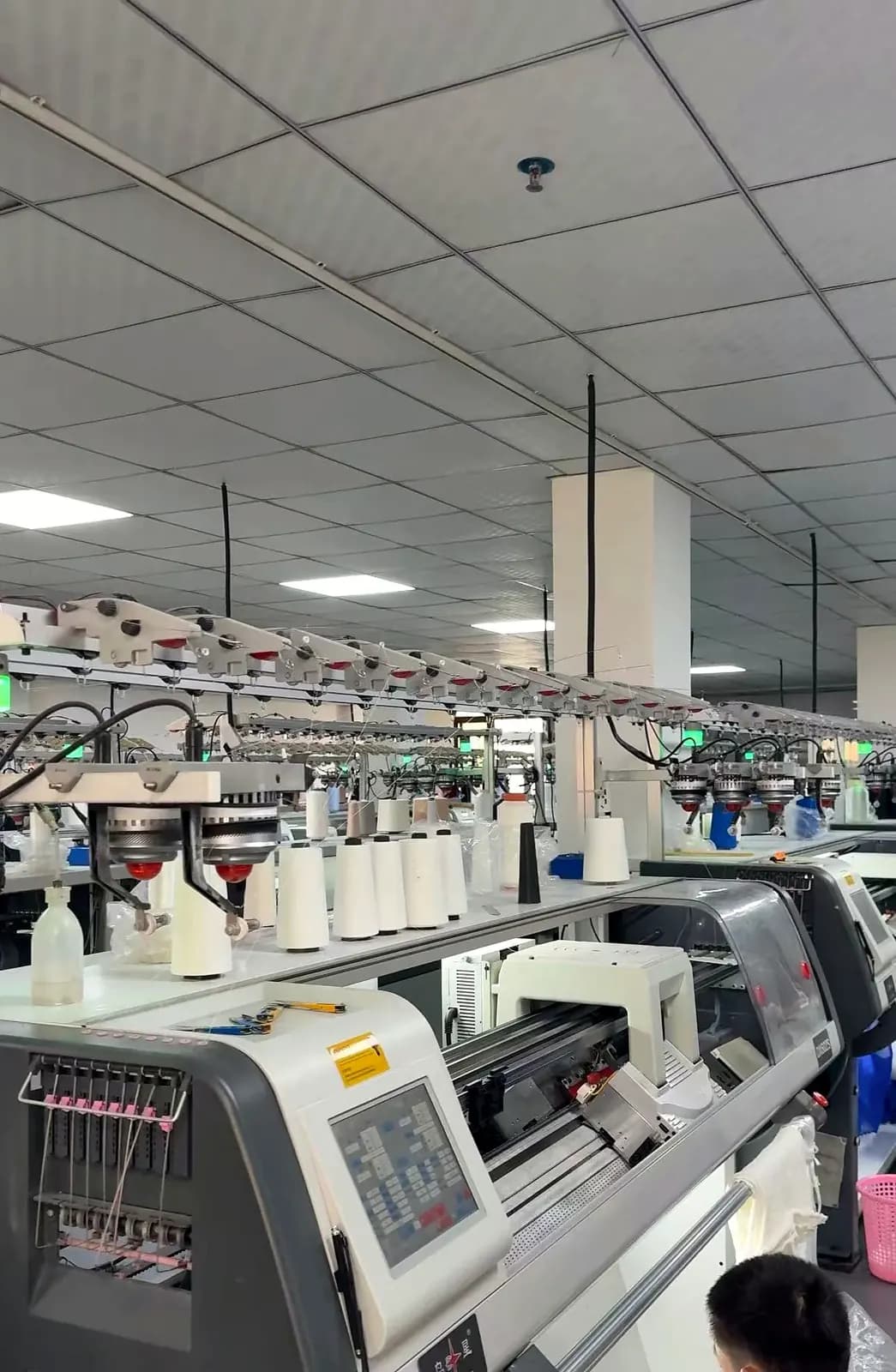

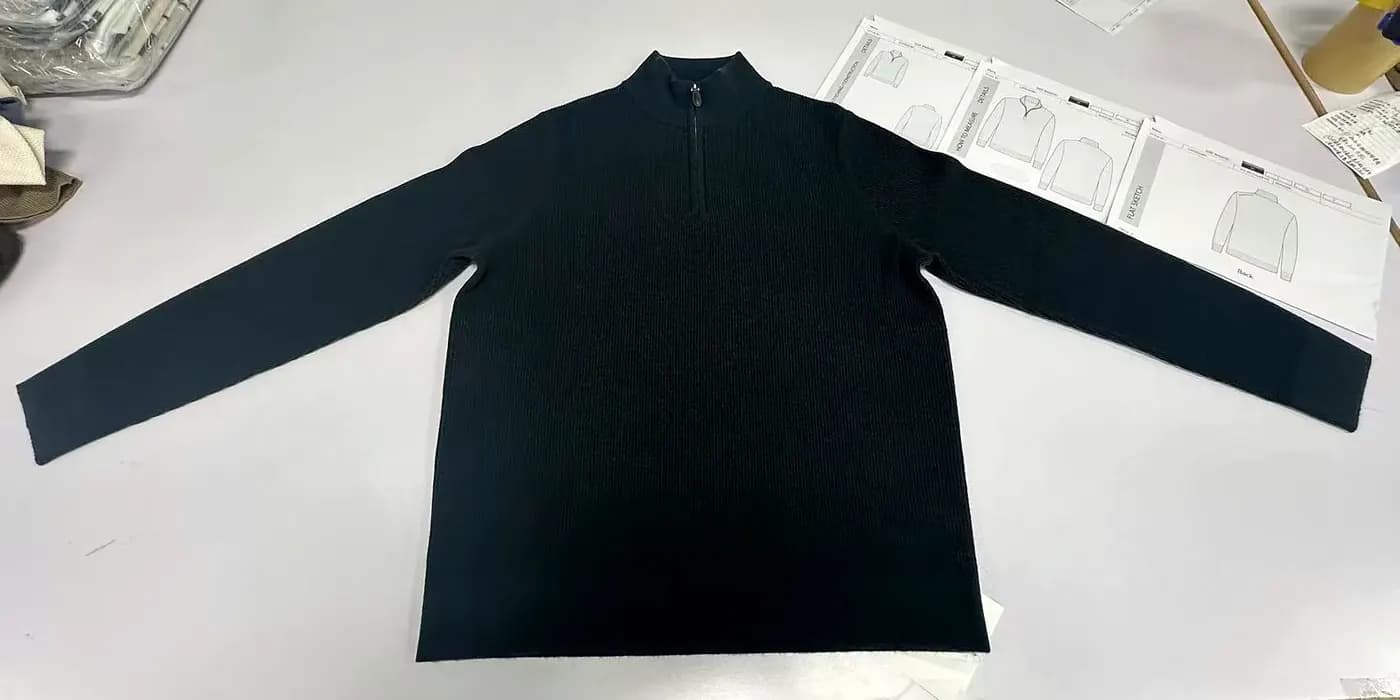
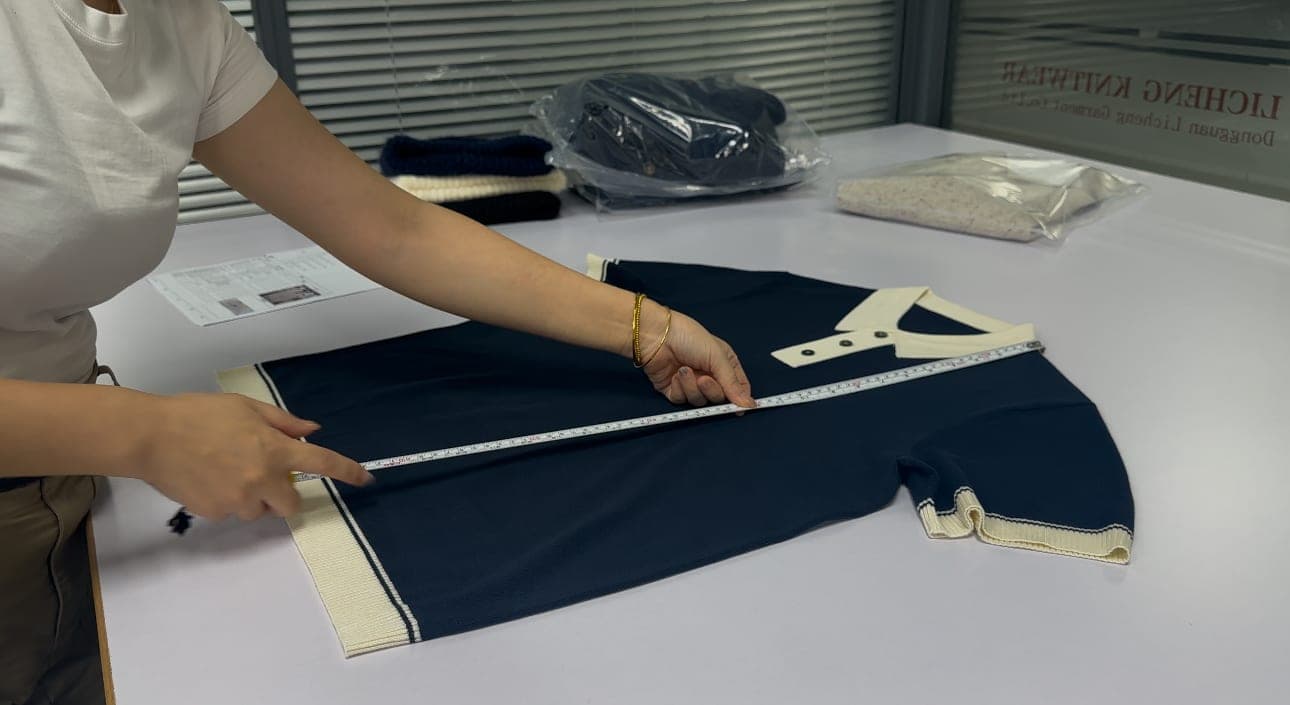
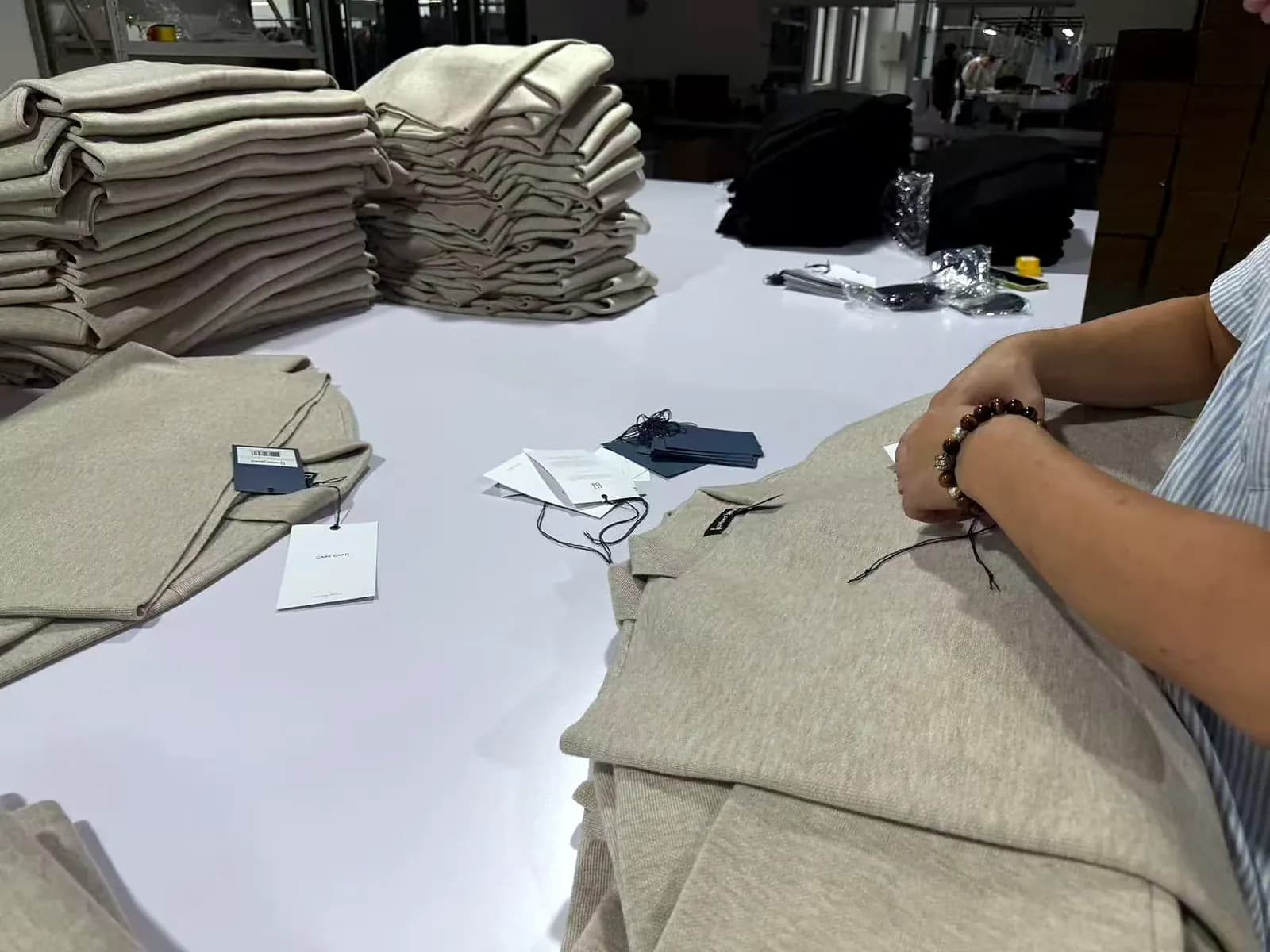
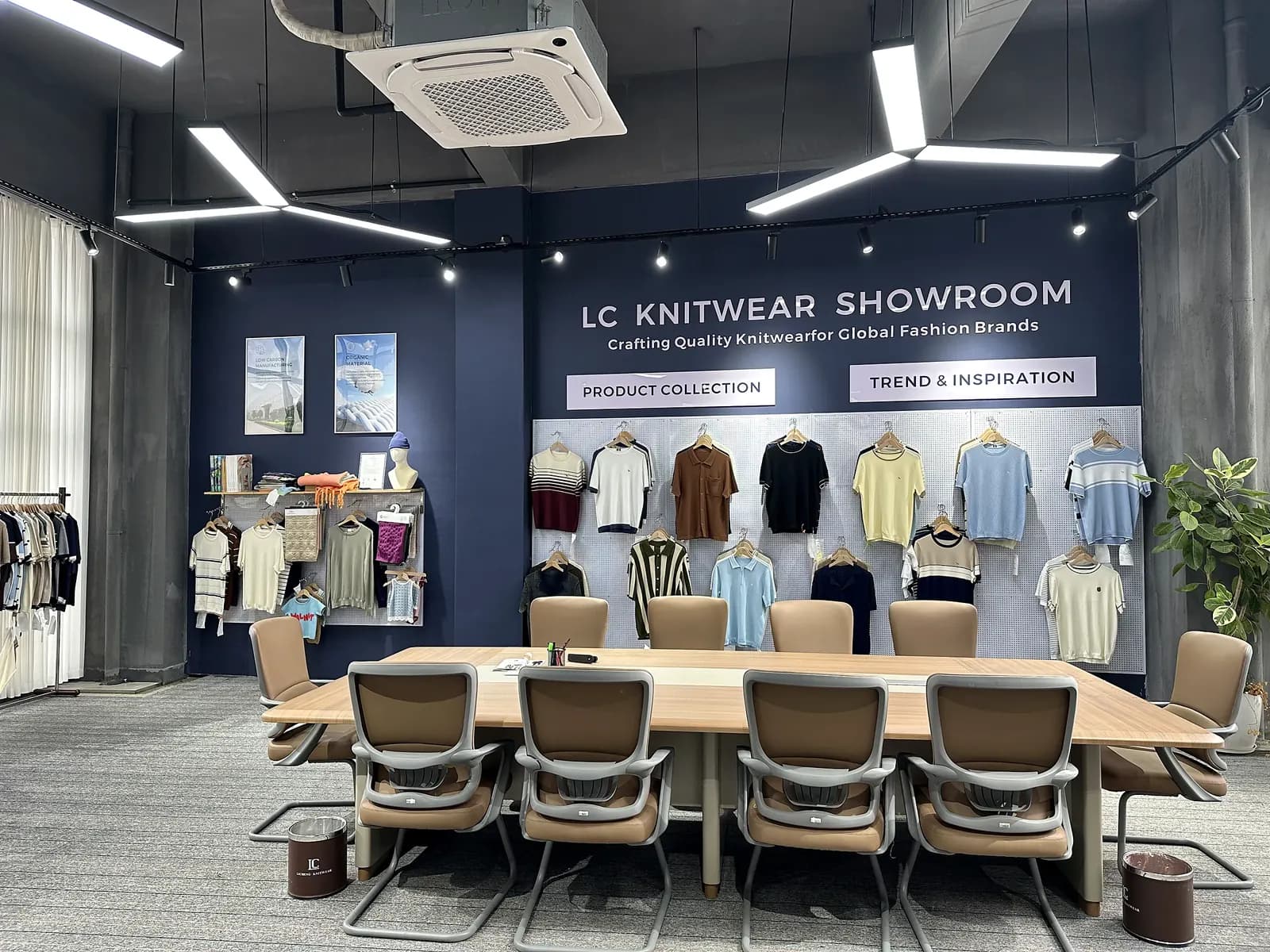
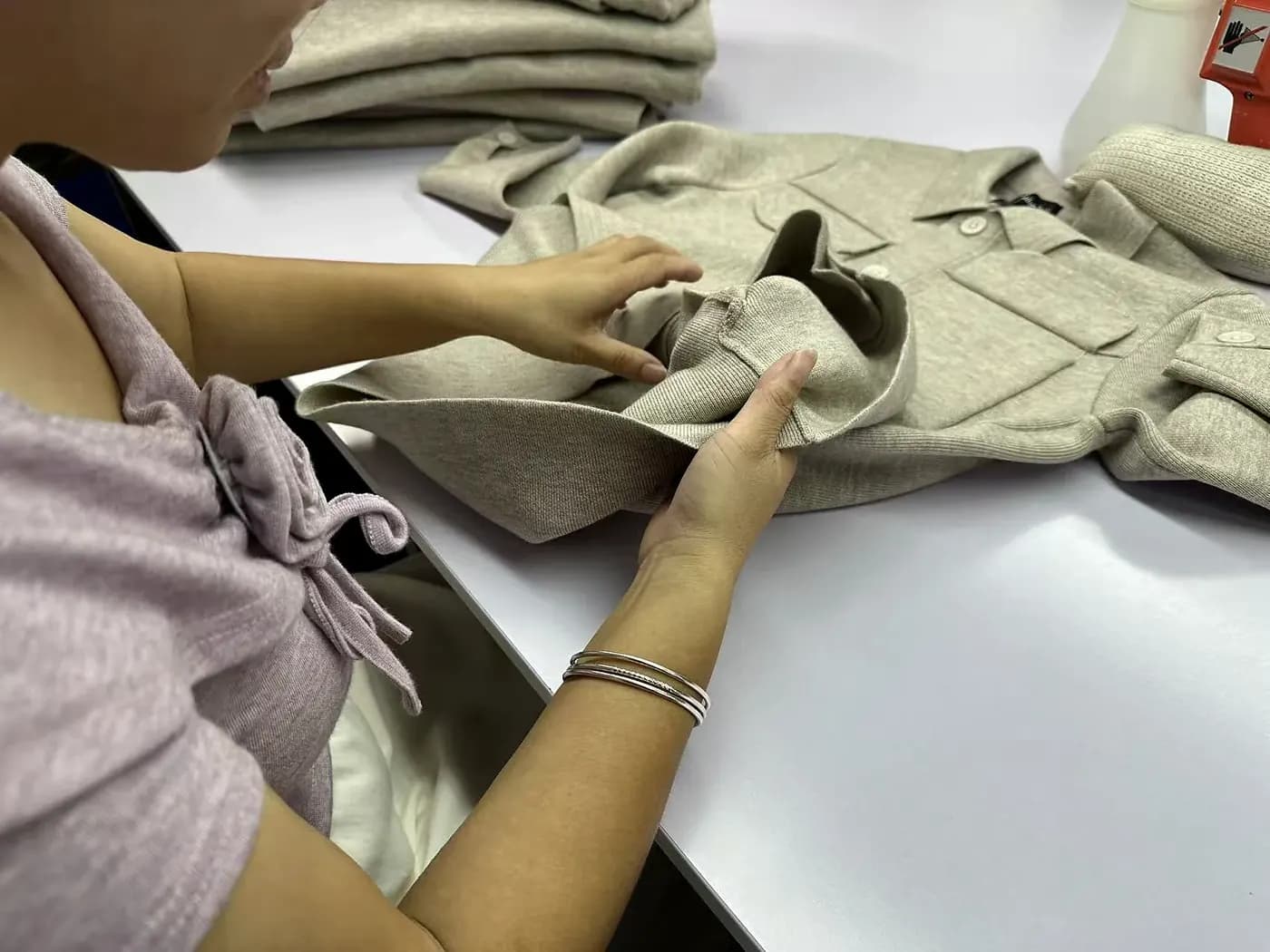
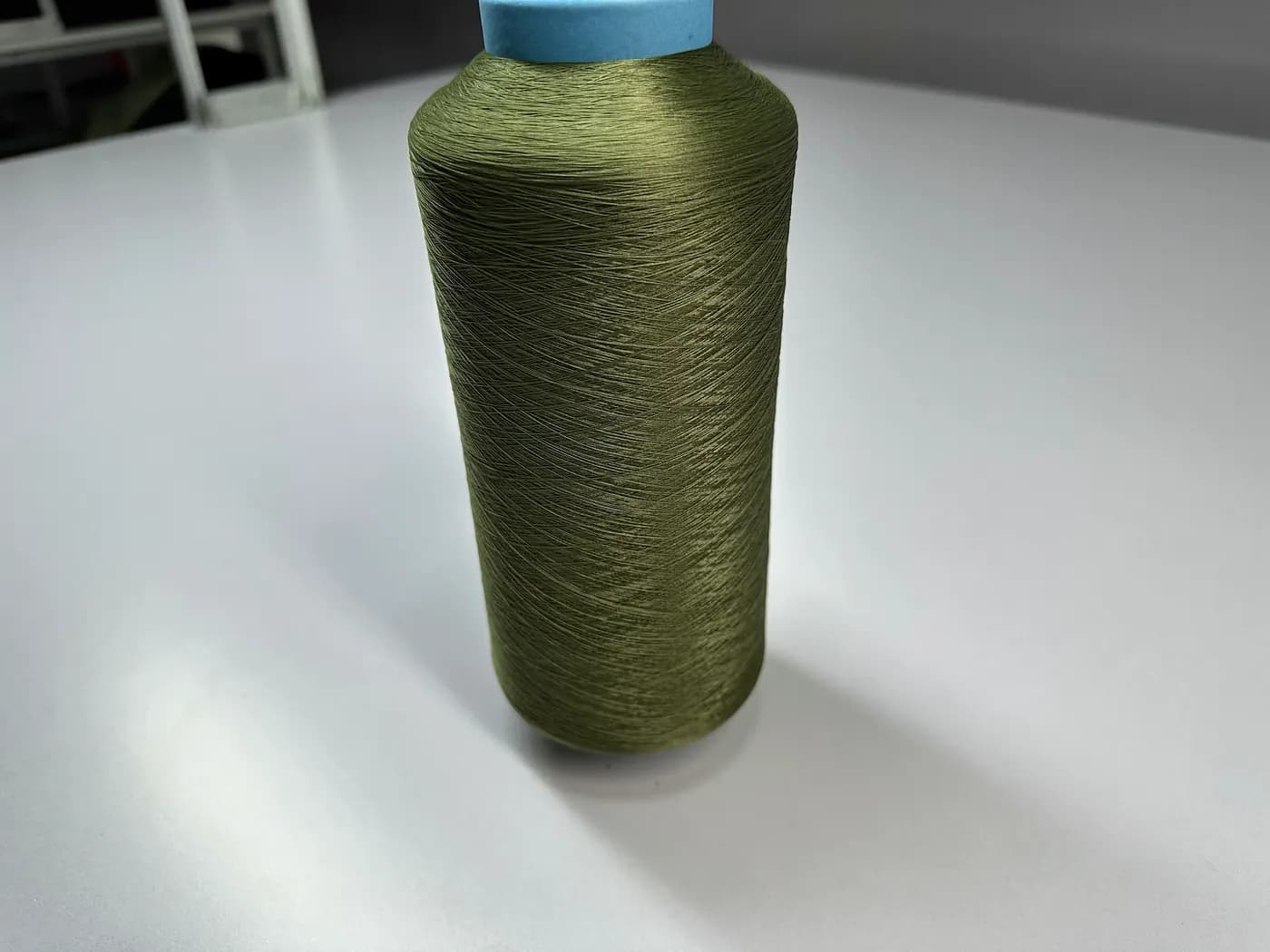

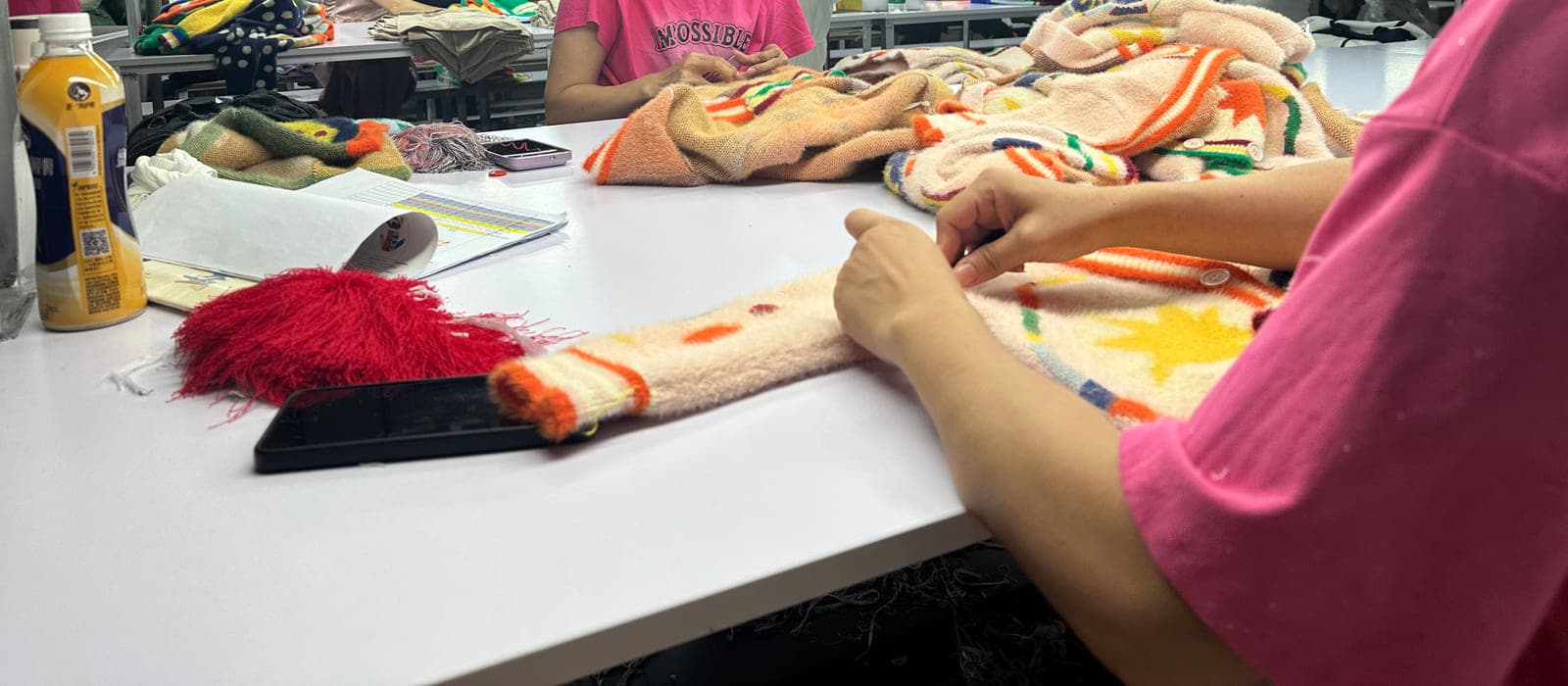
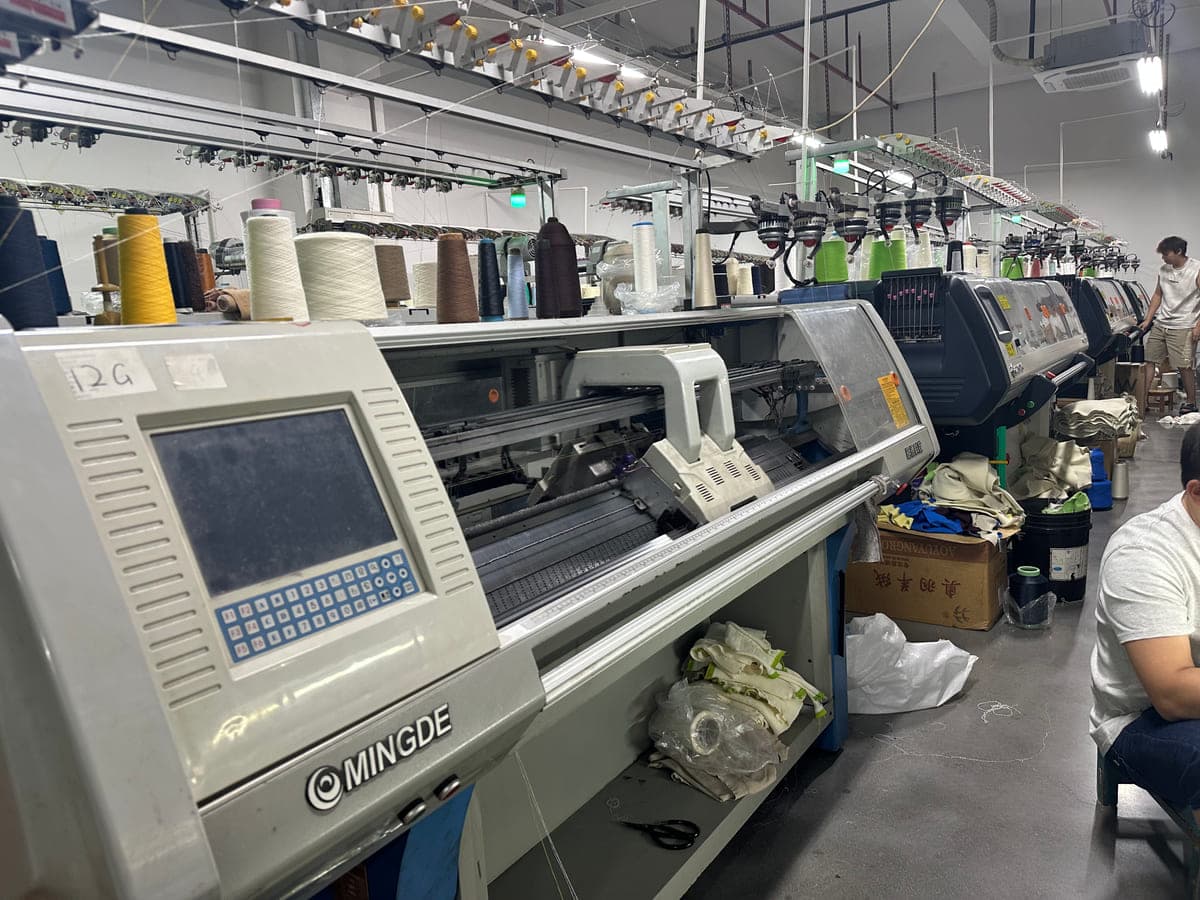
MOQ, lead time, cost ranges, gauge selection and QC checkpoints across typical OEM/ODM knitwear programs in NA + EU. Enter your email — we'll send you the report link in 30 seconds.
No spam. Unsubscribe with one reply. We use your email only to send you the report and follow up if you want a sourcing conversation.









Brand names shown are previously serviced OEM/ODM partners. Logos are decorative and do not imply current endorsement.