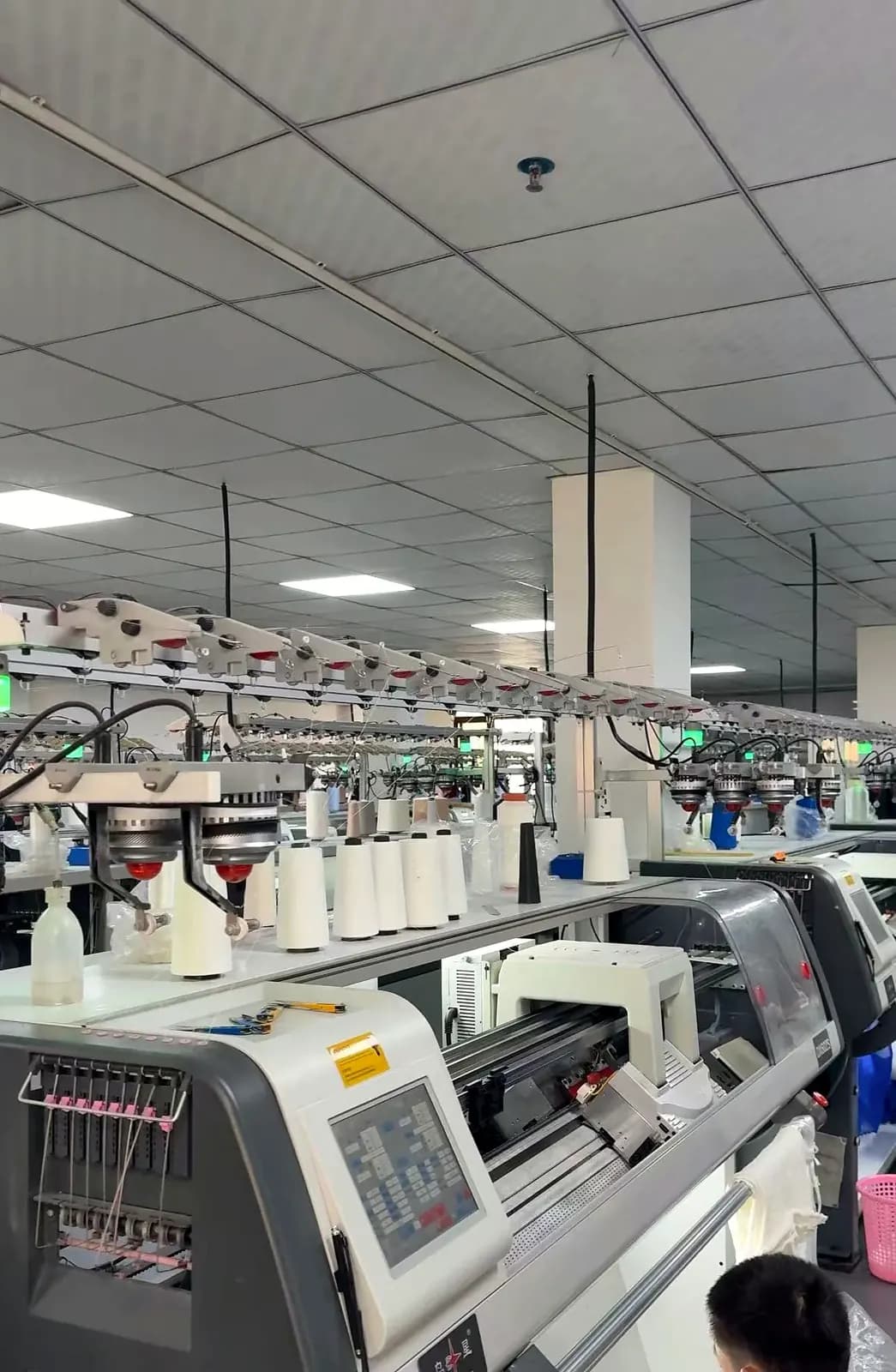
Children's Knitwear Manufacturing Guide
Updated 8/29/202612 min readBy Simon Liu · Licheng Knitwear
A guide to children's knitwear manufacturing for B2B brands, covering safety compliance, sizing, material choices and design considerations.
A guide to children's knitwear manufacturing for B2B brands, covering safety compliance, sizing, material choices and design considerations.
Our team is ready to support your brand from concept to delivery.
Discuss Your ProjectChildren's knitwear is a distinct category with its own rules, especially around safety, that brands cannot simply scale down from adult sweaters. For B2B buyers entering kids' knitwear, understanding sizing, safety compliance and design differences is essential. This guide covers children's knitwear manufacturing for apparel brands.
Children's knitwear is not just smaller knitwear. Safety regulation, sizing and durability all work differently, and getting them wrong carries real liability.
💬 Sourcing this for an upcoming project? Request a free quote → · MOQ 30 pcs · Sample in 15–25 days · WhatsApp us
Beyond size, children's knitwear differs in safety requirements, durability needs (kids are hard on clothes), ease of dressing, and softer fiber demands for sensitive skin. Below the children's size run those demands tighten again: our maternity and baby range is graded 0–24m separately and carries cotton or bamboo on 12 of 18 styles. Each of these shapes design and material choices in ways adult knitwear does not.
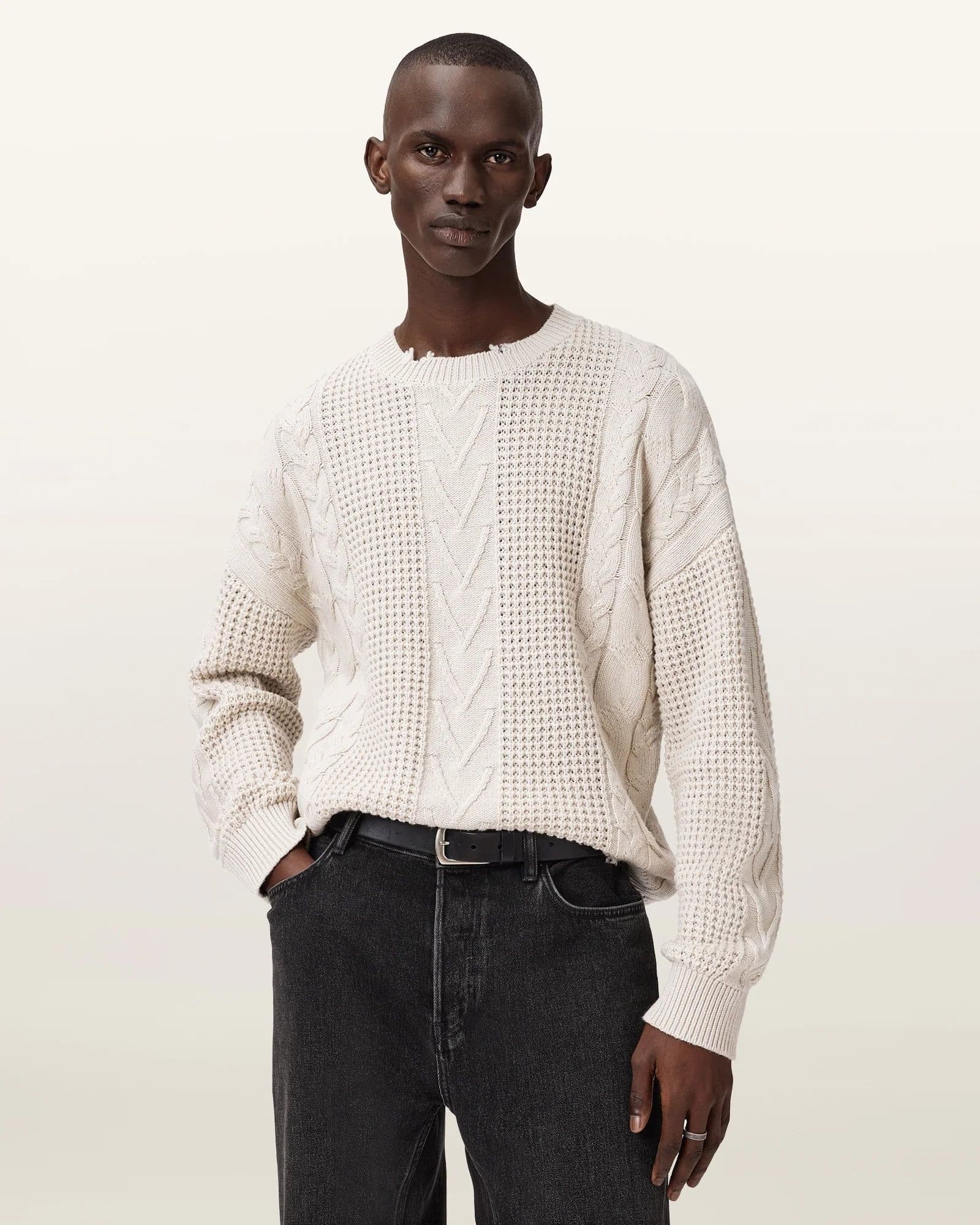
This is the non-negotiable difference. Children's apparel faces strict safety rules that vary by market:
| Market | Key requirements |
|---|---|
| North America | CPSIA: lead/chemical limits, tracking labels; drawstring rules |
| Europe | EN 14682 (cords and drawstrings), REACH chemicals |
| Both | Secure trims (no choking hazards), flammability |
The most cited rules concern drawstrings and cords (a strangulation hazard, heavily restricted on children's necklines and hoods) and small parts like buttons that must be securely attached. Confirm your factory understands and certifies to your market's children's standards before producing, see our market sourcing guide.
Children's sizing is typically by age or height (e.g. 2-3Y, 98-104cm) and varies by market. Allow for growth and ease of movement, and design for easy dressing, wider necklines or shoulder openings for younger ages. Build a proper size spec and grade carefully, see our sizing and grading guide, as kids' grading differs from adults'.
See fiber options in our yarn selection guide.
Choose a factory experienced in children's compliance, not every knitwear maker is. Confirm they can provide the test reports and tracking labels your market requires, and treat safety certification as a gating requirement in your vetting process. The liability of getting children's safety wrong makes this the most important factor.
Construction choices should follow the age band, because a toddler garment and an older-child sweater are effectively different products. Use this as a starting frame and refine against your own fit blocks:
| Age band | Typical sizing | Suggested gauge | Neckline approach | Key safety focus |
|---|---|---|---|---|
| Baby (0–24M) | by month / 56–86cm | 7GG–12GG fine soft knit | envelope shoulder or shoulder snaps | no drawstrings at all, secure trims, soft flat seams |
| Toddler (2–4Y) | 2-3Y, 98-104cm | 5GG–12GG | wide crew or shoulder opening | drawstring restrictions, securely attached buttons |
| Older child (5–12Y) | 110–152cm by height | 3GG–7GG for outerwear weights | standard crew, mock or zip | no neck/hood drawstrings (EN 14682), small-parts pull test |
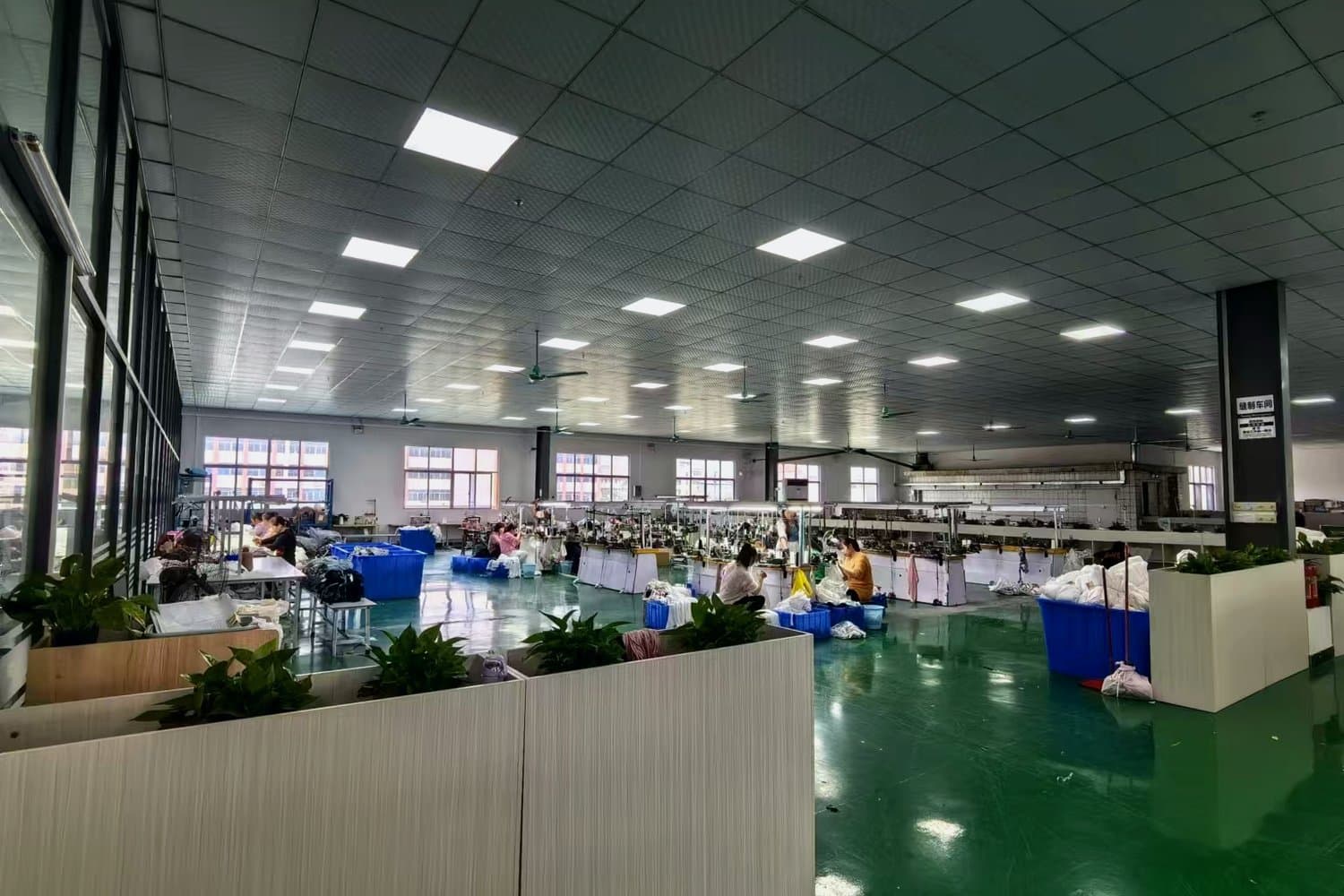
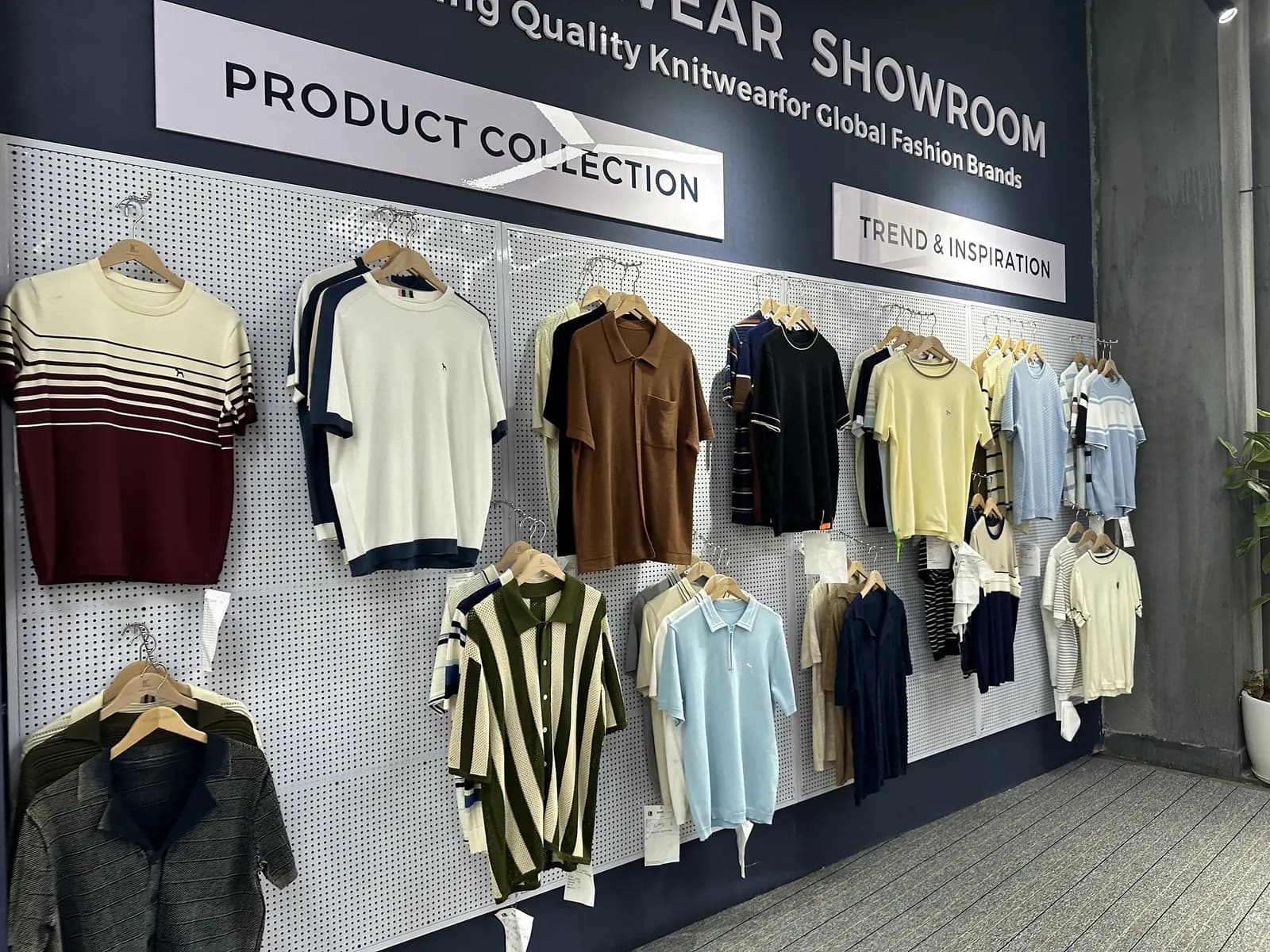
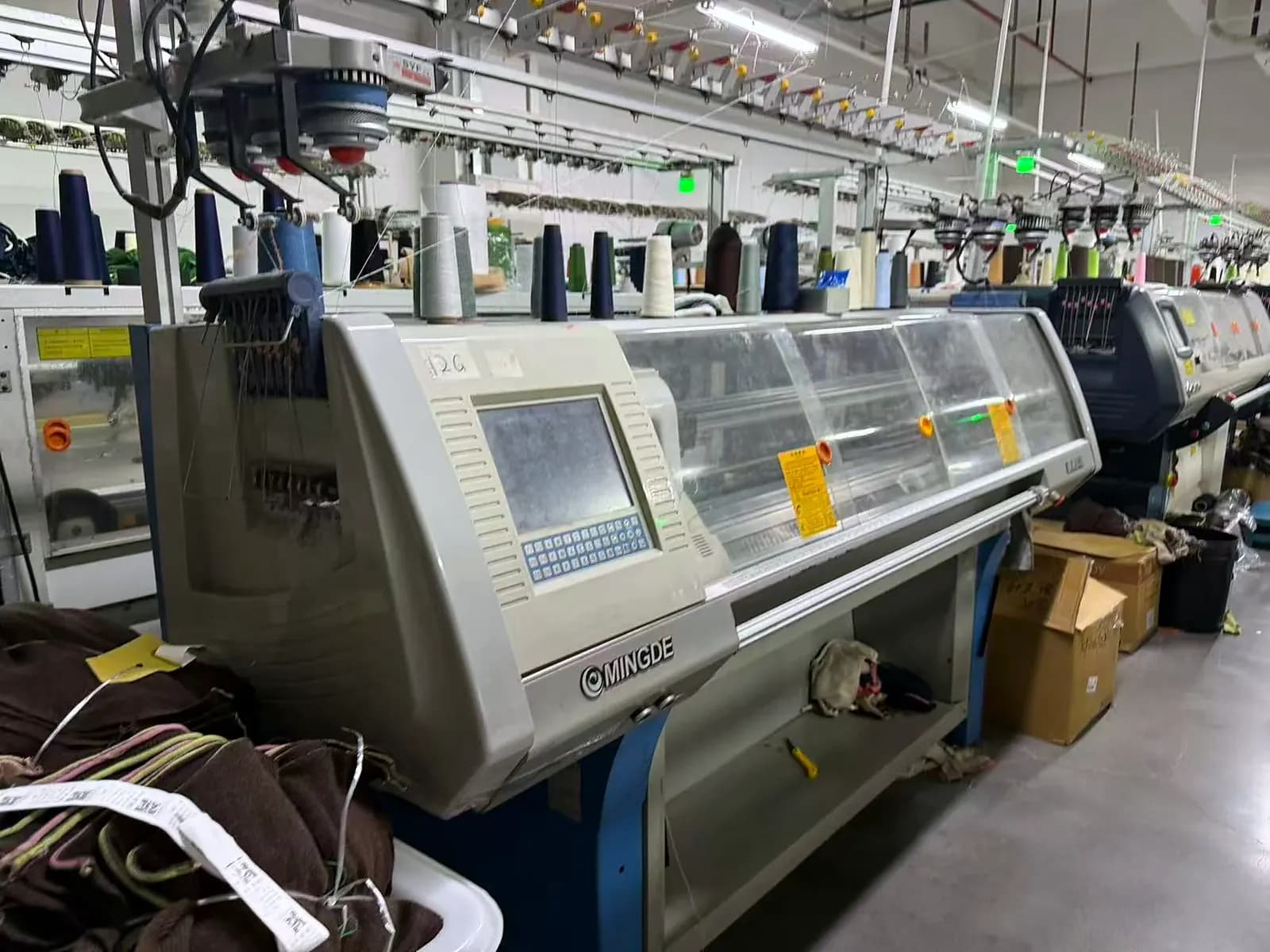
We knit children's ranges across our full 3GG–18GG capability, and pair the gauge to softness and warmth rather than defaulting to the finest or chunkiest yarn. Cotton, fine merino and soft acrylic or recycled blends carry most kids' programs; for a recycled-content story, our GRS (Global Recycled Standard) certification covers traceability, and OEKO-TEX Standard 100 addresses the chemical-safety question parents care about most. ISO 9001 governs the quality system behind consistent grading and finishing. The published kids' range is 18 styles graded Newborn-12y, with cotton in 11 of them.
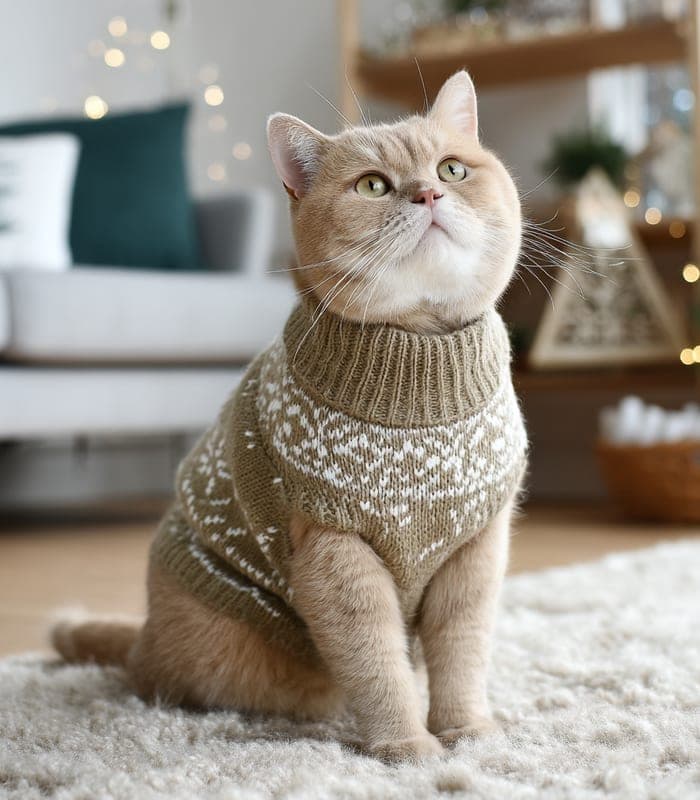
A brand briefs a 4-color toddler crewneck (2-6Y) in 100% combed cotton, wide ribbed neckline, no drawstrings, with embroidered chest motif instead of appliqué.
A short pre-production checklist keeps these programs clean: confirmed size spec and grade, sealed sample, market test reports, tracking-label artwork, secure-trim sign-off, and a care/wash label that matches the fiber.
What is the minimum order quantity for a children's knitwear program? Our MOQ starts at 30 pieces, which lets new kids' brands launch a single style or pilot one color before committing to a full size run.
Which certifications matter most for children's knitwear? For kids' programs, OEKO-TEX Standard 100 covers chemical safety, GRS covers recycled-content claims, and ISO 9001 underpins consistent quality; market safety rules like CPSIA or EN 14682 are confirmed per order on top of these.
How long does it take to develop and produce a kids' style? Plan for 15–25 days to sample and 30–45 days for bulk after the sealed sample and safety test plan are approved, with extra lead time if you need third-party test reports for your destination market.
Licheng Knitwear develops children's knitwear with attention to safety compliance, soft durable yarns and market-appropriate sizing. Browse our products or request a quote.
---
If you're planning a real project around any of the points above, we'd be glad to take a quick look. Send a short brief and we'll come back within one business day with a practical direction, MOQ + lead time estimate, and a sample plan if it makes sense.
→ Request a free quote · WhatsApp us · info@lcgarment.cn
Kids' sweaters, cardigans, hoodies and sets, with child-safe trims and compliant labelling, in soft yarns and your colours and branding.
Yes - markets like the US (CPSIA) and EU have child-safety requirements on trims, drawcords and labelling. We produce to the applicable standards.
From 30 pieces per colour, samples 15-25 days, bulk 30-45 days.
We focus on men's sweaters, cardigans, knit jackets, jacquard knitwear and private label knitwear. We support B2B buyers with OEM/ODM development, sampling and bulk production planning.
Ready sample styles and selected custom programs can support lower-risk trials before larger seasonal orders.
Yes. Brands, including new labels preparing a first collection, can pay for a sample and see it before placing a production order. Two routes: a ready sample of a published style at USD 60 per piece in about 7 days, or a development sample from your tech pack at USD 150 per style, covering yarn sourcing, knit programming, one prototype and one revision round, in 15-25 days. Cashmere and mohair styles are quoted individually and shipping is charged at cost. Production starts only after you approve the physical sample, at our minimum of 30 pieces per colour with sizes mixed inside the 30. A sample does not commit you to a production run; we do not make garments for personal use.
Get a free catalog or submit an RFQ today. Our team will respond within 24 hours.
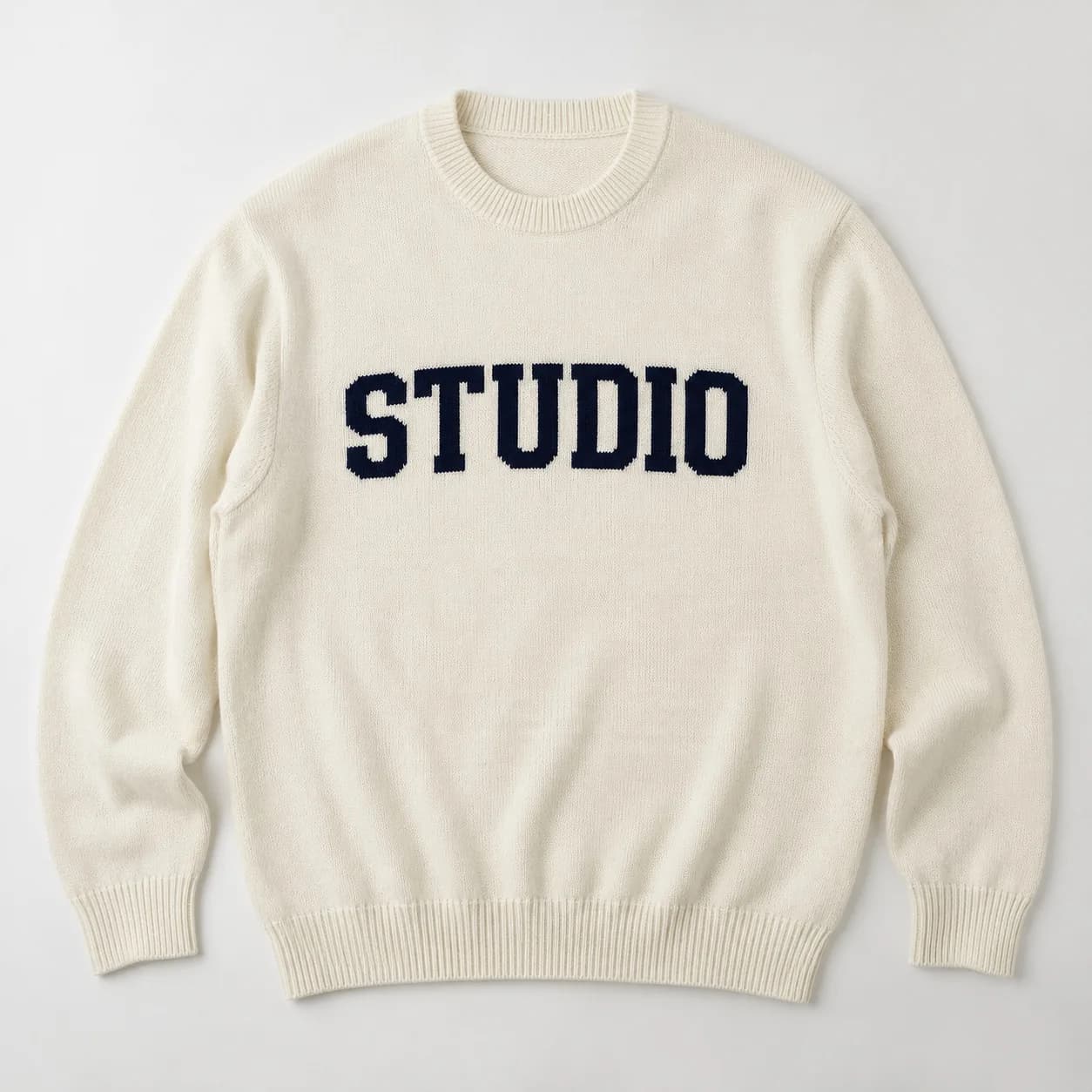
Men's Sweaters
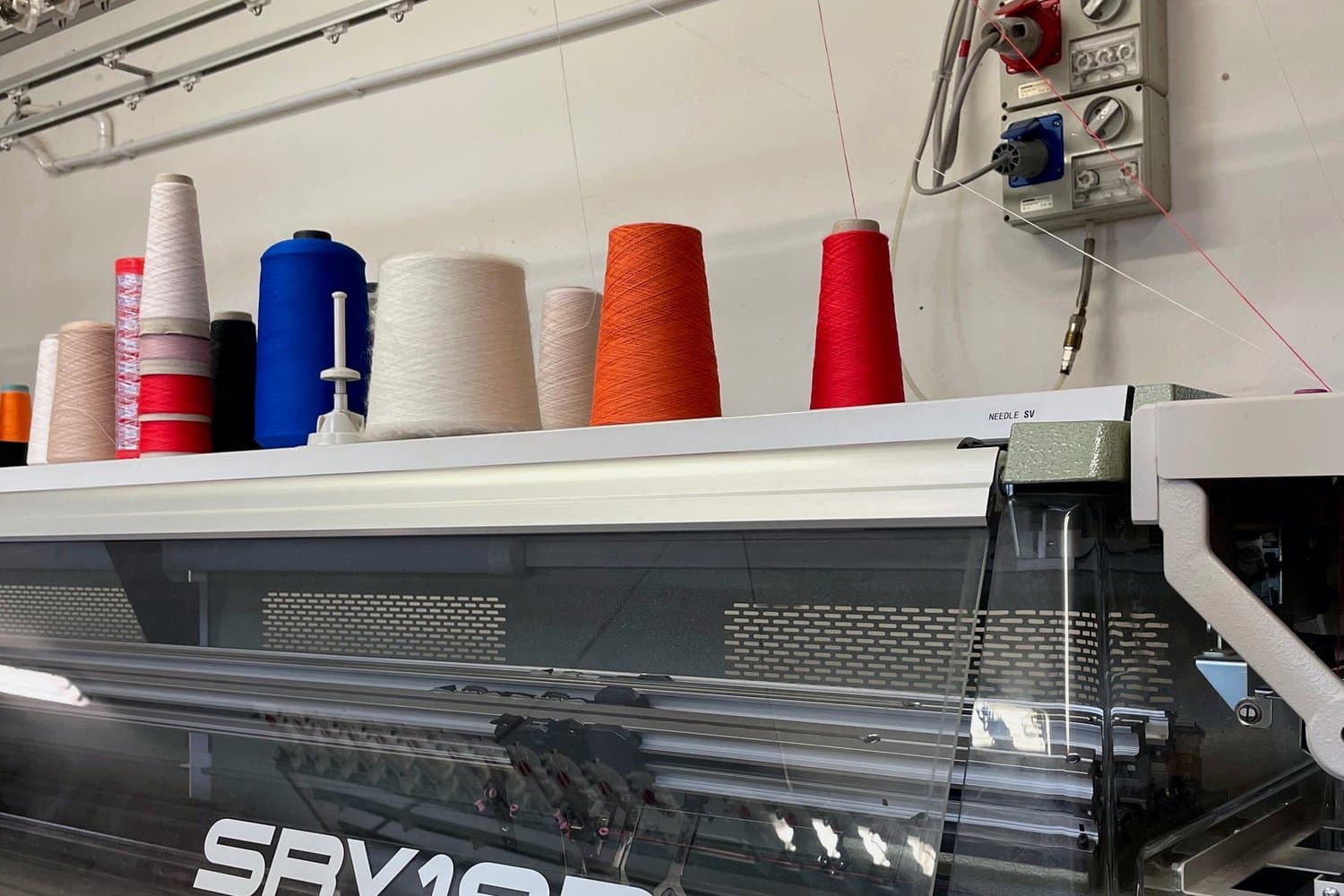
MOQ, lead time, cost ranges, gauge selection and QC checkpoints across typical OEM/ODM knitwear programs in NA + EU. Enter your email — we'll send you the report link in 30 seconds.
No spam. Unsubscribe with one reply. We use your email only to send you the report and follow up if you want a sourcing conversation.
Brand names shown are previously serviced OEM/ODM partners. Logos are decorative and do not imply current endorsement.