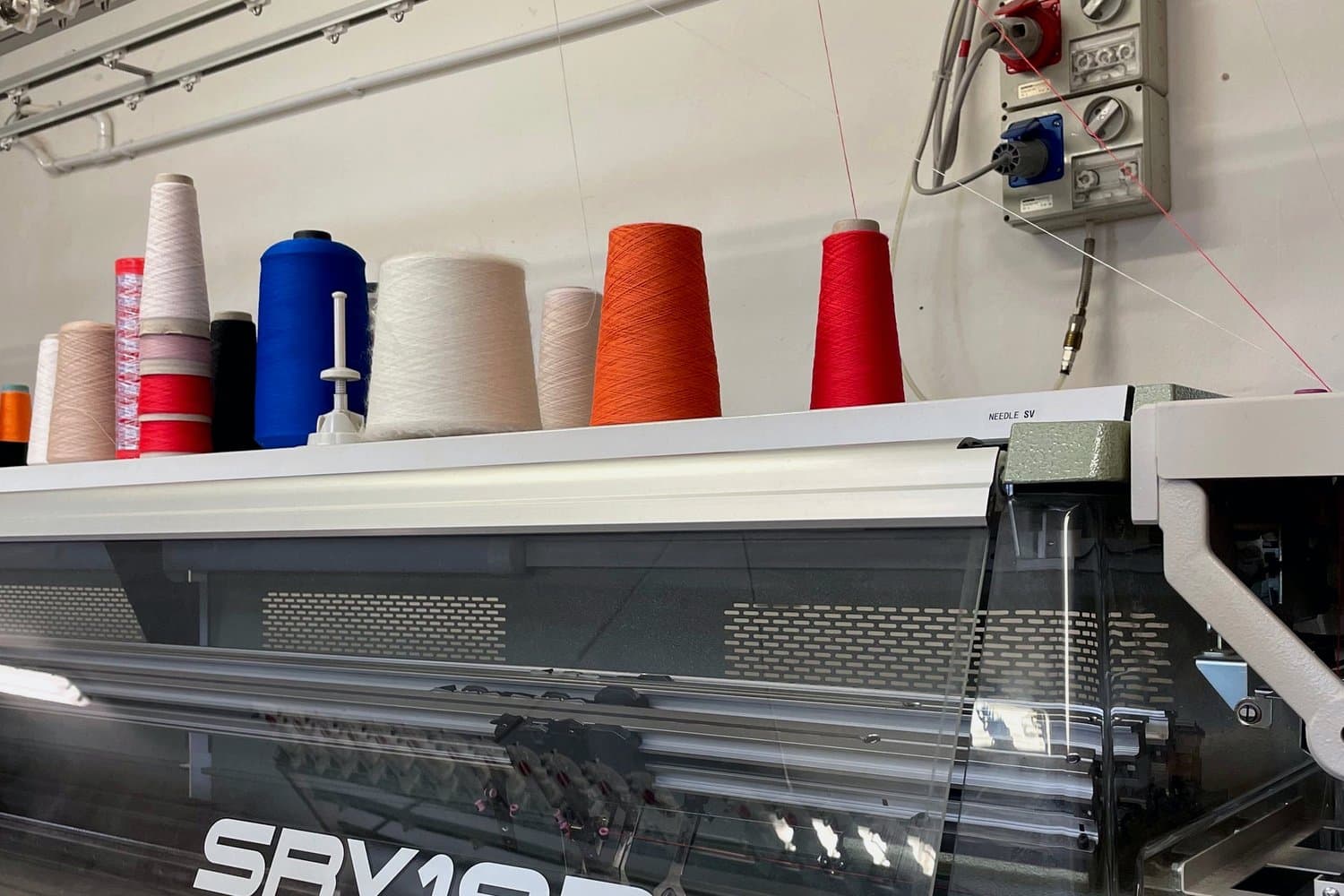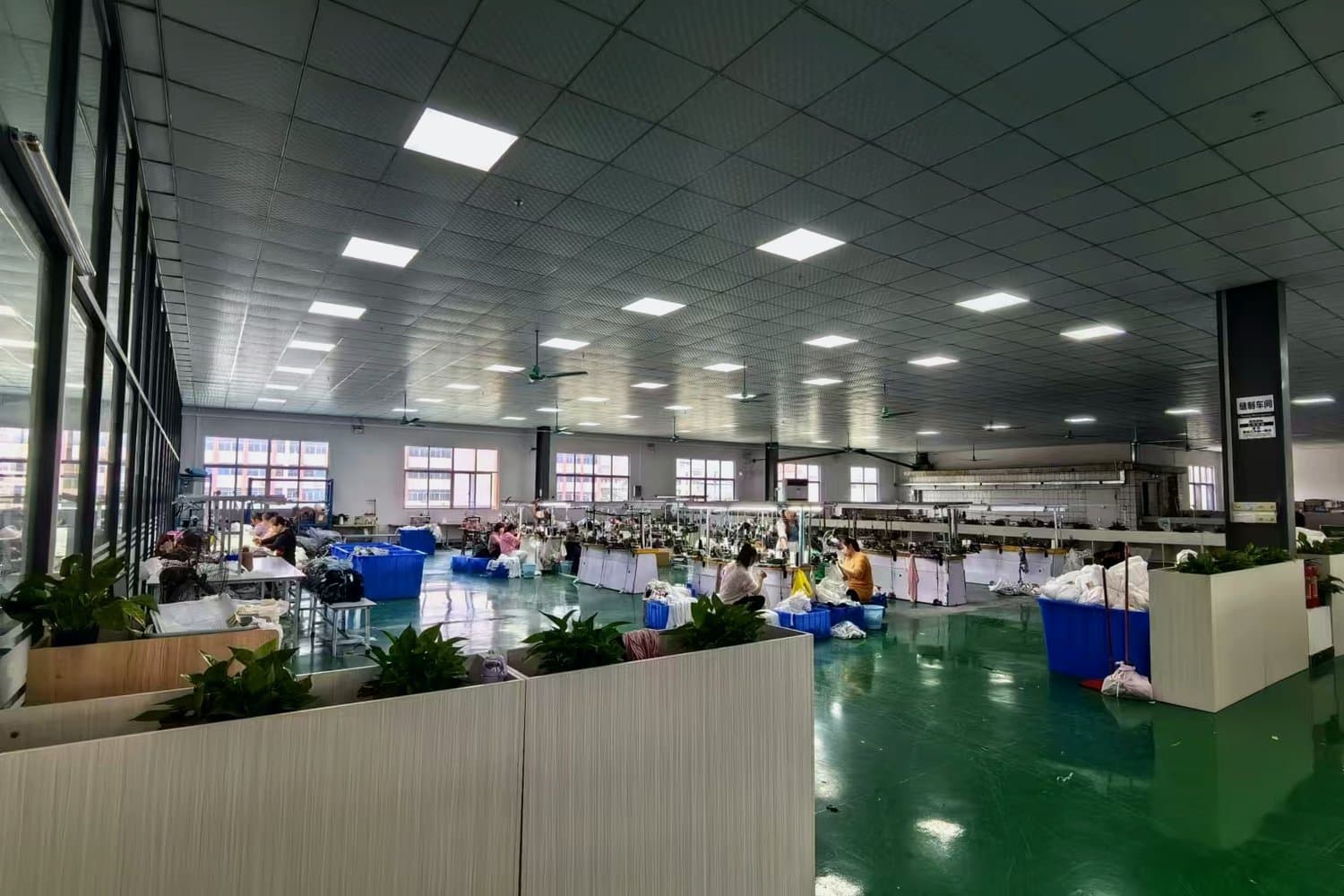
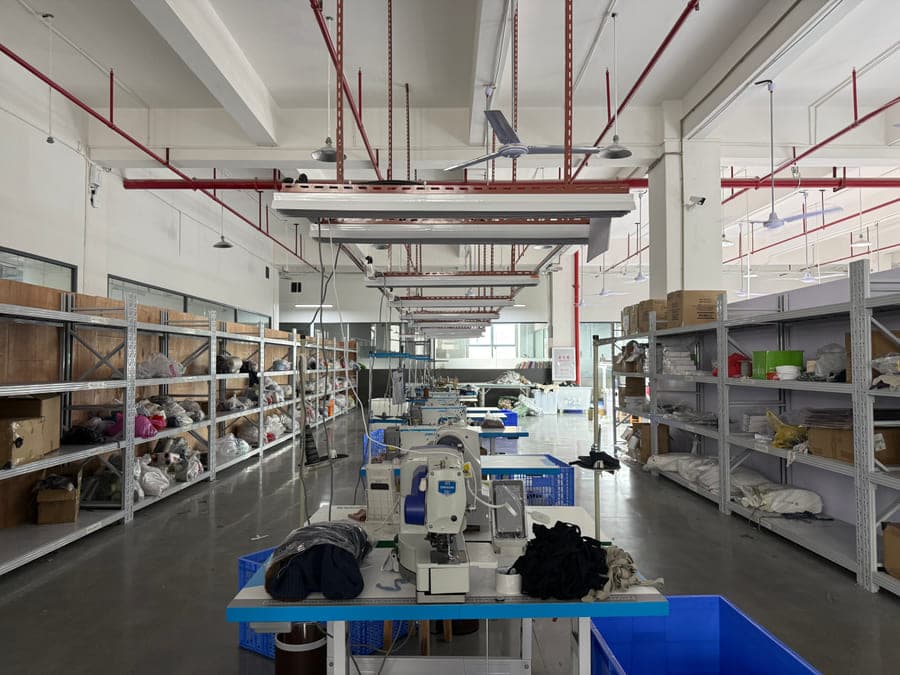
We focus on men's sweaters, cardigans, knit jackets, jacquard knitwear and private label knitwear. We support B2B buyers with OEM/ODM development, sampling and bulk production planning.
Guides for custom knitwear manufacturing, yarn selection, gauge options, quality control, cost planning and tech pack preparation.
Gauge
A gauge guide explaining how 5GG, 7GG and 12GG affect sweater texture, weight, season, cost and buyer positioning.
Read Guide ->Production Planning
How to plan knitwear production around Fall/Winter and Spring/Summer launch windows, working backward through lead times to hit your season on time.
Read Guide ->Manufacturing
An honest comparison of China, Vietnam and Bangladesh for sweater and cardigan production — gauge range, yarn access, MOQ, lead time, complexity and total cost — to match the right country to your product and volume.
Read Guide ->Materials
A buyer's guide to the certifications that matter in knitwear — OEKO-TEX, RWS, GRS, GOTS and BCI — what each one certifies, when you actually need it, and how chain-of-custody and transaction certificates prove a material claim.
Read Guide ->Quality
Stop bulk arriving a shade off. A practical guide to knitwear color approval — from Pantone reference to lab dips to consistent bulk — covering metamerism, dye-lot tolerance, fastness and how to sign color off so delivered sweaters match.
Read Guide ->Market
Germany remains one of Europe's most disciplined knitwear sourcing markets. Buyers here expect tight spec adherence, predictable lead times, clean documentation, and yarns that perform through long autumn-winter selling windows. This guide is written from our position as a Dongguan-based custom knitwear manufacturer working with German menswear and lifestyle brands. We cover what drives the procurement calendar, where sample and bulk timelines realistically land, what MOQ a mid-sized German label can plan against, which gauges and yarns we see specified most often for the DACH market, how quality control and compliance documentation are typically structured, and how logistics, payment, and Incoterms tend to be negotiated on FOB China terms. The aim is a working reference a sourcing manager can take into the next supplier review.
Read Guide ->UK private-label brand owners planning autumn/winter knit collections in 2026 face a different commercial reality than they did pre-Brexit. Duty calculations, REACH compliance, port congestion at Felixstowe and the steady consolidation of UK independents have all reshaped how British buyers structure their knitwear programmes. This guide is written from our position as a Dongguan-based manufacturer that ships regularly into the UK market. It covers the MOQ, sample lead time, bulk lead time, yarn and gauge directions, quality control and logistics realities we see week to week when quoting and producing for UK brands. The intention is practical: by the end you should be able to walk into a quotation conversation with realistic expectations, ask the right questions on Incoterms and payment, and plan your AW26 calendar backwards with confidence.
7 min read - Guide
Nordic outdoor and lifestyle brands occupy a distinctive corner of the knitwear market. The product has to perform in genuinely cold, damp weather, the buyer is design-literate and unwilling to compromise on hand-feel, and the commercial culture leans toward fewer suppliers and longer relationships. At Licheng we have shipped winter wool blend programs into Sweden, the wider Nordic region and adjacent markets, and the questions Nordic procurement teams ask us are not the same questions we get from North American or Southern European brands. This guide walks through the cold-weather specifications that actually matter when sourcing knitwear for Nordic distribution — gauge, yarn architecture, finishing, sample and bulk lead times, MOQ, quality control and the freight and Incoterms detail that decides whether your FW collection lands on time.
6 min read - Guide
Learn to read a sweater quote line by line — yarn, knitting, linking, trims, overhead and margin — plus Incoterms, what's not included, and the red flags that separate a real quote from a number designed to win the order.
5 min read - Guide
A practical, end-to-end playbook for DTC and startup brands sourcing their first sweaters — defining the product, setting a realistic MOQ and budget, vetting a factory, sampling, timelines and the mistakes first-time buyers make.
8 min read - Guide
FOB is not your real cost. Learn what landed cost includes for imported knitwear — freight, import duty, customs fees and inland delivery — how to estimate it before ordering, and why per-unit cost falls with volume.
6 min read - Guide
A complete RFQ gets accurate, comparable knitwear quotes the first time. Learn exactly what to include — gauge, yarn, quantity, colours, Incoterm, dates — how an RFQ differs from a tech pack, plus a copy-ready template.
5 min read - Guide
FOB unit price is the headline number on every sweater quotation, but it is rarely the number a finance partner ends up writing into the cost-of-goods column. By the time the cartons leave the factory and clear the destination port, a small brand placing its first knit order has usually paid for a dozen line items that were never broken out at quotation stage — lab dips, sample charges, dye-house minimums, trim development, freight surcharges, demurrage, FX drift. This guide walks through twelve of the most common hidden costs we see buyers absorb during a custom sweater program, with typical USD impact ranges, which party usually pays, and the negotiation language that locks the number down before purchase order release. It is written for the finance partner at a small brand budgeting a first knit program, but the same checklist works for buying teams renegotiating an existing supplier.
7 min read - Guide
Brands with public sustainability targets need knitwear suppliers who can act on those targets at the PO level — not just nod along in a deck. The problem is that most of the carbon-reduction conversation in apparel sits at a glossy marketing altitude, where claims outrun data. This guide steps down to the buyer's actual tool kit: six concrete levers — yarn choice, gauge, dye method, packaging, freight mode, and durability — where the decision sits on a line in your tech pack or purchase order. For each lever, we give a realistic impact range drawn from published industry datasets, the certification or measurement that makes the claim defensible, and the exact language to put on the PO. Where the data is thin, we say so. The goal is a program your sustainability team can defend internally and externally, not a press release.
6 min read - Guide
Pilling is the single most common consumer complaint a QC lead hears about knitwear, and most of the root causes are locked in long before bulk knitting starts. This guide breaks down what pilling actually is — short fibres migrating to the garment surface and tangling under friction — and walks through the levers that decide whether a sweater shrugs off abrasion or balls up after three wears. We cover fibre length and yarn twist at the spinning stage, mill processes such as combing and gas singeing, finishing options including anti-pill chemistry and brushing direction, and the practical Martindale and ICI pillbox tests buyers can specify at the sample stage. Written for QC leads tired of post-sale returns, it is a buying and approval guide, not a marketing pitch.
7 min read - Guide
We focus on men's sweaters, cardigans, knit jackets, jacquard knitwear and private label knitwear. We support B2B buyers with OEM/ODM development, sampling and bulk production planning.
Ready sample styles and selected custom programs can support lower-risk trials before larger seasonal orders.
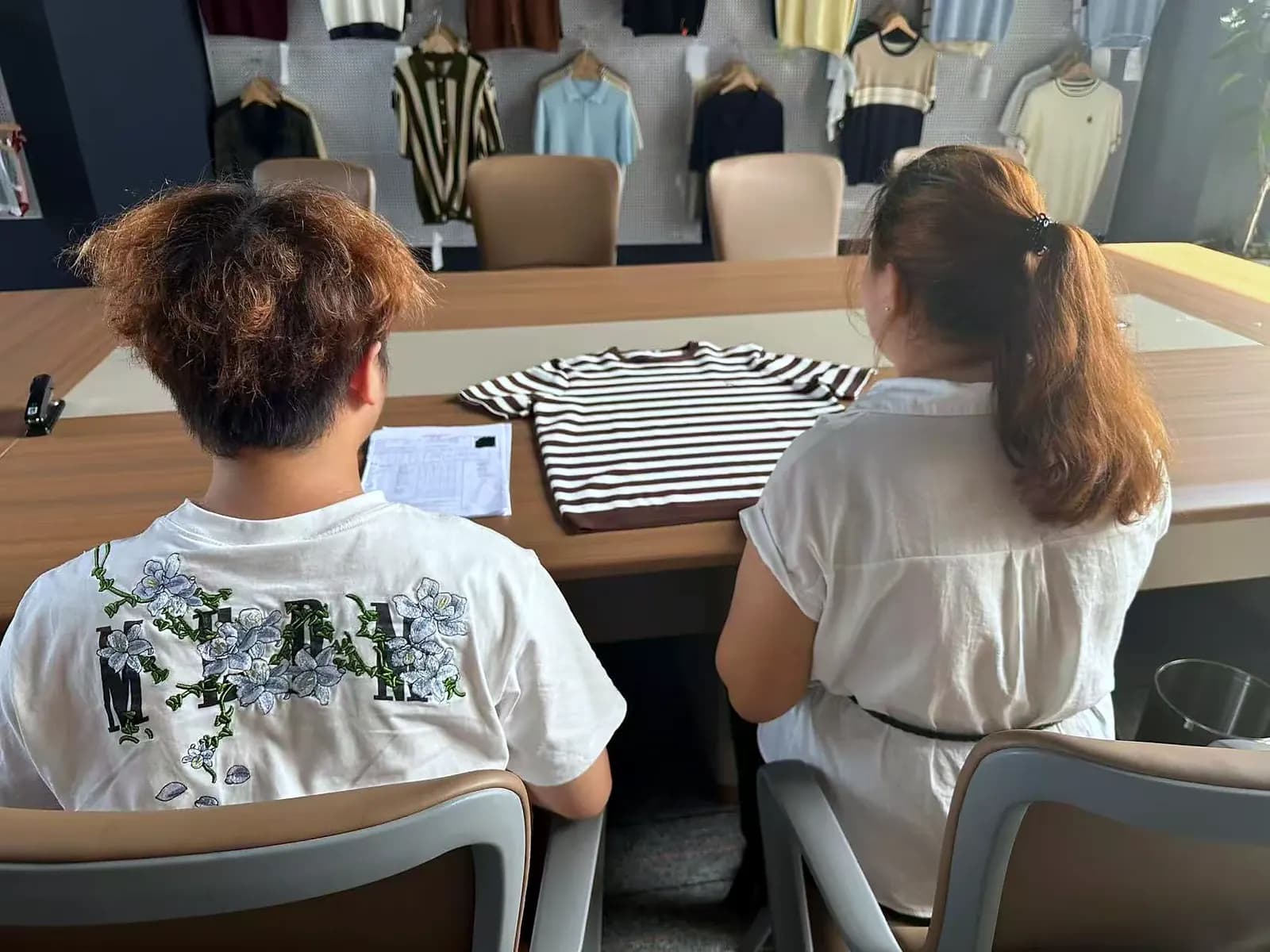
Yes. Brands, including new labels preparing a first collection, can pay for a sample and see it before placing a production order. Two routes: a ready sample of a published style at USD 60 per piece in about 7 days, or a development sample from your tech pack at USD 150 per style, covering yarn sourcing, knit programming, one prototype and one revision round, in 15-25 days. Cashmere and mohair styles are quoted individually and shipping is charged at cost. Production starts only after you approve the physical sample, at our minimum of 50 pieces per colour with sizes mixed inside the 50. A sample does not commit you to a production run; we do not make garments for personal use.
Our sample fee is not refundable. Yarn sourcing, knit programming, machine setup and hand linking cost about the same whether one piece follows or five hundred, which is why the fee exists at all. It is credited against your first bulk order placed within six months of sample approval: 100% of a development sample fee, 50% of a ready sample fee.
Yes, for brands developing a style. One development piece is fine, with no commitment to bulk: a development sample is USD 150 per style and covers yarn sourcing, knit programming, one prototype and one revision round, in 15-25 days (cashmere and mohair are quoted individually). If you then go to production, the minimum is 50 pieces per colour with sizes mixed inside the 50, and the full USD 150 is credited against a first bulk order placed within six months of approving the sample. We do not make garments for personal wear.
Plain and striped styles using the same yarn and colour can be combined toward a minimum of 50 pieces, with mixed sizes. For example, four plain styles of 25 pieces each in the same yarn and colour total 100 pieces and meet that minimum. Different yarns or colours are counted separately. Jacquard and intarsia require 50 pieces per pattern; quantities from different patterns cannot be combined. Send us your styles, yarns, colours and quantities so we can confirm how the minimum applies to your project.
Get a free catalog or submit an RFQ today. Our team will respond within 24 hours.
Cannot find what you need? Our team can create a custom guide or template for your specific project.
Request Custom Resource ->
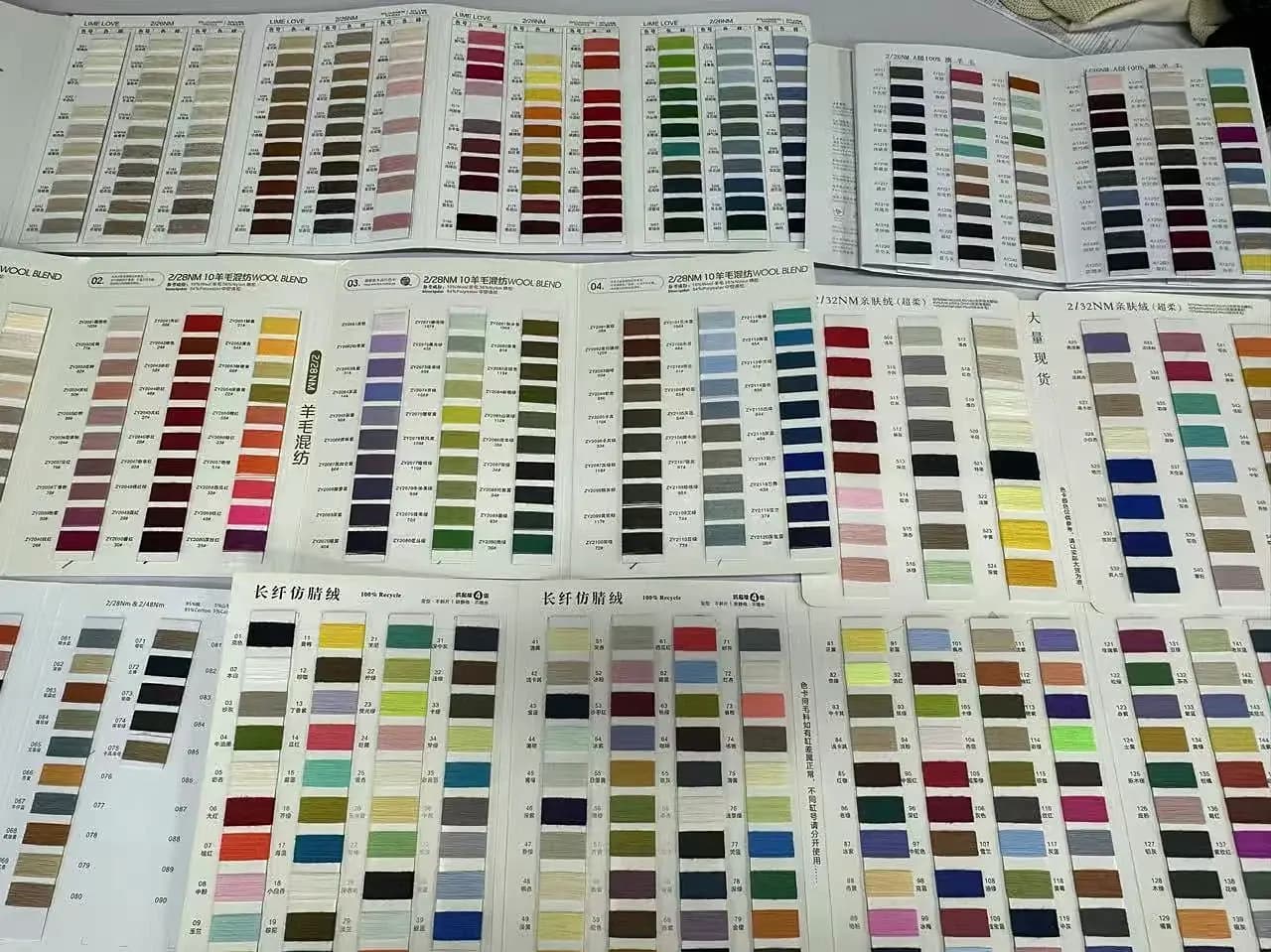
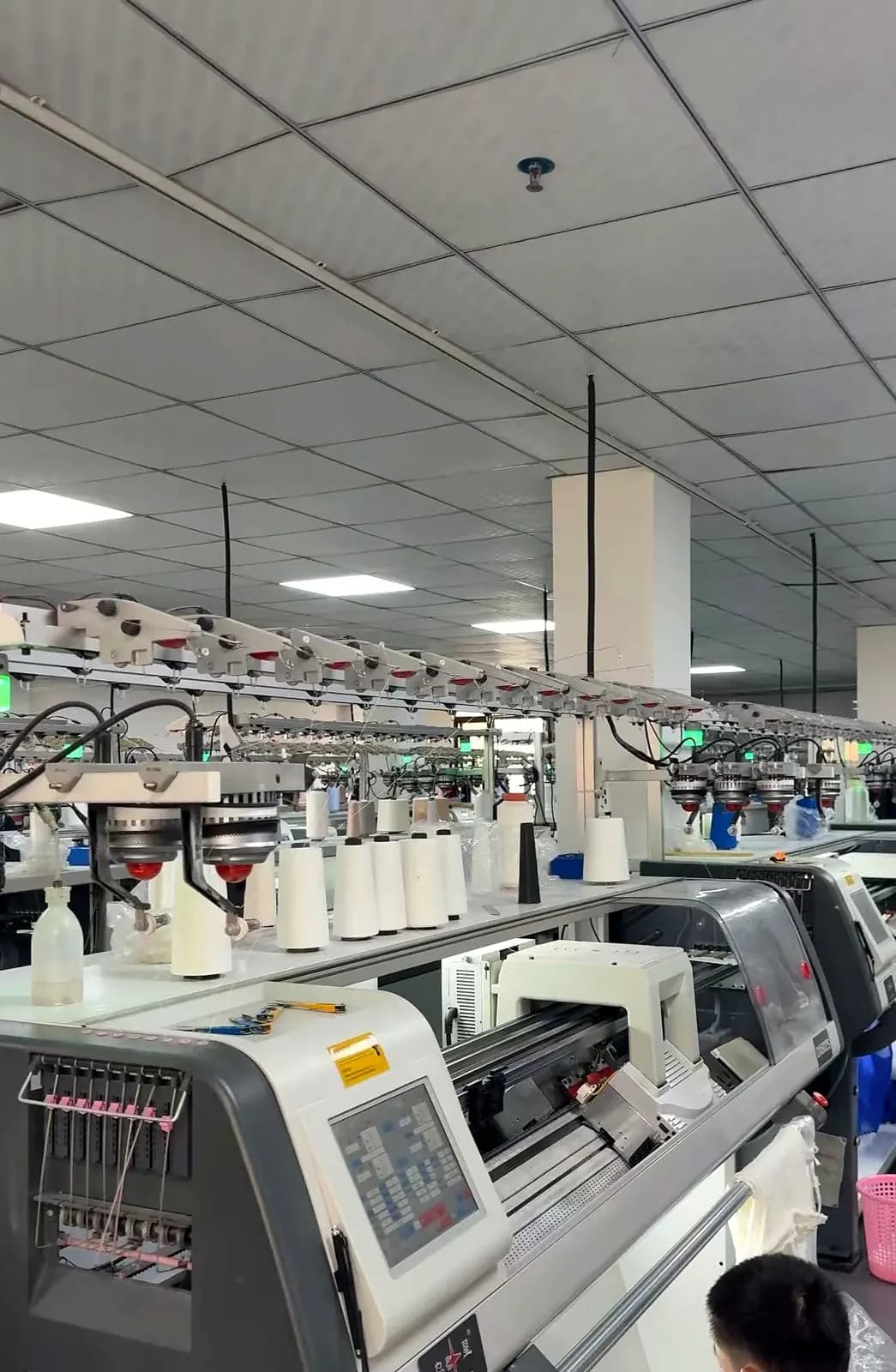
MOQ, lead time, cost ranges, gauge selection and QC checkpoints across typical OEM/ODM knitwear programs in NA + EU. Enter your email — we'll send you the report link in 30 seconds.
No spam. Unsubscribe with one reply. We use your email only to send you the report and follow up if you want a sourcing conversation.
Brand names shown are previously serviced OEM/ODM partners. Logos are decorative and do not imply current endorsement.