Knitwear Sourcing for DTC & Startup Brands: A Step-by-Step Playbook
Updated 9/19/202612 min readBy Simon Liu · Licheng Knitwear
A practical, end-to-end playbook for DTC and startup brands sourcing their first sweaters — defining the product, setting a realistic MOQ and budget, vetting a factory, sampling, timelines and the mistakes first-time buyers make.
Launching a knitwear line as a DTC or startup brand is exciting — and full of places to lose money if you skip steps. Unlike established labels with sourcing teams, new brands usually face limited budget, no factory relationships, and pressure to launch fast. This playbook walks through the path from idea to first delivered order, written specifically for small and first-time buyers ordering sweaters, cardigans or knit jackets.
Your first production run is a learning investment, not a profit centre. Keep quantities modest, get the fit and quality right, then scale on reorders. Brands that over-order their first style usually regret it.
Start with one or two strong styles, modest quantities, and a factory that supports low MOQs.
What is the first step for a DTC brand sourcing knitwear?
Define the product narrowly. A tight definition - one silhouette, one gauge, one yarn direction, a defined size run - is what makes everything downstream fast. Breadth at the start is what makes a first programme slow and expensive.
What budget and MOQ should a startup plan for?
Plan around a per-colour minimum rather than a per-style one; ours is 30 pieces per colour. Budget for sampling separately from production, and expect more than one sample round on a first style.
How should a startup vet a factory?
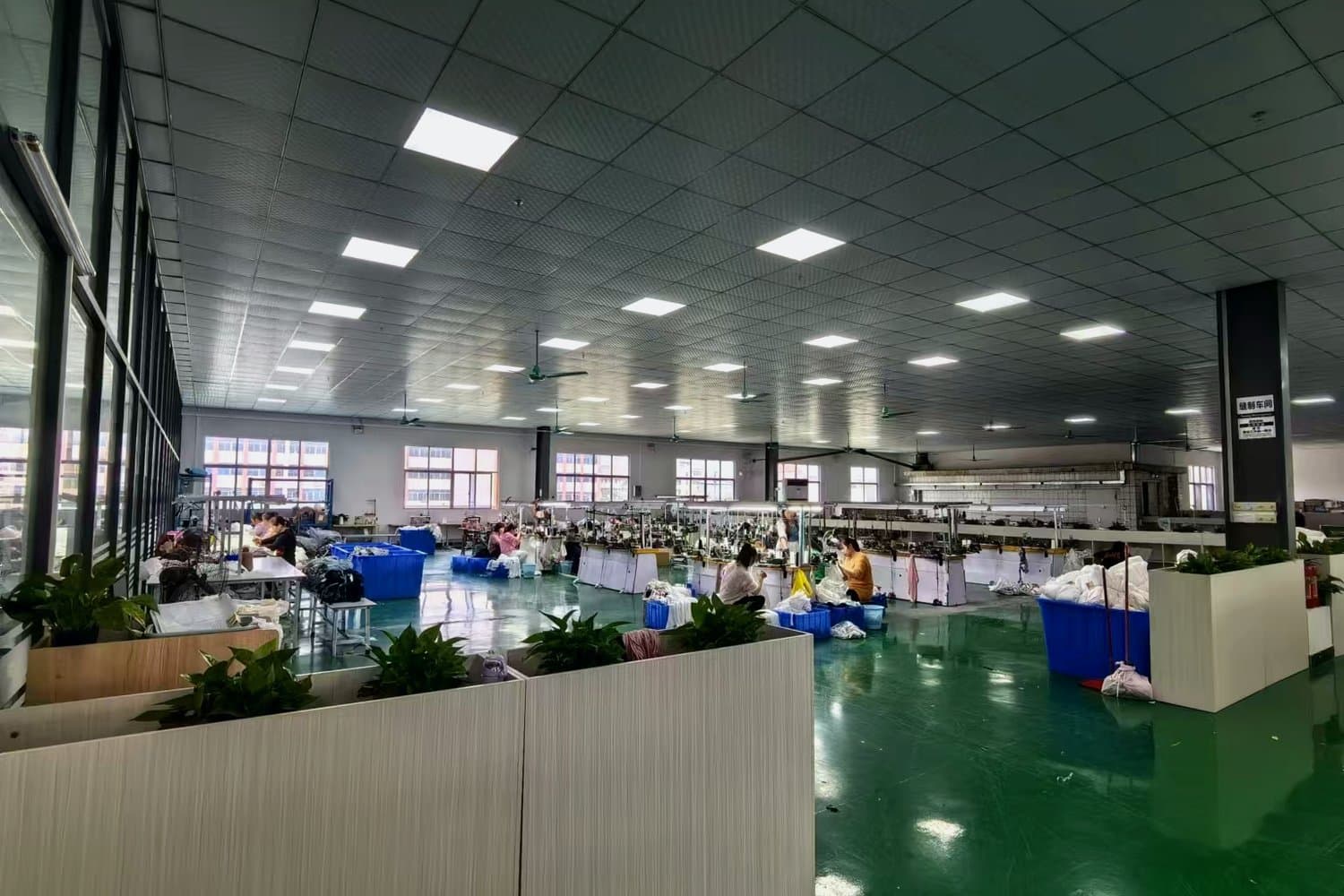
Ask the same specific questions of each candidate and compare the answers: minimum per colour against your tech pack, which machine classes are in-house, sampling cost and lead time, and certification numbers you can look up. Suppliers who publish their numbers are easier to check than ones who do not.
Do I need a full tech pack to start?
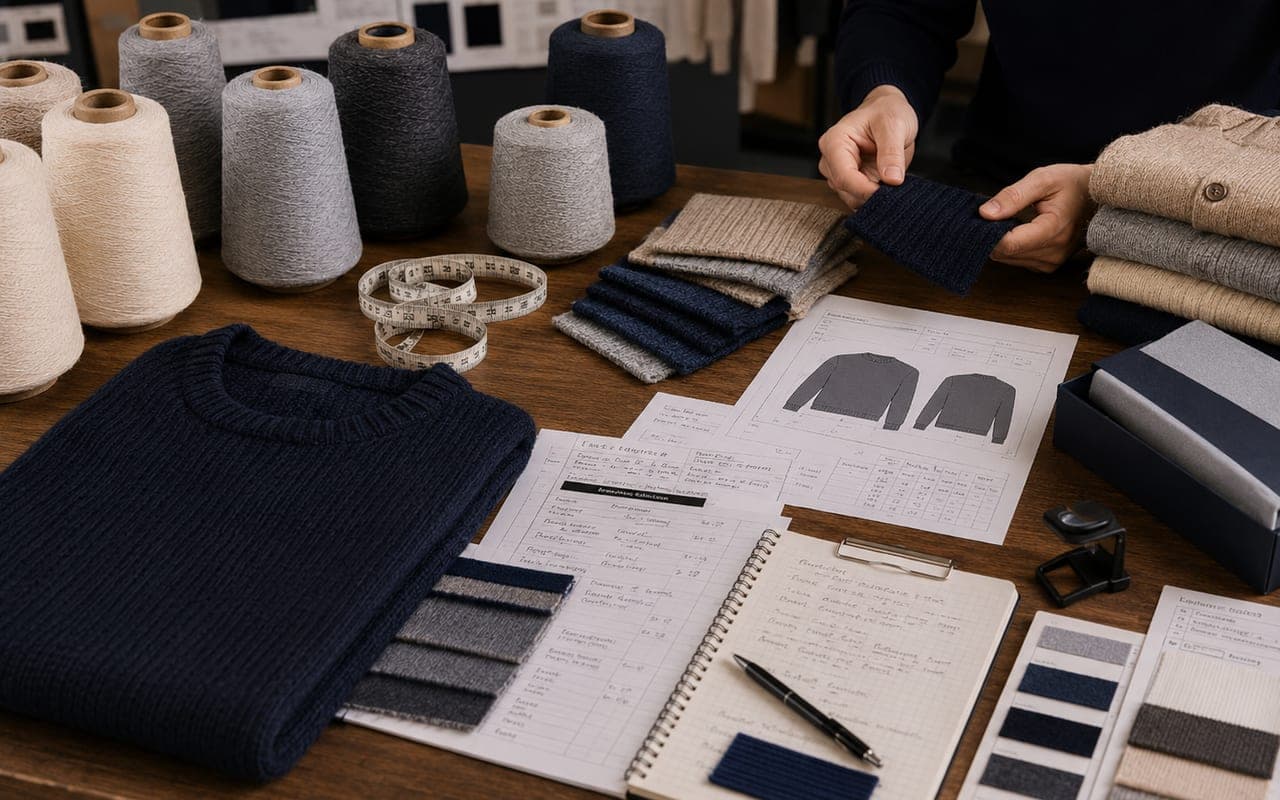
No, but you need more than a mood image. A simple tech pack with measurements, a reference garment, the yarn direction and the size run is enough to get a real quotation and a first sample.
How far ahead should a startup plan the timeline?
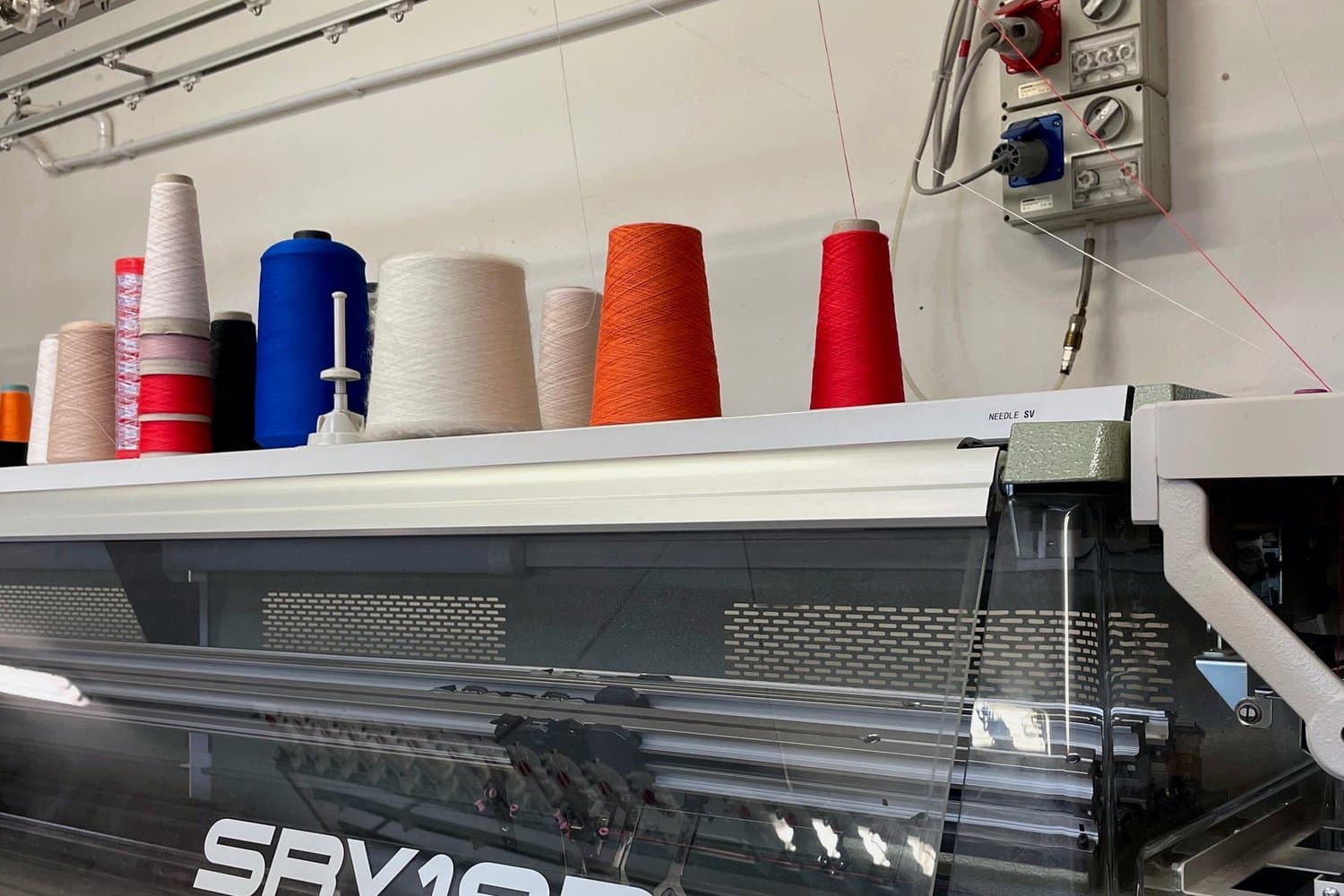
Backwards from the launch date, with sampling at 15-25 days per round from confirmed yarn and artwork, then bulk, then freight. The step to start first is colour, because it carries the mill's minimum and lead time rather than the factory's.
Pick one or two hero styles, not ten. For each, decide:
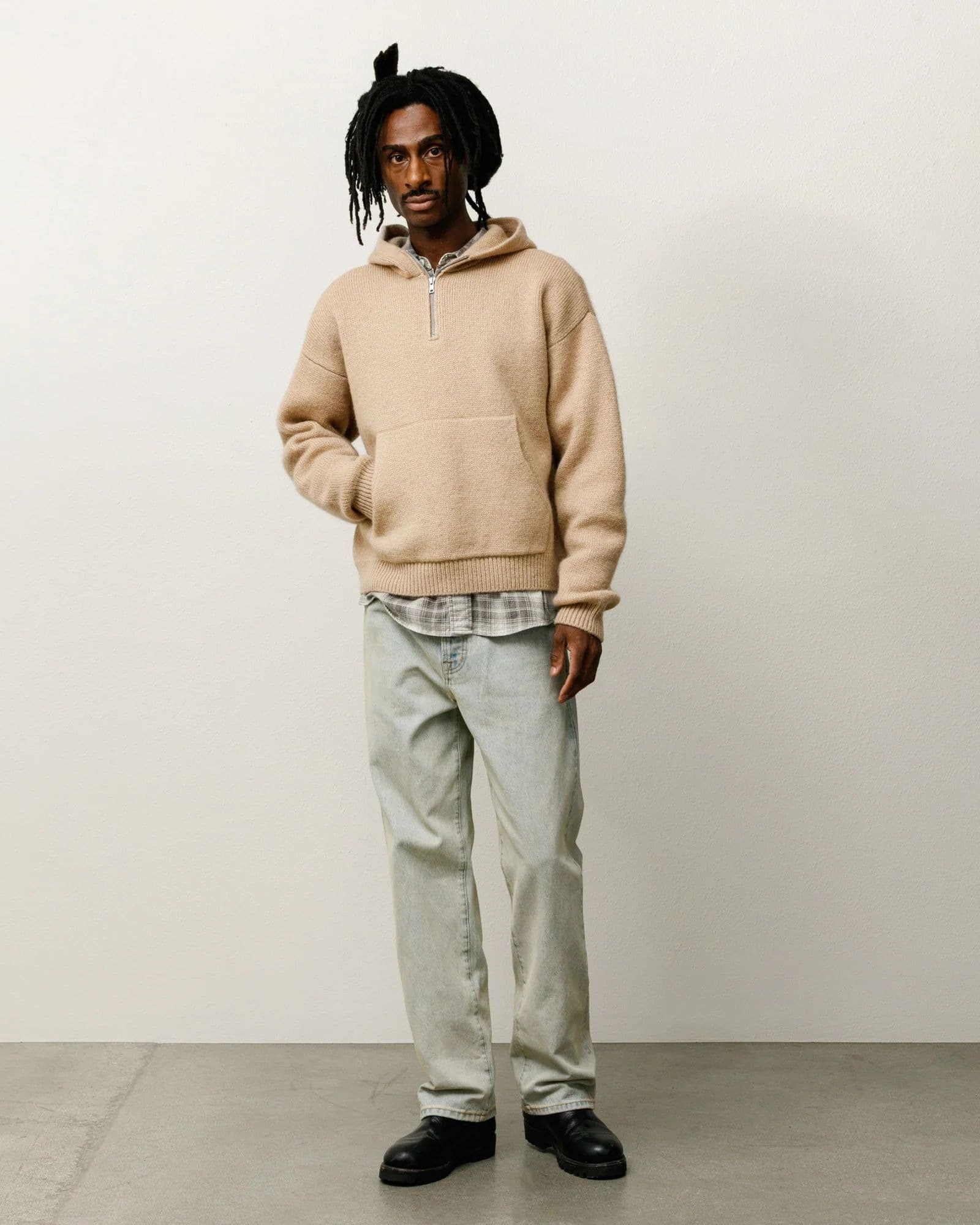
Silhouette and details (crew, half-zip, cardigan; pockets, zippers)
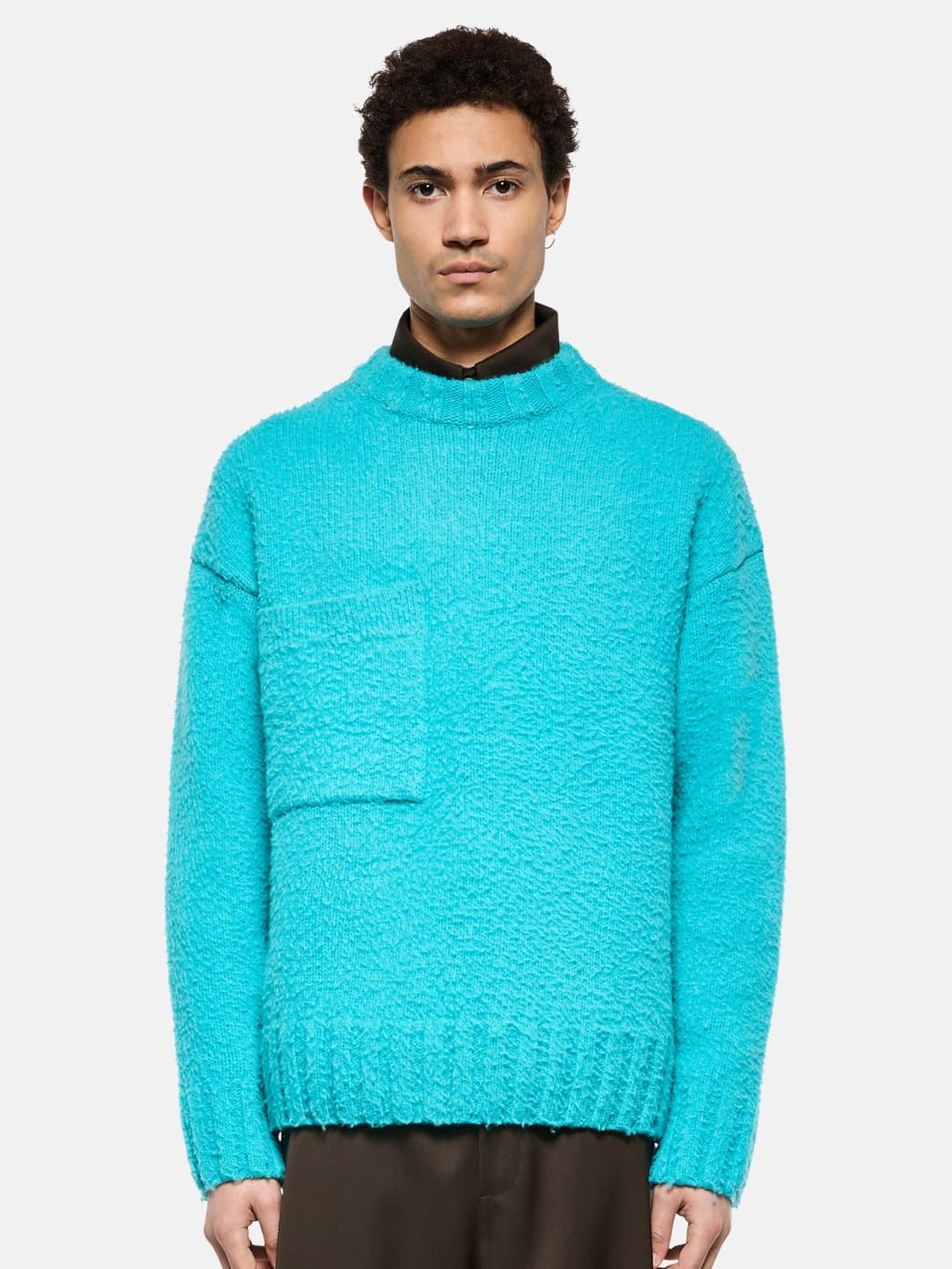
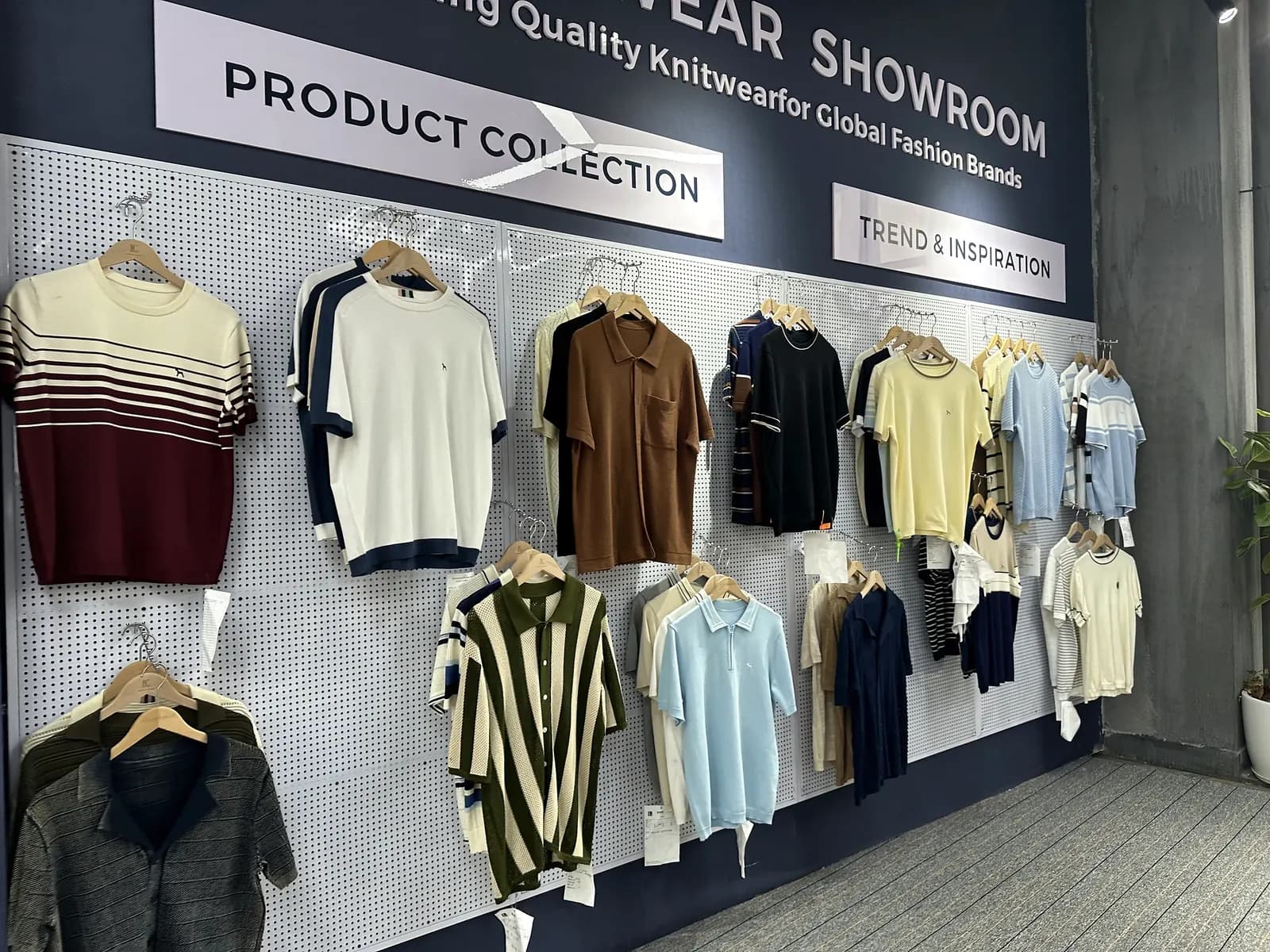
Gauge and feel (chunky 5GG vs fine 12GG) — see the knit gauge guide
Fibre and budget tier (acrylic blend, cotton, lambswool, merino) — see the yarn material guide
Colourways (start with 2–3; every colour adds minimums)
Step 2 — Set a realistic MOQ and budget
MOQ (minimum order quantity) is the number-one reality check for new brands. Knitwear MOQs are often set per style and per colour. Fewer colours and one strong style keep you above minimums without over-ordering. Read low-MOQ knitwear for small brands and the custom sweater MOQ guide.
A good development partner helps refine fit and construction before bulk.
Step 4 — Prepare a simple tech pack
You don't need a designer's full spec sheet to start, but you do need to communicate clearly: reference photos, measurements (or a garment to copy), yarn/feel target, and colours. A basic tech pack removes guesswork and tightens quotes. See how to prepare a sweater tech pack.
Step 5 — Sample before you commit
Always approve a physical sample. Check fit, hand-feel, weight, colour and construction. Expect at least one round of revisions — that's normal. Understand timing with the sweater sampling lead time guide and the sampling approval process.
Step 6 — Plan the timeline backwards
Work back from your launch date: bulk production + shipping + a buffer + sampling rounds. Knit development plus bulk commonly spans several weeks to a couple of months. Don't start a seasonal product too late — see seasonal knitwear production planning.
Common first-timer mistakes
Ordering too many units or too many colours up front
Skipping the sample to "save time"
Comparing quotes that use different Incoterms or yarn specs
Forgetting freight, duty and a budget buffer
Choosing on price alone instead of fit and reliability
Start small, scale on reorders
Licheng Knitwear regularly supports new and growing brands with low starting quantities, clear development and private-label options — a fit for DTC labels testing their first knit styles. Tell us your product idea, target quantity and budget and request a quote, or browse product directions to find a starting point. When your style sells, scaling up is the easy part — see knitwear reorders and scaling production.
---
Talk to our team about this
If you're planning a real project around any of the points above, we'd be glad to take a quick look. Send a short brief and we'll come back within one business day with a practical direction, MOQ + lead time estimate, and a sample plan if it makes sense.
Yes. Specialist factories work with small and emerging brands from around 30-100 pieces per colour, so you can validate demand before scaling up.
Design around in-stock yarns to keep MOQ low, limit your colour count, and start with one or two proven styles before expanding the range.
Plan about 15-25 days for samples, 30-45 days for bulk, and 25-35 days freight to North America or Europe - roughly 3-4 months from first sample to in-store.
We focus on men's sweaters, cardigans, knit jackets, jacquard knitwear and private label knitwear. We support B2B buyers with OEM/ODM development, sampling and bulk production planning.
Ready sample styles and selected custom programs can support lower-risk trials before larger seasonal orders.
Yes. Brands, including new labels preparing a first collection, can pay for a sample and see it before placing a production order. Two routes: a ready sample of a published style at USD 60 per piece in about 7 days, or a development sample from your tech pack at USD 150 per style, covering yarn sourcing, knit programming, one prototype and one revision round, in 15-25 days. Cashmere and mohair styles are quoted individually and shipping is charged at cost. Production starts only after you approve the physical sample, at our minimum of 30 pieces per colour with sizes mixed inside the 30. A sample does not commit you to a production run; we do not make garments for personal use.
Ready to Start Your Project?
Get a free catalog or submit an RFQ today. Our team will respond within 24 hours.
MOQ, lead time, cost ranges, gauge selection and QC checkpoints across typical OEM/ODM knitwear programs in NA + EU. Enter your email — we'll send you the report link in 30 seconds.
No spam. Unsubscribe with one reply. We use your email only to send you the report and follow up if you want a sourcing conversation.
Brand names shown are previously serviced OEM/ODM partners. Logos are decorative and do not imply current endorsement.