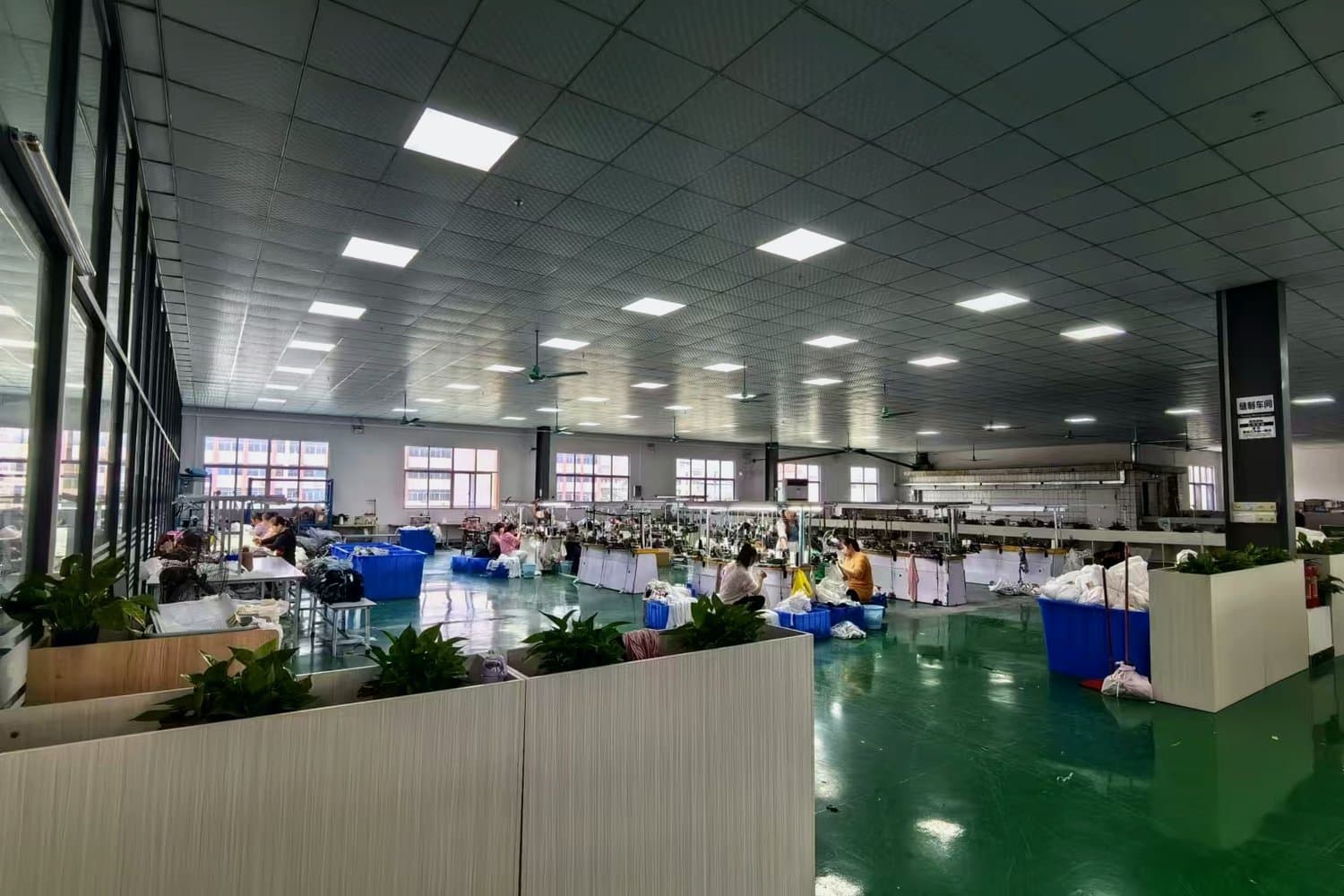
We focus on men's sweaters, cardigans, knit jackets, jacquard knitwear and private label knitwear. We support B2B buyers with OEM/ODM development, sampling and bulk production planning.
Guides for custom knitwear manufacturing, yarn selection, gauge options, quality control, cost planning and tech pack preparation.
Gauge
A gauge guide explaining how 5GG, 7GG and 12GG affect sweater texture, weight, season, cost and buyer positioning.
Read Guide ->Production Planning
How to plan knitwear production around Fall/Winter and Spring/Summer launch windows, working backward through lead times to hit your season on time.
Read Guide ->Manufacturing
An honest comparison of China, Vietnam and Bangladesh for sweater and cardigan production — gauge range, yarn access, MOQ, lead time, complexity and total cost — to match the right country to your product and volume.
Read Guide ->Materials
A buyer's guide to the certifications that matter in knitwear — OEKO-TEX, RWS, GRS, GOTS and BCI — what each one certifies, when you actually need it, and how chain-of-custody and transaction certificates prove a material claim.
Read Guide ->Quality
Stop bulk arriving a shade off. A practical guide to knitwear color approval — from Pantone reference to lab dips to consistent bulk — covering metamerism, dye-lot tolerance, fastness and how to sign color off so delivered sweaters match.
Read Guide ->Market
Germany remains one of Europe's most disciplined knitwear sourcing markets. Buyers here expect tight spec adherence, predictable lead times, clean documentation, and yarns that perform through long autumn-winter selling windows. This guide is written from our position as a Dongguan-based custom knitwear manufacturer working with German menswear and lifestyle brands. We cover what drives the procurement calendar, where sample and bulk timelines realistically land, what MOQ a mid-sized German label can plan against, which gauges and yarns we see specified most often for the DACH market, how quality control and compliance documentation are typically structured, and how logistics, payment, and Incoterms tend to be negotiated on FOB China terms. The aim is a working reference a sourcing manager can take into the next supplier review.
Read Guide ->If you sell knitwear into the EU, US, or UK, sooner or later a retail buyer, a marketplace listing, or a children's-wear regulator will ask you for OEKO-TEX Standard 100 certification. The label is famous — the white hangtag with the trefoil logo and an ID number is on millions of garments — but most of the buyers asking for it cannot say exactly what it certifies, what the four product classes mean, or how to check whether a certificate is real. This guide is a clear, practical explainer written from our perspective as a Dongguan-based knitwear manufacturer. We work with yarn mills and dye houses that hold their own STeP and OEKO-TEX scope certificates on materials we routinely source, and we support buyers who structure documentation requests around their compliance teams. Here is what the standard actually does, what it does not do, and how to handle it in a real knitwear purchase order.
7 min read - Guide
Incoterms look like alphabet soup until your first container is stuck at port because nobody agreed who pays the brokerage. This buyer-facing guide walks through the seven terms knitwear sourcing managers actually see on quotations — EXW, FCA, FOB, CIF, CPT, DAP, and DDP — and explains who owns the goods at each transfer point, who pays freight, insurance, duty, and brokerage, and how each choice reshapes your cash flow. For mainland China knitwear shipping out of Yantian or Shekou, FOB is still the dominant mode (roughly 70-80 percent of POs we see), but small brands without a customs broker often default to DDP for the simpler P&L. We compare the four most common terms head-to-head with a risk-transfer table, walk through a realistic 500-piece cotton sweater example showing how FOB, CIF, and DDP land at different total costs, and flag the moments when DDP quietly costs you negotiating power. The guide closes with practical advice on switching terms between PO 1 and PO 3, when to add cargo insurance yourself, and the document trail you need so customs doesn't hold your container over a missing commercial invoice line.
6 min read - Guide
Most B2B buyers comparing knitwear factories on Alibaba see the same surface: a logo, a few product photos, an MOQ in the listing and a sales rep who answers "yes" to every question. The harder part is figuring out what actually changes once your order is in production. This article puts Licheng side-by-side with the typical anonymous China knitwear OEM across fourteen dimensions that matter to sourcing managers — MOQ, sample lead time, bulk lead time, gauge range, QC stack, AQL, payment terms, Incoterms, language support, traceability, communication cadence, NDA and IP handling, sustainability documentation, and after-sale. The goal is not to argue that Licheng is right for every project; it is to give you a structured way to compare any supplier, including us, against the realities of buying custom knitwear from China.
5 min read - Guide
Sourcing organic cotton knitwear is not a single decision — it is a documentation chain that has to survive seven or eight handoffs without losing integrity. A first-time GOTS or OCS knit program lives or dies on whether a transaction certificate (TC) exists at every transfer: farm to ginner, ginner to spinner, spinner to dyer, dyer to knitter, knitter to finisher, finisher to garment factory. This guide walks brand sourcing managers through how the organic cotton chain of custody actually works in knitwear, what a scope certificate is versus a TC, where most programs quietly break, and the exact documents to request before your first organic claim hits a hangtag. We write this from the perspective of a Dongguan-based knit garment factory that holds a GOTS scope certificate and buys certified organic cotton from spinners holding their own scope certificates.
8 min read - Guide
Stitch structure is the single biggest lever a product developer can pull after yarn and gauge. It decides how a sweater drapes, what it weighs, how long it takes a flat-bed machine to produce, and how forgiving the body is on a fit range. This guide walks through the four stitch families that account for the vast majority of men's knitwear we produce in Dongguan — jersey/plain, rib, cable, and jacquard — and explains what each one costs you in yarn and knit time, where it works on the gauge ladder, the failure modes that surface in fit sessions and inspection, and the buyer scenarios where one beats the others. The goal is to help you spec a knit collection on commercial reality, not on mood-board photography.
6 min read - Guide
Cashmere is the most mislabeled premium fiber in knitwear. Two sweaters both stamped '100% cashmere' on the care label can differ in raw-material cost by 3-4x, and the difference is invisible to most buyers until the customer complaint emails start arriving in week six. This guide breaks down the A/B/C grading framework used across Inner Mongolian and Chinese cashmere supply, explains how fiber length and micron drive both hand-feel and pilling behavior, and decodes single-ply vs 2-ply vs cabled 4-ply yarn construction so you know what you're actually buying. It also covers the legal-but-misleading practices that let sub-grade or shorts-blended cashmere reach finished garments under a clean label, and the specific questions you should write into your tech pack and PO to lock the quality you priced for.
5 min read - Guide
Most sweater quality issues are not random — they cluster around the same ten failure modes, each with a predictable point in the timeline where they can still be corrected at low cost. By the time a QC lead is reviewing a new sweater PO, the real question is not whether problems will appear, but whether the inspection plan and the sampling conversation are designed to catch them before they ship. This guide walks through the ten knitwear quality risks we see most often at Licheng — pilling, shrinkage, twisted side seams, mismatched dye lots, hangtag attachment errors, label drift, neckline stretching, linking inconsistency, mis-graded sizes, and packing damage — with what each looks like, the root cause, when in production it surfaces, the QC step that should catch it, and the specific question to ask your supplier during sampling.
7 min read - Guide
An RFQ that lands in our inbox missing a target quantity, a gauge, or a delivery date is not a quote request — it's a follow-up email waiting to happen. From our seat as a Dongguan knitwear manufacturer reading dozens of inquiries a week, the same 15 gaps explain most of the back-and-forth before a real number can be issued. This guide walks through each red flag, what it signals about the buyer's brief, why it forces us to either guess or stall, and the single-line fix that closes the gap. The goal is not to grade buyers — many of these gaps are normal, especially for first-time knitwear projects — but to give you a checklist that turns a five-day quote cycle into a same-week one.
6 min read - Guide
UK REACH registration rarely applies to brands importing finished knitwear. What binds you instead, and the Northern Ireland split that catches nationwide sellers.
7 min read - Guide
We focus on men's sweaters, cardigans, knit jackets, jacquard knitwear and private label knitwear. We support B2B buyers with OEM/ODM development, sampling and bulk production planning.
Ready sample styles and selected custom programs can support lower-risk trials before larger seasonal orders.
Yes. Brands, including new labels preparing a first collection, can pay for a sample and see it before placing a production order. Two routes: a ready sample of a published style at USD 60 per piece in about 7 days, or a development sample from your tech pack at USD 150 per style, covering yarn sourcing, knit programming, one prototype and one revision round, in 15-25 days. Cashmere and mohair styles are quoted individually and shipping is charged at cost. Production starts only after you approve the physical sample, at our minimum of 50 pieces per colour with sizes mixed inside the 50. A sample does not commit you to a production run; we do not make garments for personal use.
Our sample fee is not refundable. Yarn sourcing, knit programming, machine setup and hand linking cost about the same whether one piece follows or five hundred, which is why the fee exists at all. It is credited against your first bulk order placed within six months of sample approval: 100% of a development sample fee, 50% of a ready sample fee.
Yes, for brands developing a style. One development piece is fine, with no commitment to bulk: a development sample is USD 150 per style and covers yarn sourcing, knit programming, one prototype and one revision round, in 15-25 days (cashmere and mohair are quoted individually). If you then go to production, the minimum is 50 pieces per colour with sizes mixed inside the 50, and the full USD 150 is credited against a first bulk order placed within six months of approving the sample. We do not make garments for personal wear.
Plain and striped styles using the same yarn and colour can be combined toward a minimum of 50 pieces, with mixed sizes. For example, four plain styles of 25 pieces each in the same yarn and colour total 100 pieces and meet that minimum. Different yarns or colours are counted separately. Jacquard and intarsia require 50 pieces per pattern; quantities from different patterns cannot be combined. Send us your styles, yarns, colours and quantities so we can confirm how the minimum applies to your project.
Get a free catalog or submit an RFQ today. Our team will respond within 24 hours.
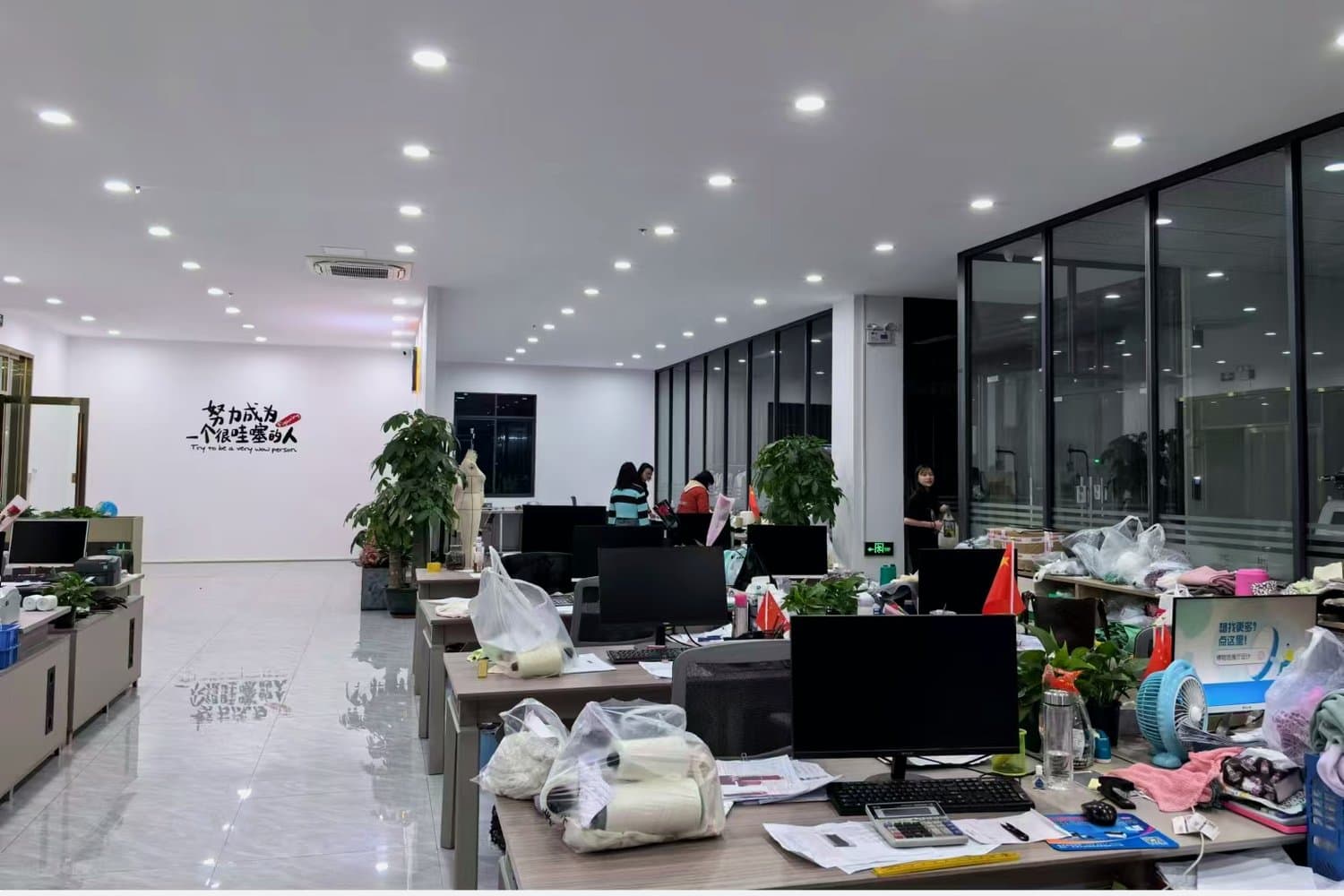
Cannot find what you need? Our team can create a custom guide or template for your specific project.
Request Custom Resource ->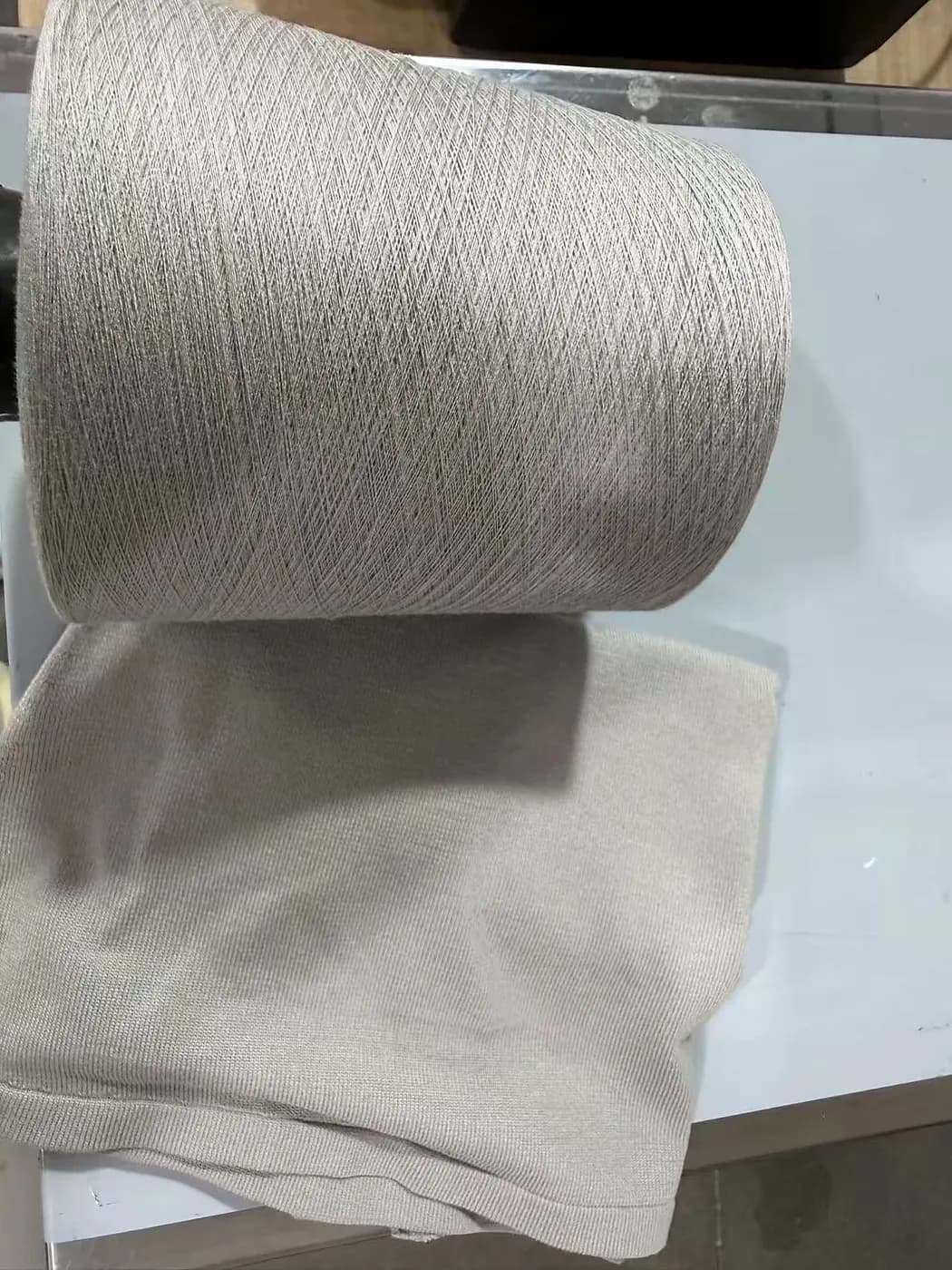
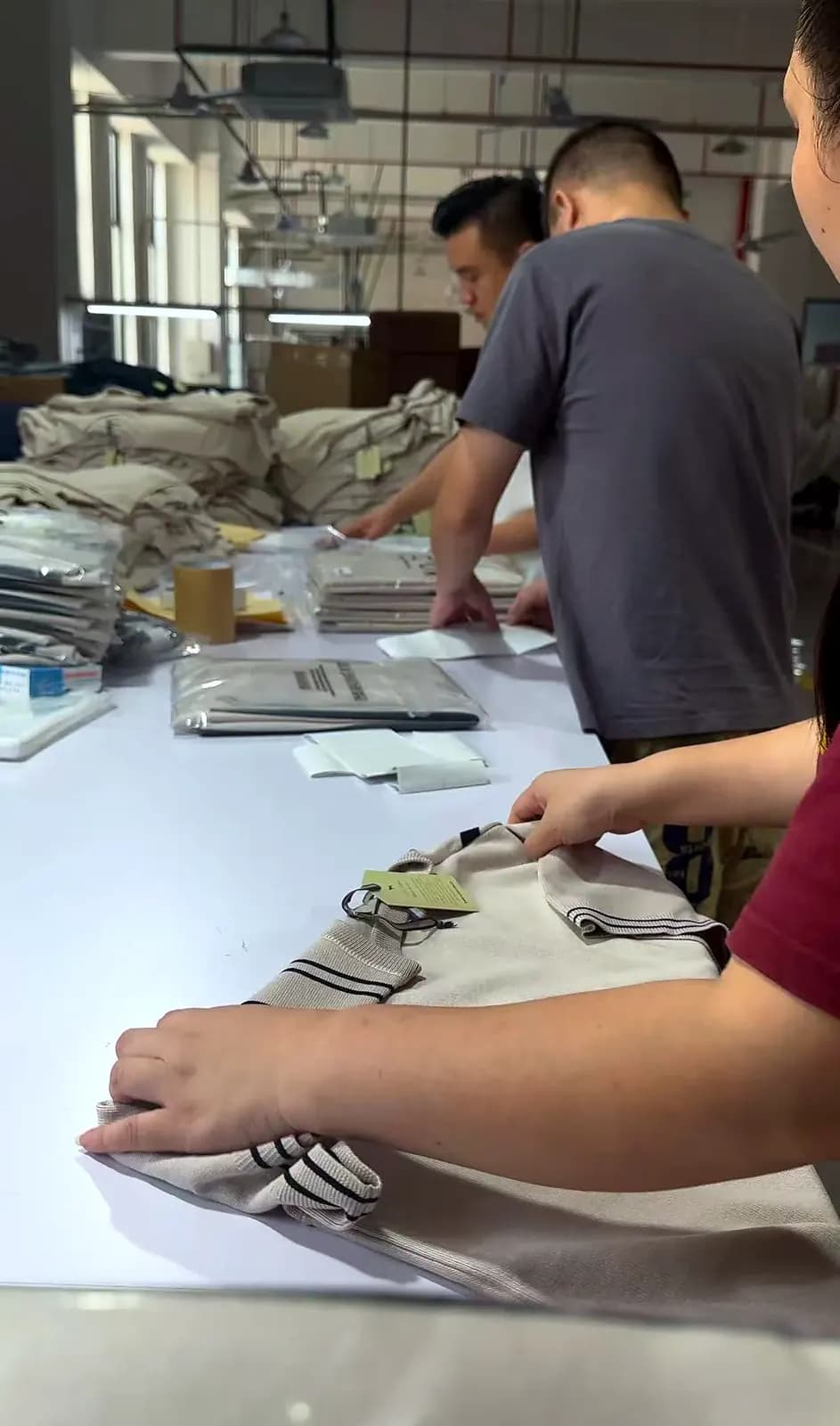
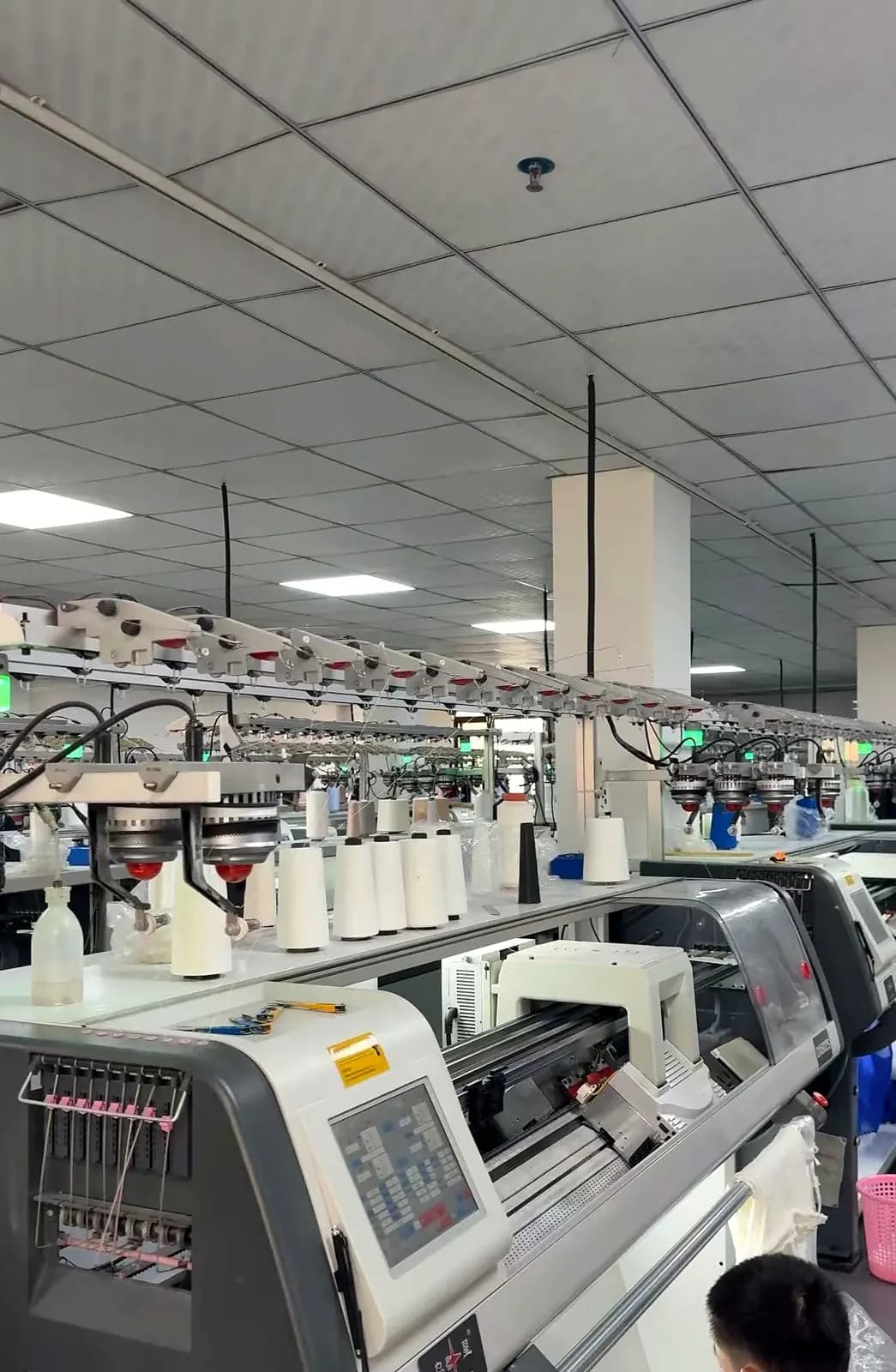
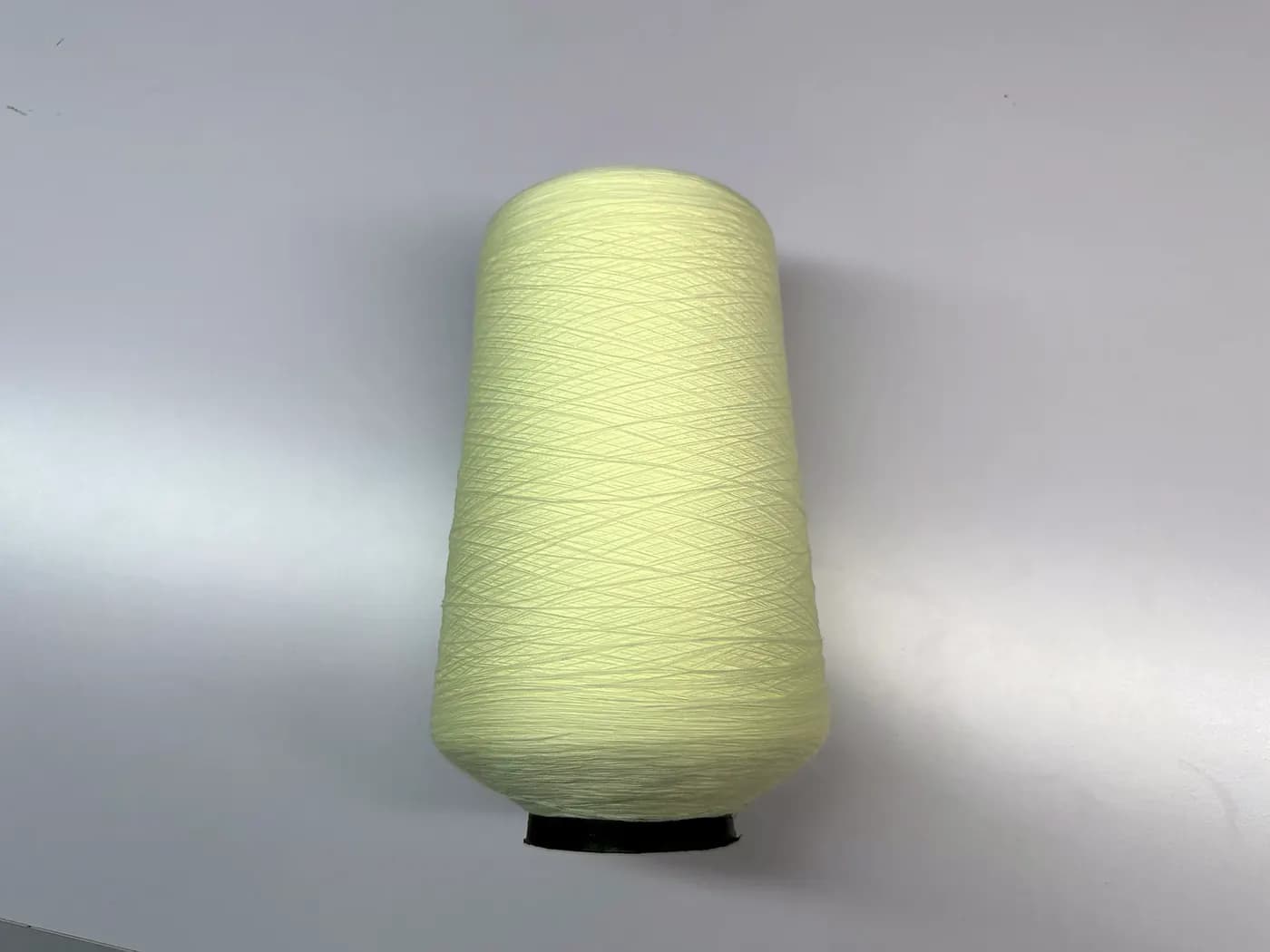
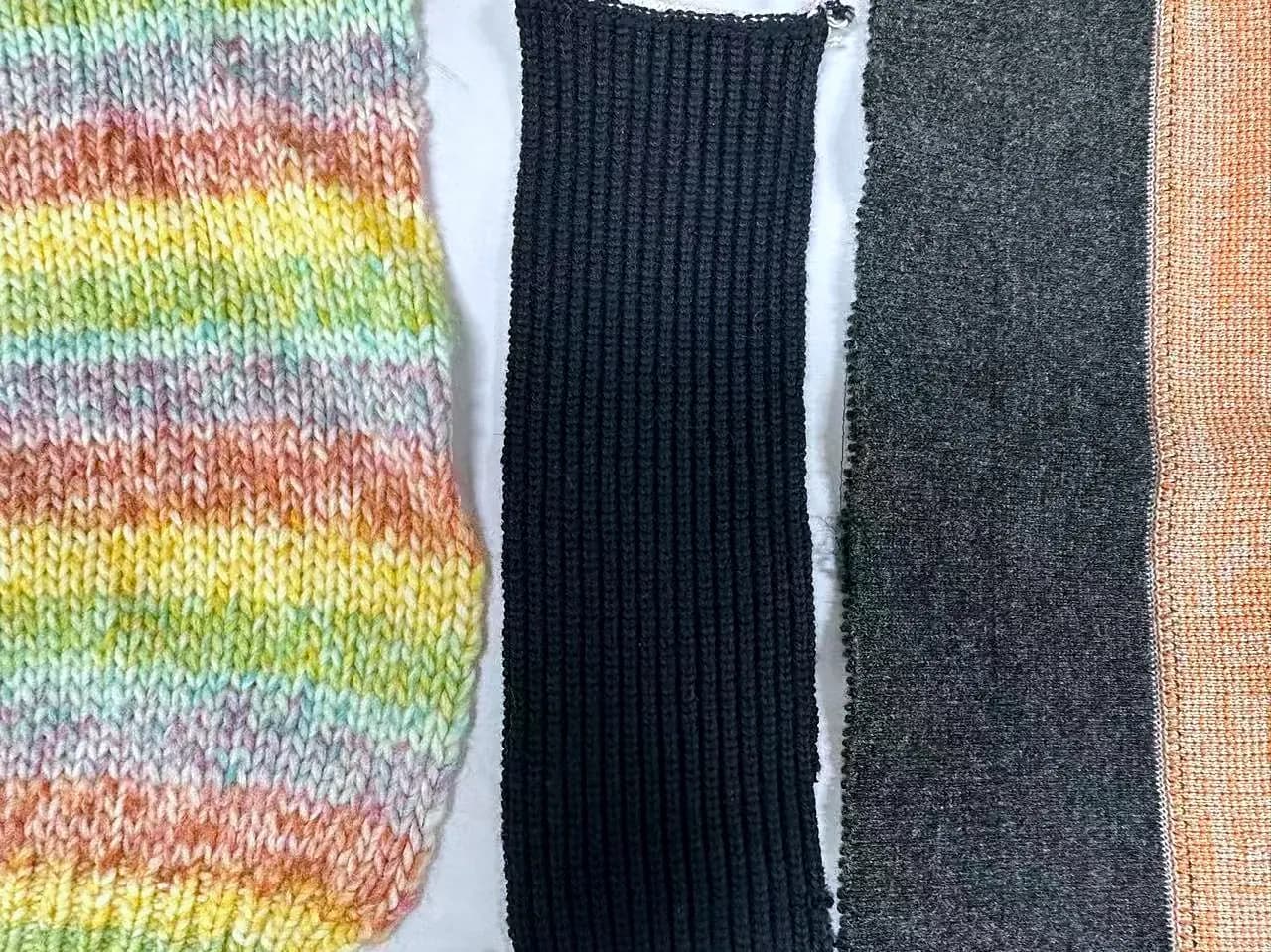
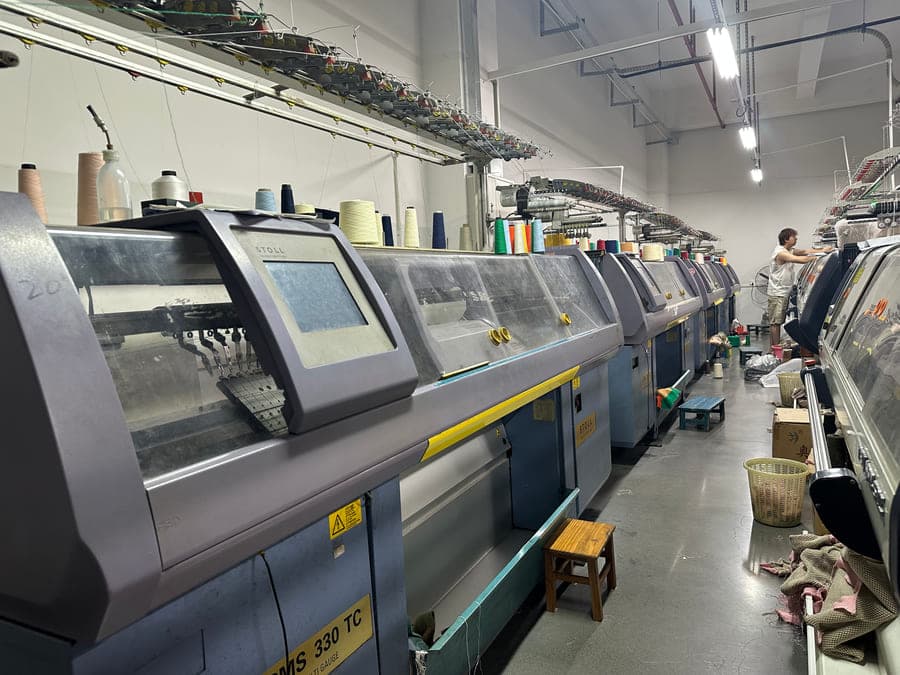
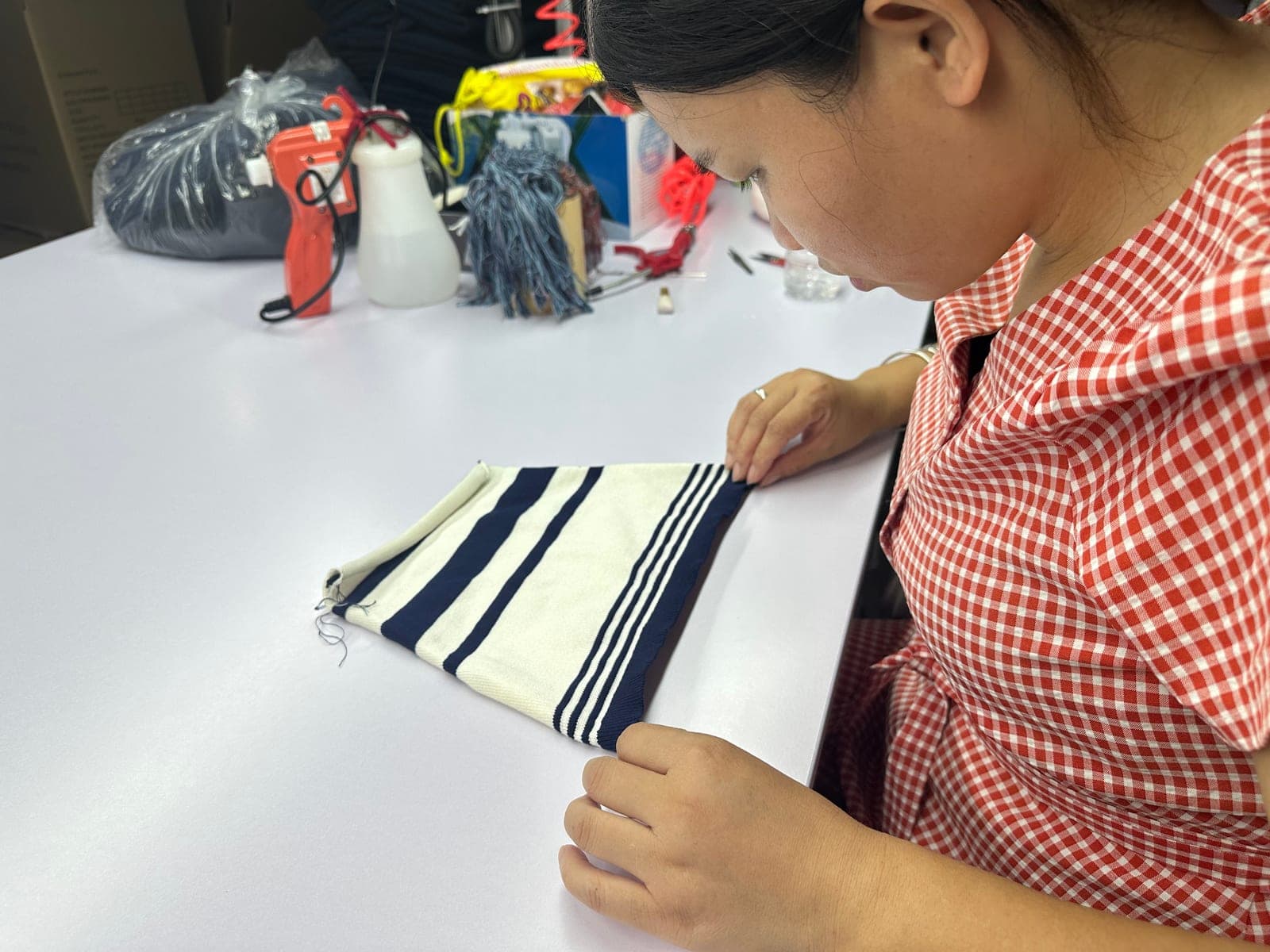
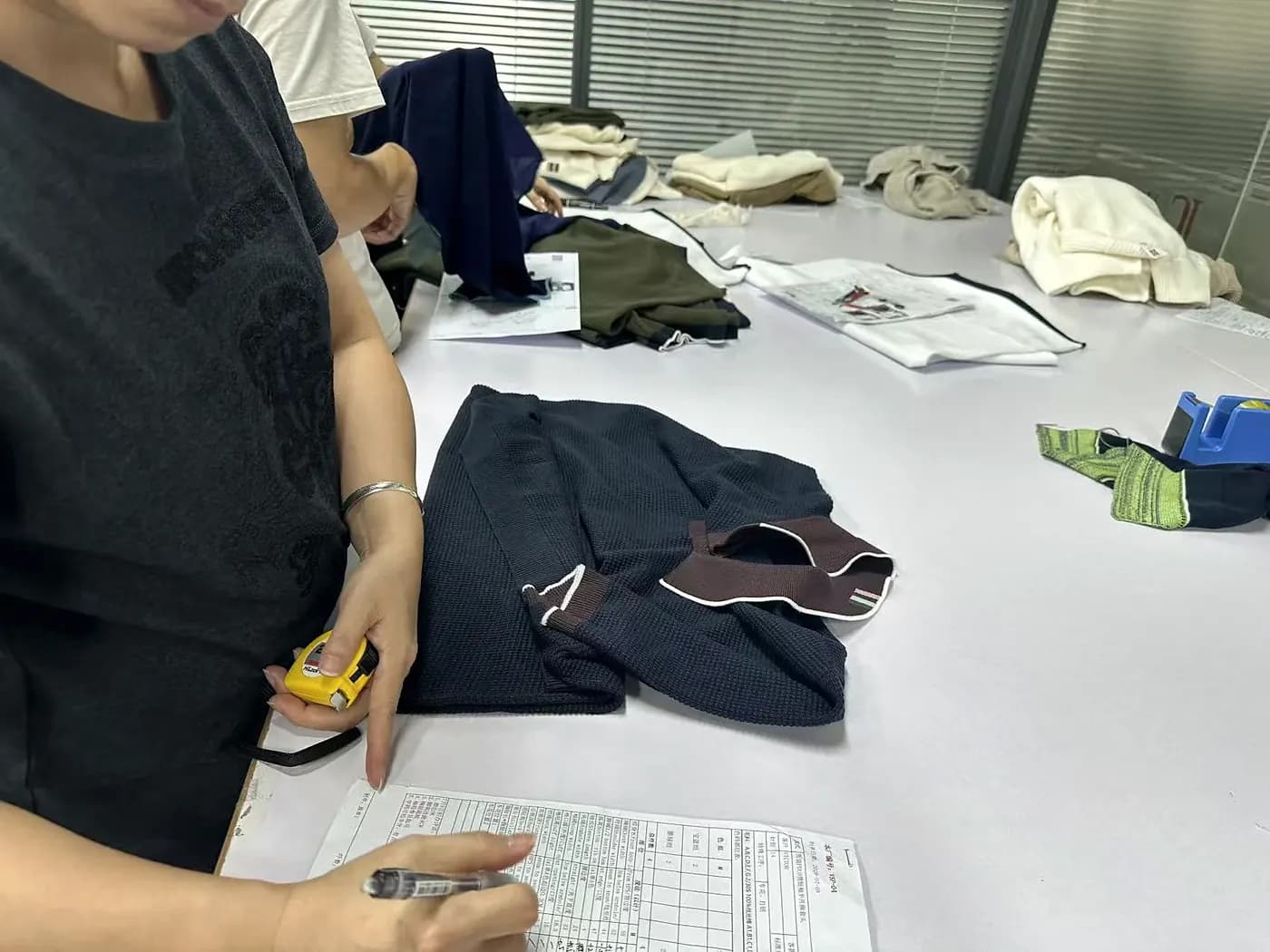
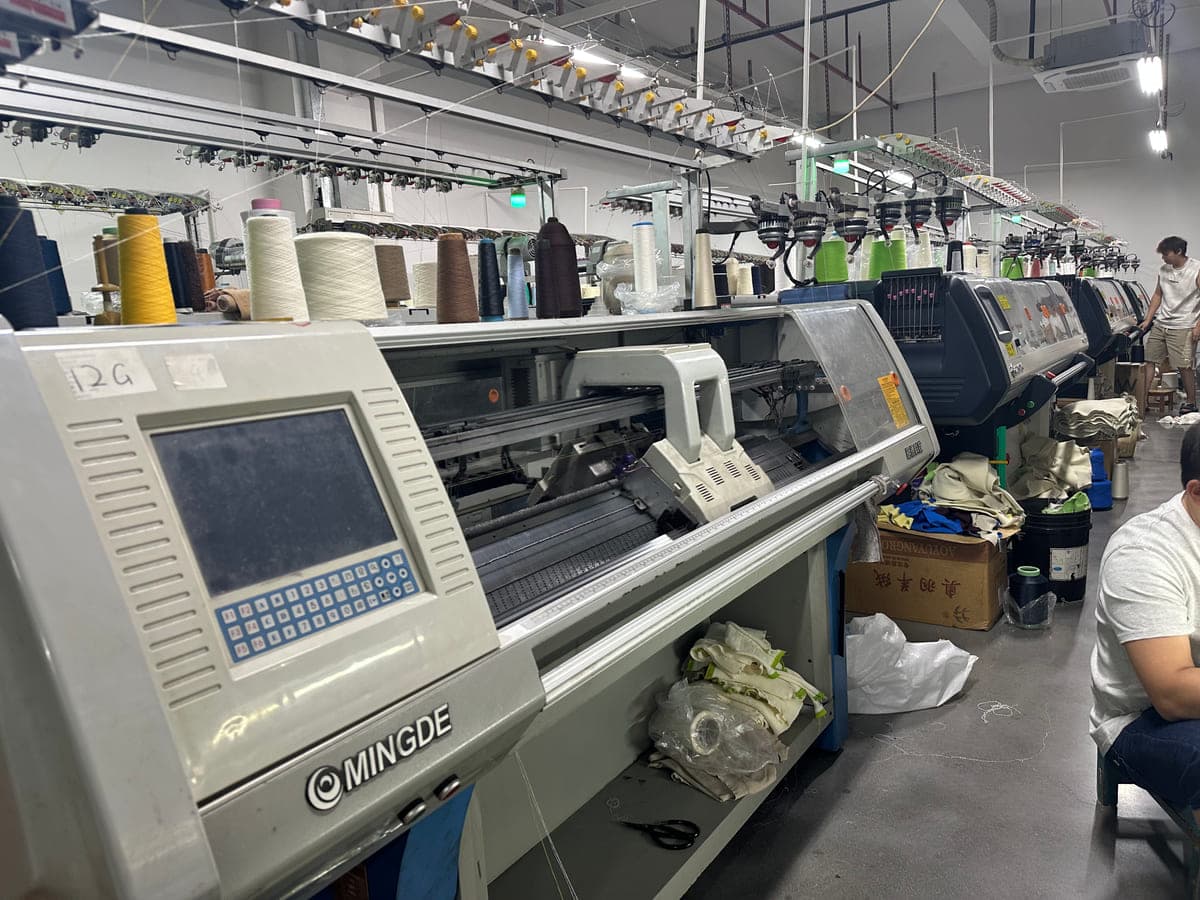
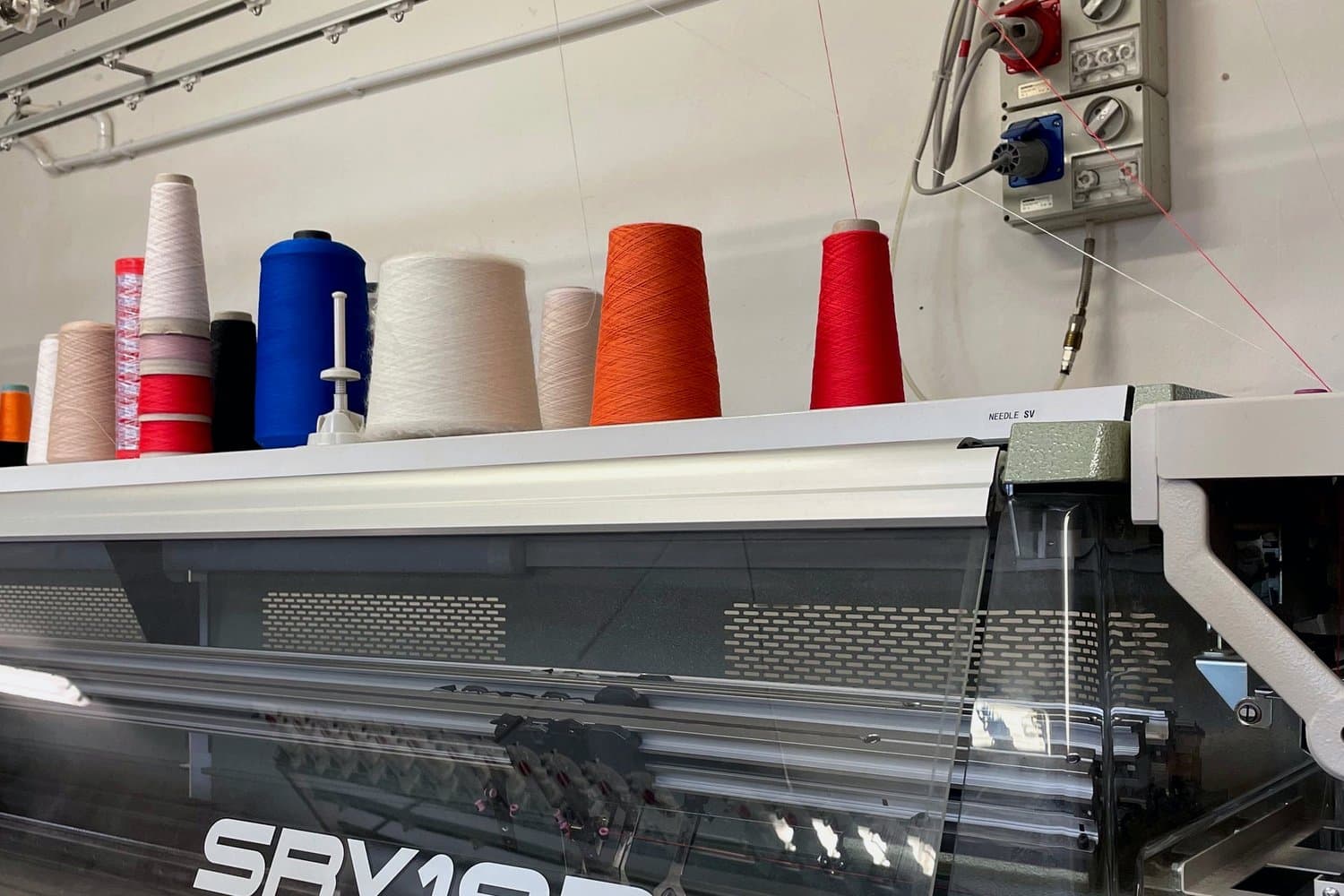
MOQ, lead time, cost ranges, gauge selection and QC checkpoints across typical OEM/ODM knitwear programs in NA + EU. Enter your email — we'll send you the report link in 30 seconds.
No spam. Unsubscribe with one reply. We use your email only to send you the report and follow up if you want a sourcing conversation.
Brand names shown are previously serviced OEM/ODM partners. Logos are decorative and do not imply current endorsement.