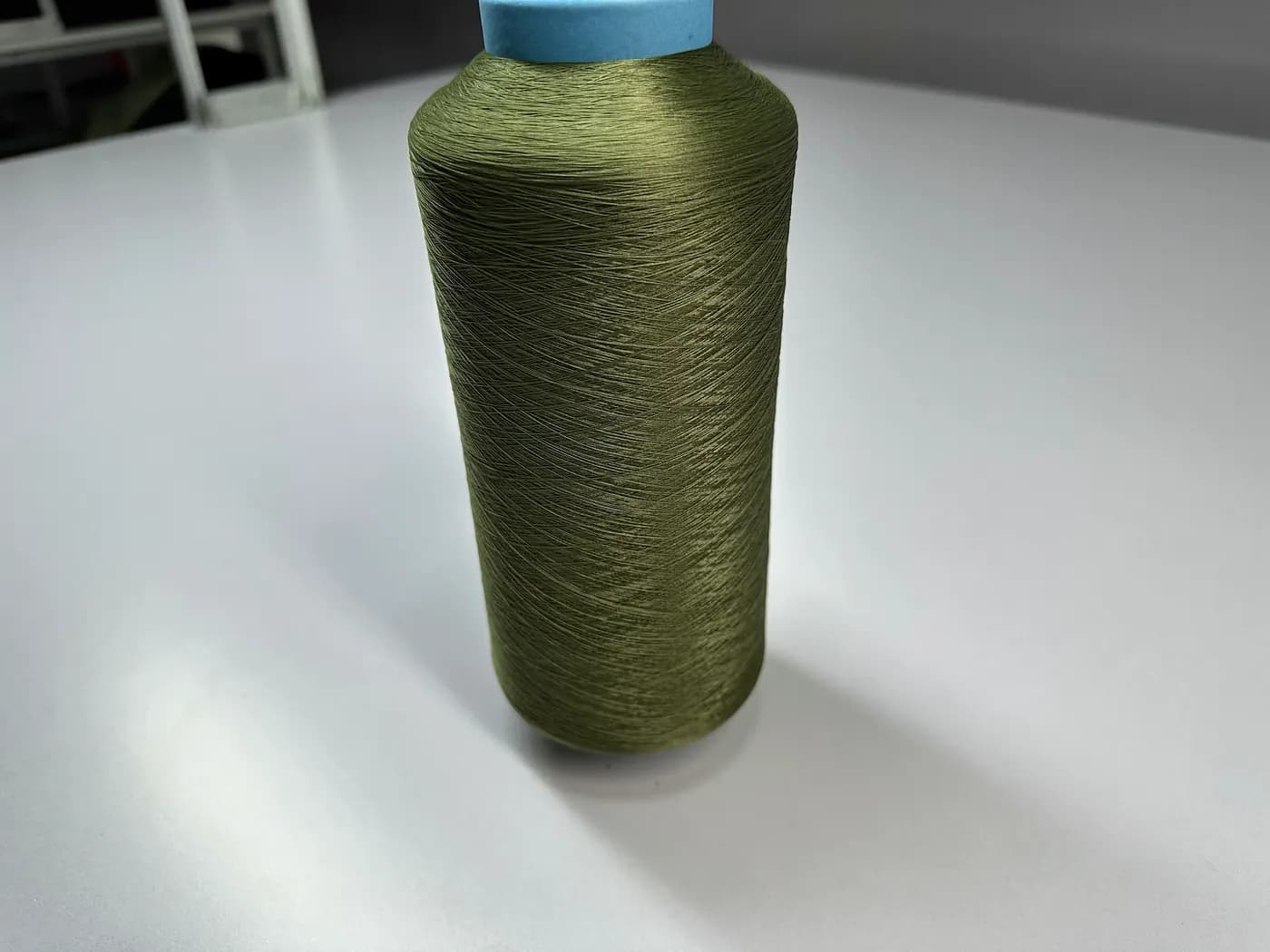
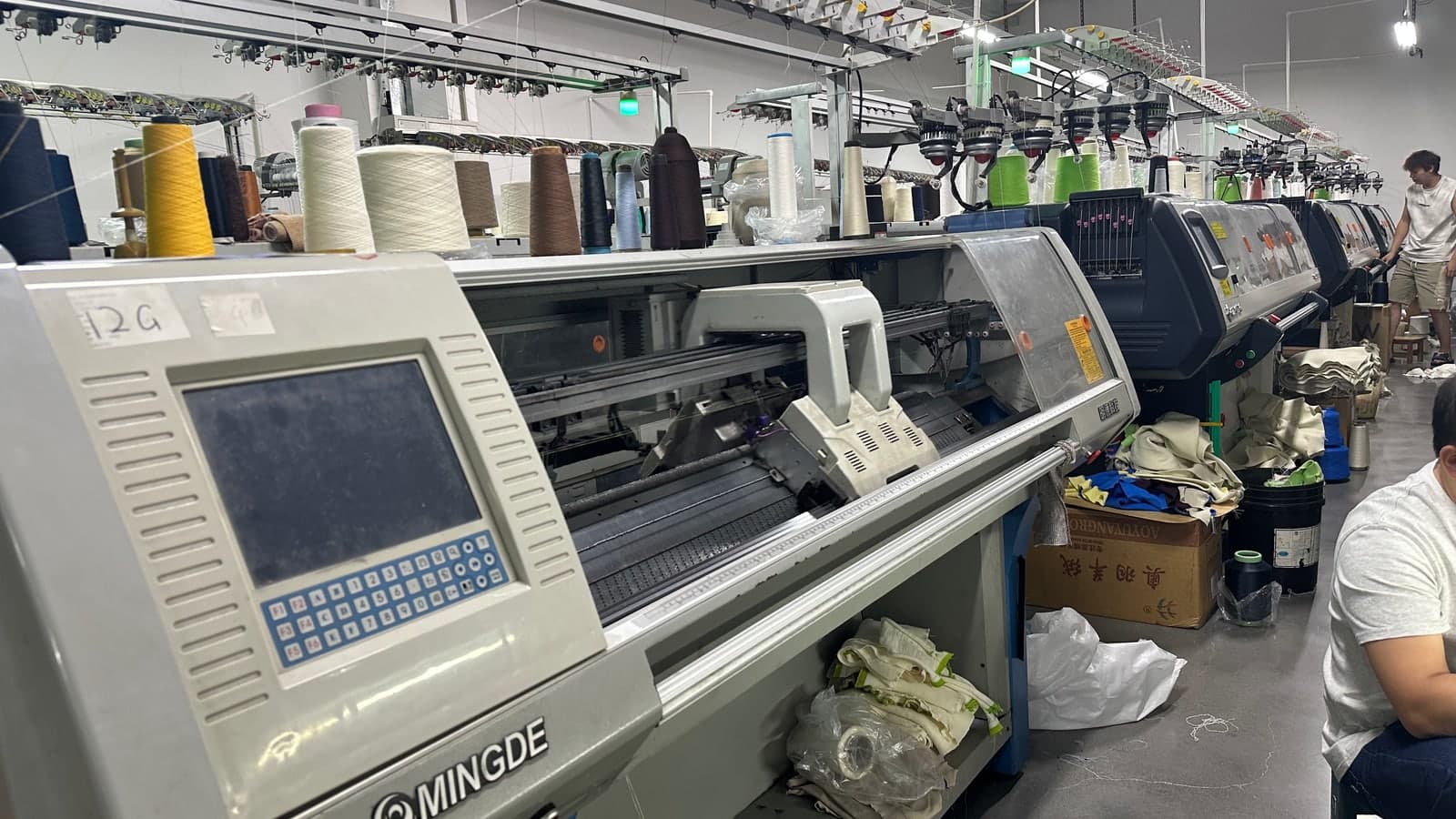
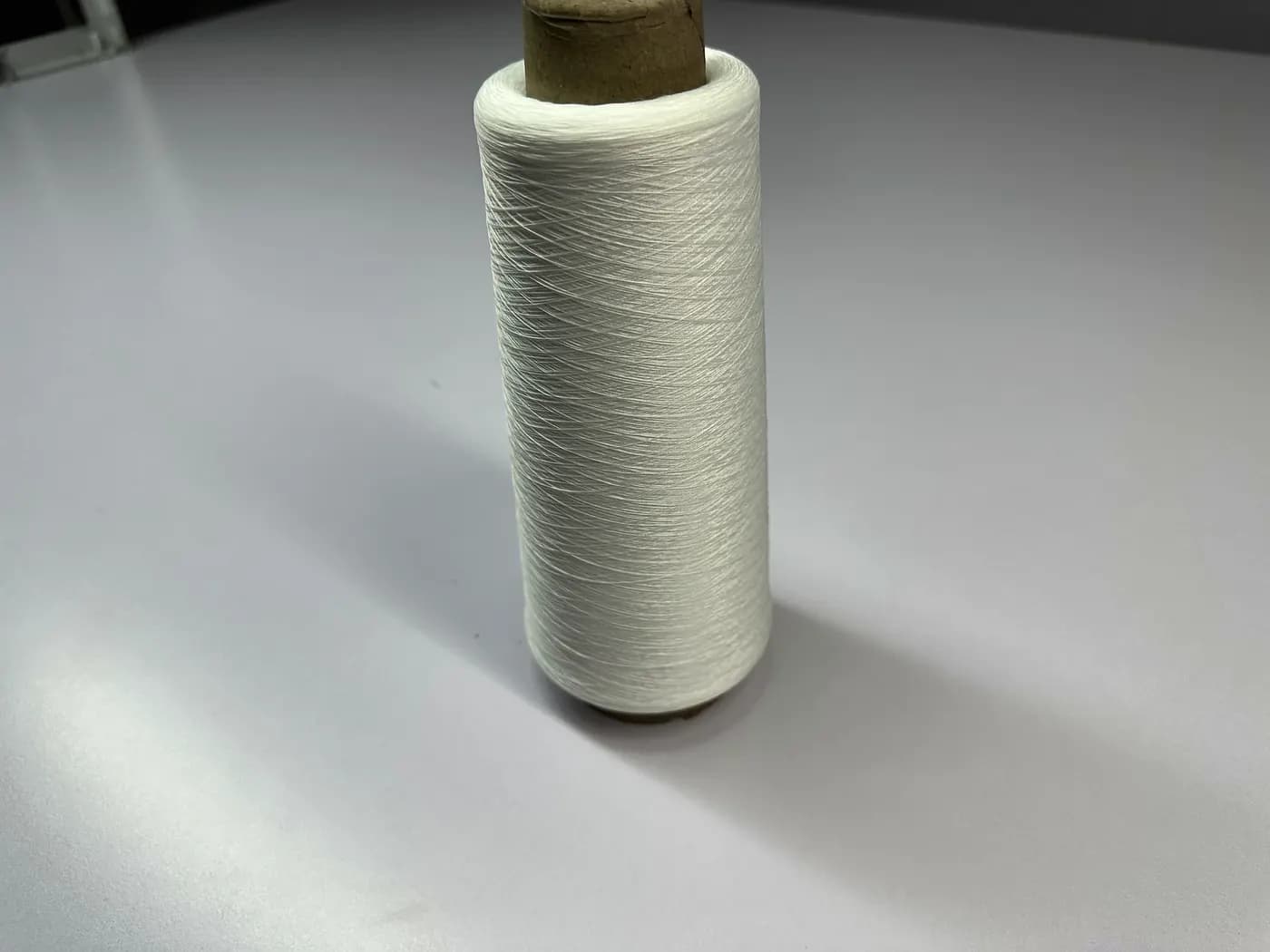
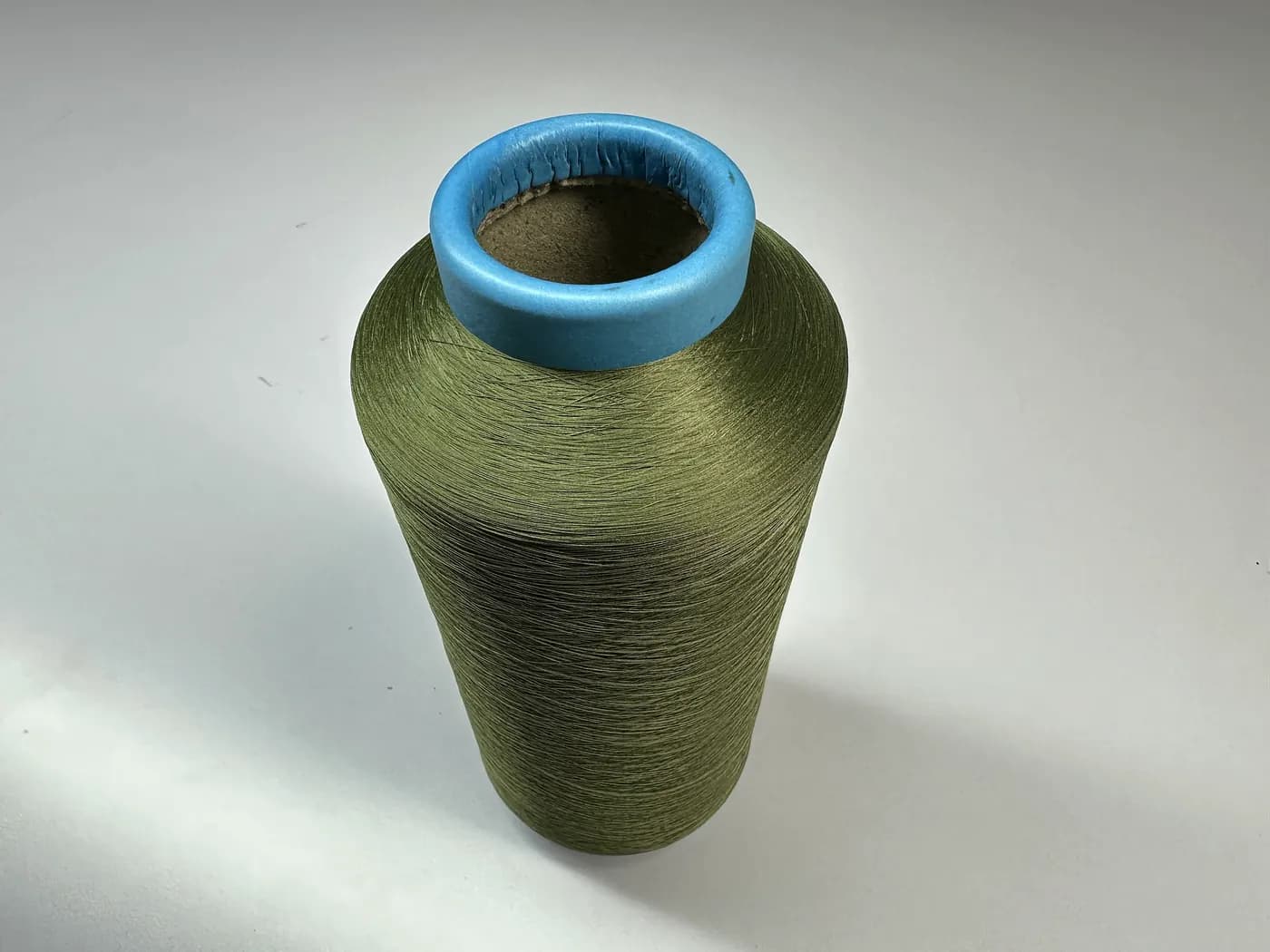
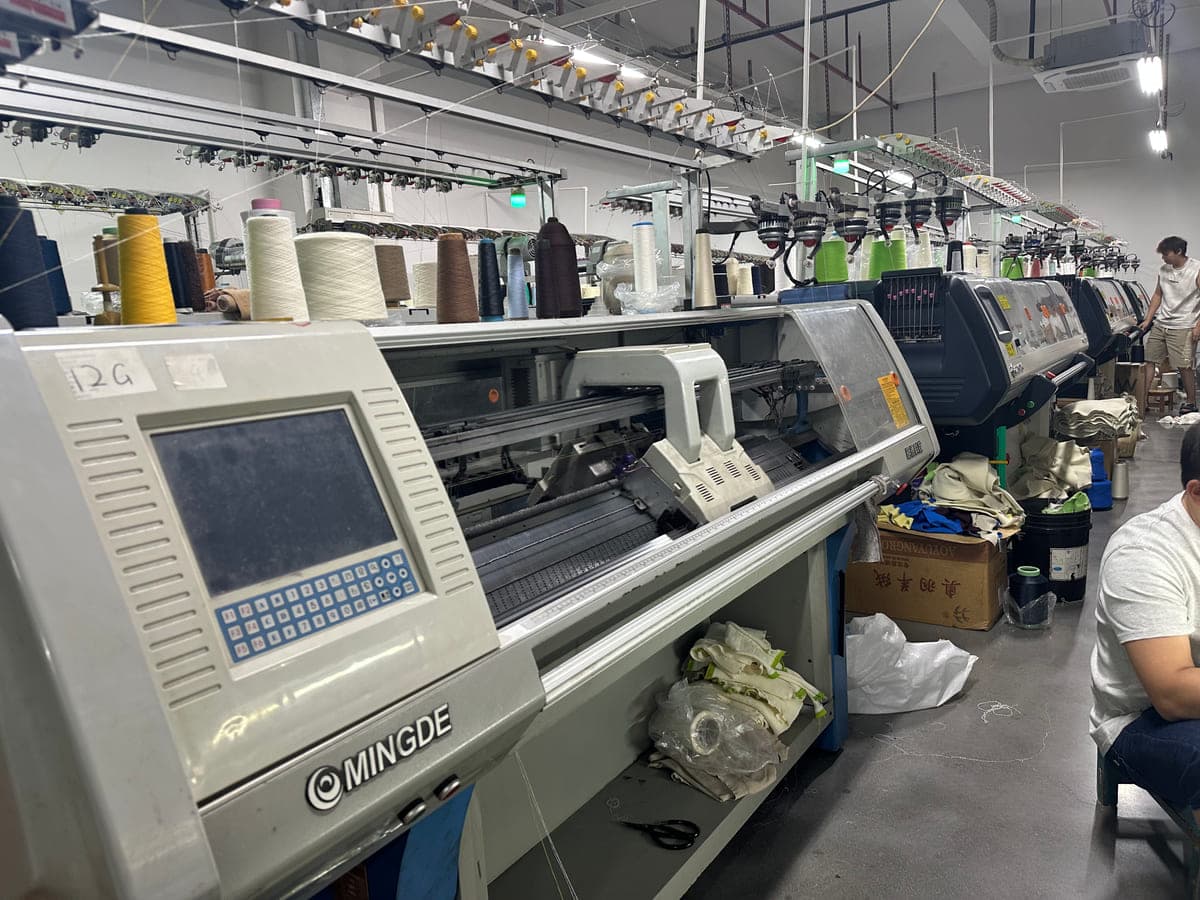
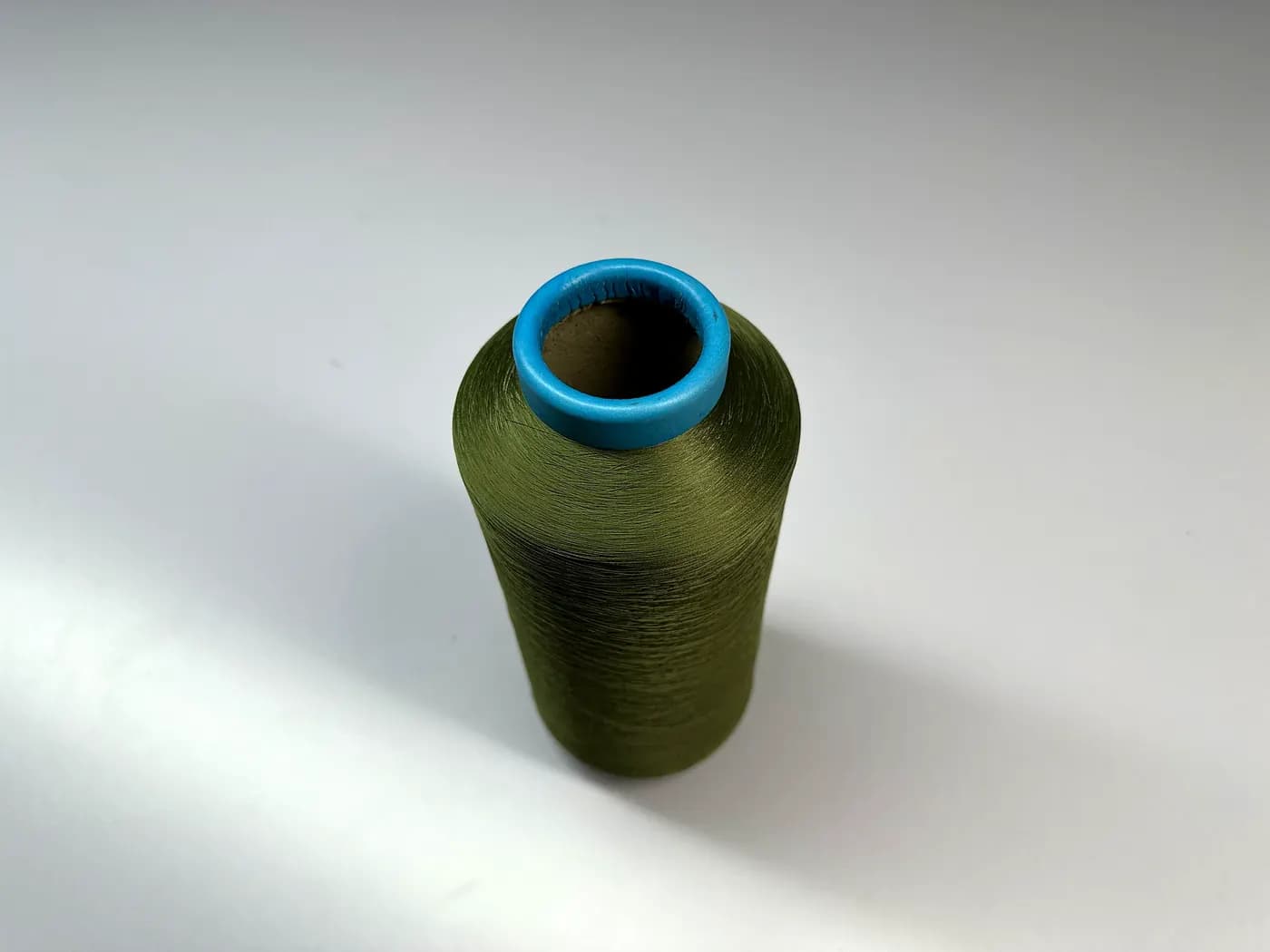
We focus on men's sweaters, cardigans, knit jackets, jacquard knitwear and private label knitwear. We support B2B buyers with OEM/ODM development, sampling and bulk production planning.
Guides for custom knitwear manufacturing, yarn selection, gauge options, quality control, cost planning and tech pack preparation.
Materials
A B2B yarn and material guide for choosing cotton blends, wool blends and synthetic support fibers for custom knitwear.
Read Guide ->Materials
Cotton looks simple on a tech pack and gets expensive fast in a quote. The word covers a tier ladder that runs from commodity upland fiber to Supima-trademarked US long-staple, with mercerization, combing, and spin method layered on top. Each lever moves hand, luster, shrinkage, pilling, and price in ways that matter for spring-summer knit polos, fine-gauge crews, and lightweight cardigans. This decoder maps the commercial tiers buyers actually encounter, explains what mercerization and ring-spinning physically do to the yarn, and gives realistic FOB yarn-price bands so you can write tech packs that quote cleanly the first time.
Read Guide ->Materials
Everything apparel buyers should know about manufacturing wool and wool-blend sweaters, from yarn selection and gauge to quality control and cost factors.
Read Guide ->Materials
What makes merino wool special and how to develop merino knitwear that justifies premium-everyday pricing, covering micron grades, blends and care.
Read Guide ->Gauge
A gauge guide explaining how 5GG, 7GG and 12GG affect sweater texture, weight, season, cost and buyer positioning.
Read Guide ->Materials
A buyer's guide to the certifications that matter in knitwear — OEKO-TEX, RWS, GRS, GOTS and BCI — what each one certifies, when you actually need it, and how chain-of-custody and transaction certificates prove a material claim.
Read Guide ->A B2B yarn and material guide for choosing cotton blends, wool blends and synthetic support fibers for custom knitwear.
7 min read - Guide
Cotton looks simple on a tech pack and gets expensive fast in a quote. The word covers a tier ladder that runs from commodity upland fiber to Supima-trademarked US long-staple, with mercerization, combing, and spin method layered on top. Each lever moves hand, luster, shrinkage, pilling, and price in ways that matter for spring-summer knit polos, fine-gauge crews, and lightweight cardigans. This decoder maps the commercial tiers buyers actually encounter, explains what mercerization and ring-spinning physically do to the yarn, and gives realistic FOB yarn-price bands so you can write tech packs that quote cleanly the first time.
6 min read - Guide
Everything apparel buyers should know about manufacturing wool and wool-blend sweaters, from yarn selection and gauge to quality control and cost factors.
5 min read - Guide
What makes merino wool special and how to develop merino knitwear that justifies premium-everyday pricing, covering micron grades, blends and care.
8 min read - Guide
A gauge guide explaining how 5GG, 7GG and 12GG affect sweater texture, weight, season, cost and buyer positioning.
6 min read - Guide
A buyer's guide to the certifications that matter in knitwear — OEKO-TEX, RWS, GRS, GOTS and BCI — what each one certifies, when you actually need it, and how chain-of-custody and transaction certificates prove a material claim.
5 min read - Guide
Synthetic yarns get a bad rap in editorial coverage and a quiet pass in the buying office, because the math on a 100,000-piece holiday sweater program rarely pencils in pure wool. This briefing is the version of the conversation you wish your mill would have with you: where acrylic genuinely earns its place (mass-market price points, vivid color, no-fuss care), where it quietly torpedoes a premium brand (hand, breathability, returns from in-store touch tests), and how nylon micro-percentages do real structural work in athletic ribs and high-abrasion zones. We cover the three blend ratios you will see quoted most often, the field-tip hand-feel checks your QC team can do without a lab, and the FOB yarn-price reality that drives most of these decisions in the first place.
7 min read - Guide
A material comparison guide for fashion brands choosing between cotton, wool blend and related yarn directions for custom sweaters.
6 min read - Guide
Merino is the most over-promised fiber in knitwear sourcing. Mills quote 'fine merino' on a line sheet and a buyer assumes 18.5 micron Australian RWS — what arrives is often 21 micron South American, blended down with a touch of polyamide and labeled the same. This guide breaks down the actual micron tiers used in the trade (16.5 through 21+), the working differences between Australian, New Zealand, Argentine, Uruguayan and South African clips, what mulesing-free and RWS certification really mean on a commercial invoice, and the small set of spec lines you need in a tech-pack to prevent substitution. It closes with verification steps — IWTO test reports, fiber-content lab tests, and what to ask for at PP sample — that take a sourcing manager from trust-based buying to evidence-based buying without slowing development.
7 min read - Guide
We focus on men's sweaters, cardigans, knit jackets, jacquard knitwear and private label knitwear. We support B2B buyers with OEM/ODM development, sampling and bulk production planning.
Ready sample styles and selected custom programs can support lower-risk trials before larger seasonal orders.
Yes. Brands, including new labels preparing a first collection, can pay for a sample and see it before placing a production order. Two routes: a ready sample of a published style at USD 60 per piece in about 7 days, or a development sample from your tech pack at USD 150 per style, covering yarn sourcing, knit programming, one prototype and one revision round, in 15-25 days. Cashmere and mohair styles are quoted individually and shipping is charged at cost. Production starts only after you approve the physical sample, at our minimum of 30 pieces per colour with sizes mixed inside the 30. A sample does not commit you to a production run; we do not make garments for personal use.
Our sample fee is not refundable. Yarn sourcing, knit programming, machine setup and hand linking cost about the same whether one piece follows or five hundred, which is why the fee exists at all. It is credited against your first bulk order placed within six months of sample approval: 100% of a development sample fee, 50% of a ready sample fee.
Yes, for brands developing a style. One development piece is fine, with no commitment to bulk: a development sample is USD 150 per style and covers yarn sourcing, knit programming, one prototype and one revision round, in 15-25 days (cashmere and mohair are quoted individually). If you then go to production, the minimum is 30 pieces per colour with sizes mixed inside the 30, and the full USD 150 is credited against a first bulk order placed within six months of approving the sample. We do not make garments for personal wear.
Plain and striped styles using the same yarn and colour can be combined toward a minimum of 30 pieces, with mixed sizes. For example, four plain styles of 25 pieces each in the same yarn and colour total 100 pieces and meet that minimum. Different yarns or colours are counted separately. Jacquard and intarsia require 30 pieces per pattern; quantities from different patterns cannot be combined. Send us your styles, yarns, colours and quantities so we can confirm how the minimum applies to your project.

Get a free catalog or submit an RFQ today. Our team will respond within 24 hours.
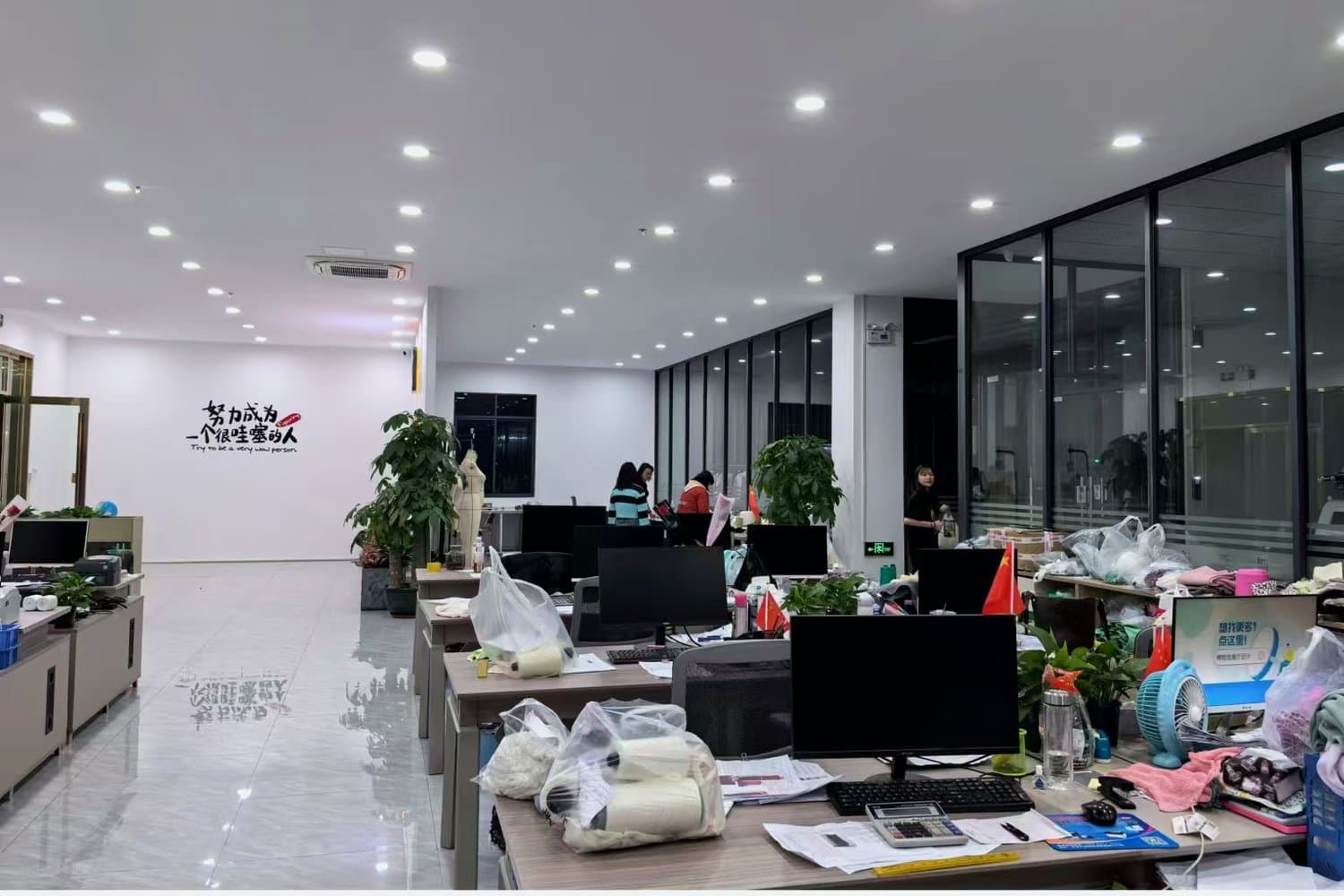
Cannot find what you need? Our team can create a custom guide or template for your specific project.
Request Custom Resource ->