Wool Sweater Manufacturing: A Complete Buyer's Guide
Everything apparel buyers should know about manufacturing wool and wool-blend sweaters, from yarn selection and gauge to quality control and cost factors.
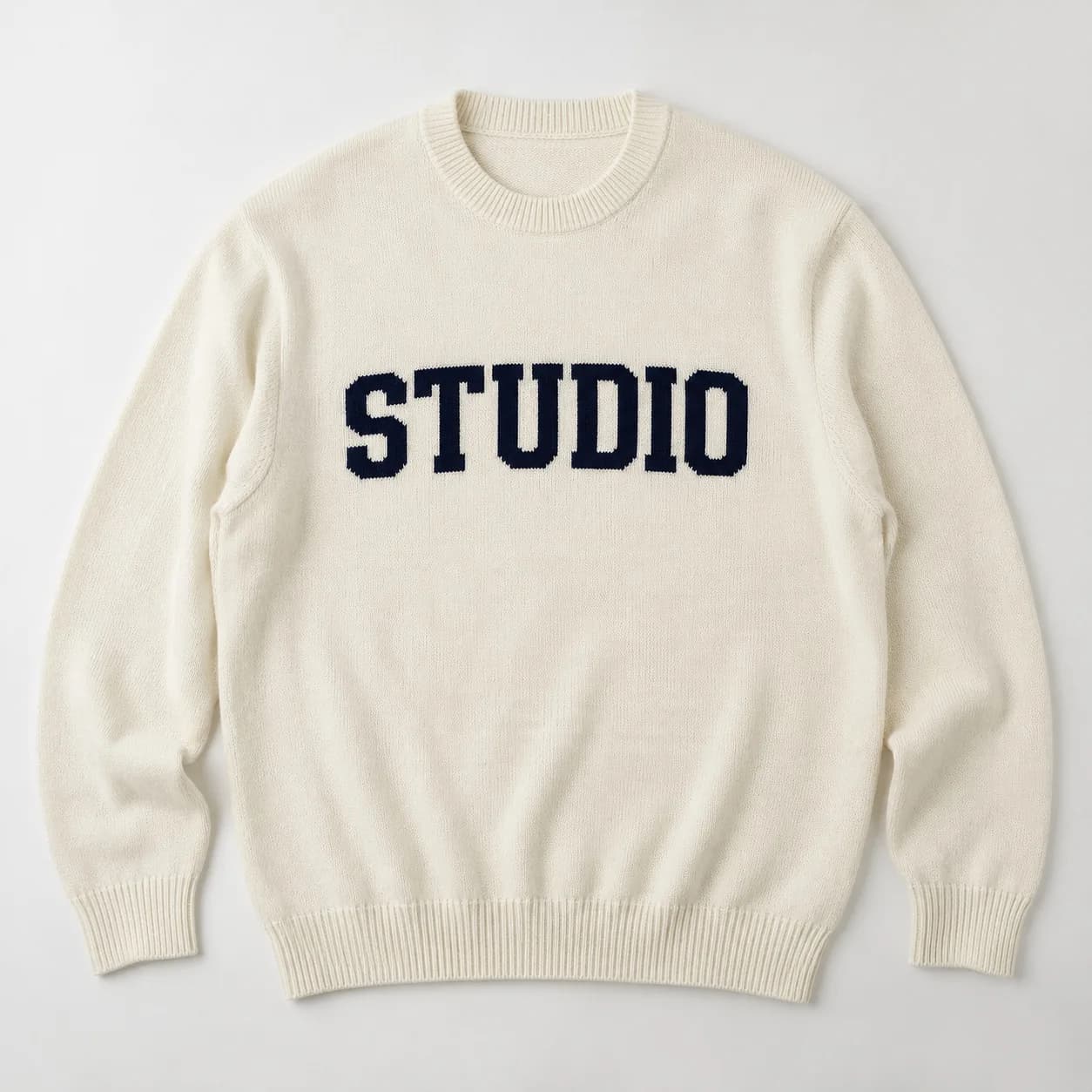
Wool is the classic sweater fiber, but "wool" covers a wide family of yarns with very different handfeel, performance and price. For B2B buyers building an autumn/winter range, understanding wool types and how they are manufactured into sweaters is key to getting the warmth, quality and positioning you want. This guide covers wool sweater development end to end.
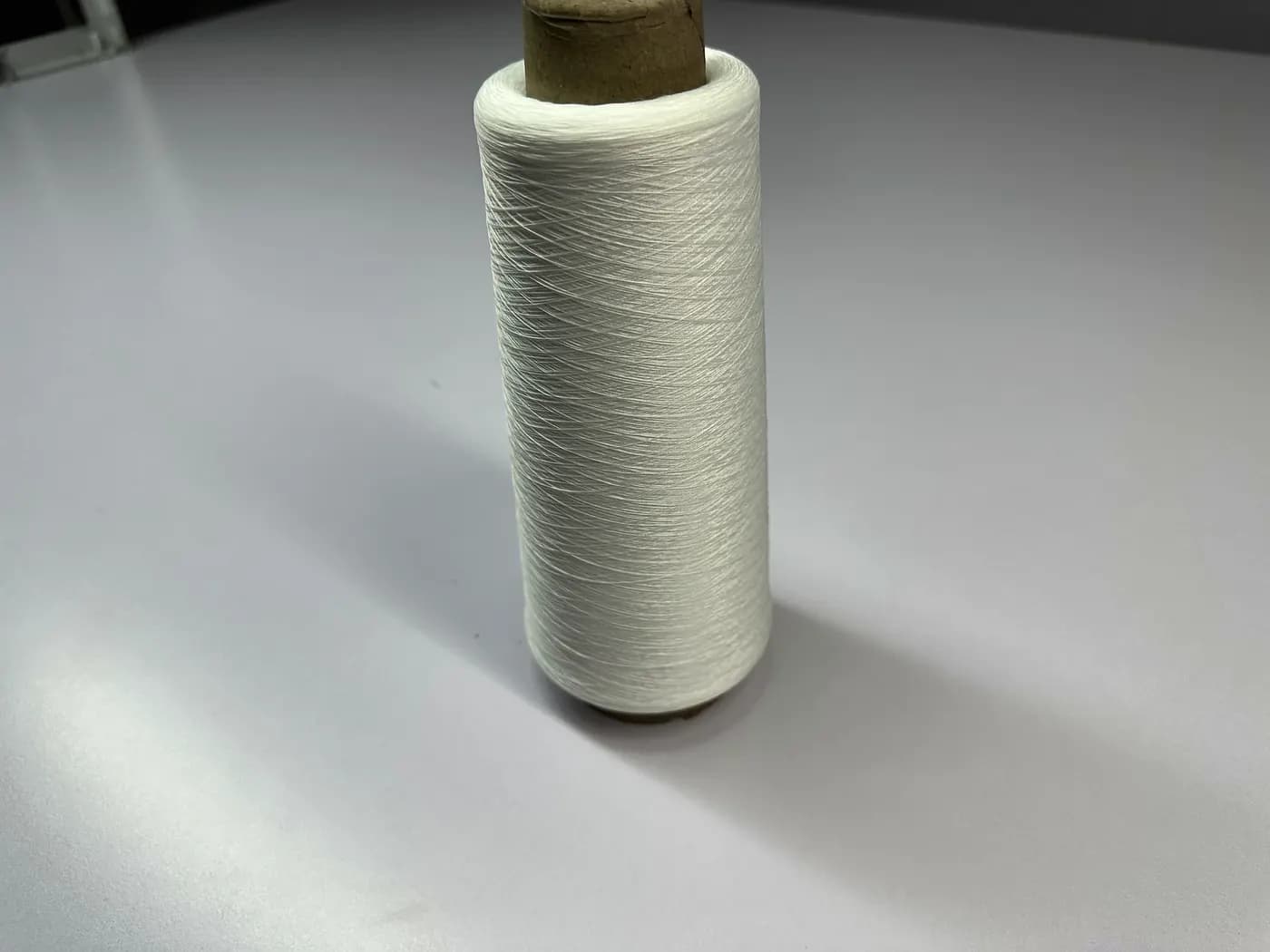
Not all wool is equal. The type of wool you choose sets your sweater's warmth, softness, durability and price before a single stitch is knitted.
The Main Types of Wool
💬 Sourcing this for an upcoming project? Request a free quote → · MOQ 30 pcs · Sample in 15–25 days · WhatsApp us
| Wool type | Character | Positioning |
|---|---|---|
| Lambswool | Soft, warm, good value | Core autumn/winter |
| Merino | Fine, soft, low itch | Premium everyday |
| Cashmere | Ultra-soft, light, warm | Luxury |
| Wool blends | Tuned for cost/care | Value to mid |
| Recycled wool | Sustainable story | Eco programs |
Why Wool Performs
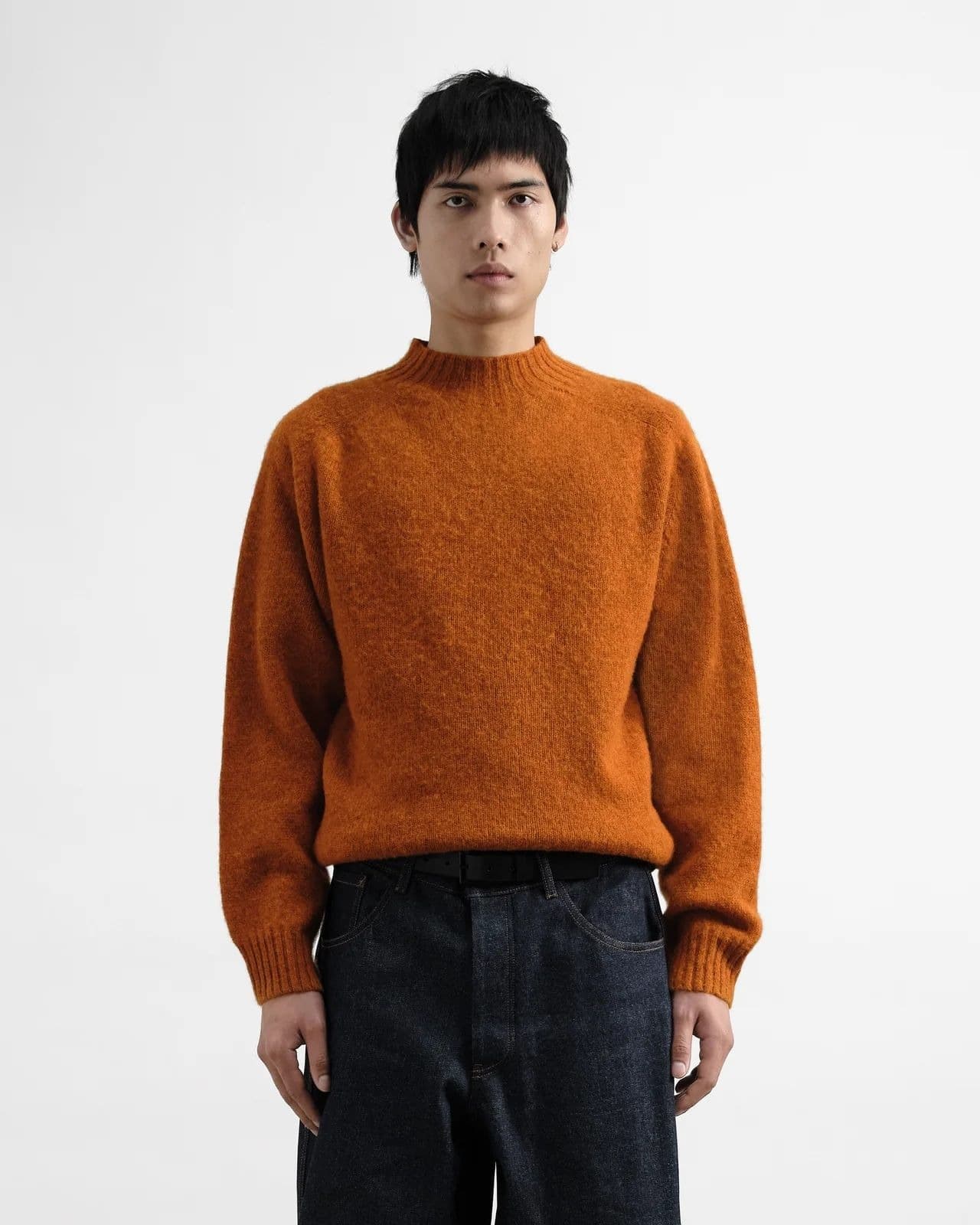
Wool fibers are naturally crimped, which traps air for warmth and gives the yarn its springy resilience, so wool sweaters hold their shape better than cotton. Wool also manages moisture and resists odor, which is why it remains the benchmark for cold-weather knitwear. The trade-offs are more careful washing and a higher cost than basic cotton or acrylic.
Choosing the Right Wool for Your Program
- Lambswool is the workhorse: warm, soft enough for most customers, and well-priced for core ranges.
- Merino justifies a premium price with its fine, low-itch handfeel, ideal for next-to-skin and everyday premium.
- Cashmere sits at the luxury top, ultra-soft and light, with the cost to match.
- Blends (wool-acrylic, wool-cotton) tune easy-care and price for value programs.
See the full fiber comparison in our yarn selection guide.
Gauge and Construction for Wool
Wool suits a wide gauge range. Chunky 3-5GG wool sweaters maximize warmth and texture for deep winter; classic 7GG is the versatile core; fine 12GG merino works for lightweight layering pieces. Fully-fashioned construction is worth it on quality wool to minimize waste and give clean edges, see our construction guide.
Quality and Care Considerations
Wool's main quality risks are pilling and shrinkage. Prevent pilling with longer-staple, higher-twist yarns, and confirm shrinkage is within spec on a washed sample. Many programs use superwash or blended wool for machine-washability, which matters to everyday customers. Test these on the actual yarn before bulk, as covered in our quality control checklist.
From Yarn to Finished Sweater
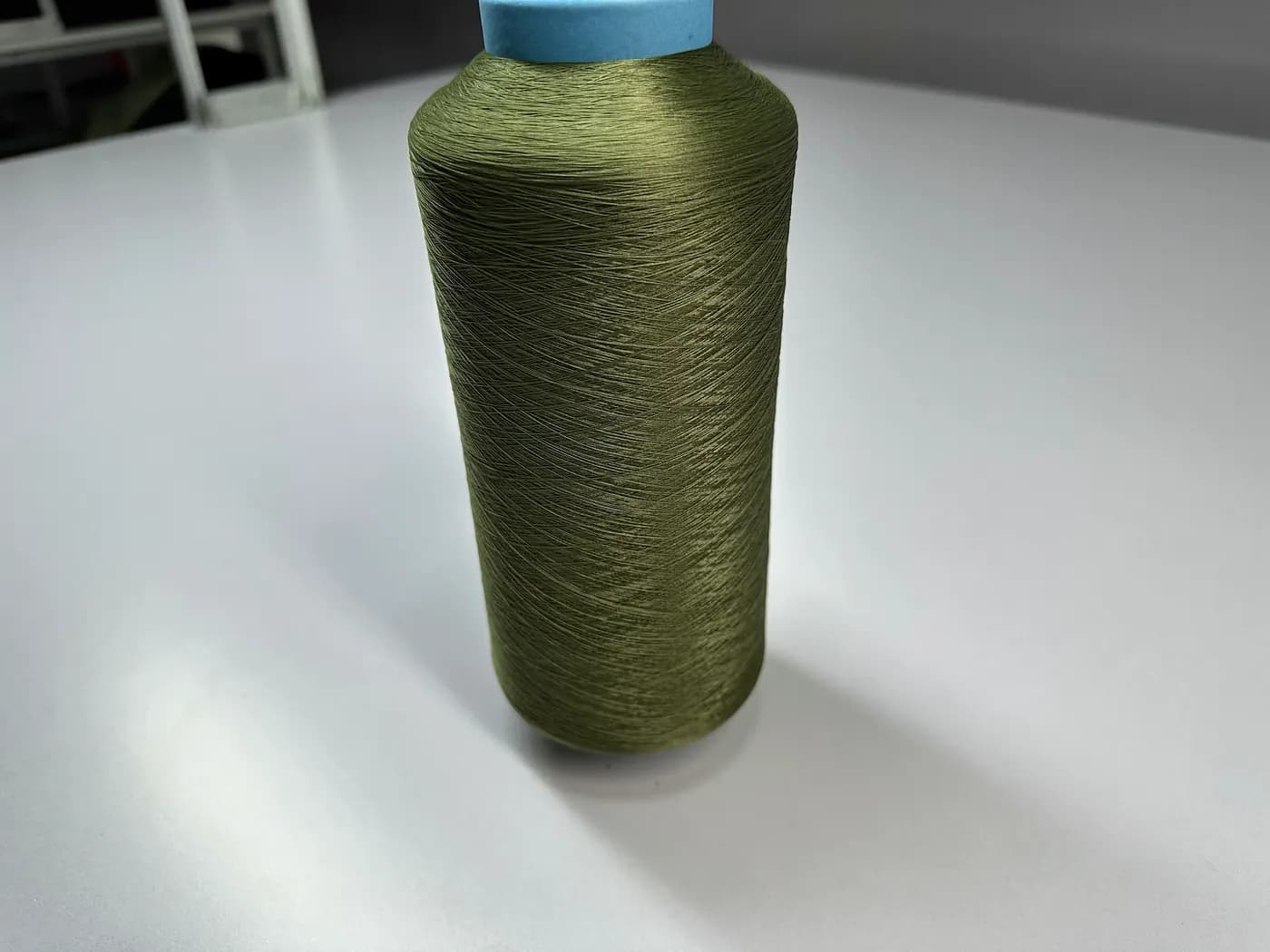
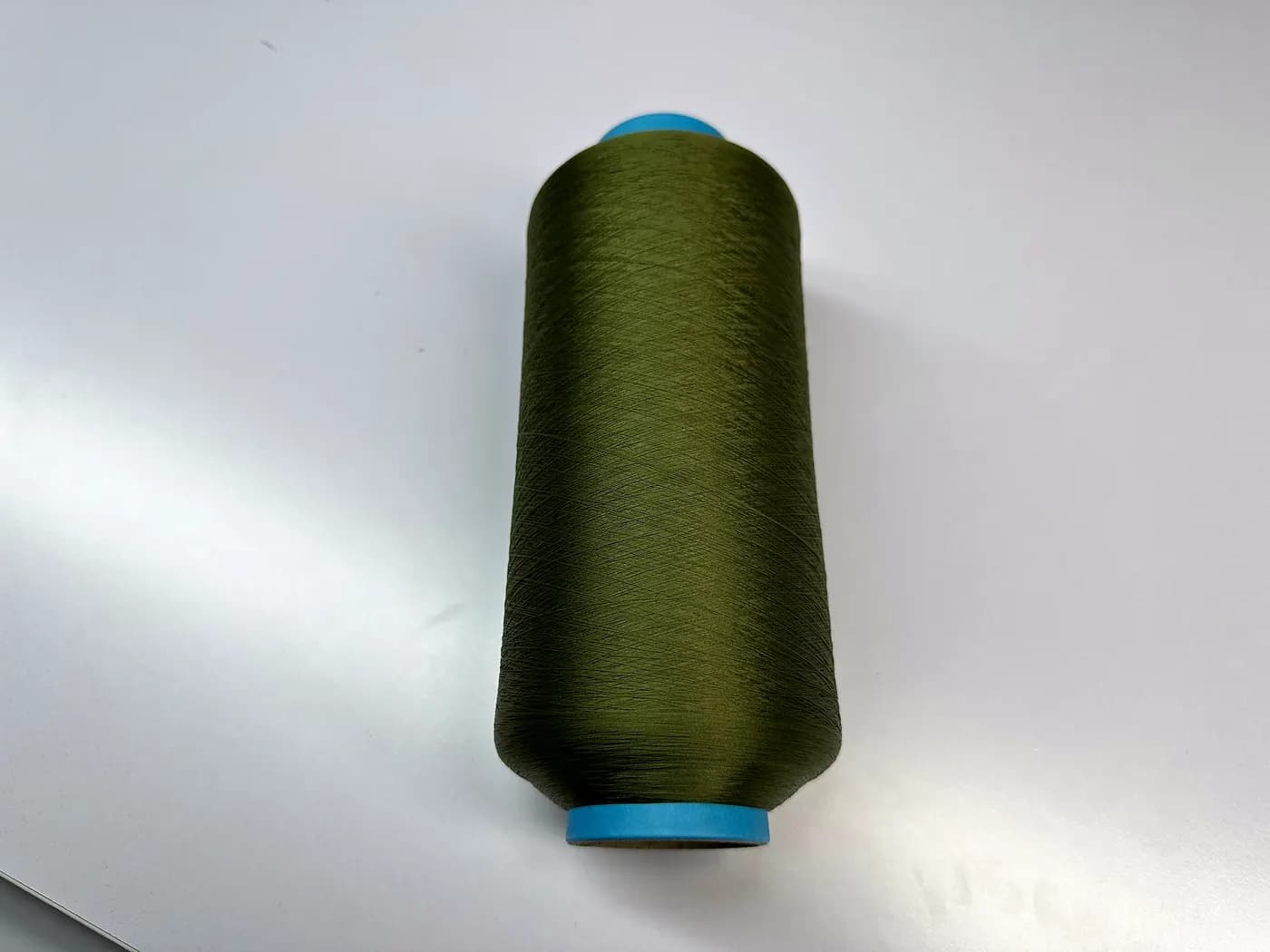
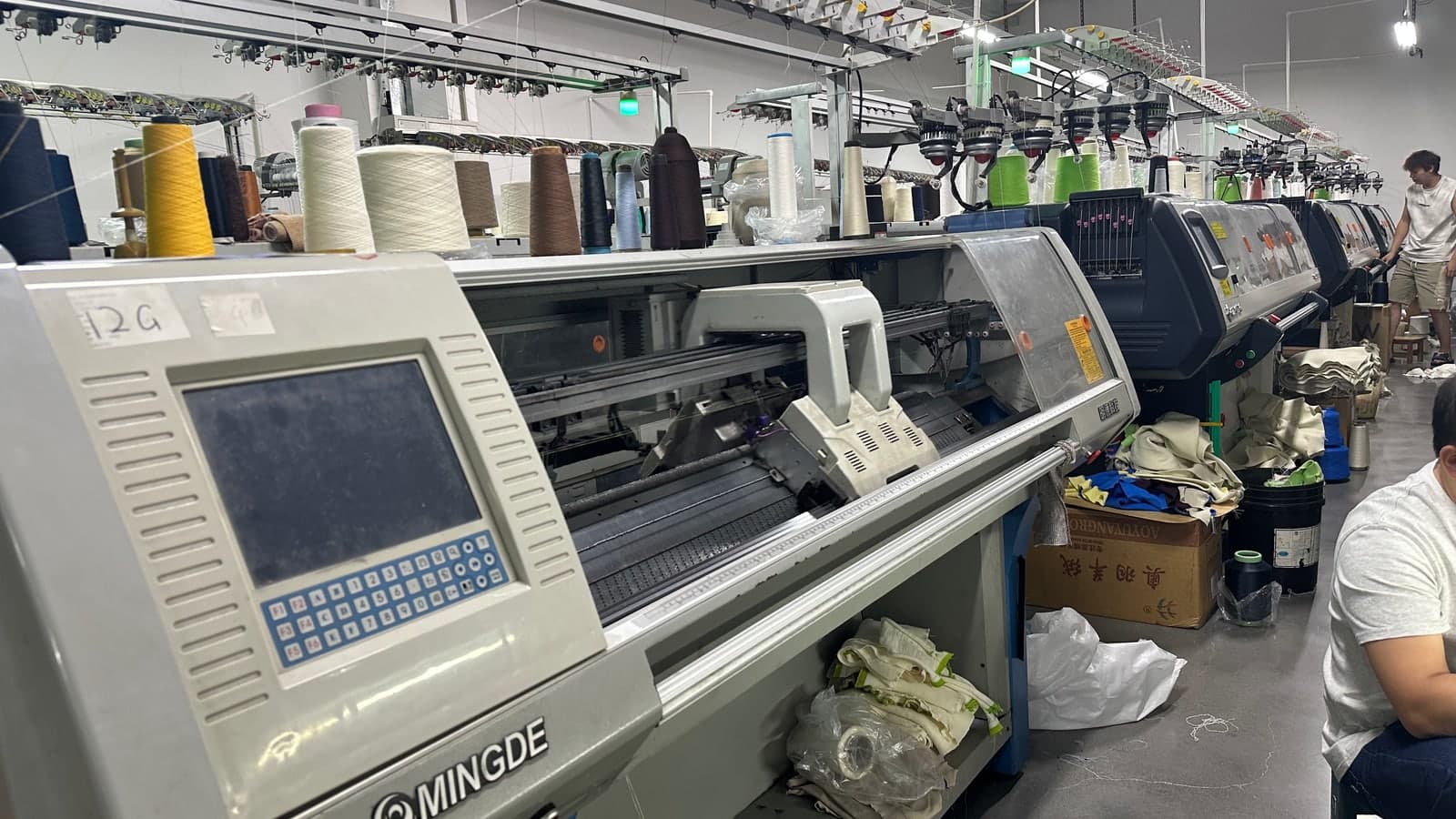
Wool sweater development follows the standard path, yarn selection, sampling, bulk knitting, finishing and QC, but yarn lead time can be longer for specific wool qualities or custom colors, which affects MOQ and timeline. Plan accordingly.
Reading a Wool Yarn Spec Before You Commit
Buyers who lock the yarn spec early avoid most surprises at bulk. When you compare wool offers, look past the headline fiber name and check the details that actually drive cost, handfeel and durability. The table below shows the levers that matter and why.
| Spec to confirm | What it means | Why it matters for your order |
|---|---|---|
| Fiber blend % | e.g. 70% wool / 30% acrylic | Sets warmth, price and care; blends improve easy-care and lower cost |
| Micron / grade | Fineness of merino or lambswool | Lower micron = softer, lower itch, higher price |
| Staple length | Short vs long fiber | Longer staple resists pilling better |
| Yarn count / ply | Thickness and twist | Drives gauge options and shape retention |
| Treatment | Superwash, mulesing-free, recycled | Affects machine-washability and your sustainability claim |
For an eco program, ask whether the recycled wool or blend is GRS-certified, the Global Recycled Standard is one of the certifications we hold (alongside OEKO-TEX Standard 100, ISO 9001 and GOTS), so the recycled content claim on your label is verifiable.
A Worked Example: Costing a Merino Crewneck
Say you want a 12GG fine-merino crewneck for a premium everyday line, starting at our 30-piece MOQ. Here is how the development runs:
1. Yarn selection — choose a low-micron merino in your colorway; allow extra lead time if the color is custom-dyed. 2. Sampling — first sample in 15–25 days; review handfeel, fit and a washed swatch for shrinkage before sign-off. 3. Bulk production — 30–45 days once the sample and yarn are approved. 4. QC — pilling, shrinkage and measurement checks against your approved spec.
The biggest schedule risk is yarn, not knitting, so confirm the merino quality and color at sampling and build the dye/lead time into your launch calendar.
Pre-Production Checklist
- [ ] Fiber blend, micron and treatment locked in writing
- [ ] Washed sample passes shrinkage and pilling within spec
- [ ] Gauge confirmed against target warmth and weight
- [ ] Care label and any GRS claim verified against the actual yarn
- [ ] Yarn lead time factored into the production timeline
Common Questions
What is the minimum order for a custom wool sweater? Our MOQ starts at 30 pieces per style/color, which lets brands test a wool program without committing to large volumes upfront.
How long does a wool sweater take from sample to delivery? Plan on 15–25 days for the first sample and 30–45 days for bulk production after approval; specialty wool qualities or custom colors can add yarn lead time on top.
Can you make machine-washable wool sweaters? Yes. Superwash wool and wool blends give everyday machine-washability; we confirm shrinkage on a washed sample before bulk so the care label holds up in real use.
Licheng Knitwear develops wool sweaters in lambswool, merino, cashmere blends and recycled wool for B2B buyers serving North America and Europe. Browse our sweaters or request a quote.
---
Talk to our team about this
If you're planning a real project around any of the points above, we'd be glad to take a quick look. Send a short brief and we'll come back within one business day with a practical direction, MOQ + lead time estimate, and a sample plan if it makes sense.
→ Request a free quote · Download the men's knitwear catalog · WhatsApp us · info@lcgarment.cn
Frequently Asked Questions
Merino (soft, fine), lambswool (classic warmth), and wool blends with acrylic or cotton for value and durability. Each suits a different price point and hand.
Yes - merino is soft, breathable, warm year-round and naturally odour-resistant, making it versatile across seasons.
From 30 pieces per colour using stock wool yarns; custom-dyed colours may raise the minimum.
We focus on men's sweaters, cardigans, knit jackets, jacquard knitwear and private label knitwear. We support B2B buyers with OEM/ODM development, sampling and bulk production planning.
Ready sample styles and selected custom programs can support lower-risk trials before larger seasonal orders.
Yes. Brands, including new labels preparing a first collection, can pay for a sample and see it before placing a production order. Two routes: a ready sample of a published style at USD 60 per piece in about 7 days, or a development sample from your tech pack at USD 150 per style, covering yarn sourcing, knit programming, one prototype and one revision round, in 15-25 days. Cashmere and mohair styles are quoted individually and shipping is charged at cost. Production starts only after you approve the physical sample, at our minimum of 30 pieces per colour with sizes mixed inside the 30. A sample does not commit you to a production run; we do not make garments for personal use.