Cotton vs Wool Sweaters for Fashion Brands
Updated 9/4/202612 min readBy Simon Liu · Licheng Knitwear
A material comparison guide for fashion brands choosing between cotton, wool blend and related yarn directions for custom sweaters.
A material comparison guide for fashion brands choosing between cotton, wool blend and related yarn directions for custom sweaters.
Get a free catalog or submit an RFQ today. Our team will respond within 24 hours.
Our team is ready to support your brand from concept to delivery.
Discuss Your ProjectQuick answer — cotton vs wool sweaters: the choice is really a season-and-positioning decision. Cotton knits suit spring/summer and transitional ranges, breathable casual styling and more accessible price points. Wool (merino, lambswool and blends) suits autumn/winter, warmth-to-weight, premium positioning, and better natural drape and elasticity. Neither is universally better — pick by season and brand positioning, and the fibre largely chooses itself.
Cotton or wool? It is one of the first questions a fashion brand faces when planning a sweater range, and the answer shapes season, price, handfeel and customer perception. Neither is universally better; they suit different programs. This guide compares cotton and wool sweaters across the factors that matter to B2B buyers, so you can choose with confidence.
The cotton-versus-wool decision is really a season-and-positioning decision. Get those right and the fiber chooses itself.
💬 Sourcing this for an upcoming project? Request a free quote → · MOQ 30 pcs · Sample in 15–25 days · WhatsApp us
| Factor | Cotton | Wool |
|---|---|---|
| Warmth | Light, breathable | Warm, insulating |
| Season | Spring/summer, transitional | Autumn/winter |
| Handfeel | Cool, smooth | Soft to crisp, resilient |
| Care | Easy, machine-friendly | More delicate, can felt |
| Shape retention | Can stretch over time | Springs back well |
| Cost | Low to medium | Medium |
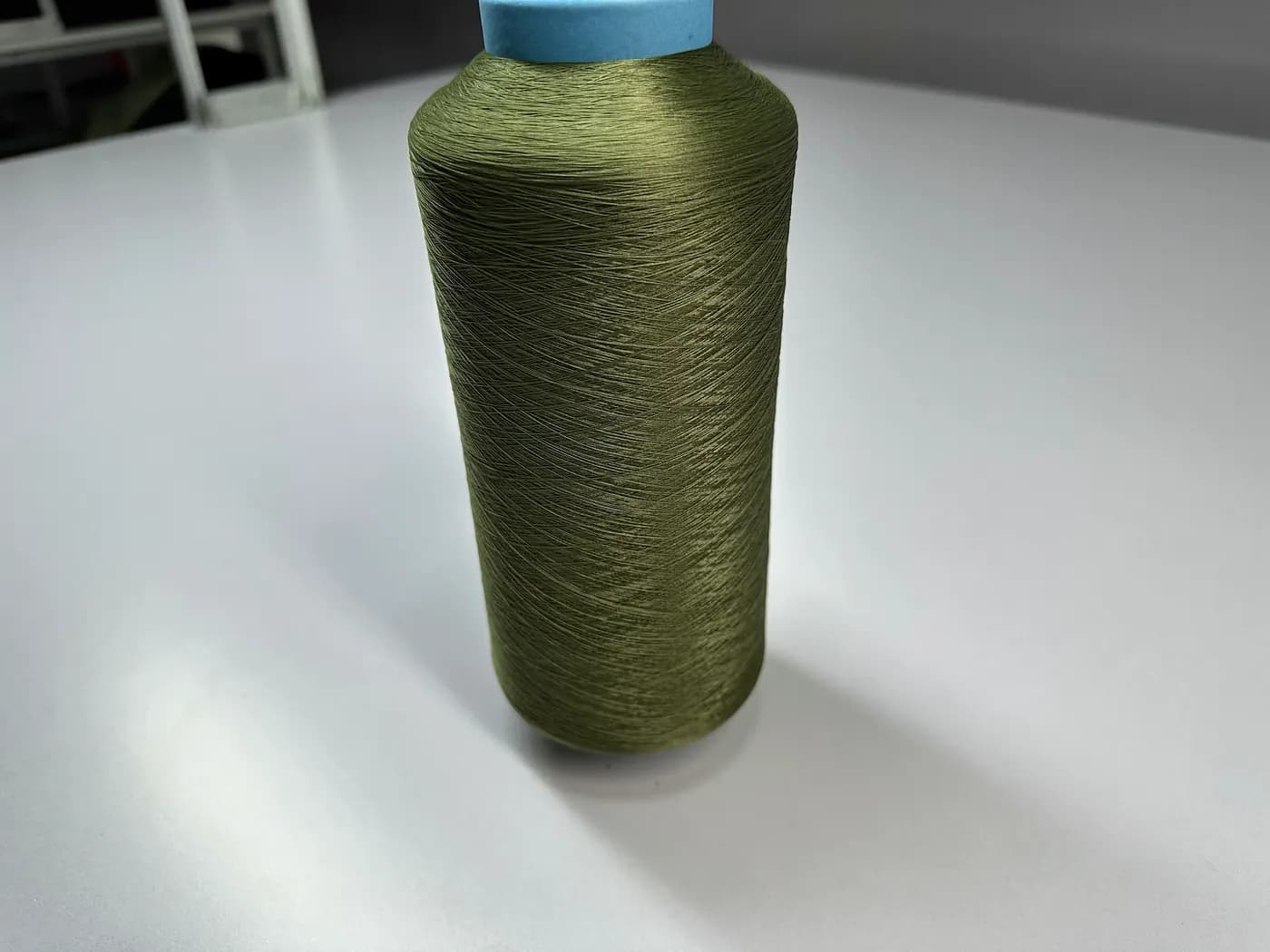
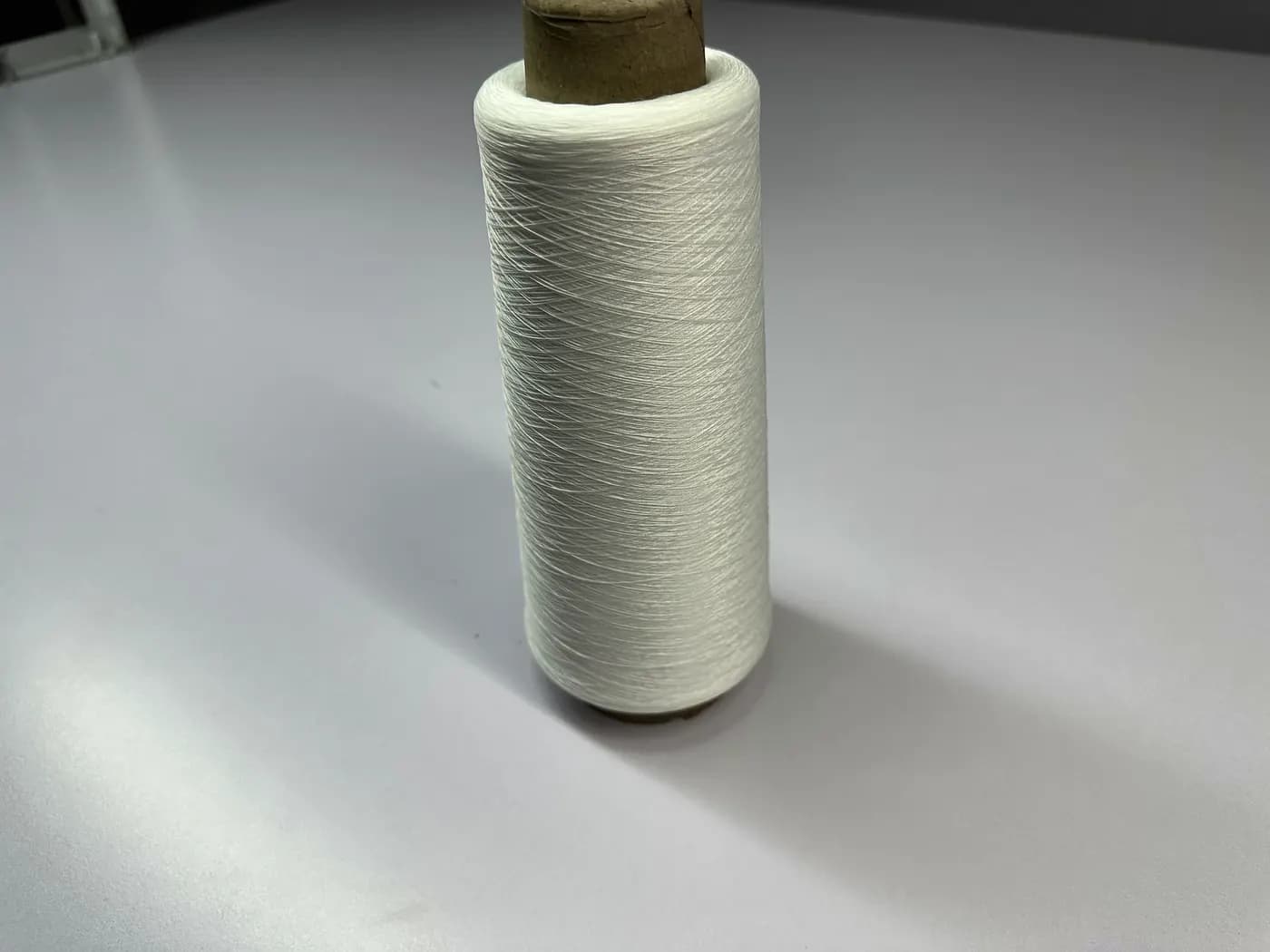
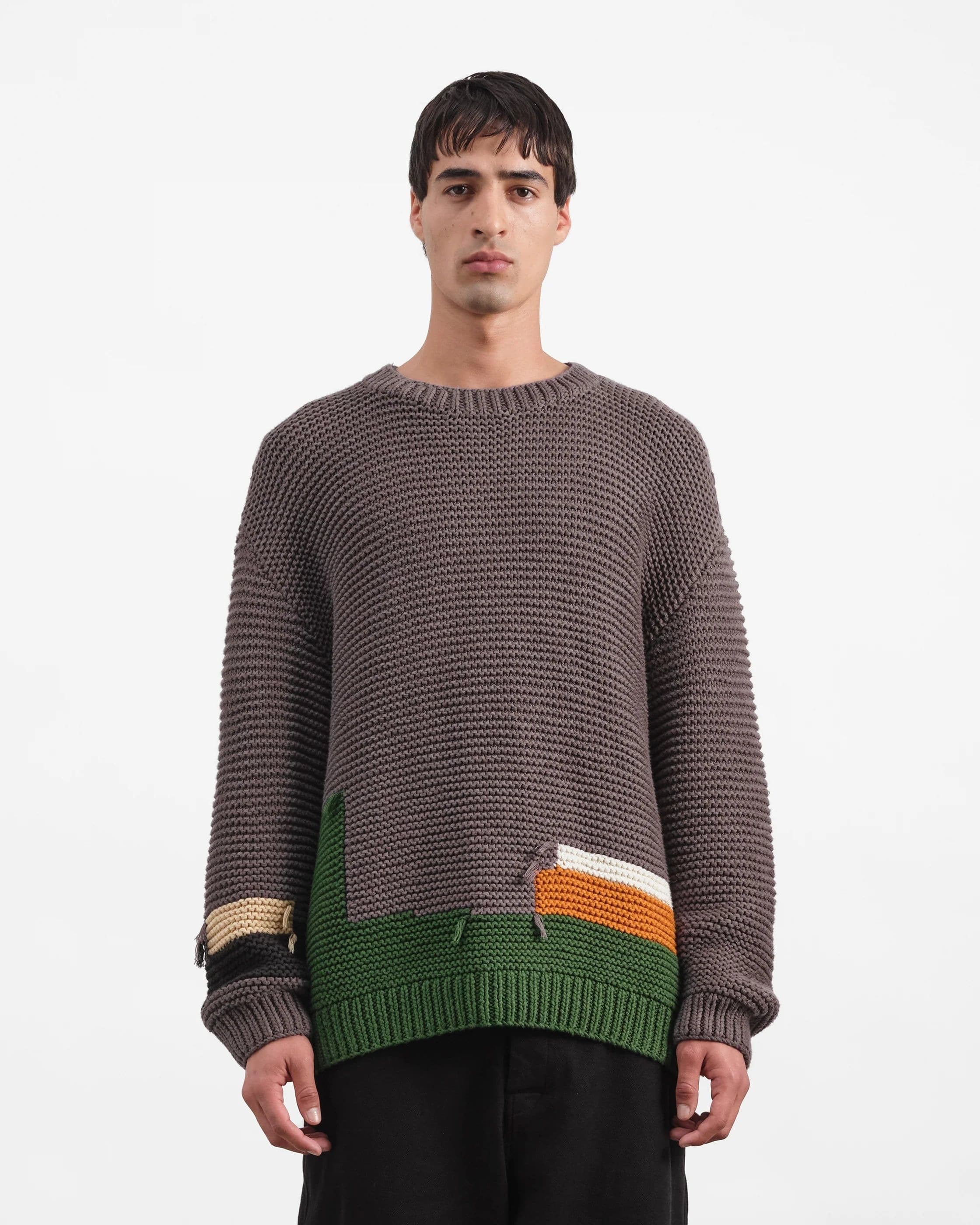
Cotton suits warm-weather and transitional ranges. It is breathable, cool against the skin, and easy to care for, which appeals to everyday customers. It takes bright colors well and reads as casual and approachable. Cotton is also a strong choice for value programs and for brands whose customers want machine-washable knits. The trade-off is less warmth and a tendency to lose shape over time unless blended.
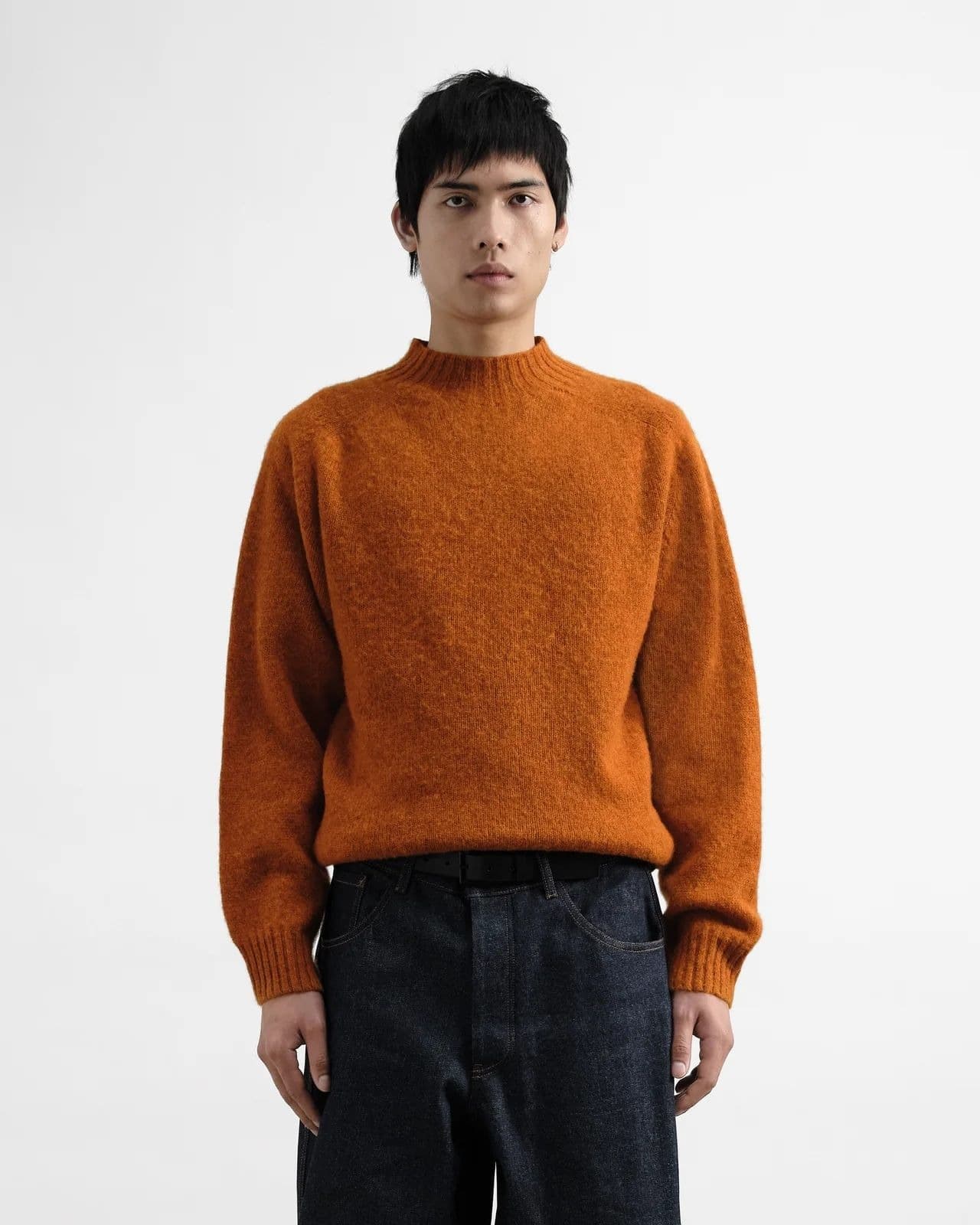
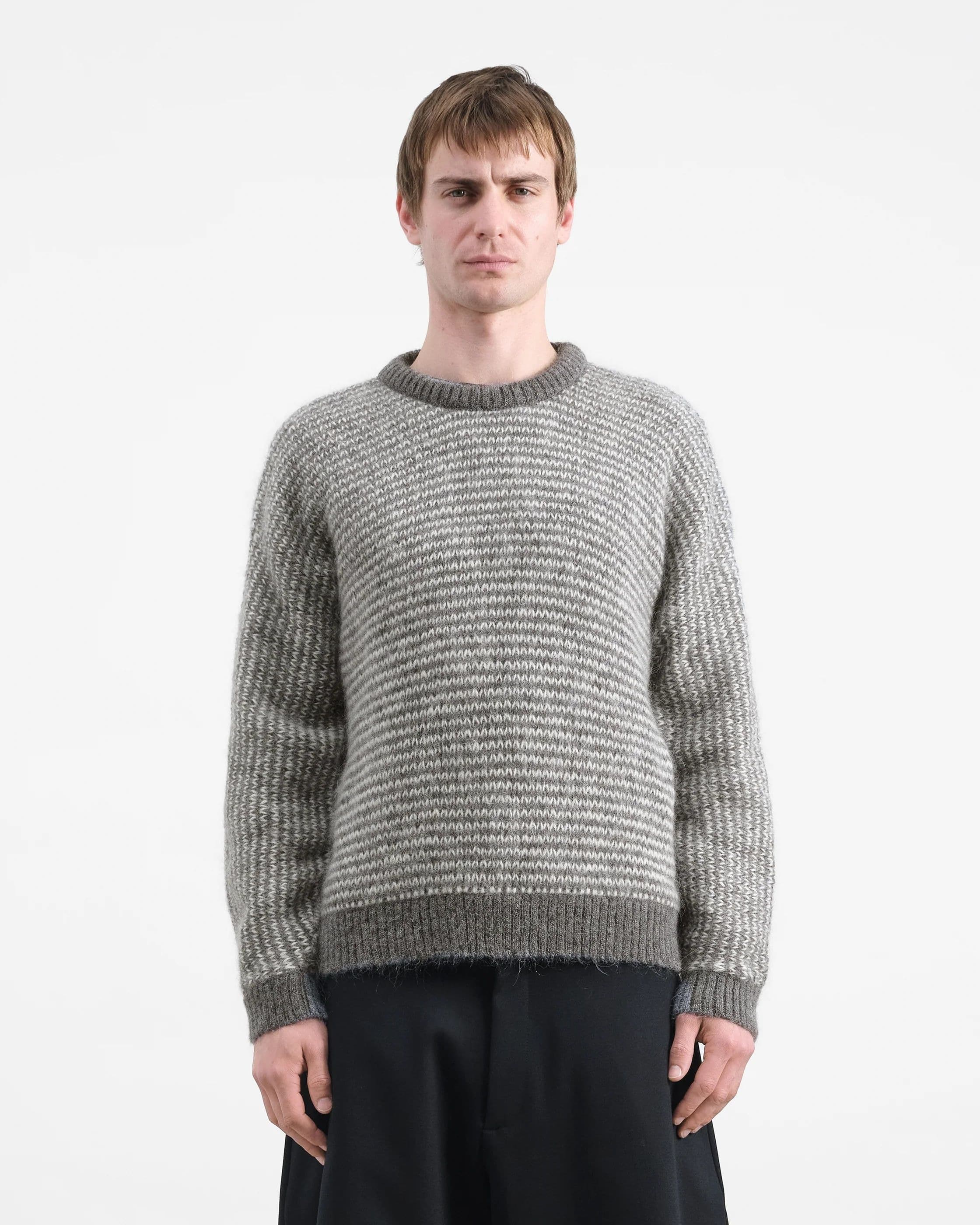
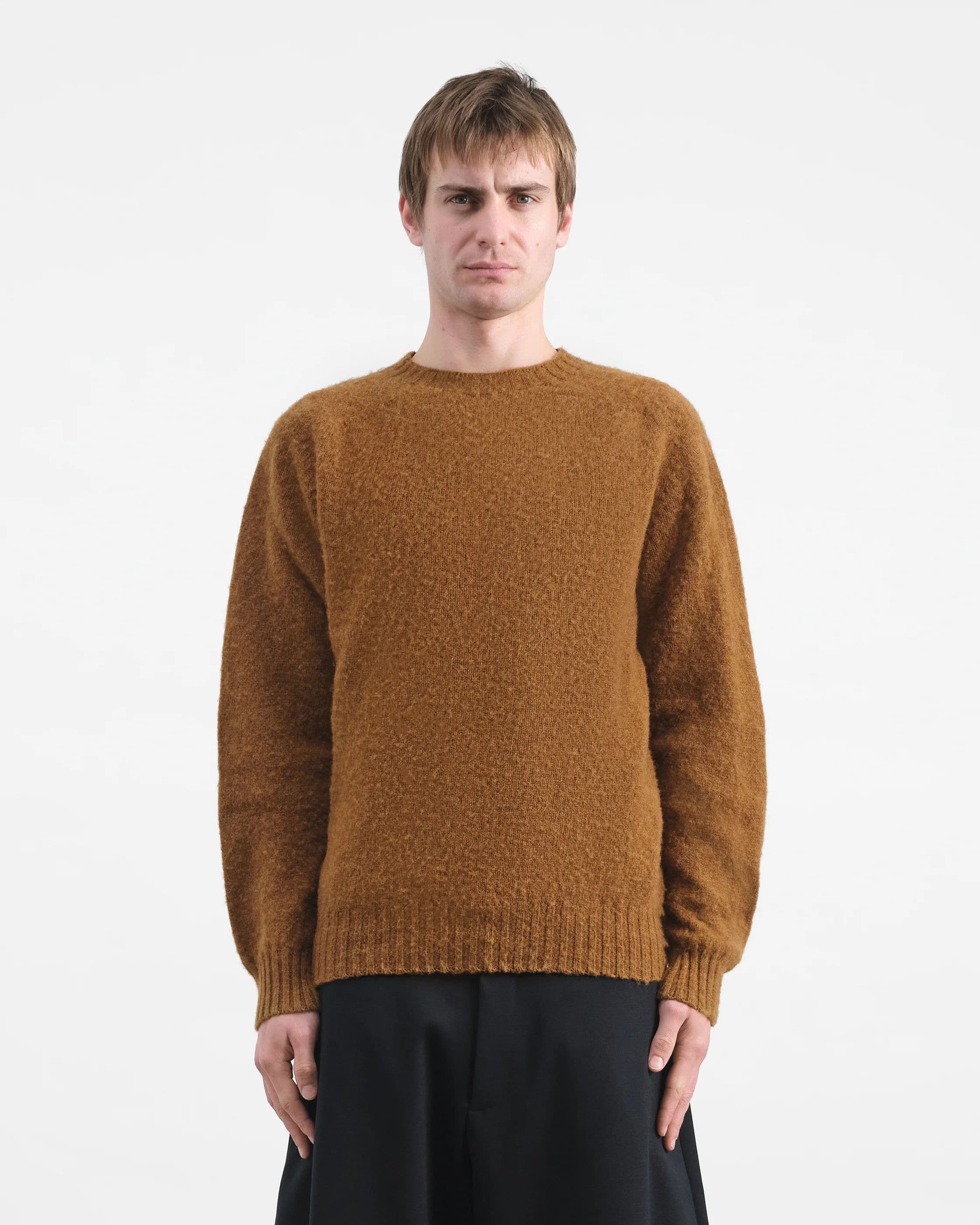
Wool is the classic autumn/winter fiber: warm, resilient, and naturally springy so it holds shape. It feels premium and performs well season after season. Merino wool adds softness and reduces itch for a more premium positioning, while lambswool offers warmth at a friendlier price. The trade-offs are more careful washing and a slightly higher cost than basic cotton. See our yarn selection guide for the full fiber picture.
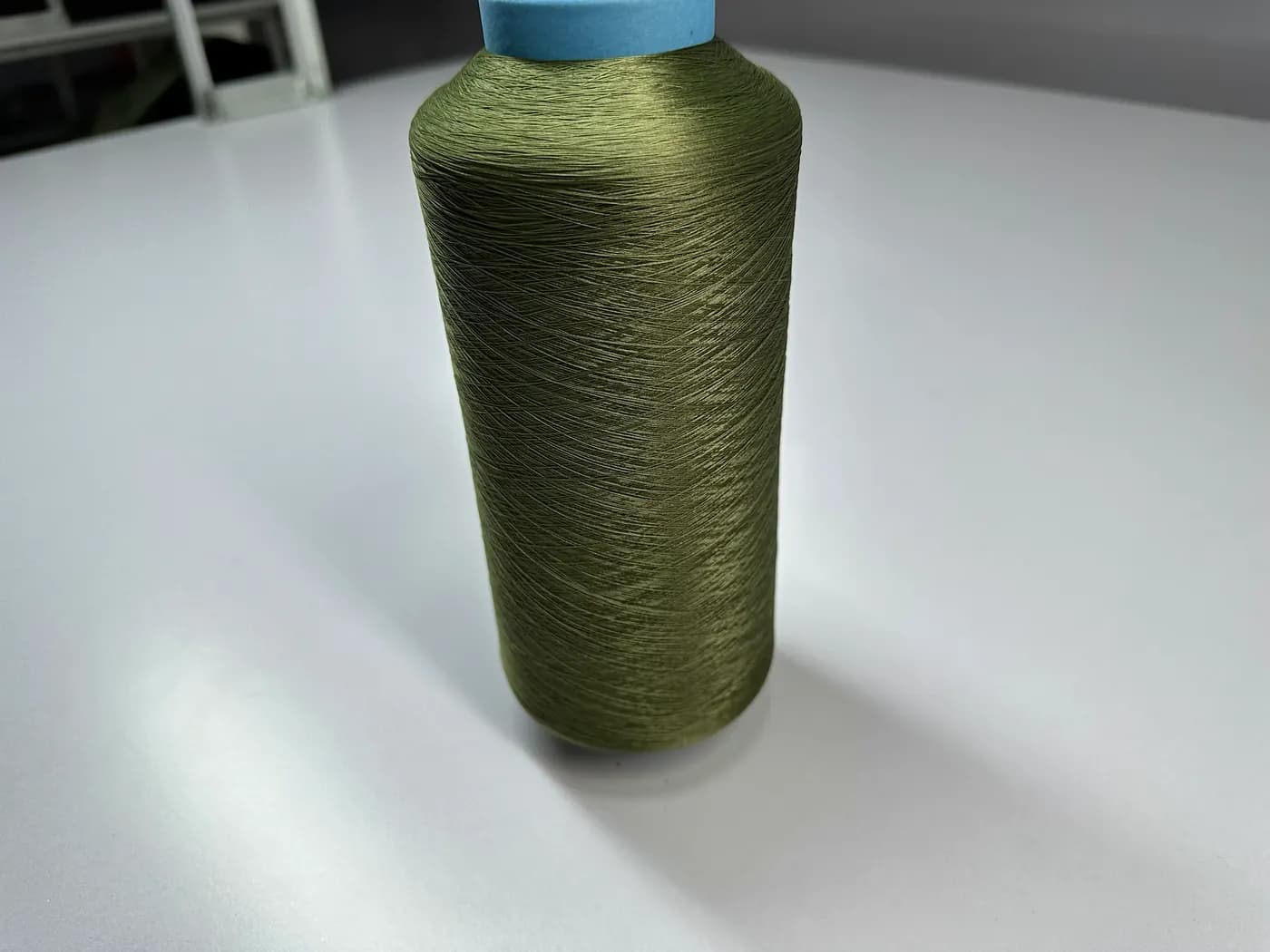
Many successful programs use blends. Cotton-cashmere adds softness to a breathable base; wool-acrylic improves easy-care and lowers cost; cotton-wool bridges seasons. Blends let you tune handfeel, performance and price rather than accepting the trade-offs of a pure fiber. If you cannot decide, a blend is often the commercially smartest answer.
Fiber is the biggest driver of unit cost, so your choice flows straight into pricing. Wool generally costs more than basic cotton, and premium wools like merino more again. Care matters too: if your customer expects to machine-wash, lean cotton or treated/blended wool. See how fiber affects price in our cost factors guide.
Fiber choice and knit gauge work together, and getting the pairing right is as important as the fiber itself. Cotton's smooth, less-elastic character suits finer gauges and clean stitch definition, while wool's spring and loft shine in heavier, warmer constructions. Use this as a starting point when you brief a program:
| Gauge | Typical fiber fit | Result |
|---|---|---|
| 3GG–5GG | Chunky wool, wool-acrylic | Heavy winter knits, strong texture |
| 7GG | Wool, merino, cotton-wool | Mid-weight everyday sweaters |
| 12GG | Cotton, merino, cotton blends | Smooth transitional knits |
| 14GG–18GG | Fine cotton, merino, cashmere blends | Lightweight, refined fine-gauge styles |
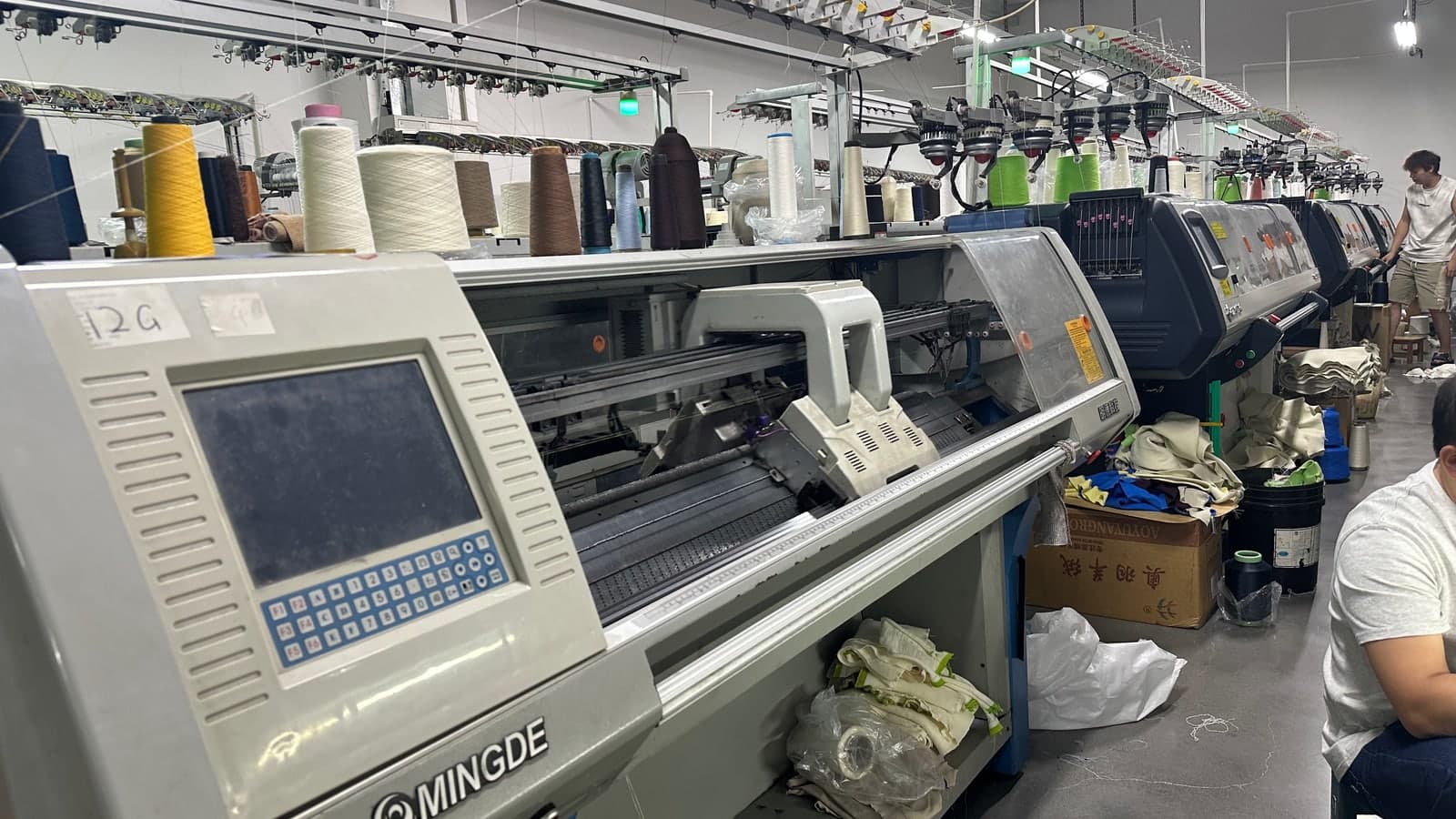
We knit across the full 3GG–18GG range, so a single supplier can carry both your chunky wool winter drops and your fine-gauge cotton spring styles without splitting production.
Say you are planning a 4-style capsule across two seasons. A practical split looks like this:
This lets one collection cover the full calendar while keeping each fiber matched to its season.
Is merino wool worth the higher cost over regular wool? For premium positioning, usually yes — merino is softer, far less itchy against the skin, and holds shape well, which supports a higher retail price. For value programs, lambswool or a wool-acrylic blend gives most of the warmth at a friendlier cost.
Can I get machine-washable wool sweaters? Yes. Treated wool and wool-acrylic blends are much more forgiving in the wash, so if your customer expects easy care you do not have to default to cotton. Specify the care requirement early and we will recommend a suitable yarn.
Do you offer sustainable or recycled fiber options? Yes. We work with recycled fibers and hold GRS (Global Recycled Standard) certification for verified recycled content, alongside OEKO-TEX Standard 100 for skin-contact safety. Recycled cotton and recycled-blend yarns can be specced into both cotton and wool programs.
Licheng Knitwear develops sweaters in cotton, wool, merino, blends and more, helping B2B brands match fiber to season, positioning and price. Browse our sweaters or request a quote.
---
If you're planning a real project around any of the points above, we'd be glad to take a quick look. Send a short brief and we'll come back within one business day with a practical direction, MOQ + lead time estimate, and a sample plan if it makes sense.
→ Request a free quote · Download the men's knitwear catalog · WhatsApp us · info@lcgarment.cn
Yes. Special yarns, custom colors and limited sourcing can affect sampling and bulk lead time. This should be reviewed during RFQ.
Cotton (and cotton blends) for breathable spring-summer knits; wool and merino for warmth and year-round wear. Many brands run both by season.
It depends on grade - basic cotton is economical; merino and fine wool cost more than standard cotton but less than cashmere.
Yes - across 3GG-18GG gauges, in your colours and trims, from 30 pieces per colour.
We focus on men's sweaters, cardigans, knit jackets, jacquard knitwear and private label knitwear. We support B2B buyers with OEM/ODM development, sampling and bulk production planning.
Ready sample styles and selected custom programs can support lower-risk trials before larger seasonal orders.

Men's Sweaters
MOQ, lead time, cost ranges, gauge selection and QC checkpoints across typical OEM/ODM knitwear programs in NA + EU. Enter your email — we'll send you the report link in 30 seconds.
No spam. Unsubscribe with one reply. We use your email only to send you the report and follow up if you want a sourcing conversation.









Brand names shown are previously serviced OEM/ODM partners. Logos are decorative and do not imply current endorsement.