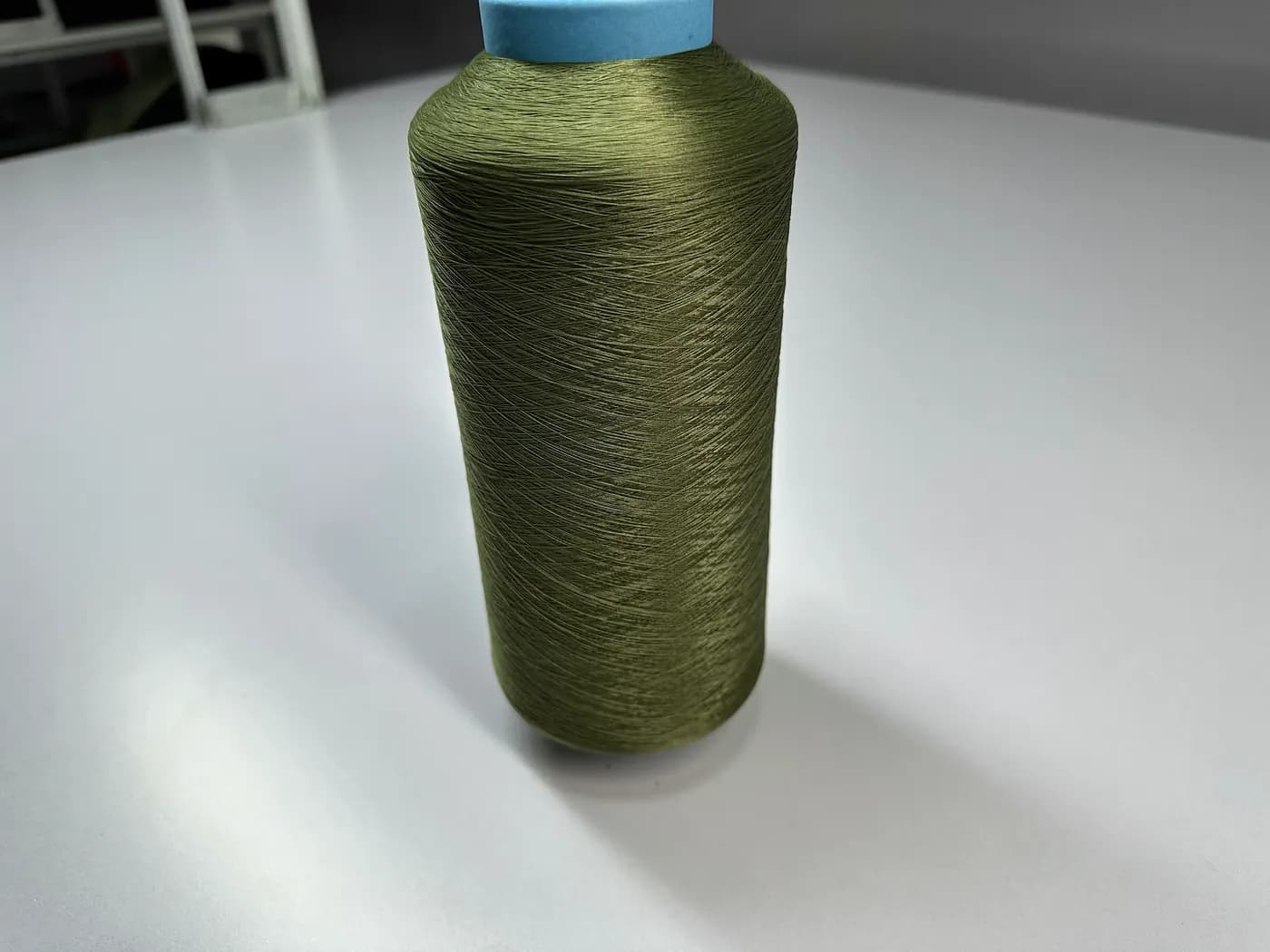
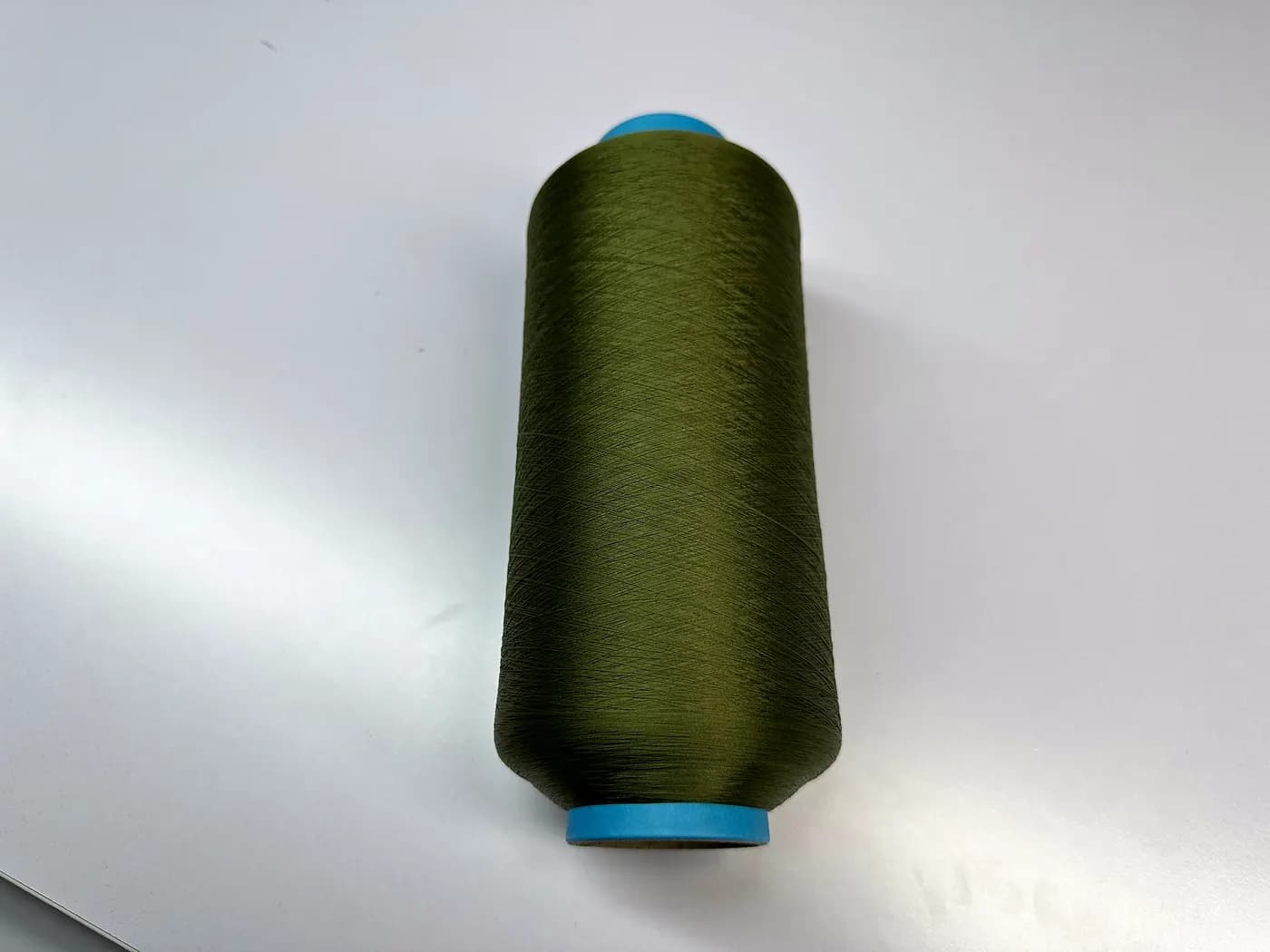
Merino wool has become the premium-everyday fiber of choice in knitwear, prized for a softness and versatility that ordinary wool cannot match. For brands positioning above basic but below luxury, merino is often the sweet spot. This guide explains what makes merino special and how to develop merino knitwear that justifies its price.
Merino is where wool stops being itchy and starts being craved. That single difference is what lets it carry a premium price.
Merino comes from Merino sheep, whose fleece has exceptionally fine fibers. Fineness is measured in microns: the lower the micron count, the softer and finer the wool. Merino typically runs 17-24 microns, far finer than regular wool, which is why it feels soft against the skin and avoids the prickle of coarser wools.
Micron range
Grade
Use
17-18.5
Superfine
Premium next-to-skin
18.5-20
Fine
Quality everyday
20-23
Medium
Mid-range knitwear
23-24+
Strong
Heavier, outdoor
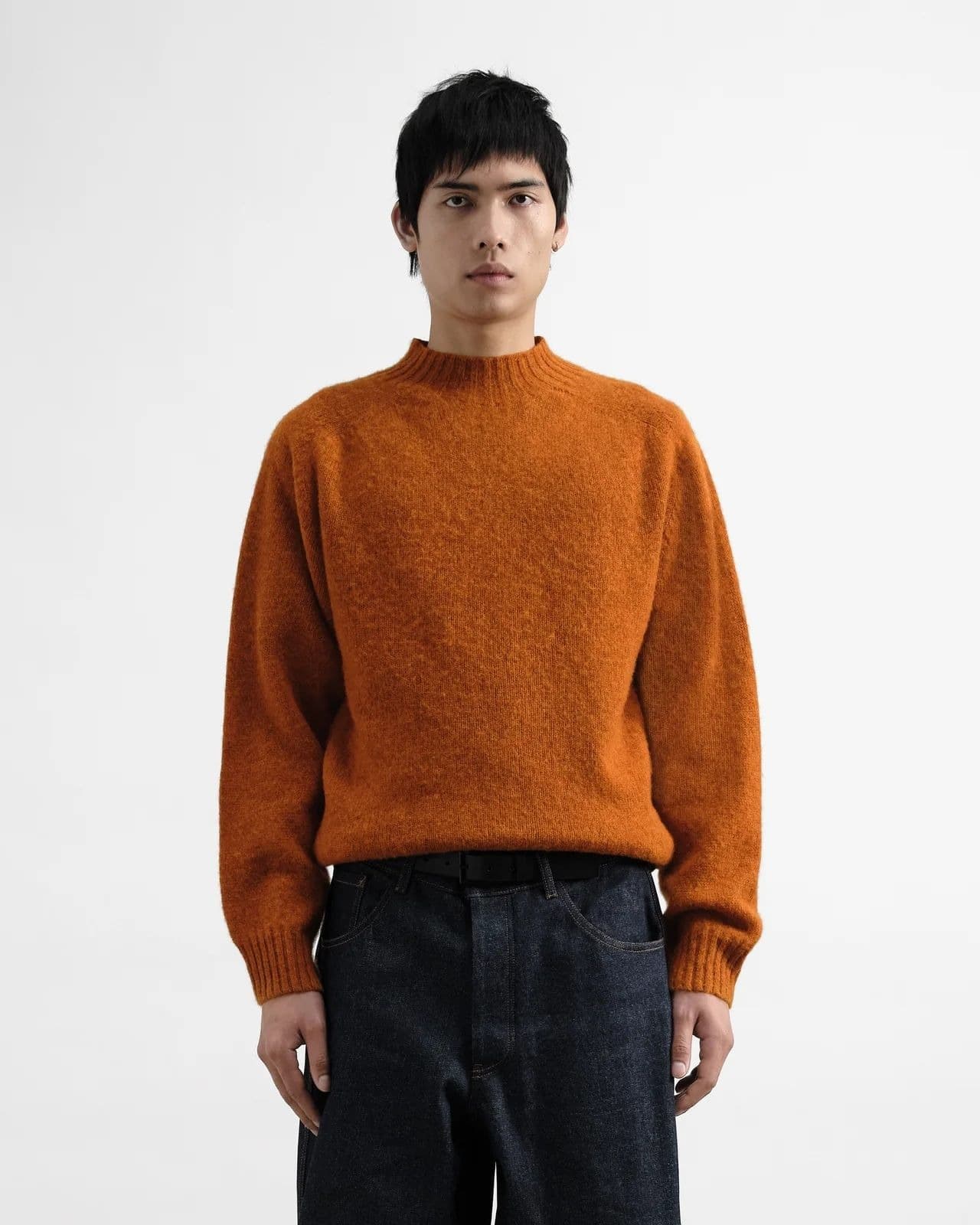
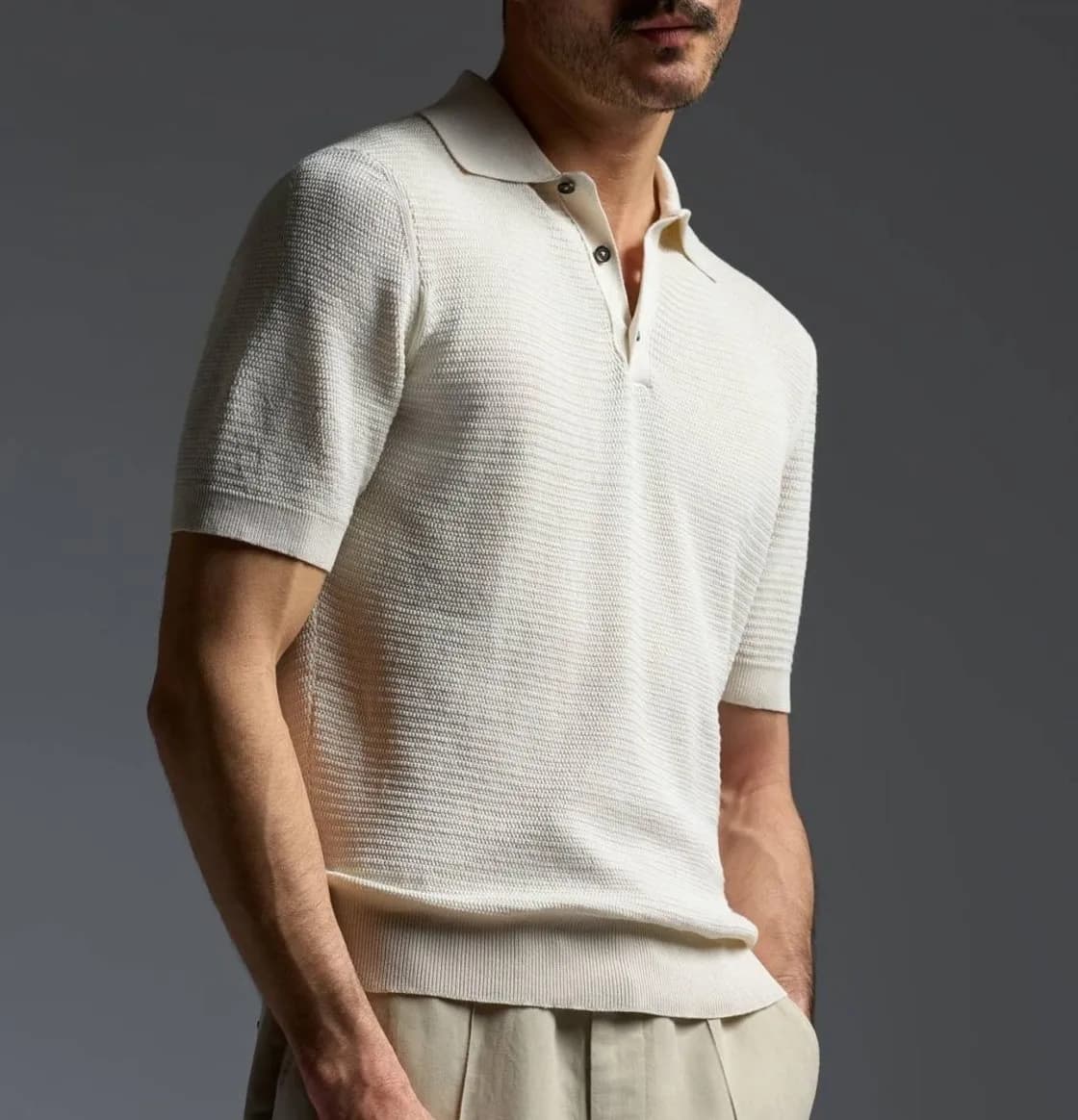
Merino's fine fibers make it soft enough for next-to-skin styles like mock necks, where comfort sells.
Merino's Performance Advantages
Beyond softness, merino offers real performance: it regulates temperature (warm in cold, breathable when active), resists odor naturally, manages moisture, and springs back to shape. These properties make it ideal for next-to-skin styles, travel knitwear and pieces that need to perform, not just look good.
Pure Merino vs Merino Blends
Pure merino gives the cleanest story and best handfeel. Blends serve specific goals: merino-nylon adds durability for high-wear pieces; merino-acrylic lowers cost; merino-cashmere pushes into luxury softness. Choose based on your price point and durability needs, see our yarn selection guide.
Developing Merino Knitwear
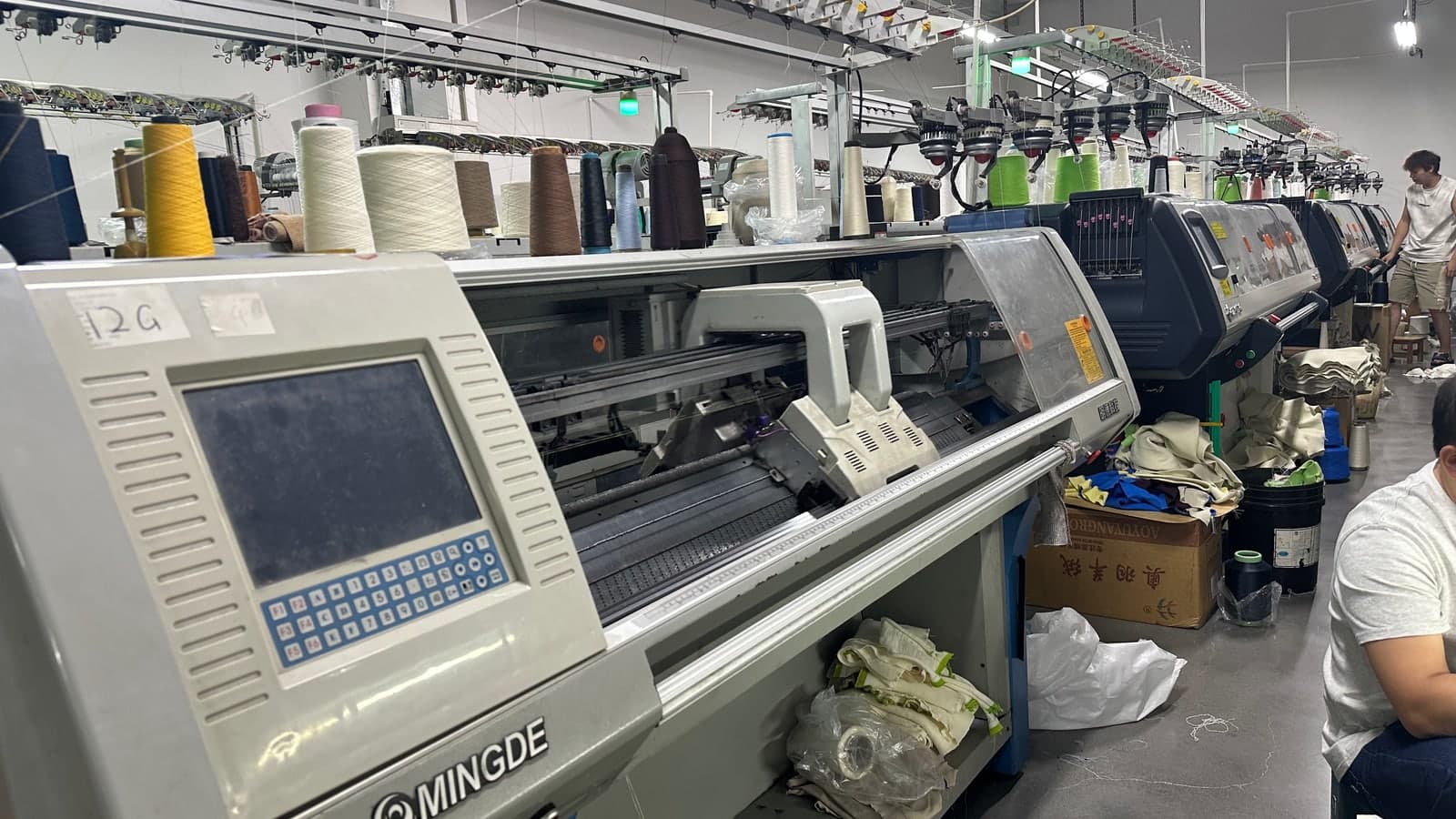
Gauge: fine 12GG merino for refined layering pieces; 7GG for versatile everyday. Merino's fineness suits higher gauges beautifully, see our gauge guide.
Styles: next-to-skin pieces (turtlenecks, fine crews) where softness sells, see our turtleneck guide.
Care: many merino yarns are machine-washable (superwash treated), a strong selling point worth confirming.
Quality: confirm micron grade and test for pilling, finer merino with longer fibers pills less.
Cost and Positioning
Merino costs more than basic wool or cotton but less than cashmere, placing it perfectly for premium-everyday positioning. The softness and performance are tangible to customers, so it justifies a higher retail price, see our cost factors guide. For a first premium launch, merino is often a safer, more wearable choice than cashmere.
A Merino Sourcing Checklist
Confirm micron grade for your target softness
Decide pure merino vs blend for price and durability
Check whether the yarn is machine-washable (superwash)
Test pilling on the production yarn
Match gauge to the refined handfeel merino allows
Matching Merino Spec to Your Program Type
The right merino spec depends less on "what's best" and more on what your product is asked to do. A fine layering crew and a rugged travel half-zip pull in opposite directions on micron, blend and gauge. Use the table below as a starting point, then confirm against a development sample before committing to bulk.
Program type
Micron / grade
Blend
Gauge
Why
Premium base layer / next-to-skin tee
17-18.5 superfine
Pure or merino-nylon (95/5)
14-16GG
Maximum softness; touch of nylon for shape retention
Everyday crew or v-neck
18.5-20 fine
Pure merino
7-12GG
Clean story, balanced cost, broad appeal
Travel / performance half-zip
19-21 fine-medium
Merino-nylon
7-12GG
Durability for repeated packing and wear
Entry premium / opening price
20-23 medium
Merino-acrylic
5-7GG
Lowers landed cost while keeping the merino name
Statement luxury piece
17-18.5 superfine
Merino-cashmere
12GG
A worked example: suppose you are launching a unisex everyday crew at a mid-premium retail price. Specify 19-micron fine merino, pure (no blend) for the cleanest hangtag story, knit at 7GG for an approachable weight, and superwash-treated so the care label reads "machine wash cold." That single combination is forgiving to develop, sits comfortably above cotton in perceived value, and avoids the fragility and price jump of cashmere. From there, a sample in 15–25 days lets you confirm handfeel and pilling before locking bulk, which runs 30–45 days at our standard MOQ of 30 pcs.
Verifying Quality and Sustainability Claims
Merino sells on trust, so the claims on your hangtag need to hold up. Two areas deserve attention. First, confirm the actual micron grade rather than the marketing word "merino," since the term alone does not guarantee fineness; ask for the yarn's fiber data and validate it against the softness you felt in the sample. Second, if you want a credible recycled or eco angle, scope it early. We hold OEKO-TEX Standard 100 (tested for harmful substances), ISO 9001 (quality management), GRS (Global Recycled Standard) for recycled-content programs and GOTS (Global Organic Textile Standard) for organic-cotton programs. If recycled fiber matters to your buyer, build it into the spec from the first sample so the GRS chain of custody is documented, rather than retrofitting the claim later.
Common Questions
Is merino wool itchy like regular wool?
No. Merino fibers run 17-24 microns, fine enough to bend rather than prickle against skin, which is why it suits next-to-skin styles where coarser wool cannot be worn.
Can merino knitwear be machine-washed?
Many merino yarns are superwash-treated and machine-washable, which is a strong selling point worth confirming on your specific yarn before printing the care label.
What's the minimum order and lead time for a custom merino program?
Our MOQ is 30 pcs per style. Sampling takes 15–25 days and bulk production 30–45 days, so plan roughly two to three months from brief to delivered goods.
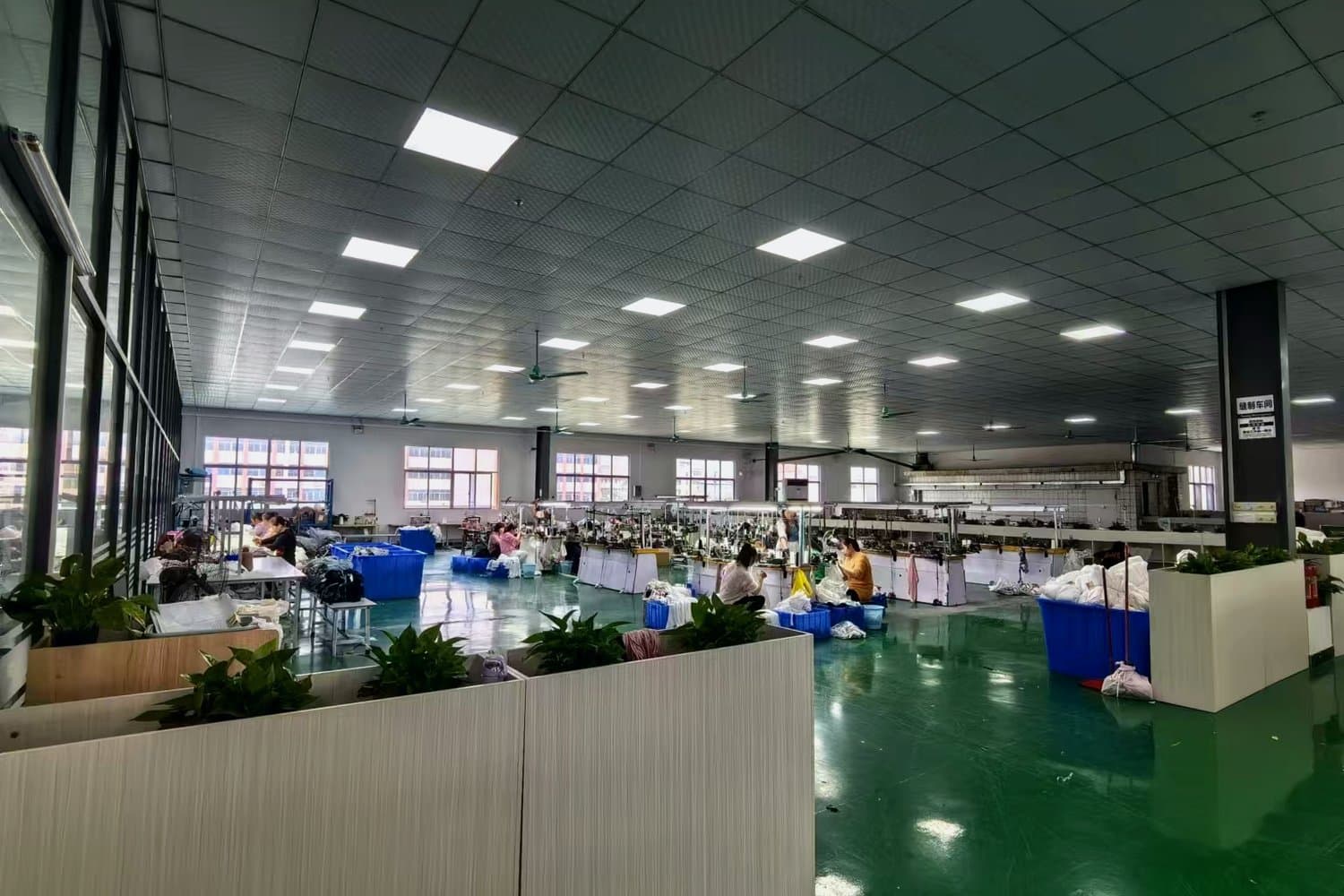
Licheng Knitwear develops merino and merino-blend knitwear across grades and gauges for premium-everyday B2B programs. Browse our sweaters or request a quote.
---
Talk to our team about this
If you're planning a real project around any of the points above, we'd be glad to take a quick look. Send a short brief and we'll come back within one business day with a practical direction, MOQ + lead time estimate, and a sample plan if it makes sense.
Merino is soft, breathable, warm year-round and naturally odour-resistant - a versatile premium fibre for sweaters across seasons.
Merino works across gauges: 12-14GG for fine layering knits, 7GG for mid-weight. We knit 3GG-18GG.
From 30 pcs per colour using stock merino; custom-dyed colours may raise the minimum.
We focus on men's sweaters, cardigans, knit jackets, jacquard knitwear and private label knitwear. We support B2B buyers with OEM/ODM development, sampling and bulk production planning.
Ready sample styles and selected custom programs can support lower-risk trials before larger seasonal orders.
Yes. Brands, including new labels preparing a first collection, can pay for a sample and see it before placing a production order. Two routes: a ready sample of a published style at USD 60 per piece in about 7 days, or a development sample from your tech pack at USD 150 per style, covering yarn sourcing, knit programming, one prototype and one revision round, in 15-25 days. Cashmere and mohair styles are quoted individually and shipping is charged at cost. Production starts only after you approve the physical sample, at our minimum of 30 pieces per colour with sizes mixed inside the 30. A sample does not commit you to a production run; we do not make garments for personal use.
Ready to Start Your Project?
Get a free catalog or submit an RFQ today. Our team will respond within 24 hours.
MOQ, lead time, cost ranges, gauge selection and QC checkpoints across typical OEM/ODM knitwear programs in NA + EU. Enter your email — we'll send you the report link in 30 seconds.
No spam. Unsubscribe with one reply. We use your email only to send you the report and follow up if you want a sourcing conversation.
Brand names shown are previously serviced OEM/ODM partners. Logos are decorative and do not imply current endorsement.