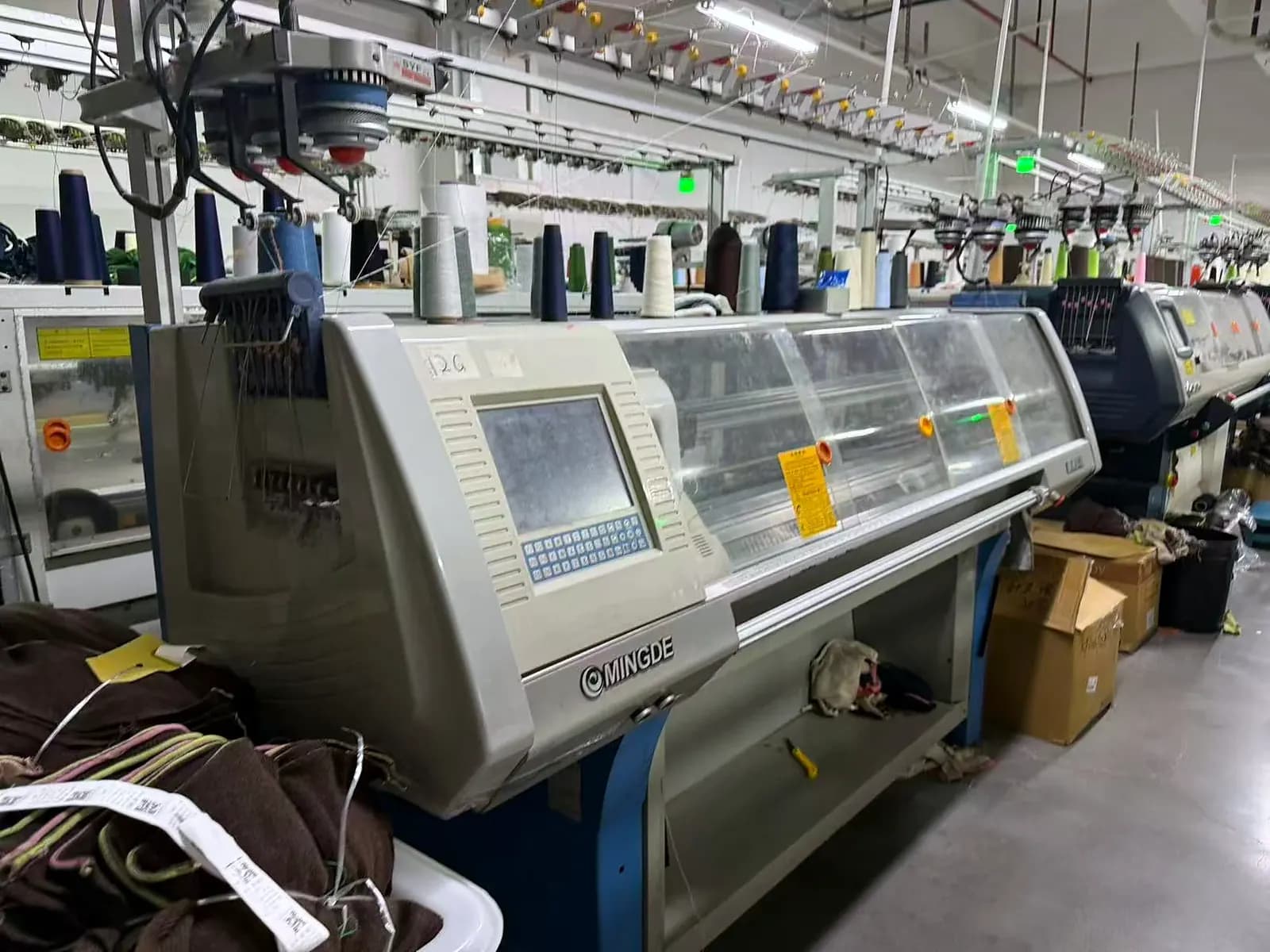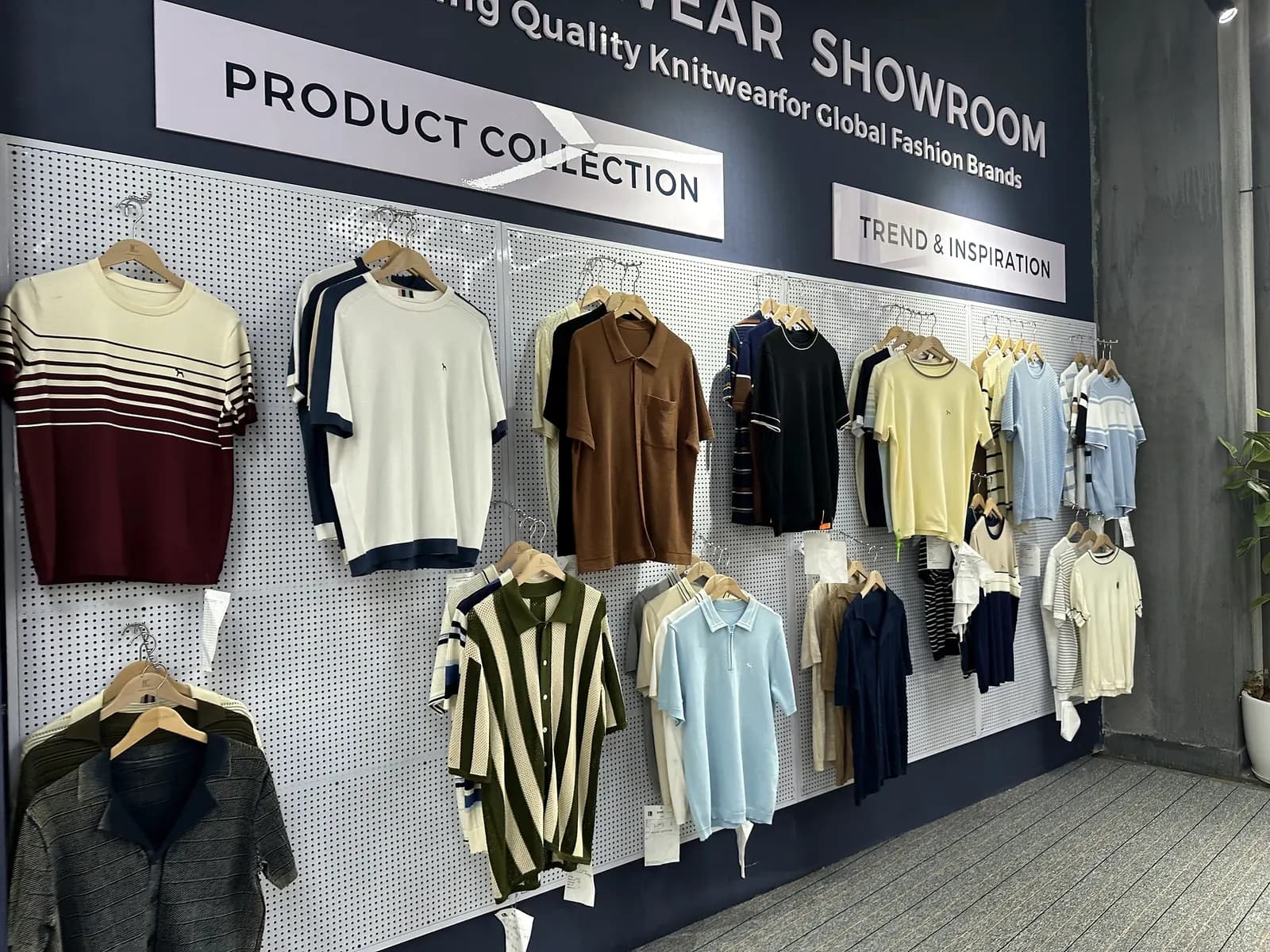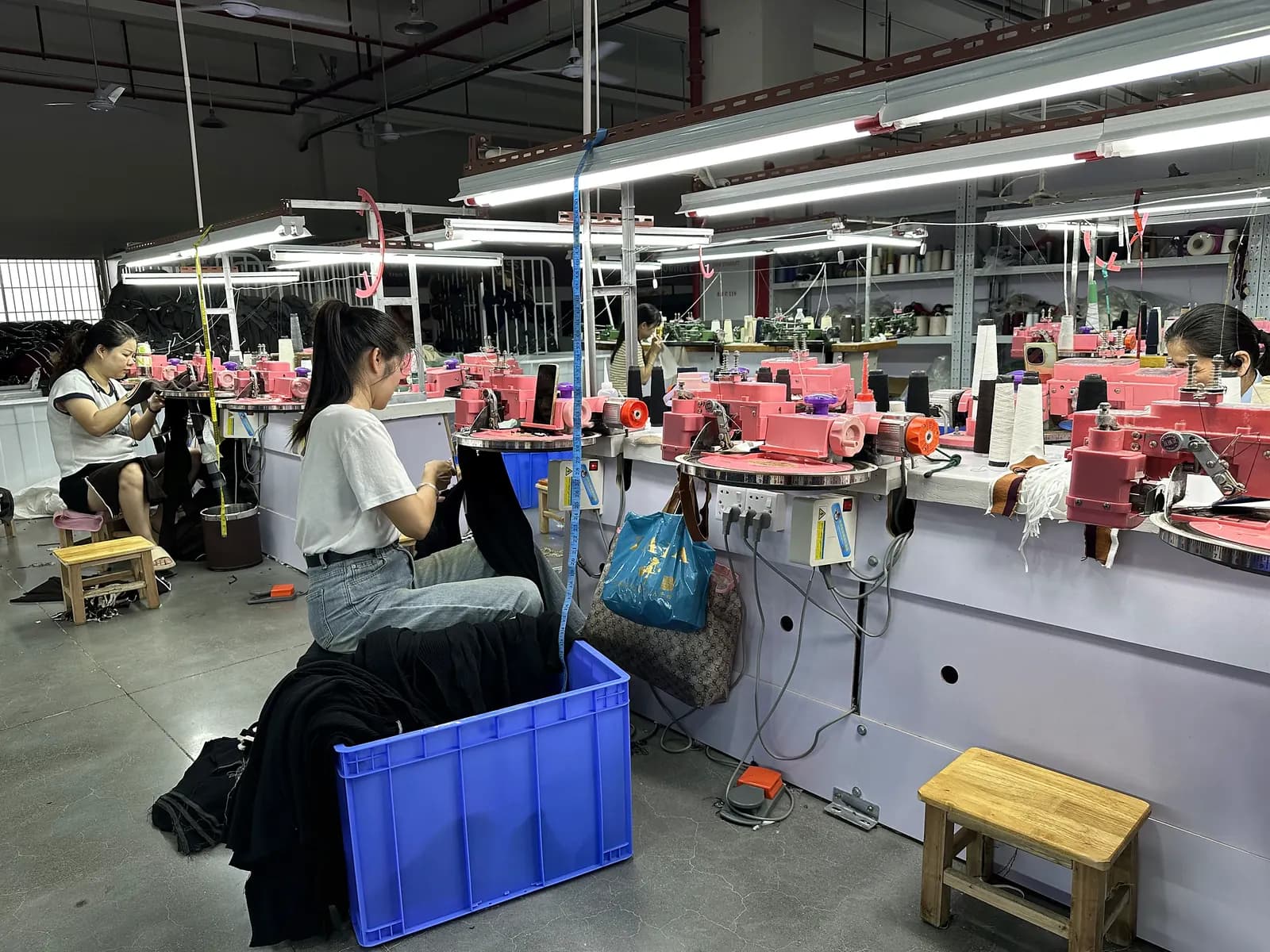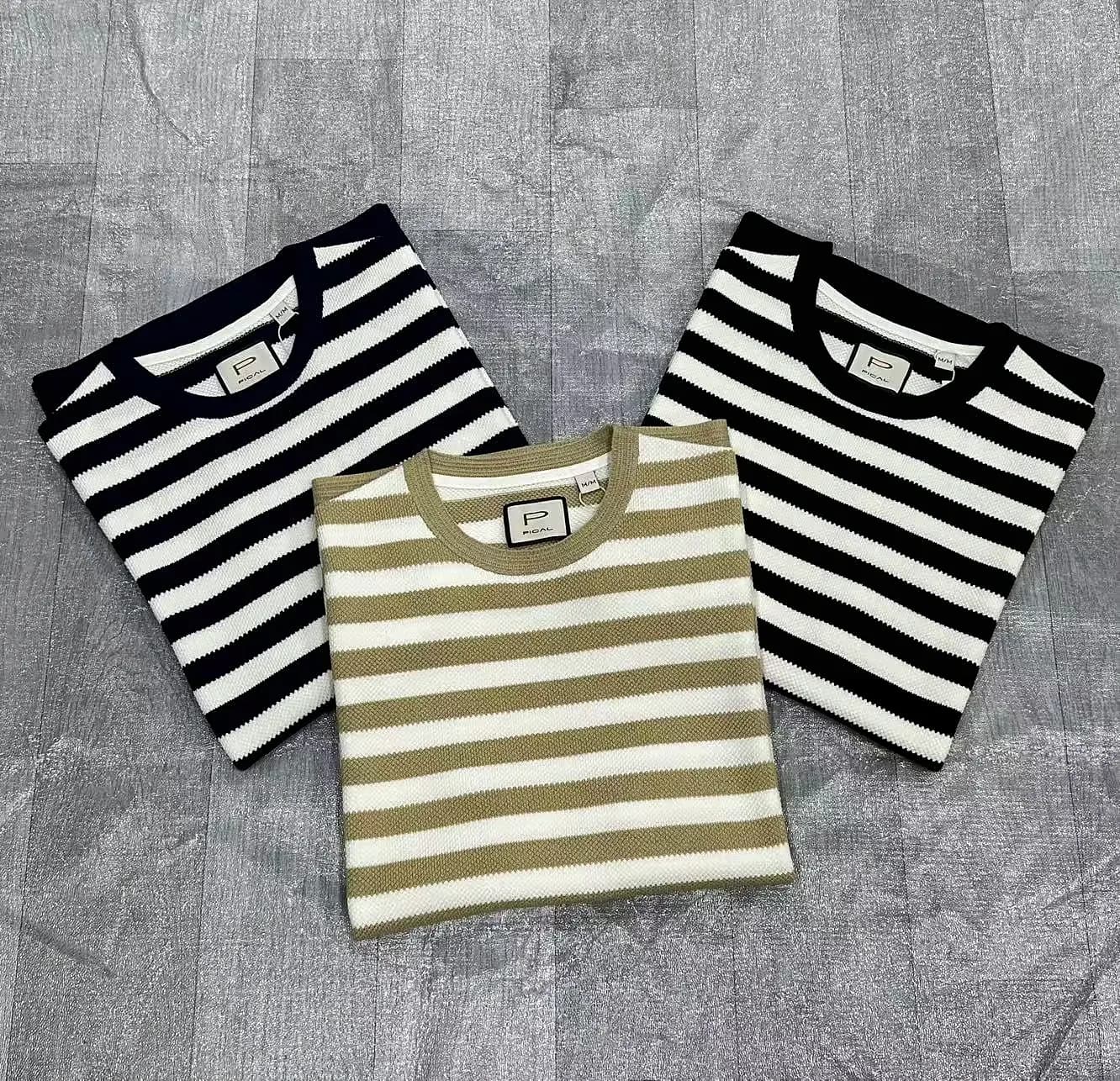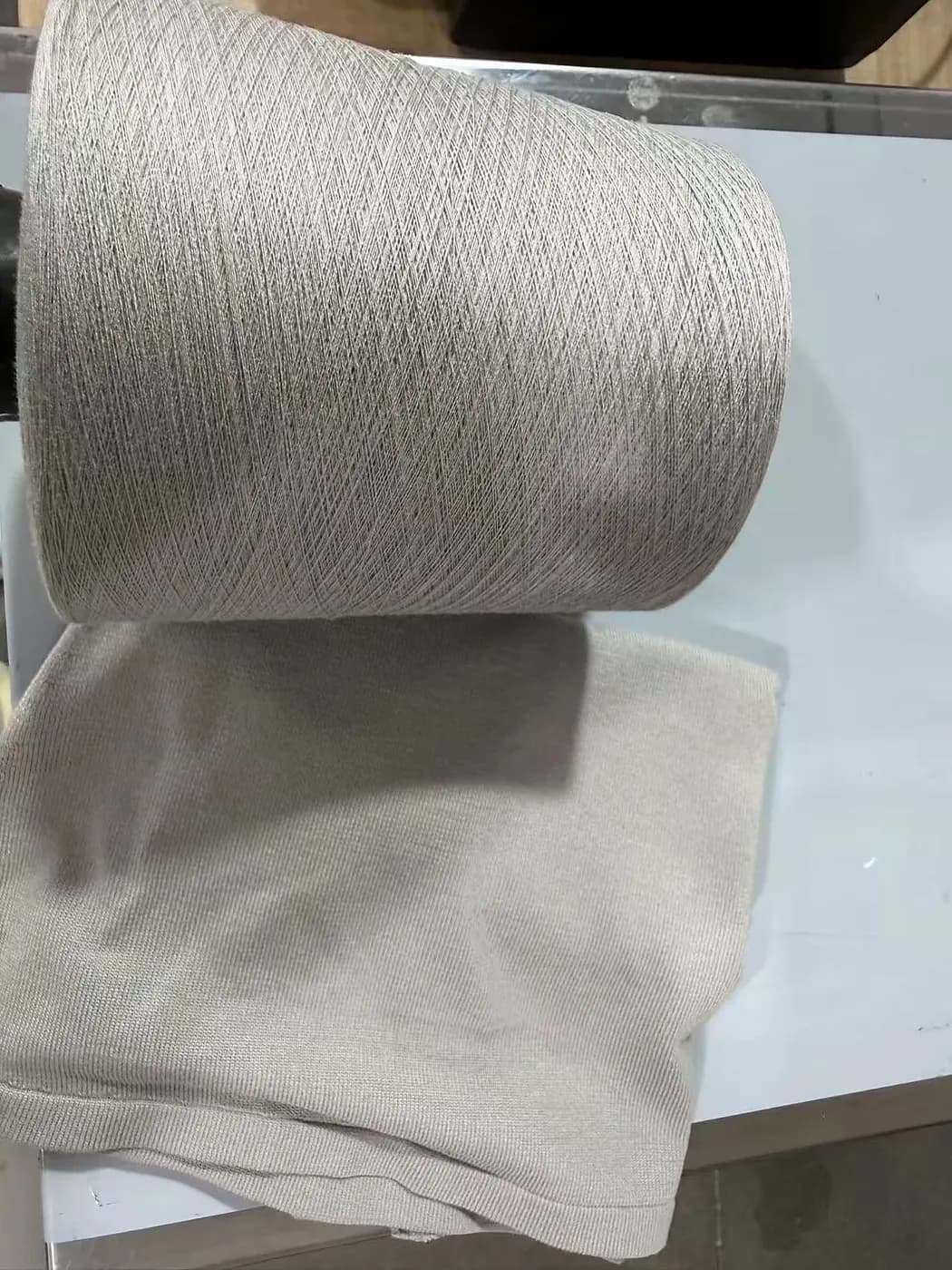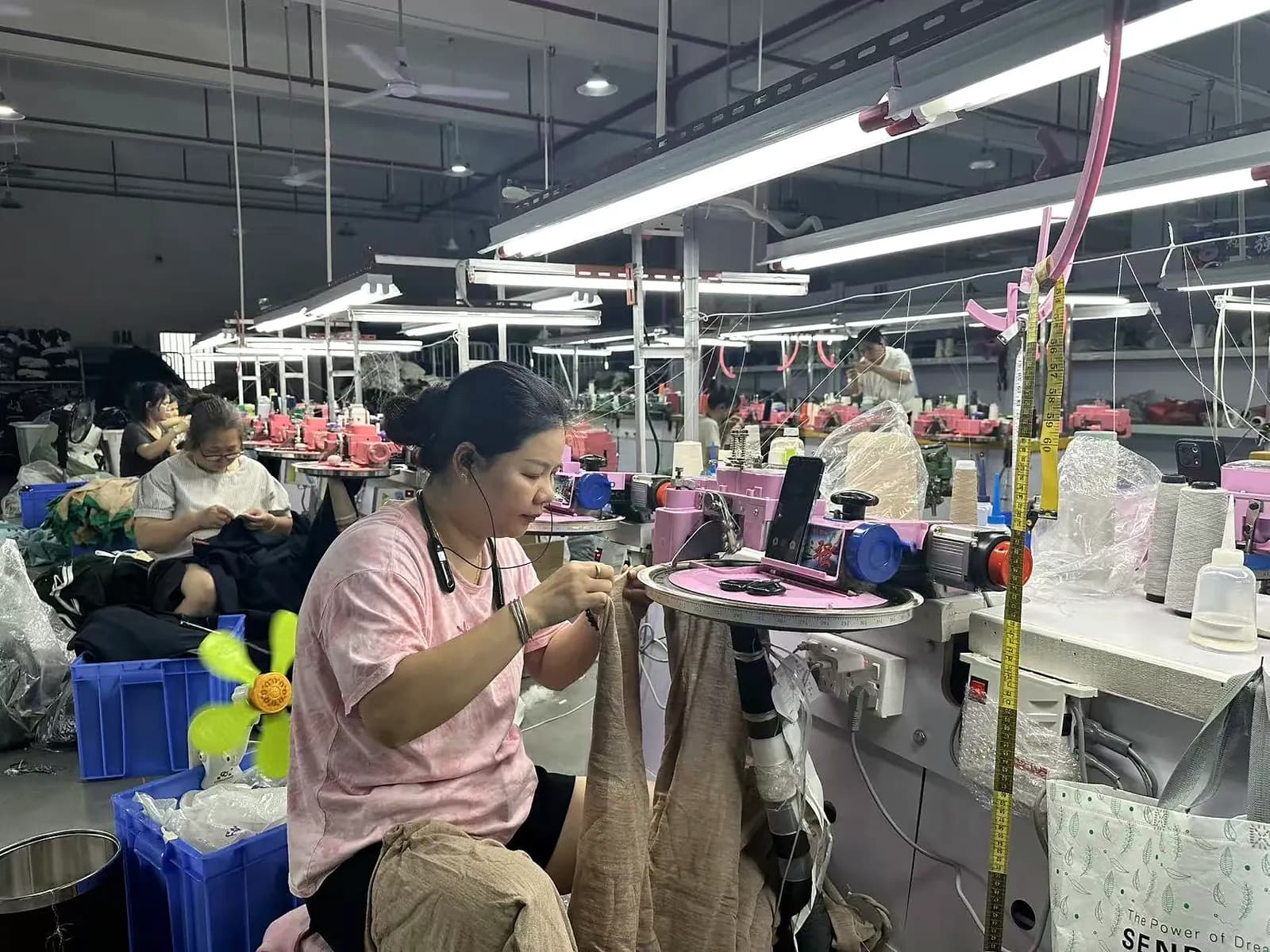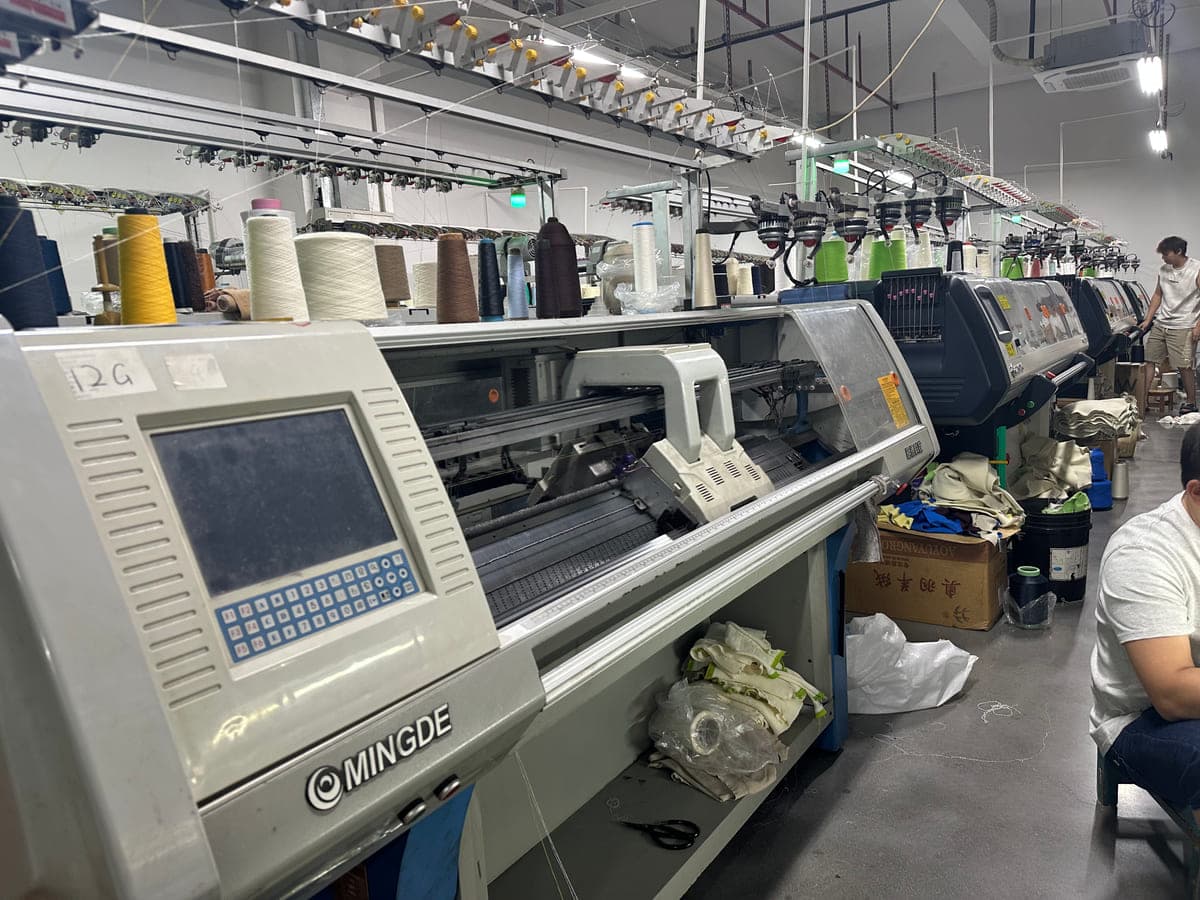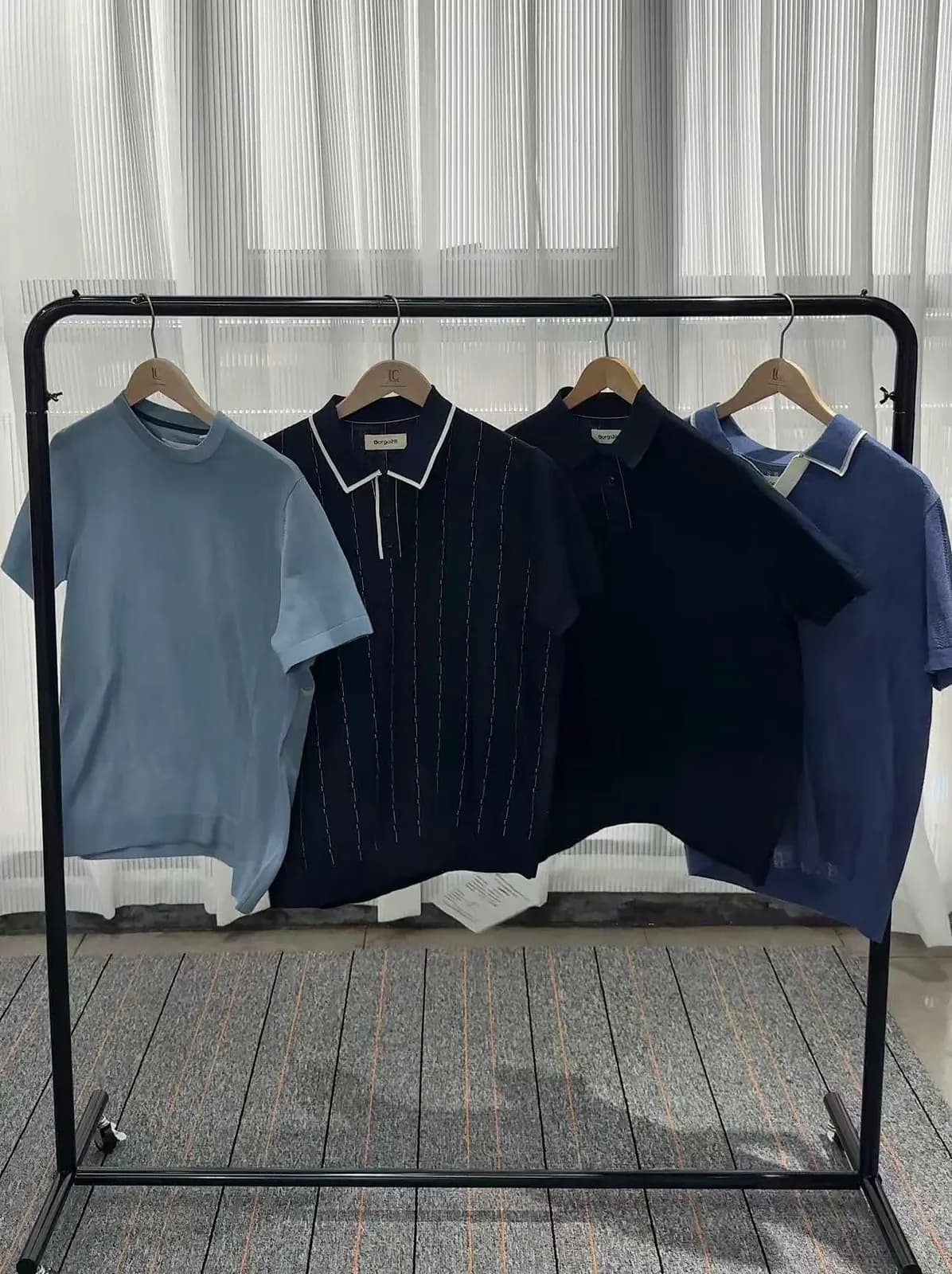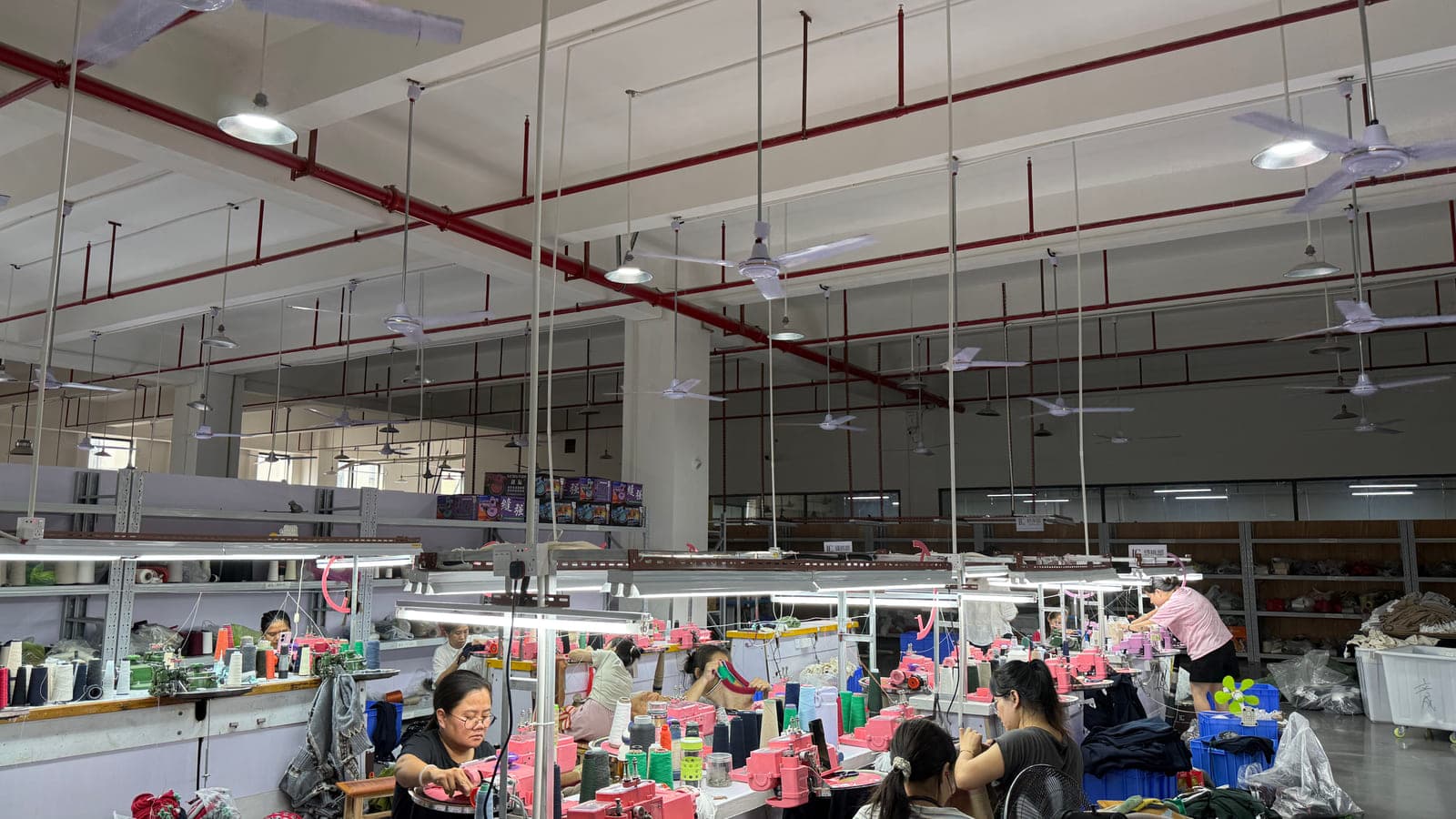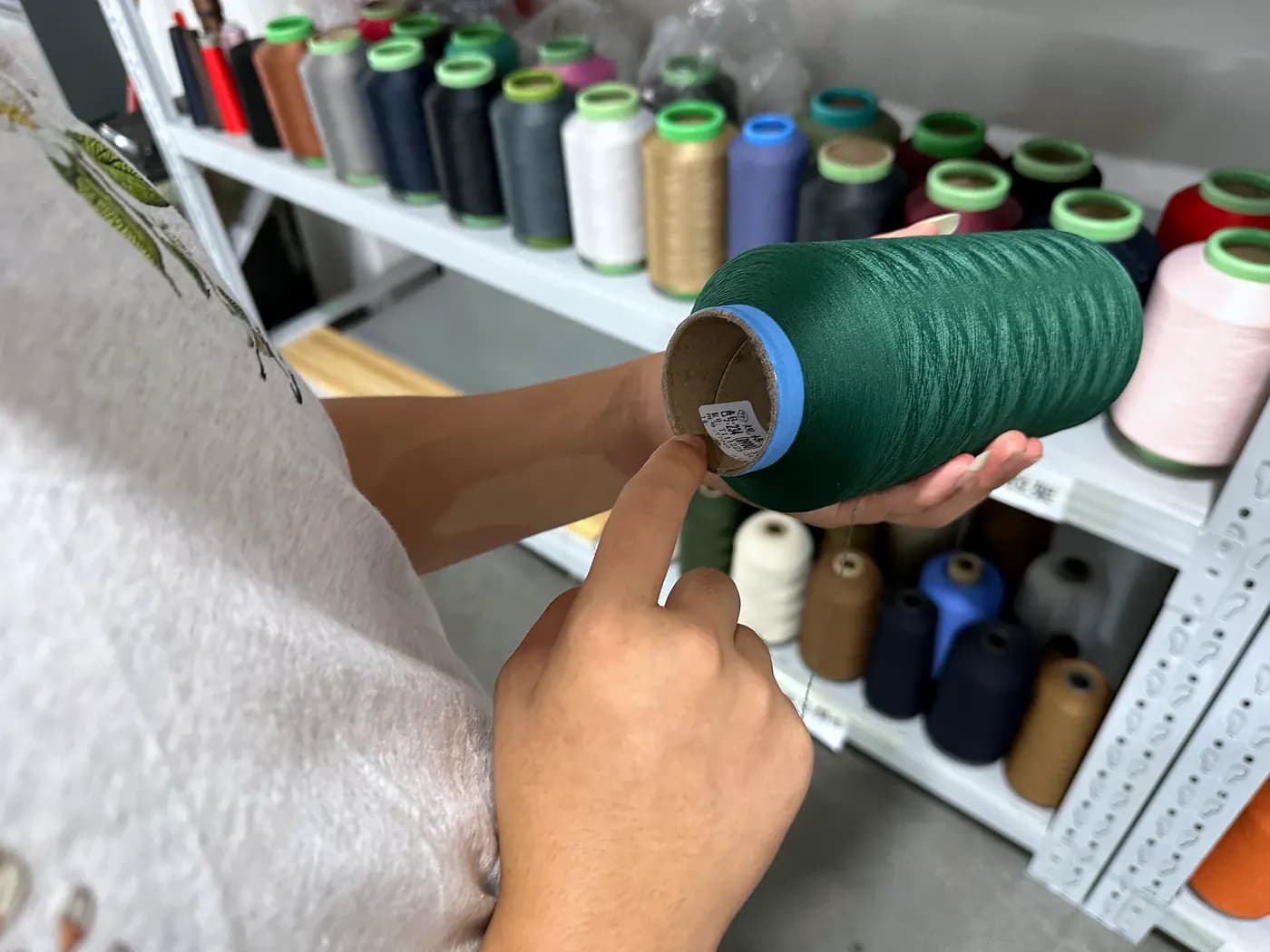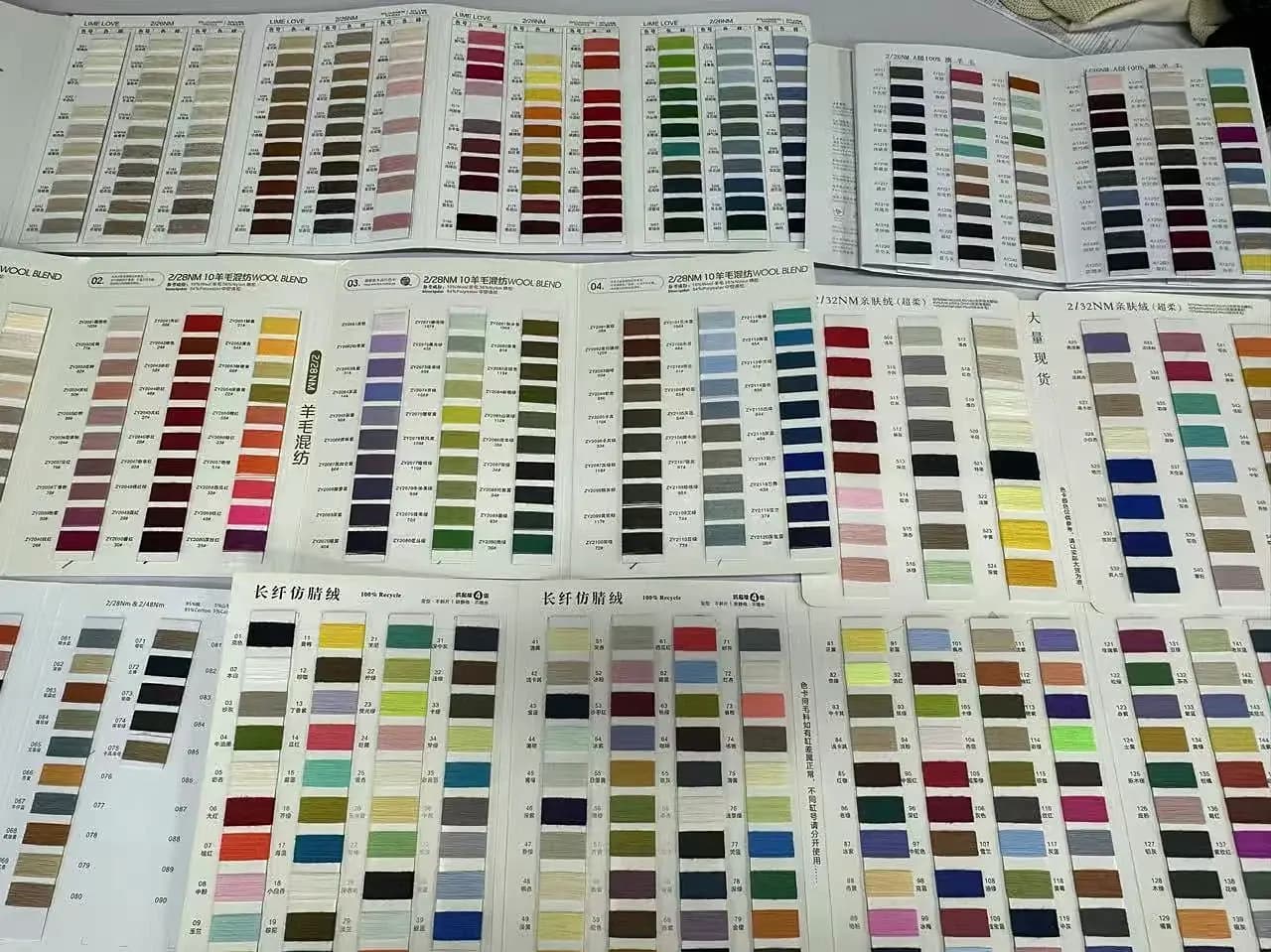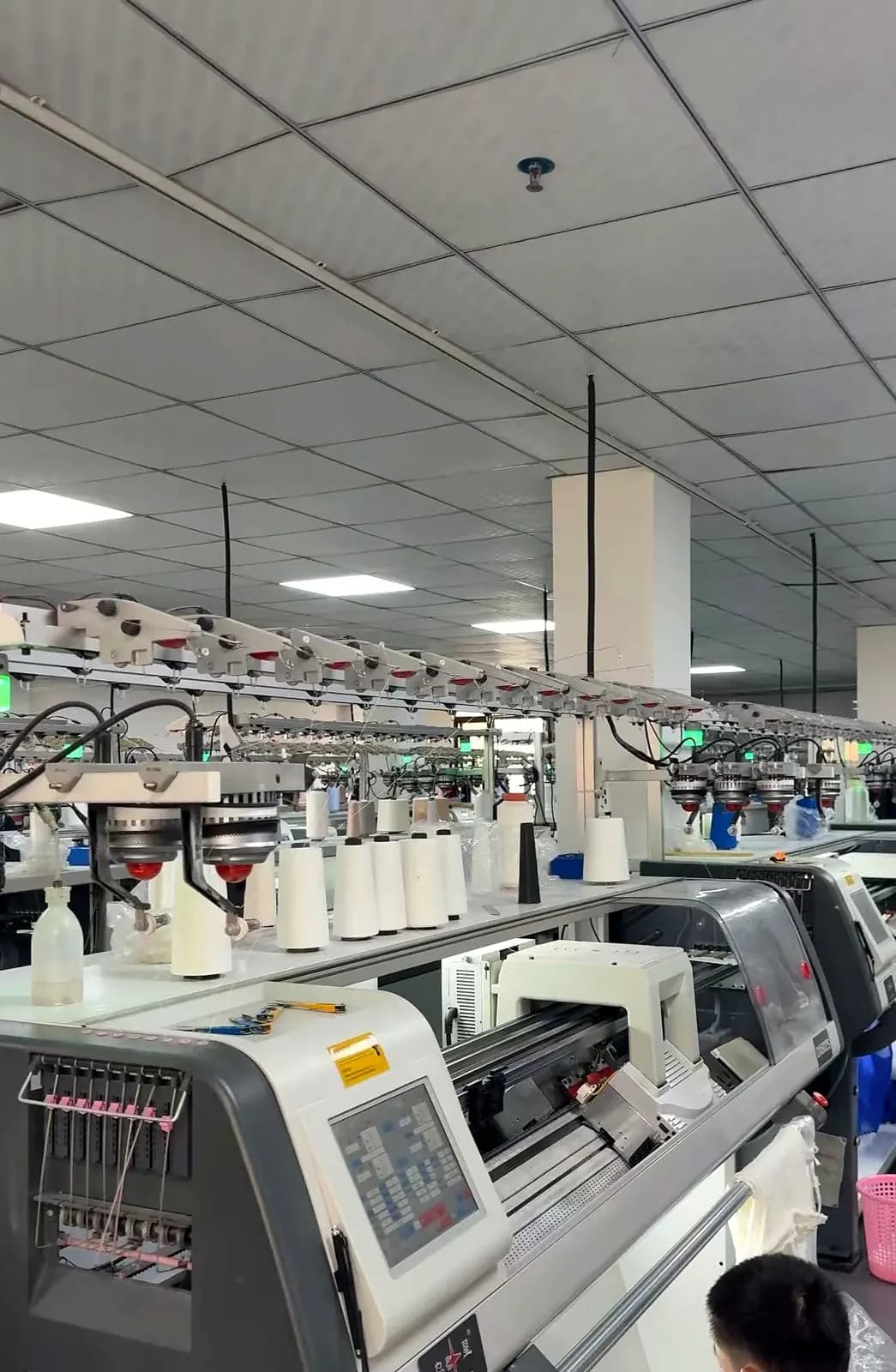
We focus on men's sweaters, cardigans, knit jackets, jacquard knitwear and private label knitwear. We support B2B buyers with OEM/ODM development, sampling and bulk production planning.
Guides for custom knitwear manufacturing, yarn selection, gauge options, quality control, cost planning and tech pack preparation.
Free interactive tool
Build your spec — yarn, gauge, colour, customisation — and instantly see the typical MOQ, sample & bulk timelines and what drives your cost.
Merino is the most over-promised fiber in knitwear sourcing. Mills quote 'fine merino' on a line sheet and a buyer assumes 18.5 micron Australian RWS — what arrives is often 21 micron South American, blended down with a touch of polyamide and labeled the same. This guide breaks down the actual micron tiers used in the trade (16.5 through 21+), the working differences between Australian, New Zealand, Argentine, Uruguayan and South African clips, what mulesing-free and RWS certification really mean on a commercial invoice, and the small set of spec lines you need in a tech-pack to prevent substitution. It closes with verification steps — IWTO test reports, fiber-content lab tests, and what to ask for at PP sample — that take a sourcing manager from trust-based buying to evidence-based buying without slowing development.
7 min read - Guide
Dutch and Belgian apparel buyers operate in one of Europe's most demanding sourcing environments — small home markets, mature e-commerce, multilingual customers, and a strong cultural focus on documentation and transparency. At Licheng Knitwear, we manufacture custom sweaters, cardigans, knit polos and knit jackets in Dongguan, China, and Benelux buyers are a regular part of our European order book. These notes pull together what we have learned working with Benelux buyers: how they brief, what gauges and yarn directions they favor, where MOQ negotiations usually land, which compliance documents they ask for first, and how logistics realities — port choice, duty, Incoterms — shape the final landed cost. The aim is to give Netherlands- and Belgium-based buyers a practical reference before sending the next RFQ to an Asian knit supplier.
We focus on men's sweaters, cardigans, knit jackets, jacquard knitwear and private label knitwear. We support B2B buyers with OEM/ODM development, sampling and bulk production planning.
Ready sample styles and selected custom programs can support lower-risk trials before larger seasonal orders.
Yes. Brands, including new labels preparing a first collection, can pay for a sample and see it before placing a production order. Two routes: a ready sample of a published style at USD 60 per piece in about 7 days, or a development sample from your tech pack at USD 150 per style, covering yarn sourcing, knit programming, one prototype and one revision round, in 15-25 days. Cashmere and mohair styles are quoted individually and shipping is charged at cost. Production starts only after you approve the physical sample, at our minimum of 50 pieces per colour with sizes mixed inside the 50. A sample does not commit you to a production run; we do not make garments for personal use.
Our sample fee is not refundable. Yarn sourcing, knit programming, machine setup and hand linking cost about the same whether one piece follows or five hundred, which is why the fee exists at all. It is credited against your first bulk order placed within six months of sample approval: 100% of a development sample fee, 50% of a ready sample fee.
Yes, for brands developing a style. One development piece is fine, with no commitment to bulk: a development sample is USD 150 per style and covers yarn sourcing, knit programming, one prototype and one revision round, in 15-25 days (cashmere and mohair are quoted individually). If you then go to production, the minimum is 50 pieces per colour with sizes mixed inside the 50, and the full USD 150 is credited against a first bulk order placed within six months of approving the sample. We do not make garments for personal wear.
Plain and striped styles using the same yarn and colour can be combined toward a minimum of 50 pieces, with mixed sizes. For example, four plain styles of 25 pieces each in the same yarn and colour total 100 pieces and meet that minimum. Different yarns or colours are counted separately. Jacquard and intarsia require 50 pieces per pattern; quantities from different patterns cannot be combined. Send us your styles, yarns, colours and quantities so we can confirm how the minimum applies to your project.
6 min read - Guide
Get a free catalog or submit an RFQ today. Our team will respond within 24 hours.