Manual de aprovisionamiento de género de punto para marcas de moda francesas
Actualizado 24/8/202612 min readPor Simon Liu · Licheng Knitwear
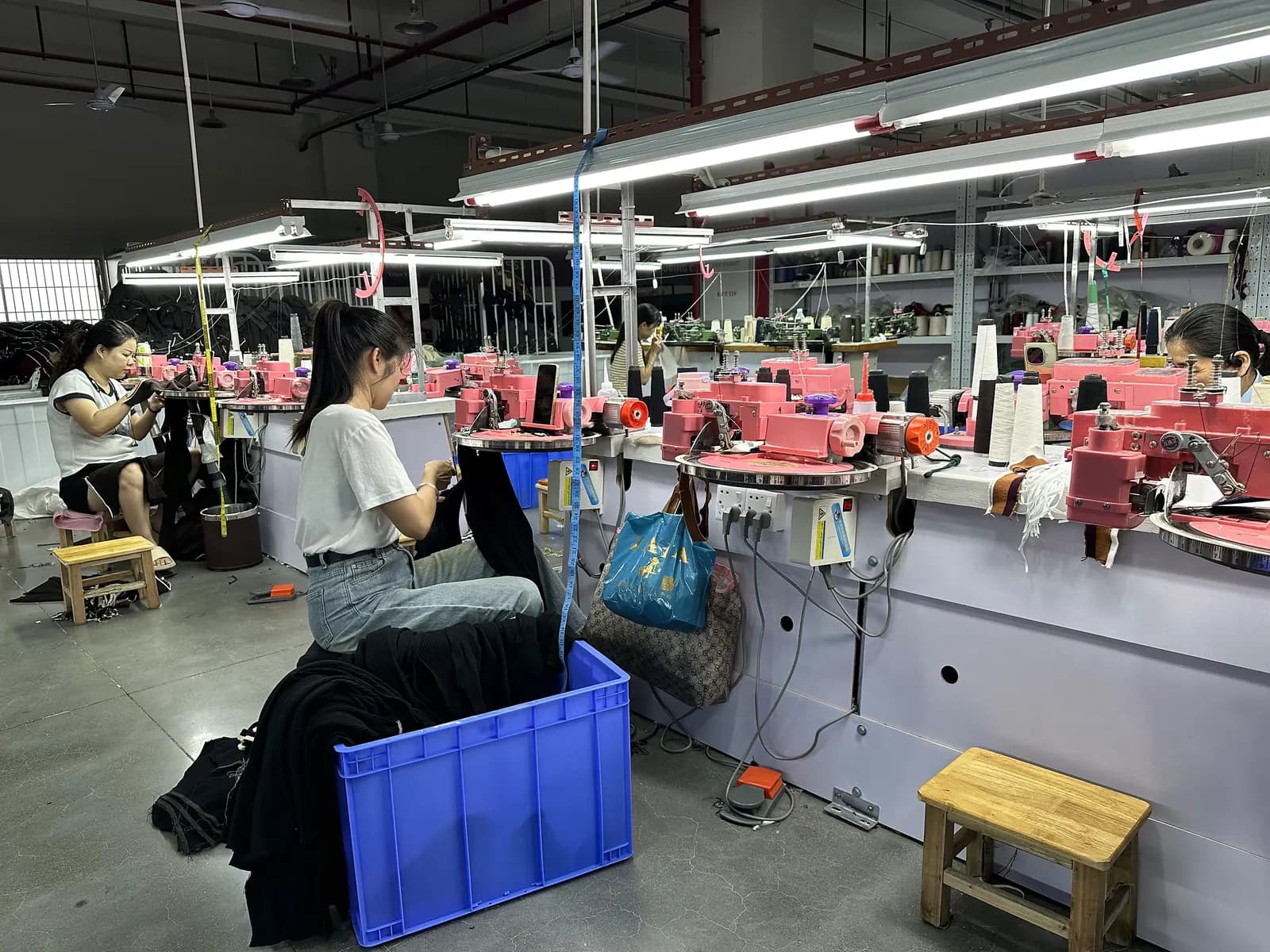
Francia es uno de los mercados de aprovisionamiento más exigentes con los que trabajamos: las marcas francesas de moda masculina, contemporáneas y premium de uso diario suelen dar briefs muy precisos sobre tacto, profundidad de color, detalle de acabado y etiquetado de cuidado, y esperan que la fábrica plantee objeciones cuando algo es técnicamente incorrecto. Este manual está escrito desde nuestra experiencia como fabricante de género de punto personalizado con sede en Dongguan (Licheng, fundada en 2018) que abastece a marcas de toda la UE, Francia incluida. Cubre las realidades de plazos y MOQ de los programas con destino a Francia, las direcciones de hilo y galga que más eligen los compradores franceses, los puntos de calidad y conformidad que aparecen en sus tech packs, y las normas de logística, pago e Incoterms que mantienen predecible el aprovisionamiento de género de punto en Francia desde el PO hasta el almacén de destino.
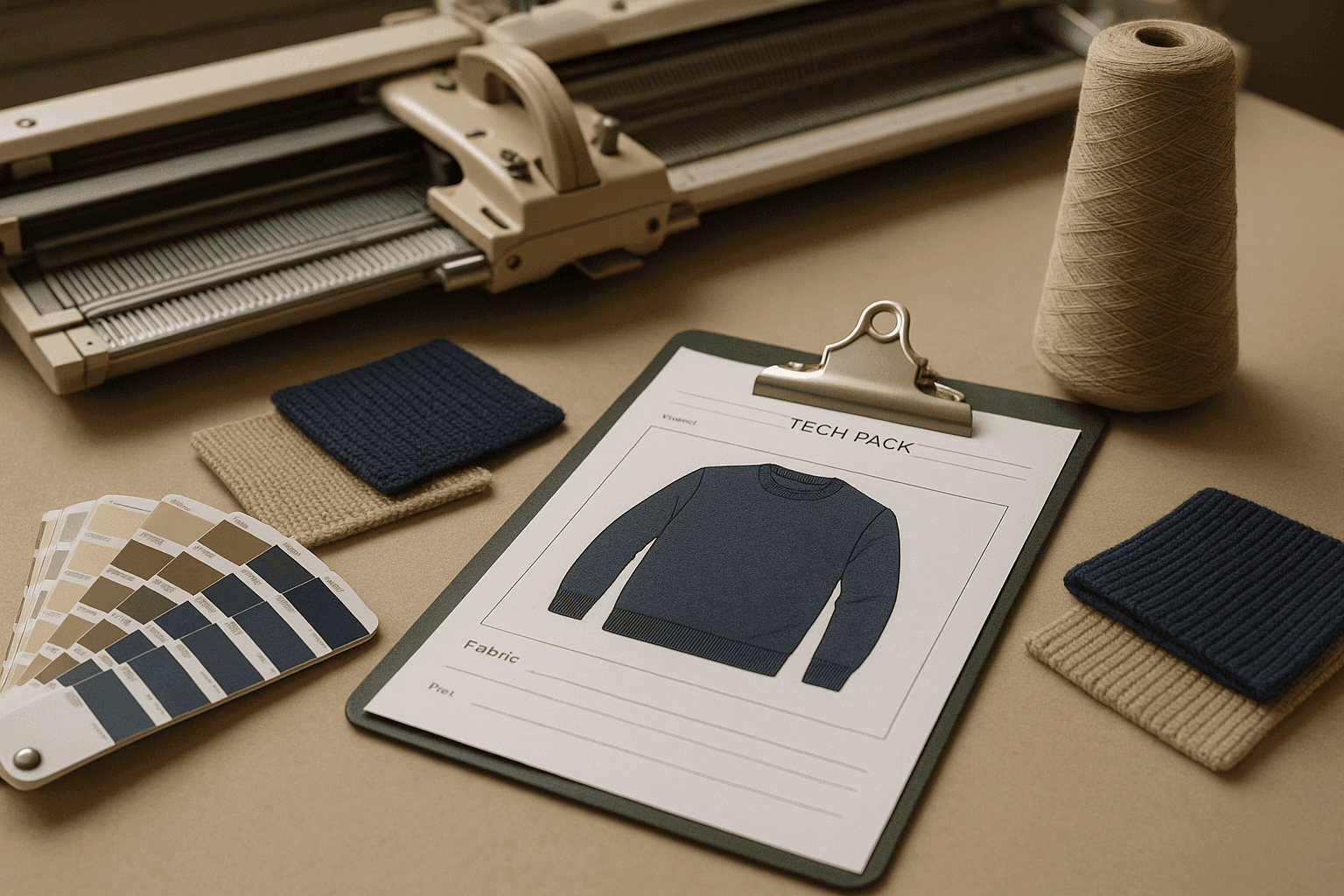
Las marcas francesas no son los compradores más ruidosos con los que trabajamos, pero suelen ser los más exigentes. Ya sea que el programa venga de una marca parisina contemporánea de moda masculina trabajando una cápsula ajustada, de una maison de tradición que encarga un único jersey de cuello redondo insignia, o de una marca premium de uso diario nativa digital que escala una gama básica de merino, el brief que llega de Francia suele parecerse más a un tech pack real que lo que recibimos de muchos otros mercados: con títulos de hilo específicos, referencias de tacto, referencias de color y notas de acabado que no toleran sustituciones. Este manual recorre cómo planificamos el aprovisionamiento de género de punto para Francia desde el lado del fabricante, para que los compradores franceses puedan poner a prueba sus propios supuestos de calendario, MOQ, costes y calidad antes del primer pedido.
Por qué Francia importa en el aprovisionamiento de género de punto
Francia ocupa un lugar particular dentro de la demanda europea de género de punto. El país tiene una sólida cultura de diseño nacional, una masa crítica de marcas de moda masculina de gama media-premium concentradas en torno a París y una mentalidad de comprador que se siente cómoda pagando por el tacto y el acabado en lugar de perseguir el coste unitario más bajo. Para un fabricante con sede en Dongguan como nosotros, ese perfil encaja bien: los programas franceses se inclinan hacia la construcción en galga fina, hilos delicados (merino, mezclas de algodón y cachemira, mohair cepillado) y un estilismo cuidado — exactamente el tipo de trabajo en el que la diferencia entre una fábrica competente y una fábrica meticulosa se nota en el estante.
También vemos que los compradores franceses preguntan antes y de forma más directa sobre trazabilidad, etiquetado de cuidado en francés y un packaging que respete la línea editorial de la marca. Nada de eso es exclusivo de Francia, pero la frecuencia y la precisión de las preguntas son mayores que las que vemos en la mayoría de los demás mercados de Europa occidental. Francia es actualmente uno de nuestros mercados atendidos junto con EE. UU., Canadá, Alemania, el Reino Unido, España, los Países Bajos y Suecia, y el volumen de solicitudes de cotización francesas que recibimos se ha mantenido estable tanto en los ciclos de otoño-invierno como de primavera-verano.
Ready to Start Your Project?
Get a free catalog or submit an RFQ today. Our team will respond within 24 hours.
Si está planteando el aprovisionamiento de género de punto en Francia para su propio equipo, la conclusión es que el mercado recompensa a los fabricantes capaces de mantener tolerancias estrictas en hilo, color y acabado — no la cotización más barata. La mayoría de las marcas francesas que incorporamos llegan ya con esa expectativa asumida.
Plazos de muestra y realidades de la producción en serie
Plazos de muestra y realidades de la producción en serie
Los compradores franceses suelen planificar en torno a un único drop o cápsula por temporada, y quieren que el ciclo de muestras sea lo bastante ajustado como para dejar margen a revisiones antes del compromiso de producción. Nuestro plazo estándar de muestra es de 7-25 days desde la confirmación del tech pack y la aprobación del hilo. La variación depende casi por completo de la complejidad del estilo y de la disponibilidad del hilo: un cuello redondo liso de merino en 12GG con un hilo de stock se acerca al extremo de los 7 días; un punto de ochos en 5GG con un hilo teñido a medida y colocación de intarsia se va al extremo más largo. Para programas multicolor, normalmente integramos la aprobación de los lab dips en una vía paralela para que no retrase la muestra prototipo.
La producción en serie requiere 30-45 days desde la confirmación del PO, el cobro del depósito y la aprobación final de la muestra PP. Esa ventana presupone que el hilo está en planta o con fecha de entrega confirmada por la hilatura, razón por la cual insistimos tanto en cerrar el hilo cuanto antes.
Fase
Ventana de trabajo
Qué la bloquea
Tech pack + selección de hilo
1-2 semanas
Especificación tardía, brief de hilo indeciso
Muestra prototipo (1.ª)
7-25 days
Hilo a medida, punto complejo
Rondas de fit + color
2-4 semanas
Ciclos de lab dip, tránsito de mensajería
Aprobación de muestra PP
1 semana
Velocidad de aprobación del comprador
Producción en serie
30-45 days
Entrega del hilo, número de colores
Inspección + preparación de envío
1 semana
Repeticiones de control AQL
Flete marítimo CN -> puerto FR
30-40 days
Incoterm, congestión portuaria
Trabajando hacia atrás desde una fecha de entrada en almacén en la UE a mediados de septiembre, eso significa que el PO debe colocarse como muy tarde a finales de mayo, con el muestreo iniciado en febrero. Las marcas que comprimen este calendario suelen acabar pagando flete aéreo en al menos parte del pedido, algo evitable con una planificación realista. Nuestra guía de planificación estacional de género de punto traslada la misma lógica a los ciclos de otoño-invierno y primavera-verano.
MOQ y condiciones comerciales para los tamaños habituales de las marcas francesas
Nuestro MOQ de catálogo es de 30 piezas por color. Un primer PO típico de una marca francesa contemporánea que incorporamos suele ser de 4-8 estilos en 2-3 colores cada uno, con 30-80 piezas por color — cómodamente por encima del MOQ en la mayoría de los colores, a veces justo en el límite en tonos de nicho que existen principalmente para completar la historia de color.
Tres notas comerciales que importan en los programas con destino a Francia:
Primero, los compradores franceses tienden a negociar sobre el detalle más que sobre el precio de cabecera. Recibimos más preguntas sobre si la etiqueta tejida va en el centro de la espalda o en la costura lateral, si la bolsa de polietileno es reciclada y si la marca del cartón usa el número de referencia exacto de la marca, que desafíos agresivos de precio. Incorpore ese detalle a la línea de costes desde la primera cotización en lugar de descubrirlo tres rondas después.
Segundo, el número de colores incide en el coste de formas que sorprenden a los compradores primerizos. Cada color adicional implica un lote de tintura y un ciclo de lab dip separados. Con un mínimo de 30 piezas por color, pasar de tres a seis colores no solo duplica el número de SKU: añade tiempo de preparación y aumenta la probabilidad de que al menos un color se salga del calendario. Nuestra guía de MOQ para suéteres personalizados analiza este equilibrio en detalle, y la guía de género de punto con MOQ bajo explica cómo las marcas francesas en fase inicial pueden estructurar un primer pedido creíble sin comprar de más.
Tercero, para las marcas DTC francesas, las reposiciones importan más que los primeros PO. Un estilo exitoso se repondrá varias veces en una temporada, y el coste unitario de esas reposiciones es lo que define el margen. Conservamos las referencias de hilo y los estándares de color aprobados durante al menos una temporada después de la primera producción, para que las series de reposición no reinicien el ciclo de desarrollo.
Direcciones de hilo y galga que prefieren los compradores franceses
El brief de hilo que recibimos de Francia se inclina hacia fibras naturales y mezclas naturales con un tacto refinado. Las peticiones más habituales en nuestro pipeline de marcas francesas de moda masculina:
Mezclas de algodón y cachemira para piezas de entretiempo que necesitan suavidad sin el peso de la lana pura.
Mohair cepillado para suéteres llamativos de tendencia, especialmente en cápsulas de invierno.
Mezclas de lana más pesadas en 3GG-5GG para ochos estilo pescador y cárdigans gruesos ligados a las estéticas campestres y costeras francesas.
Algodón y mezclas de lino y algodón para polos de punto y cuellos redondos ligeros de primavera-verano.
En cuanto a la galga, los programas franceses se concentran en torno a 7GG y 12GG para el grueso de la moda masculina contemporánea, con 5GG apareciendo en piezas texturizadas de otoño y 3GG-5GG en cárdigans gruesos de invierno. El extremo fino de 12GG es donde vemos el mayor interés francés por el estilismo limpio — half-zips, cuellos johnny, puntos de ochos finos — porque la galga más fina mantiene la forma y se percibe como premium sin pedir atención a gritos. Nuestra guía de galgas de punto y la comparativa más específica de 5GG vs 7GG vs 12GG cubren los pros y contras.
Para las marcas que quieren posicionarse en torno a la sostenibilidad — un tema que ya aparece en casi todas las solicitudes de cotización francesas, incluso cuando no es un requisito estricto — hay disponibles opciones de lana reciclada, algodón reciclado e hilos certificados; la guía de hilos sostenibles y reciclados explica qué especificar. La documentación de soporte para trazabilidad y declaraciones de materiales puede tratarse bajo petición una vez que el programa esté en marcha.
Consideraciones de control de calidad y conformidad
Consideraciones de control de calidad y conformidad
Las expectativas de calidad francesas son concretas y medibles. Las peticiones recurrentes que vemos en los tech packs franceses:
Tolerancias de medida lo bastante ajustadas para evitar desviaciones del escalado a lo largo del rango de tallas. Trabajamos de XS a 3XL y las reglas de escalado deben quedar fijadas en la fase de muestra PP.
Coincidencia de color mantenida respecto al lab dip aprobado en todo el lote de tintura, no solo respecto a un tono objetivo. El metamerismo — el mismo color leído de forma distinta bajo la luz de tienda y la luz natural — es una observación frecuente, y la guía de aprobación de color explica cómo lo organizamos.
Resistencia al pilling especificada, sobre todo en merino y algodón-cachemira, donde los hilos de tacto suave son más propensos a formar bolitas. La guía de género de punto anti-pilling profundiza en ello.
Etiquetado de cuidado en francés, con los porcentajes de fibra correctos, el país de origen y los símbolos de cuidado conformes con las normas de etiquetado francesas y de la UE. Confirmamos el texto con el comprador antes de la producción en serie.
Detección de agujas y metales a lo largo de todo el proceso de inspección, especialmente en artículos con cremalleras y fornituras.
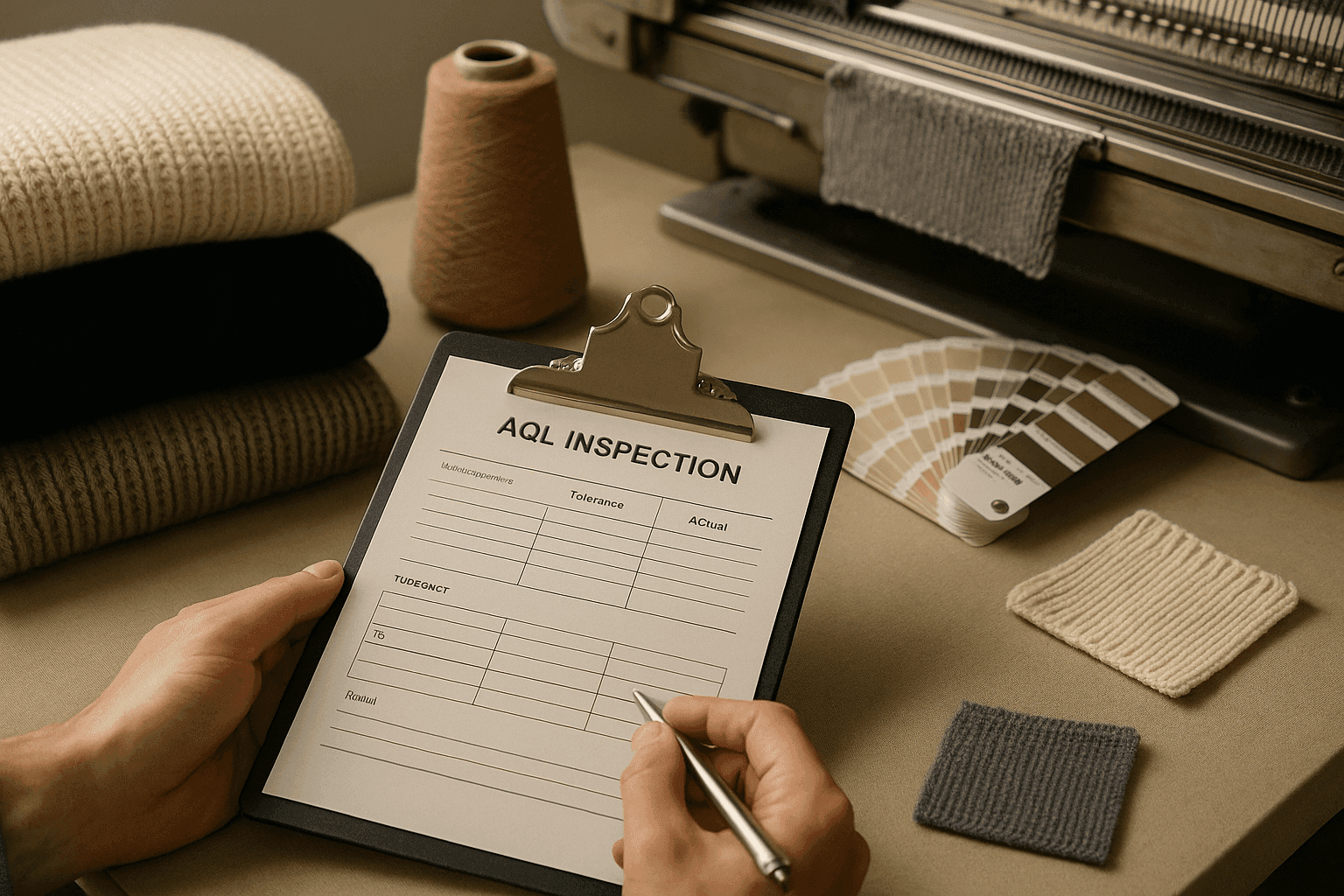
Nuestra inspección estándar se basa en AQL, con controles de confección, medidas, color y embalaje. Para los compradores franceses que quieran una verificación independiente, la guía de inspección por terceros explica cómo dar el brief a un inspector externo. Sobre certificaciones: cualquier esquema específico debe indicarse en la fase del brief de hilo, porque condiciona contra qué referencias de hilo podemos cotizar. La guía de certificaciones explica qué cubre realmente cada una; las tratamos como declaraciones a nivel de material que requieren documentación real, no como reclamos de marketing.
Notas sobre logística, pago e Incoterms
La mayoría de los envíos con destino a Francia desde nuestras instalaciones se mueven en contenedor marítimo, ya sea desde un puerto del sur de China directamente a un puerto francés, o vía Rotterdam con camión hasta el destino. El tiempo de tránsito es de aproximadamente 30-40 days según la ruta y la temporada; la ventana punta de envíos de otoño-invierno suele añadir unos días por la congestión portuaria. El flete aéreo es viable para reponer estilos de alta rotación o para plazos incumplidos, pero a un múltiplo del coste de flete por pieza — debería ser la excepción, no el plan.
Los Incoterms que vemos con más frecuencia con los compradores franceses:
FOB es el estándar para marcas consolidadas con su propio transitario. La marca controla la ruta y la línea de costes es transparente.
CIF / CFR para compradores que quieren que organicemos el flete marítimo hasta un puerto francés designado y cotizar incluyendo coste y seguro hasta ese punto.
DDP lo solicitan cada vez más las marcas DTC francesas más pequeñas que quieren un coste puerta a puerta con todo incluido. Podemos estructurar DDP a través de un transitario asociado, pero la cotización necesita la dirección final de entrega y el número EORI del comprador desde el principio.
En cuanto al pago, el esquema estándar para nuestros clientes franceses es un depósito a la confirmación del PO y el saldo contra copia del conocimiento de embarque antes del envío, pagados por transferencia bancaria internacional. Las cartas de crédito son viables para pedidos grandes pero añaden coste y tiempo; para programas pequeños de primer PO generalmente no las recomendamos. La guía de condiciones de pago en género de punto cubre el conjunto completo de opciones y lo que cada una señala sobre el riesgo para ambas partes. El coste en destino — incluido el IVA de importación, el despacho de aduanas y la entrega interior desde el puerto hasta el 3PL del comprador — se desglosa en la guía de coste en destino del género de punto, lectura imprescindible antes de comprometerse con un precio de venta objetivo para el mercado francés.
Una nota rápida sobre aduanas: el género de punto procedente de China que entra en Francia está sujeto al arancel estándar de importación de la UE más el IVA de importación francés. Las marcas que consolidan envíos con otras mercancías destinadas a la UE a través de un almacén en Rotterdam o Amberes a veces pueden optimizar el flujo de caja del IVA, pero la estructura depende de la propia configuración contable de la marca — no es algo sobre lo que la fábrica asesore directamente. Lo que sí preparamos con cuidado es la parte documental: factura comercial, packing list y conocimiento de embarque elaborados con precisión para evitar retrasos en aduana.
Si está planificando un proyecto real en torno a cualquiera de los puntos anteriores, estaremos encantados de echarle un vistazo. Envíenos un brief breve y le responderemos en un día laborable con una orientación práctica, una estimación de MOQ + plazos y un plan de muestras si tiene sentido.
Nuestro MOQ de catálogo es de 30 piezas por color. La mayoría de las marcas francesas que incorporamos colocan un primer PO de 4-8 estilos en 2-3 colores cada uno, con 30-80 piezas por color dependiendo de si el color es un tono básico o un color de historia. Bajar de 30 piezas por color en el mismo hilo a veces es posible si varios SKU comparten la referencia de hilo, pero normalmente añade una prima de coste por pieza.
Planifique aproximadamente 4-6 meses de extremo a extremo. El muestreo dura 7-25 días por ronda y normalmente requiere de dos a tres rondas (proto, horma, PP). La producción en serie es de 30-45 días tras el PO y la aprobación PP. El flete marítimo desde China hasta un puerto francés es de aproximadamente 30-40 días. Para una temporada FW que aterrice en el 3PL de la UE a finales del verano, eso significa que el muestreo debe comenzar en febrero y el PO colocarse como muy tarde a finales de mayo.
Las marcas francesas de moda masculina se inclinan hacia construcciones de galga fina 7GG y 12GG para piezas premium-everyday, y 3GG-5GG para cárdigans gruesos de otoño e invierno. Los hilos más comunes son lana merino, mezclas algodón-cachemira, mohair cepillado para piezas de moda y mezclas de lana más pesadas para trenzados. El algodón y el lino-algodón aparecen en los programas SS.
Sí, podemos estructurar el envío DDP a una dirección francesa designada a través de un transitario asociado. Para cotizar DDP necesitamos la dirección de entrega final, el número EORI del comprador y la confirmación de qué líneas de coste quiere el comprador desglosadas por separado (valor equivalente FOB, flete, arancel e IVA). Para marcas con su propio transitario, FOB desde un puerto del sur de China sigue siendo la opción más transparente.
Las etiquetas de cuidado en francés con los porcentajes de fibra correctos, país de origen y símbolos de cuidado forman parte de la producción estándar de marca privada para programas con destino Francia y no añaden coste significativo. Sí necesitan quedar bloqueadas en la fase de muestra PP. El factor de coste es la complejidad de la etiqueta tejida, no el idioma.
Nos especializamos en suéteres de hombre, cárdigans, chaquetas de punto, prendas de punto jacquard y prendas de punto de marca privada. Apoyamos a compradores B2B con desarrollo OEM/ODM, desarrollo de muestras y planificación de producción en serie.
Gratis: Informe comparativo de sourcing de punto 2026
MOQ, plazos, rangos de coste, elección de galga y puntos de control de calidad en los programas OEM/ODM habituales para Norteamérica y Europa. Deje su correo y le enviamos el enlace en 30 segundos.
Sin spam. Cancele la suscripción con una sola respuesta. Usamos su correo únicamente para enviarle el informe y, si lo desea, continuar la conversación de sourcing.
Las marcas mostradas son socios OEM/ODM a los que hemos prestado servicio anteriormente. Los logotipos son decorativos y no implican ningún respaldo actual.