For larger orders or new suppliers, a factory's own quality control may not be enough peace of mind. Third-party inspection, an independent check before you pay the balance or ship, is a standard risk-management tool in apparel sourcing. This guide explains how third-party inspection works for knitwear and when it is worth using.
Third-party inspection is insurance, not insult. A confident factory welcomes it, and a smart buyer uses it on the orders that matter.
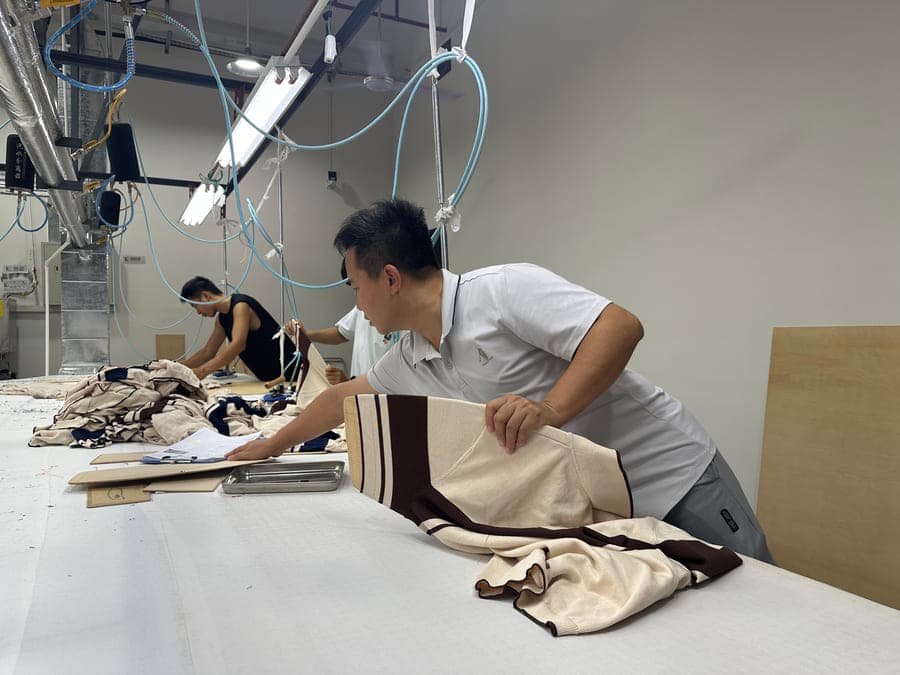
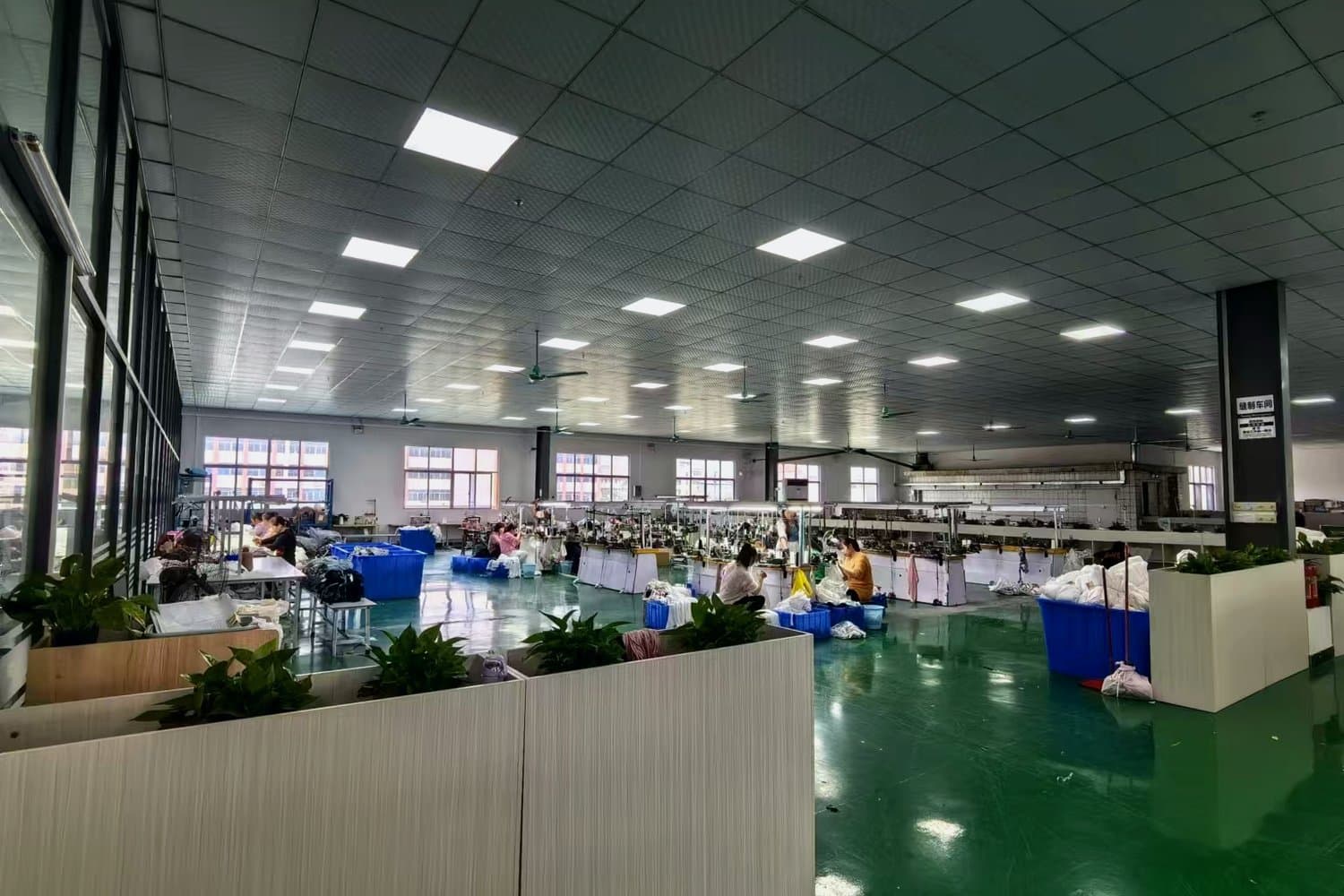
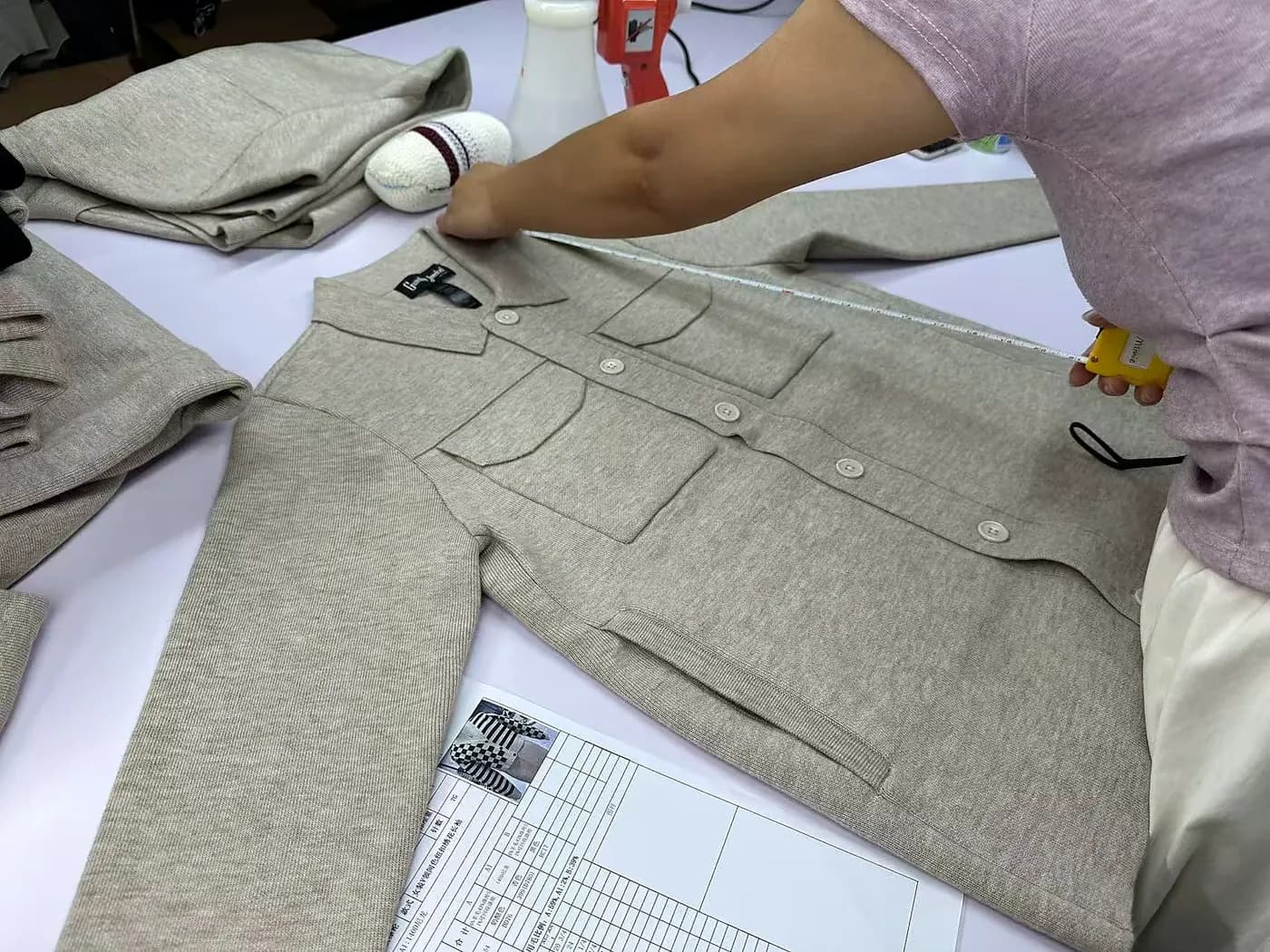
An independent inspection company checks your order against your specifications, separate from the factory's own QC. Inspectors visit the factory, sample the goods to a statistical standard (AQL), and report defects before you release the balance payment or authorize shipment. It is independent verification that what you specified is what was made.
Third-party inspection verifies, independently, that the order matches your approved sample and spec before it ships.
Types of Inspection
Inspection
When
Purpose
Pre-production
Before bulk starts
Confirm materials, components
During production (DUPRO)
~20-50% done
Catch issues early
Pre-shipment (PSI)
Order complete
Final AQL check before shipping
The most common is pre-shipment inspection (PSI), performed when the order is finished but before it ships, so problems can still be fixed and before you pay the balance.
How AQL Works
Inspections use AQL (Acceptance Quality Limit), a statistical sampling standard. Rather than checking every piece, the inspector checks a representative sample and applies a defect threshold (AQL 2.5 is common for apparel). The order passes or fails based on the number and severity of defects found. Agree the AQL standard with both factory and inspector up front, as covered in our QC checklist.
This is the same checklist a diligent buyer would apply, performed independently and at scale, see our common quality problems guide.
When Third-Party Inspection Is Worth It
First order with a new factory, before trust is established
Large orders where the financial risk is significant
Complex or premium products where defects are costly
When you cannot visit the factory yourself
For small repeat orders with a trusted factory, the factory's own multi-stage QC may suffice. Match the level of checking to the risk.
Inspection and Payment Terms
Third-party inspection pairs naturally with milestone payments, release the balance only after a passed inspection, see our payment terms guide. This protects you while keeping terms fair to the factory. Choosing a factory with strong internal QC in the first place reduces how much you need this, see our vetting guide.
Reading an AQL Defect Report: A Worked Example
The single most useful skill is reading the inspector's report correctly. Defects are graded into three classes, and most knitwear inspections at AQL 2.5 use the General Inspection Level II sampling plan. The accept/reject number depends on lot size, not order value.
Lot size
Sample
Critical (acc/rej)
Major 2.5 (acc/rej)
Minor 4.0 (acc/rej)
151–280 pcs
32
0 / 1
2 / 3
3 / 4
281–500 pcs
50
0 / 1
3 / 4
5 / 6
501–1,200 pcs
80
0 / 1
5 / 6
7 / 8
Worked example: you order 400 merino crewnecks. The inspector pulls a 50-piece sample and finds two open seams at the neck rib (major) and four untrimmed loose ends (minor). Two majors sits below the accept limit of 3, and four minors below the limit of 5, so the lot passes. Add one more open seam and majors reach 3 against a reject of 4 — still a pass, but a clear signal to ask the factory to re-press and re-trim before loading. Any single critical defect, such as a broken needle fragment, fails the lot outright. Confirm which AQL levels apply to major versus minor before inspection day, because the same report can pass or fail purely on the thresholds you agreed.
A Pre-Inspection Checklist for Buyers
Inspections fail more often from unclear instructions than from bad goods. Before the inspector arrives, send them:
The approved sealed sample plus high-resolution photos, so the report compares against what you signed off, not a generic standard.
A measurement spec sheet with points of measure and tolerances. For knitwear, ±1 cm on body and ±0.5 cm on rib widths are typical; state your own numbers.
AQL levels per defect class (e.g. critical 0, major 2.5, minor 4.0) in writing.
Fiber and care-label content to verify against your declared composition — cotton, wool, merino, cashmere or blends, acrylic, or recycled yarn.
Packing and carton requirements: polybag type, hangtag placement, barcode, carton count and shipping marks.
Certification scope, if required — Licheng holds OEKO-TEX Standard 100, ISO 9001, GRS (Global Recycled Standard) and GOTS (Global Organic Textile Standard); the inspector confirms labels and lot documents match the certified scope but does not issue the certificate.
Book the inspection for the day bulk QC finishes — near the end of the 30–45 day production window — to leave time for rework before the vessel cut-off without paying for a re-inspection visit.
Common Questions
Who pays for the third-party inspection, the buyer or the factory?
The buyer normally books and pays the inspection agency directly, which keeps the inspector independent; budget a flat man-day fee. Some factories share the cost on repeat business, but the buyer should always control who is hired.
How long does a pre-shipment inspection take and will it delay my order?
A single PSI is usually one man-day at the factory, and the report arrives within 24 hours. As long as you book it as bulk QC finishes, it fits inside the normal 30–45 day production lead time without delaying shipment.
What happens if the order fails the AQL inspection?
A failed lot is sorted and reworked by the factory, then re-inspected before the balance is released — which is exactly why inspection is paired with milestone payments. With strong internal multi-stage QC, a re-inspection is rarely needed, but the leverage of holding the balance keeps the fix moving fast.
Licheng Knitwear runs documented multi-stage QC and welcomes third-party inspection for B2B buyers. Request a quote or browse our products.
---
Talk to our team about this
If you're planning a real project around any of the points above, we'd be glad to take a quick look. Send a short brief and we'll come back within one business day with a practical direction, MOQ + lead time estimate, and a sample plan if it makes sense.
Yes - we welcome third-party QC (e.g. AQL inspection before shipment) and provide access for inspectors. We also run our own multi-step QC.
AQL 2.5 for major defects is common for knitwear; we inspect fabric, workmanship, linking, measurements and finished goods, with needle detection.
Before shipment, on finished, packed goods - so any issue is caught before it leaves the factory.
We focus on men's sweaters, cardigans, knit jackets, jacquard knitwear and private label knitwear. We support B2B buyers with OEM/ODM development, sampling and bulk production planning.
Ready sample styles and selected custom programs can support lower-risk trials before larger seasonal orders.
Yes. Brands, including new labels preparing a first collection, can pay for a sample and see it before placing a production order. Two routes: a ready sample of a published style at USD 60 per piece in about 7 days, or a development sample from your tech pack at USD 150 per style, covering yarn sourcing, knit programming, one prototype and one revision round, in 15-25 days. Cashmere and mohair styles are quoted individually and shipping is charged at cost. Production starts only after you approve the physical sample, at our minimum of 30 pieces per colour with sizes mixed inside the 30. A sample does not commit you to a production run; we do not make garments for personal use.
Ready to Start Your Project?
Get a free catalog or submit an RFQ today. Our team will respond within 24 hours.
MOQ, lead time, cost ranges, gauge selection and QC checkpoints across typical OEM/ODM knitwear programs in NA + EU. Enter your email — we'll send you the report link in 30 seconds.
No spam. Unsubscribe with one reply. We use your email only to send you the report and follow up if you want a sourcing conversation.
Brand names shown are previously serviced OEM/ODM partners. Logos are decorative and do not imply current endorsement.