Sustainable and Recycled Yarn Options for Knitwear Brands
Updated 5/30/202612 min readBy Licheng Knitwear Team
An overview of sustainable and recycled yarn options for knitwear, including recycled wool, recycled cotton, organic fibers and what to confirm with your factory.
1. Overview
An overview of sustainable and recycled yarn options for knitwear, including recycled wool, recycled cotton, organic fibers and what to confirm with your factory. This guide walks you through the manufacturing journey with Licheng Knitwear.
Buyer Guide Content
Ready to Start Your Project?
Get a free catalog or submit an RFQ today. Our team will respond within 24 hours.
Sustainability has moved from a nice-to-have to a buying criterion for many knitwear customers, and recycled and responsible yarns are at the center of that shift. For B2B brands, building a credible sustainable knitwear program means understanding the yarn options, the certifications that back claims, and how to avoid greenwashing. This guide covers what buyers need to know.
Sustainability claims are only as strong as the certification behind them. In knitwear, the yarn and its paperwork are where credibility is won or lost.
The Main Sustainable Yarn Options
Yarn
Source
Story
Recycled polyester
Post-consumer plastic (rPET)
Diverts waste, durable
Recycled wool
Reclaimed wool fibers
Lower impact than virgin wool
Recycled cotton
Textile/production waste
Reduces water, waste
Organic cotton
Pesticide-free farming
Cleaner farming story
Responsible wool (RWS)
Certified animal welfare
Ethical sourcing
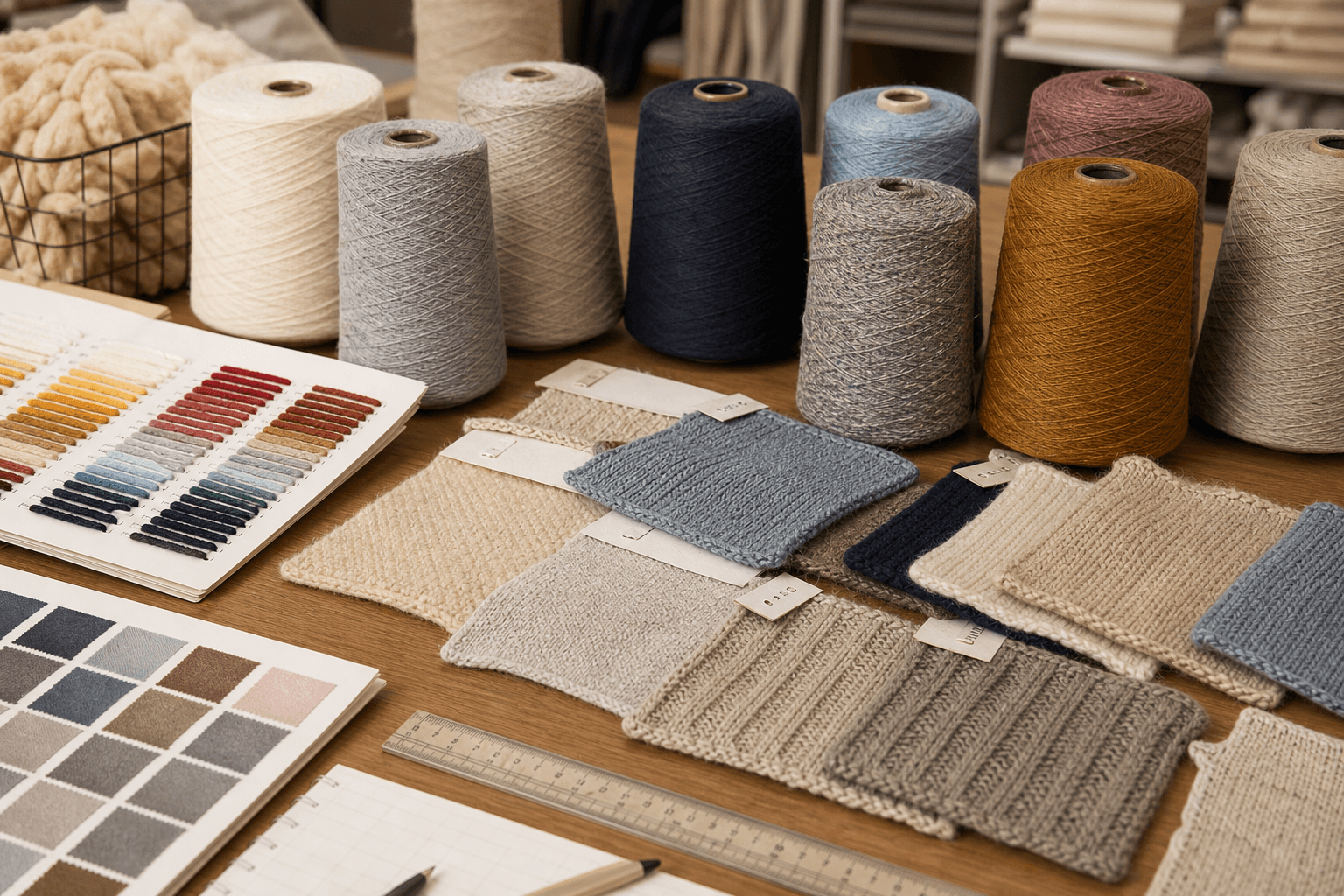
Recycled and responsible yarns let brands build a credible sustainability story without sacrificing handfeel.
Recycled Fibers
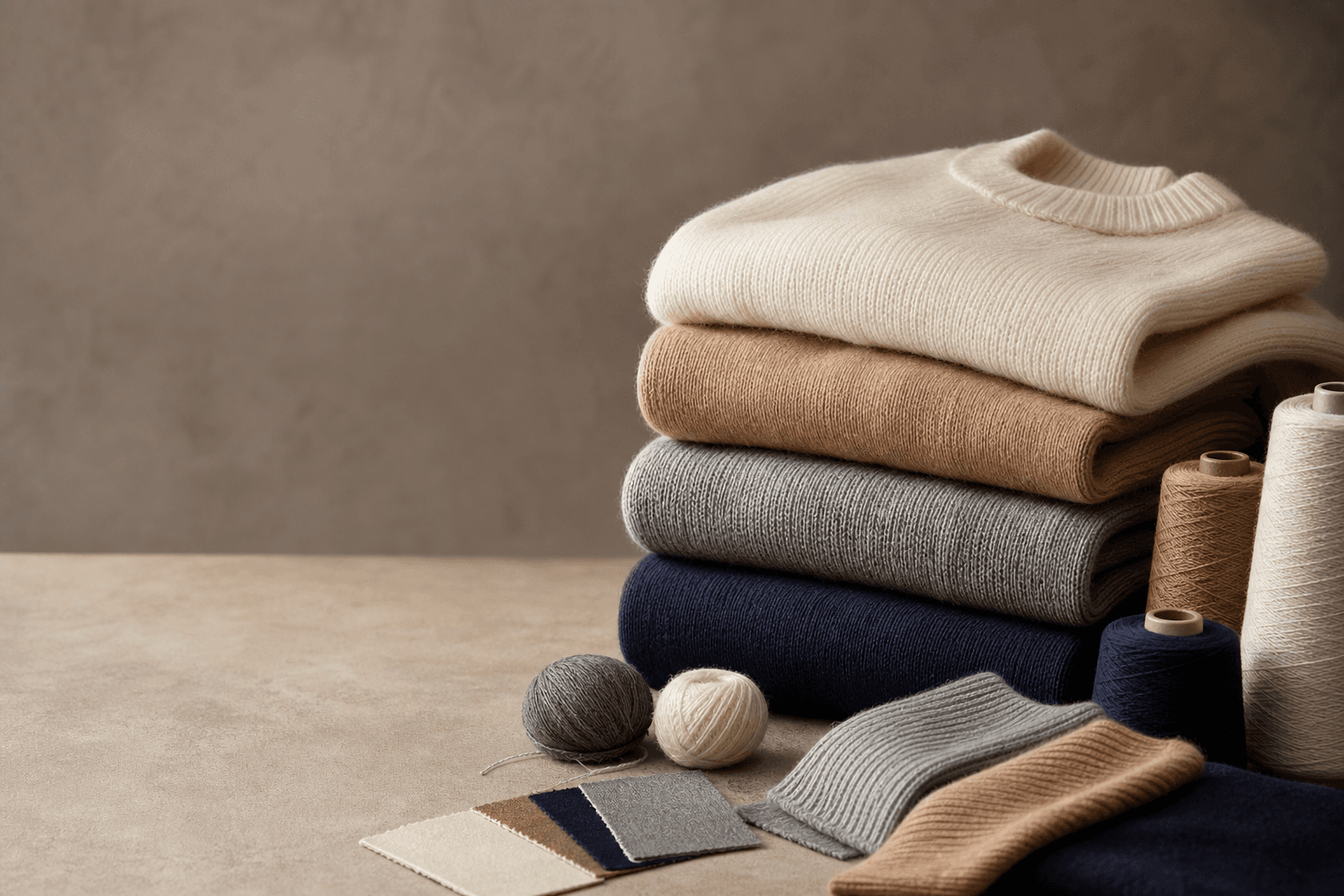
Recycled yarns are the most common entry point. Recycled polyester (rPET) made from post-consumer plastic is durable and widely available; recycled wool and cotton reclaim fibers from textile waste, reducing the impact of virgin production. Recycled fibers often blend with virgin fiber to maintain quality, so confirm the recycled percentage and how it is verified.
Certifications That Back Your Claims
Credible sustainability rests on certification, not marketing language. The key standards in knitwear include:
GRS (Global Recycled Standard): verifies recycled content and supply chain
RWS (Responsible Wool Standard): animal welfare and land management
GOTS: organic fibers and processing
OEKO-TEX: tested for harmful substances
Ask your factory which certifications apply to your yarn and request the documentation. Claims without certification are a greenwashing risk.
Balancing Sustainability, Quality and Cost
Sustainable yarns can match conventional handfeel, but quality varies, so test the actual yarn for pilling and durability as you would any other, see our quality control checklist. Cost is often slightly higher, though the gap is narrowing, and many customers accept it for a credible story. Factor this into your cost planning.
Building a Credible Program
Choose certified yarns and keep the documentation
State recycled percentages accurately, do not overclaim
Test sustainable yarns for quality like any other
Tell the story honestly, certification first, marketing second
Start with one or two proven sustainable yarns rather than a full overhaul
Licheng Knitwear develops knitwear in recycled, organic and responsible yarns with supporting certification for B2B brands building credible sustainability programs. Request a quote or browse our products.
2. The Custom Knitwear Process
A clear development flow keeps samples, costing and bulk production aligned before your order moves forward.
1. Inquiry
Share your idea, tech packs and requirements.
2. Design & Yarn Selection
We recommend yarns and create an initial direction.
3. Sampling
Develop samples for fit, look and function.
4. Production
Bulk production with stage-based quality control.
5. Quality Inspection
QC checks help confirm workmanship, measurements and packing.
6. Packaging & Delivery
Packing and delivery details are discussed by order.
3. Materials & Yarn Selection
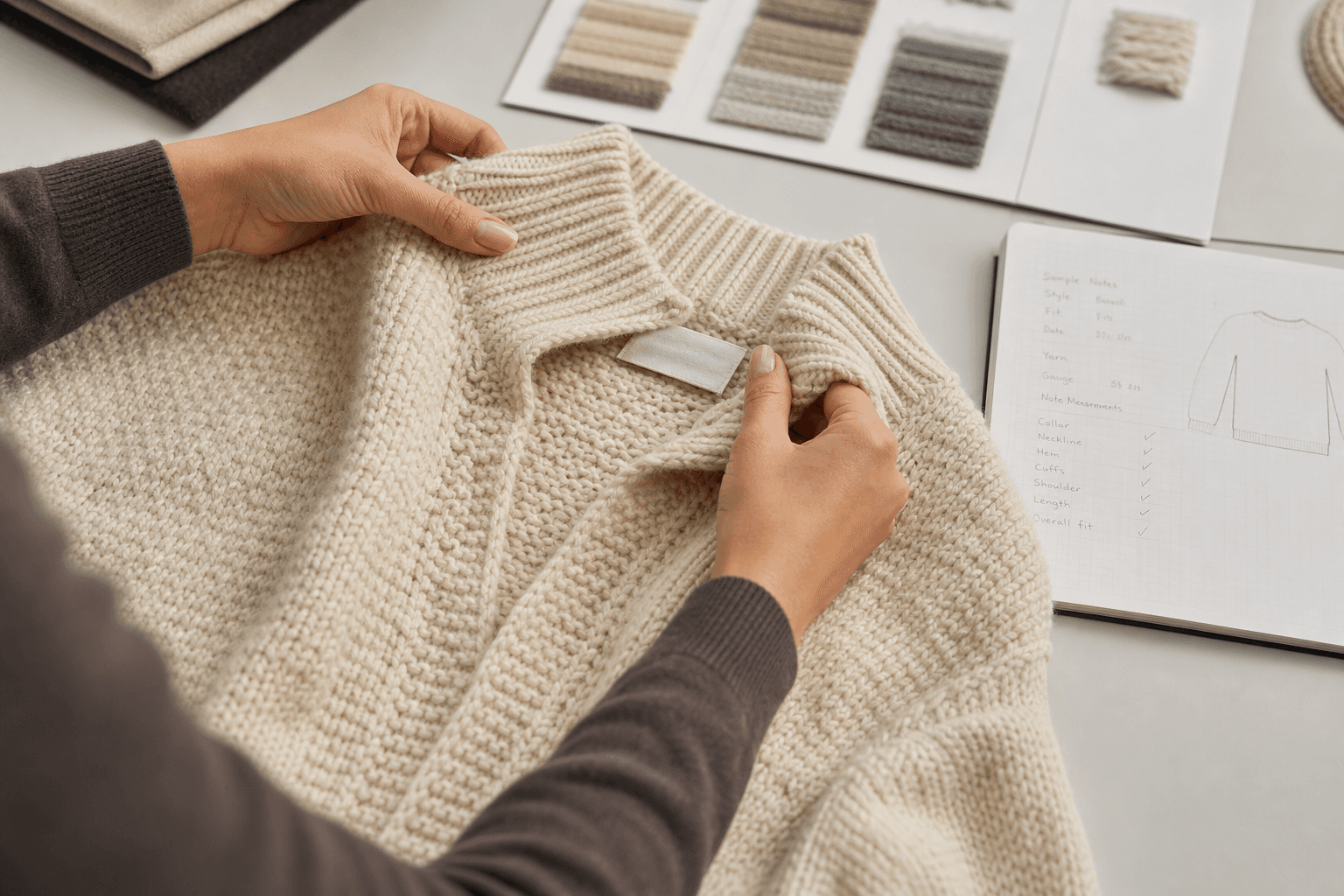
The right yarn defines handfeel, performance and durability. Material choice can be adjusted by season, market and target price.
Natural Fibers
Wool, cotton, cashmere and silk directions
Blended Yarns
Wool blends, cotton blends and acrylic blends
Responsible Yarn Options
Organic cotton and recycled fiber discussions
Performance Yarns
Merino, anti-pilling and functional yarn directions
4. Design & Development
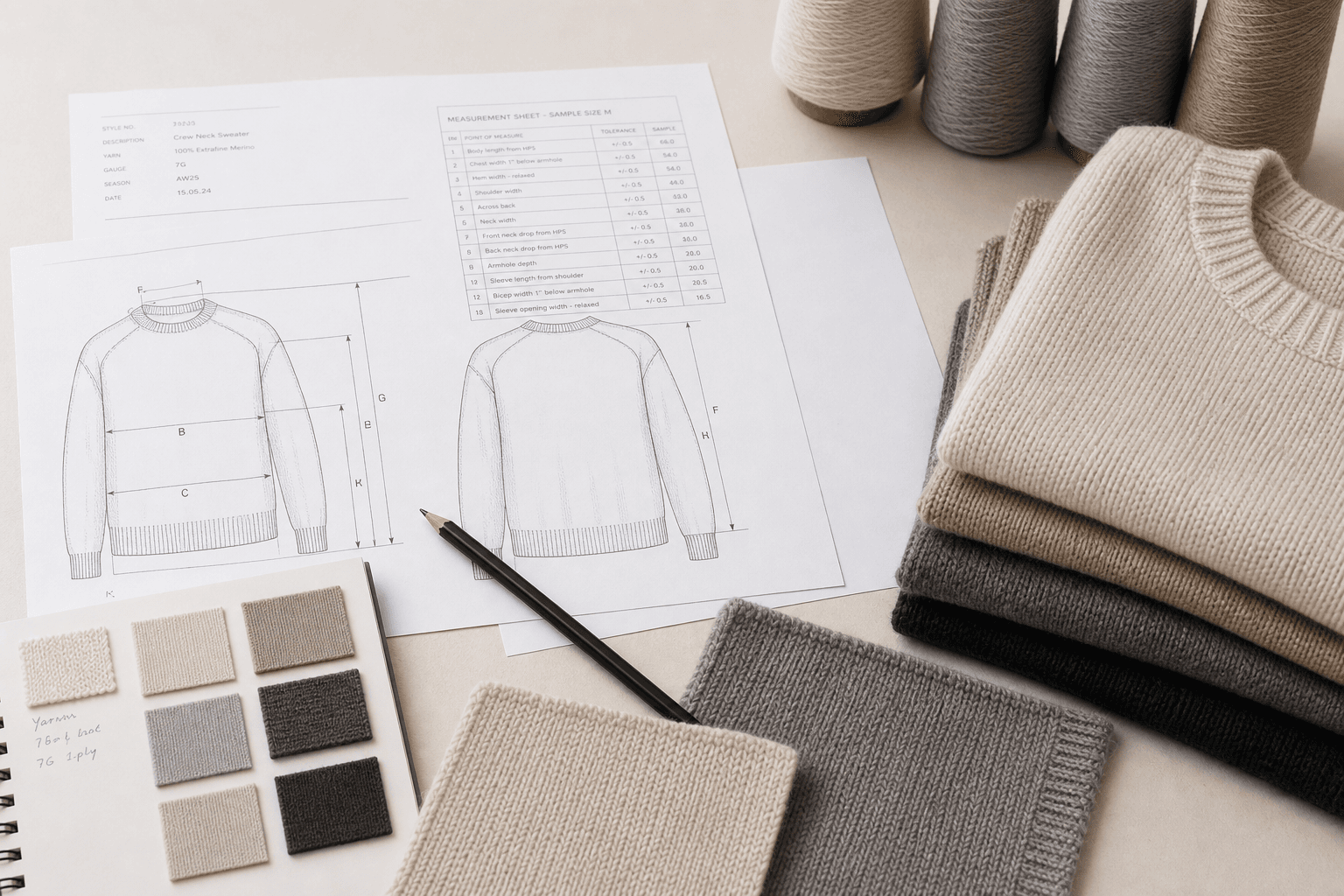
From reference photos to tech packs and pattern review, our team helps turn ideas into a manufacturable knitwear direction.
Design consultation
Tech pack and specification support
Pattern and structure review
Jacquard, intarsia and custom detailing
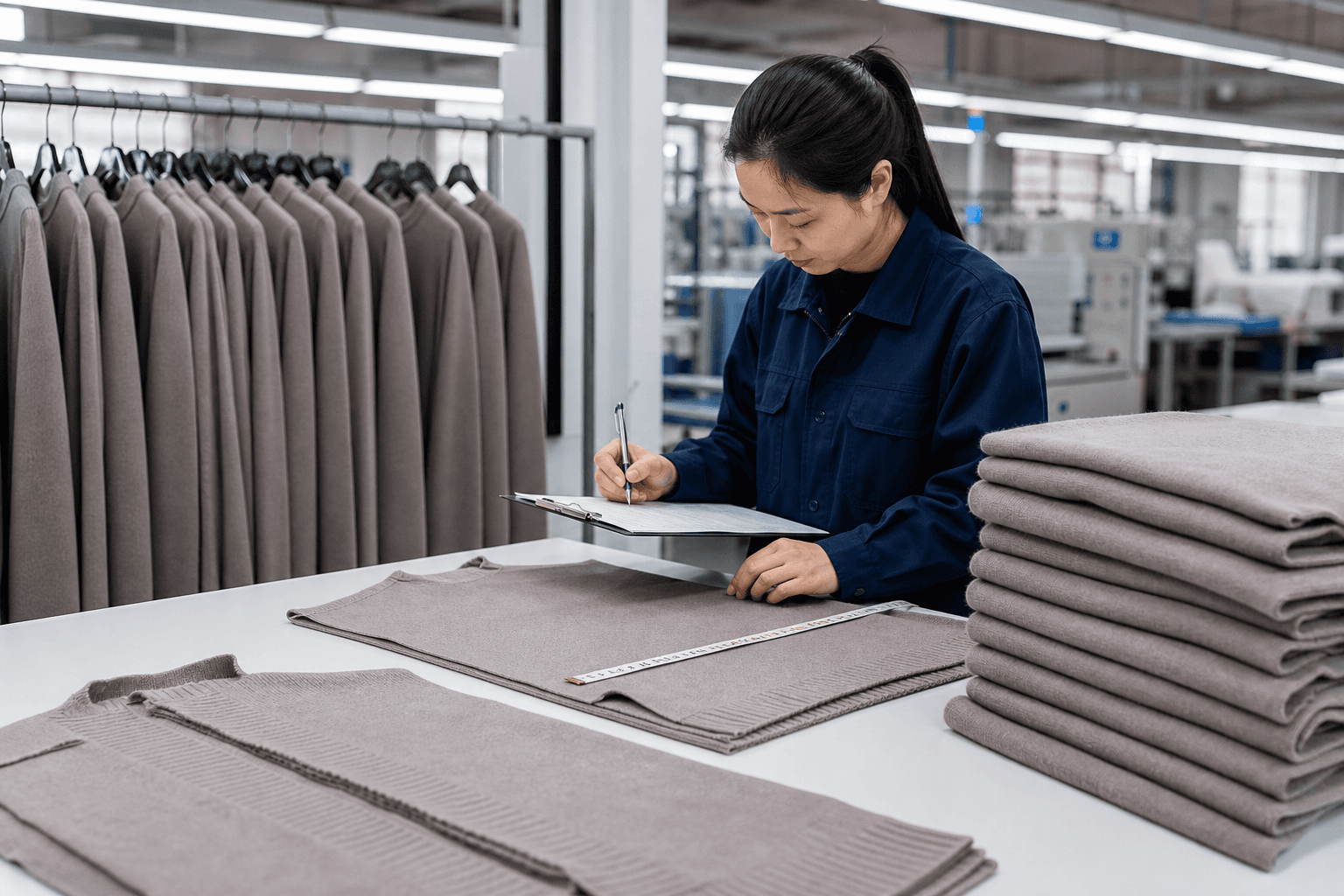
Quality is not only one step in the process. It is checked throughout development and production.
20+
Years Experience
500+
Global Clients
98%
On-time Delivery
5. Sampling & Approval
Plan each detail clearly before bulk production to reduce risk and improve buyer communication.
Proto sample
Fit sample
Pre-production sample
6. Production & Quality Control
Plan each detail clearly before bulk production to reduce risk and improve buyer communication.
Knitting, linking and finishing
In-line and final inspection
Stage-based QC process
7. Packaging & Delivery
Plan each detail clearly before bulk production to reduce risk and improve buyer communication.
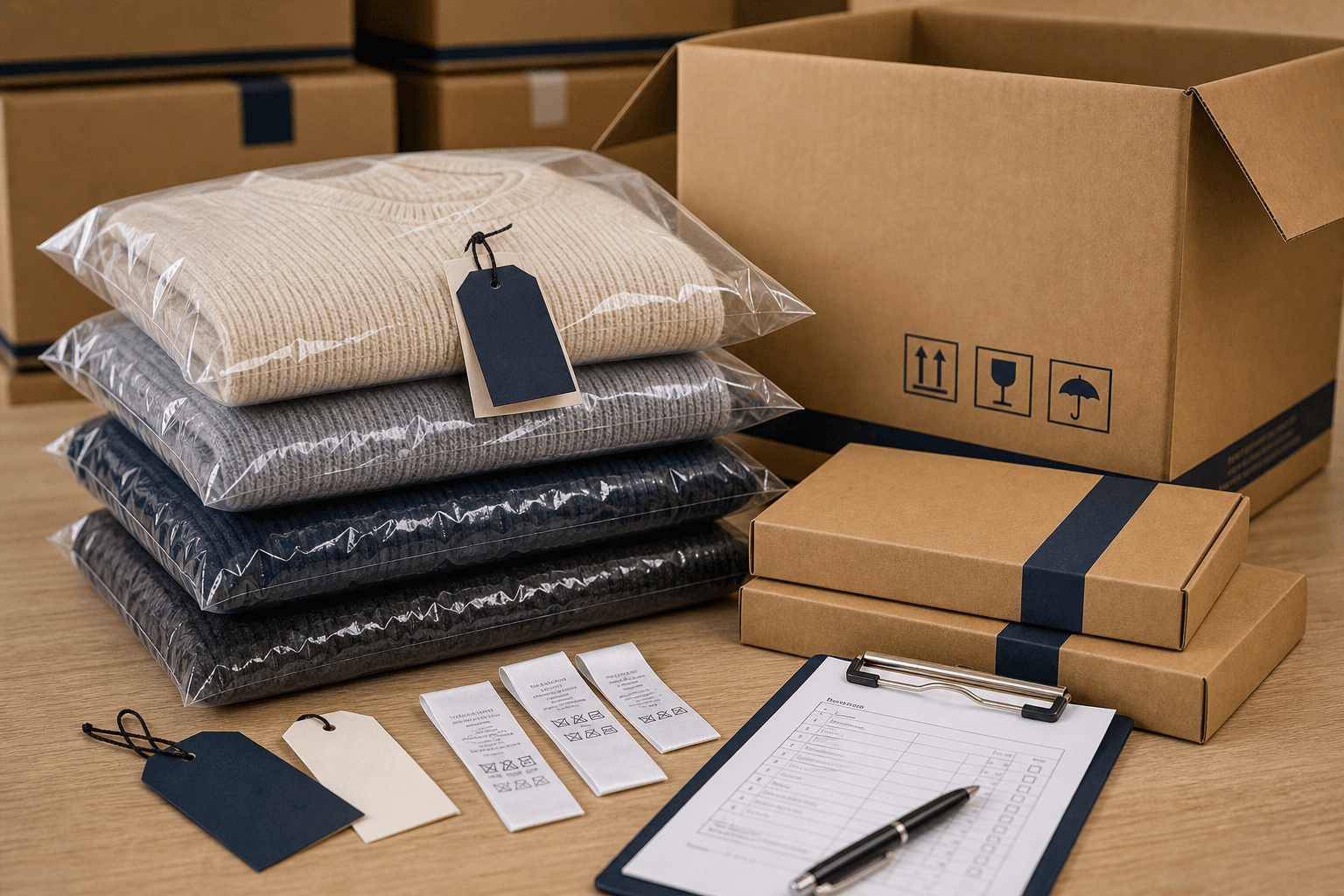
Custom labels and hangtags
Packaging discussions
Shipping support discussion
8. Costs & Lead Times
Cost and timeline depend on yarn, gauge, construction, color count, quantity and packaging requirements.
MOQ
Reviewed by style, yarn and project
Sample Lead Time
Confirmed after material and gauge review
Bulk Lead Time
Confirmed by quantity and production plan
9. Best Practices for Success
Use these practical points to make sampling and bulk production easier to manage.