Why Sweaters Pill — and How to Specify Anti-Pill Knitwear
Updated 5/31/202612 min readBy Licheng Knitwear Team
Pilling is the most common knitwear complaint. Learn why sweaters pill, which fibre, yarn-twist, gauge and finishing factors you control, and how to specify and test for pill resistance before bulk production.
1. Overview
Pilling is the most common knitwear complaint. Learn why sweaters pill, which fibre, yarn-twist, gauge and finishing factors you control, and how to specify and test for pill resistance before bulk production. This guide walks you through the manufacturing journey with Licheng Knitwear.
Buyer Guide Content
Ready to Start Your Project?
Get a free catalog or submit an RFQ today. Our team will respond within 24 hours.
Pilling — those small balls of tangled fibre on the surface of a sweater — is the single most common complaint buyers and their customers raise about knitwear. The frustrating part is that some pilling is normal and unavoidable, while excessive pilling signals a fibre, yarn or construction choice that could have been specified differently. This guide explains why sweaters pill, which factors you actually control, and how to specify a program that resists it.
You can't make a knit garment 100% pill-proof, but you can dramatically reduce pilling through fibre choice, yarn twist, gauge and finishing. Specify for it up front — it's far cheaper than handling returns later.
Pilling is largely designed in at the fibre and yarn stage — specify against it early.
Why pilling happens
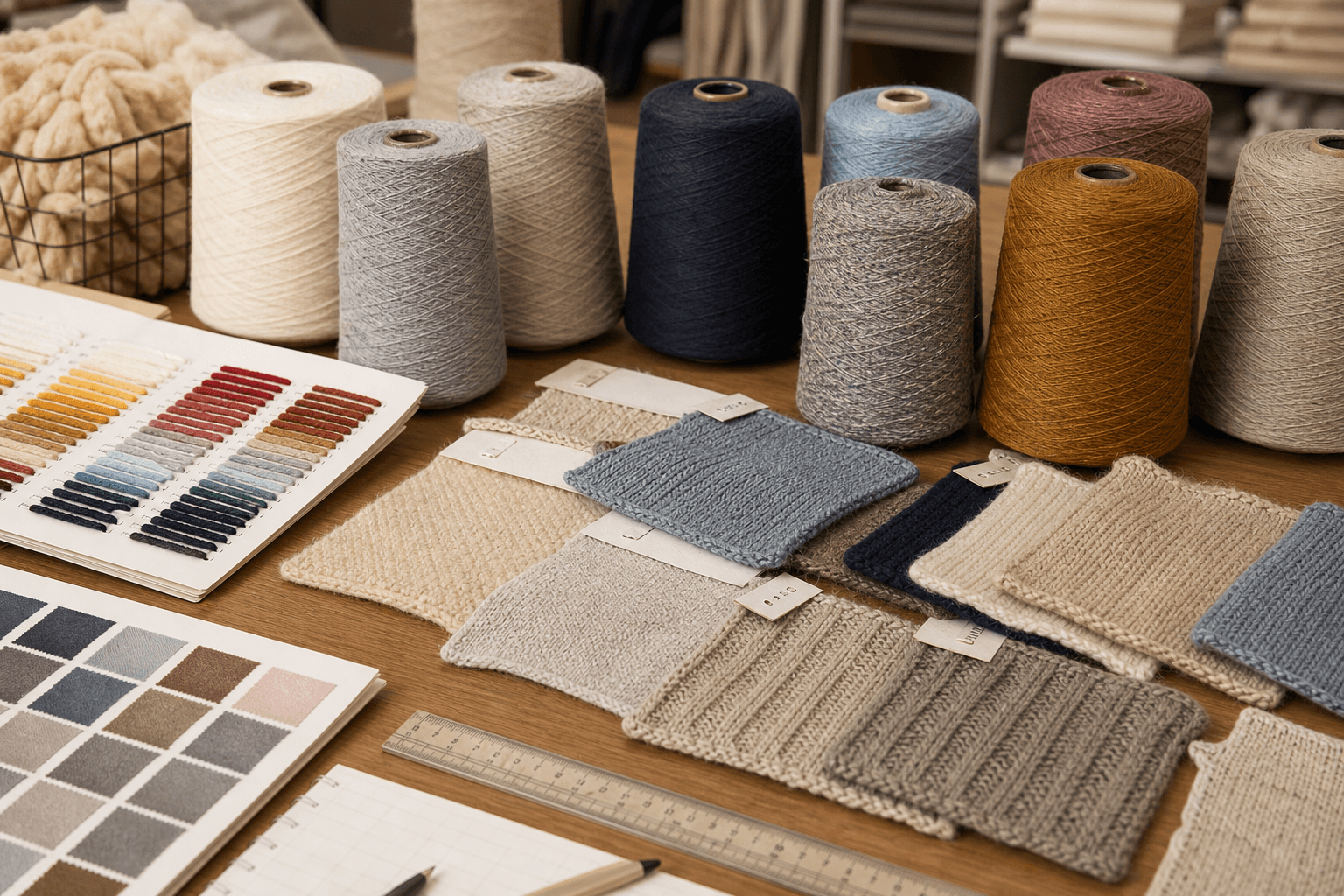
Pills form when short fibres on the yarn surface work loose through abrasion (wear, washing, friction at cuffs and sides), tangle together, and don't break away. Whether they then shed or stay depends largely on fibre strength:
Weak/short fibres (many acrylics, short-staple wool, some cotton) pill and the pills cling.
Strong/long fibres (long-staple, higher-grade wool, nylon-reinforced blends) either pill less or the pills break off.
The factors you control
Factor
Lower pilling
Higher pilling
Fibre
Long-staple, higher-grade wool; nylon-blended
Short-staple, low-grade, loose acrylic
Yarn twist
Tighter twist
Loose, soft-spun
Ply
Plied yarns
Single, low-twist
Gauge / density
Finer, denser knit
Very loose, open knit
Finishing
Anti-pill finish, proper washing/setting
Skipped finishing
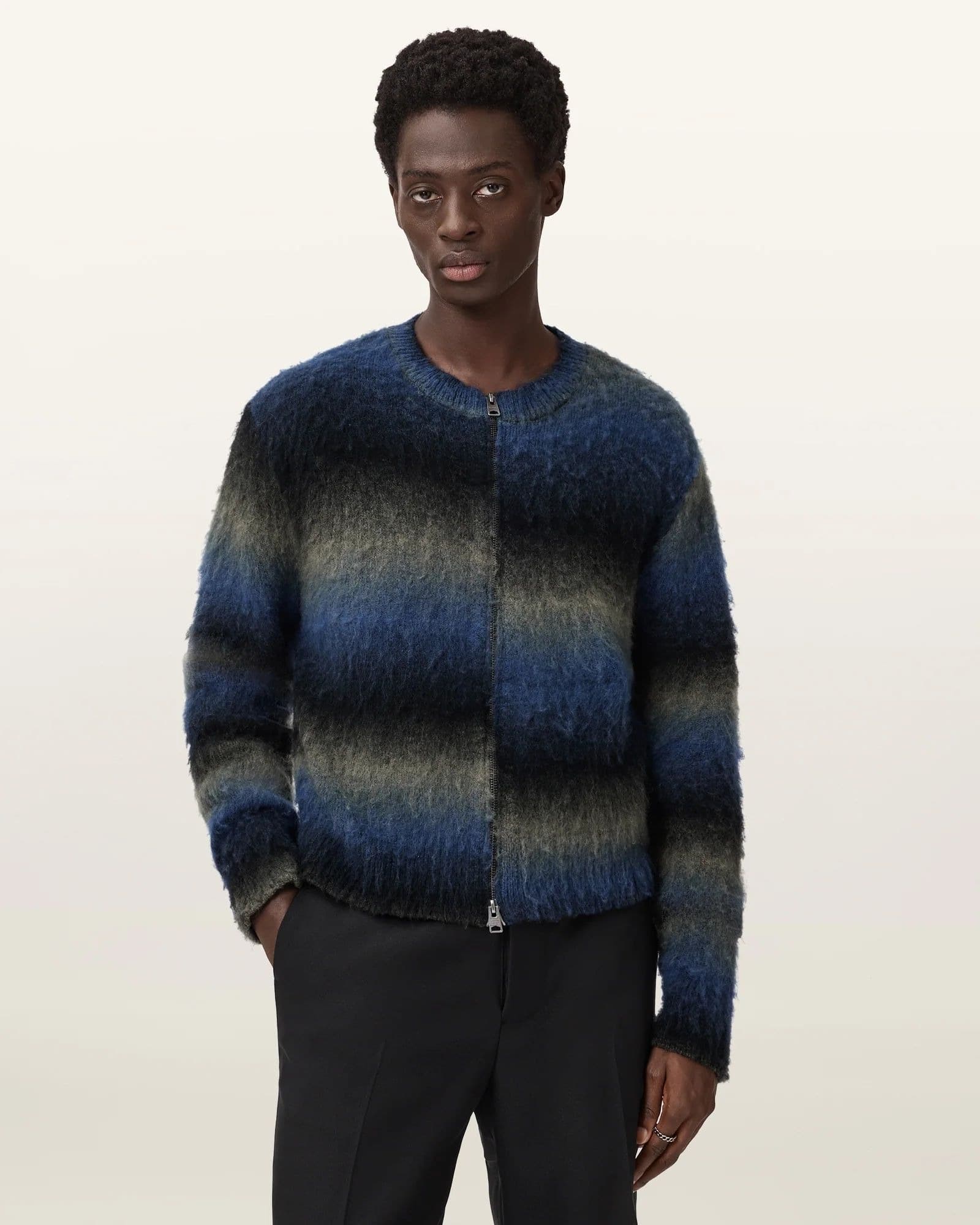
Fibre and yarn choices are the biggest levers — see the yarn material guide and how to choose yarn for men's sweaters. The trade-off: the softest, fuzziest hands (loose, brushed, low-twist) tend to pill more, while tighter, plied yarns resist it. Brushed styles like mohair are expected to shed initially by nature.
Tighter twist, plied yarns and a denser gauge all reduce pilling.
How to specify against pilling
1. Choose the fibre with pilling in mind — if durability matters more than maximum softness, lean toward longer-staple wool or a nylon-reinforced blend.
2. Ask for a tighter-twist, plied yarn where the look allows.
3. Specify an anti-pill finish and proper washing/setting in production.
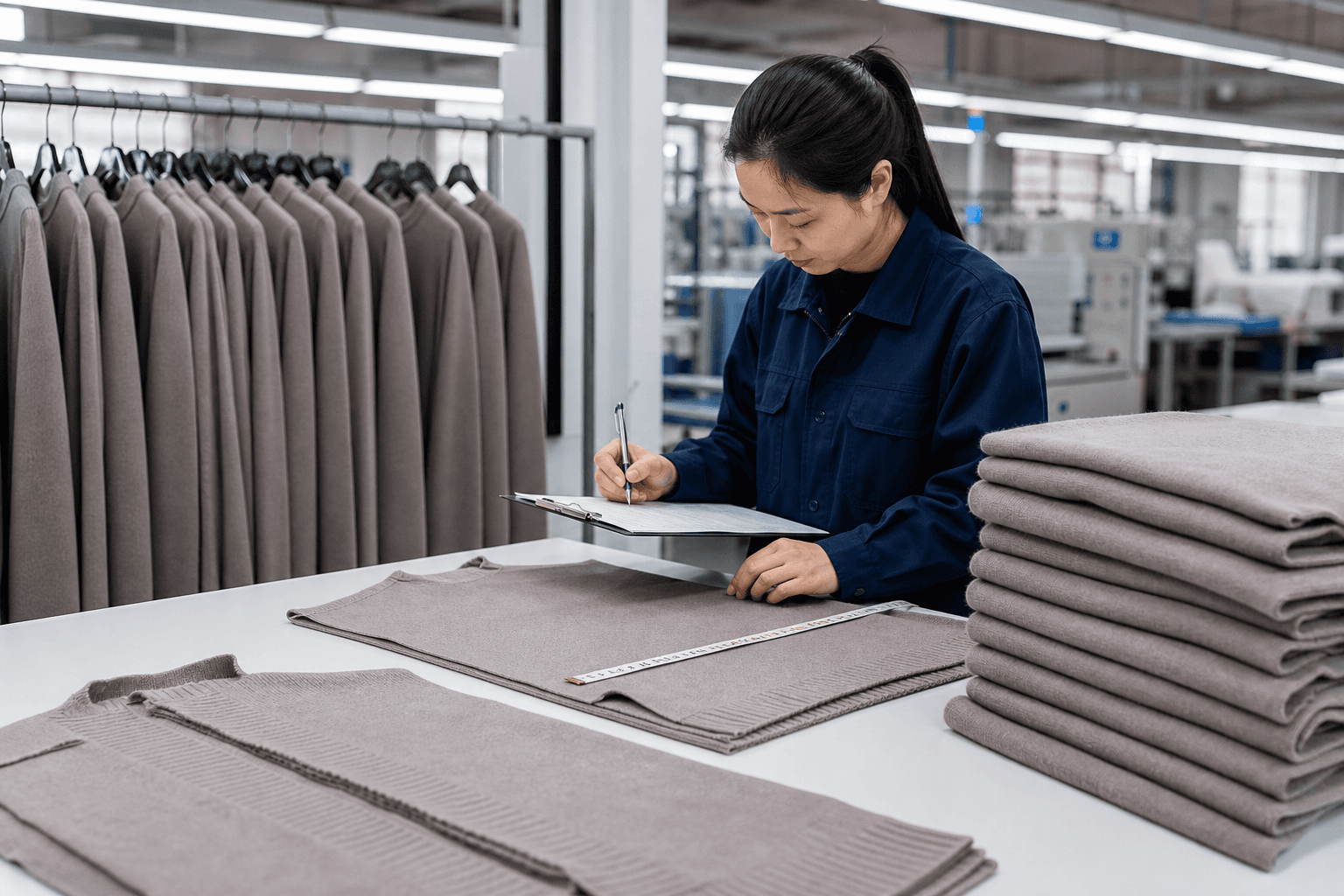
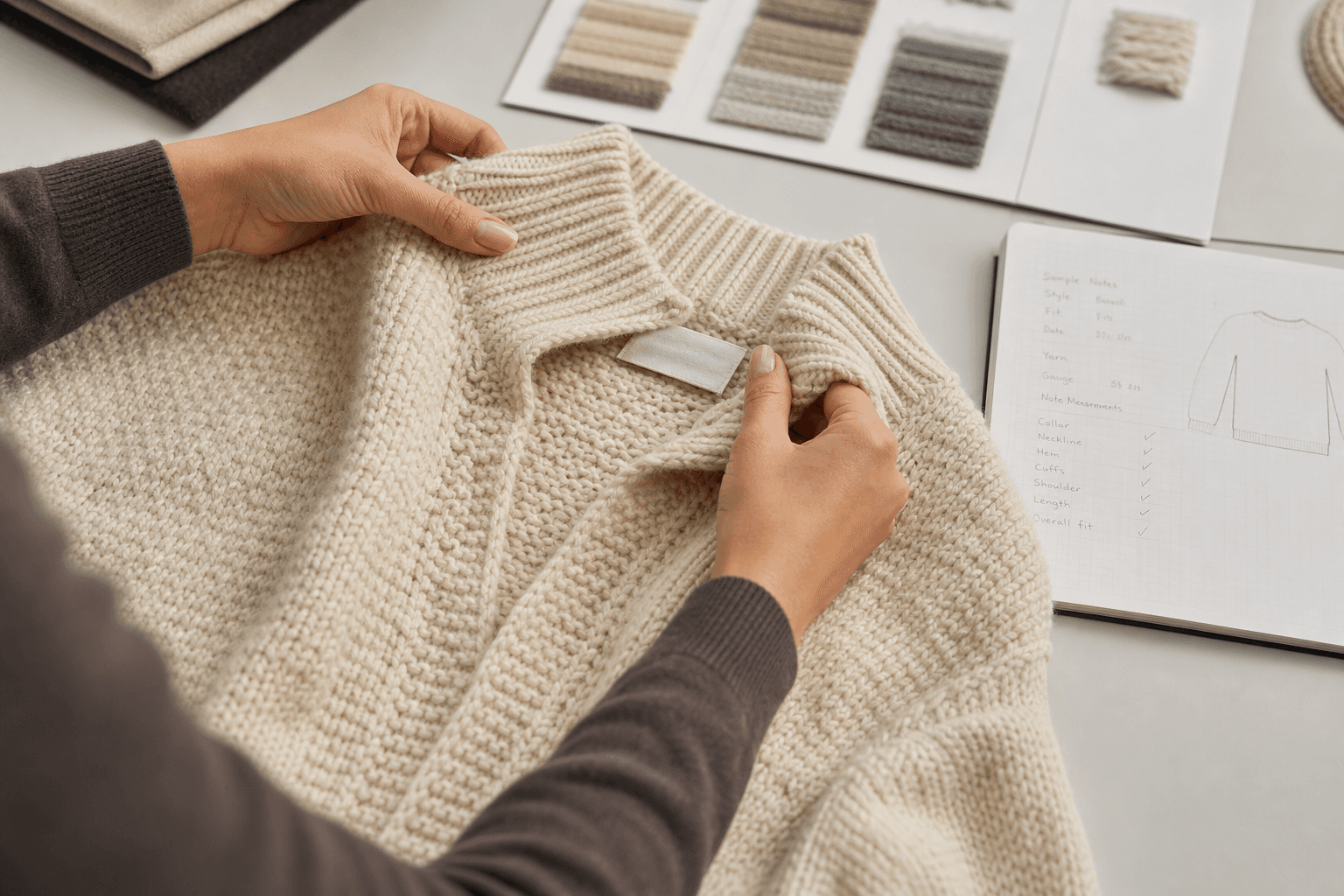
4. Test it — ask for a pilling test (Martindale or ICI pilling box, rated 1–5; aim for an agreed minimum grade) on a knit-down or sample before bulk.
5. Set expectations in your care label — gentle wash, turn inside out — see knitwear care, washing and labeling.
Licheng Knitwear can recommend fibre, yarn twist and finishing choices that balance the hand-feel you want against pilling resistance, and arrange pilling tests on samples before bulk. Tell us your target feel and price point and request a quote, or browse product directions to start from a construction you like.
2. The Custom Knitwear Process
A clear development flow keeps samples, costing and bulk production aligned before your order moves forward.
1. Inquiry
Share your idea, tech packs and requirements.
2. Design & Yarn Selection
We recommend yarns and create an initial direction.
3. Sampling
Develop samples for fit, look and function.
4. Production
Bulk production with stage-based quality control.
5. Quality Inspection
QC checks help confirm workmanship, measurements and packing.
6. Packaging & Delivery
Packing and delivery details are discussed by order.
3. Materials & Yarn Selection
The right yarn defines handfeel, performance and durability. Material choice can be adjusted by season, market and target price.
Natural Fibers
Wool, cotton, cashmere and silk directions
Blended Yarns
Wool blends, cotton blends and acrylic blends
Responsible Yarn Options
Organic cotton and recycled fiber discussions
Performance Yarns
Merino, anti-pilling and functional yarn directions
4. Design & Development
From reference photos to tech packs and pattern review, our team helps turn ideas into a manufacturable knitwear direction.
Design consultation
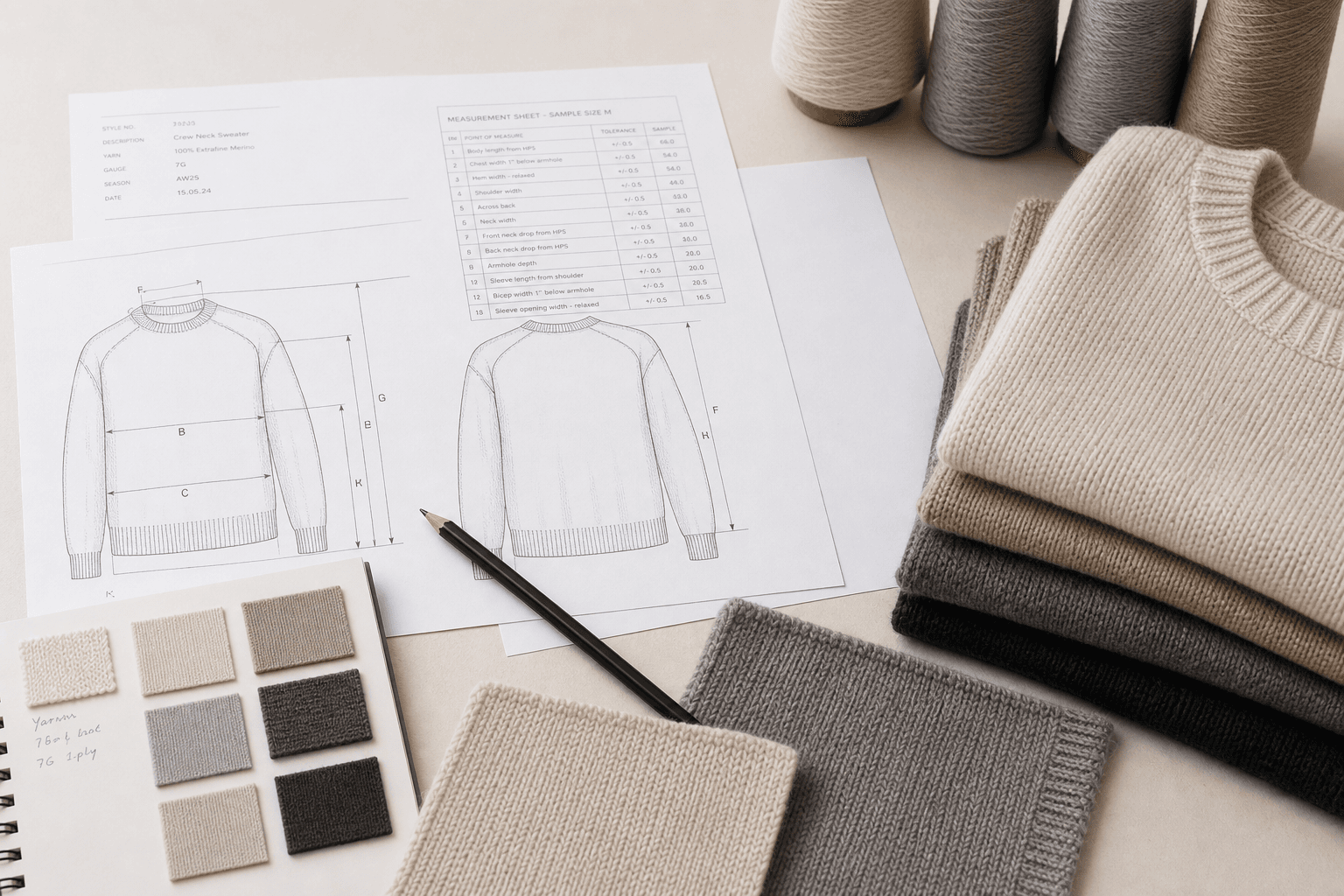
Tech pack and specification support
Pattern and structure review
Jacquard, intarsia and custom detailing
Quality is not only one step in the process. It is checked throughout development and production.
20+
Years Experience
500+
Global Clients
98%
On-time Delivery
5. Sampling & Approval
Plan each detail clearly before bulk production to reduce risk and improve buyer communication.
Proto sample
Fit sample
Pre-production sample
6. Production & Quality Control
Plan each detail clearly before bulk production to reduce risk and improve buyer communication.
Knitting, linking and finishing
In-line and final inspection
Stage-based QC process
7. Packaging & Delivery
Plan each detail clearly before bulk production to reduce risk and improve buyer communication.
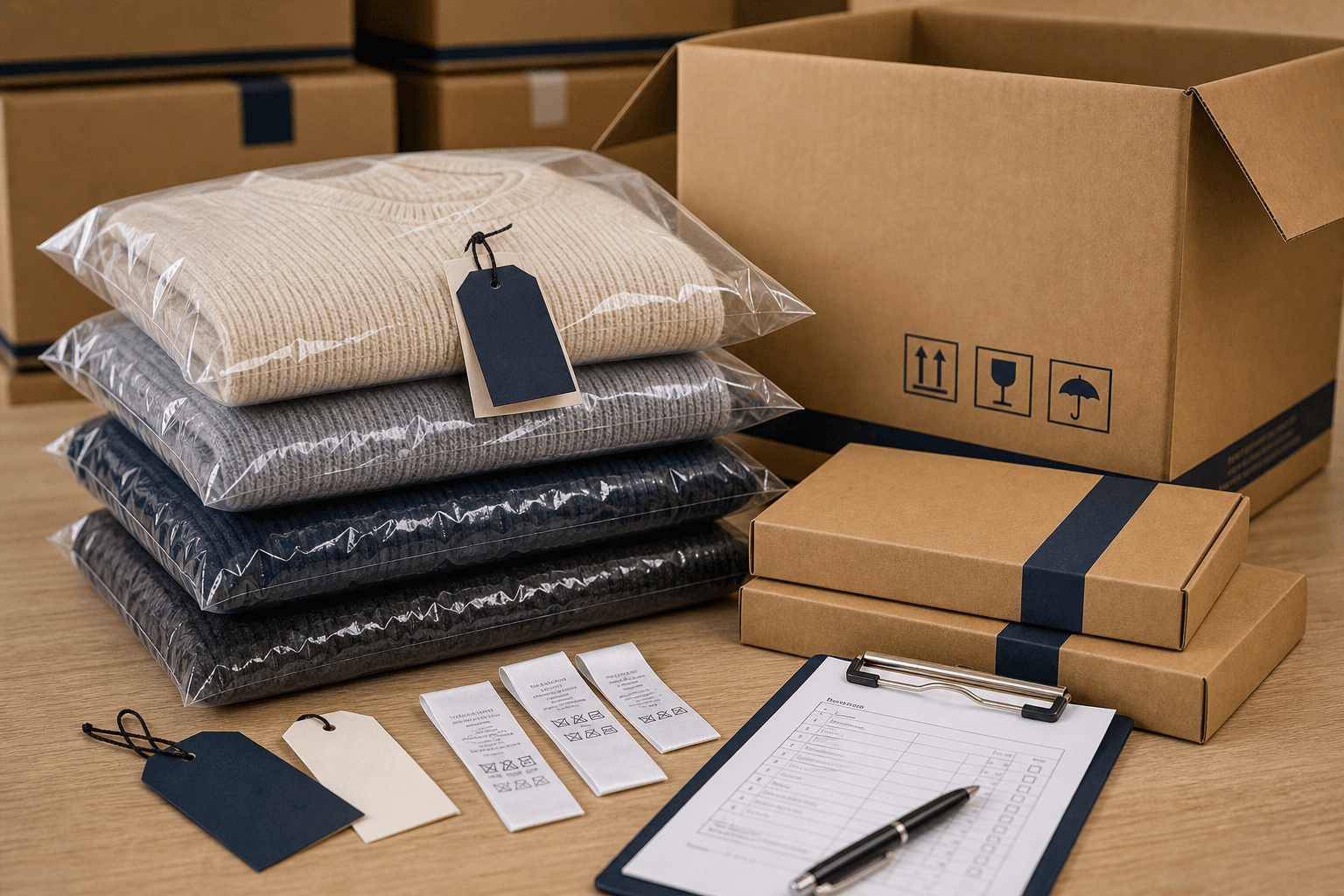
Custom labels and hangtags
Packaging discussions
Shipping support discussion
8. Costs & Lead Times
Cost and timeline depend on yarn, gauge, construction, color count, quantity and packaging requirements.
MOQ
Reviewed by style, yarn and project
Sample Lead Time
Confirmed after material and gauge review
Bulk Lead Time
Confirmed by quantity and production plan
9. Best Practices for Success
Use these practical points to make sampling and bulk production easier to manage.