Knitwear Reorder Lead Time: 30-Day vs 45-Day Cycle Explained
Updated 8/18/202612 min readBy Simon Liu · Licheng Knitwear
Why some knitwear reorders ship in 30 days and others take 45: yarn stock programs, color status, factory queues and how to engineer a faster reorder cycle.
Quick answer — why a knitwear reorder takes 30 vs 45 days: the knitting, linking and QC stages take the same time either way — the 15-day gap is almost entirely yarn. A reorder ships in ~30 days when the yarn is already in stock in the approved colour and lot, the style and tech pack are unchanged, no new colour or design tweak is introduced, and the PO is placed against a pre-booked factory slot. It stretches to 45+ days when the yarn must be re-dyed (add 7–15 days), a colour or design changes (lab dips add 2–3 weeks), or the order lands cold in a peak-season queue. The single biggest lever is a yarn stock program on your core colours.
The first order of a new sweater takes time — that part everyone expects. What surprises buyers is the second order. Some reorders ship in 30 days; others take 45 or more, with no obvious change in the design. The difference is rarely about speed of work — it is almost always about how the program was set up. This guide explains what makes a 30-day reorder possible, what pushes it to 45, and how buyers can engineer the shorter cycle.
The shortest reorder is the one you planned for at the time of the first order. Set the program up well, and the reorder calendar takes care of itself.
A bulk reorder lead time is built from four stages. The cycle is shorter or longer depending on whether each stage can start immediately or has to wait.
Stage
30-day cycle
45-day cycle
What drives the difference
Yarn availability
Day 0 (in stock)
Day 0–15 (re-dye)
Stock program vs custom color
Knitting
Day 1–18
Day 15–32
Same per piece, starts later
Linking & finishing
Day 18–25
Day 32–40
Same per piece
QC & packing
Day 25–30
Day 40–45
Same per piece, AQL 2.5
The knitting, linking and QC stages take the same number of days in either cycle. The 15-day gap is almost entirely yarn. Everything that follows compresses or extends from that starting point.
What Lets a Reorder Ship in 30 Days
A 30-day cycle is achievable when these are already true on day one of the PO:
Yarn is in stock in the exact color, fiber, count and lot tolerance — either at the spinner or held under a stock program at the factory
The style is unchanged from the previous run, with the approved PP sample still on file
Tech pack and grade rules are locked and reused, not re-issued
No new color is being introduced (which would require lab dips and add 2–3 weeks)
The PO is placed against a planned factory slot, not dropped into the queue cold
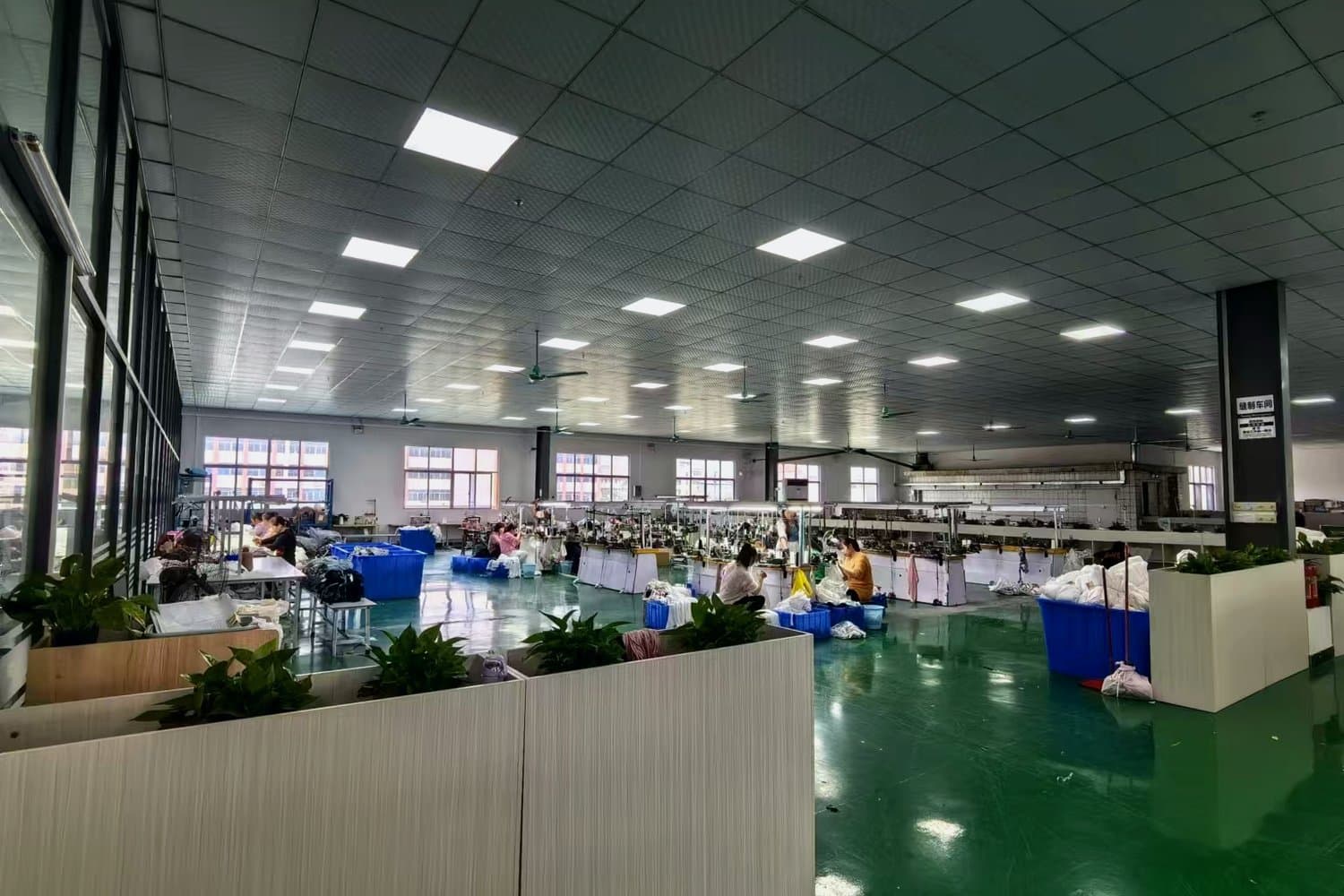
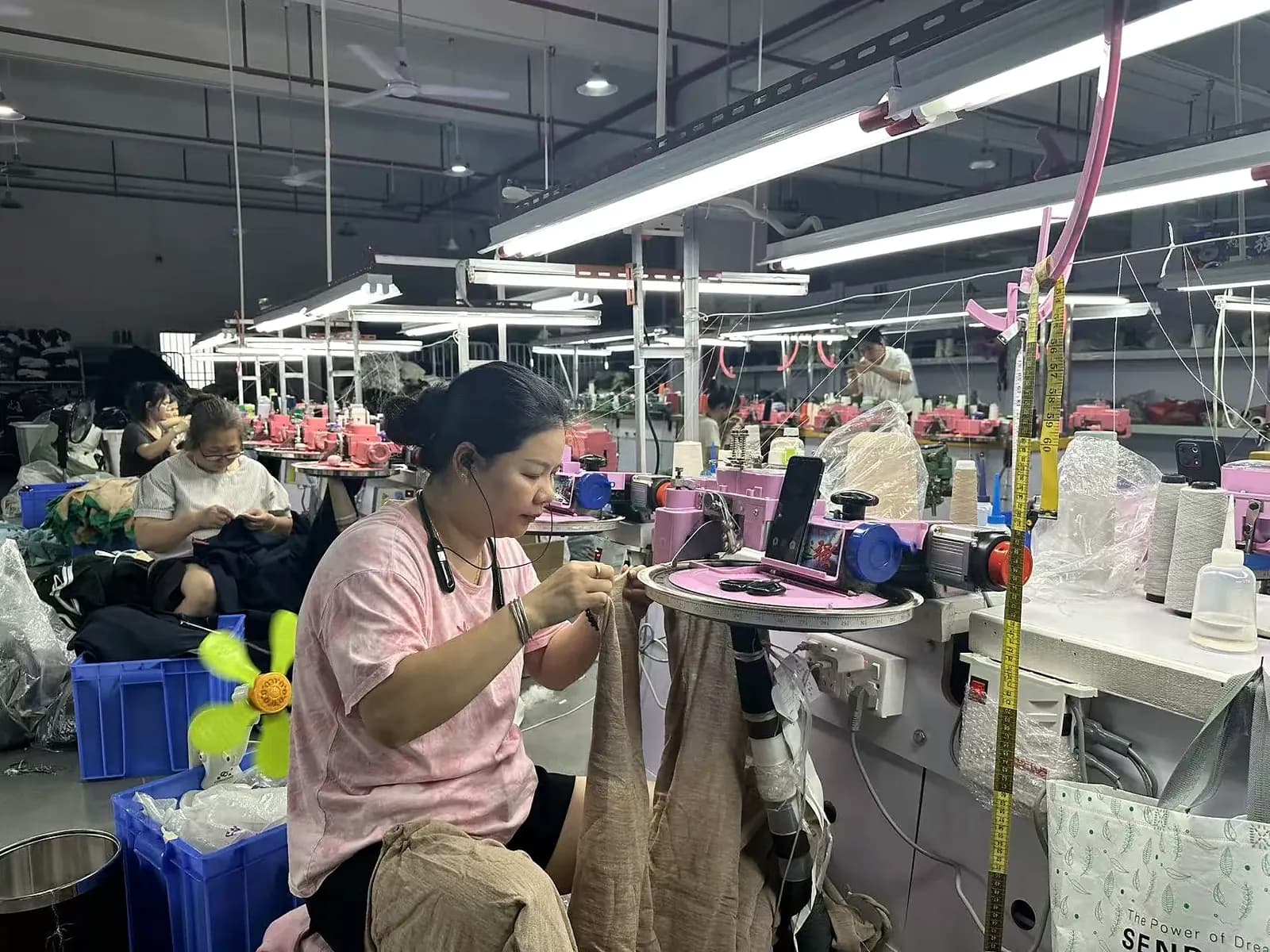
When all five are true, the factory can start knitting on day 1 of the PO and the order flows through the same machines and lines that produced the first run. This is what a properly engineered reorder calendar looks like — see our reorders and scaling production guide and the scale-up brand case study for full examples.
What Pushes a Reorder to 45 Days (or More)
Custom-dyed color, no stock buffer. The yarn has to be re-dyed and quality-checked before knitting can begin. Add 7–15 days.
A design tweak. Even a minor change — adjusted ribbing length, new label position, different cuff width — can mean a new sample round before bulk.
A color change. A new shade requires lab dip rounds (typically 2 rounds, 10–14 days) before any bulk yarn is dyed.
Peak season queue. July–September for AW reorders is a competitive slot. Late confirmations land behind earlier-booked POs.
MOQ split across many colors. Each color carries dye setup time; many small colors run slower than a few larger ones.
Payment delay. Most factories begin sourcing only on deposit receipt. A slow deposit pushes everything downstream.
The Yarn Stock Program: The Single Biggest Lever
A yarn stock program is a pre-agreed arrangement where the factory holds a buffer quantity of your core yarn — in your approved color and lot — ready to knit on PO receipt. It is the difference between waiting for a dye lot and starting production tomorrow.
A typical stock program structure:
Core colors only — usually 3–6 best-selling shades, not the full range
Rolling buffer — equivalent to one to two months of average reorder volume
Replenishment trigger — when the buffer drops below a threshold, the factory orders the next dye lot
Carrying cost — the factory holds yarn capital; usually built into the unit price or charged as a small management fee
The trade-off is real — you commit to a forecast and the yarn sits as inventory — but for brands with predictable reorder demand on their hero pieces, the 15-day lead time saving and the elimination of stockouts pay for the carrying cost many times over.
Color Status: Approved Standard vs New Lab Dip
Even within a stock program, color is the most common cause of reorder slippage. A color that has been bulk-produced once and signed off as the approved standard can be matched (within ΔE ≤ 1.5) on every subsequent lot in days. A color that needs to be re-dyed from scratch carries lab dip rounds, recipe re-confirmation and bulk yarn submit — all detailed in our knitwear color approval workflow — and easily adds 2–3 weeks. For reorders, always reference the previously approved standard, not the original Pantone.
Volume and Queue Position
A reorder of 200 pieces and a reorder of 2,000 pieces of the same style take similar machine days to set up; the difference is run time. But queue position matters more than volume for typical knitwear MOQs:
Reorder size
Production days
Queue impact
100–300 pcs
5–8
Low — easy to slot
500–1,000 pcs
10–15
Medium — book ahead
2,000+ pcs
18–25
High — needs forecast
For larger reorders, sharing a 60–90 day forecast with the factory lets them reserve machine and linker capacity, which is the single most reliable way to keep a 30-day cycle intact at scale.
How Buyers Engineer a 30-Day Reorder Cycle
1. Decide which SKUs are reorder candidates. Not every style deserves stock-program treatment; identify the 20% of styles driving 80% of repeat demand.
2. Lock the color as an approved standard after the first bulk passes QC, and reference it on every future PO.
3. Agree a stock program on the core colors of those SKUs.
4. Forecast monthly, even if rough, and share with the factory.
5. Build a reorder calendar that places POs against pre-booked factory slots, not as ad-hoc requests.
6. Pay deposits promptly — production typically does not begin until cleared funds arrive.
This is the same pattern brands use to compress their full seasonal cycle — see the seasonal knitwear production planning guide for how reorder cadence ties into the broader buying calendar.
What to Confirm Before Placing a Reorder
[ ] Same style, same tech pack, same approved PP sample
[ ] Color status: approved standard on file vs new lab dip required
[ ] Yarn status: stock available vs needs sourcing or re-dye
[ ] Factory slot pre-booked or open queue
[ ] AQL 2.5 inspection terms unchanged
[ ] Deposit terms agreed and ready to clear
Licheng Knitwear's reorder and yarn stock program capability offers buffer yarn holding on core colors, approved-standard color matching to ΔE ≤ 1.5, and pre-booked factory slots for forecast reorders — designed to keep repeat orders on a 30-day cycle.
Request a quote with your reorder profile and we will map a calendar that holds the shorter lead time across your season.
Common Questions
Why does a knitwear reorder take longer than expected?
Usually because of yarn. The knitting, linking and QC stages take the same time as the first run, but if the yarn has to be re-dyed (no stock buffer) or a colour/design changed, those weeks get added before knitting can even start — turning a 30-day cycle into 45+.
How can I get a 30-day reorder?
Keep the style, tech pack and approved PP sample unchanged; reference the previously approved colour standard (not a new lab dip); have yarn in stock in the right colour and lot; and place the PO against a pre-booked factory slot rather than dropping it into the queue cold.
What is a yarn stock program?
A pre-agreed arrangement where the factory holds a buffer of your core yarn — in your approved colour and lot — ready to knit the moment a PO arrives. It removes the dye-lot wait (saving ~15 days) and prevents stockouts, in exchange for committing to a forecast and a small carrying cost.
Does changing the colour slow down a reorder?
Yes — a new shade needs lab-dip rounds (typically 2 rounds, ~10–14 days) before bulk yarn is even dyed, easily adding 2–3 weeks. A colour already bulk-produced and signed off as the approved standard can be matched (ΔE ≤ 1.5) in days, so always reorder against the approved standard.
Does reorder size affect lead time?
Setup is similar regardless of size; volume mainly changes run time and queue position. Small reorders (100–300 pcs) slot in easily; larger ones (1,000+ pcs) need a shared forecast so the factory can reserve machine and linker capacity and hold the 30-day cycle.
---
Talk to our team about this
If you're planning a real project around any of the points above, we'd be glad to take a quick look. Send a short brief and we'll come back within one business day with a practical direction, MOQ + lead time estimate, and a sample plan if it makes sense.
Reorders are usually faster than a first order - around 30 days when yarn and colour are already approved, versus 30-45 days for new development.
Yes - keep yarn in our stock program, reuse approved colours, and forecast early so yarn can be reserved. We run a reorder and yarn-stock program for repeat buyers.
The standard 30 pieces per colour applies; repeat colours on stock yarn are quickest.
We focus on men's sweaters, cardigans, knit jackets, jacquard knitwear and private label knitwear. We support B2B buyers with OEM/ODM development, sampling and bulk production planning.
Ready sample styles and selected custom programs can support lower-risk trials before larger seasonal orders.
Yes. Brands, including new labels preparing a first collection, can pay for a sample and see it before placing a production order. Two routes: a ready sample of a published style at USD 60 per piece in about 7 days, or a development sample from your tech pack at USD 150 per style, covering yarn sourcing, knit programming, one prototype and one revision round, in 15-25 days. Cashmere and mohair styles are quoted individually and shipping is charged at cost. Production starts only after you approve the physical sample, at our minimum of 30 pieces per colour with sizes mixed inside the 30. A sample does not commit you to a production run; we do not make garments for personal use.
Ready to Start Your Project?
Get a free catalog or submit an RFQ today. Our team will respond within 24 hours.
MOQ, lead time, cost ranges, gauge selection and QC checkpoints across typical OEM/ODM knitwear programs in NA + EU. Enter your email — we'll send you the report link in 30 seconds.
No spam. Unsubscribe with one reply. We use your email only to send you the report and follow up if you want a sourcing conversation.
Brand names shown are previously serviced OEM/ODM partners. Logos are decorative and do not imply current endorsement.