3GG
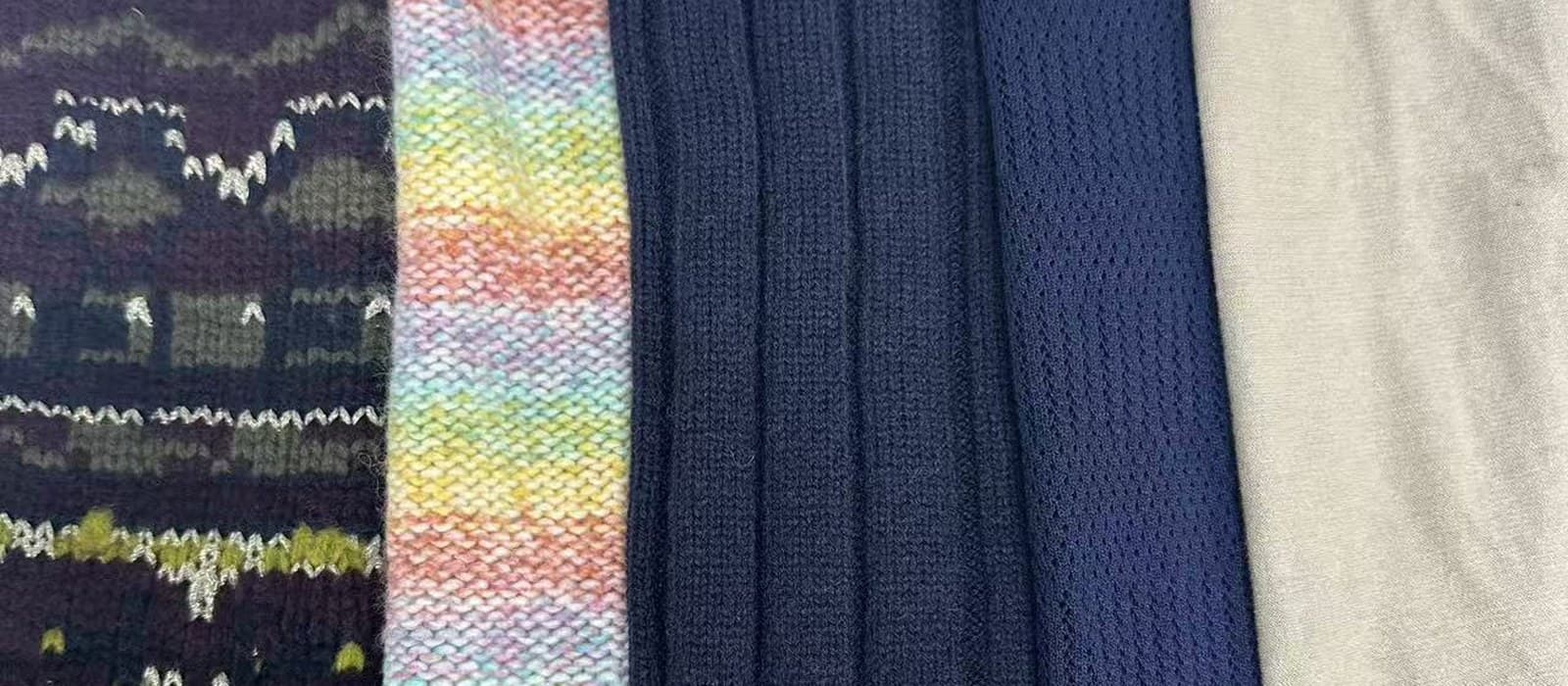
ChunkyBold, heavy knits with maximum loft and warmth.
Use cases:
- - Winter sweaters
- - Outerwear
- - Statement styles
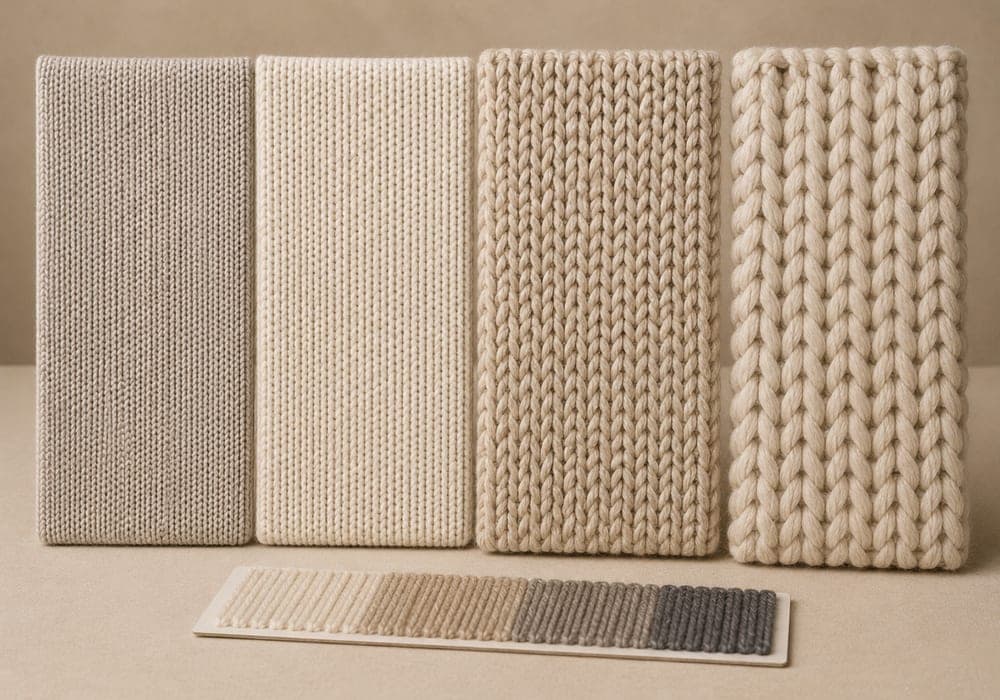
Our knit gauge options capability helps buyers deciding between chunky texture, mid-weight commercial sweaters and fine-gauge premium knitwear. The work focuses on practical B2B development decisions rather than retail-style visuals, connecting product direction, material choices, sample review, production feasibility and export-ready quality control. Buyers can use this page to understand what information should be prepared, which technical decisions affect cost and lead time, and how Licheng Knitwear turns an initial sourcing request into a sample-ready or production-ready plan.
Gauge Range
3GG - 18GG
Quality
Stage-based checks
Manufacturing
Custom knitwear support
Global Markets
USA, Europe and more
Bold, heavy knits with maximum loft and warmth.
Use cases:
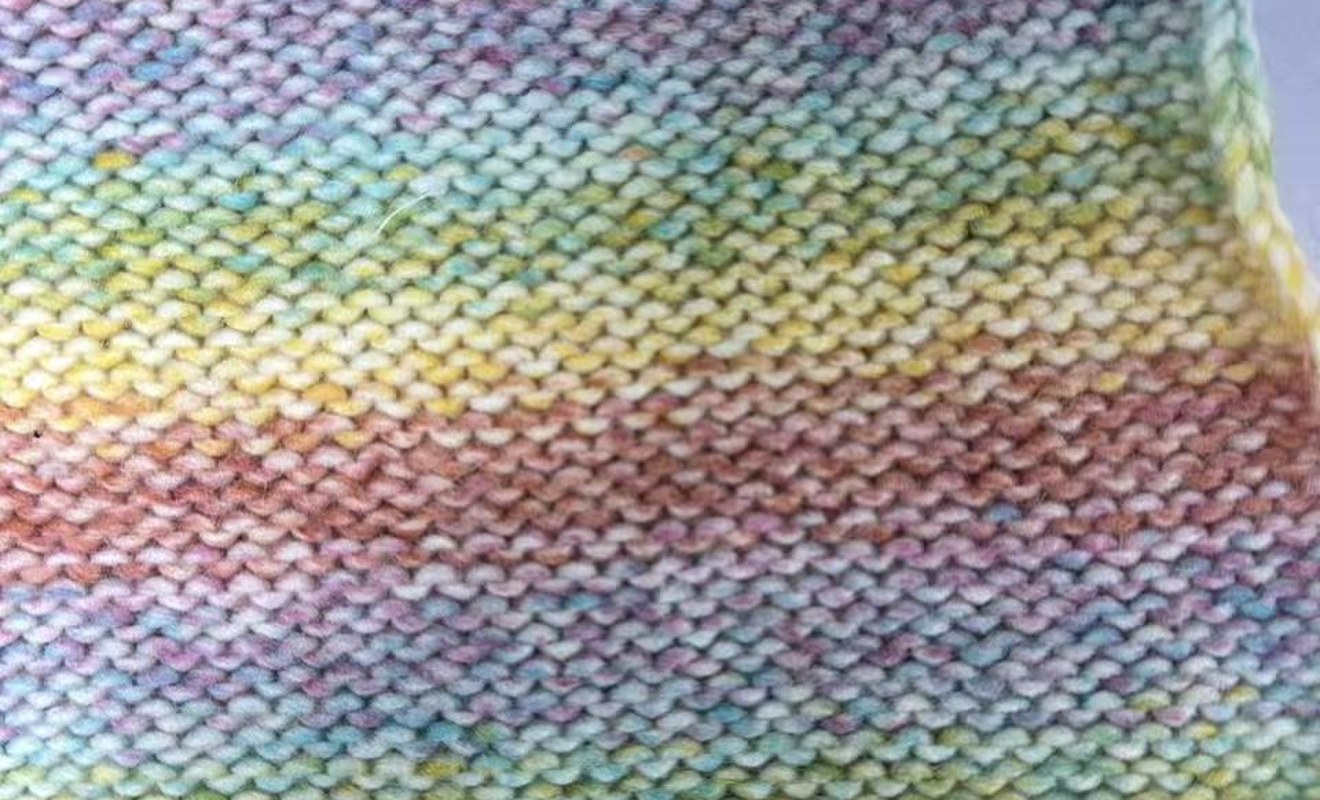
Substantial handfeel with excellent warmth and structure.
Use cases:
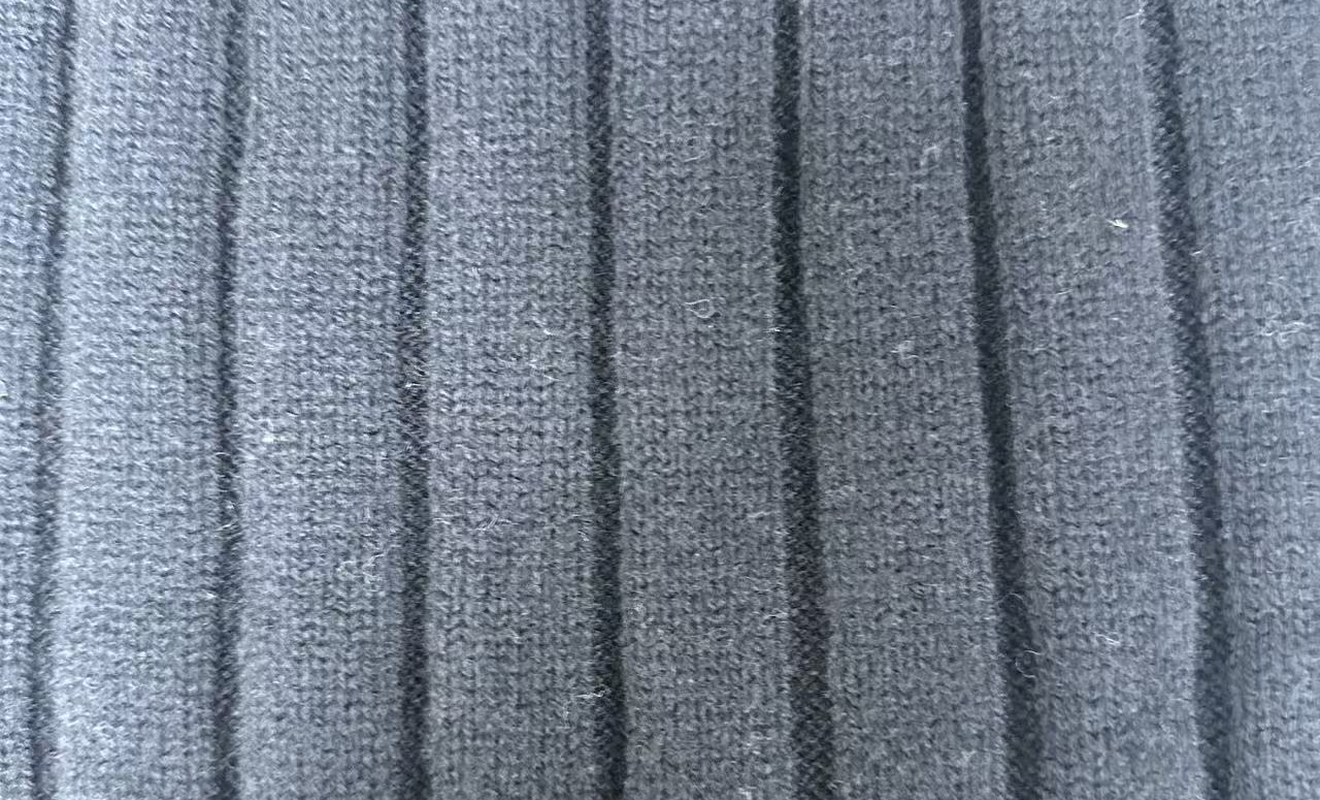
Balanced versatility for comfort, drape and durability.
Use cases:
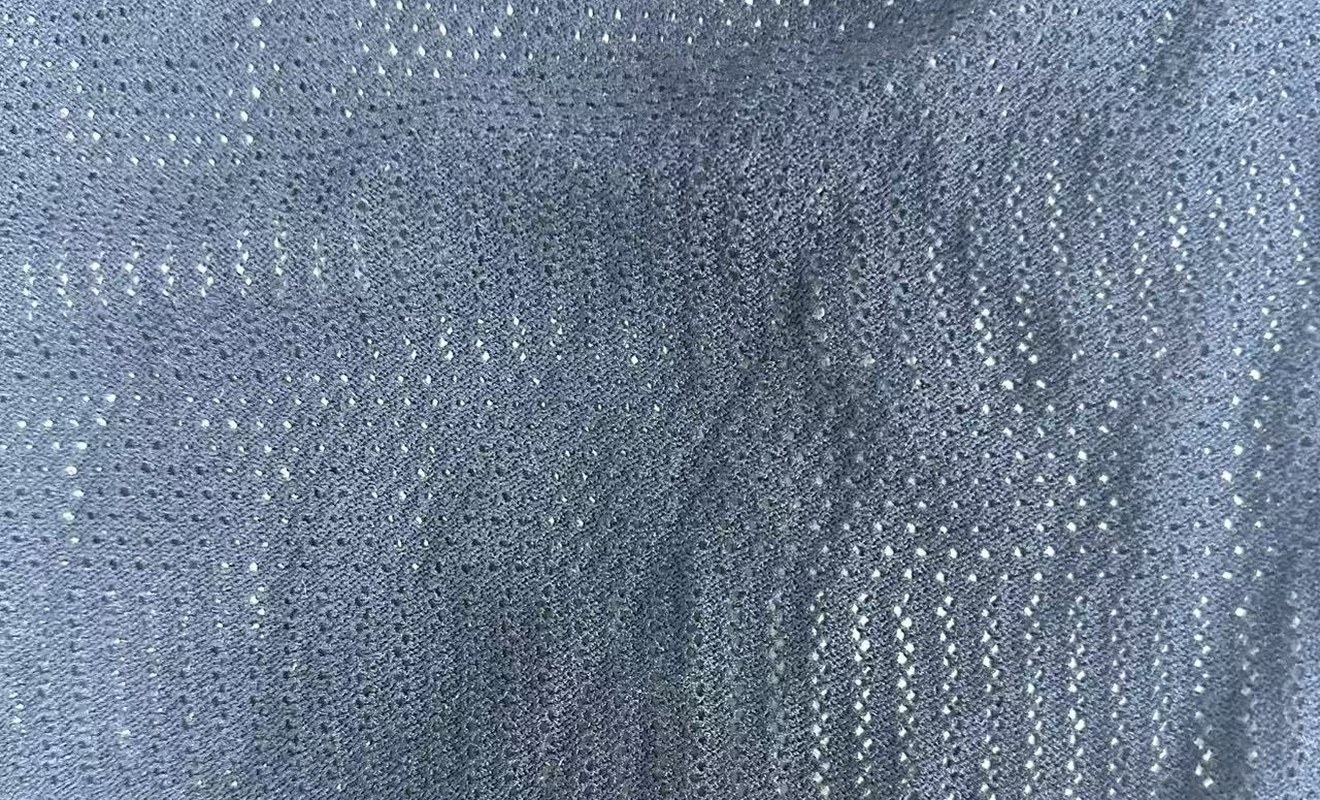
Smooth, refined knits with lighter weight and clean look.
Use cases:
Ultra-fine gauge for sleek, elegant, premium finish.
Use cases:
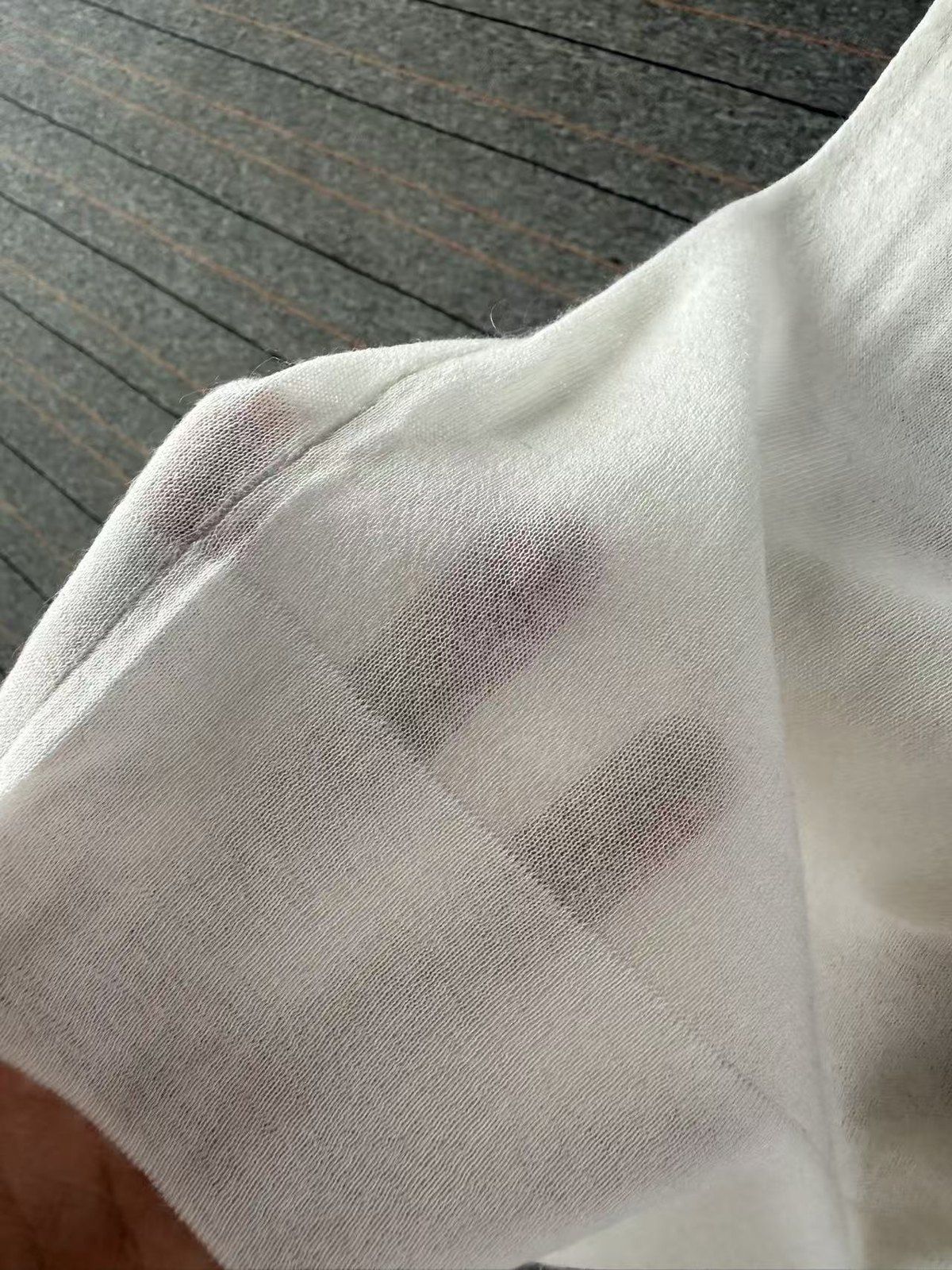
Knitted on our own 18GG machines - a separate machine class, not a finer setting. Same 30-piece minimum as 7GG.
Use cases:
| Gauge | Stitches per Inch | Texture & Handfeel | Warmth | Typical Product Types | Best Markets |
|---|---|---|---|---|---|
| 3GG | 3 - 3.5 | Very chunky, lofty, bold texture | High | Chunky sweaters, coats, blankets | Northern Europe, Canada |
| 5GG | 5 - 5.5 | Bulky, substantial, structured | Medium high | Cardigans, fisherman knits, outerwear | EU, Canada, Northern US |
| 7GG | 7 - 7.5 | Balanced, versatile, soft | Medium | Crewnecks, hoodies, everyday knits | EU, US, Global |
Consider practical factors before sampling. The right capability choice affects texture, cost, handfeel, timeline and market fit.
Select weight and warmth for your target season.
Match texture, drape and premium handfeel.
Plan sweaters, cardigans, polos or jackets.
Align with buyer preference and price point.
Our knit gauge options capability helps buyers deciding between chunky texture, mid-weight commercial sweaters and fine-gauge premium knitwear. The work focuses on practical B2B development decisions rather than retail-style visuals, connecting product direction, material choices, sample review, production feasibility and export-ready quality control. Buyers can use this page to understand what information should be prepared, which technical decisions affect cost and lead time, and how Licheng Knitwear turns an initial sourcing request into a sample-ready or production-ready plan.
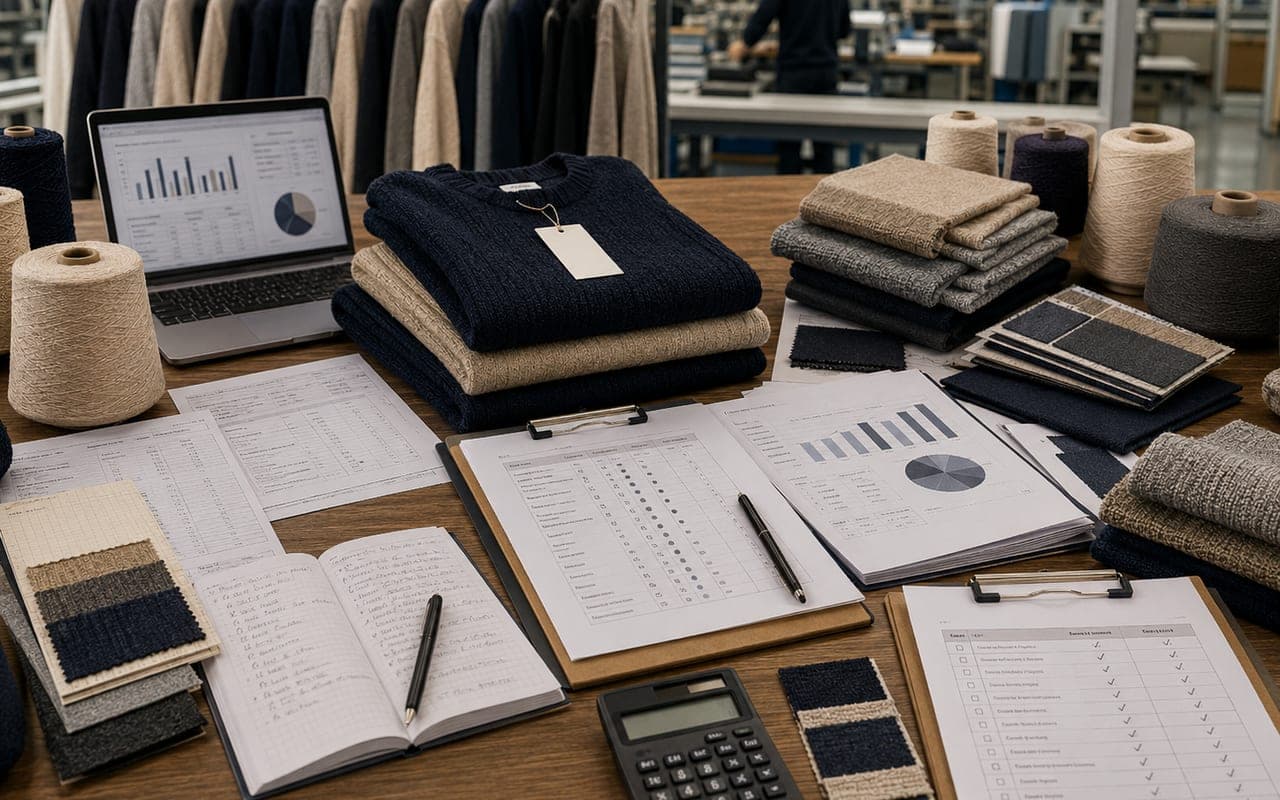
Technical review covers 3GG, 5GG, 7GG, 9GG, 12GG, 14GG, 16GG and 18GG planning, stitch density, garment weight, texture visibility, cost impact and seasonal positioning. The goal is to make each development route clear before sampling: what the buyer should provide, what the factory needs to confirm, which risks may affect cost or lead time, and which details should be checked again before bulk production. In a normal project review, the team checks the buyer's reference photo, tech pack, target quantity, expected price level, yarn direction, gauge preference, trim requirements, label plan and target market. If information is missing, the page should guide the buyer toward practical next steps instead of forcing a retail-style product decision too early. This helps reduce unclear quotation requests, sample revisions caused by missing specifications, and production delays caused by late packaging or QC requirements.
Gauge (GG) is the number of needles per inch on the knitting bed, so it sets stitch density, and stitch density in turn drives yarn count, garment weight, drape and price. As a working guide, confirmed per yarn and per style: 3GG runs very bulky yarns and reads as a heavy statement knit; 5GG and 7GG are the usual home for cable, aran and chunky cardigans; 9GG to 12GG covers most commercial crew necks and merino layering; 14GG to 18GG gives the finest hand, with 18GG close enough to a jersey surface that the cloth reads as woven rather than knitted. Coarser gauges consume more yarn per garment and knit faster per piece; finer gauges consume less yarn but take longer on the machine and show every measurement error, which is why the price curve is not linear in either direction. Yarn is specified in Nm for woollens and worsteds and Ne for cotton counts, and a gauge decision should always be quoted together with the intended yarn count rather than on its own. Dimensional stability after ISO 6330 domestic washing and pilling to ISO 12945-2 (Martindale) both shift with gauge, so a gauge change late in development means re-testing, not just re-knitting.
Heavy gauge specifically. As a heavy gauge knitwear supplier we run 3GG, 5GG and 7GG for chunky cables, aran, ribbed bombers and statement outerwear knits. Coarse gauges behave differently from fine ones and buyers are often surprised by three of them: a 3GG body consumes several times the yarn of a 12GG body in the same fibre, so yarn choice dominates the cost far more than at fine gauge; heavy pieces knit faster per garment but need more linking and pressing time, so the saving is smaller than the machine time suggests; and heavy gauge exposes yarn quality, because there is nowhere for a weak or uneven yarn to hide. Chunky programmes usually sit in wool, wool blends, mohair and alpaca. The same MOQ applies as any other gauge - 30 pieces per colour - and sampling stays at 15-25 days from a confirmed tech pack and yarn.
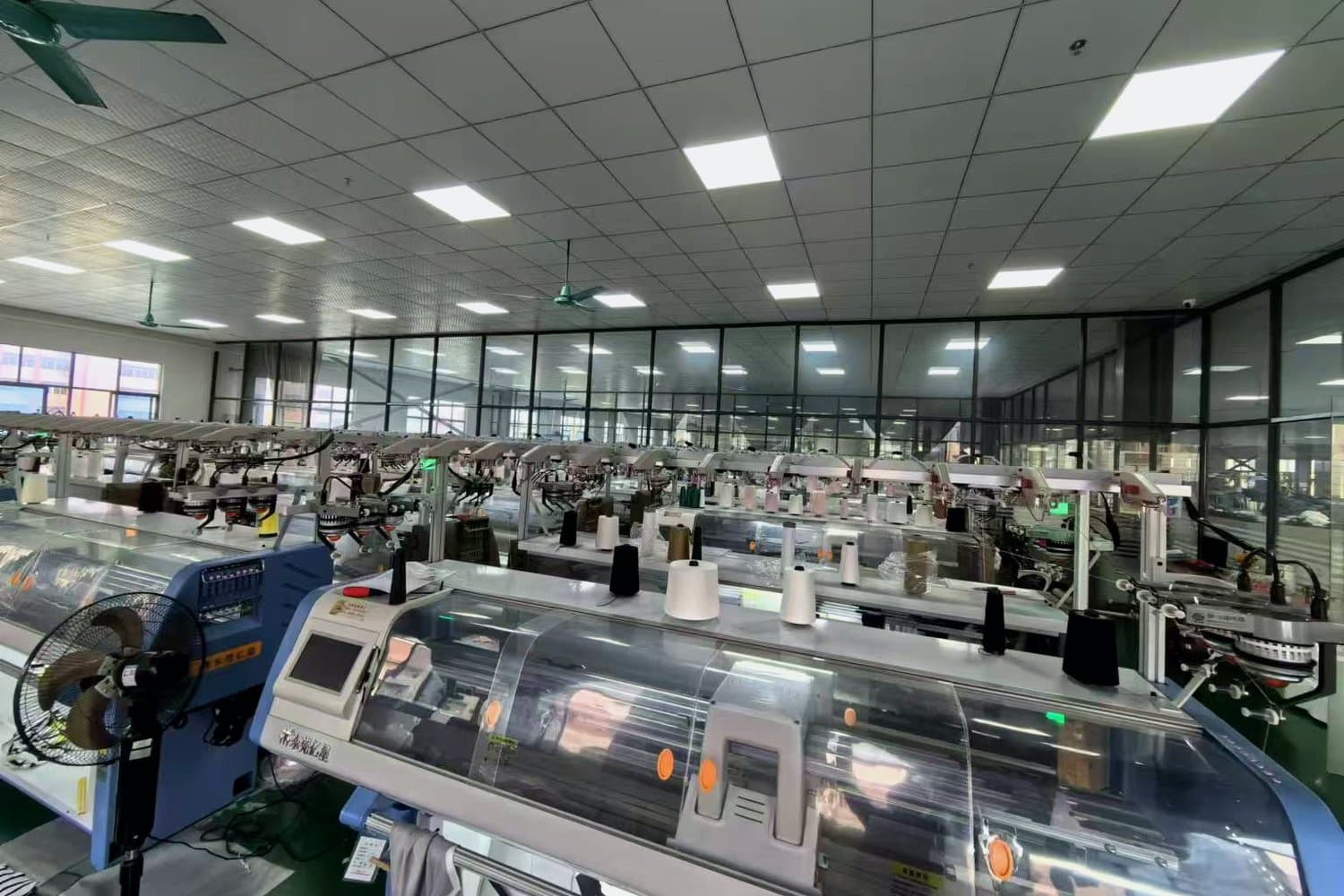
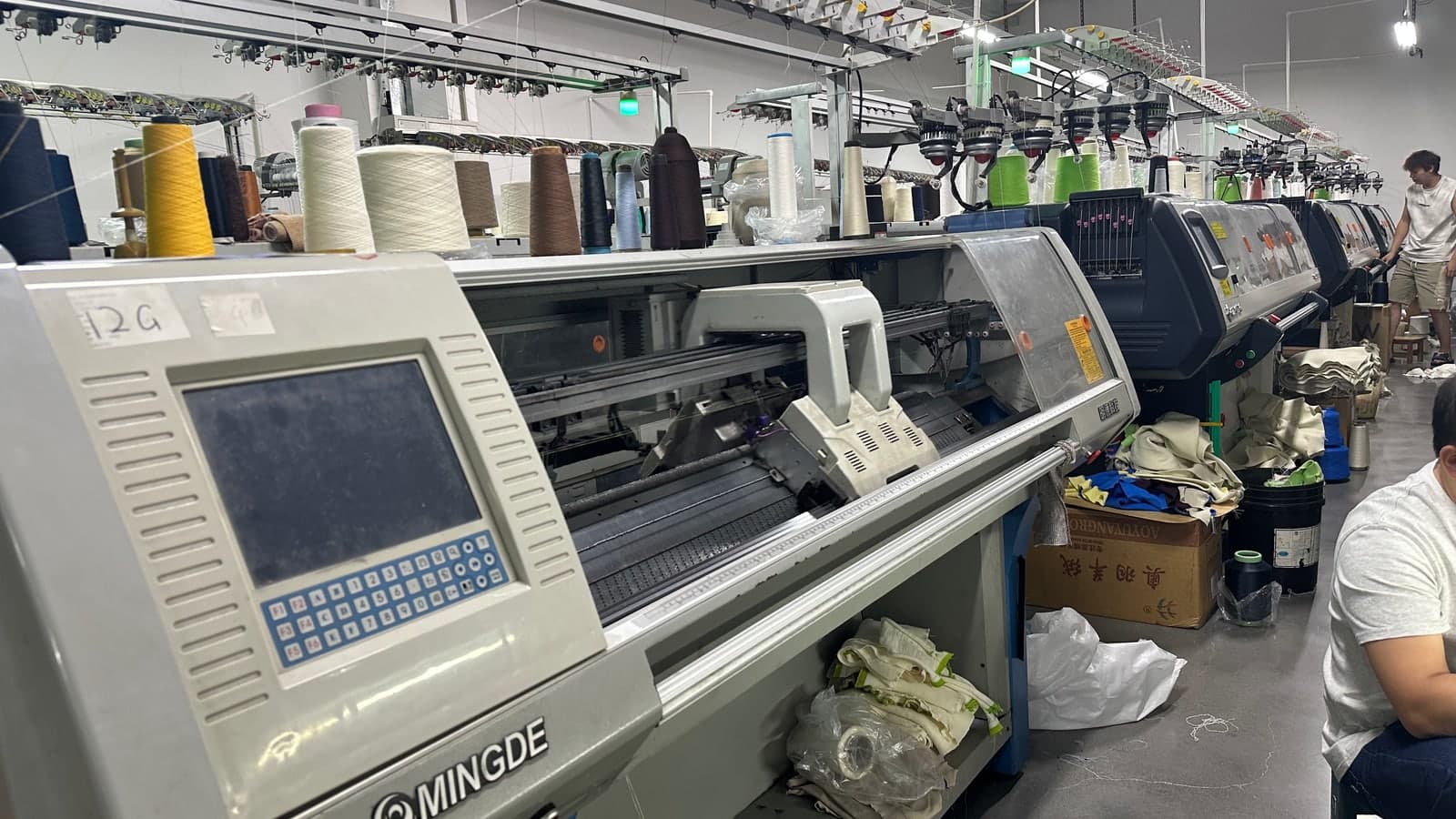
Fine gauge specifically. 14GG, 16GG and 18GG run on dedicated fine-gauge beds - a machine set for 12GG cannot simply be run finer, so a supplier quoting a 3GG-18GG range either owns fine-gauge machinery or plans to subcontract it. Ours is in-house: Cixing computerised flat machines on our own floor in Changping, Dongguan, with the fine-gauge programming held by our own technicians. Three things behave differently from mid gauge. Yarn must be very fine - industry practice puts 18G at 2/48Nm or finer - and at those counts it snaps if tension drifts, so the machine runs slower and yarn quality has to be near-perfect, because at this density a slub shows in the finished panel rather than hiding in it. Fabric lands roughly 180-310 g/m2 for a 1x1 rib depending on count, which is shirt territory and the whole reason the gauge exists: an 18GG piece sits under a jacket where a 7GG crewneck cannot. And unlike the 7GG-to-12GG step, where cost barely moves because less yarn offsets a dearer, slower yarn, fine gauge genuinely costs more, with the gap widening at every needle. What does not change is the minimum: 30 pieces per colour at 18GG, the same 30 we quote at 7GG, which is unusual at this gauge and is a direct consequence of owning the machines. Typical fine-gauge programmes sit in mercerised long-staple cotton, cotton-silk and extra-fine merino, and fully-fashioned is the right construction because cutting a fine knit exposes loops that then have to be over-locked. At the fine end the question buyers actually arrive with is not which gauge, but how sheer a single layer will read, and that is where a gauge table stops being useful. Opacity is not a property of the gauge on its own: at 14GG, 16GG and 18GG it is set by yarn count and stitch density together, so the same 18GG bed gives an opaque fine merino and a visibly sheer single layer depending on how the yarn and tension are specified. We settle it on a knitted swatch before the graded sample rather than promising a figure from a specification sheet, because a gram-weight quoted blind is the fastest way to a rejected first sample. Fine gauge also changes what the garment can carry: fine-gauge beds are separate machinery rather than a 12GG machine run tighter, fine yarns tolerate less aggressive finishing, and motif detail that reads cleanly at 12GG can close up or distort if it is simply scaled onto an 18GG bed. To quote a fine-gauge dress, top or lightweight layer we need four things: the target handfeel, whether a single layer should read opaque or sheer, the fibre direction - merino, cashmere, a silk blend or a cellulosic such as viscose or modal - and the finished garment weight or a reference garment we can weigh. MOQ is unchanged at fine gauge: 30 pieces per colour per style, sizes mixable inside the 30, sampling about 15-25 days from a confirmed tech pack and yarn.
This capability is suitable for heavy gauge sweaters, mid-gauge cardigans, fine-gauge pullovers and 18GG knitted polos, knit shirts and layering pieces, knit jackets, vests and textured private label programs. It is especially useful when buyers need consistent product specifications, repeatable sample feedback, private label presentation or a sourcing plan that can move from idea to production without unnecessary rework. Buyers working on multi-style programs can use the same capability framework across sweater, cardigan and knit jacket developments so that yarn, gauge, workmanship, packaging and inspection expectations remain consistent across the collection.
Recommended for Nordic winter, Canada winter layering, Europe refined menswear, Germany practical quality and North American urban casualwear. The emphasis is on sourcing confidence, clear communication, realistic product development and material decisions that match buyer positioning instead of generic fashion imagery. For North American buyers, the focus is usually practical development, commercial styling and clear RFQ information. For European, German and UK buyers, the focus often includes material handfeel, restrained styling, quality consistency and careful documentation. For Nordic and Canadian buyers, the capability is frequently connected with cold-weather layering, heavier gauges and wool-blend directions.
Gauge is not only a visual decision. It affects yarn choice, sweater weight, production time, price direction and fit stability. Buyers should confirm target season, desired texture, size range and handfeel before finalizing gauge for sampling.
Before locking gauge, confirm four things together: target retail season and climate, the handfeel you want, the size range to be graded, and the target landed price. A swatch at the candidate gauge in the actual yarn answers more questions than any spec sheet — and it is the cheapest step in the whole development. Expect a re-test of ISO 6330 shrinkage and ISO 12945-2 pilling if gauge changes after sample approval.
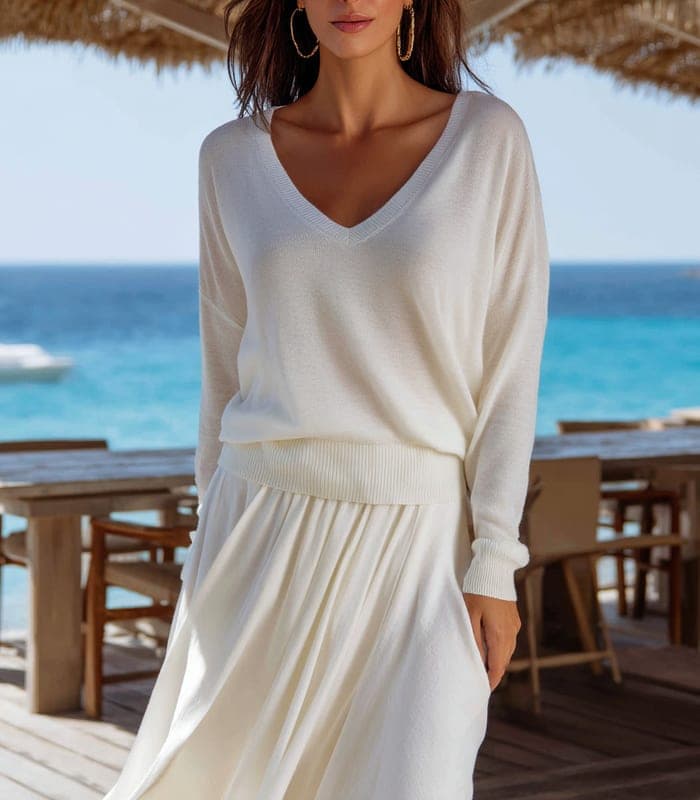
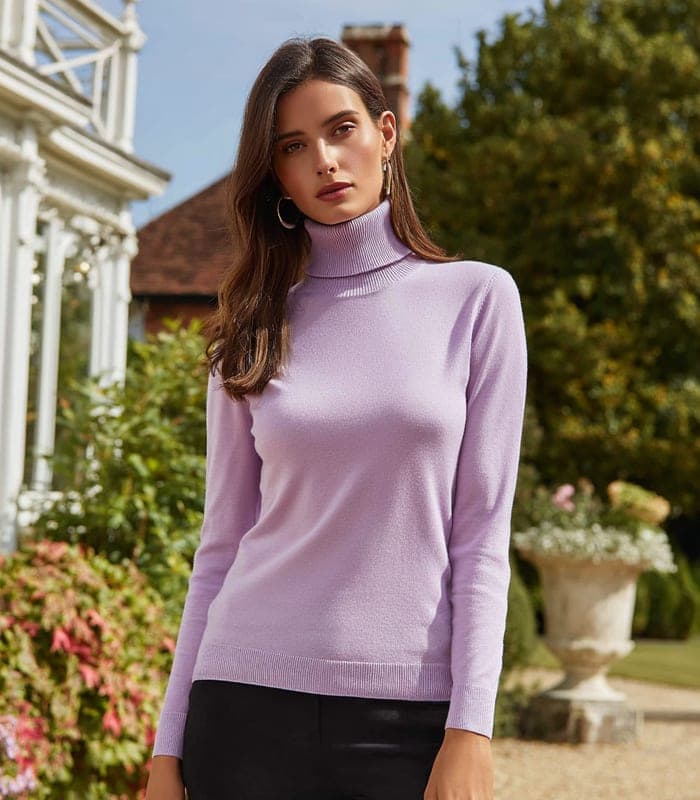
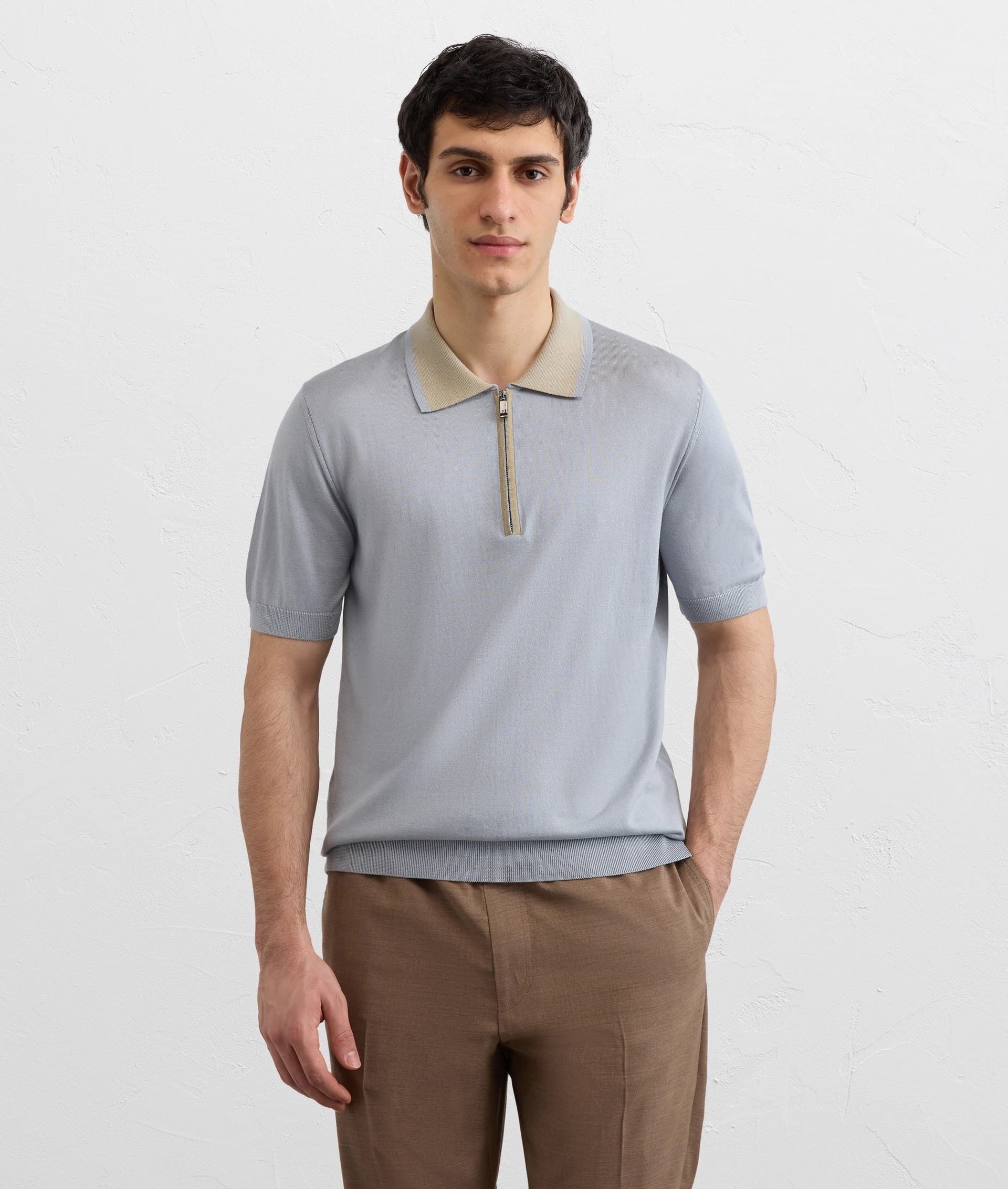
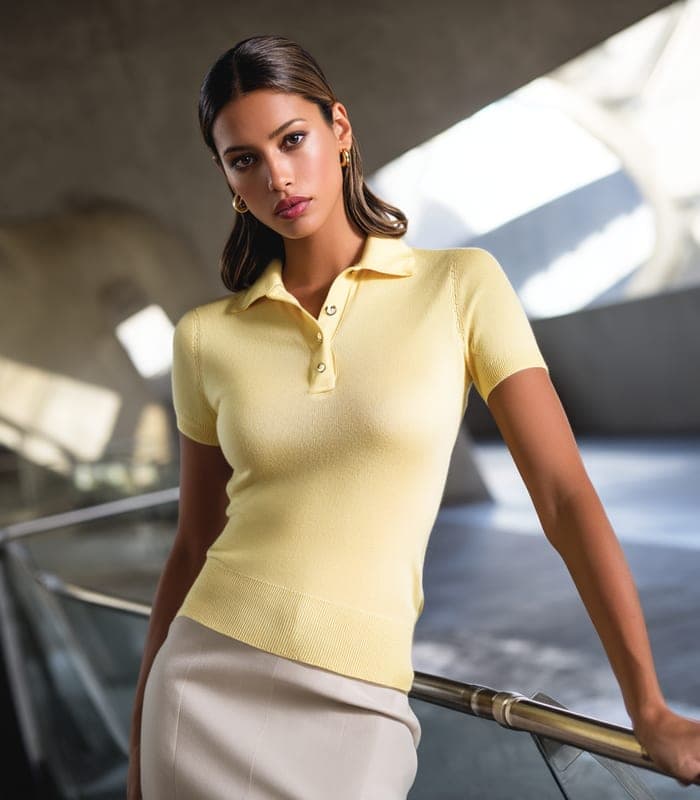
Existing product directions that can use this capability.
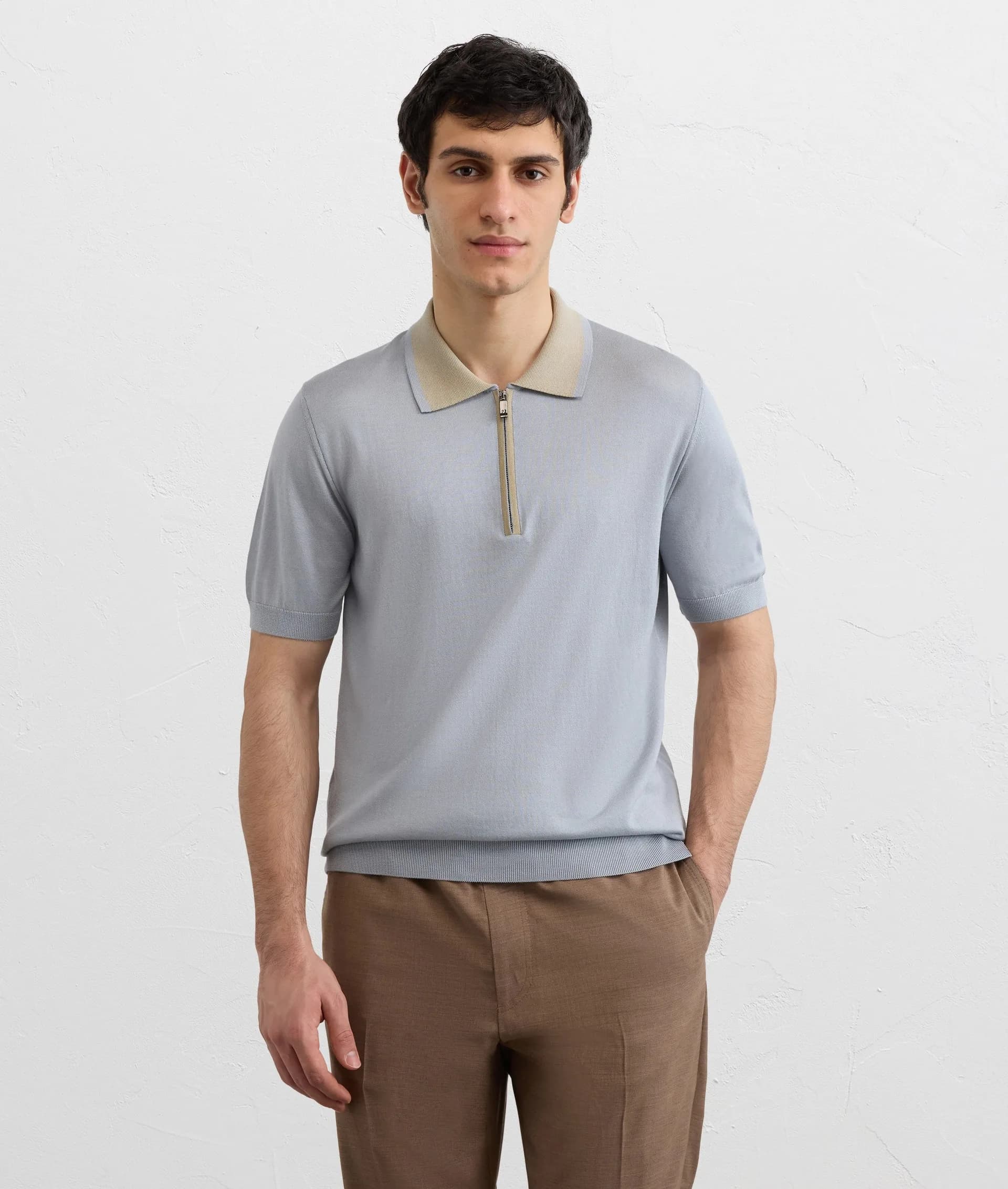
Other capabilities
Share your concept, sketch or reference.
We recommend gauge, yarn and construction.
We develop samples and refine until approved.
Confirm details, size specs and production plan.
Quality manufacturing with on-time delivery.
Related materials
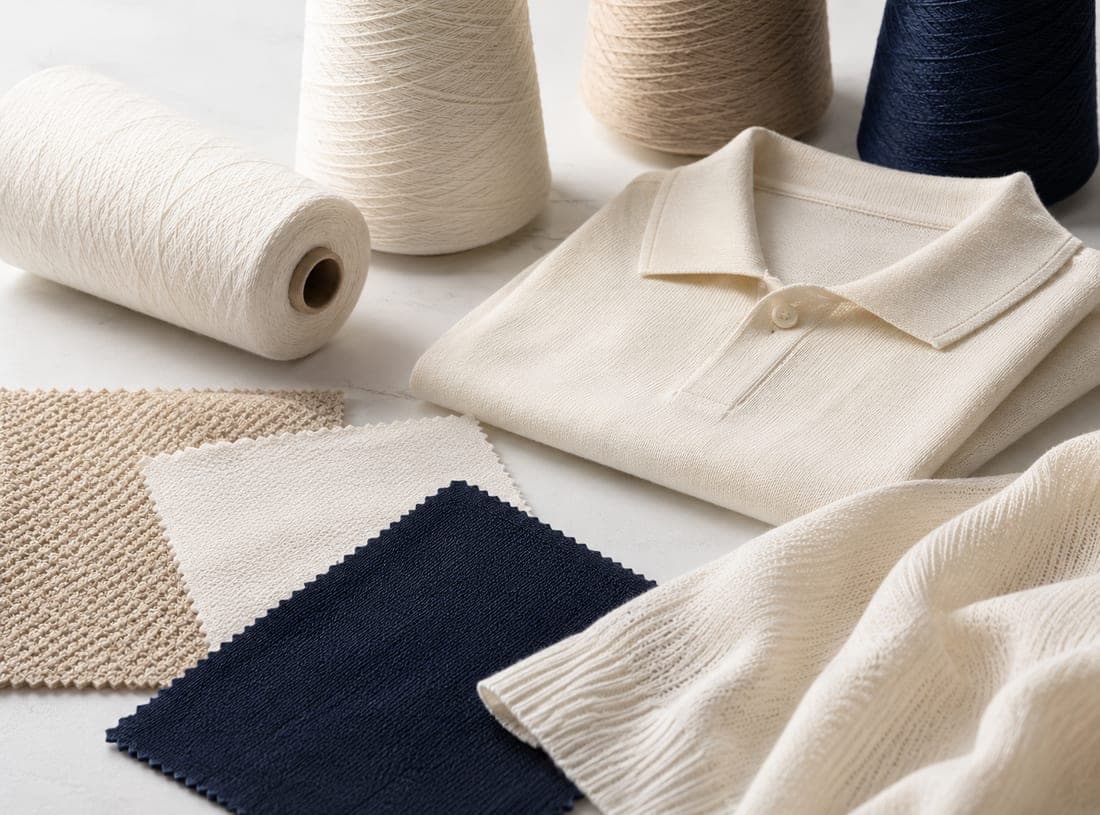
Breathable cotton yarn direction for spring, summer and transitional custom knitwear.
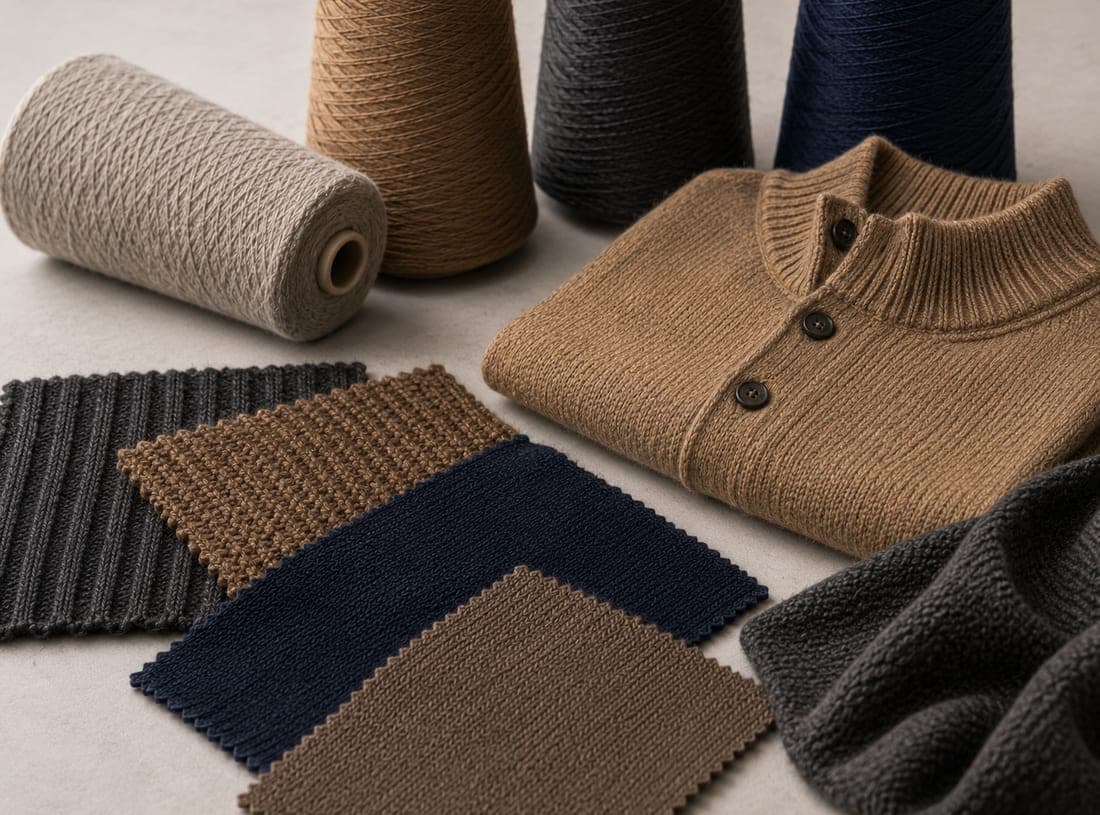
Balanced warmth, cost control and premium handfeel for fall and winter knitwear programs.
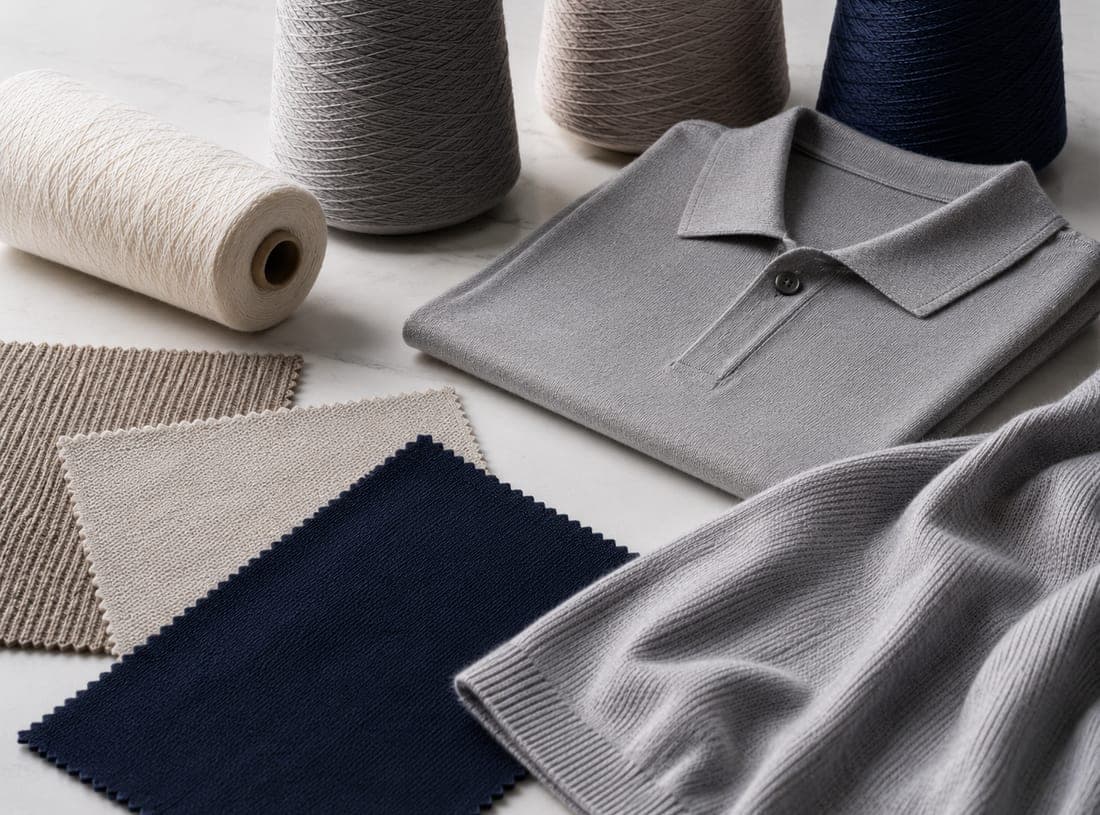
Fine wool direction for premium lightweight sweaters and refined menswear knitwear.
Related guides
Often yes, but the result will change in weight, texture, drape and cost. A sample or swatch is recommended when changing gauge.
A style can be reviewed in another gauge, but fit, weight, texture and cost may change. Sampling is recommended.
We focus on men's sweaters, cardigans, knit jackets, jacquard knitwear and private label knitwear. We support B2B buyers with OEM/ODM development, sampling and bulk production planning.
Ready sample styles and selected custom programs can support lower-risk trials before larger seasonal orders.
Yes. Brands, including new labels preparing a first collection, can pay for a sample and see it before placing a production order. Two routes: a ready sample of a published style at USD 60 per piece in about 7 days, or a development sample from your tech pack at USD 150 per style, covering yarn sourcing, knit programming, one prototype and one revision round, in 15-25 days. Cashmere and mohair styles are quoted individually and shipping is charged at cost. Production starts only after you approve the physical sample, at our minimum of 30 pieces per colour with sizes mixed inside the 30. A sample does not commit you to a production run; we do not make garments for personal use.
Our sample fee is not refundable. Yarn sourcing, knit programming, machine setup and hand linking cost about the same whether one piece follows or five hundred, which is why the fee exists at all. It is credited against your first bulk order placed within six months of sample approval: 100% of a development sample fee, 50% of a ready sample fee.
We partner with your team to turn ideas into best-selling knitwear. From concept and sampling to bulk production and delivery, our experts guide every step.
| 12GG |
| 12 - 13 |
| Smooth, lightweight, refined |
| Light |
| Polo shirts, light sweaters, layering |
| EU, US, Japan |
| 14GG | 14 - 15 | Very fine, sleek, elegant | Light | Fine knits, tees, luxury basics | EU, premium markets |
MOQ, lead time, cost ranges, gauge selection and QC checkpoints across typical OEM/ODM knitwear programs in NA + EU. Enter your email — we'll send you the report link in 30 seconds.
No spam. Unsubscribe with one reply. We use your email only to send you the report and follow up if you want a sourcing conversation.




Brand names shown are previously serviced OEM/ODM partners. Logos are decorative and do not imply current endorsement.