Climate & Season
Select weight and warmth for your target season.

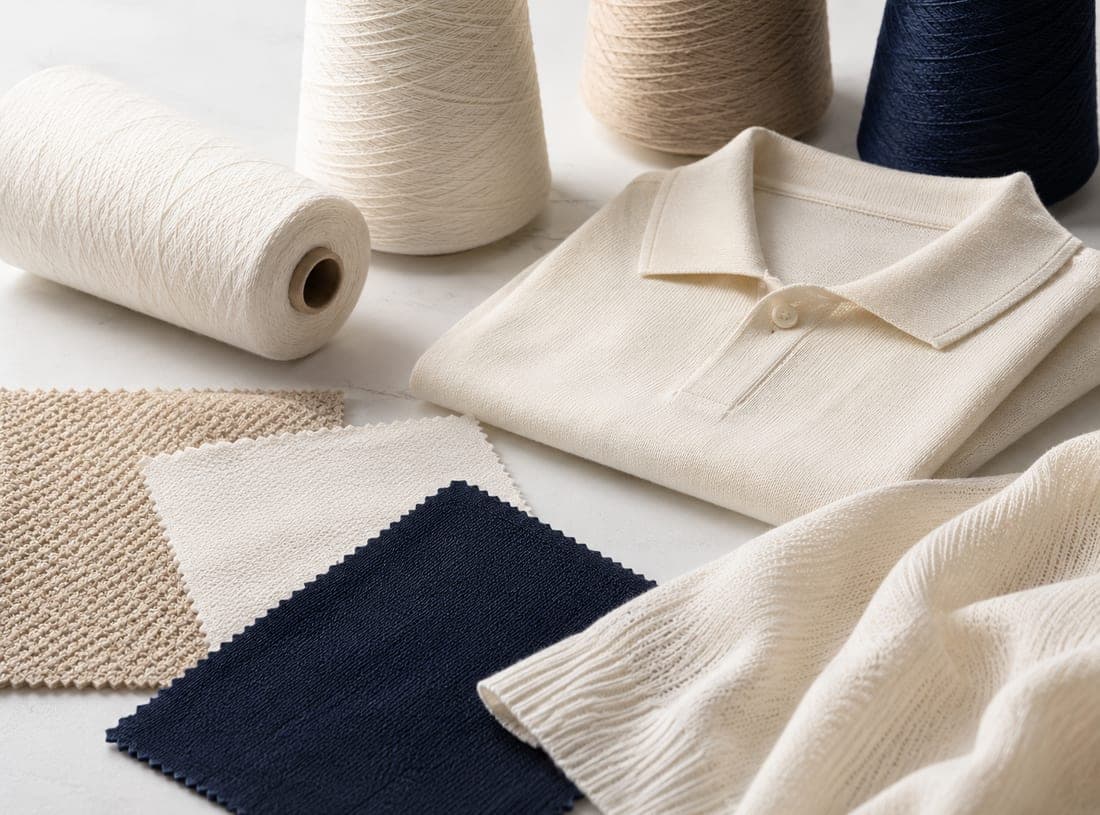
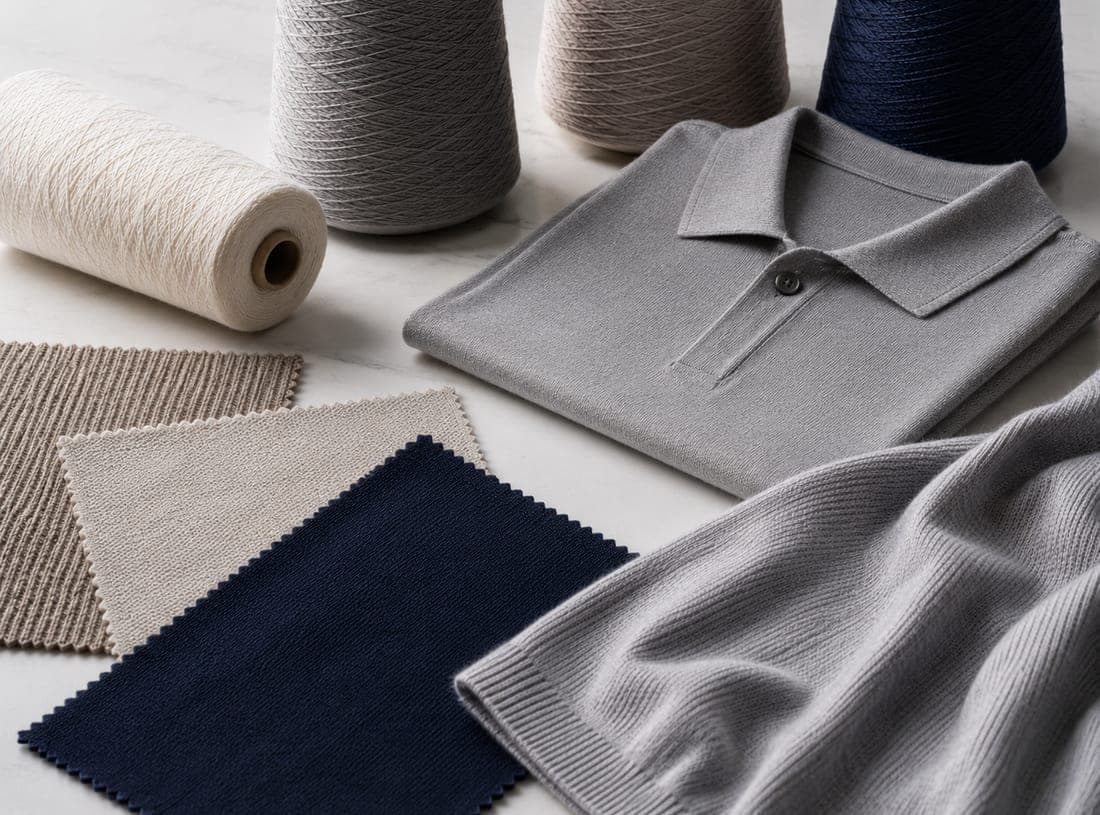
Our color matching capability helps buyers locking Pantone shades through a structured lab-dip approval process so the shade signed off on sample becomes the shade that lands in bulk. We work with Pantone Solid Coated (TCX on request), run a standard three-round lab-dip cycle, and target deltaE under 1.5 against the approved standard under D65 lighting. For custom-dyed programs we hold the approved yarn lot through bulk; for stock-yarn programs we confirm the chosen colour on a yarn-knit blanket before knitting starts. Color drift between sample and bulk is the single most common buyer complaint in knitwear sourcing this workflow is built to remove it.
Gauge Range
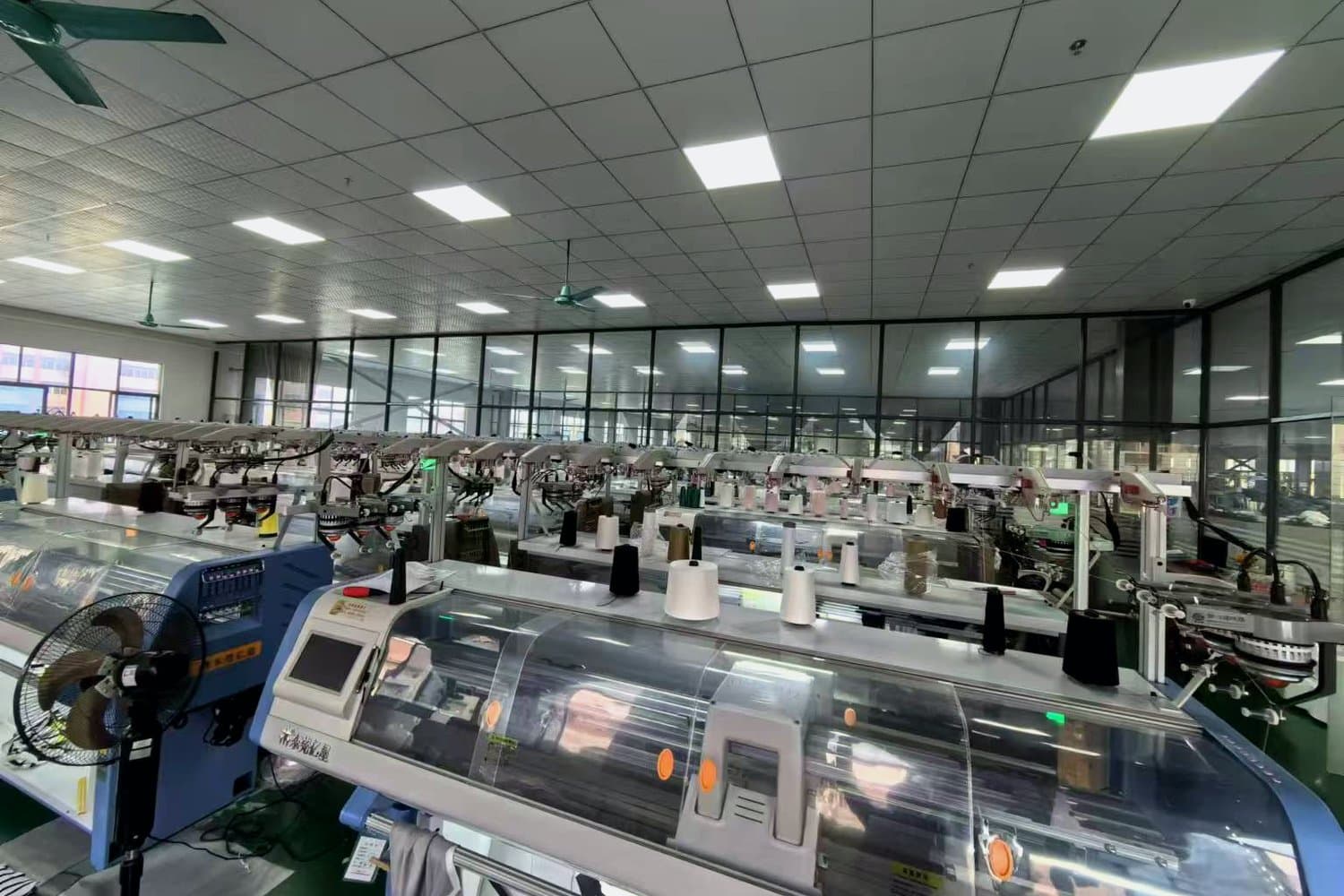
3GG - 18GG
Quality
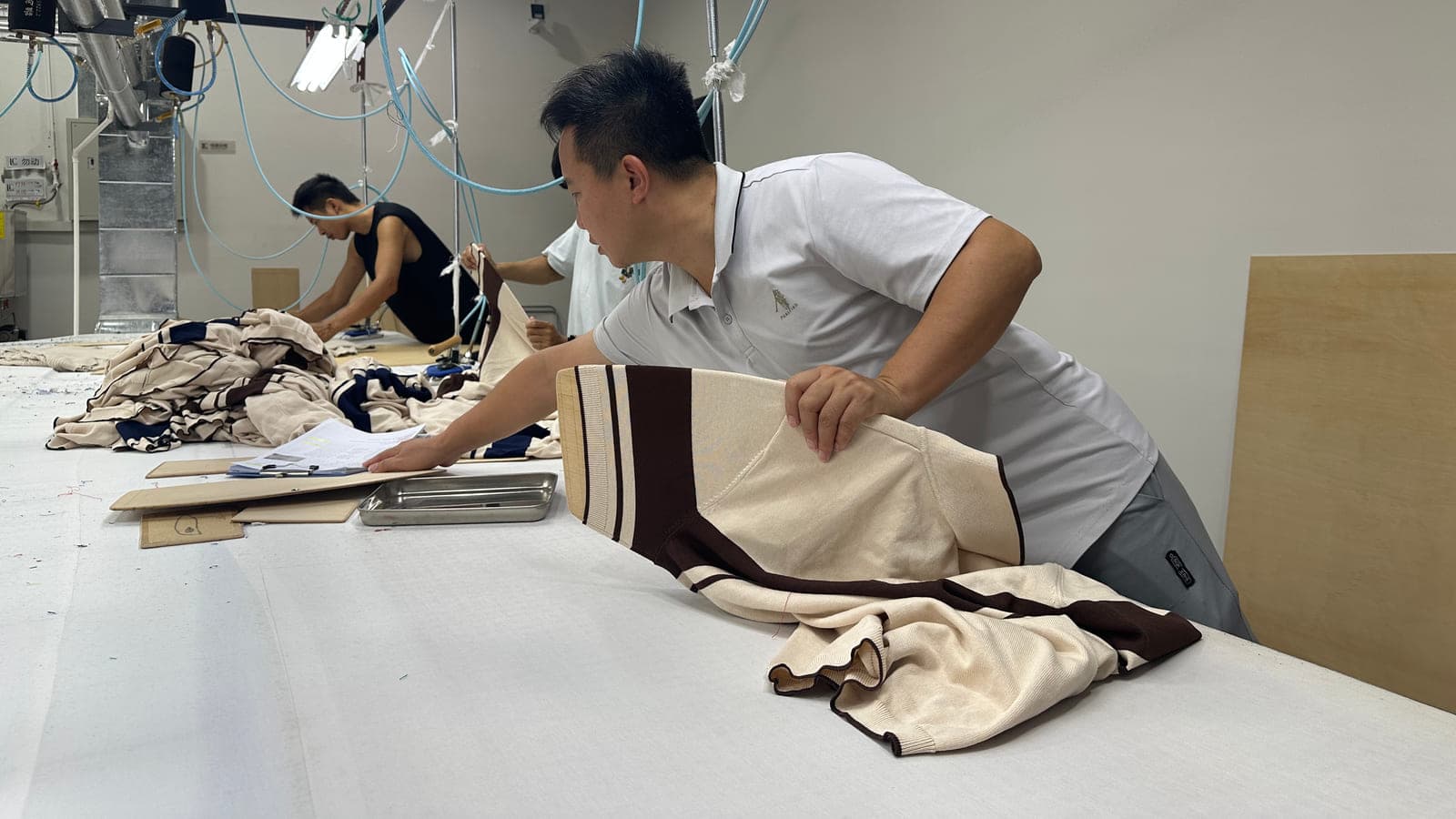
Stage-based checks
Manufacturing
Custom knitwear support
Global Markets
USA, Europe and more
Consider practical factors before sampling. The right capability choice affects texture, cost, handfeel, timeline and market fit.
Select weight and warmth for your target season.
Match texture, drape and premium handfeel.
Plan sweaters, cardigans, polos or jackets.
Our color matching capability helps buyers locking Pantone shades through a structured lab-dip approval process so the shade signed off on sample becomes the shade that lands in bulk. We work with Pantone Solid Coated (TCX on request), run a standard three-round lab-dip cycle, and target deltaE under 1.5 against the approved standard under D65 lighting. For custom-dyed programs we hold the approved yarn lot through bulk; for stock-yarn programs we confirm the chosen colour on a yarn-knit blanket before knitting starts. Color drift between sample and bulk is the single most common buyer complaint in knitwear sourcing this workflow is built to remove it.
Pantone Solid Coated reference (TCX on request); 3-round lab-dip standard; D65 light-box check; deltaE under 1.5 tolerance against approved standard; yarn-knit blanket confirmation for stock-yarn colours; lab-dip turnaround 7-10 days per round.
Which standard to send us. TPG is the paper version of the Pantone Fashion, Home + Interiors system and is what most seasonal colour cards quote; TCX is the same colour on cotton. For dyeing yarn we would rather work from TCX or from a physical yarn or fabric swatch, because a paper chip and a spun yarn reflect light differently and a match that looks right on paper can read a half-tone off in a knitted panel. Send the TPG code by all means - we will convert it and tell you where the risk sits before the first dip.
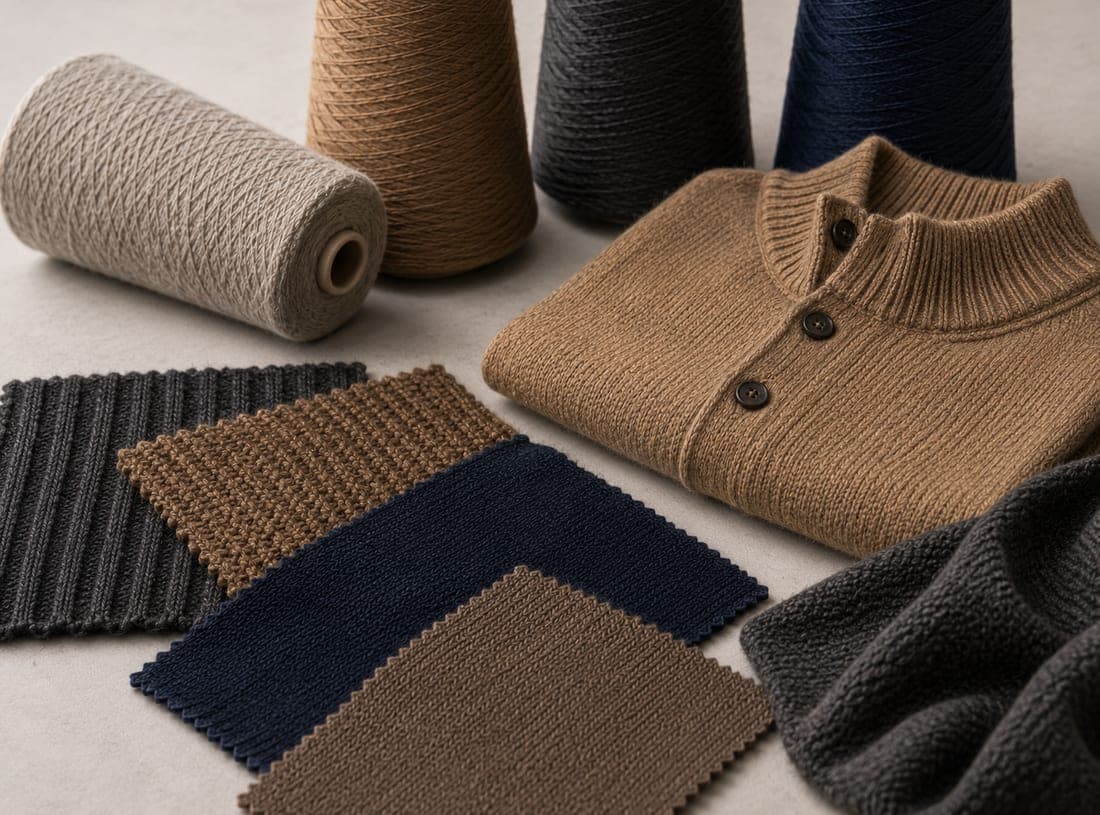
Colour and stitch legibility. This is the decision buyers most often make late and regret. Mid-tone warm neutrals - oatmeal, ecru, turtledove greys, camel - let a cable, a rib, a pointelle or a jacquard read clearly, because the shadow inside the stitch still has somewhere to fall. Very dark navy, charcoal and black flatten structure: the same cable that reads beautifully in oatmeal disappears at two metres in black, so a dark colourway usually needs a heavier gauge, a deeper cable, or a contrast trim to keep the design visible. High-chroma brights sell the silhouette rather than the stitch - they photograph well but they will not carry a subtle texture story. Decide the structure and the shade together, not in sequence.
What our own range is dyed in. Across 410 published styles the three largest colour families are oatmeal/beige/cream (56 styles), grey/charcoal (53) and navy/blue (43), followed by brown/camel/tobacco (37) and black (20). Greens, burgundy and mustard are deliberately smaller families. That distribution is not a fashion statement - it is where a knitwear buyer's repeat business actually sits, and it is why our cable (38 styles), rib (35), jacquard (10), waffle (8) and argyle (7) programs are mostly built on neutral grounds.
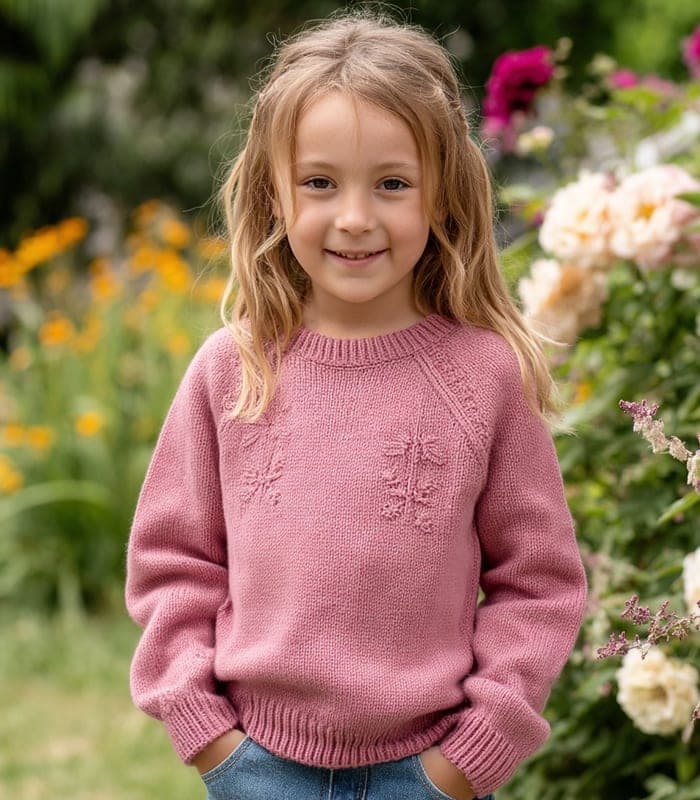
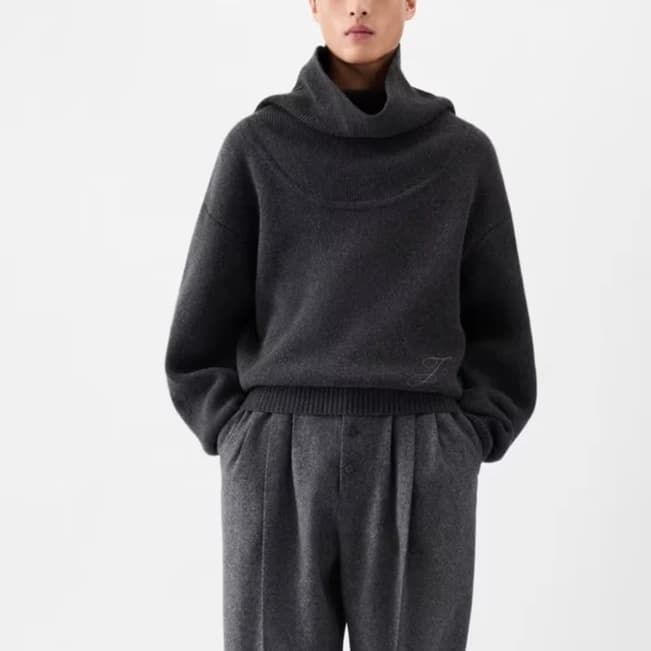
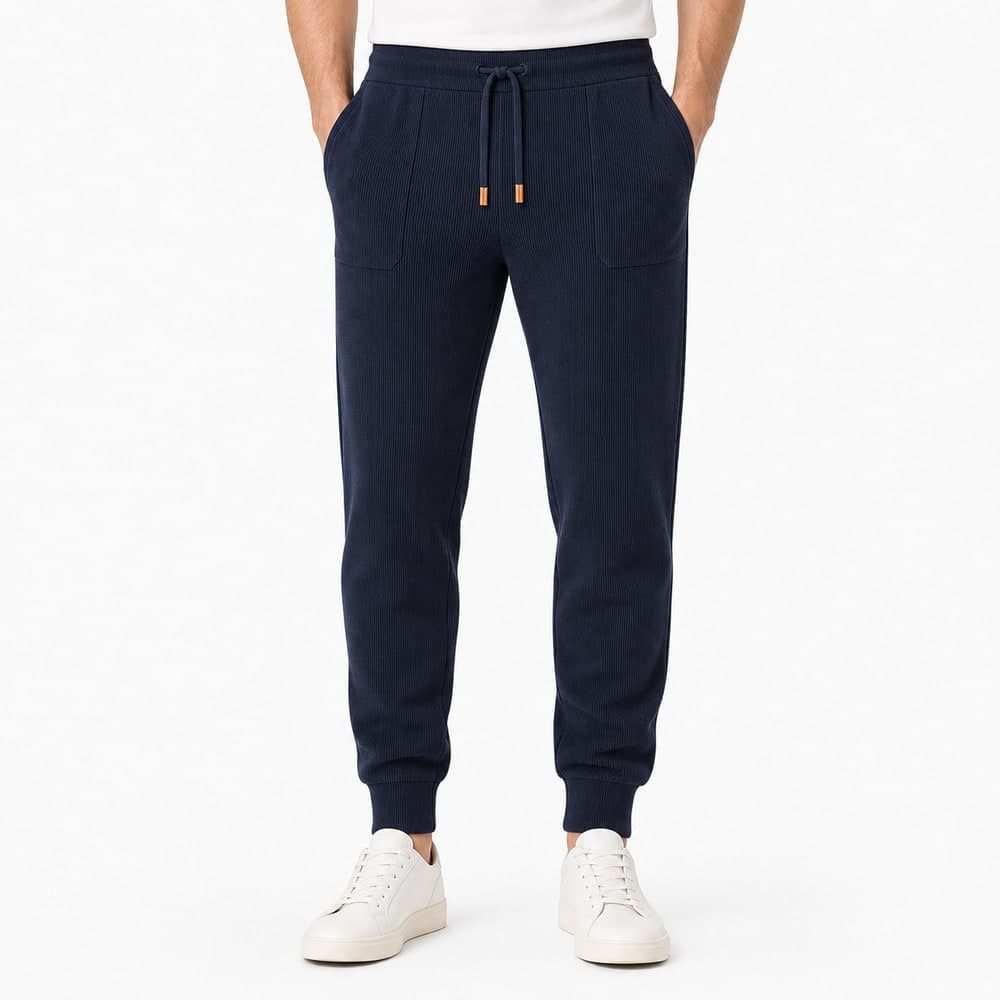
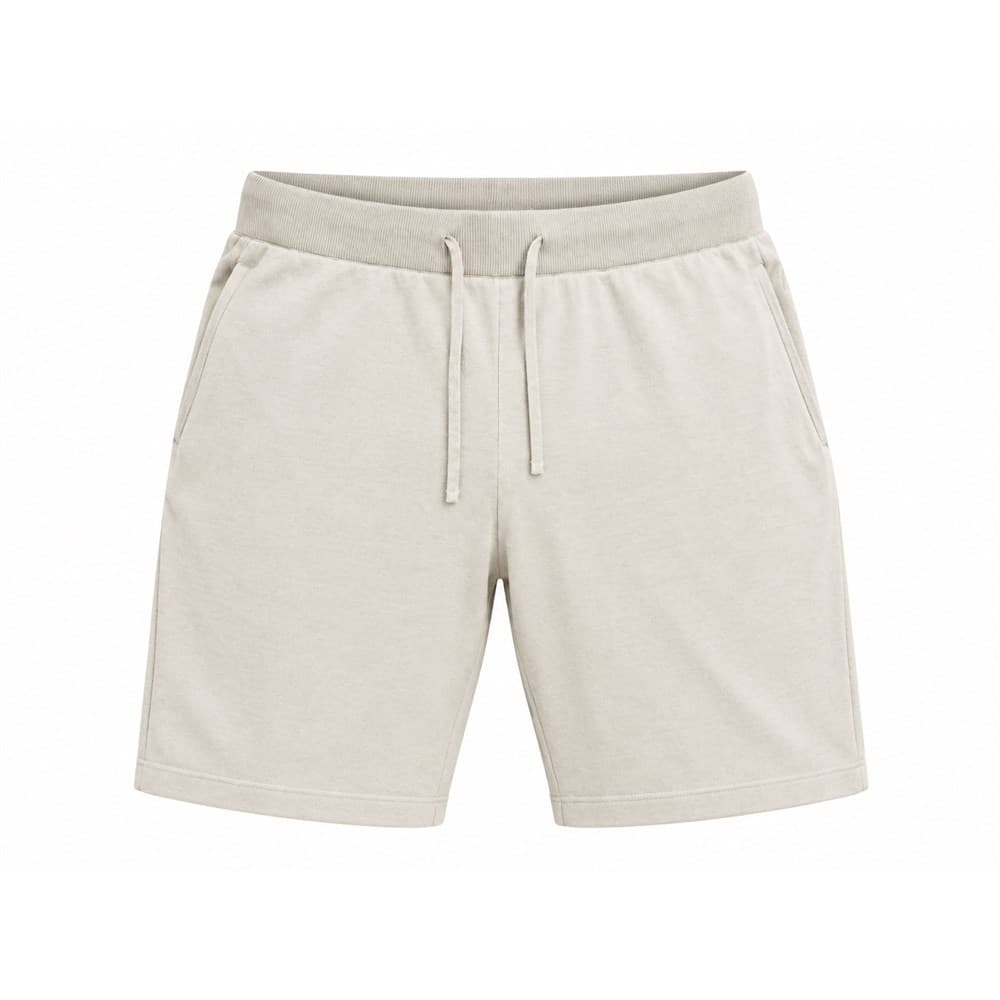
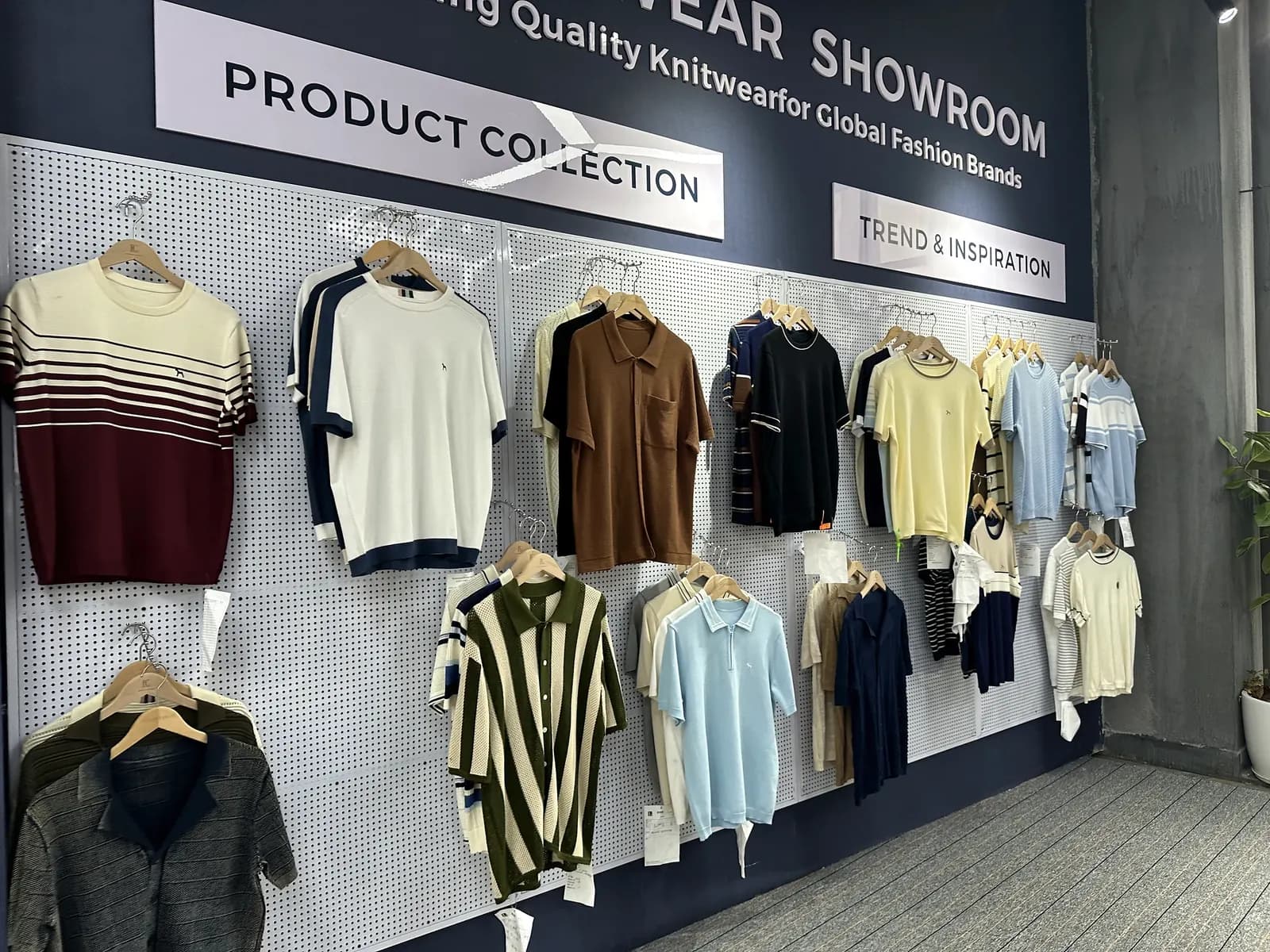
Existing product directions that can use this capability.
Other capabilities
Share your concept, sketch or reference.
We recommend gauge, yarn and construction.
We develop samples and refine until approved.
Confirm details, size specs and production plan.
Related materials
You supply a Pantone or physical standard; the mill dyes a lab dip for your approval; then bulk yarn is dyed to the approved lab dip. Stock colours skip dyeing.
Often 1-2 rounds to hit the standard; unusual shades may need more.
Yes - a small-lot dyeing surcharge below 100-300 pieces per colour, and 7-15 extra days for the lab dip. The MOQ stays at 30 pieces per colour; in-stock colours keep cost and lead time lowest.
A physical yarn or fabric swatch is the most reliable, TCX next, TPG last - not because TPG is wrong, but because it is a paper standard and paper and spun yarn reflect light differently, so a match that looks right on a chip can read a half-tone off in a knitted panel. Most seasonal colour cards quote TPG, so send it anyway: we convert it, tell you where the risk sits, and confirm on the first lab dip. Standard is 3 lab-dip rounds, checked in a D65 light box to a deltaE under 1.5.
Less than you expect. Mid-tone warm neutrals - oatmeal, ecru, turtledove grey, camel - let cable, rib, pointelle and jacquard read clearly because the shadow inside the stitch has somewhere to fall. Very dark navy, charcoal and black flatten the same structure; at two metres a cable that reads beautifully in oatmeal can disappear in black. If the colourway has to be dark, we usually go a gauge heavier, deepen the cable, or add a contrast trim. Decide the structure and the shade together rather than in sequence.
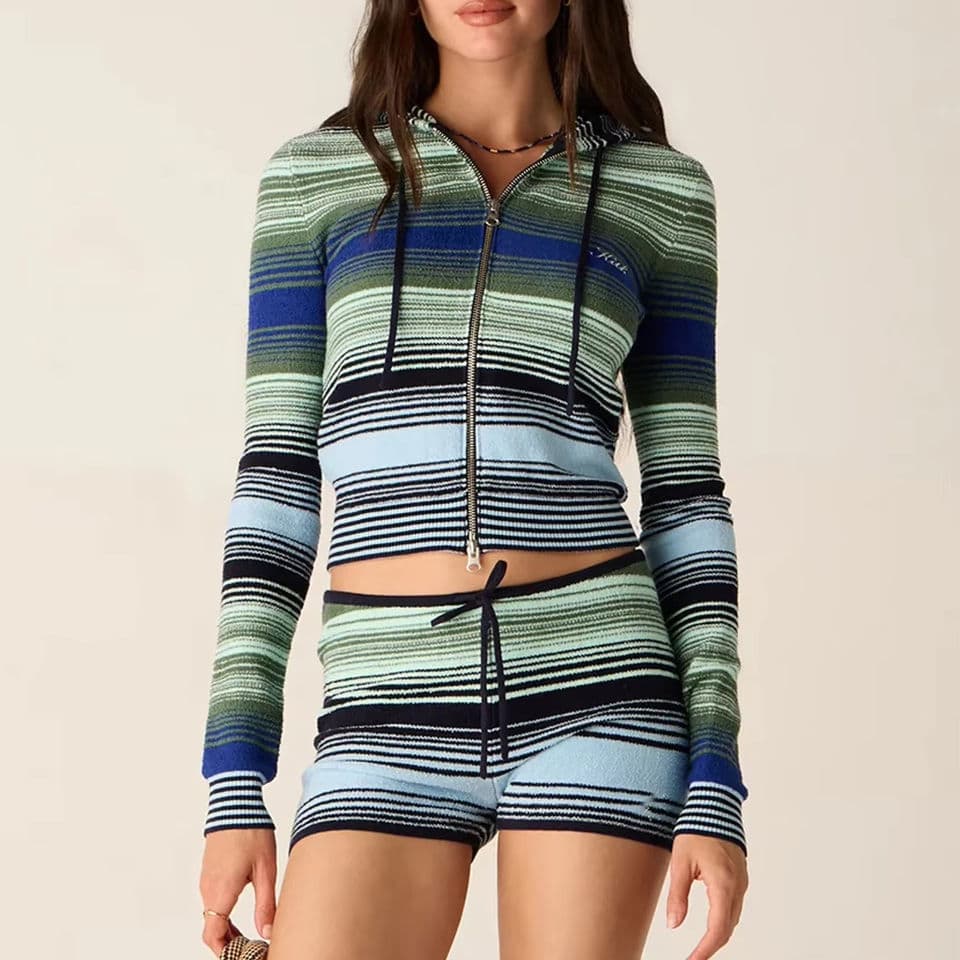
Not by lab dip. A melange or marl is blended before spinning, so you approve the yarn itself and the approval sample must be knitted rather than wound on a card - the blend only resolves at fabric scale. Yarn-dyed stripes are approved colour by colour and then again as a knitted repeat, because the proportion changes how each colour reads. Allow one extra approval round in the schedule for either.
We partner with your team to turn ideas into best-selling knitwear. From concept and sampling to bulk production and delivery, our experts guide every step.
Align with buyer preference and price point.
Melange, marl and stripe are approved differently. A melange or marl is created by blending fibres before spinning, so there is no single dip to sign off - you approve the yarn itself, and the approval sample has to be knitted, not wound on a card, because the blend only resolves at fabric scale. Yarn-dyed stripes are approved colour by colour and then again as a knitted repeat, since the proportion changes how each colour reads. Build an extra approval round into the schedule for either.
All custom-dyed sweater, cardigan and knit-jacket programs; private-label colour stories where brand colour codes must be hit consistently across seasons.
North America, Europe, UK markets where buyers ship to multi-store retail and need consistent colour across reorders.
Custom-dyed yarn lots are held under buyer name until bulk completes. We do not substitute lots mid-run. Re-orders against an approved standard skip the lab-dip cycle and ship directly from stock-yarn or recreated dye lot.
Quality manufacturing with on-time delivery.
Fine wool direction for premium lightweight sweaters and refined menswear knitwear.
Related guides
Reply within 4 business hours (Mon–Sat, GMT+8).