Climate & Season
Select weight and warmth for your target season.
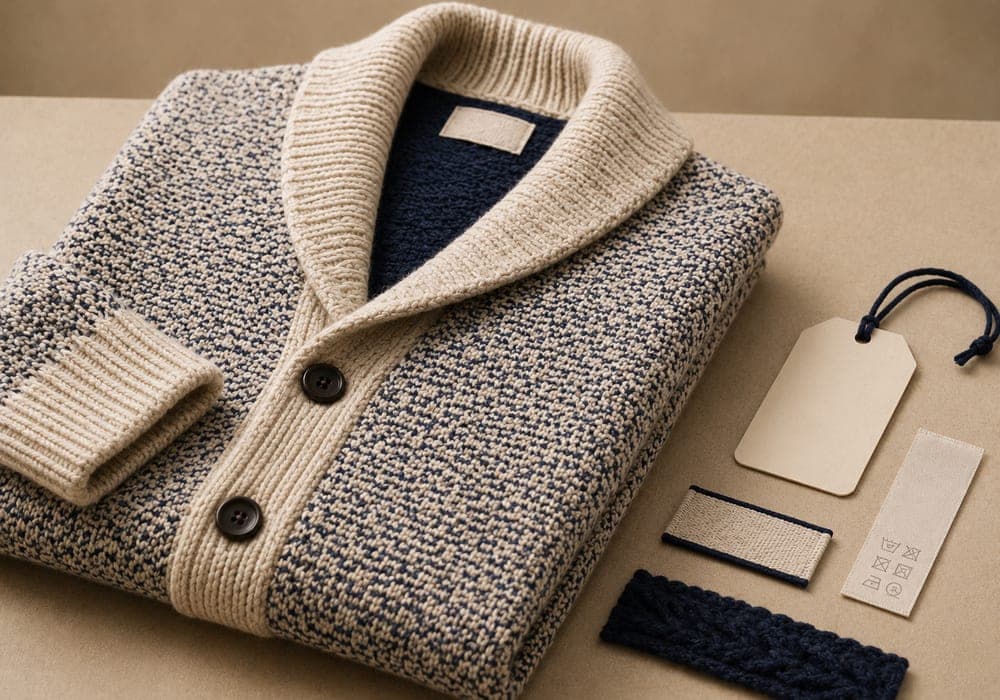
Hand-finished colour blocks, jacquard panels, embroidery, appliqué, woven labels and hangtag support for branded knitwear. Our branding capability helps buyers adding subtle brand details, woven labels, hangtags and decorative finishing — for private-label and own-brand programs where the buyer cares about the small details that telegraph quality.
Gauge Range
3GG - 18GG
Quality
Stage-based checks
Manufacturing
Custom knitwear support
Global Markets
USA, Europe and more
Consider practical factors before sampling. The right capability choice affects texture, cost, handfeel, timeline and market fit.
Select weight and warmth for your target season.
Match texture, drape and premium handfeel.
Plan sweaters, cardigans, polos or jackets.
Align with buyer preference and price point.
Hand-finished colour blocks, jacquard panels, embroidery, appliqué, woven labels and hangtag support for branded knitwear. Our branding capability helps buyers adding subtle brand details, woven labels, hangtags and decorative finishing — for private-label and own-brand programs where the buyer cares about the small details that telegraph quality.
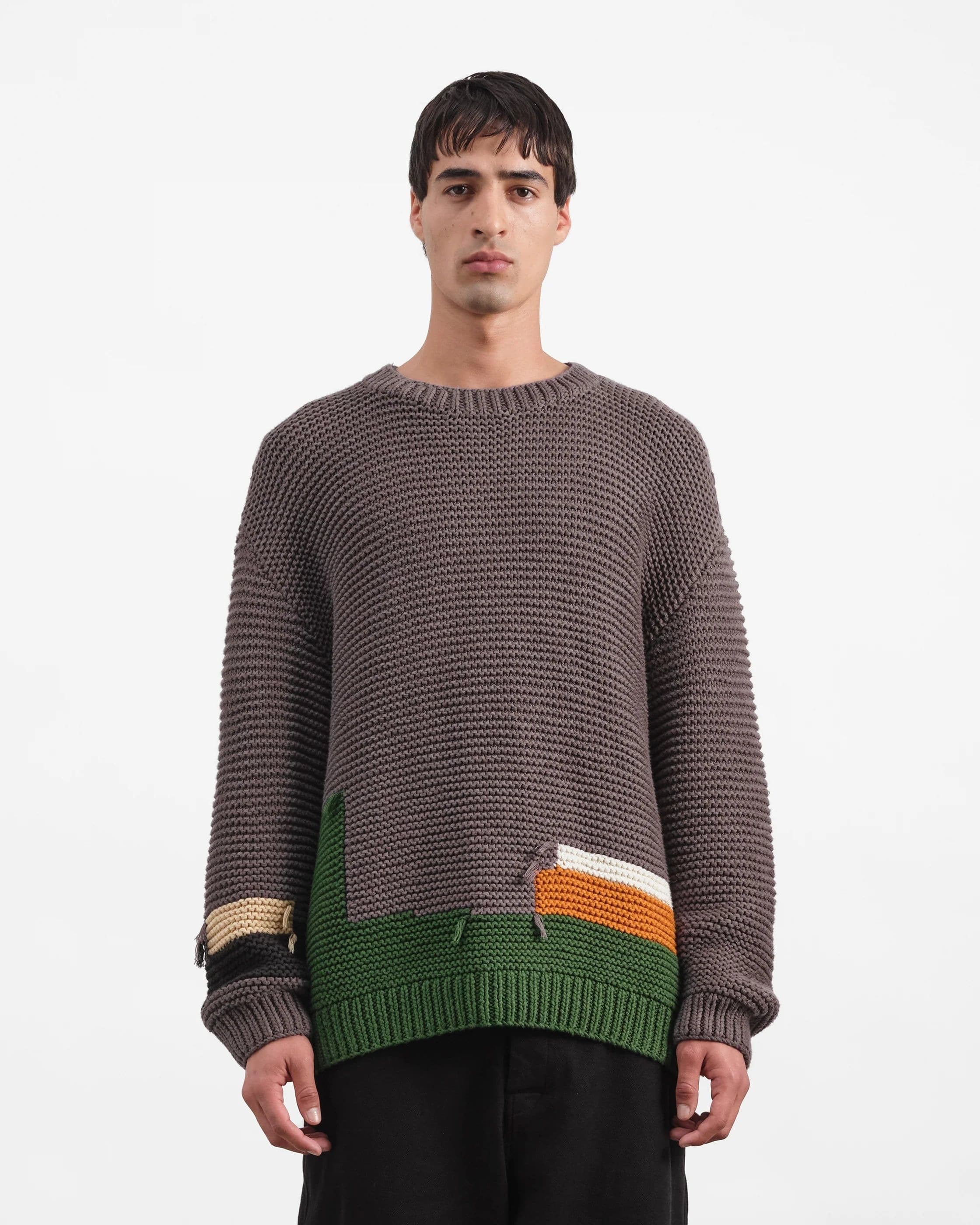
Hand-finishing for jacquard / intarsia colour-block panels; woven main labels, care labels and size stickers; hangtag application; embroidery and appliqué on flat panels for logos, patches and placed artwork such as botanical or animal motifs (commissioned via partner).
Knitted-in versus applied decoration is the first decision, and it changes cost, minimum and handfeel. Knitted-in means the motif is built by the machine as the panel is made: jacquard for repeating all-over patterns, intarsia for blocks of solid colour with no float behind, argyle as the classic diamond-and-overcheck case. It adds no separate process step, survives wash exactly as the ground fabric does, and is the right route for anything covering a large area. Applied decoration - embroidery and appliqué - is stitched onto a finished flat panel before linking, and is the right route for a logo, a crest, a small placed motif or artwork with fine detail that a knit stitch cannot resolve.
Practical limits we work to: a coarse gauge cannot hold fine detail, so a 3GG-5GG chunky ground needs a simplified, bolder version of the same artwork, while 12GG-18GG will carry a detailed crest. Embroidery on a knit needs backing so the stitching does not pull the ground fabric; that backing is chosen against the gauge and fibre, and is confirmed on a swatch before the sample. Placement is limited to areas that lie flat during production - left chest, centre front, upper back, sleeve - and is applied before the panels are linked, not after. Colour count in the artwork drives cost more than size does.
Typical programs we run this way: embroidered logos on cardigans, quarter-zip and half-zip sweaters and knit polos; crest or club artwork on team and school knitwear; and argyle or diamond patterning knitted in rather than applied, including on sweater vests. Minimum order stays 30 pieces per colour with sizes mixed inside that 30, and decoration does not raise it.
Mixed-material panelling. Decoration is not only stitched artwork - a large part of what makes a knit look designed is a second material meeting the knit. We build knit bodies against suede fronts and suede sleeve panels, shearling and faux-fur collars, shawl and shirt collars, nylon contrast panels and pockets, ribbed trims on a woven or suede shell, and applied varsity-style patches: 46 of our published styles carry some form of contrast or hybrid construction. The join is the engineering problem, not the material - knit stretches and suede, nylon and shearling do not, so the seam allowance, the stabiliser and the rib depth around the join are set at sample stage and re-checked on the first bulk panel.
Pocket construction. 27 published styles carry pockets: patch, chest, kangaroo, zip, flap and nylon-contrast. On a knitted ground a pocket is a structural decision as much as a styling one, because an unsupported pocket mouth will grow. We stabilise the opening, and for zip pockets we set the tape so the zip does not ripple the fabric around it. Pockets are a practical way to lift a plain sweater into a designed piece without adding artwork.
This capability is suitable for private label sweaters, cardigans, knit jackets, knitted polos, sweater vests, quarter-zip and half-zip styles, and brand capsule programs. Common requests are an embroidered logo on a cardigan or quarter-zip, a crest on club, school or team knitwear, a placed botanical or animal motif on a vest or crew neck, and argyle or diamond patterning knitted into the panel rather than stitched on. Beyond stitched artwork we also build mixed-material constructions - suede fronts and sleeve panels, shearling and faux-fur collars, shawl and shirt collars, nylon contrast panels - and pocket programs including patch, chest, kangaroo, zip and flap pockets. It is especially useful when buyers need consistent product specifications, repeatable sample feedback, private label presentation or a sourcing plan that can move from idea to production without unnecessary rework. Buyers working on multi-style programs can use the same capability framework across sweater, cardigan and knit jacket developments so that yarn, gauge, workmanship, packaging and inspection expectations remain consistent across the collection.
Recommended for North America and Europe where buyers need polished brand presentation without visible third-party logos or unverifiable claims. The emphasis is on sourcing confidence, clear communication, realistic product development and material decisions that match buyer positioning instead of generic fashion imagery. For North American buyers, the focus is usually practical development, commercial styling and clear RFQ information. For European, German and UK buyers, the focus often includes material handfeel, restrained styling, quality consistency and careful documentation. For Nordic and Canadian buyers, the capability is frequently connected with cold-weather layering, heavier gauges and wool-blend directions.
Branding details should be checked against knit texture and garment stretch. Placement, label size, backing material and packaging requirements should be confirmed during sampling so the final garment remains clean, wearable and production-friendly.
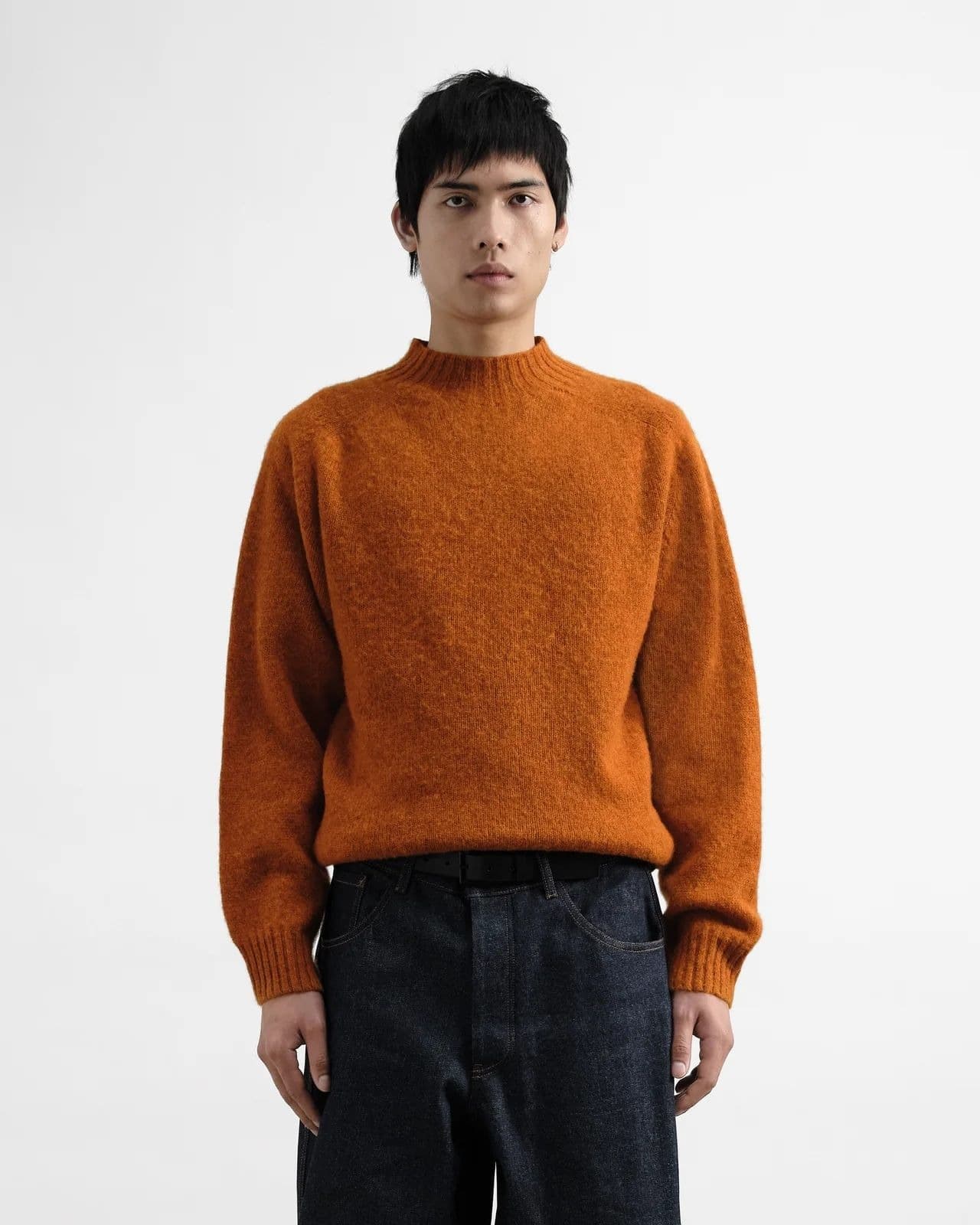
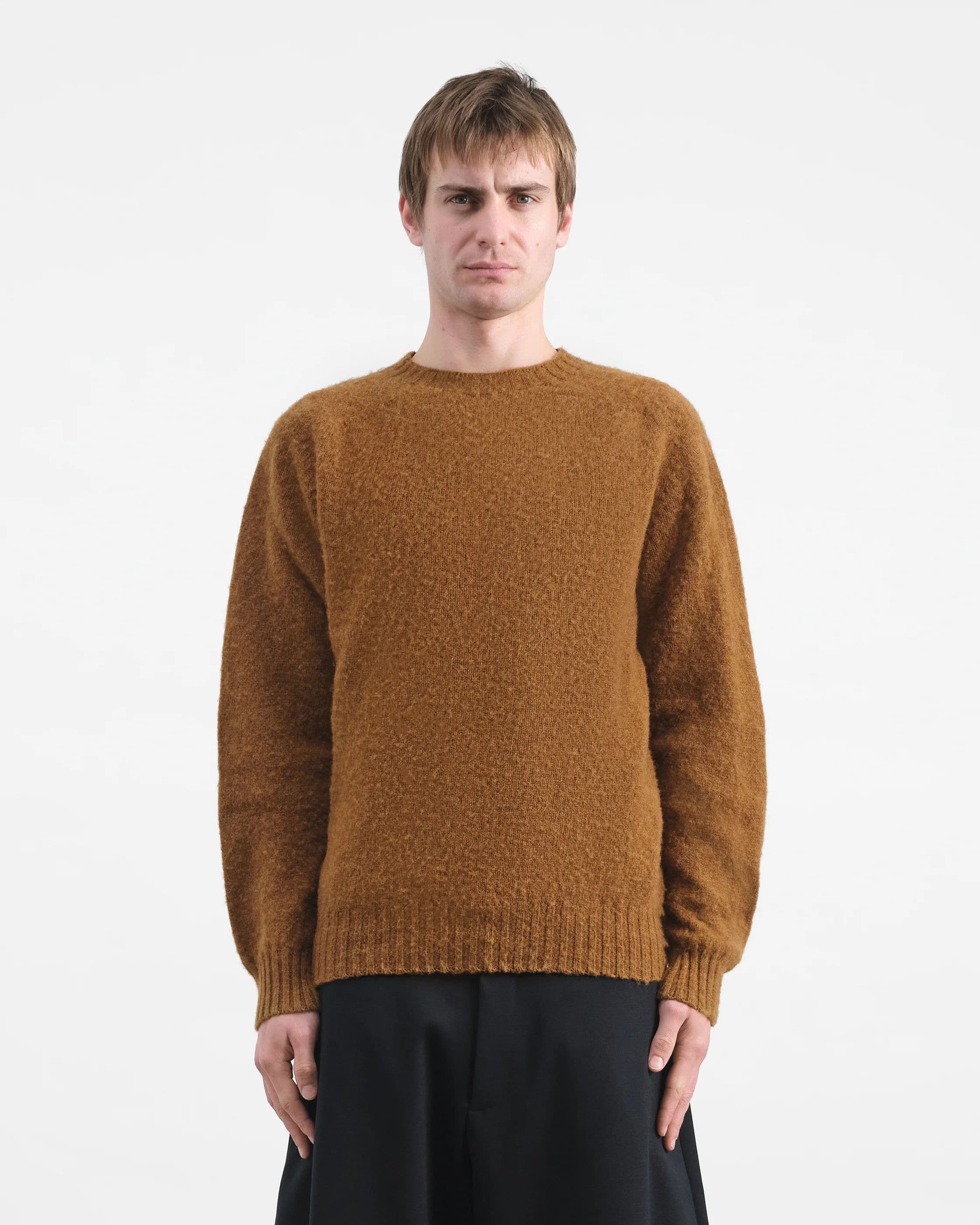
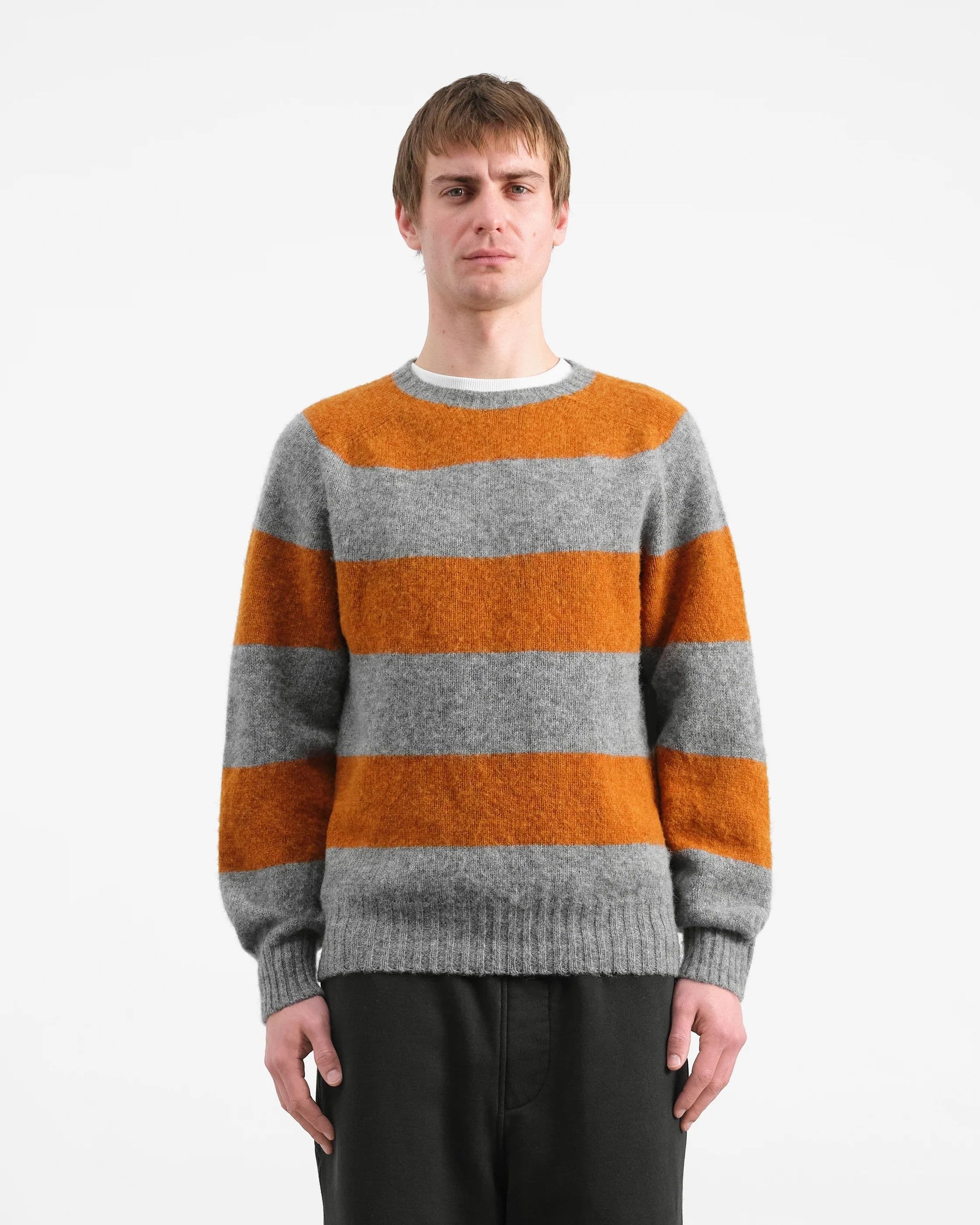
Existing product directions that can use this capability.
Other capabilities
Share your concept, sketch or reference.
We recommend gauge, yarn and construction.
We develop samples and refine until approved.
Confirm details, size specs and production plan.
Quality manufacturing with on-time delivery.
Related materials
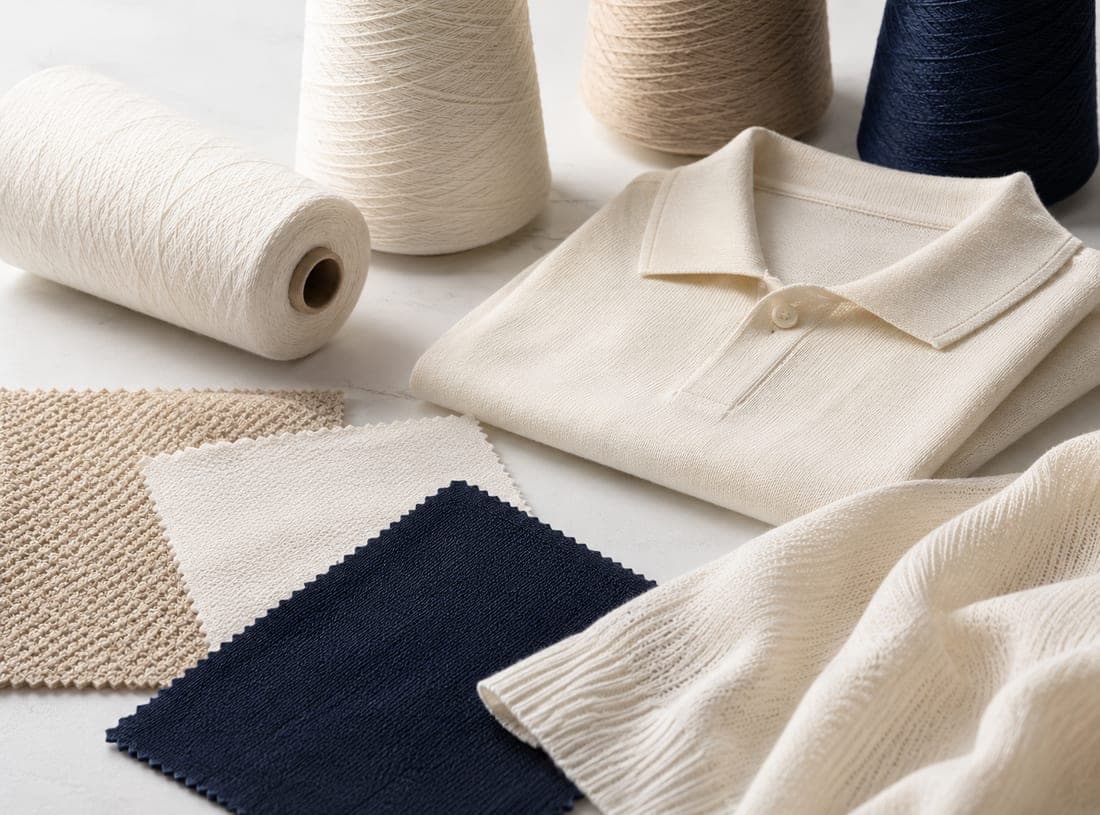
Breathable cotton yarn direction for spring, summer and transitional custom knitwear.
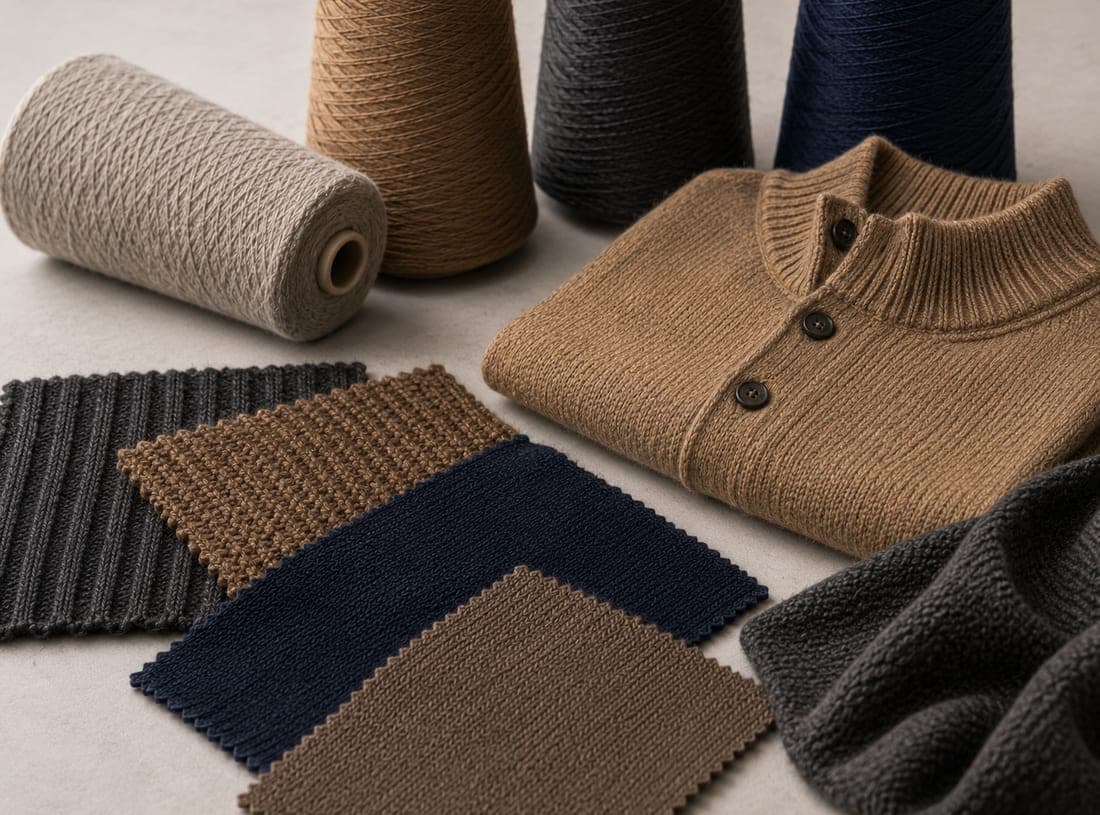
Balanced warmth, cost control and premium handfeel for fall and winter knitwear programs.
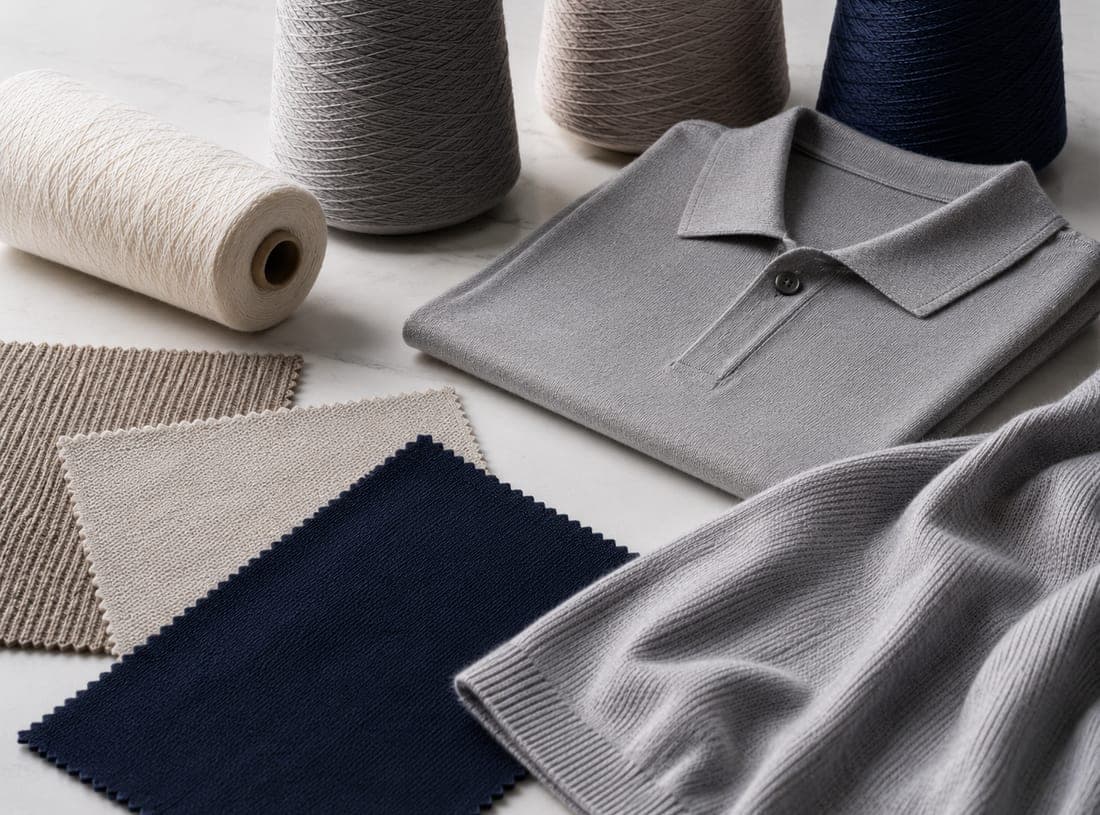
Fine wool direction for premium lightweight sweaters and refined menswear knitwear.
Related guides
Yes. Embroidery can be reviewed by logo size, stitch density, placement and yarn surface. Artwork files and color references are needed for accurate sampling.
Woven main and care labels, embroidery, jacquard logos, leather patches, heat-transfer, neck prints and hangtags.
Embroidery or a woven label for a premium feel; jacquard for a knitted-in logo; heat-transfer for fine detail. We advise per placement and knit.
Standard branding fits the 30 pieces/colour MOQ; nominated custom trims may add a small minimum and lead time.
It depends on area and detail. Knitted-in (jacquard, intarsia, argyle) is built by the machine as the panel is made - no separate process step, it washes exactly like the ground fabric, and it is the right route for anything covering a large area. Embroidery or appliqué is stitched onto the finished flat panel and is the right route for a logo, a crest, a small placed motif, or artwork with detail finer than the stitch can resolve. We will tell you which one your artwork needs when we see it, and neither route changes the 30-piece-per-colour minimum.
Yes. Embroidery is applied to the flat panel before the garment is linked, so placement is limited to areas that lie flat in production - left chest, centre front, upper back, sleeve. Embroidery on a knit needs backing so the stitching does not pull the ground fabric, and we choose that backing against your gauge and fibre and confirm it on a swatch before the sample. Colour count in the artwork drives the cost more than the size does.
We partner with your team to turn ideas into best-selling knitwear. From concept and sampling to bulk production and delivery, our experts guide every step.
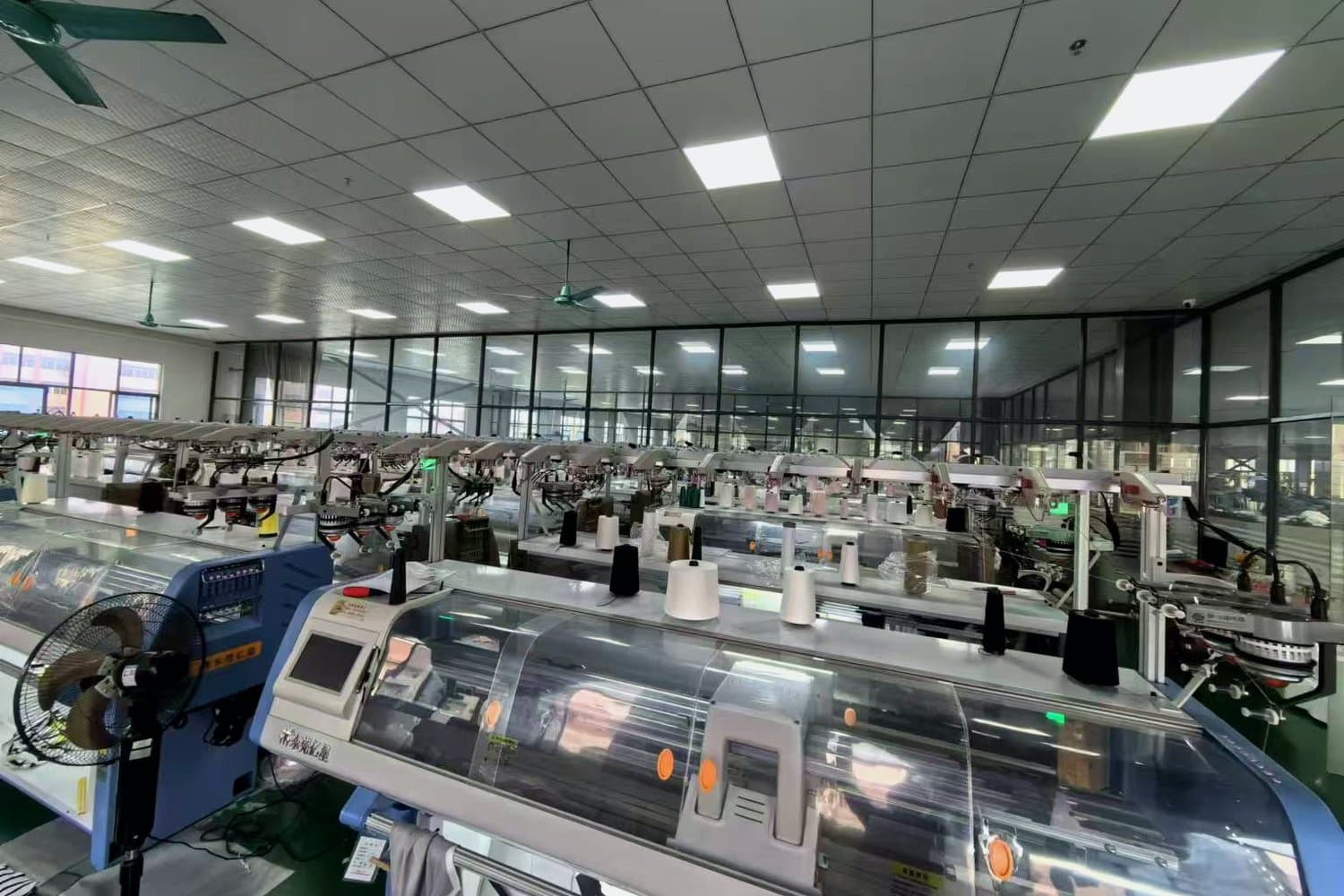
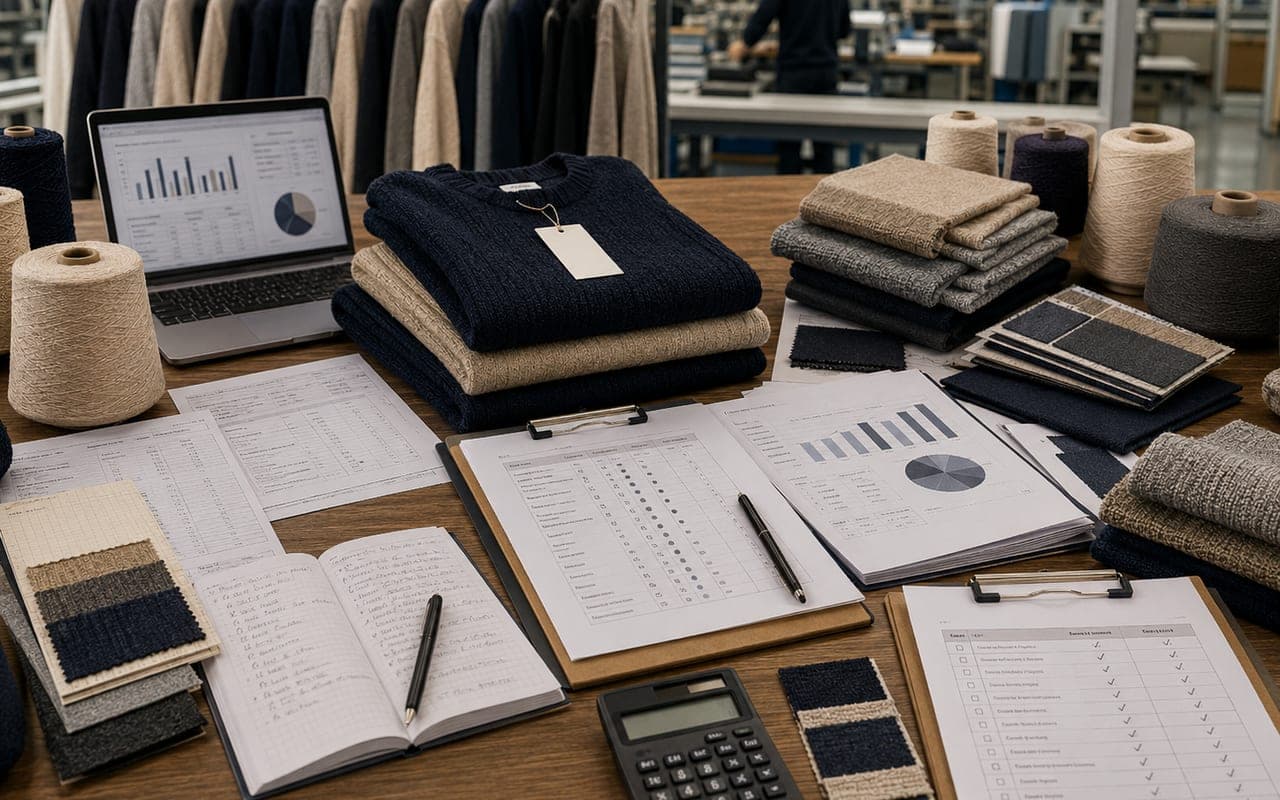
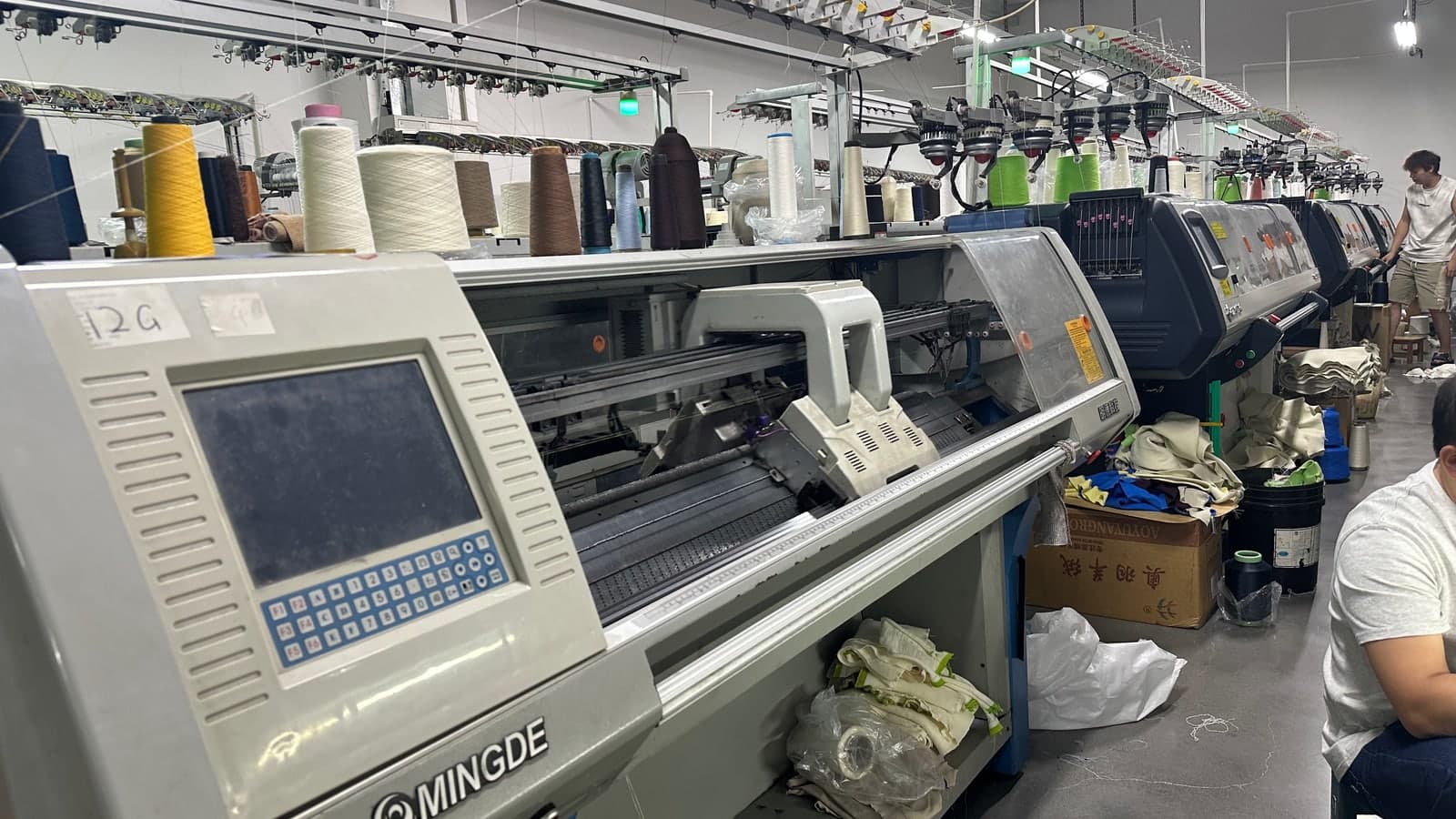
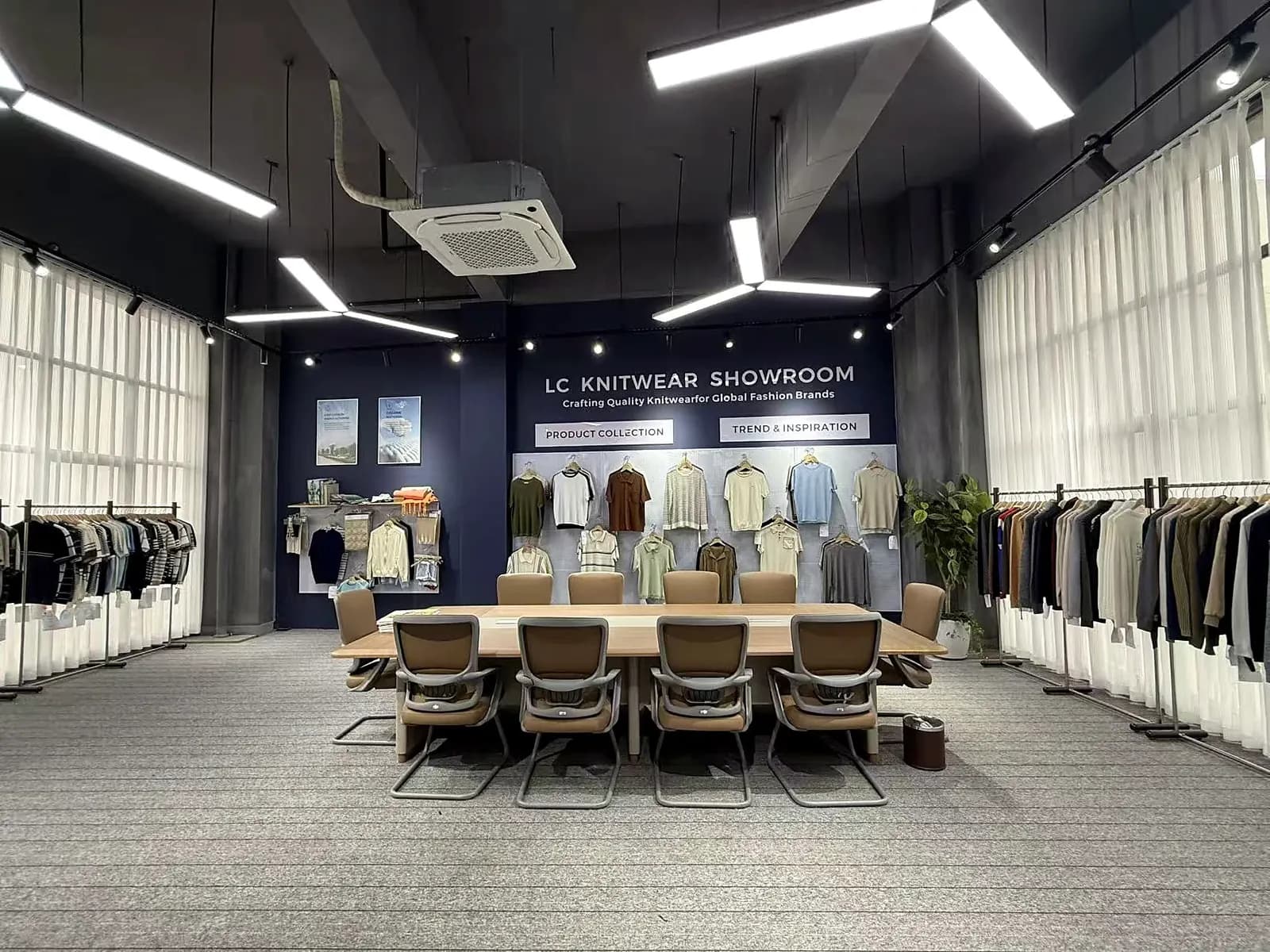
MOQ, lead time, cost ranges, gauge selection and QC checkpoints across typical OEM/ODM knitwear programs in NA + EU. Enter your email — we'll send you the report link in 30 seconds.
No spam. Unsubscribe with one reply. We use your email only to send you the report and follow up if you want a sourcing conversation.
Brand names shown are previously serviced OEM/ODM partners. Logos are decorative and do not imply current endorsement.