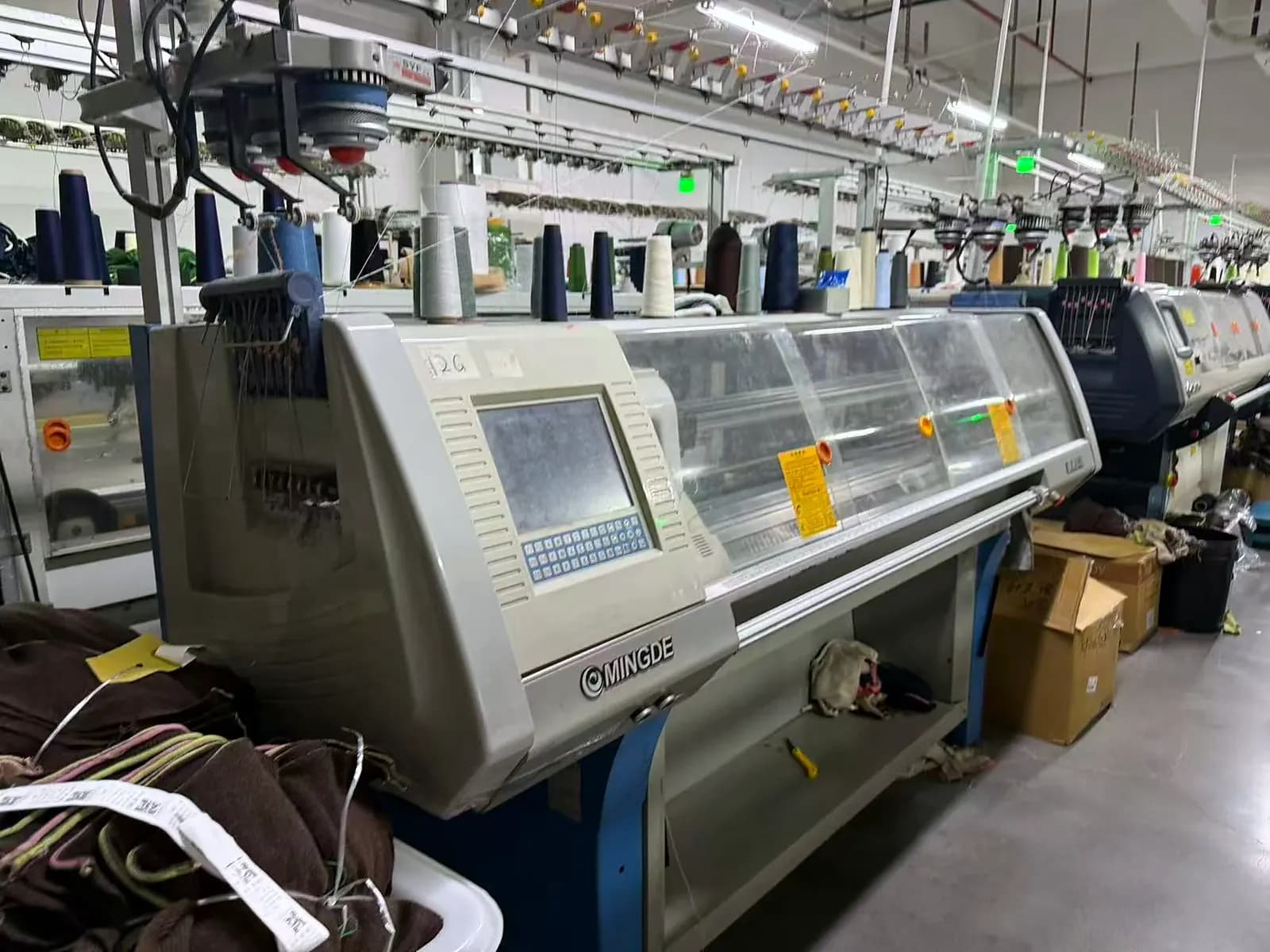
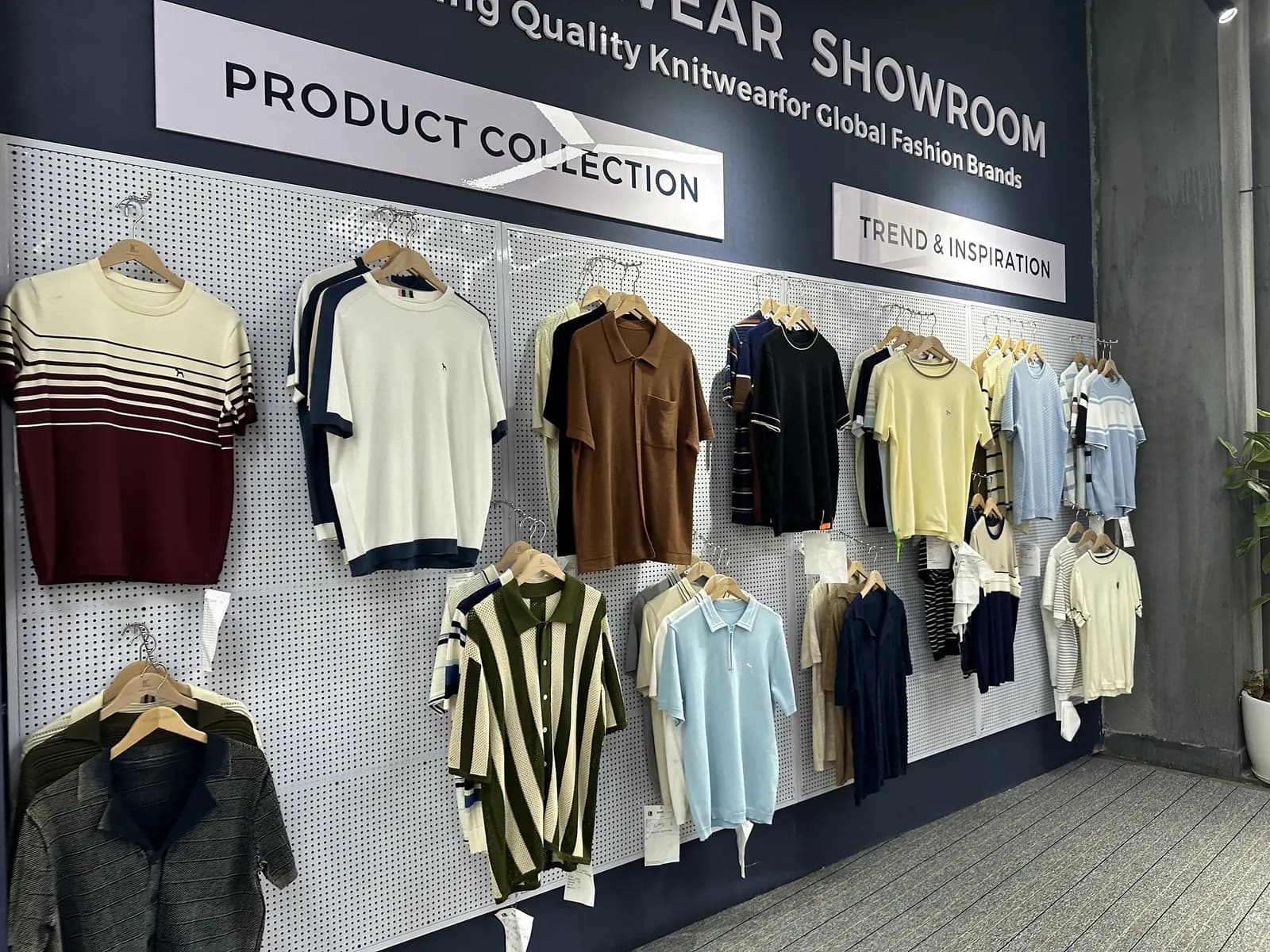
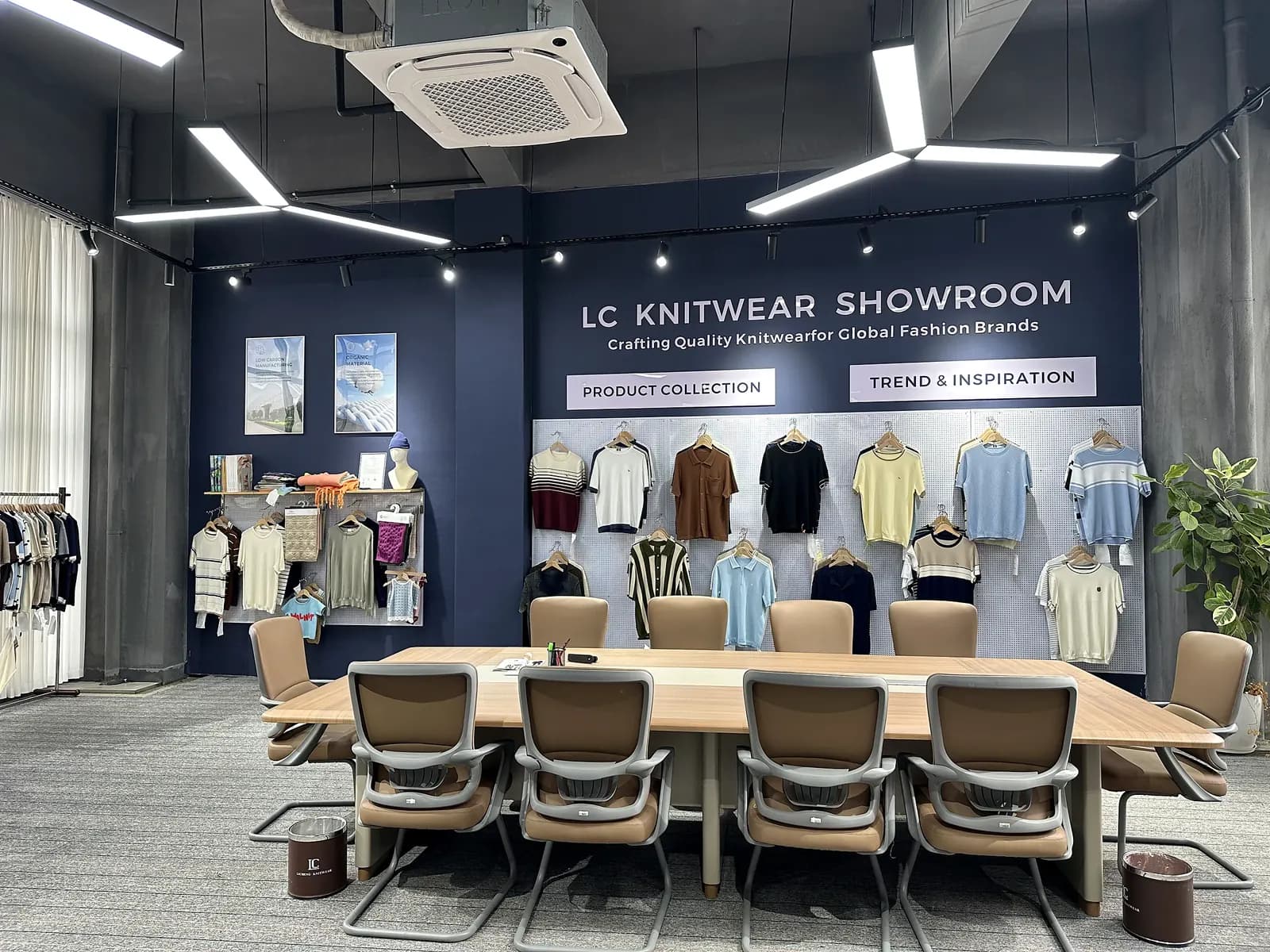
We focus on men's sweaters, cardigans, knit jackets, jacquard knitwear and private label knitwear. We support B2B buyers with OEM/ODM development, sampling and bulk production planning.
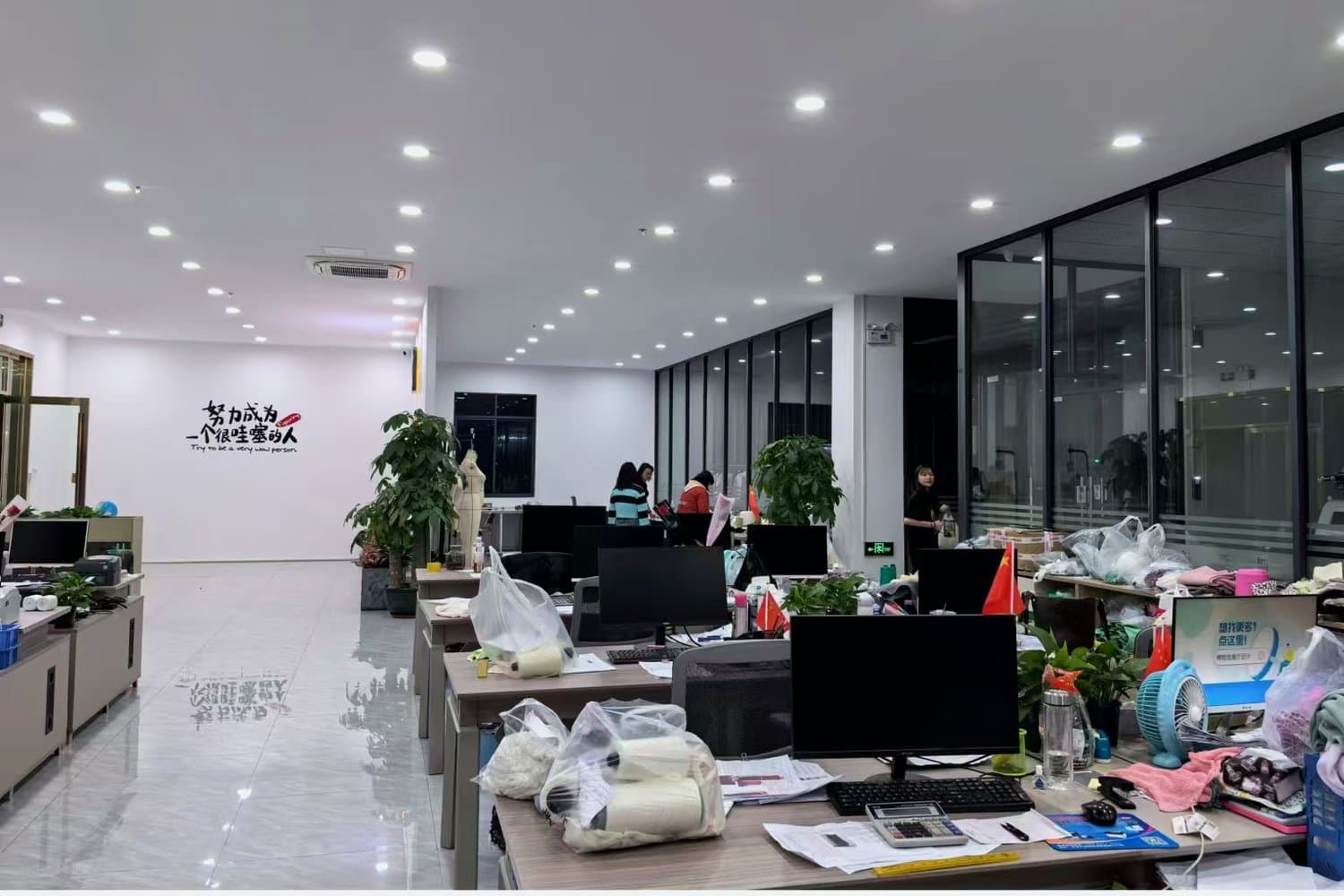
Guides for custom knitwear manufacturing, yarn selection, gauge options, quality control, cost planning and tech pack preparation.
Free interactive tool
Build your spec — yarn, gauge, colour, customisation — and instantly see the typical MOQ, sample & bulk timelines and what drives your cost.
Product Development
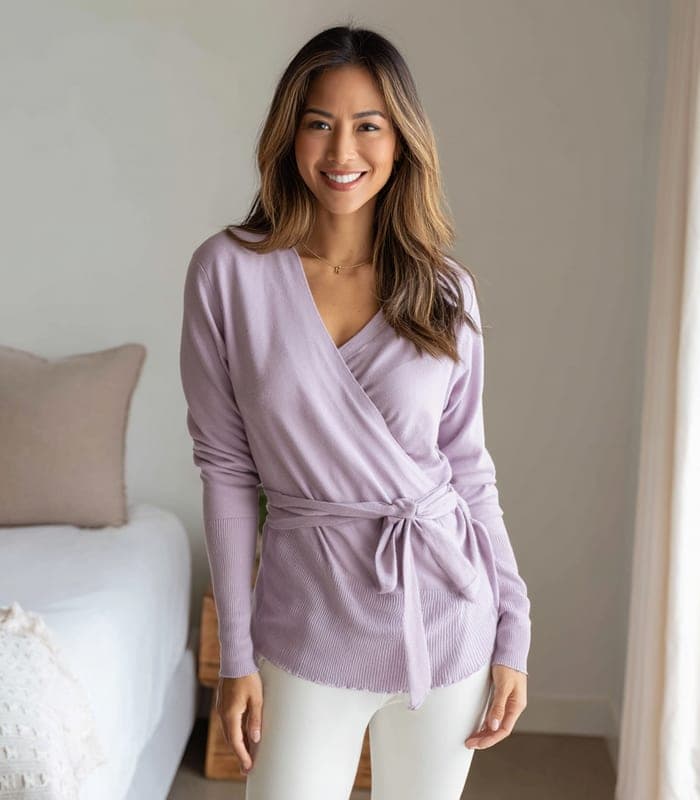
A guide to women's knitwear manufacturing for B2B brands, covering silhouette variety, fit and sizing, yarn and trend responsiveness.
Read Guide ->Product Development
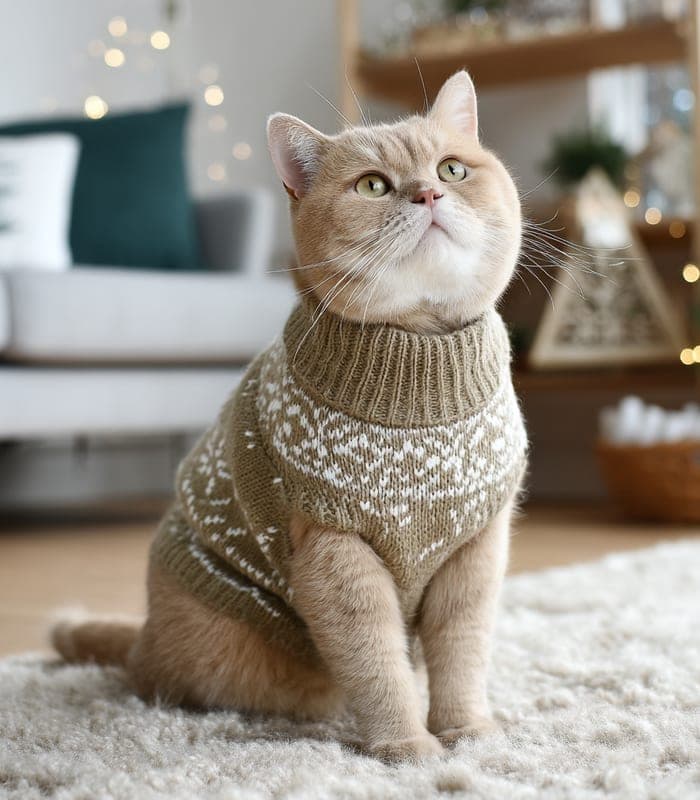
A pet knitwear sourcing read counted from our own published range: two separate size runs rather than one stretched chart, acrylic on 12 of 17 styles for wash durability, 10 of 17 at 7GG-12GG, and why the harness opening has to be on the tech pack before knitting.
Read Guide ->Product Development
A maternity and baby sourcing read counted from our own published range: 12 maternity styles graded XS-XL and 6 baby graded 0-24m, cotton or bamboo on 12 of 18, seven maternity styles carrying nursing access, and why a matching set costs like two garments.
Read Guide ->Product Development
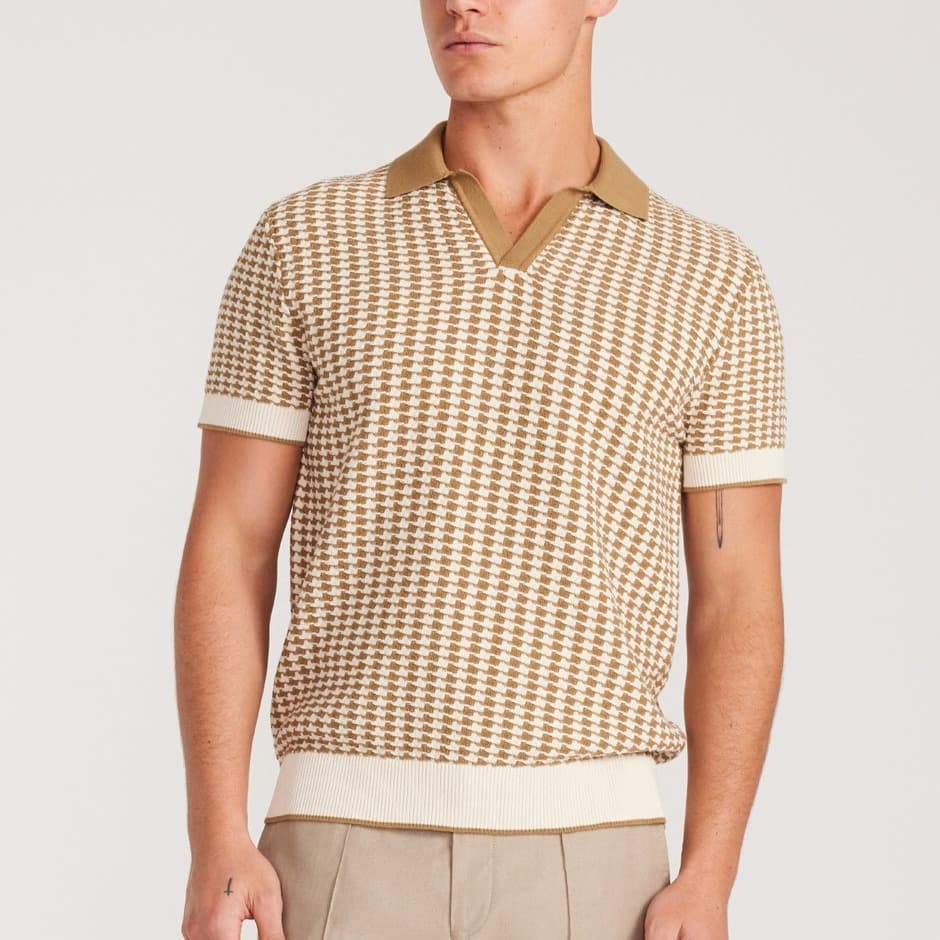
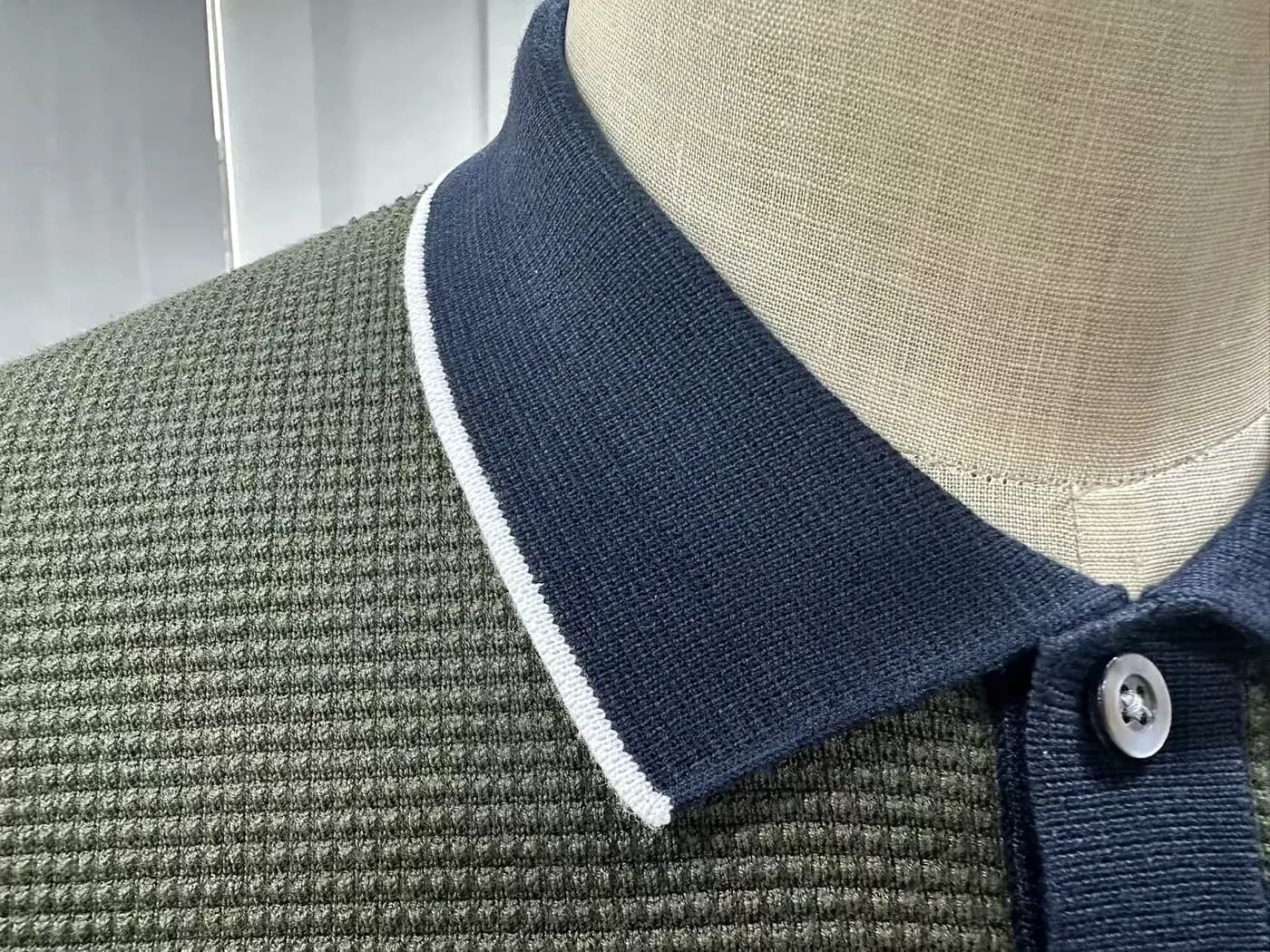
How to develop a men's knit polo, from collar and placket to yarn and gauge, for B2B apparel brands building spring/summer and year-round ranges.
Read Guide ->Product Development
How to develop men's half-zip and quarter-zip sweaters, from zip and collar choices to yarn and gauge, for sporty-smart B2B knitwear ranges.
Read Guide ->Product Development
A knit polo replaces a woven shirt, not a sweater, and that decides gauge, fibre and collar. Read from 28 published knit polo styles: the four gauge bands and what each produces, the four collar and placket constructions with what each needs at sampling, published index medians per fibre, and the two gaps our own shelf does not cover.
Read Guide ->A guide to women's knitwear manufacturing for B2B brands, covering silhouette variety, fit and sizing, yarn and trend responsiveness.
7 min read - Guide
A pet knitwear sourcing read counted from our own published range: two separate size runs rather than one stretched chart, acrylic on 12 of 17 styles for wash durability, 10 of 17 at 7GG-12GG, and why the harness opening has to be on the tech pack before knitting.
6 min read - Guide
A maternity and baby sourcing read counted from our own published range: 12 maternity styles graded XS-XL and 6 baby graded 0-24m, cotton or bamboo on 12 of 18, seven maternity styles carrying nursing access, and why a matching set costs like two garments.
5 min read - Guide
How to develop a men's knit polo, from collar and placket to yarn and gauge, for B2B apparel brands building spring/summer and year-round ranges.
8 min read - Guide
How to develop men's half-zip and quarter-zip sweaters, from zip and collar choices to yarn and gauge, for sporty-smart B2B knitwear ranges.
6 min read - Guide
A knit polo replaces a woven shirt, not a sweater, and that decides gauge, fibre and collar. Read from 28 published knit polo styles: the four gauge bands and what each produces, the four collar and placket constructions with what each needs at sampling, published index medians per fibre, and the two gaps our own shelf does not cover.
5 min read - Guide
A practical guide to preparing a crest, badge or logo for a knitted garment: which file formats work, why fine text and thin outlines fail where they survive on a printed tee, and how gauge changes the amount of detail a garment can carry. Written for the buyer whose artwork already exists and cannot be redesigned.
7 min read - Guide
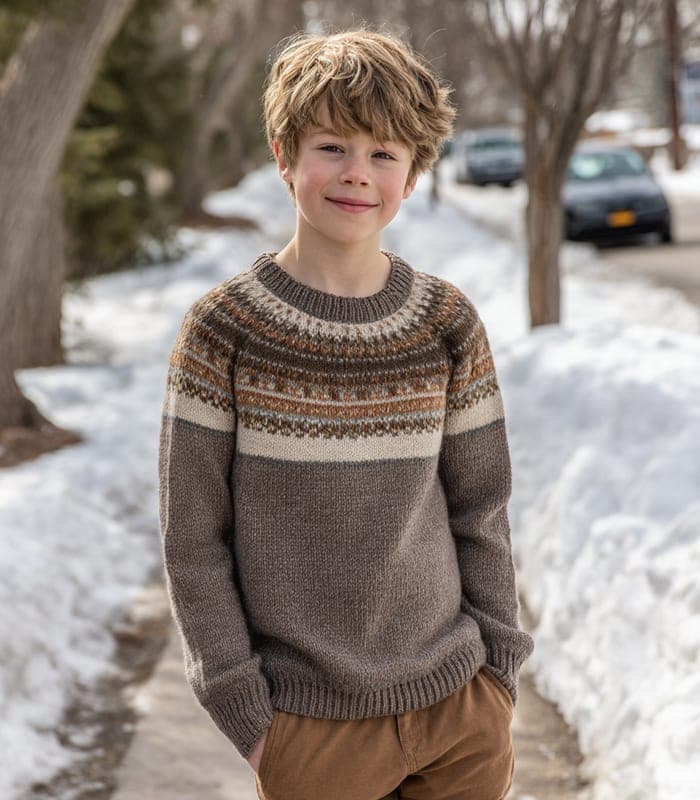
A children's knit programme is not a scaled-down adult one. Read from 18 published children's styles: the even split into six cardigans, six hoodies and six pullovers, why gauge runs at 7GG and coarser rather than the 12GG of adult spring/summer, where cotton, organic and recycled fibres actually sit, published index medians per fibre, and where the grading work really is across a Newborn-12y range.
6 min read - Guide
A B2B guide to developing men's cardigans, including full zip, button, shawl collar, yarn, gauge, trims and private label details.
7 min read - Guide
We focus on men's sweaters, cardigans, knit jackets, jacquard knitwear and private label knitwear. We support B2B buyers with OEM/ODM development, sampling and bulk production planning.
Ready sample styles and selected custom programs can support lower-risk trials before larger seasonal orders.
Yes. Brands, including new labels preparing a first collection, can pay for a sample and see it before placing a production order. Two routes: a ready sample of a published style at USD 60 per piece in about 7 days, or a development sample from your tech pack at USD 150 per style, covering yarn sourcing, knit programming, one prototype and one revision round, in 15-25 days. Cashmere and mohair styles are quoted individually and shipping is charged at cost. Production starts only after you approve the physical sample, at our minimum of 30 pieces per colour with sizes mixed inside the 30. A sample does not commit you to a production run; we do not make garments for personal use.
Our sample fee is not refundable. Yarn sourcing, knit programming, machine setup and hand linking cost about the same whether one piece follows or five hundred, which is why the fee exists at all. It is credited against your first bulk order placed within six months of sample approval: 100% of a development sample fee, 50% of a ready sample fee.
Yes, for brands developing a style. One development piece is fine, with no commitment to bulk: a development sample is USD 150 per style and covers yarn sourcing, knit programming, one prototype and one revision round, in 15-25 days (cashmere and mohair are quoted individually). If you then go to production, the minimum is 30 pieces per colour with sizes mixed inside the 30, and the full USD 150 is credited against a first bulk order placed within six months of approving the sample. We do not make garments for personal wear.
Plain and striped styles using the same yarn and colour can be combined toward a minimum of 30 pieces, with mixed sizes. For example, four plain styles of 25 pieces each in the same yarn and colour total 100 pieces and meet that minimum. Different yarns or colours are counted separately. Jacquard and intarsia require 30 pieces per pattern; quantities from different patterns cannot be combined. Send us your styles, yarns, colours and quantities so we can confirm how the minimum applies to your project.
Get a free catalog or submit an RFQ today. Our team will respond within 24 hours.
Cannot find what you need? Our team can create a custom guide or template for your specific project.
Request Custom Resource ->