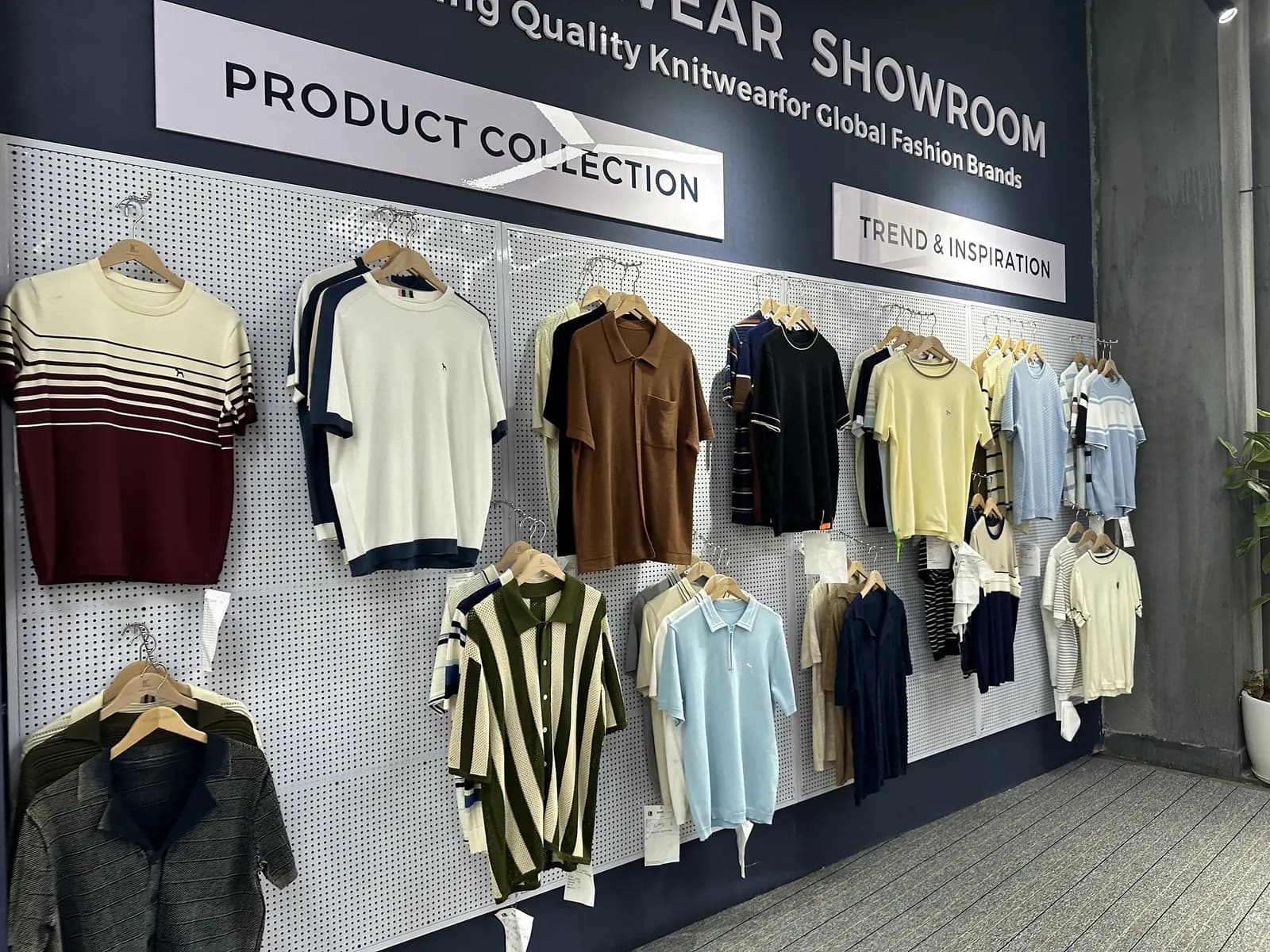
Men's Knit Polo Development Guide
Updated 10/9/202612 min readBy Simon Liu · Licheng Knitwear
How to develop a men's knit polo, from collar and placket to yarn and gauge, for B2B apparel brands building spring/summer and year-round ranges.
How to develop a men's knit polo, from collar and placket to yarn and gauge, for B2B apparel brands building spring/summer and year-round ranges.
Our team is ready to support your brand from concept to delivery.
Discuss Your ProjectThe knit polo has become one of the most versatile pieces in men's wear, bridging casual and smart in a way few garments manage. For brands, a well-developed knit polo can anchor a spring/summer range or extend a year-round collection. This guide covers how to develop a men's knit polo that fits your market, from collar and placket to yarn and gauge.
A knit polo lives in the details. The collar, placket and yarn weight are what separate a premium knit polo from a basic one.
💬 Sourcing this for an upcoming project? Request a free quote → · MOQ 30 pcs · Sample in 15–25 days · WhatsApp us
Unlike a woven pique polo, a knit polo is fully knitted, giving it a softer handfeel, more drape, and a more elevated, fashion-forward look. That makes it ideal for brands positioning above basic activewear. The knit construction also lets you play with texture, gauge and collar styles that a woven polo cannot match.
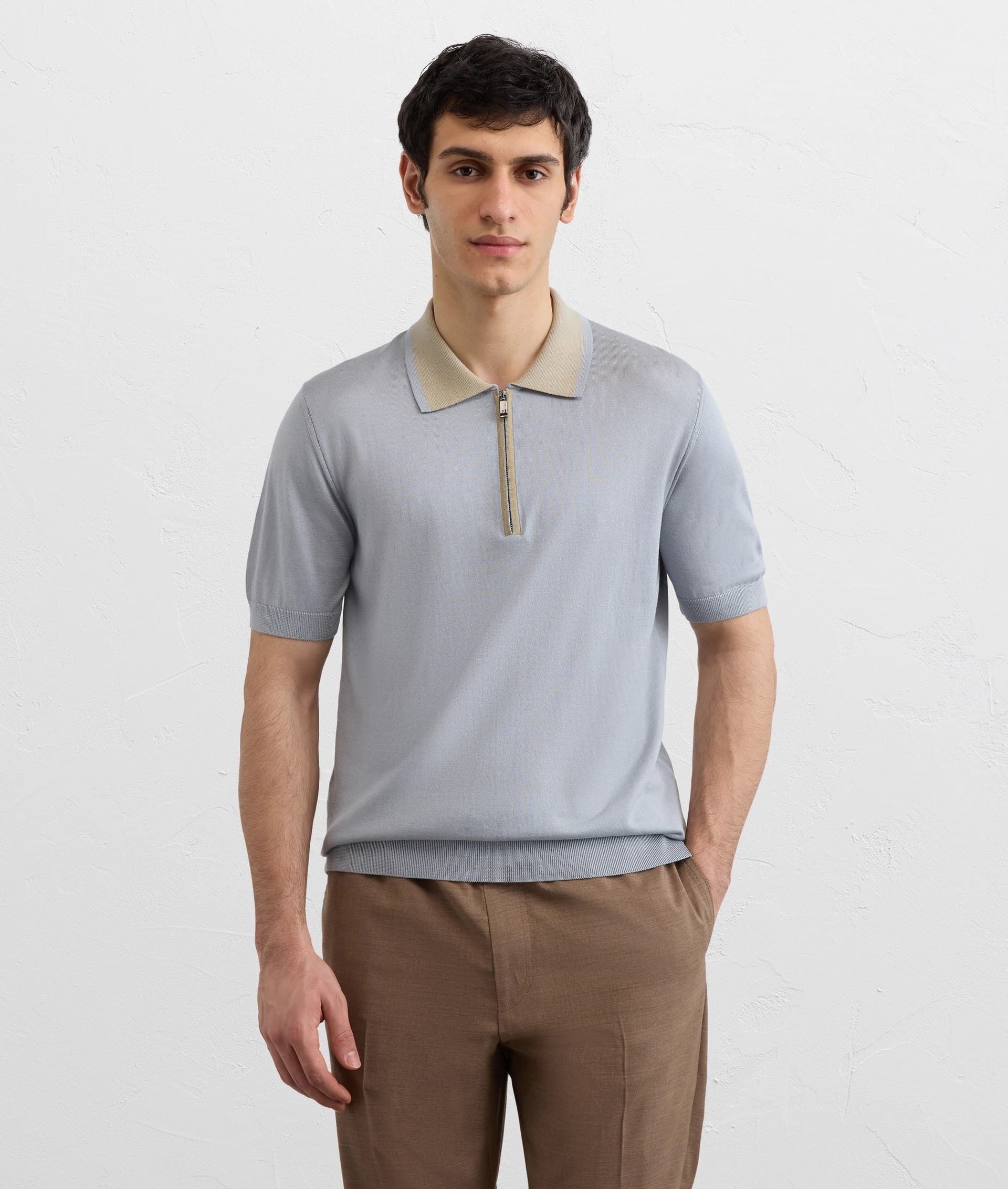
| Element | Options | Effect |
|---|---|---|
| Collar | Ribbed, johnny, contrast | Sets formality |
| Placket | Button, half-zip, quarter-zip | Casual to sporty |
| Sleeve | Short, long | Season |
| Gauge | Fine 12GG to mid 7GG | Weight and drape |
| Yarn | Cotton, cotton blend, merino | Season and price |
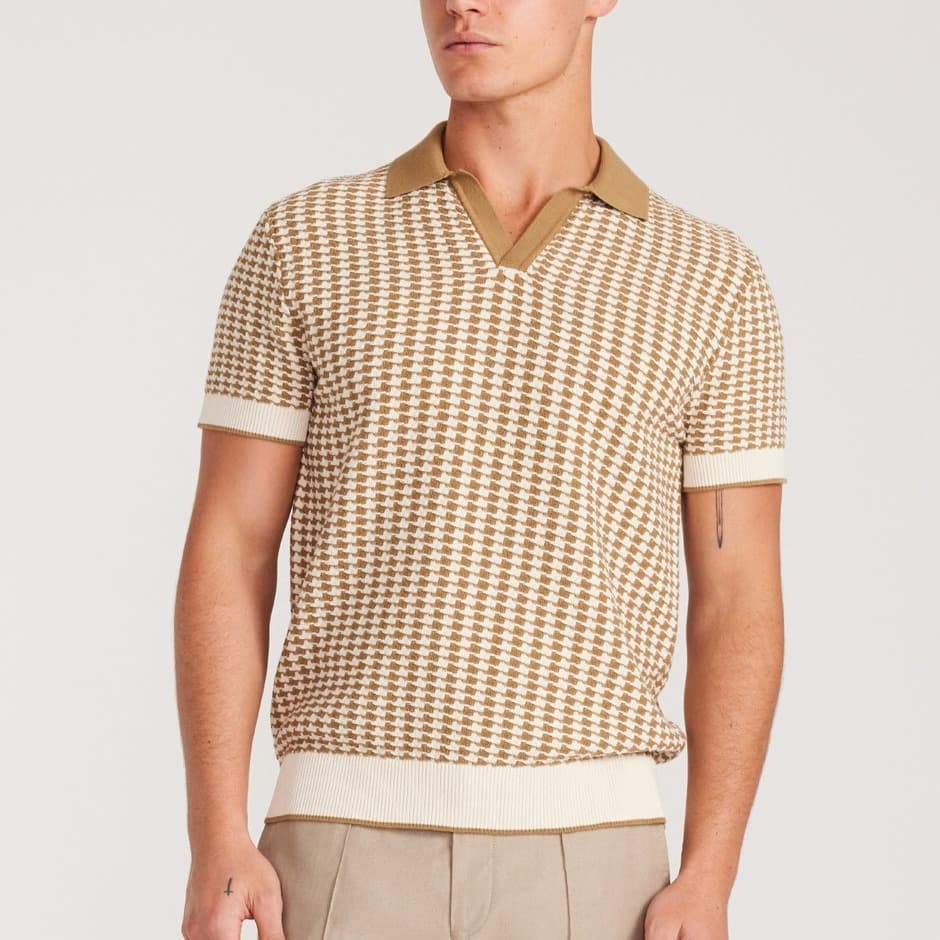
The collar defines the polo's character. A ribbed knit collar is classic; a johnny collar (buttonless) reads relaxed and modern; a contrast-color collar adds a sporty retro touch. The placket follows: a traditional button placket is timeless, while a half-zip or quarter-zip gives a sportier, contemporary look, see our half-zip development guide.
Knit polos usually work best at finer gauges (12GG, or 7GG for more substance) to keep them lightweight and refined. Cotton and cotton blends suit spring/summer breathability; merino adds a premium next-to-skin feel; a touch of elastane or nylon improves shape retention at the collar and cuffs. See our yarn selection guide and gauge guide.
Check these at sampling against our QC checklist.
Most buyer programs land on one of three builds. Use this as a starting frame, then tune fiber and collar finish to your price target.
| Spec | Smart-Casual Premium | Resort / Lifestyle | Sport-Inspired |
|---|---|---|---|
| Gauge | 12GG | 7GG | 7GG–12GG |
| Fiber | Merino or mercerized cotton | 100% cotton or cotton blend | Cotton/nylon technical blend |
| Collar | Tipped ribbed | Johnny (buttonless) | Ribbed with contrast |
| Placket | 2–3 button | 2 button | Quarter- or half-zip |
| Sleeve | Short or long | Short | Short |
| Best season | Year-round / transitional | Spring/summer, resort | Spring/summer |
| Relative cost | Higher | Mid | Mid–higher |
Across all three, our published terms hold: MOQ from 30 pcs, sampling in 15–25 days, and bulk production in 30–45 days once your sample is approved. Fibers run cotton, wool, merino, cashmere and their blends, acrylic, and recycled yarns; recycled options can be supplied against our GRS certification, alongside OEKO-TEX Standard 100, ISO 9001 and GOTS.
Say you are developing a smart-casual men's polo at 12GG in mercerized cotton, short sleeve, tipped collar, 3-button placket, in three colorways. A practical path looks like this:
1. Brief and tech pack — share measurements, target landed price and reference samples; a sketch is enough for our ODM team to spec it. 2. Sampling (15–25 days) — first sample per colorway; we confirm collar rib tension, placket lay-flat and stitch density. 3. Fit and lab dip approval — sign off fit, handfeel and color, and lock tipping color and button choice. 4. Bulk production (30–45 days) — runs against the approved sample, with the QC checklist applied inline and pre-shipment.
Working backwards from your in-store date, allow about 10–12 weeks from approved brief to ready-to-ship, before freight.
Confirming these before you request a sample shortens the sampling loop and protects your margin:
What is the minimum order quantity for a custom men's knit polo? Our MOQ starts at 30 pieces, and it applies per style. Color and size splits are agreed at the brief stage, which keeps small first orders and test programs feasible.
How long does it take to develop and produce a knit polo? Sampling runs 15–25 days and bulk production 30–45 days after your sample is approved. From an approved brief, plan for roughly 10–12 weeks to ready-to-ship, before freight.
Can you make knit polos with recycled or certified yarns? Yes. We offer recycled yarns and can supply them under our GRS (Global Recycled Standard) certification, and we also hold OEKO-TEX Standard 100 and ISO 9001 for assurance on safety and quality systems.
Licheng Knitwear develops men's knit polos across collar, placket, gauge and yarn options, in OEM and ODM, for B2B buyers. Browse our knit polos or request a quote.
---
If you're planning a real project around any of the points above, we'd be glad to take a quick look. Send a short brief and we'll come back within one business day with a practical direction, MOQ + lead time estimate, and a sample plan if it makes sense.
→ Request a free quote · Download the men's knitwear catalog · WhatsApp us · info@lcgarment.cn
Johnny-collar, button-placket, zip and long- or short-sleeve knit polos in cotton, cotton-silk, merino and blends, with custom collars, trims and labels.
Cotton and cotton-silk for breathable spring-summer polos; merino for year-round. We knit fine gauges (12-14GG) for a clean polo surface.
From 30 pieces per colour, samples 15-25 days, bulk 30-45 days.
We focus on men's sweaters, cardigans, knit jackets, jacquard knitwear and private label knitwear. We support B2B buyers with OEM/ODM development, sampling and bulk production planning.
Ready sample styles and selected custom programs can support lower-risk trials before larger seasonal orders.
Yes. Brands, including new labels preparing a first collection, can pay for a sample and see it before placing a production order. Two routes: a ready sample of a published style at USD 60 per piece in about 7 days, or a development sample from your tech pack at USD 150 per style, covering yarn sourcing, knit programming, one prototype and one revision round, in 15-25 days. Cashmere and mohair styles are quoted individually and shipping is charged at cost. Production starts only after you approve the physical sample, at our minimum of 30 pieces per colour with sizes mixed inside the 30. A sample does not commit you to a production run; we do not make garments for personal use.
Get a free catalog or submit an RFQ today. Our team will respond within 24 hours.
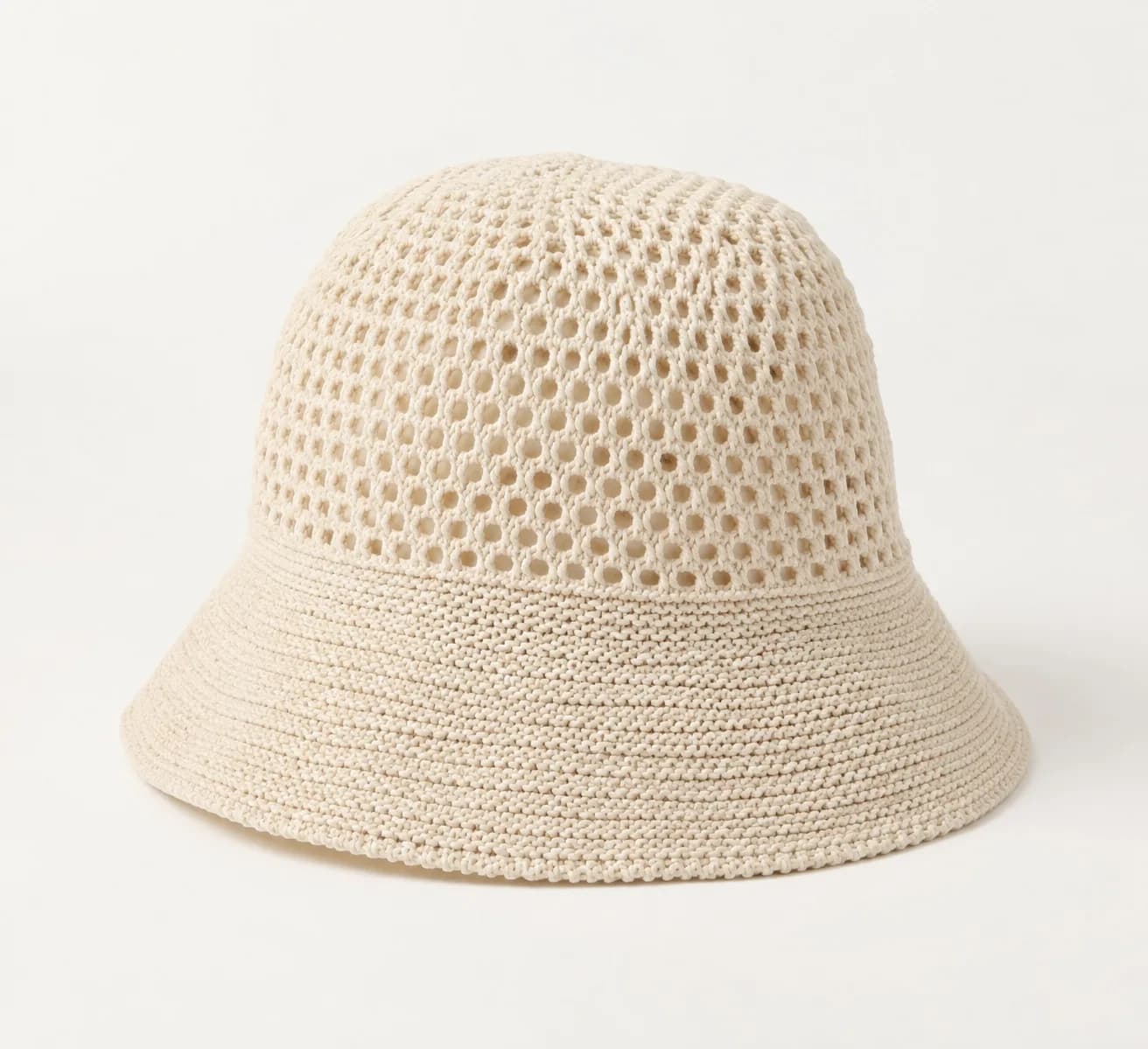
Knit Accessories
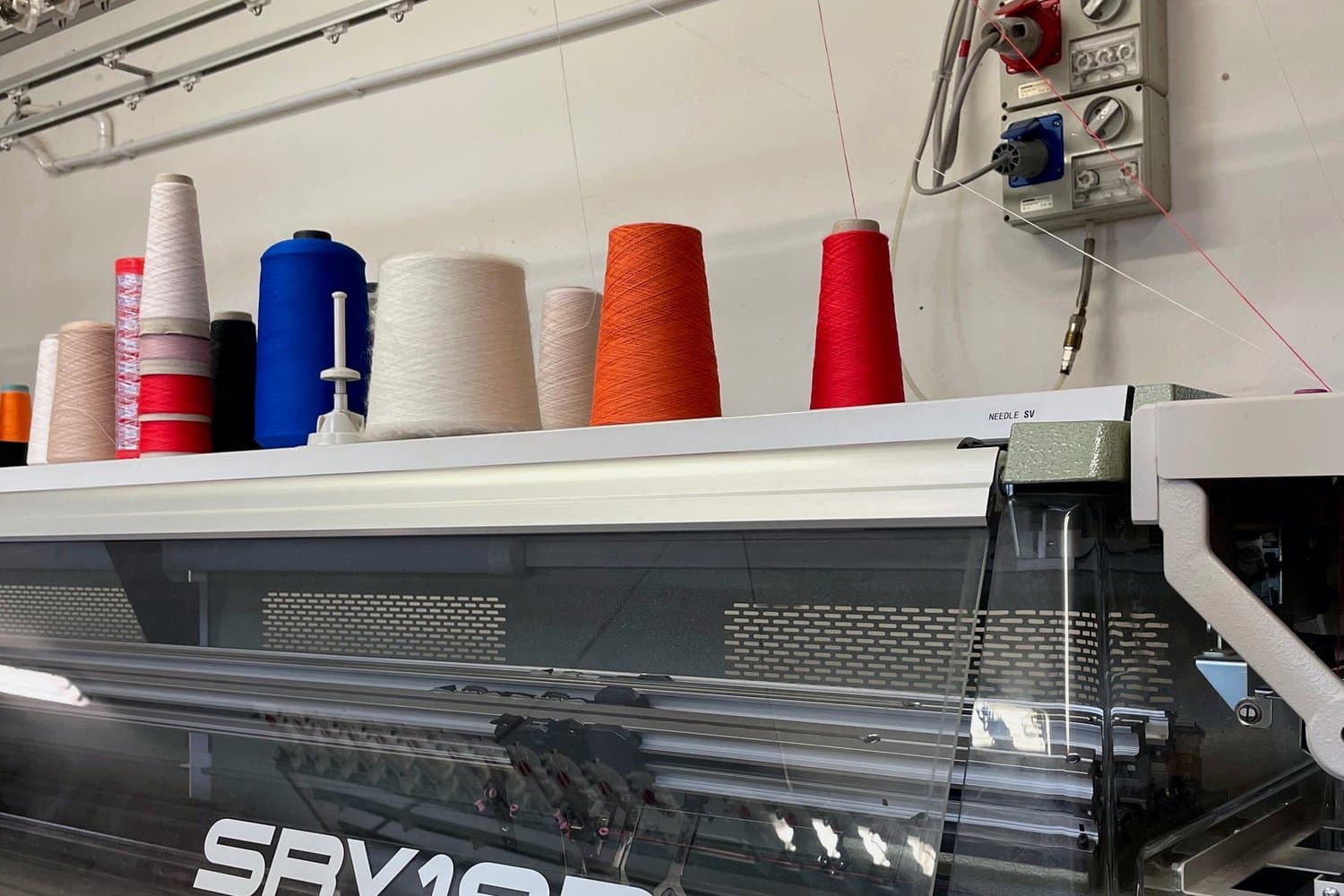
MOQ, lead time, cost ranges, gauge selection and QC checkpoints across typical OEM/ODM knitwear programs in NA + EU. Enter your email — we'll send you the report link in 30 seconds.
No spam. Unsubscribe with one reply. We use your email only to send you the report and follow up if you want a sourcing conversation.
Brand names shown are previously serviced OEM/ODM partners. Logos are decorative and do not imply current endorsement.