A sweater can use perfect yarn and flawless construction and still fail commercially if the fit and sizing are wrong for the customer. Sizing and grading are where many knitwear programs quietly lose returns and reorders. This guide helps B2B buyers get fit, size specs and grading right across a range.
Fit is the silent dealbreaker. Customers rarely complain that a sweater fits well, but they always return one that does not.
Three related but distinct things drive how a sweater fits:
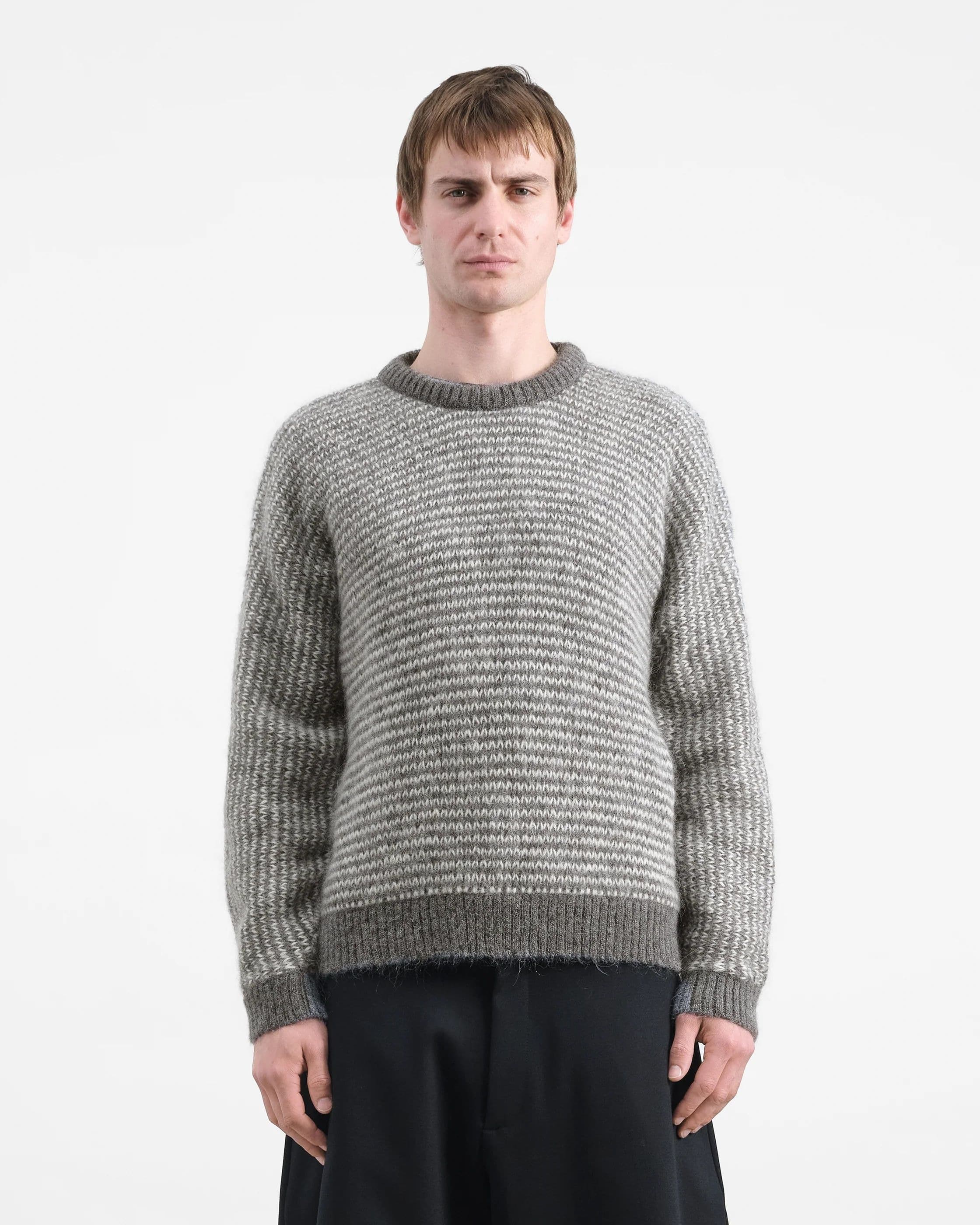
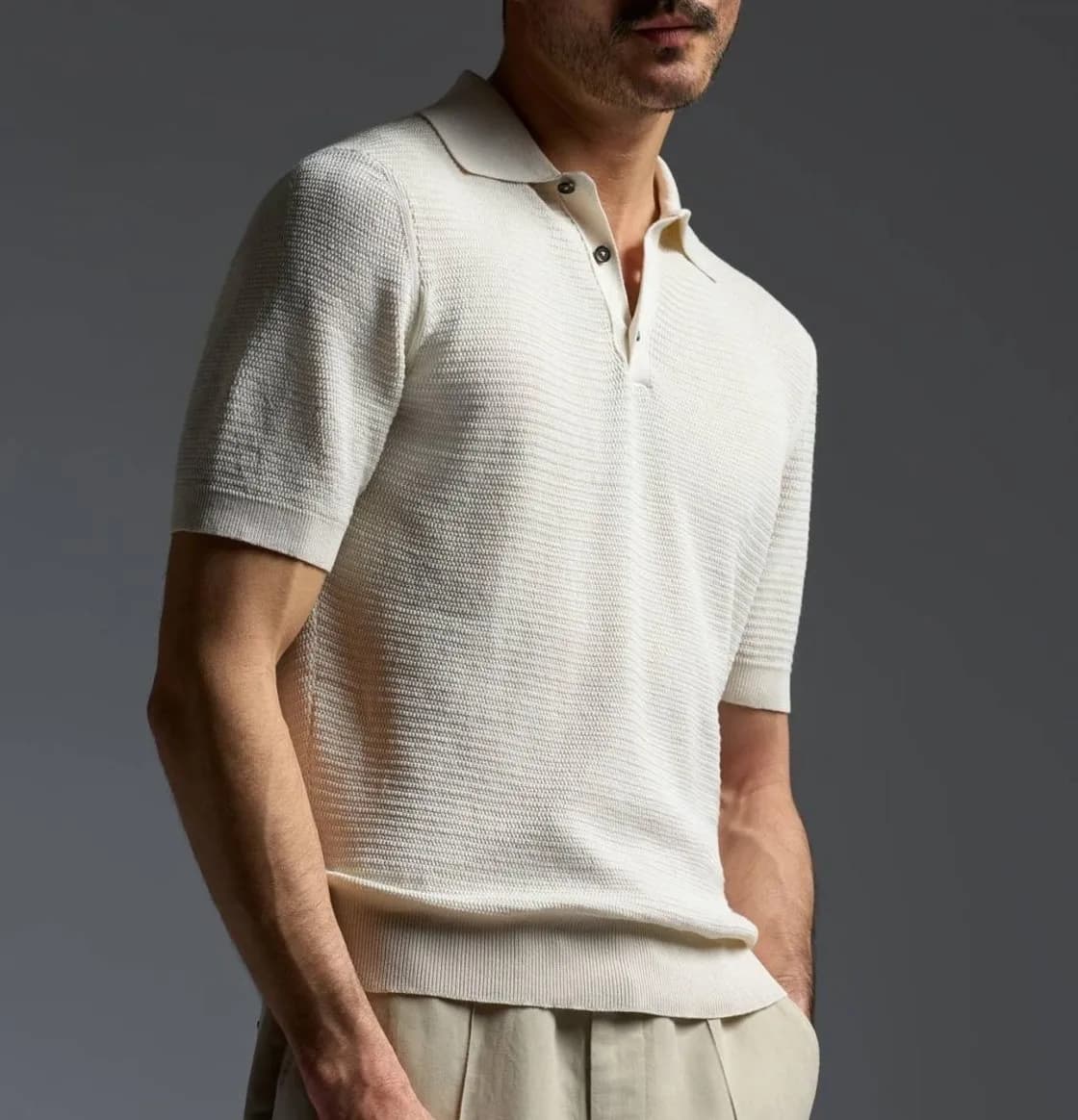
Fit is the intended silhouette, slim, regular or relaxed.
Size spec is the exact measurements for each size (chest, length, sleeve, etc.).
Grading is how those measurements step up or down between sizes.
Getting all three right, and consistent, is what makes a range fit predictably.
A clear fit block and consistent grading make a range fit predictably across every size.
Define Your Fit Block First
Before any measurements, decide the silhouette for your customer and market. North American buyers often prefer relaxed fits; European buyers lean slimmer, see our market sourcing guide. Your fit block, the base set of proportions, anchors the whole size range, so set it deliberately with a fit sample on a real body or form.
Build a Complete Size Spec
For each size, specify the key points of measure with tolerances:
Measurement
Why it matters
Chest width
Primary fit driver
Body length
Silhouette and proportion
Sleeve length
Common return reason if wrong
Shoulder width
Affects how the sweater sits
Neck opening
Comfort and appearance
Cuff and hem
Shape retention
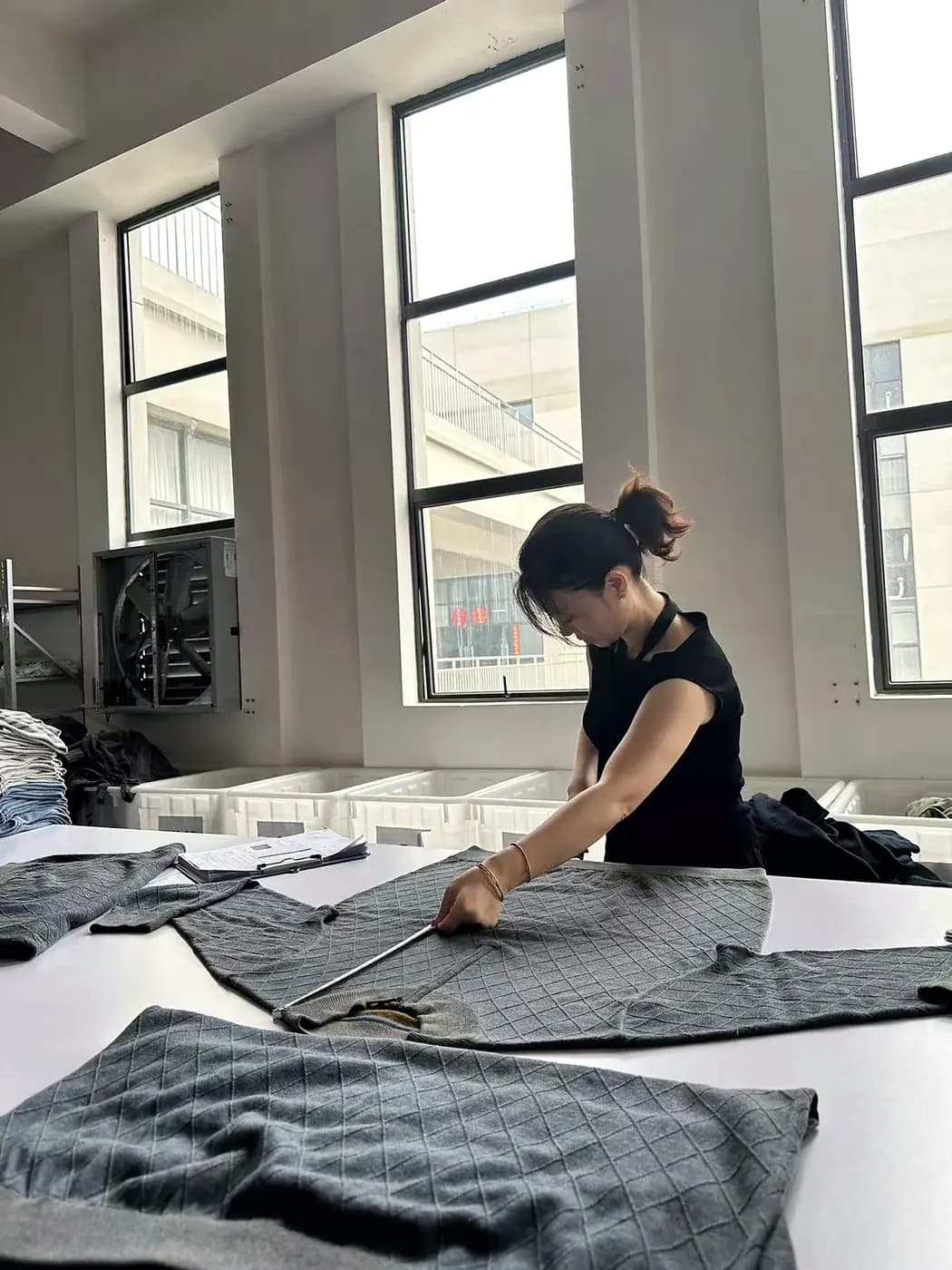
State how each point is measured to remove ambiguity, and set tolerances (for example +/- 1cm) so production has a clear pass/fail, as covered in the QC checklist.
Grade Consistently Across Sizes
Grading is the increment between sizes, for example chest growing by a set amount per size up. Inconsistent grading produces sizes that fit unpredictably even when each individual spec looks fine. Knitwear grading must account for the stretch and recovery of the knit, which is why a knit grade differs from a woven one. A capable factory grades to your fit block and confirms it across the full size set in a size-run sample.
Validate With a Fit and Size-Run Sample
Approve a fit sample on your target body before bulk, then a size-run to confirm grading across the range. This is part of the standard sampling sequence, see our sampling lead time guide. Skipping the size run is a common, expensive mistake.
Sizing Across Markets
If you sell in both North America and Europe, plan separate size specs rather than relabeling one curve, sizing systems and fit expectations differ. Carry the right curve for each market.
A Worked Grading Example, S Through XL
It helps to see grading on paper before committing to a sample. The table below shows a typical regular-fit men's crew neck. The numbers are illustrative starting points, your fit block sets the actual base.
Point of measure
S
M
L
XL
Grade step
Chest width (half)
52cm
54.5cm
57cm
59.5cm
+2.5cm/size
Body length
66cm
68cm
70cm
72cm
+2cm/size
Sleeve length
60cm
61.5cm
63cm
64.5cm
+1.5cm/size
Shoulder width
44cm
45.5cm
47cm
48.5cm
+1.5cm/size
Two points worth flagging. First, grade steps do not have to be identical for every measurement, sleeve and shoulder usually grow more slowly than chest. Second, because knit fabric stretches and recovers, a grade that looks tidy on the spec sheet can still feel off on the body. That is why the size-run sample exists, to confirm the math translates to real garments at your chosen gauge and fiber. The same discipline applies across our 3GG–18GG range and across cotton, wool, merino, cashmere, blends, acrylic and recycled yarns.
Pre-Bulk Sizing Checklist
Run through this before you release a knitwear order to production:
Fit block confirmed on a real body or form for your target market.
Full size spec written with every point of measure and a stated measuring method.
Tolerances set (for example +/- 1cm) so QC has a clear pass/fail.
Grade steps documented per measurement, not assumed to be uniform.
Fit sample approved, then a size-run sample approved across the whole range.
Separate curves carried for North America and Europe if you sell both.
Spec locked into the QC plan so bulk is measured against the same numbers.
Working this list through up front is the cheapest insurance against return rates. With samples in 15–25 days and bulk production in 30–45 days, there is room to approve a size run before committing, and MOQ starts at just 30 pcs, so even a first range can be validated properly.
Common Questions
What measurements matter most for sweater fit?
Chest width is the primary fit driver, followed by body length and sleeve length, the latter being one of the most common return reasons when it is wrong. Shoulder width, neck opening and cuff/hem complete a reliable spec.
Can you grade to my existing size chart?
Yes. We grade to your fit block and size spec, confirm it across the full range in a size-run sample, and account for the stretch and recovery of the knit so the graded sizes fit predictably on the body.
Do I need different size specs for North America and Europe?
If you sell in both, yes. Sizing systems and fit expectations differ, so plan separate specs and curves for each market rather than relabeling a single curve.
Licheng Knitwear develops fit blocks, full size specs and consistent grading for B2B knitwear programs in North America and Europe. Request a quote or request a sample.
---
Talk to our team about this
If you're planning a real project around any of the points above, we'd be glad to take a quick look. Send a short brief and we'll come back within one business day with a practical direction, MOQ + lead time estimate, and a sample plan if it makes sense.
Fit is the intended silhouette - slim, regular or relaxed. Size spec is the exact measurements for each size. Grading is how those measurements step up or down between sizes. A range fits predictably only when all three are right and consistent.
In the article's illustrative regular-fit example: half chest grows 2.5 cm per size, body length 2 cm, and sleeve length and shoulder width 1.5 cm each. Your own fit block sets the actual base.
Because knit fabric stretches and recovers. A grade that looks tidy on a spec sheet can still feel off on the body, which is why a size-run sample is used to confirm the grading at the chosen gauge and fibre.
A stated tolerance such as plus or minus 1 cm on each point of measure, with the measuring method written down, so production and QC have a clear pass or fail.
Yes. The fit sample confirms the base size on a real body or form; the size-run confirms the grading across the whole range. Skipping the size run is a common and expensive mistake.
We focus on men's sweaters, cardigans, knit jackets, jacquard knitwear and private label knitwear. We support B2B buyers with OEM/ODM development, sampling and bulk production planning.
Ready to Start Your Project?
Get a free catalog or submit an RFQ today. Our team will respond within 24 hours.
MOQ, lead time, cost ranges, gauge selection and QC checkpoints across typical OEM/ODM knitwear programs in NA + EU. Enter your email — we'll send you the report link in 30 seconds.
No spam. Unsubscribe with one reply. We use your email only to send you the report and follow up if you want a sourcing conversation.
Brand names shown are previously serviced OEM/ODM partners. Logos are decorative and do not imply current endorsement.