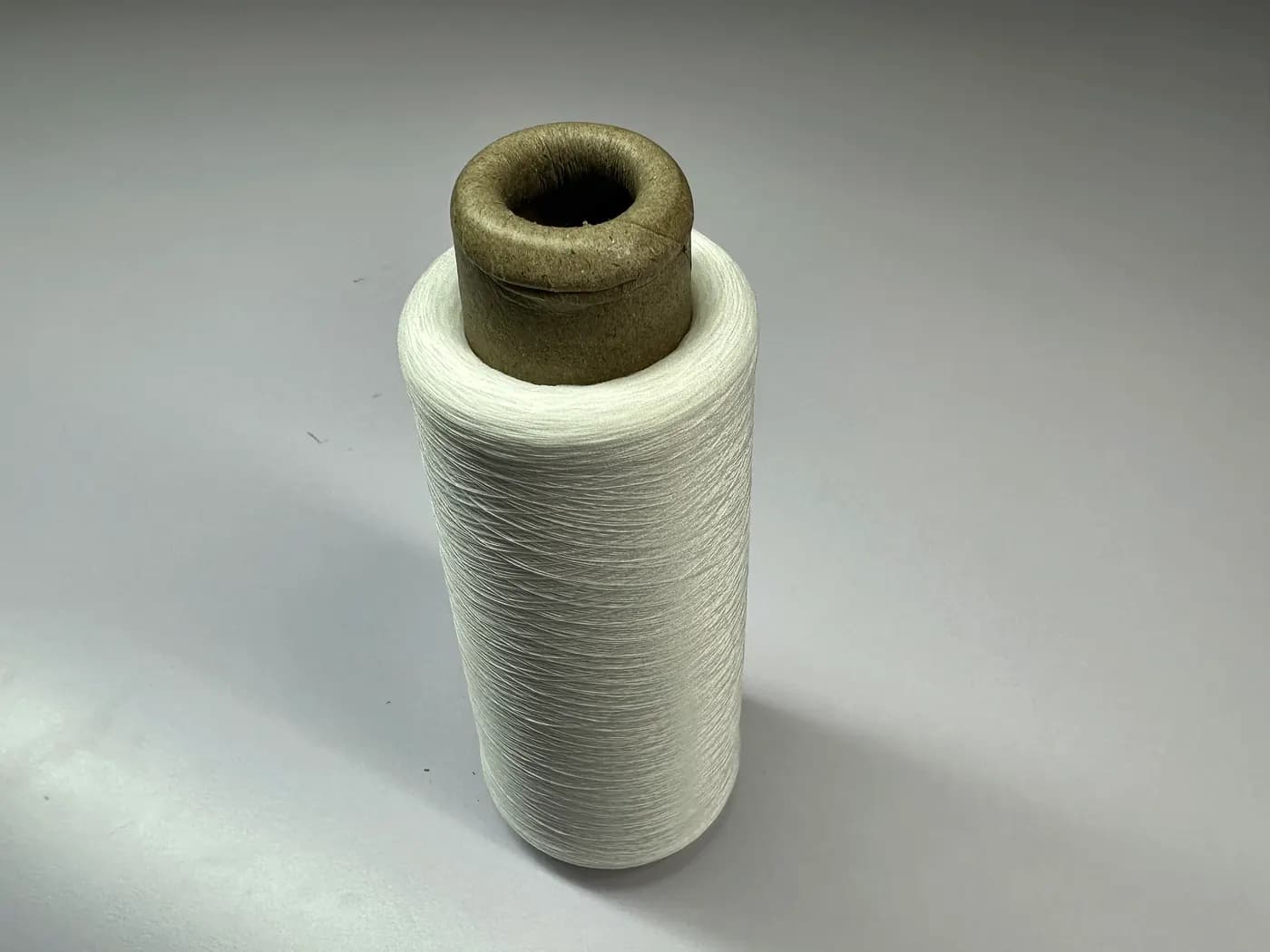
Brushed and Mohair Knitwear Development Guide
Updated 8/18/202612 min readBy Simon Liu · Licheng Knitwear
How to develop brushed, mohair and fuzzy-texture knitwear, covering fiber choices, the brushing process, quality risks and positioning.
How to develop brushed, mohair and fuzzy-texture knitwear, covering fiber choices, the brushing process, quality risks and positioning.
Our team is ready to support your brand from concept to delivery.
Discuss Your ProjectBrushed and mohair-look knitwear has surged in popularity, bringing soft, fuzzy, halo-textured sweaters from runway to high street. For brands, these textured knits offer a distinctive, premium-feeling product. This guide explains brushed and mohair knitwear and how to develop it well.
The magic of a brushed knit is the halo, that soft fuzzy surface. Achieving it consistently is a craft, and getting it wrong looks cheap.
💬 Sourcing this for an upcoming project? Request a free quote → · MOQ 30 pcs · Sample in 15–25 days · WhatsApp us
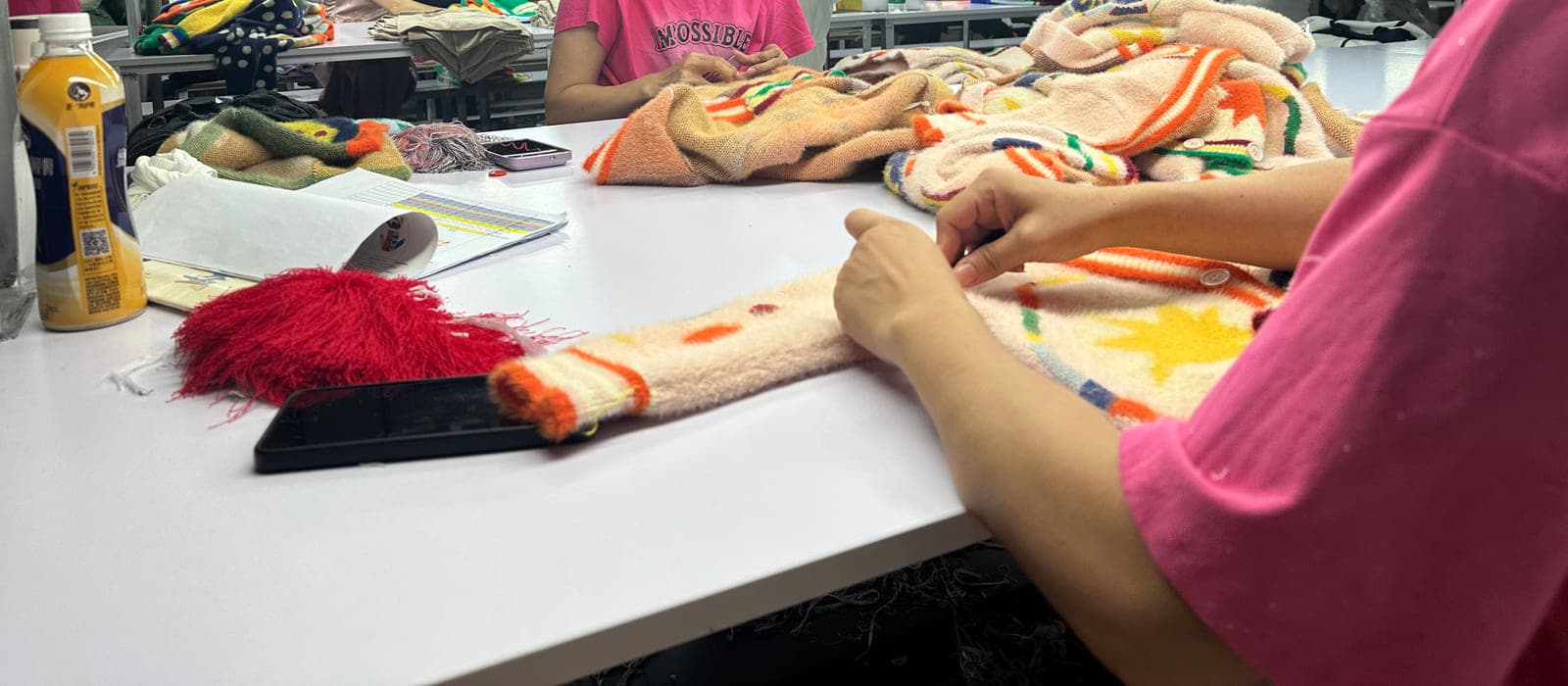
The soft, hairy surface comes either from the fiber itself (mohair, alpaca, brushed wool) or from a brushing process that raises fibers after knitting to create a halo. True mohair comes from the Angora goat and has a natural luster and softness; brushed acrylic or wool blends mimic the look at lower cost.
| Source | Character | Cost |
|---|---|---|
| Mohair | Lustrous, soft halo, premium | High |
| Alpaca | Soft, warm, subtle halo | Medium-high |
| Brushed wool | Warm, fuzzy | Medium |
| Brushed acrylic blend | Affordable halo look | Low |
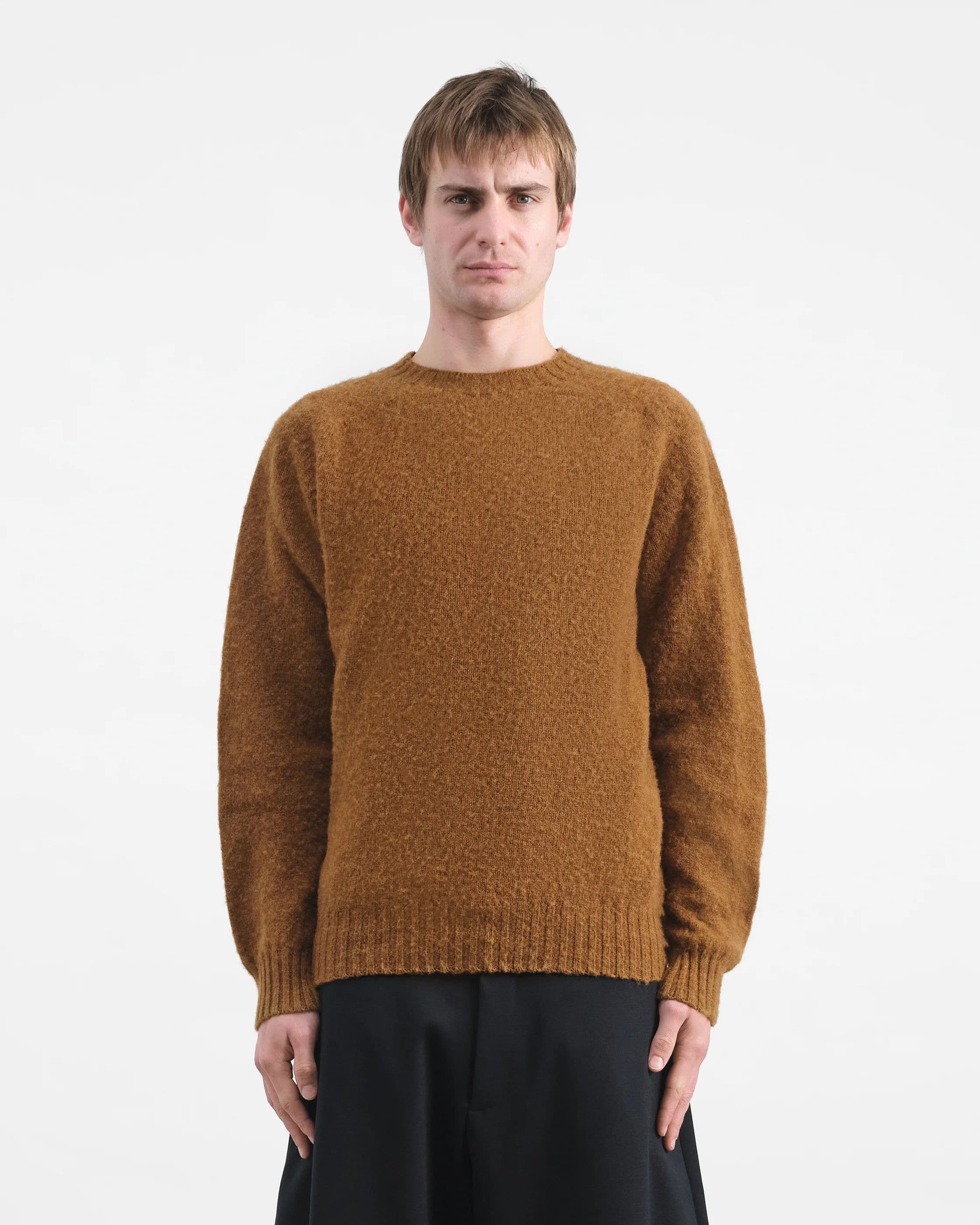
Pure or high-mohair yarns give the most luxurious halo and luster, with the price to match. Brushed wool and brushed acrylic blends deliver a similar fuzzy look at a fraction of the cost, ideal for fashion-led, trend-driven pieces where the look matters more than the fiber story. Decide based on positioning and price, see our yarn guide.
Brushed knitwear has specific quality challenges:
Always approve a sample that shows the final brushed surface, not an un-brushed proto, and test for shedding and pilling.
Brushed and mohair pieces need clear care guidance, both for the wearer and to protect your returns rate. Specify gentle hand-wash or dry-clean as the yarn requires, and consider a small care card explaining that a little initial shedding is normal and that a soft fabric comb revives the halo. Getting the care label and message right heads off "it's shedding" or "it's pilling" complaints on what is otherwise a premium-feeling product.
Brushed and mohair knits read fashion-forward and tactile, the kind of piece a customer reaches out to touch. They suit:
For a trend-driven launch, a brushed acrylic blend delivers the look affordably. For premium positioning, invest in real mohair or alpaca and tell the fiber story. Either way, the consistency of the brushed surface is what separates a premium-feeling piece from a cheap one.
Why is my mohair shedding? A little shedding is normal early on; heavy shedding signals lower-quality yarn — test the production yarn before bulk.
Real mohair or brushed acrylic? Mohair for premium positioning and a fiber story; brushed acrylic blend for an affordable, trend-led look.
What is the make-or-break quality detail? Even brushing across the whole garment — a patchy halo reads as defective.
Licheng Knitwear develops brushed, mohair and fuzzy-texture knitwear with attention to even brushing and quality. Browse our sweaters or request a quote.
---
If you're planning a real project around any of the points above, we'd be glad to take a quick look. Send a short brief and we'll come back within one business day with a practical direction, MOQ + lead time estimate, and a sample plan if it makes sense.
→ Request a free quote · Download the men's knitwear catalog · WhatsApp us · info@lcgarment.cn
Through brushing/raising the surface of mohair or brushed-yarn knits, creating a soft halo. We control the brush level so it survives wash and wear.
No - brushed acrylic or wool blends can achieve a similar fuzzy hand at lower cost; real mohair gives a finer, longer halo. We offer both.
Brushed surfaces can pill more; we pair them with anti-pill treatment and yarn selection to keep the hand without excessive shedding.
We focus on men's sweaters, cardigans, knit jackets, jacquard knitwear and private label knitwear. We support B2B buyers with OEM/ODM development, sampling and bulk production planning.
Ready sample styles and selected custom programs can support lower-risk trials before larger seasonal orders.
Yes. Brands, including new labels preparing a first collection, can pay for a sample and see it before placing a production order. Two routes: a ready sample of a published style at USD 60 per piece in about 7 days, or a development sample from your tech pack at USD 150 per style, covering yarn sourcing, knit programming, one prototype and one revision round, in 15-25 days. Cashmere and mohair styles are quoted individually and shipping is charged at cost. Production starts only after you approve the physical sample, at our minimum of 30 pieces per colour with sizes mixed inside the 30. A sample does not commit you to a production run; we do not make garments for personal use.
Get a free catalog or submit an RFQ today. Our team will respond within 24 hours.
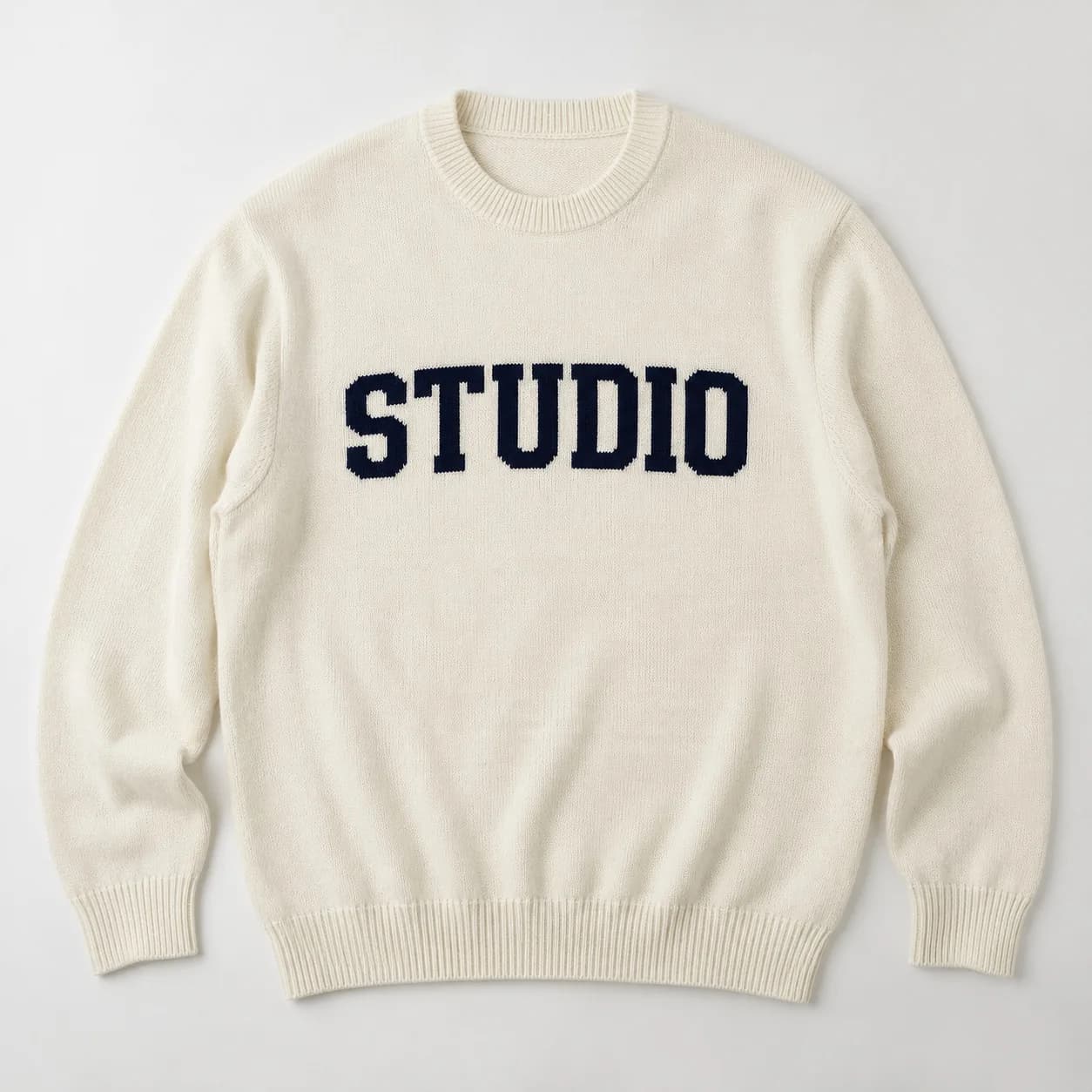
Men's Sweaters
MOQ, lead time, cost ranges, gauge selection and QC checkpoints across typical OEM/ODM knitwear programs in NA + EU. Enter your email — we'll send you the report link in 30 seconds.
No spam. Unsubscribe with one reply. We use your email only to send you the report and follow up if you want a sourcing conversation.
Brands We've Worked With


Brand names shown are previously serviced OEM/ODM partners. Logos are decorative and do not imply current endorsement.