Men's Knitwear Trends: A Buyer's Guide to Core and Trend
Updated 5/31/202612 min readBy Licheng Knitwear Team
How B2B buyers can balance core and trend in men's knitwear, covering enduring directions, recurring themes and how to buy trend without the risk.
1. Overview
How B2B buyers can balance core and trend in men's knitwear, covering enduring directions, recurring themes and how to buy trend without the risk. This guide walks you through the manufacturing journey with Licheng Knitwear.
Buyer Guide Content
Ready to Start Your Project?
Get a free catalog or submit an RFQ today. Our team will respond within 24 hours.
Knitwear is fashion as much as function, and the brands that read trends well buy product that sells through at full price. But chasing every trend is as risky as ignoring them. This guide helps B2B buyers understand the enduring and emerging directions in men's knitwear, and how to balance trend with core.
The smartest knit ranges are mostly timeless with a touch of timely. Core sells reliably; trend creates desire and newness.
Core vs Trend: Get the Balance Right
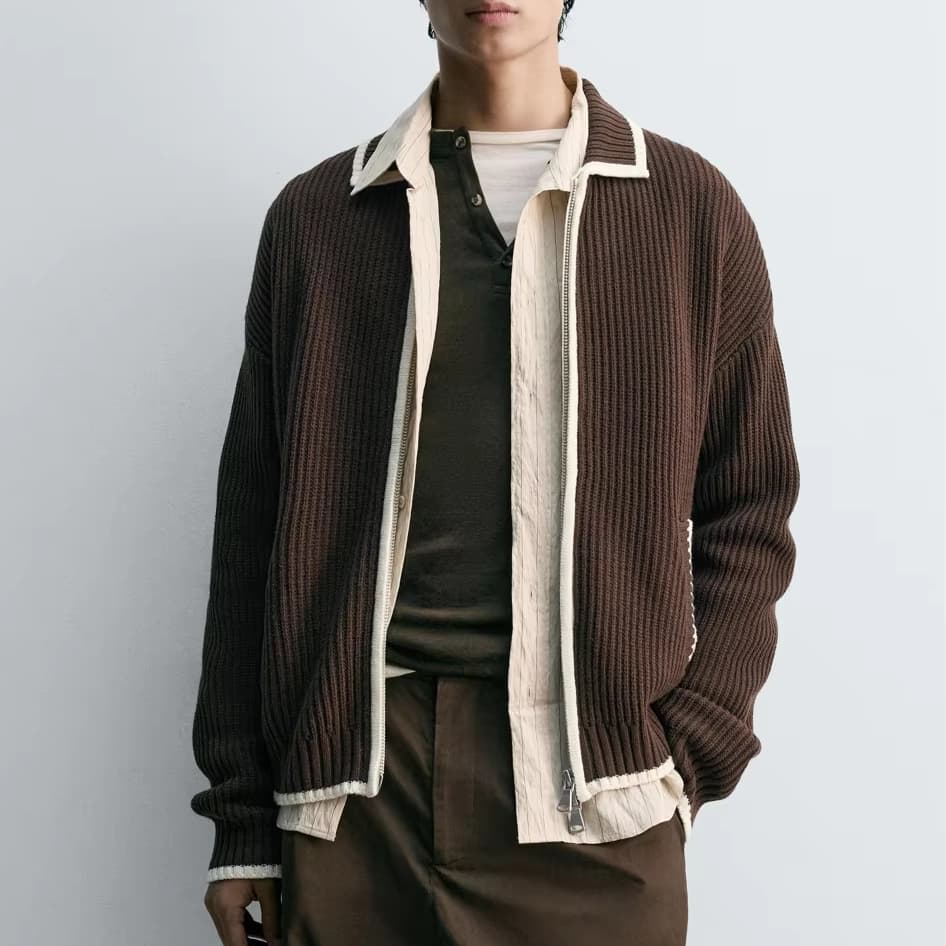
A healthy range is built on a foundation of core styles, crew necks, V-necks, classic cardigans, that sell every season, with a smaller layer of trend pieces that create newness and desire. Over-index on trend and you carry markdown risk; over-index on core and you look stale. A common split is roughly 70% core, 30% trend.
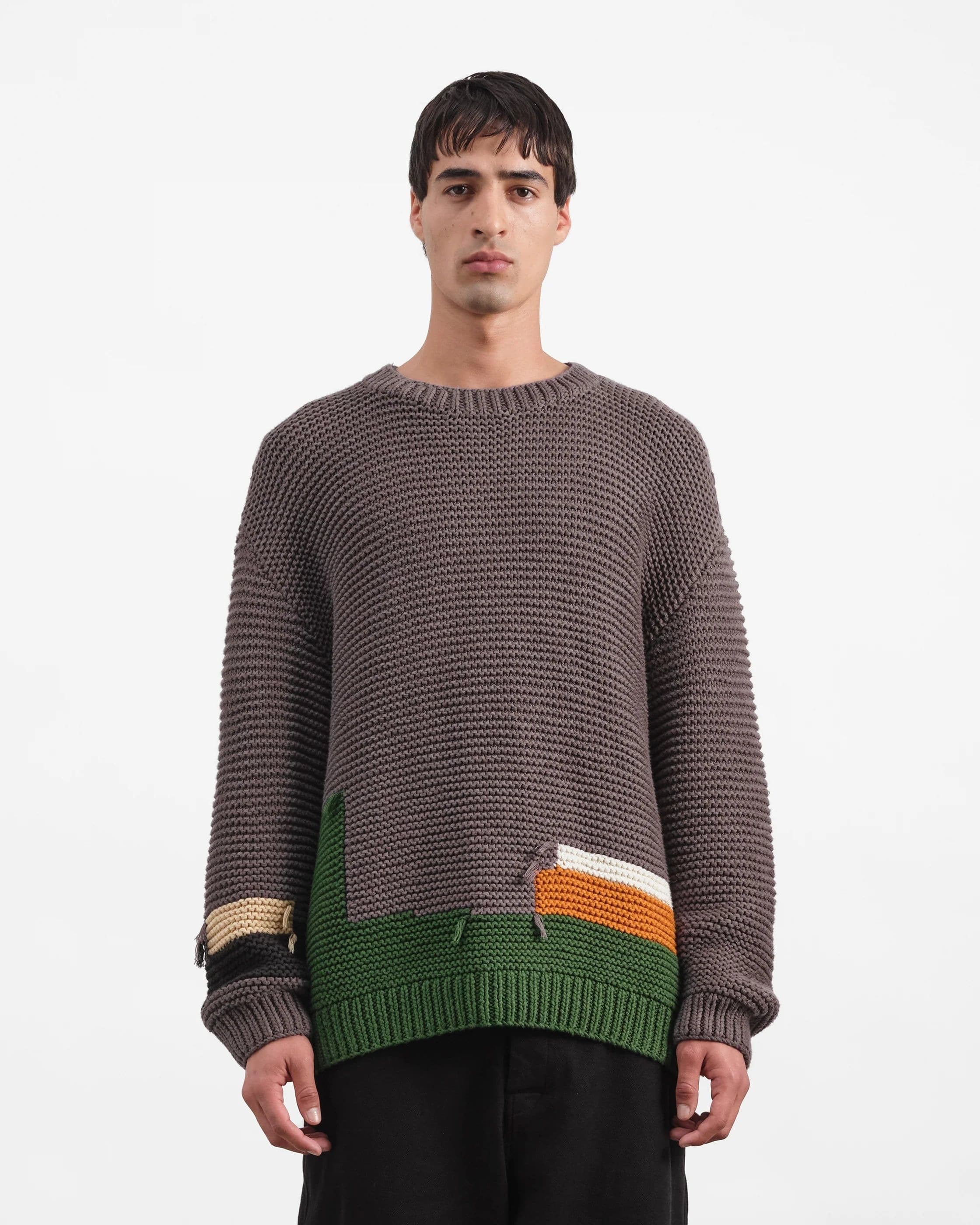
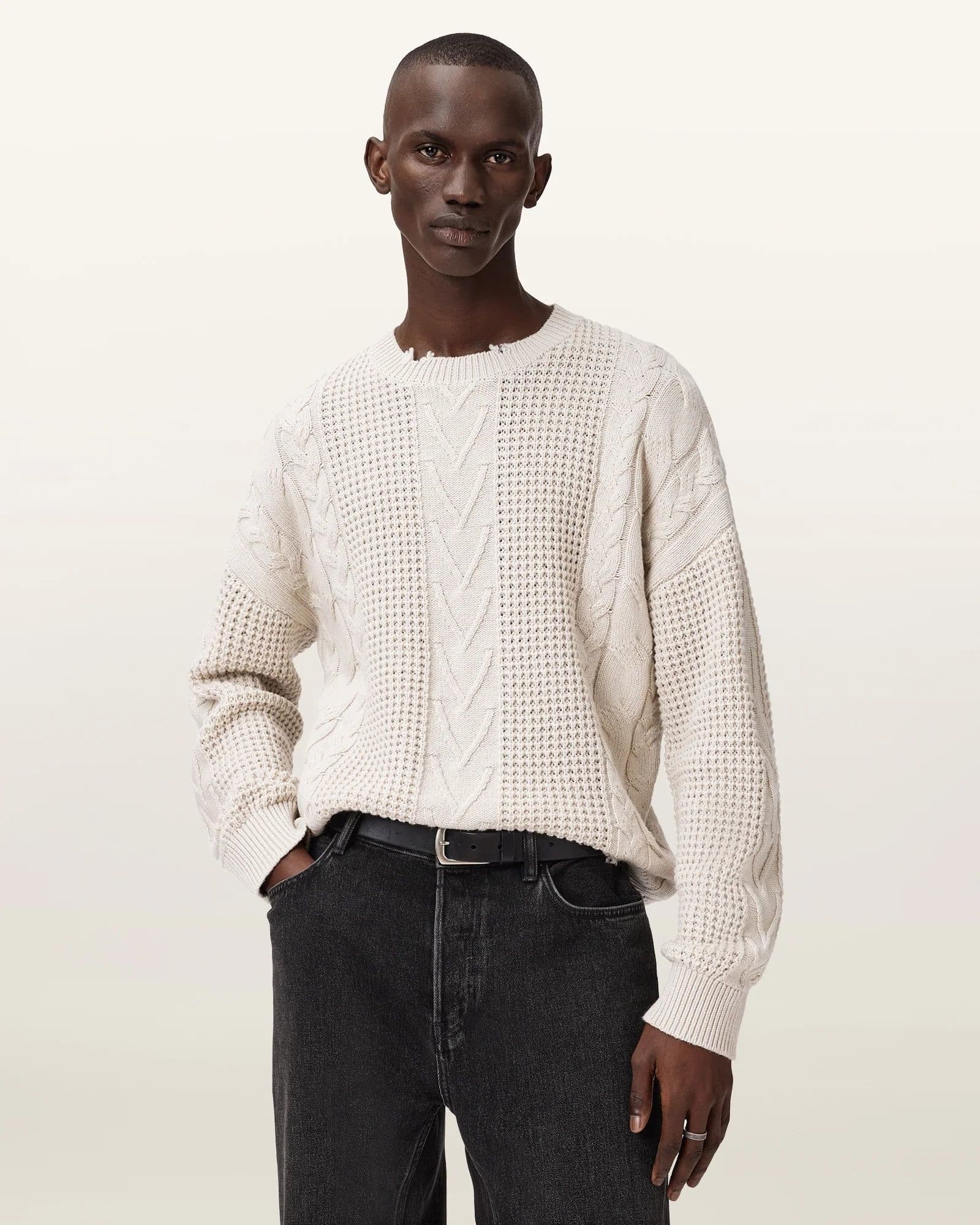
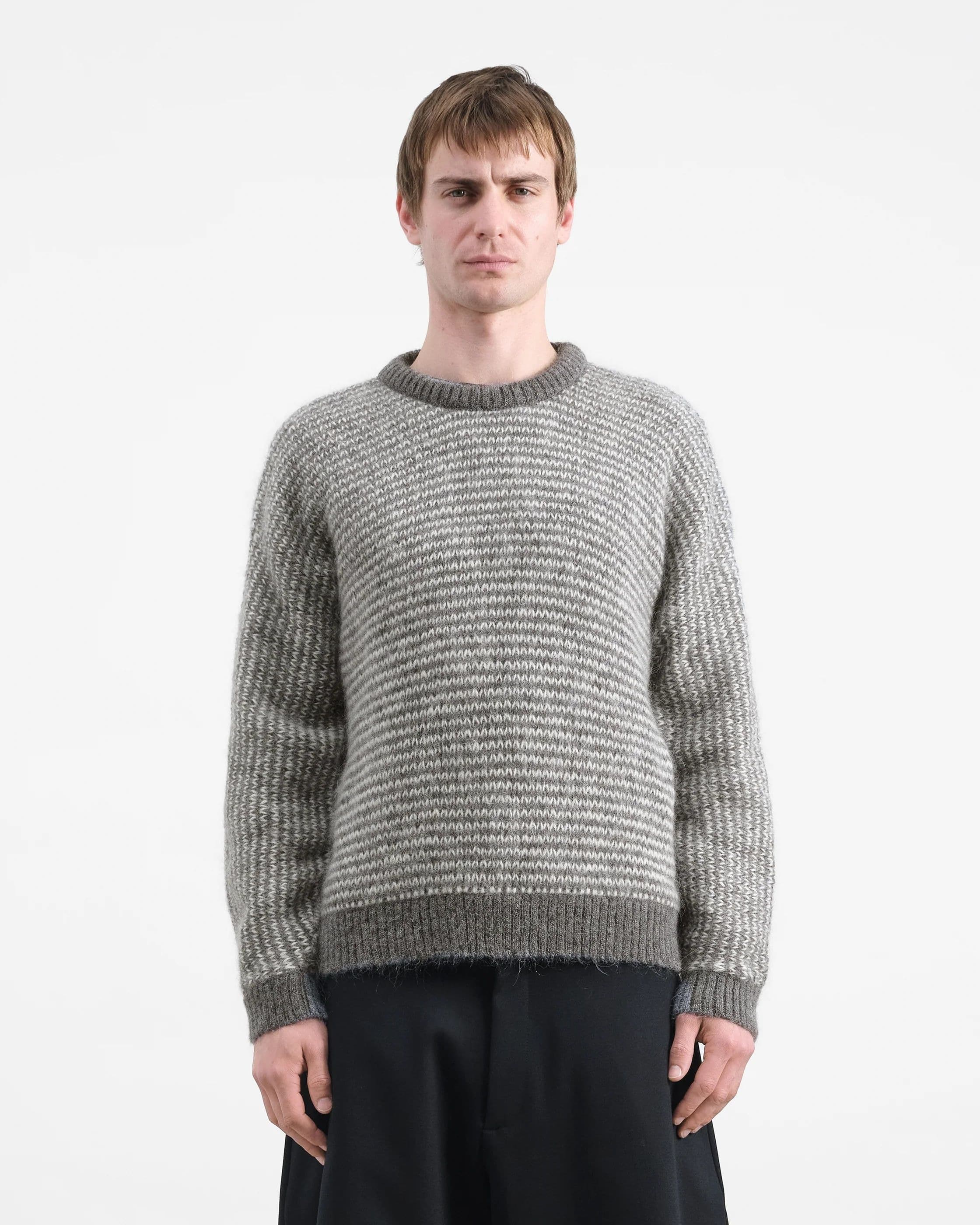
Trend pieces like bold patchwork create desire and newness on top of a reliable core range.
Enduring Directions
Some directions are less trend than long-term shift:
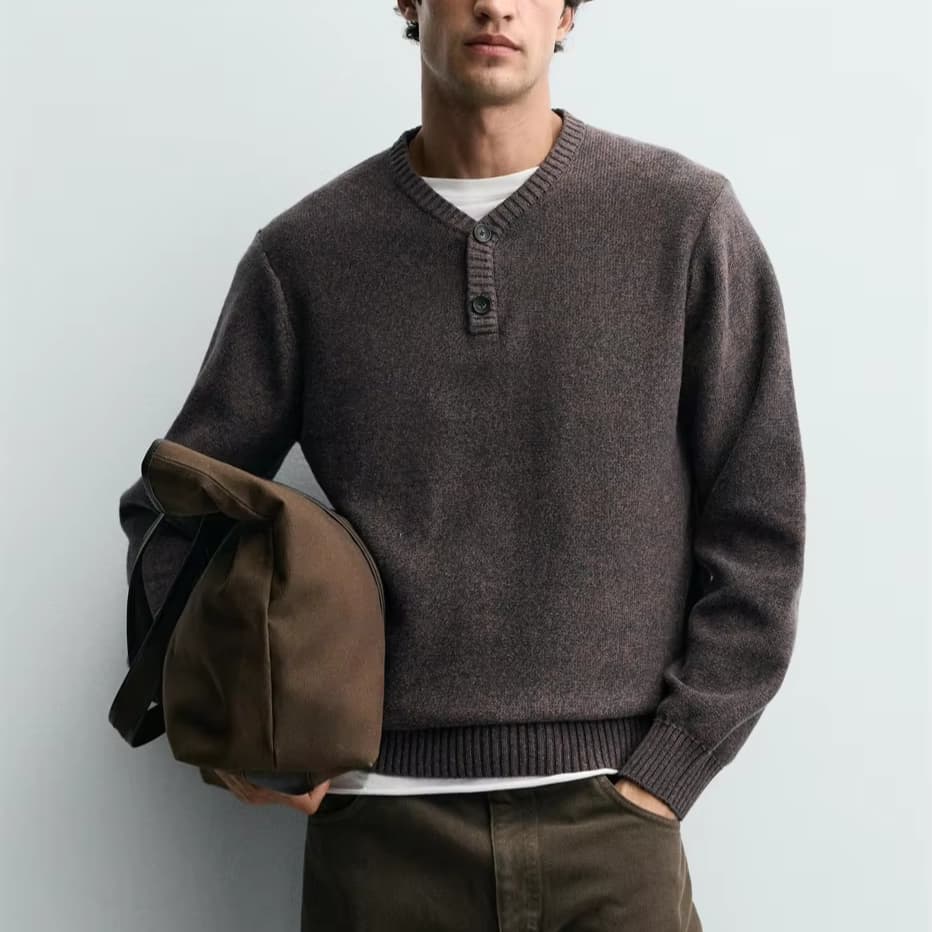
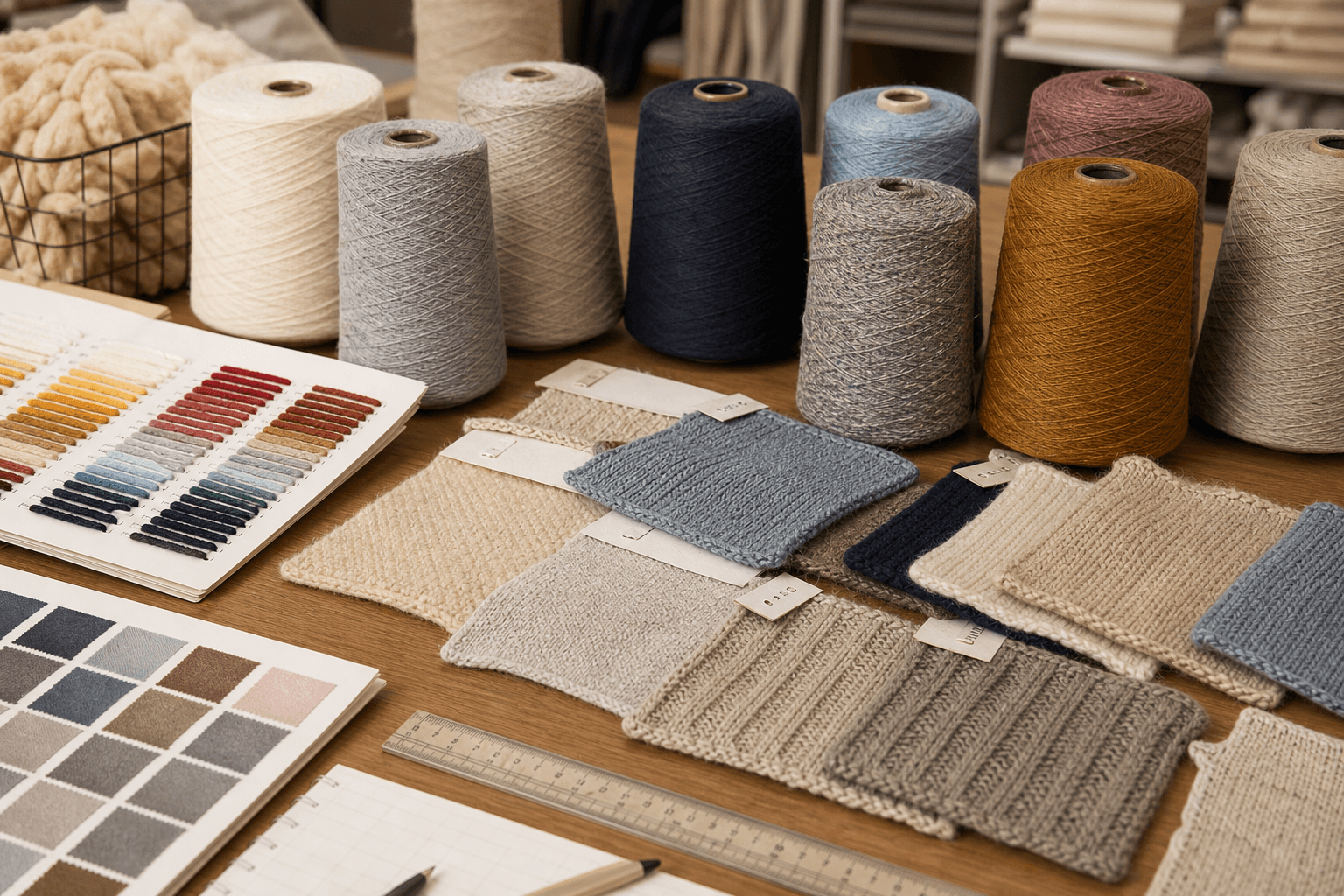
Elevated basics: premium yarns and refined fits on simple shapes, see our merino guide
Texture: cable, waffle, brushed and boucle surfaces add interest, see our brushed knitwear guide
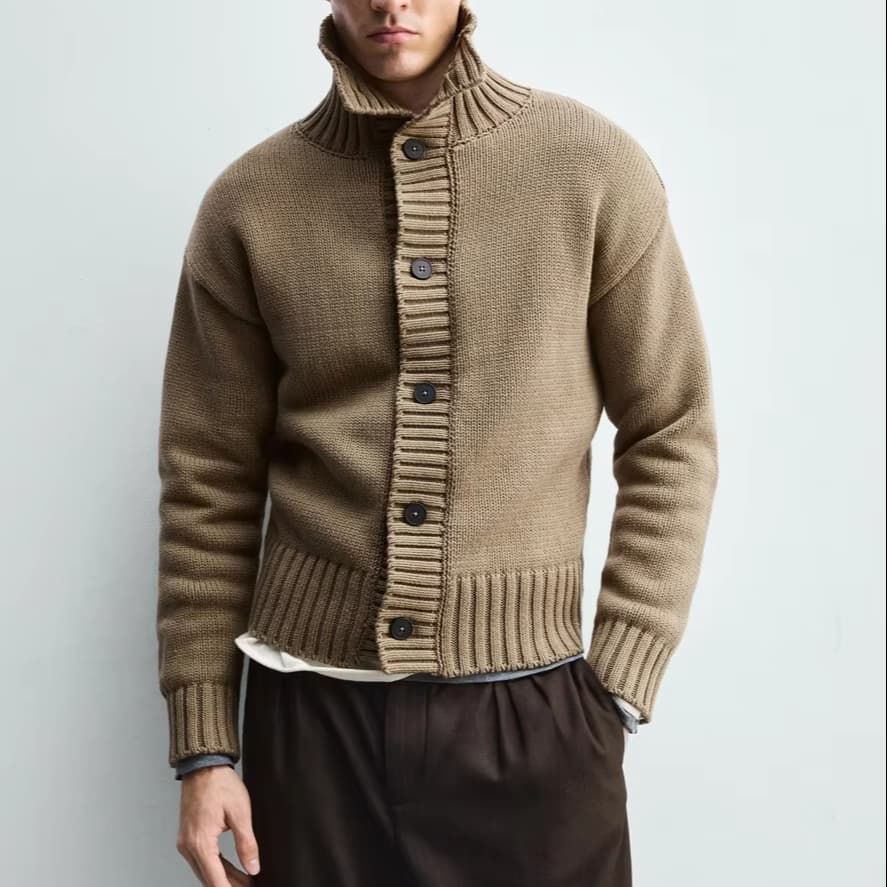
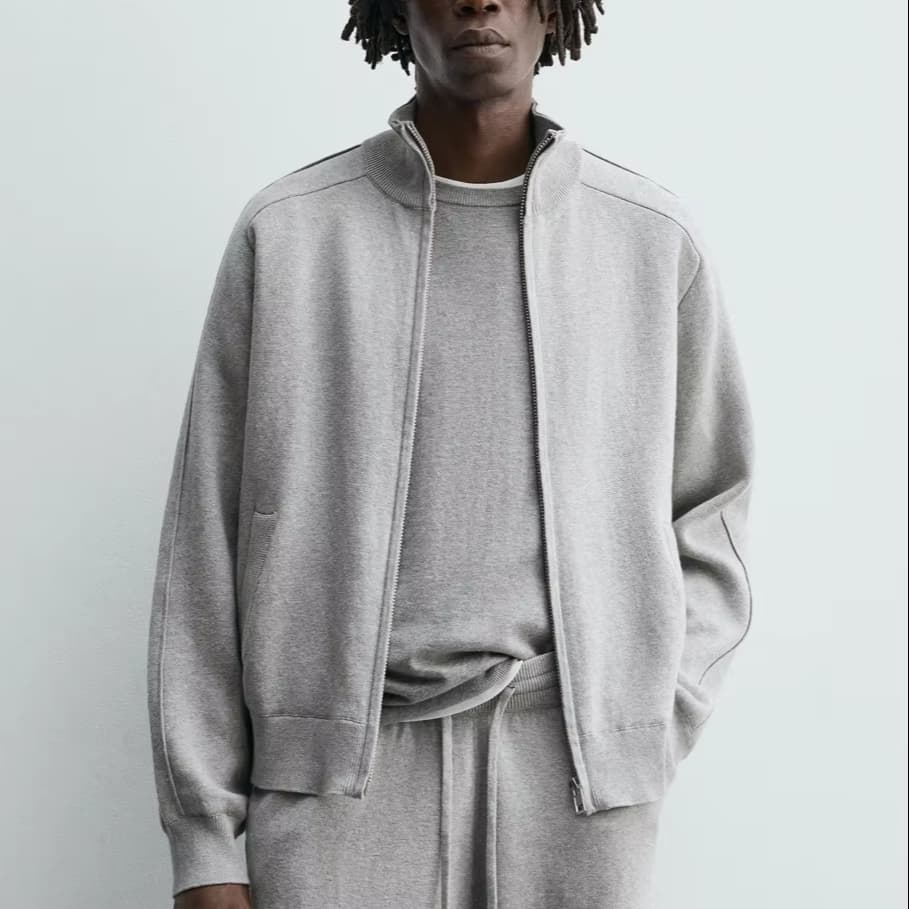
Versatile layering: vests, half-zips and cardigans that work across occasions
Sustainability: recycled and responsible yarns as a buying criterion, see our sustainable yarn guide
Recurring Trend Themes
Certain themes cycle back regularly, useful to anticipate:
Heritage patterns: Fair Isle, argyle and Nordic motifs in autumn/winter, see our Fair Isle guide
Statement color and texture: fuzzy halos, bold tonal palettes
How to Buy Trend Without the Risk
Test trend in small quantities using low-MOQ or ready styles, see our low-MOQ guide
Anchor with core that you can reorder reliably
Use color and texture to refresh core shapes cheaply, rather than wholly new styles
Plan trend pieces early so sampling does not rush the season, see our seasonal planning guide
Working With a Factory on Trend
A factory with design capability (ODM) can be a valuable trend partner, showing you directions they are seeing across customers and proposing on-trend styles you can adapt, see our OEM vs ODM guide. This lets a lean brand stay current without a large design team.
Translate Trend to Your Customer
The goal is not to copy the runway but to translate relevant directions to your customer and price point. A trend executed in the wrong yarn or fit for your audience will not sell. Filter every trend through who your customer is and what they will actually wear.
Licheng Knitwear helps B2B buyers balance core and trend, with ODM design input on current directions in men's knitwear. Request a quote or browse our products.
2. The Custom Knitwear Process
A clear development flow keeps samples, costing and bulk production aligned before your order moves forward.
1. Inquiry
Share your idea, tech packs and requirements.
2. Design & Yarn Selection
We recommend yarns and create an initial direction.
3. Sampling
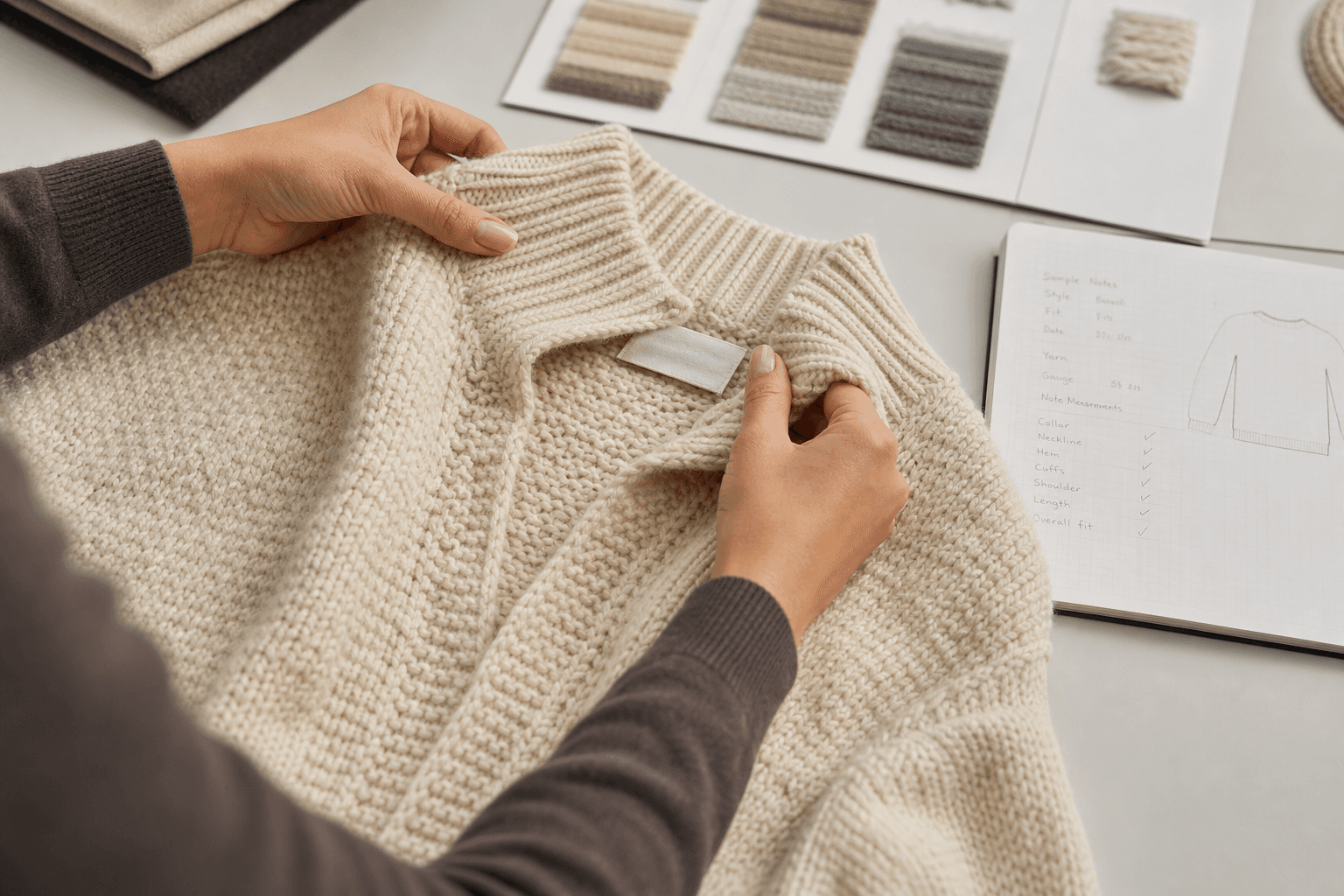
Develop samples for fit, look and function.
4. Production
Bulk production with stage-based quality control.
5. Quality Inspection
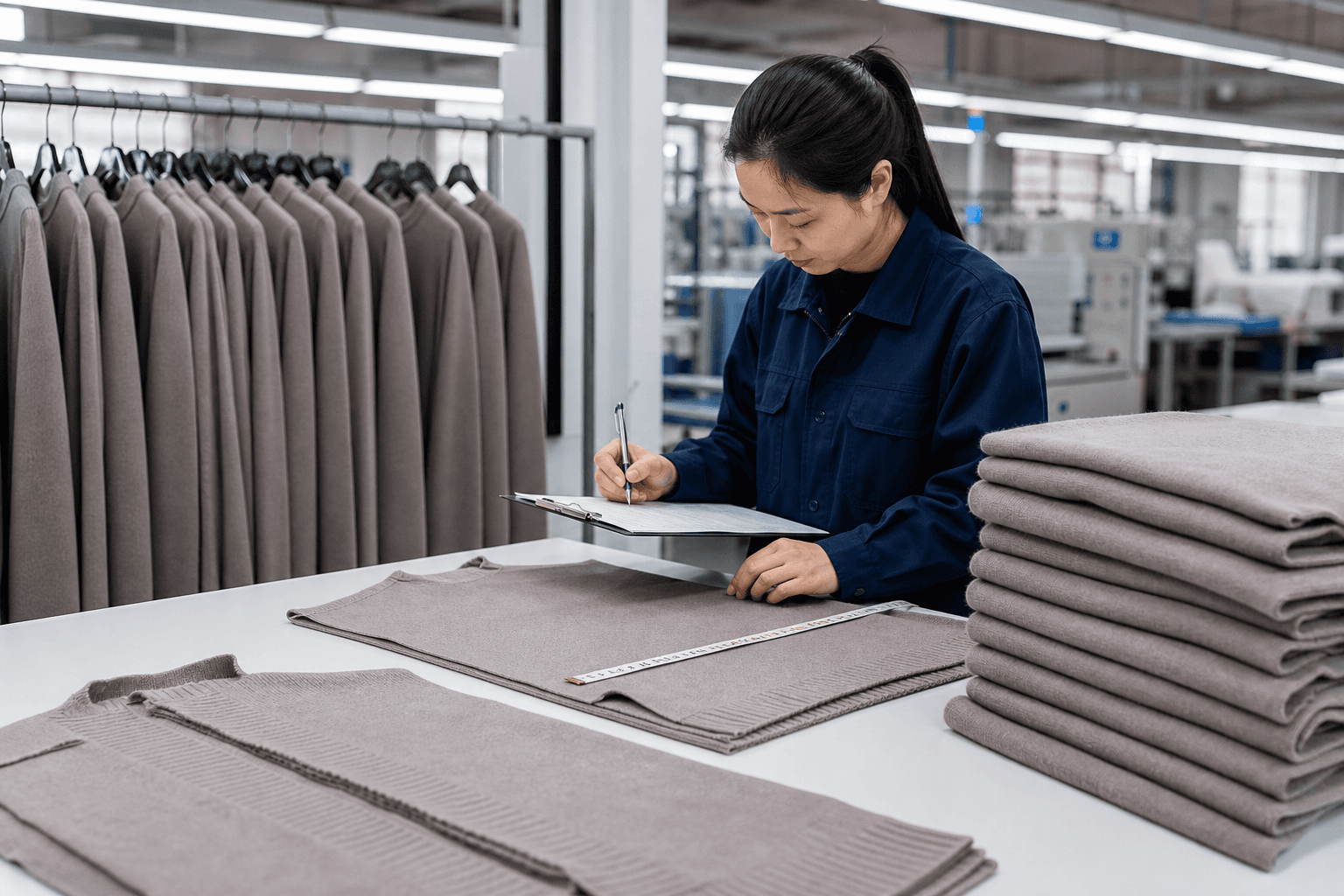
QC checks help confirm workmanship, measurements and packing.
6. Packaging & Delivery
Packing and delivery details are discussed by order.
3. Materials & Yarn Selection
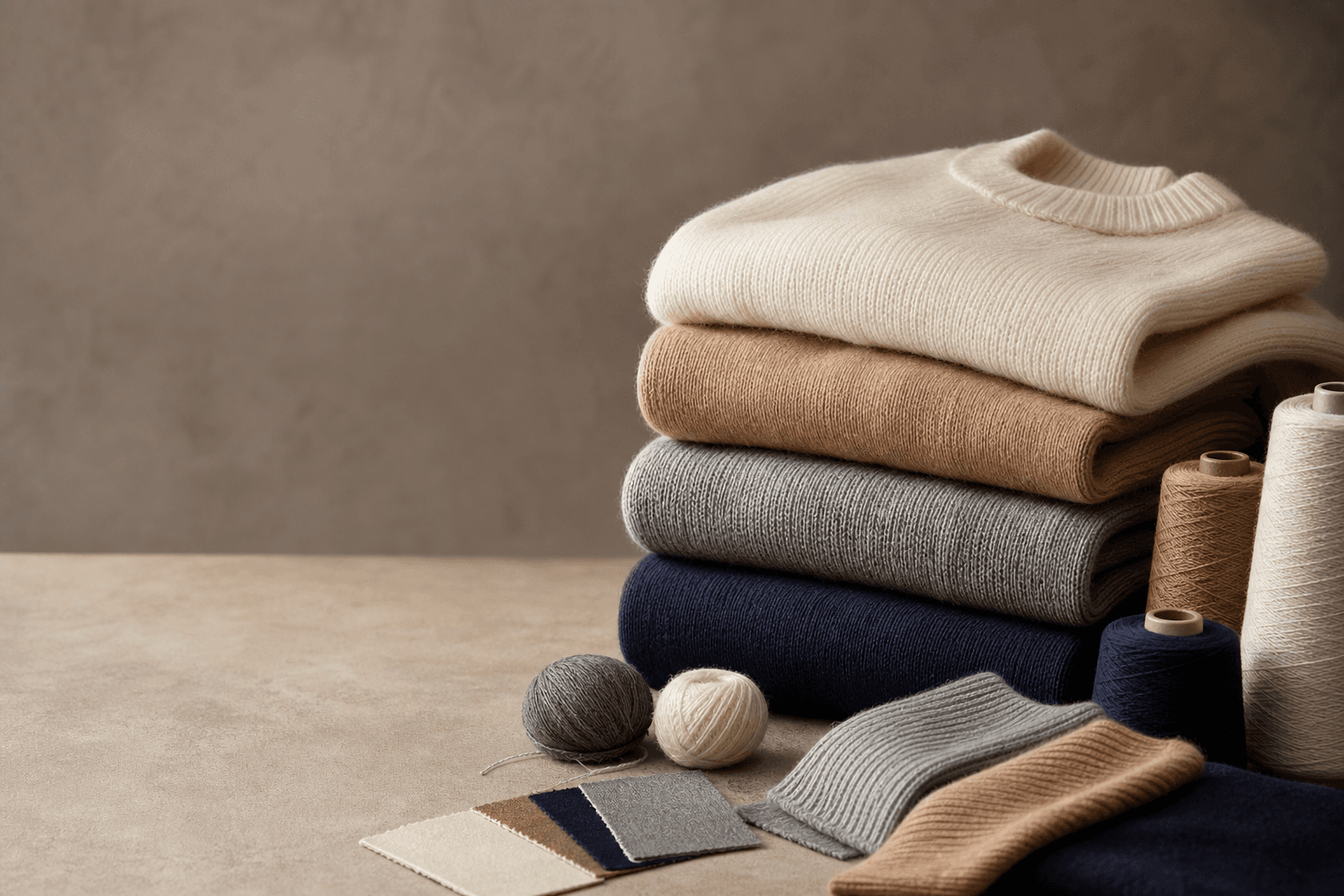
The right yarn defines handfeel, performance and durability. Material choice can be adjusted by season, market and target price.
Natural Fibers
Wool, cotton, cashmere and silk directions
Blended Yarns
Wool blends, cotton blends and acrylic blends
Responsible Yarn Options
Organic cotton and recycled fiber discussions
Performance Yarns
Merino, anti-pilling and functional yarn directions
4. Design & Development
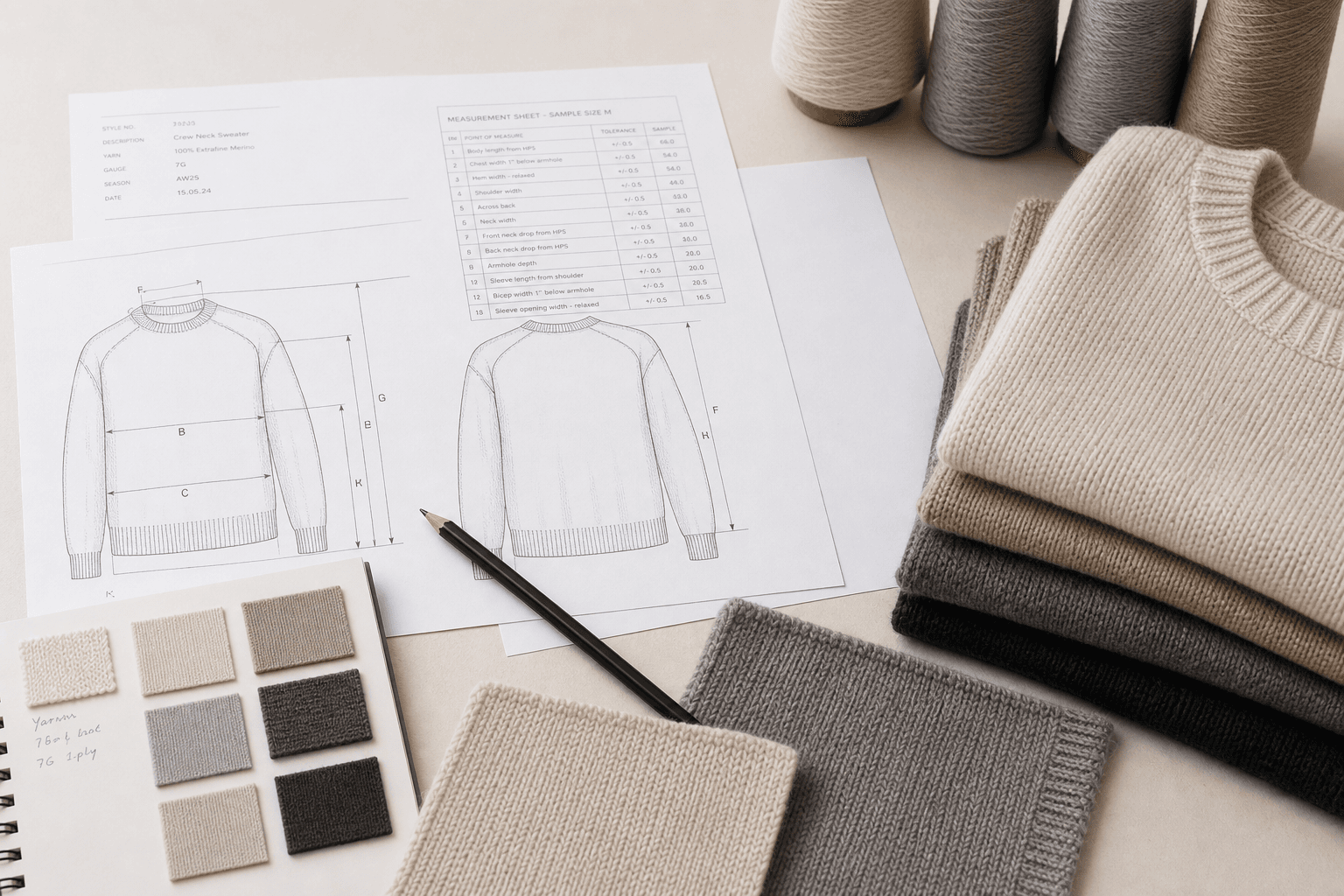
From reference photos to tech packs and pattern review, our team helps turn ideas into a manufacturable knitwear direction.
Design consultation
Tech pack and specification support
Pattern and structure review
Jacquard, intarsia and custom detailing
Quality is not only one step in the process. It is checked throughout development and production.
20+
Years Experience
500+
Global Clients
98%
On-time Delivery
5. Sampling & Approval
Plan each detail clearly before bulk production to reduce risk and improve buyer communication.
Proto sample
Fit sample
Pre-production sample
6. Production & Quality Control
Plan each detail clearly before bulk production to reduce risk and improve buyer communication.
Knitting, linking and finishing
In-line and final inspection
Stage-based QC process
7. Packaging & Delivery
Plan each detail clearly before bulk production to reduce risk and improve buyer communication.
Custom labels and hangtags
Packaging discussions
Shipping support discussion
8. Costs & Lead Times
Cost and timeline depend on yarn, gauge, construction, color count, quantity and packaging requirements.
MOQ
Reviewed by style, yarn and project
Sample Lead Time
Confirmed after material and gauge review
Bulk Lead Time
Confirmed by quantity and production plan
9. Best Practices for Success
Use these practical points to make sampling and bulk production easier to manage.