How to Vet a Knitwear Factory Before Placing an Order
Updated 5/30/202612 min readBy Licheng Knitwear Team
A practical checklist for apparel buyers to verify a knitwear manufacturer's capability, quality systems and reliability before committing to production.
1. Overview
A practical checklist for apparel buyers to verify a knitwear manufacturer's capability, quality systems and reliability before committing to production. This guide walks you through the manufacturing journey with Licheng Knitwear.
Buyer Guide Content
Ready to Start Your Project?
Get a free catalog or submit an RFQ today. Our team will respond within 24 hours.
Choosing a knitwear factory is one of the highest-risk decisions in apparel sourcing. A wrong choice costs you samples, lead time, and sometimes a whole selling season. Yet most buyers vet suppliers on price and a glossy catalog alone — then discover capability gaps only after the first bulk order ships. This guide gives you a structured way to vet a knitwear manufacturer before you commit, so you can separate genuine factories from trading desks and order with confidence.
The goal of vetting is not to find the cheapest quote. It is to confirm that a supplier can repeatedly deliver your quality, at your volume, on your timeline.
Confirm Real Manufacturing Capability
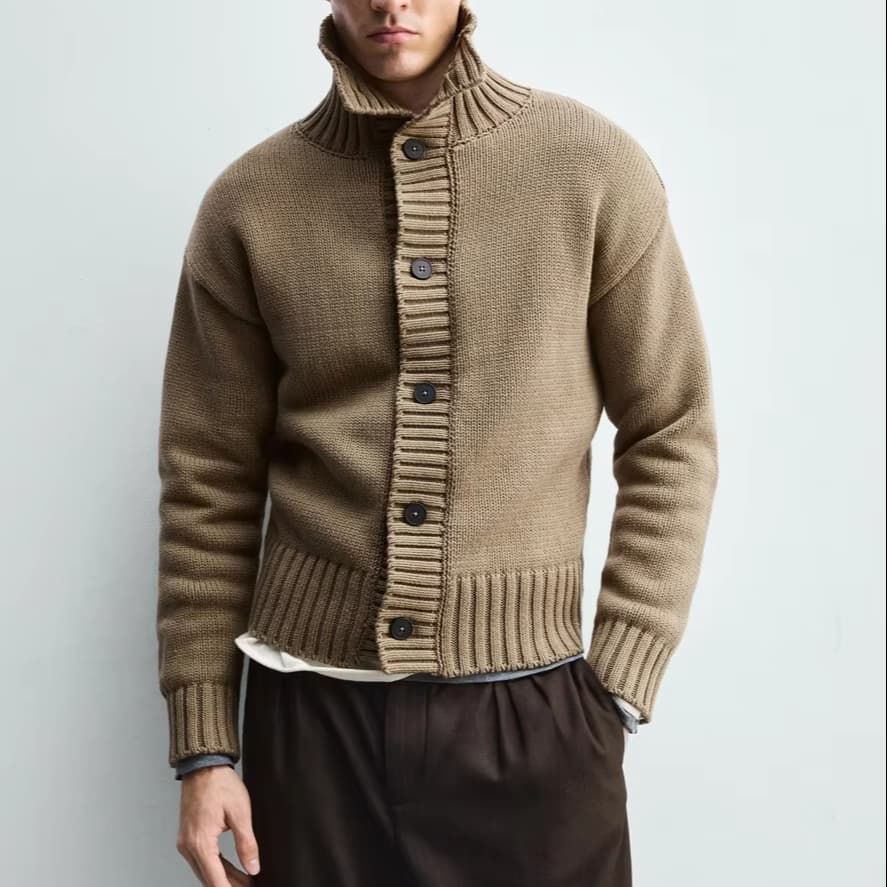
Ask for specifics, not slogans. A capable knitwear factory should clearly state its gauge range, the machine types it runs, and the product categories it actually produces in volume. Request recent production photos — real machines and real garments on the floor, not stock images — and ask which styles they make most often. A factory that mostly knits fine-gauge cotton polos is a poor fit for chunky 3GG wool cardigans, no matter how eager the salesperson sounds.
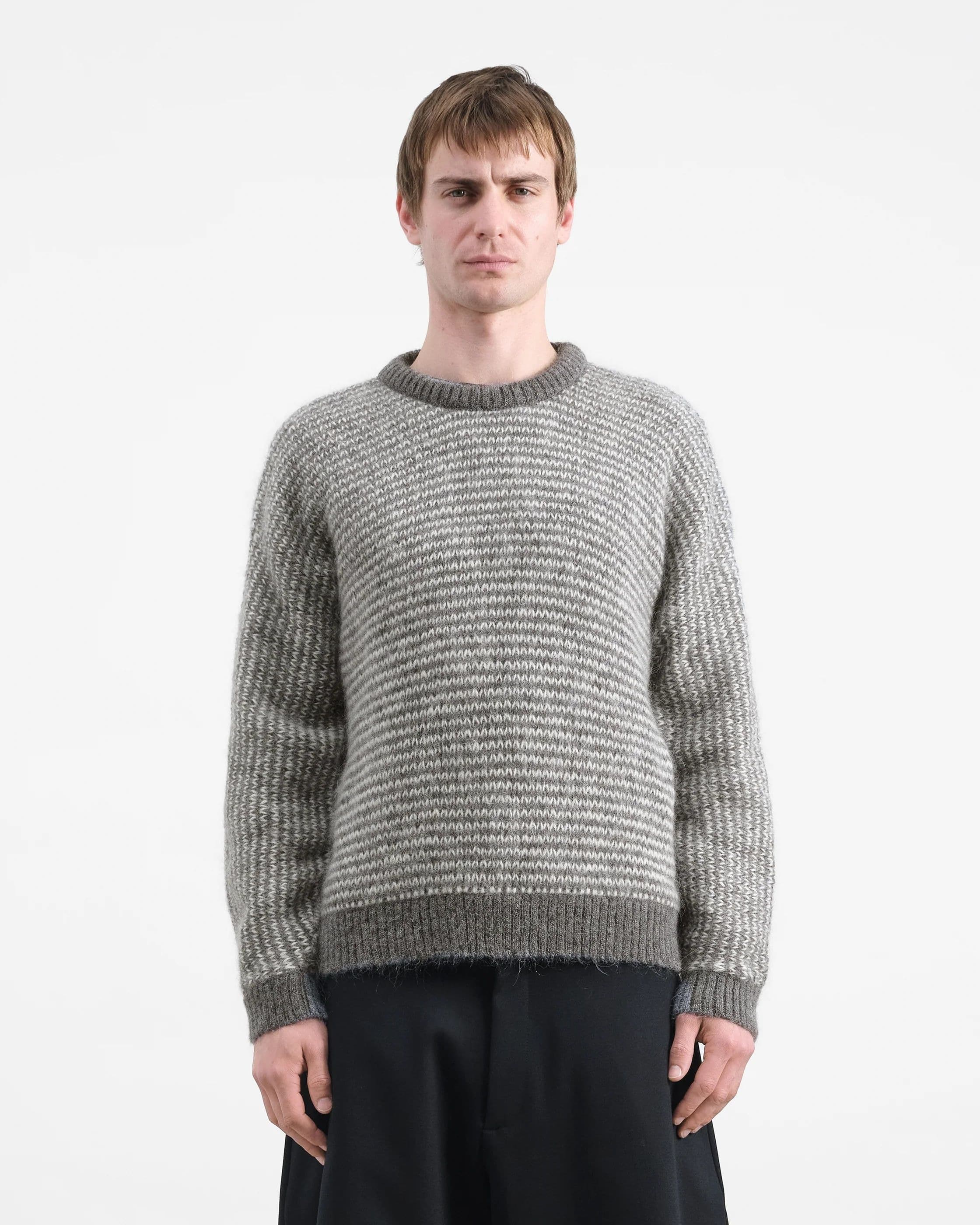
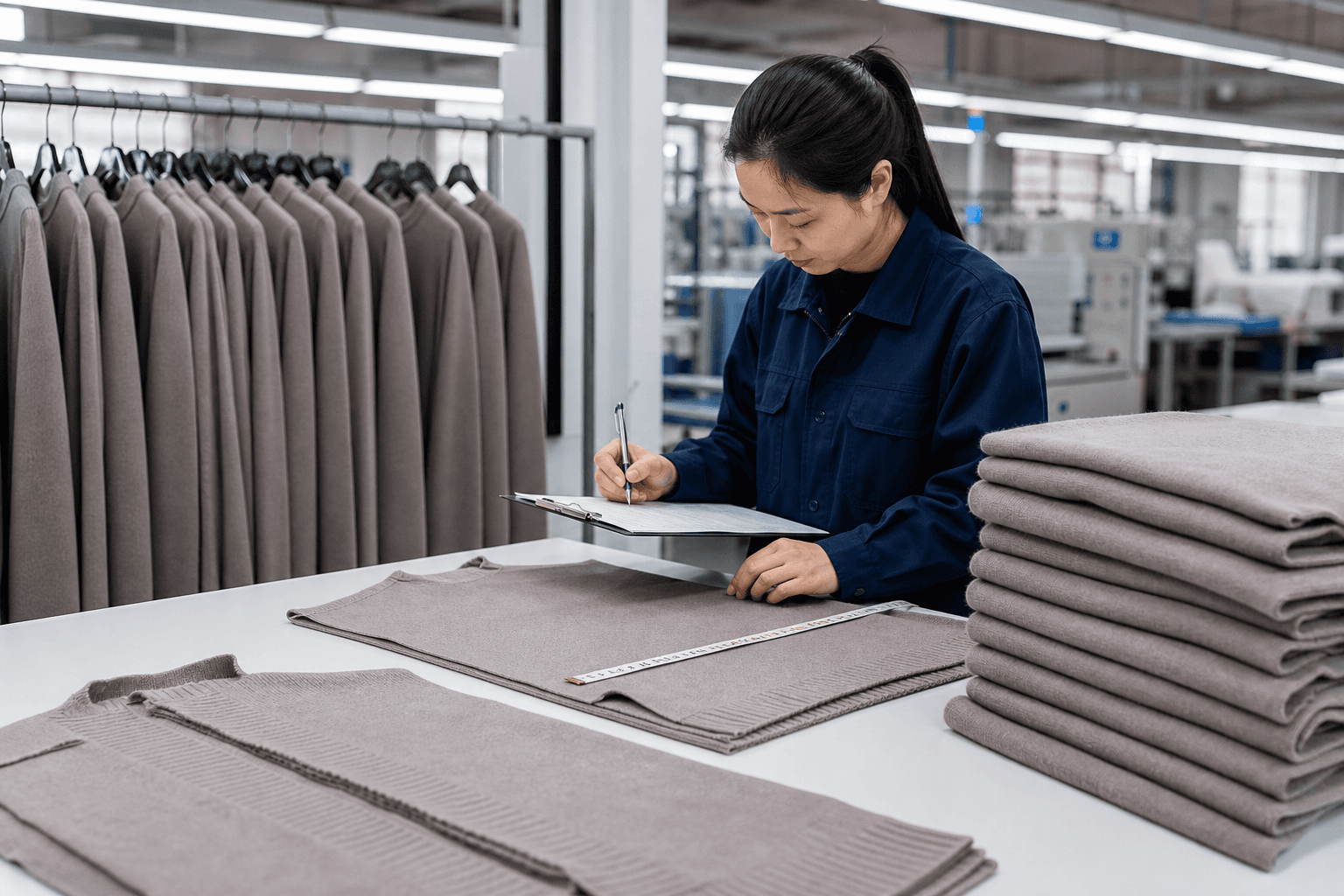
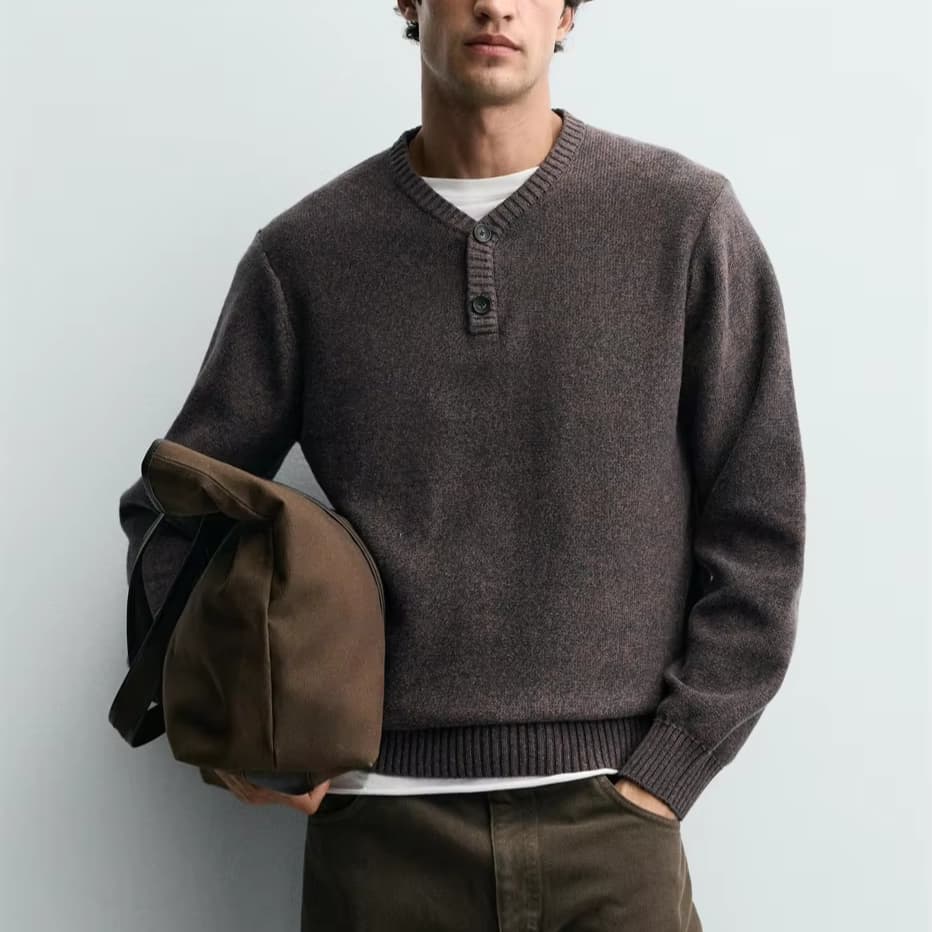
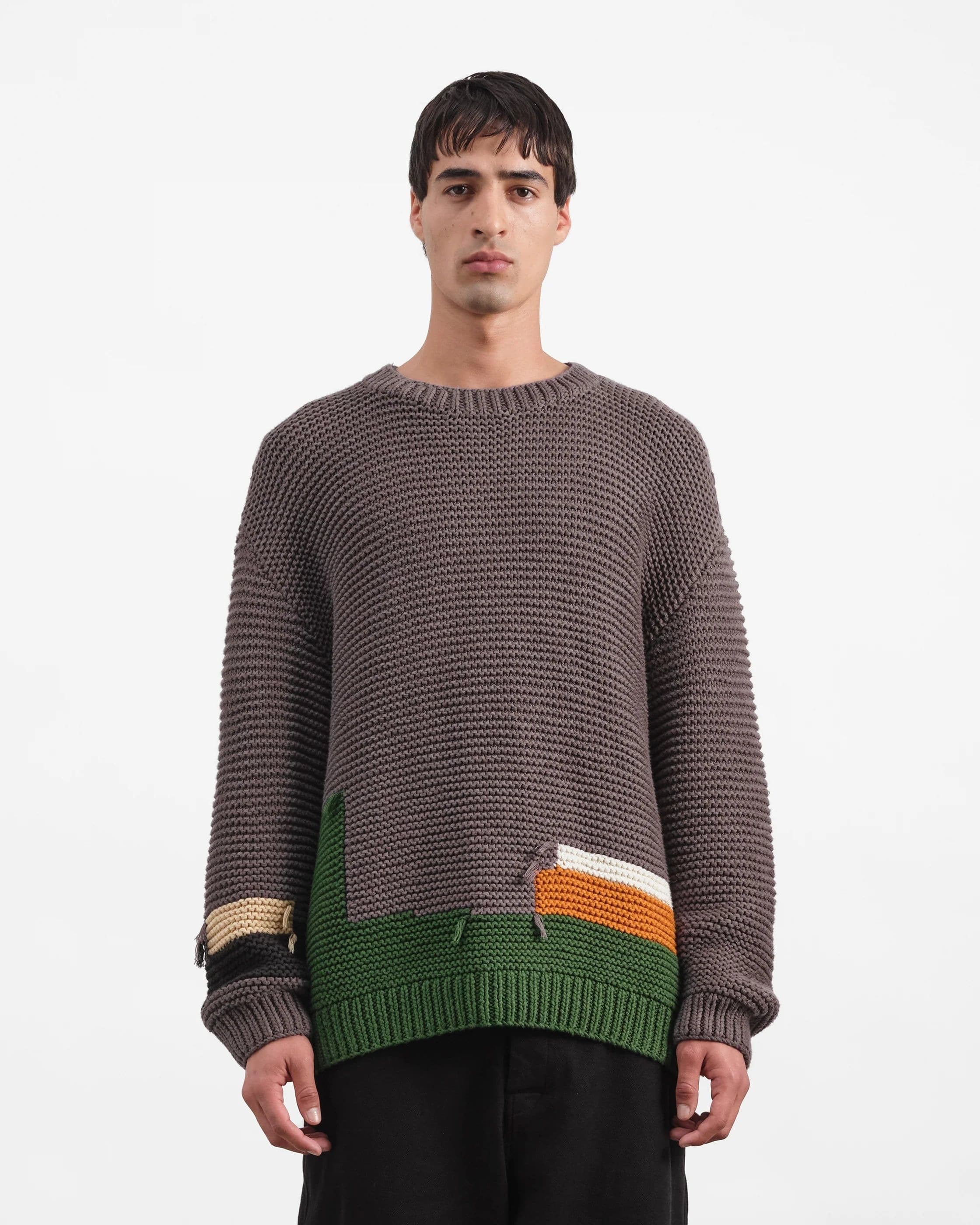
Consistent stitch density and clean surface texture are the first visible signal of a capable knitting operation.
Use this quick capability checklist when you first make contact:
Gauge range and machine types (e.g. 3GG–14GG, computerized flat knitting)
In-house vs outsourced steps (knitting, linking, washing, finishing)
Whether they develop their own styles or only copy provided samples
Match the Factory Type to Your Order
Not every "factory" owns machines. Understanding who you are actually talking to prevents the most common sourcing surprise — a middleman quoting on capacity they do not control.
Supplier type
What they offer
Best for
Vertical factory
Owns knitting, linking, finishing in-house
Consistent quality, full control, repeat programs
Specialist factory
Deep in one category (e.g. cable knits)
Technical or signature styles
Trading company
Sources from multiple factories
Very small or highly varied orders
There is nothing wrong with a good trading partner — but you should know which one you have, because it changes how you manage quality, lead time, and pricing.
Review the Sampling and Development Process
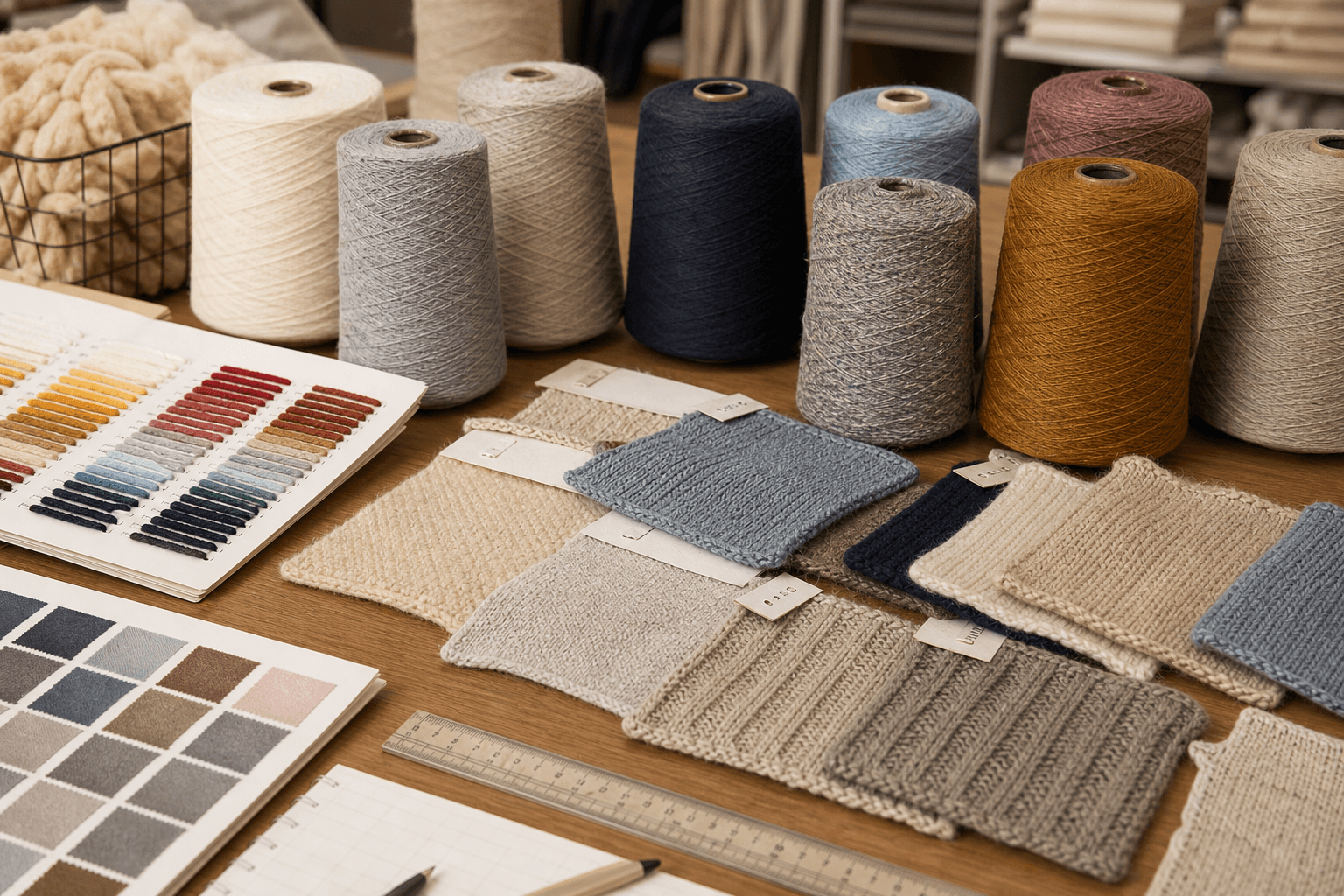
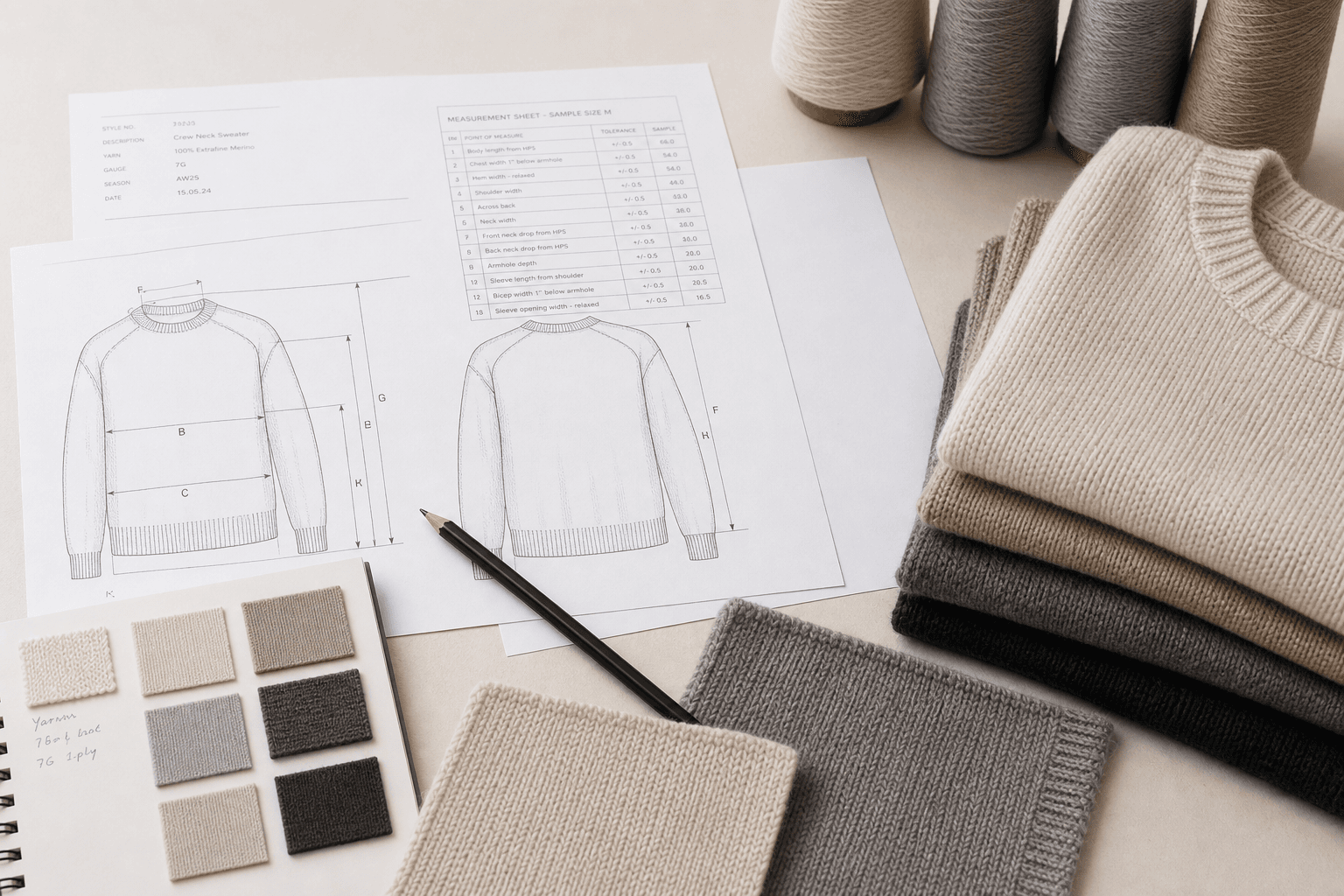
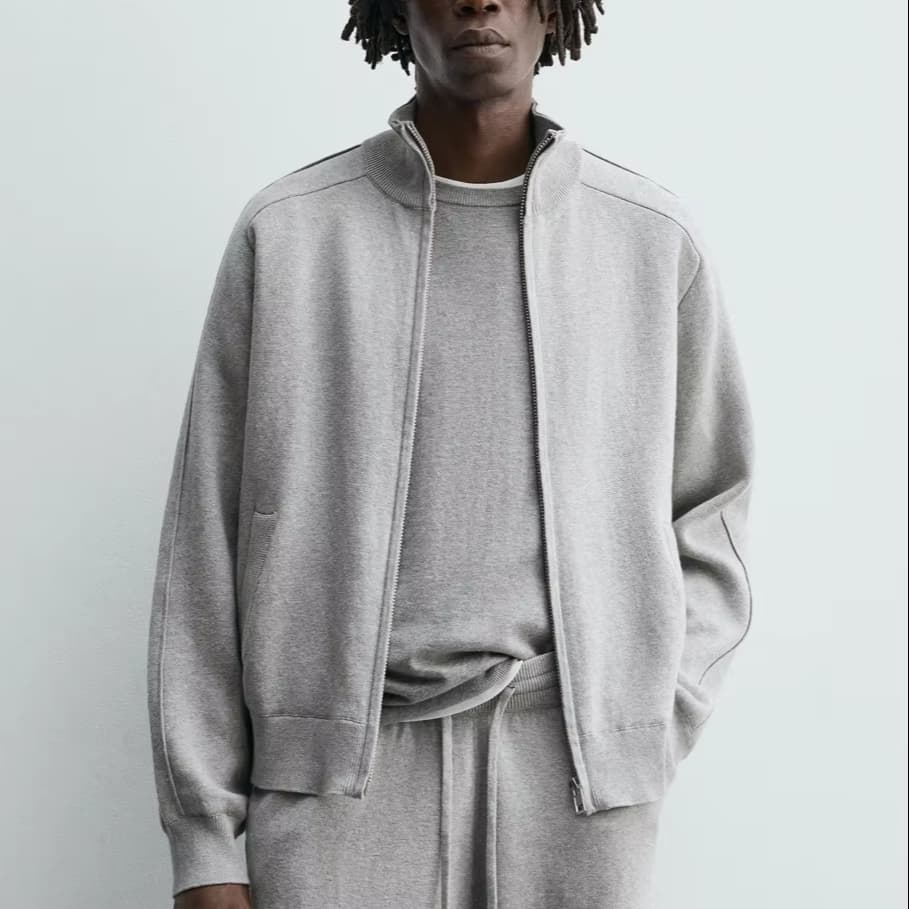
The sampling stage reveals how a factory communicates and solves problems. Send a tech pack or a reference garment and evaluate the response: do they ask the right questions about yarn, gauge, and measurements — or just say "yes" to everything? A factory that pushes back with practical suggestions ("a 7GG will hold this cable better than 5GG") usually understands production at a level a trading desk cannot fake.
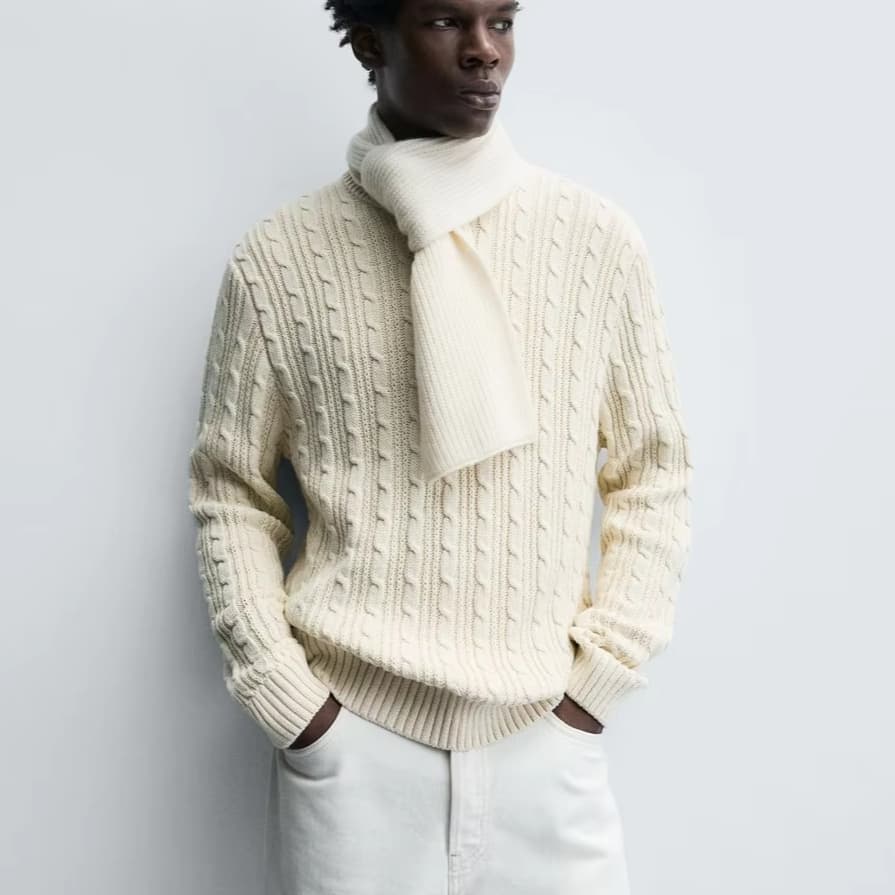
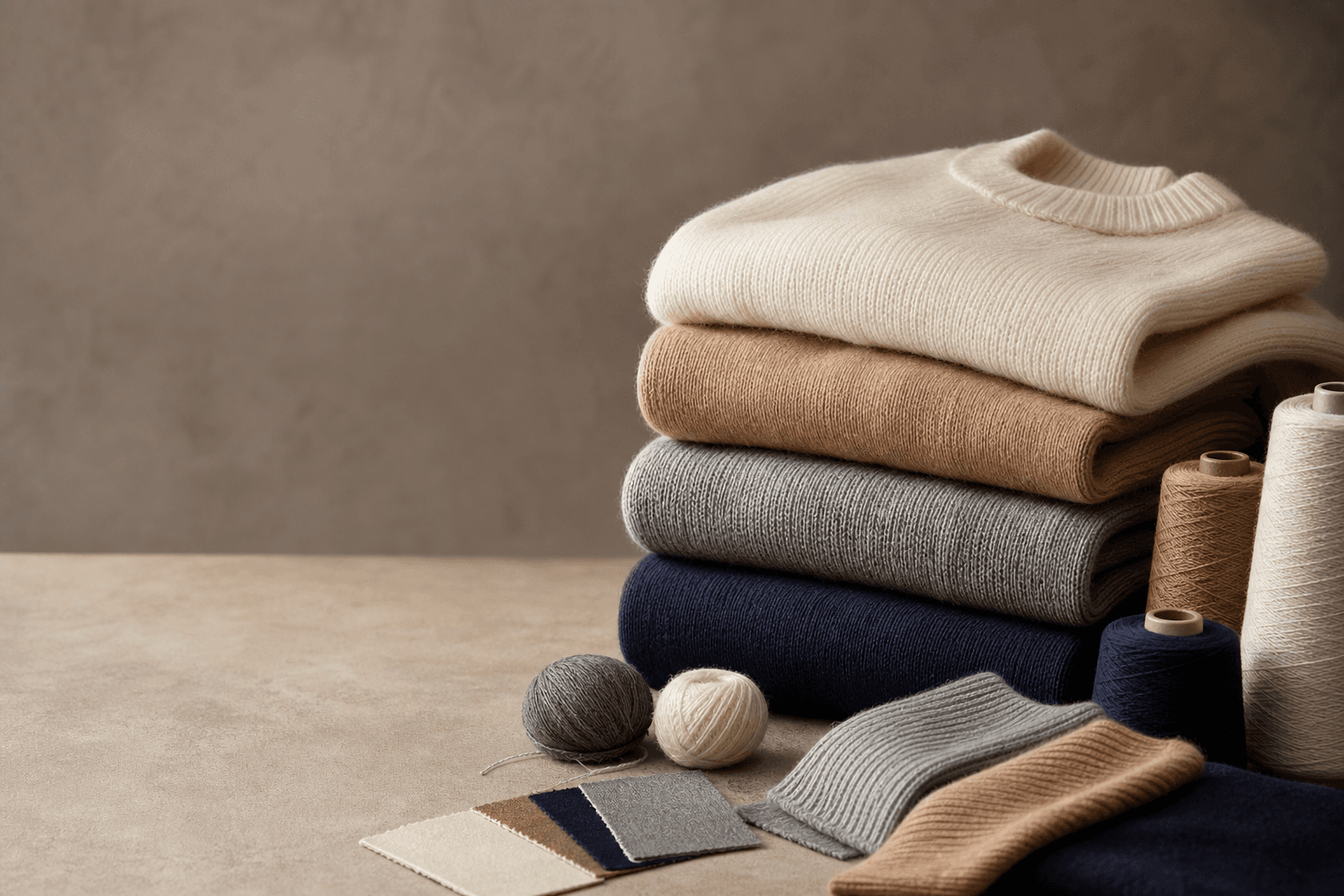
A well-executed development sample proves a factory can translate a tech pack into the handfeel and structure you specified.
Watch for these positive signals during sampling:
They confirm yarn composition and gauge before knitting, not after
The first sample arrives close to the agreed measurements
They flag risks (shrinkage, twisting, color matching) proactively
Revisions are fast and the corrections actually land
Check Quality Control Systems
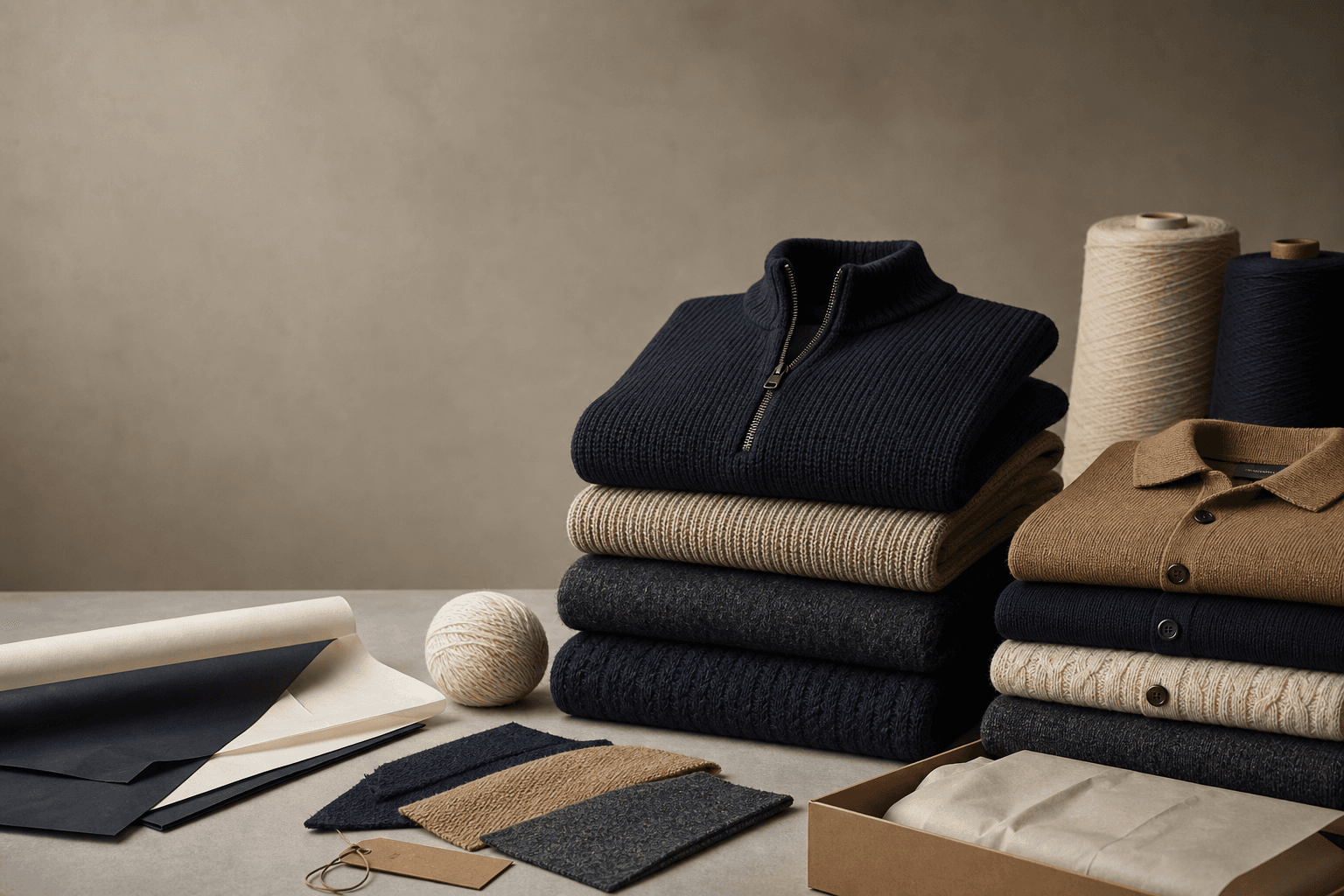
Reliable suppliers inspect at multiple stages, not only at the end. Ask how they handle incoming yarn inspection, in-line checks during knitting and linking, and final inspection before packing — and whether they test for pilling, shrinkage, and color fastness. A documented QC process, ideally to an AQL standard, is one of the strongest signals of long-term consistency.
A simple way to test this: ask "What is your defect rate on a typical sweater order, and what are the top three defects you catch?" A real factory answers with specifics. A reseller gives you a vague reassurance.
Verify Communication and Documentation
Slow or vague communication during sampling rarely improves during bulk production. Confirm who your day-to-day contact is, their response time across time zones, and whether they can provide the documents your market requires — test reports, composition labels, and compliance paperwork for North America or the EU. Clear, structured communication is itself a quality indicator, because it reflects how the factory runs internally.
Start Small, Then Scale
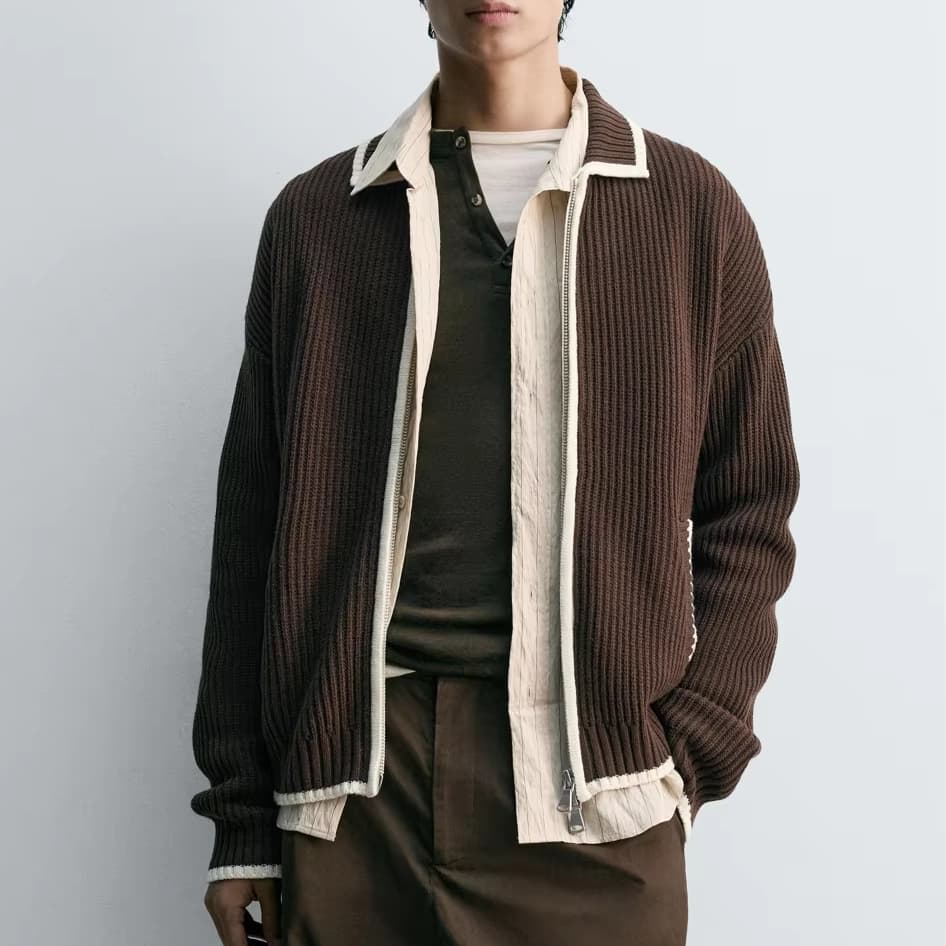
Even after thorough vetting, reduce risk with a trial order or a ready-made sample before committing to large volumes. A supplier that welcomes a low-risk trial order is usually confident in its own work; one that pressures you straight into a large MOQ deserves more scrutiny. For more on setting realistic first orders, see our custom sweater MOQ guide and sampling lead time guide.
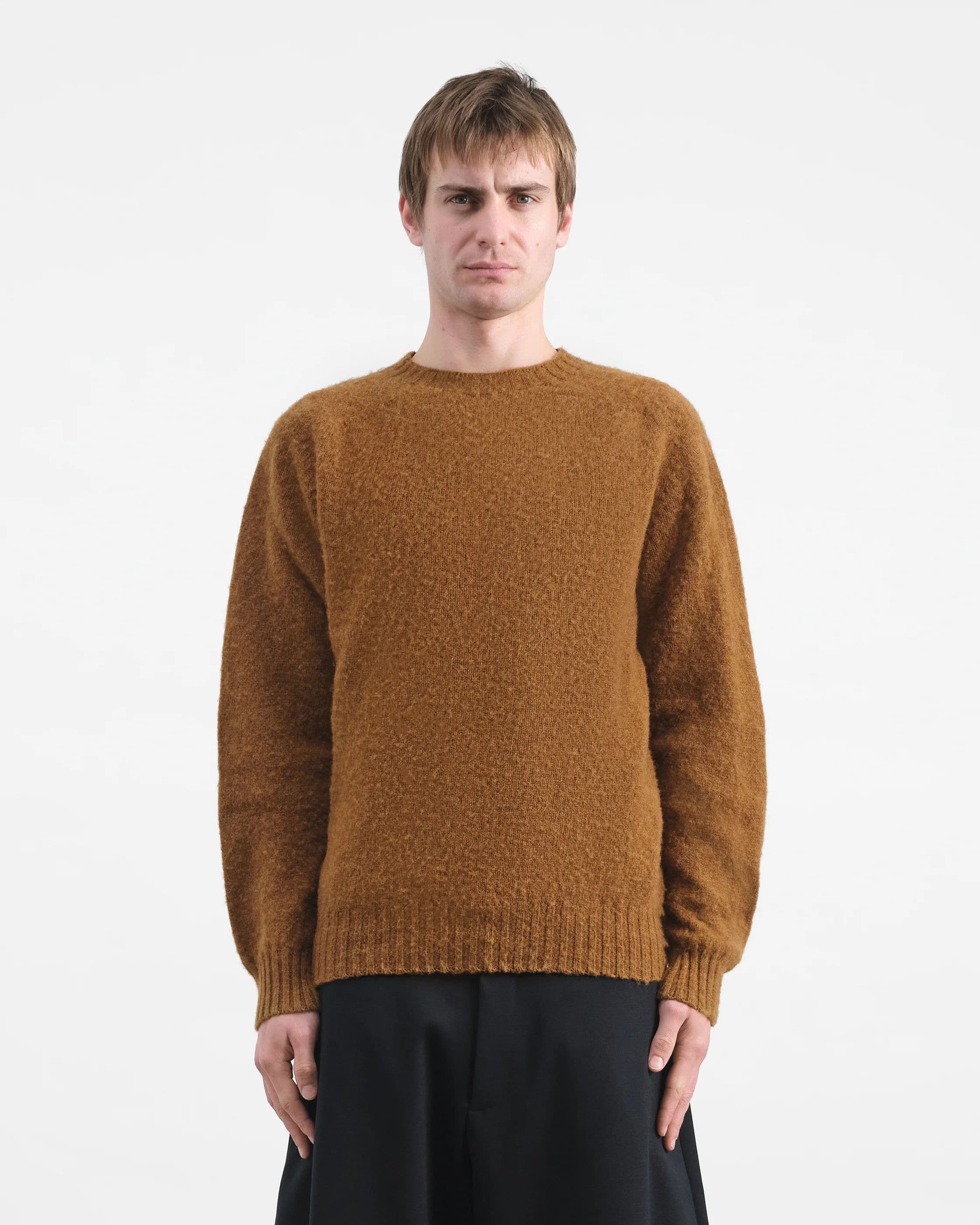
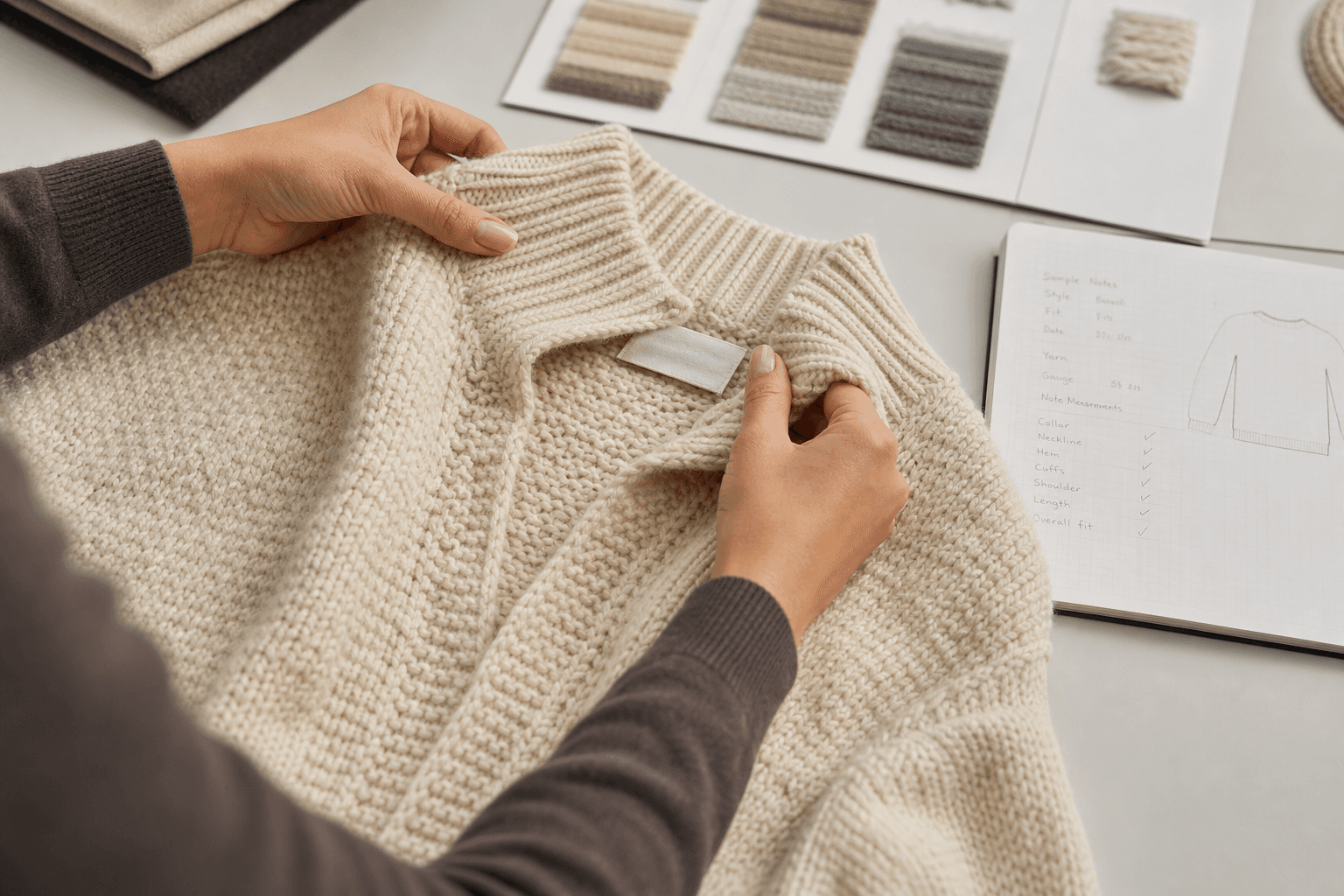
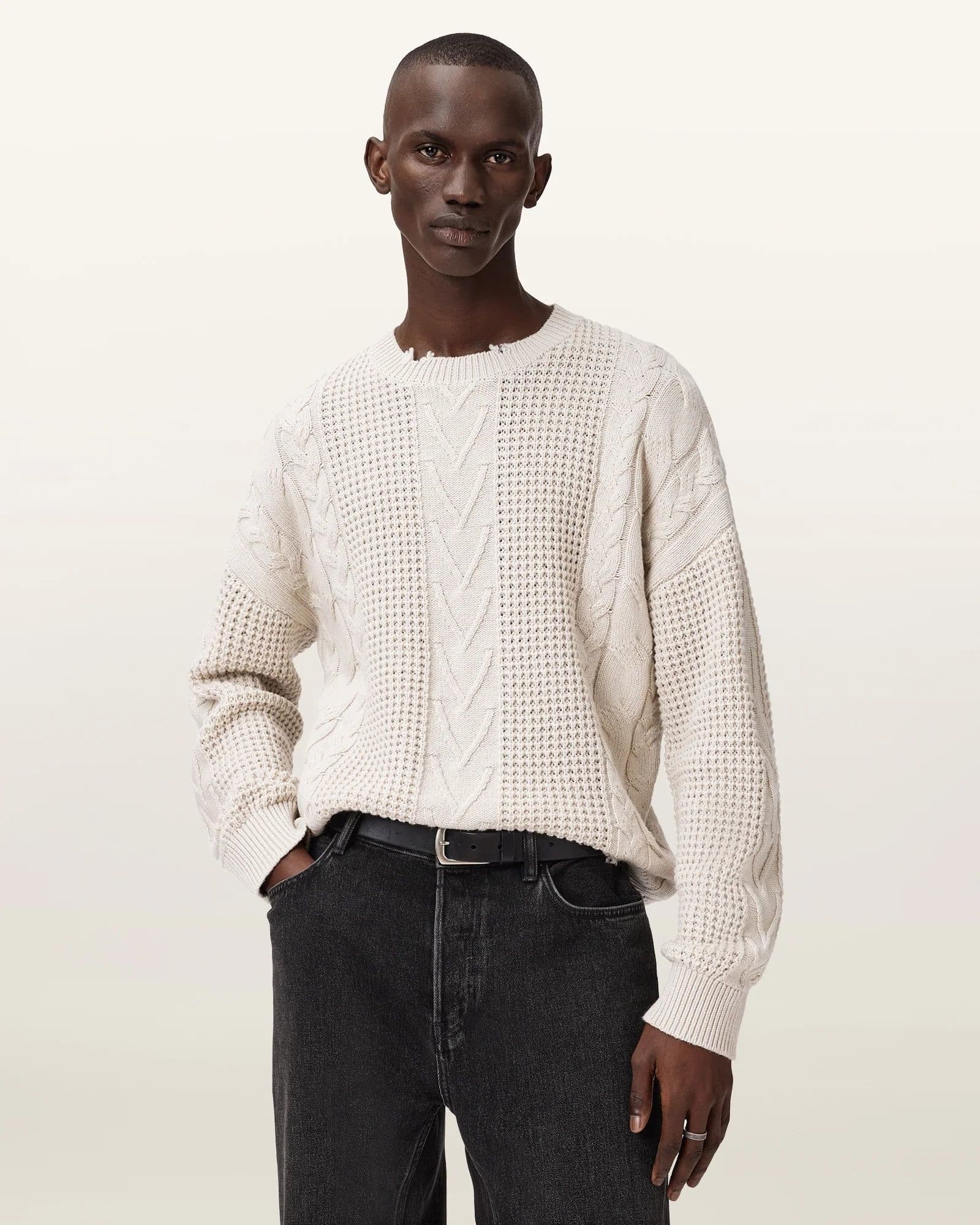
A clean, consistent finish across a trial order is the proof point before you scale to full volume.
A Practical Vetting Scorecard
Before you place the order, score your shortlisted factory honestly:
Criteria
Weak signal
Strong signal
Capability
Vague gauge/machine answers
Specific ranges, real floor photos
Sampling
Says yes to everything
Asks technical questions, suggests fixes
Quality control
"Final check only"
Multi-stage QC, AQL, test reports
Communication
Slow, generic replies
Fast, structured, named contact
Risk
Pushes large MOQ first
Supports trial orders
If a supplier scores "strong" on capability, sampling, and QC, you have found a partner worth building a program with.
Looking for a knitwear factory that welcomes this level of scrutiny? Licheng Knitwear provides verifiable factory background, a documented QC process, and low-risk sampling support for B2B buyers serving North America and Europe. Browse our product range or request a quote to start a conversation.
2. The Custom Knitwear Process
A clear development flow keeps samples, costing and bulk production aligned before your order moves forward.
1. Inquiry
Share your idea, tech packs and requirements.
2. Design & Yarn Selection
We recommend yarns and create an initial direction.
3. Sampling
Develop samples for fit, look and function.
4. Production
Bulk production with stage-based quality control.
5. Quality Inspection
QC checks help confirm workmanship, measurements and packing.
6. Packaging & Delivery
Packing and delivery details are discussed by order.
3. Materials & Yarn Selection
The right yarn defines handfeel, performance and durability. Material choice can be adjusted by season, market and target price.
Natural Fibers
Wool, cotton, cashmere and silk directions
Blended Yarns
Wool blends, cotton blends and acrylic blends
Responsible Yarn Options
Organic cotton and recycled fiber discussions
Performance Yarns
Merino, anti-pilling and functional yarn directions
4. Design & Development
From reference photos to tech packs and pattern review, our team helps turn ideas into a manufacturable knitwear direction.
Design consultation
Tech pack and specification support
Pattern and structure review
Jacquard, intarsia and custom detailing
Quality is not only one step in the process. It is checked throughout development and production.
20+
Years Experience
500+
Global Clients
98%
On-time Delivery
5. Sampling & Approval
Plan each detail clearly before bulk production to reduce risk and improve buyer communication.
Proto sample
Fit sample
Pre-production sample
6. Production & Quality Control
Plan each detail clearly before bulk production to reduce risk and improve buyer communication.
Knitting, linking and finishing
In-line and final inspection
Stage-based QC process
7. Packaging & Delivery
Plan each detail clearly before bulk production to reduce risk and improve buyer communication.
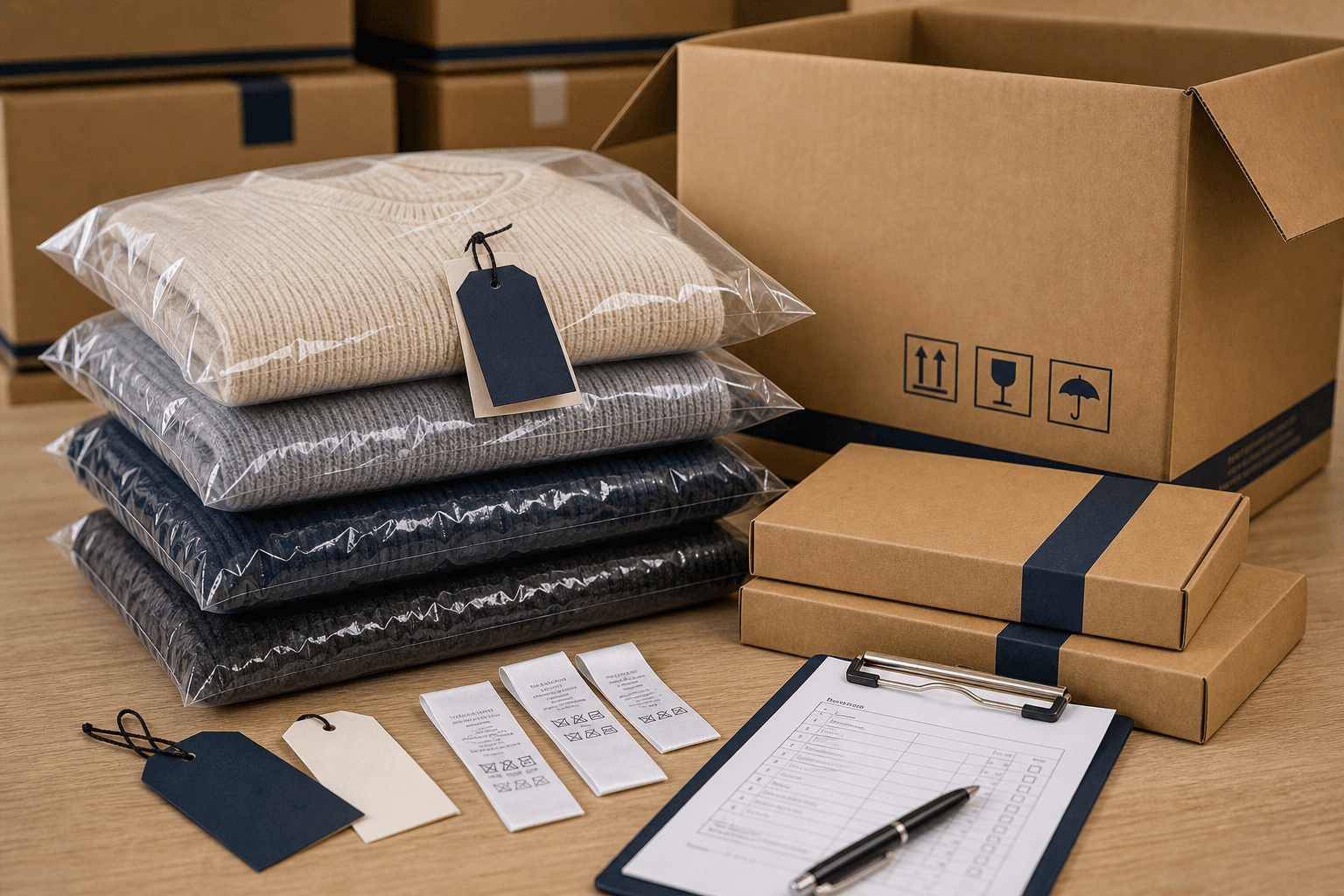
Custom labels and hangtags
Packaging discussions
Shipping support discussion
8. Costs & Lead Times
Cost and timeline depend on yarn, gauge, construction, color count, quantity and packaging requirements.
MOQ
Reviewed by style, yarn and project
Sample Lead Time
Confirmed after material and gauge review
Bulk Lead Time
Confirmed by quantity and production plan
9. Best Practices for Success
Use these practical points to make sampling and bulk production easier to manage.