18GG Fine-Gauge Knitwear: What It Costs, Why Most Factories Say No, and the MOQ Trap
Updated 9/19/202612 min readBy Simon Liu · Licheng Knitwear
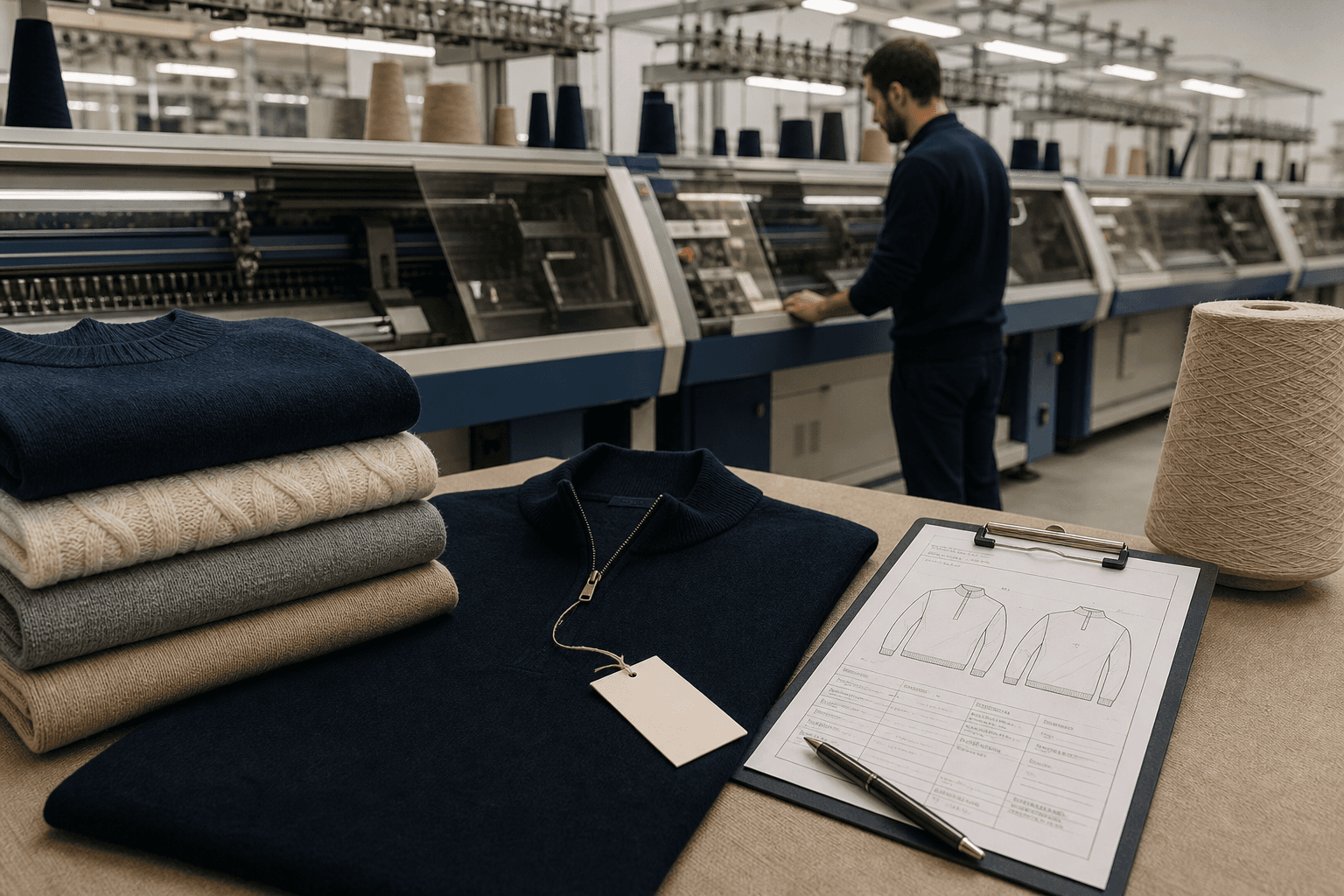
If you have been quoted for an 18GG knitted polo you have met two facts: few factories will take the enquiry, and the minimum order climbs the moment fine gauge enters the brief. This is what the gauge actually costs, written from a factory that runs 18GG in-house - why fine yarn breaks, what it does to knit time and unit cost, and why our 30 pcs/colour minimum is the same 30 at 18GG as at 7GG.
If you have been quoted for an 18GG knitted polo, you have probably noticed two things.
First, the shortlist of factories that will even take the enquiry is short. Second, the minimum
order tends to climb the moment fine gauge enters the conversation — a factory's headline "low
MOQ" is usually quoted against a basic mid-gauge crewneck in a standard yarn, and fine gauge is
not that.
Both of those facts have the same root cause, and it is not greed. It is what happens
mechanically when you put a fine yarn on a fine needle bed.
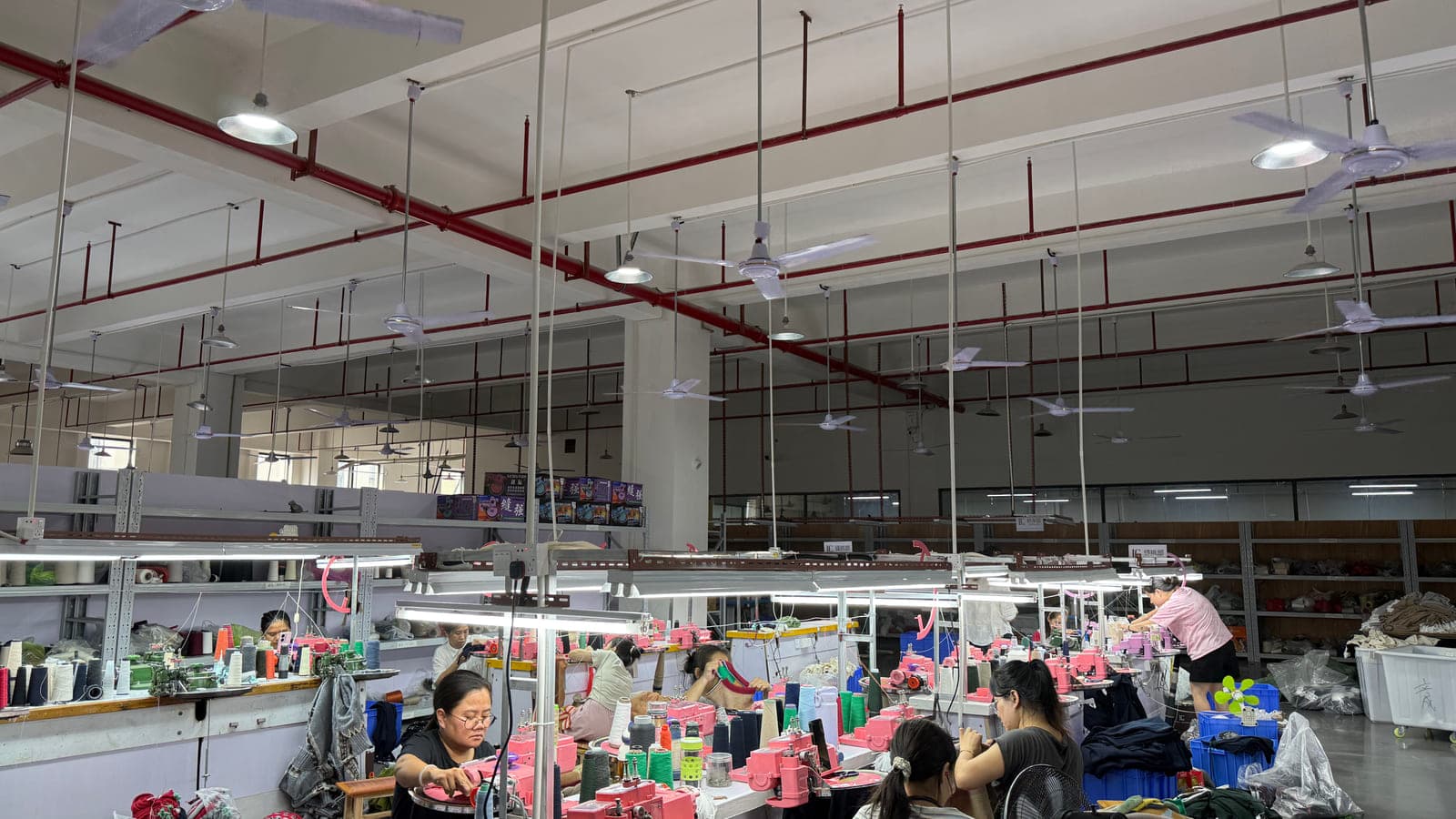
We run 18GG in-house. This is what the gauge actually costs.
What gauge means, in one paragraph
Gauge is needles per inch on the needle bed. 3GG is fourteen needles across the width of your
palm; 18GG is closer to ninety. More needles means finer yarn, more stitches per centimetre,
a thinner and denser fabric, and a garment that reads as tailored rather than cosy.
Mercerised cotton polos, silk blends, luxury base layers
Above 12GG the change is not gradual. It is a different production problem.
Why most factories will not quote 18GG
The yarn breaks. Fine gauge needs fine yarn: industry guidance puts 18G at 2/48Nm or
finer, against the 2/30s–2/48s our own gauge guide pairs with 12GG. At those counts the yarn
has very little tolerance for tension error. The machine has to run slower to keep tension
inside what the yarn will take, and yarn quality has to be near-perfect, because at this density
a slub or a thin place is visible in the finished panel rather than buried in it. A needle latch with a burr, a
slightly dry atmosphere, a tension arm out by a fraction, and the yarn snaps mid-course. On a
7GG machine that is an annoyance. On 18GG it is the difference between a shift that produces
panels and a shift that produces waste.
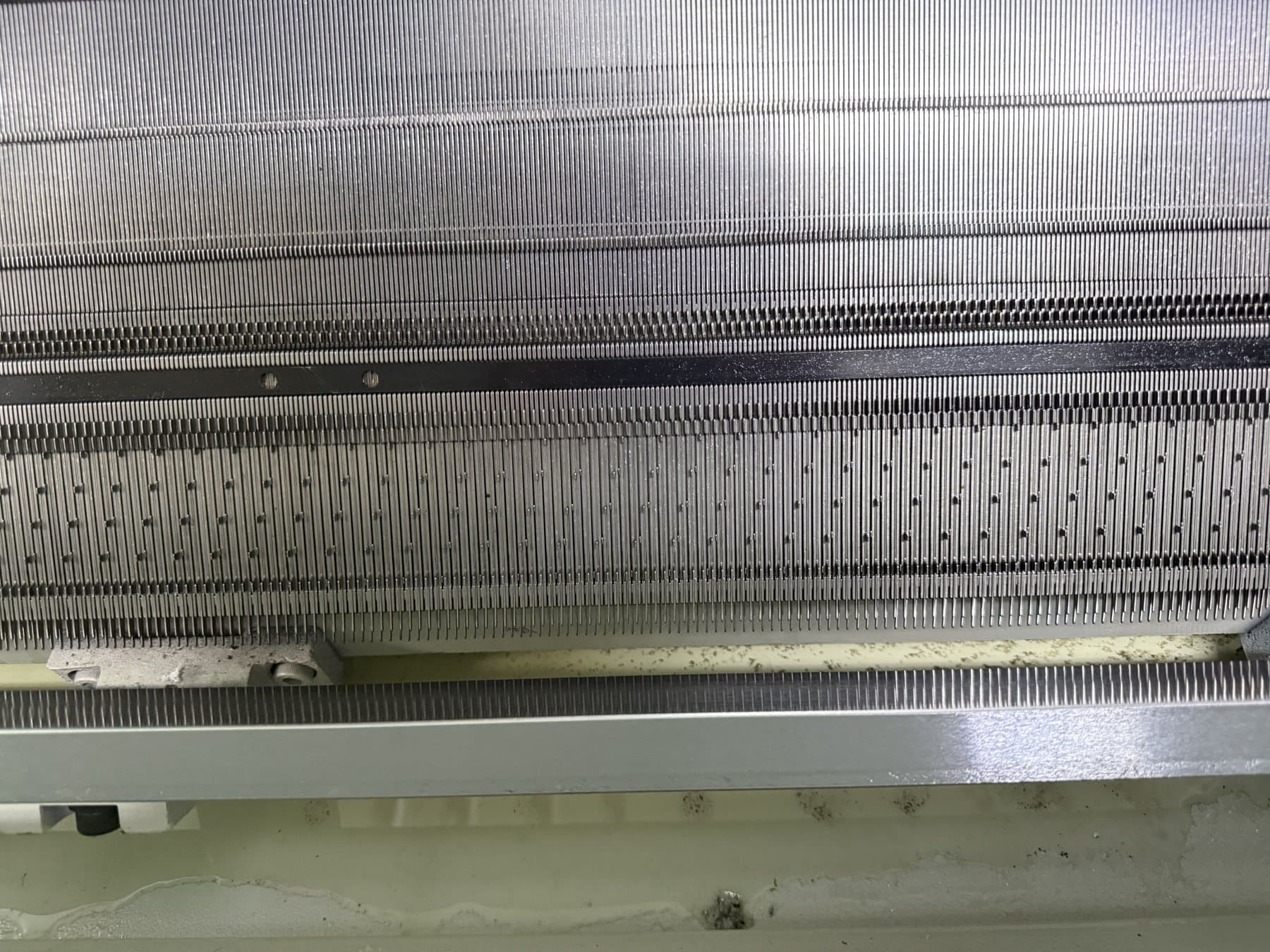
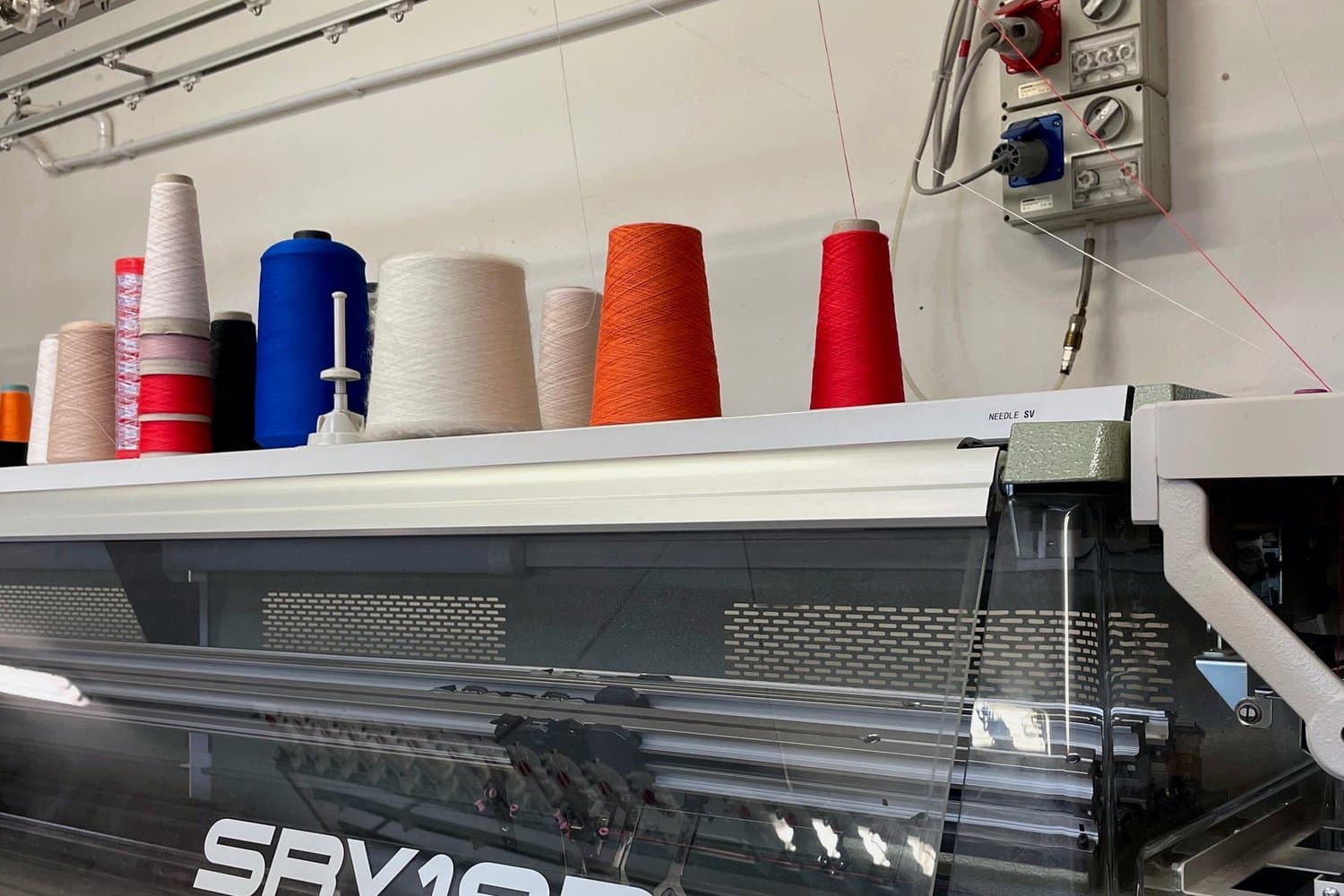
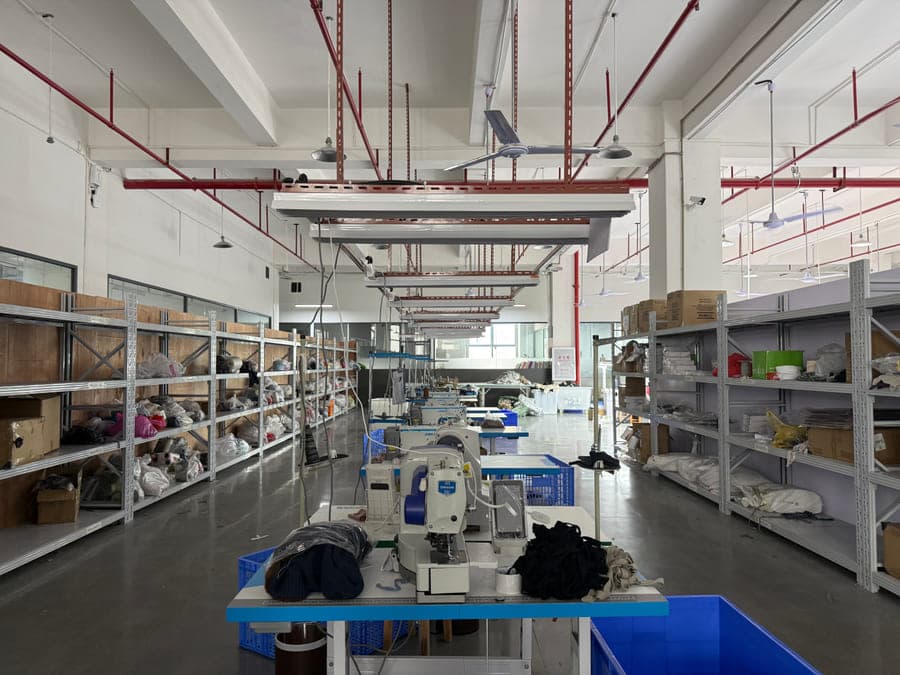
The machines are separate machines. You cannot run 18GG on a 12GG bed. A factory that
quotes 3GG–18GG either owns dedicated fine-gauge machinery or is quoting a range it plans to
subcontract. Ask which. It is a fair question and the answer tells you a lot.
Knitting time climbs steeply. More stitches per centimetre means more courses per panel,
and the machine cannot make that up with speed — speed is exactly what breaks the yarn. For
reference, our own published gauge index puts a body panel at 25–40 minutes at 7GG and 40–70
minutes at 12GG. Fine gauge continues that curve rather than jumping off it.
Linking is harder. Fine-gauge panels have small, tight loops. Hand-linking an 18GG shoulder
seam demands an operator who does it regularly. Rotating a 7GG linker onto fine gauge produces
puckering that only shows after wash.
What it adds to unit cost
Four things move, in roughly this order of impact:
Knitting time — the largest single driver, because panels need more courses
Yarn cost — finer counts cost more per kilogram, and mercerised or long-staple cotton adds again
Reject rate — higher, and it stays higher until the style is dialled in
Linking labour — linking is per-stitch work, so a fine-gauge seam carries roughly twice the
stitches per inch of a mid-gauge one
For scale, it helps to know where the curve starts bending. Between 7GG and 12GG there is barely
a gap: 12GG uses less yarn but the yarn is finer and dearer and the panels take longer, so the
two roughly cancel, and knit structure and fibre move the number more than the gauge does.
Above 12GG that stops being true. A competing Chinese knitwear factory, JM Sweater, publishes
that fine gauge runs 40–60% above 14G even at similar yarn usage — and 14G is already well
past where the curve turns. Expect an 18GG version of a style to sit substantially above the
same garment at 7GG or 12GG, not a few percent above it.
Treat that as a direction, not a quotation — yarn, structure and colour count still move the
final number more than any single factor. What is safe to say either way: anyone quoting 18GG at parity with
12GG is either mis-reading your tech pack or not actually knitting at that gauge.
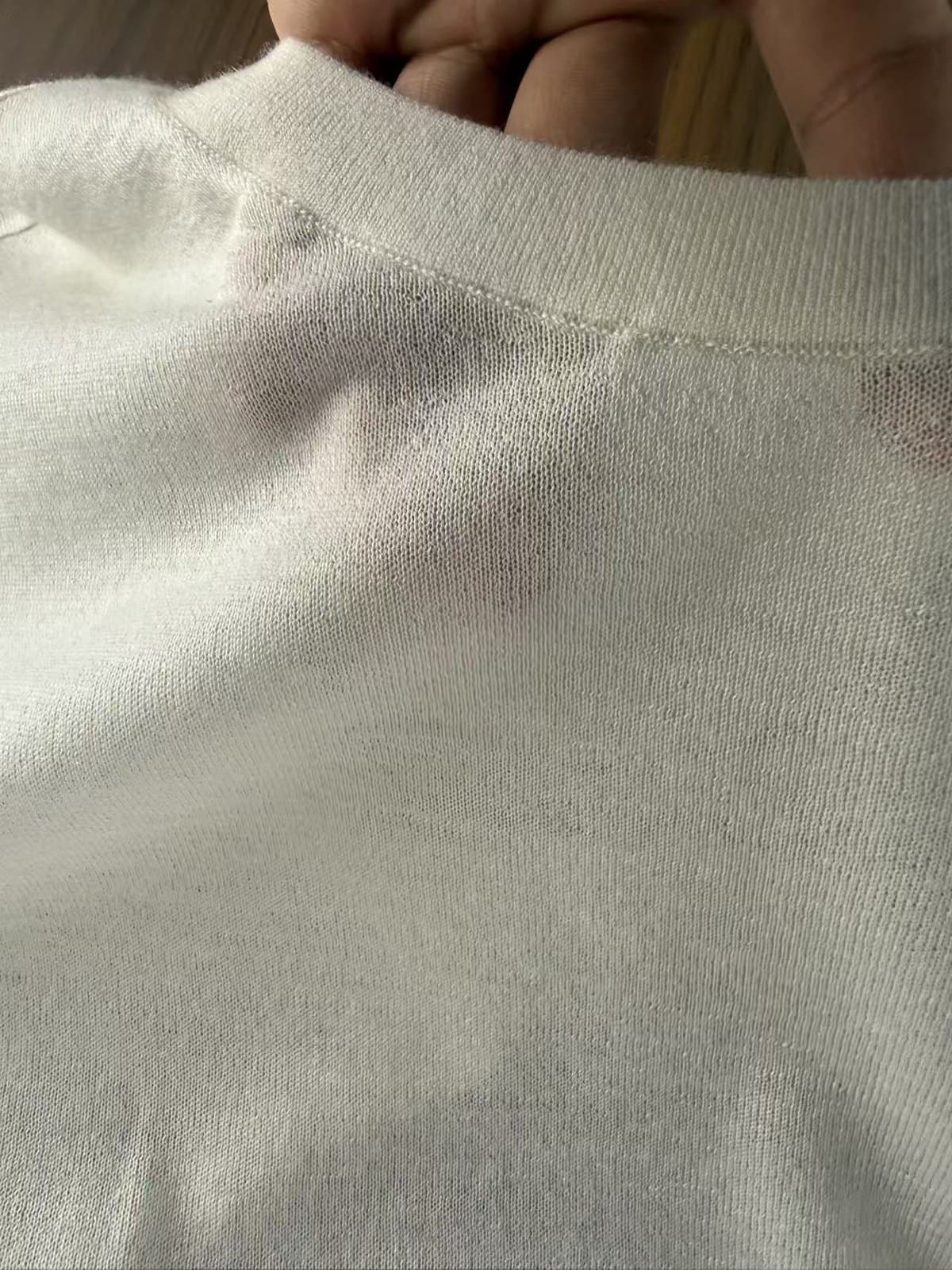
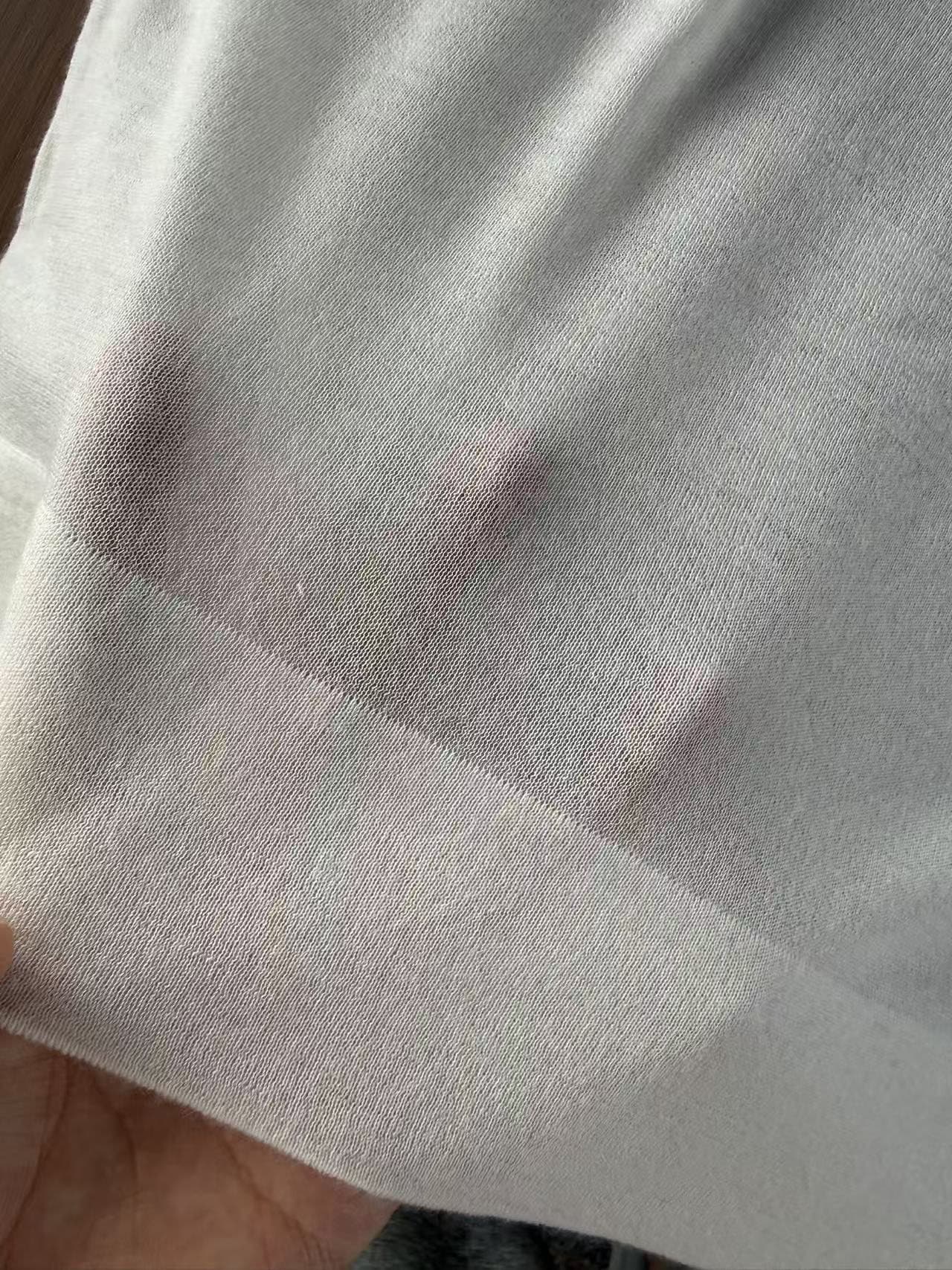
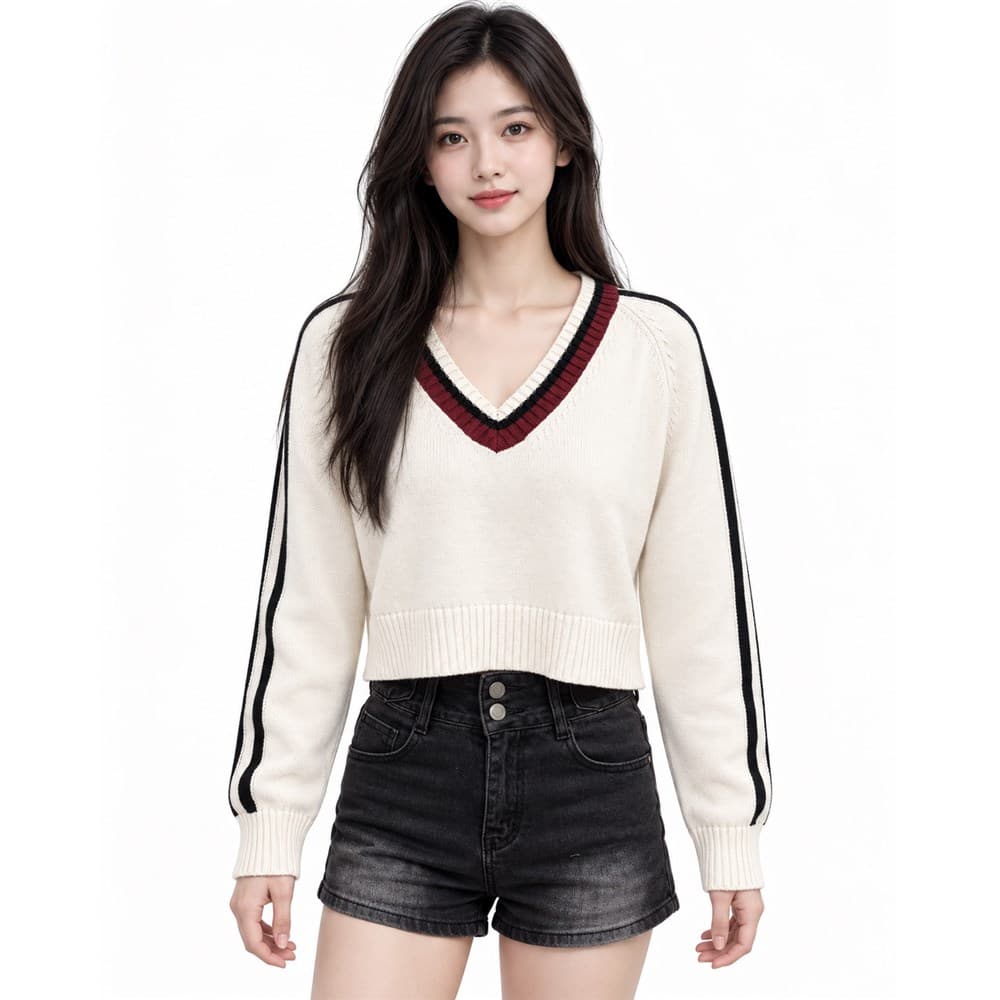
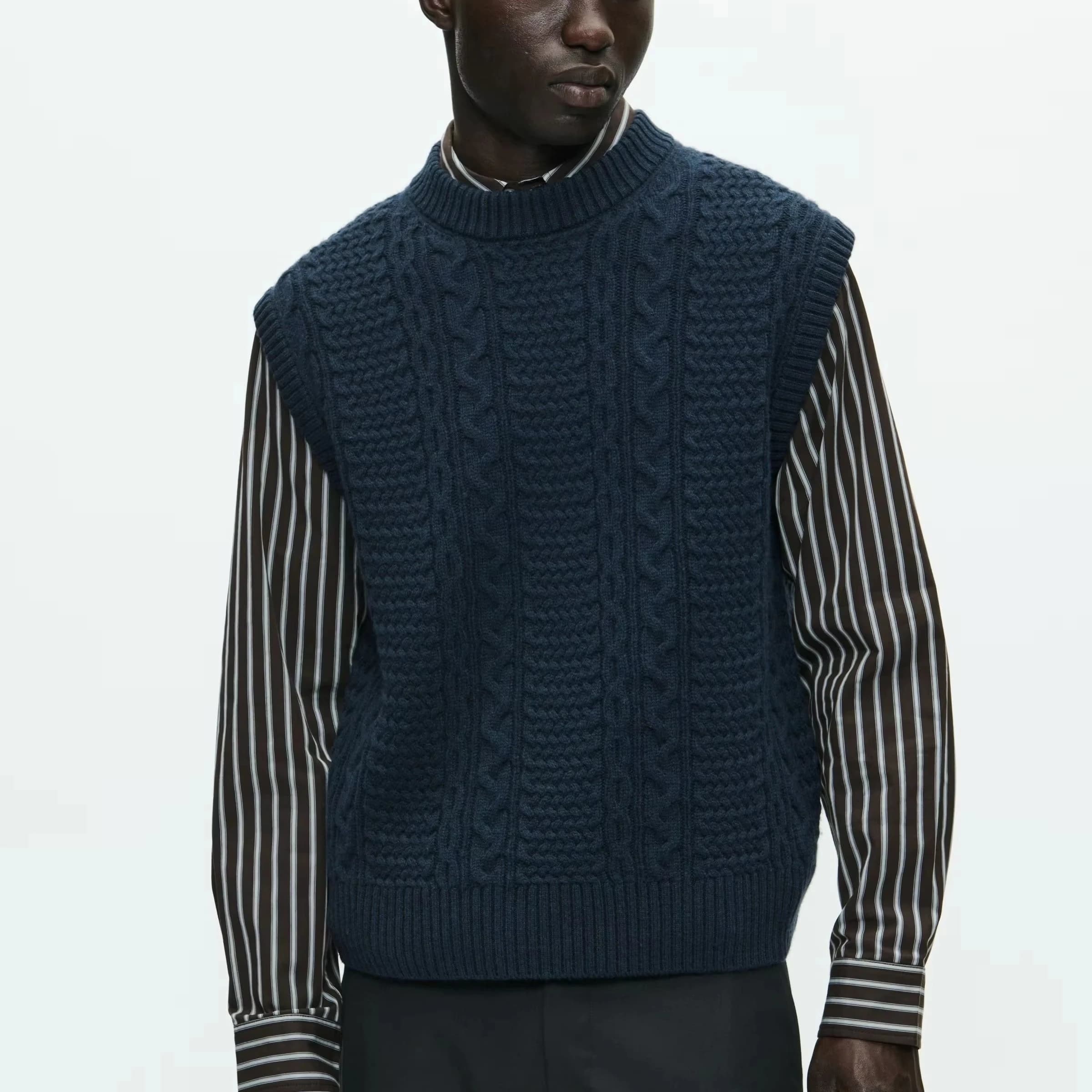
*The fastest way to understand 18GG: hold it up. At this gauge the fabric is dense and even
enough to hold its shape, and light enough to read through — which is why it works under a
jacket where a 7GG crewneck would not.*
The MOQ trap
Here is the part that catches new brands.
Fine-gauge machines are expensive, fewer factories own them, and the set-up cost per style —
programming, yarn conditioning, sampling until the tension holds — is roughly the same whether
you make 30 pieces or 3,000. Factories protect that set-up cost by raising the minimum.
This is why a published "low MOQ" figure and the number you are actually quoted for a fine-gauge
style are often not the same number. Ask any supplier the question directly: *is that minimum
the same at 18GG as it is at 12GG?* The answer separates factories that own fine-gauge machinery
from factories that subcontract it.
Our minimum is 30 pieces per colour, and it is the same 30 at 18GG as it is at 7GG. The
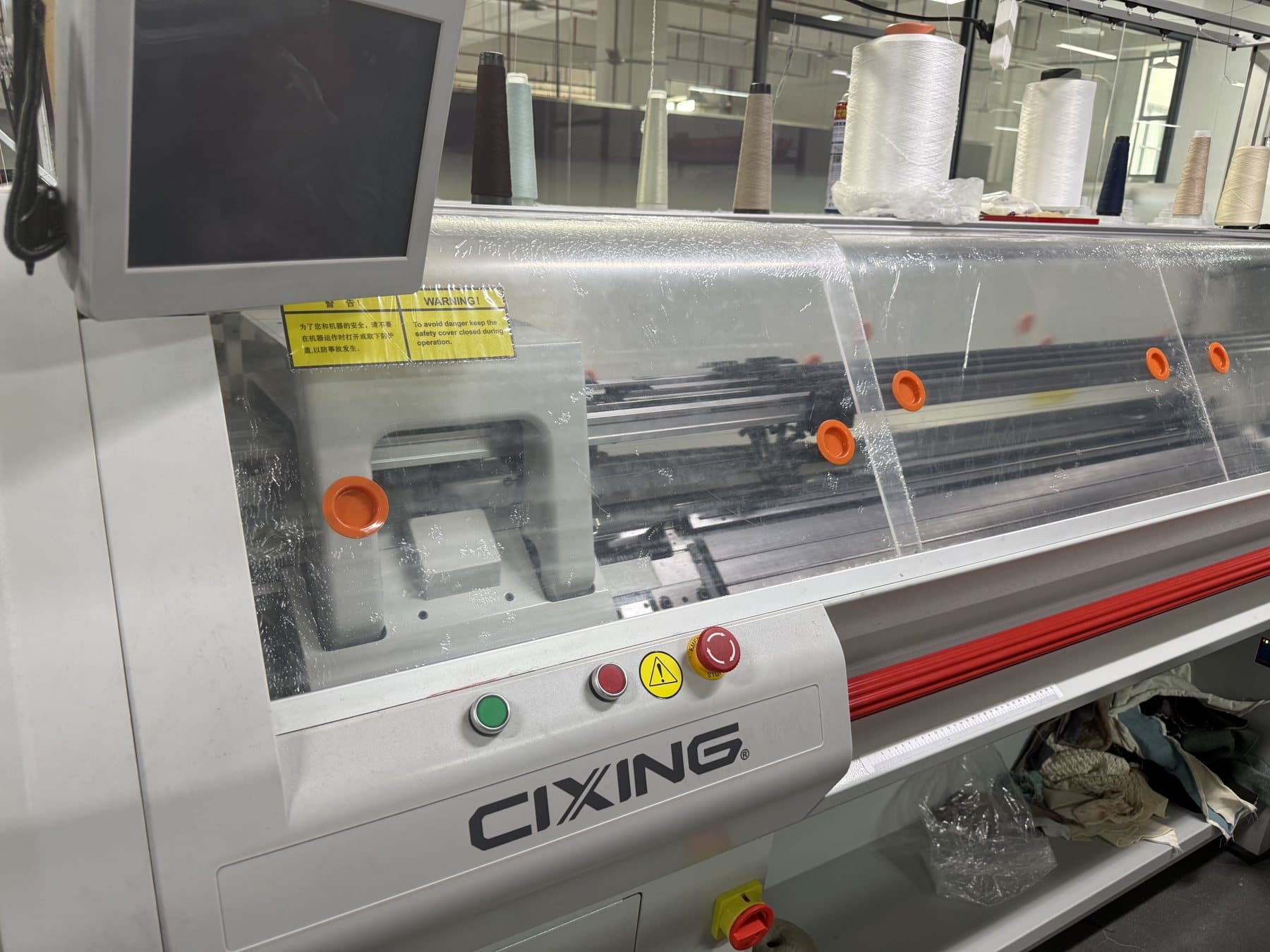
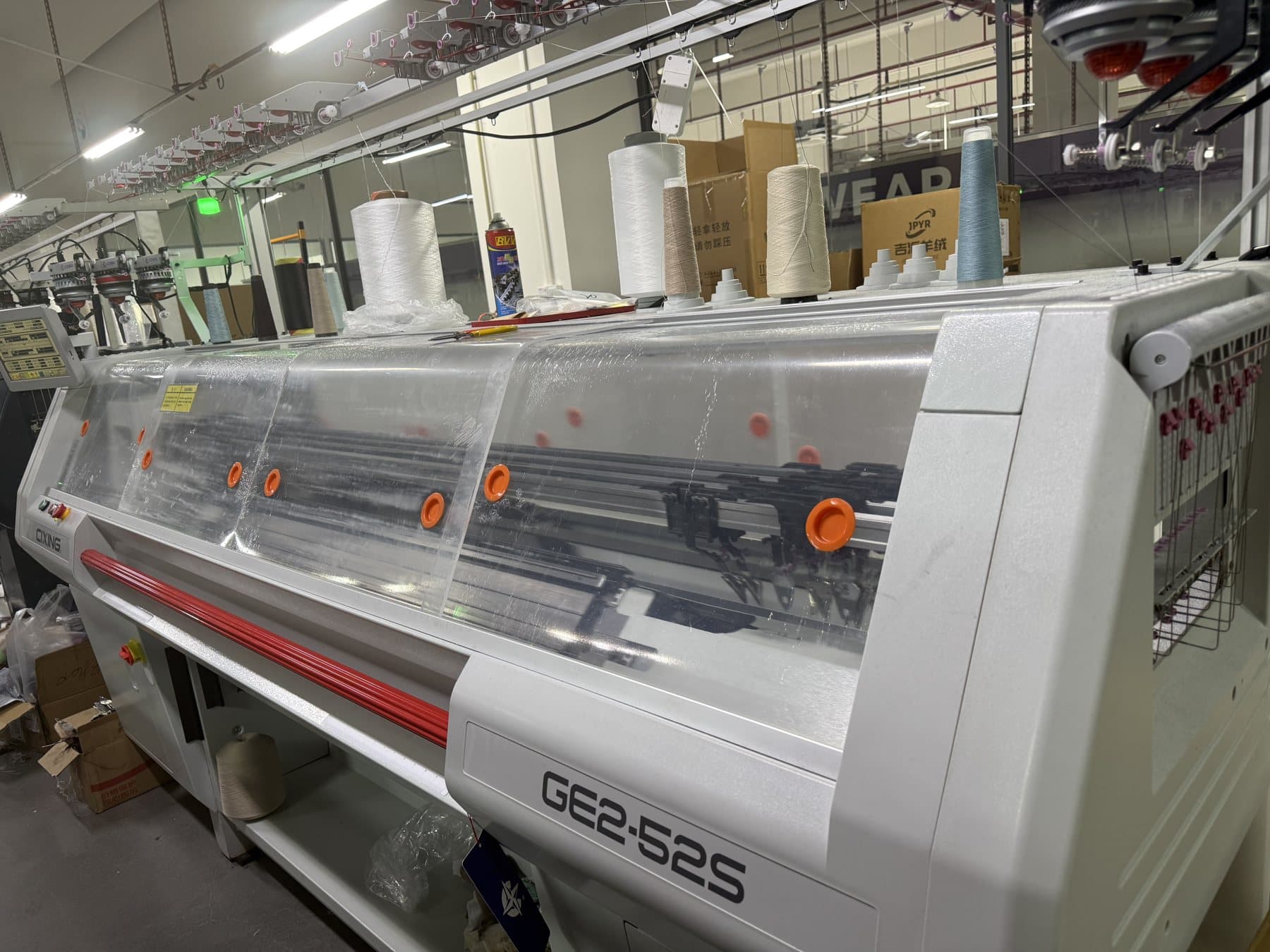
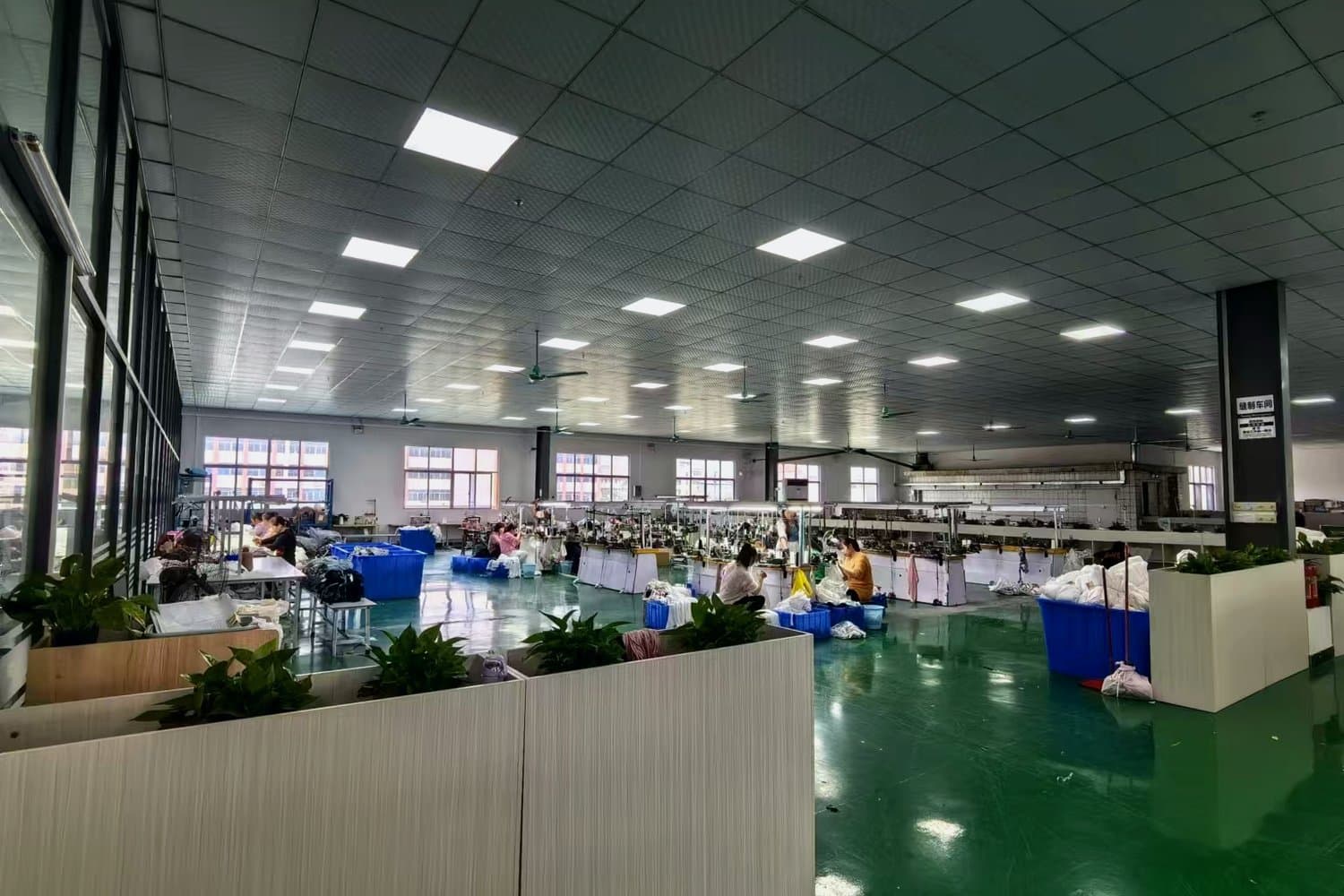
fine-gauge machines are ours — Cixing computerised flat machines on our own floor in Changping,
Dongguan — and the programming sits with our own technicians, so a short run does not have to
carry a subcontractor's margin on top of our own set-up. That is the whole reason we can hold
the number at fine gauge when the market generally cannot.
That is the entire commercial argument for talking to us about fine gauge. It is not that 18GG
is rare — several good factories run it well. It is that fine gauge and a genuinely small
minimum rarely appear in the same quotation.
What to send us for an 18GG quotation
You do not need a full tech pack to get a real number.
1. A reference garment or clear photos — front, back, collar, cuff, and a close-up of the
stitch if you have one
2. Target yarn — mercerised cotton, cotton/silk, extra-fine merino, or "you recommend"
3. Colours and quantity per colour — even approximate
4. Your target landed cost, if you have one. It saves both of us a round trip.
Sample lead time is 15–25 days from confirmed yarn and artwork.
Frequently asked
What weight does an 18GG fabric come out at?
Published industry figures put 18G at roughly 180–310 g/m² for a 1×1 rib, moving with yarn
count — the finer the count, the lighter the cloth. That is shirt territory, which is the whole
point of the gauge.
Can you knit 18GG in mercerised cotton?
Mercerised long-staple cotton is the classic 18GG polo yarn — the mercerisation is what gives
the finished polo its lustre and colour depth. Send us the count you have in mind, or your
reference garment, and we will confirm against what we can source.
Is 18GG always better than 12GG?
No. It is lighter, finer and drapes more. For a winter crewneck you may want the loft of 7GG
or 12GG. Fine gauge earns its cost premium on polos, luxury base layers, and anything that has
to sit under a jacket without bulk.
Do you do fully-fashioned at 18GG?
Fully-fashioned means the panels are knitted to shape rather than cut from fabric, so the
selvedge follows the seam. It is the right construction for fine gauge, because cutting a fine
knit exposes loops that then have to be over-locked.
What is the smallest order you will take at 18GG?
30 pieces per colour — the same minimum we quote at every other gauge. Fine gauge does not raise
it here, because the machines and the programming are in-house.
---
*Licheng Knitwear is a knitwear manufacturer in Changping, Dongguan, Guangdong, producing
OEM and ODM knitwear for brands in North America and Europe. Gauge range 3GG–18GG in-house.
MOQ 30 pcs/colour. Samples in 15–25 days. OEKO-TEX Standard 100, GOTS, GRS and ISO 9001.*
Fine gauge needs fine yarn, around 2/48Nm or finer, which has little tolerance for tension error and breaks easily. It also needs separate fine-gauge machines, knitting time climbs steeply, and linking the small, tight loops takes an operator who does it regularly.
Four things, roughly in order: knitting time, because panels need more courses; yarn cost, because finer counts cost more per kilogram; a higher reject rate until the style is dialled in; and linking labour, because a fine seam carries roughly twice the stitches per inch.
Barely. 12GG uses less yarn, but the yarn is finer and dearer and the panels take longer, so the two roughly cancel and fibre and structure move the price more than gauge. Above 12GG that stops being true.
Ask whether its minimum is the same at 18GG as at 12GG. A factory that quotes 3GG-18GG either owns dedicated fine-gauge machinery or plans to subcontract, and the answer separates the two.
A reference garment or clear photos of the front, back, collar and cuff; the target yarn, or ask us to recommend one; the colours and approximate quantity per colour; and your target landed cost if you have one. A full tech pack is not required.
We focus on men's sweaters, cardigans, knit jackets, jacquard knitwear and private label knitwear. We support B2B buyers with OEM/ODM development, sampling and bulk production planning.
Ready to Start Your Project?
Get a free catalog or submit an RFQ today. Our team will respond within 24 hours.
MOQ, lead time, cost ranges, gauge selection and QC checkpoints across typical OEM/ODM knitwear programs in NA + EU. Enter your email — we'll send you the report link in 30 seconds.
No spam. Unsubscribe with one reply. We use your email only to send you the report and follow up if you want a sourcing conversation.
Brand names shown are previously serviced OEM/ODM partners. Logos are decorative and do not imply current endorsement.