针织色样确认:Lab Dip、潘通与大货颜色匹配
避免大货颜色偏差。一份关于针织色样确认的实操指南——从潘通色卡参考、到 Lab Dip 打色、再到一致的大货——涵盖同色异谱、染缸色差容差、色牢度,以及如何签封颜色让到货毛衣与样品一致。
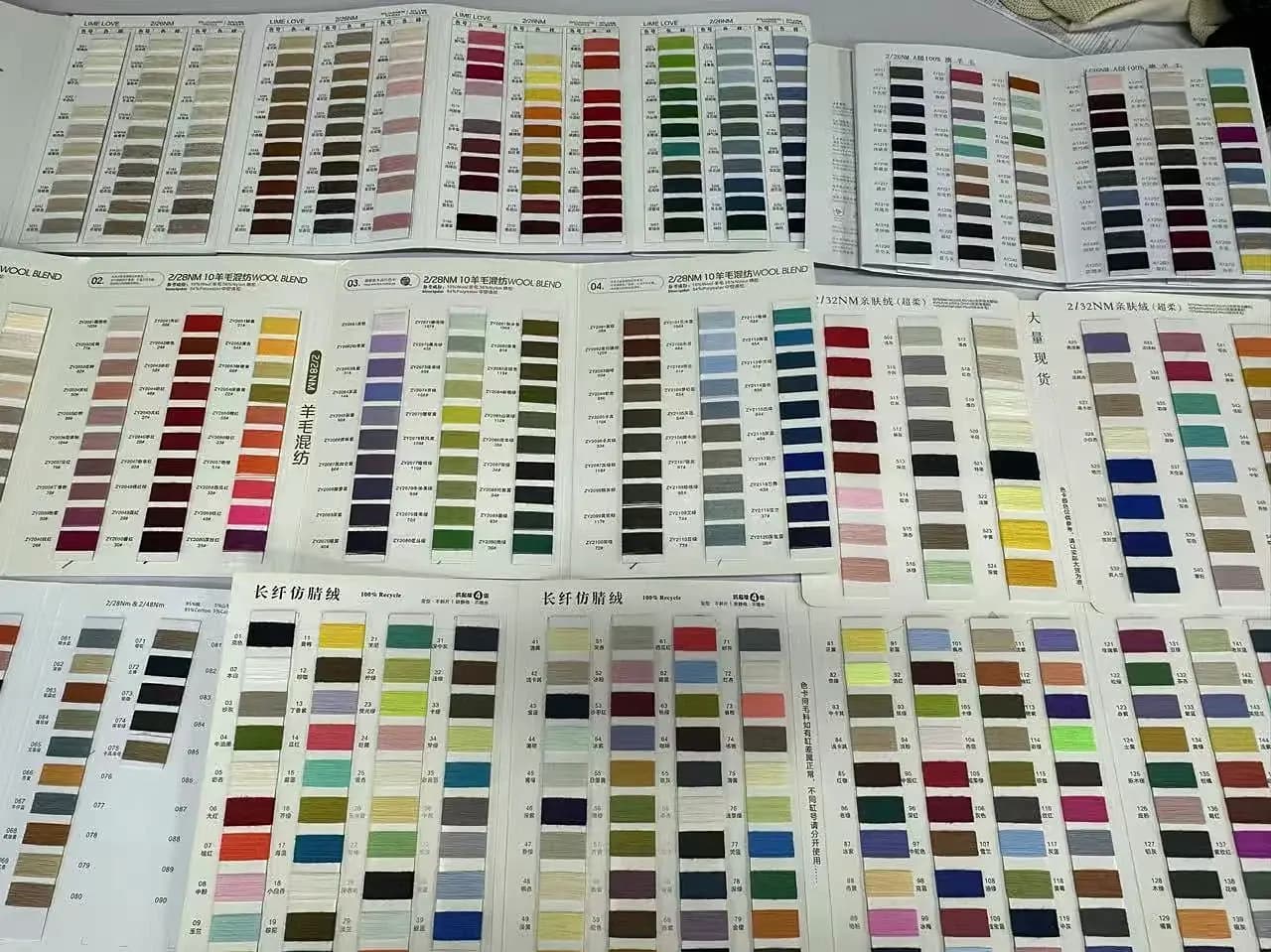
Color is one of the most common reasons a knitwear order disappoints a buyer — the bulk arrives a shade off the sample, or two colours that should match don't. Almost all of it is avoidable with a proper color-approval process. This guide walks through how knitwear color works in practice, from a Pantone reference to approved lab dips to consistent bulk, so your delivered sweaters match what you signed off.
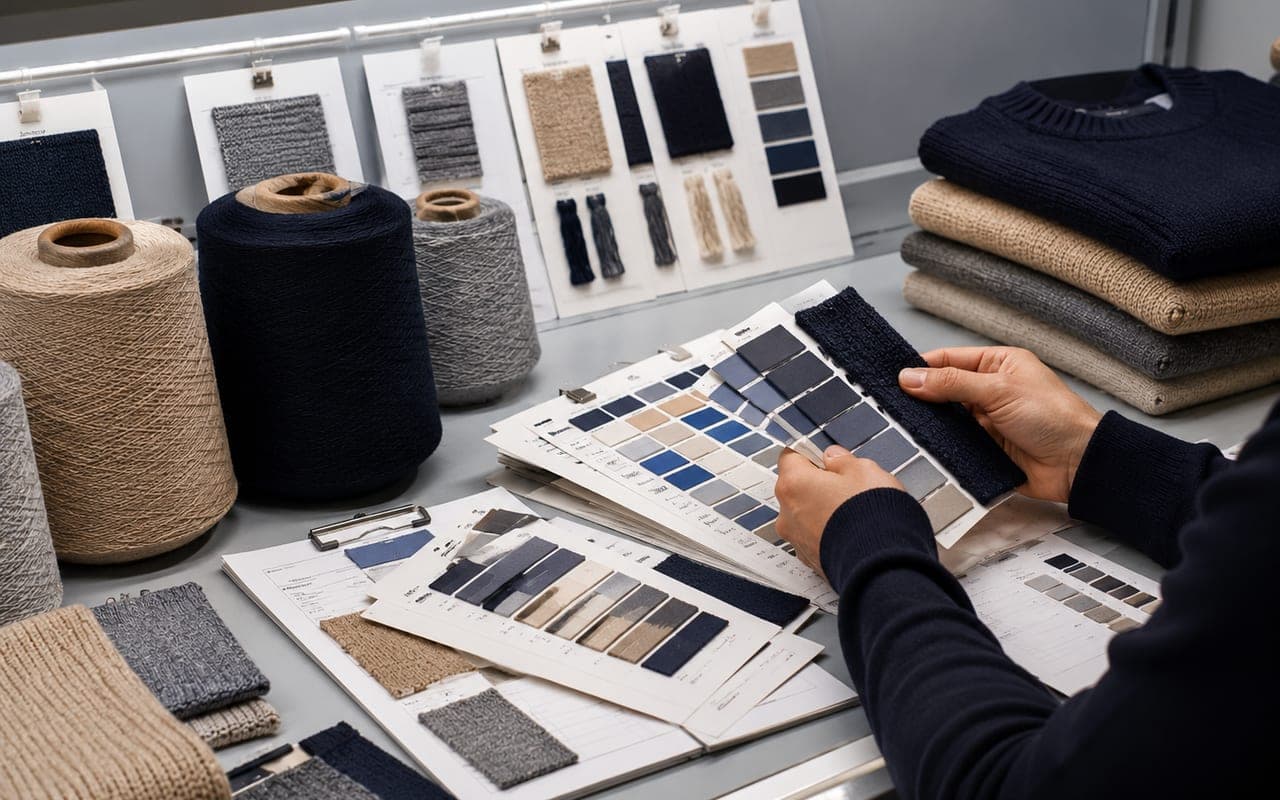
Approve color on the actual yarn, under agreed lighting, in writing. A color approved casually on a phone screen is the number-one source of "the bulk looks wrong" disputes.
The color approval workflow
Common Questions
What does the colour approval workflow look like end to end? Colour reference, lab dip submission, lab dip approval, bulk dyeing, then bulk colour verification against the approved dip. Each stage is a gate, and skipping the bulk verification is where colour problems reach the customer.
How many lab dip rounds should a buyer expect? More than one is normal, particularly for a difficult shade. Each round carries a fee and calendar time, which is why an unambiguous colour reference at the outset is the cheapest intervention available.
Why does bulk colour drift from the approved lab dip? Because a bulk dye lot is a different scale of process from a laboratory dip - different volume, different liquor ratio, sometimes a different yarn lot. Some drift is inherent, which is why an agreed tolerance and a bulk verification step matter more than a perfect dip.
How should colour be written into the specification? Name the Pantone reference with its suffix, the acceptable tolerance, and the light source conditions for assessment. Colour approved by eye without those three is approved against an unstated standard.
What are the most common colour mistakes buyers make? Approving from a screen, approving under office lighting, changing the reference after lab dips have started, and treating one approved dip as covering every style in the range. Each adds rounds or produces goods that do not match across the collection.
💬 Sourcing this for an upcoming project? Request a free quote → · MOQ 50 pcs · Sample in 15–25 days · WhatsApp us
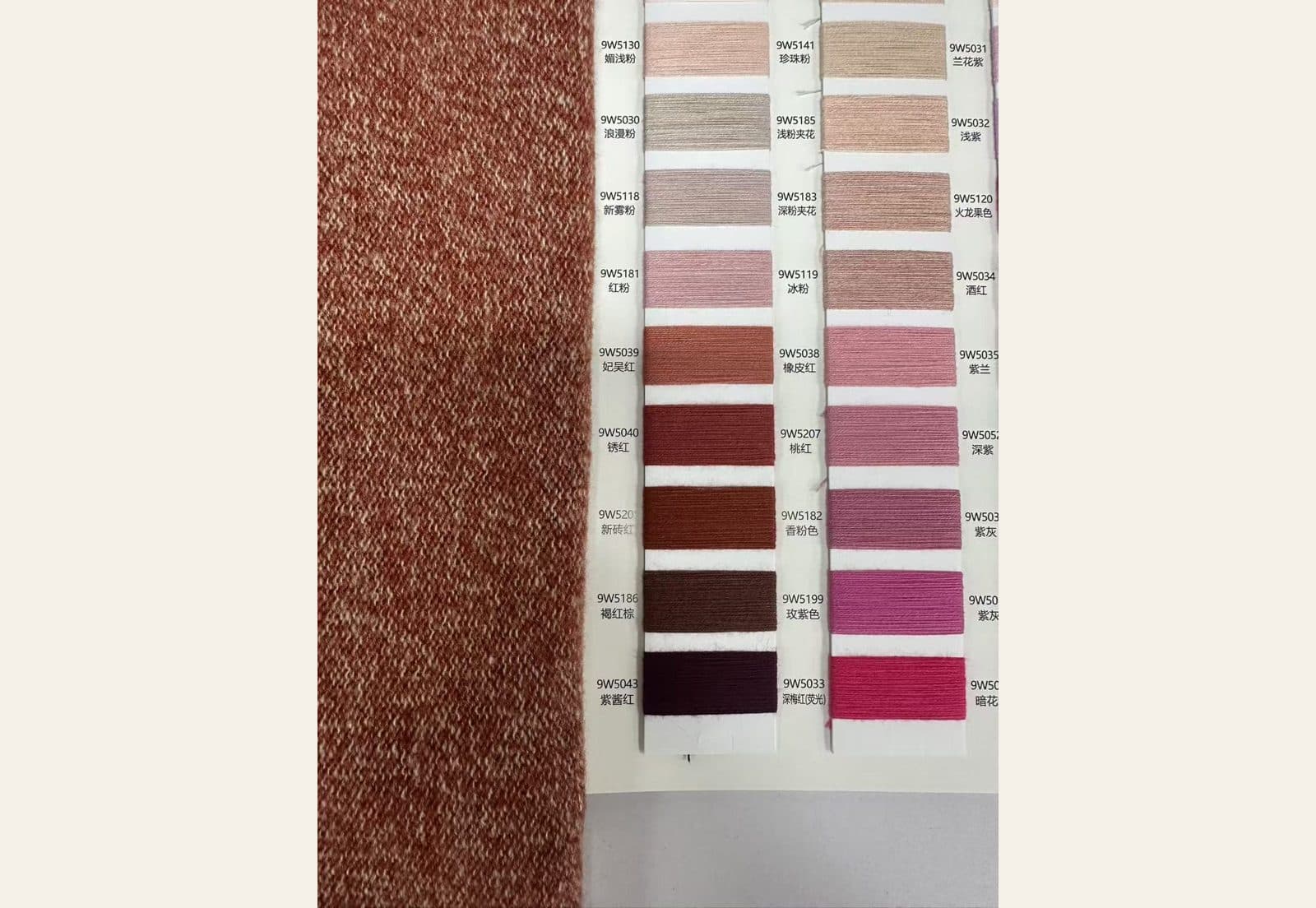
1. Reference — you provide a target: a Pantone TCX number, a physical swatch, or an existing garment. Pantone TCX (textile) references are more reliable for yarn than screen colors. 2. Lab dip — the factory dyes small yarn samples to match your reference and sends them for approval. 3. Approval (or revision) — you compare under agreed lighting and approve, or request a closer match. Expect one or two rounds. 4. Bulk dyeing — production yarn is dyed to the approved standard. 5. Bulk color check — confirm bulk matches the approved lab dip within tolerance.
Key terms buyers should know
| Term | Meaning |
|---|---|
| Lab dip | A small dyed yarn sample submitted for color approval |
| Pantone TCX | Pantone's textile color system (cotton-based standards) |
| Strike-off | An approval sample for prints/patterns (vs solid color) |
| Metamerism | Colors that match under one light but not another |
| Lot / dye-lot variation | Slight color differences between separate dyeing batches |
| Gray scale rating | A 1–5 scale used to grade color difference and fastness |
Why bulk can drift — and how to prevent it
- Lighting matters. Approve under an agreed light source (e.g. D65 daylight). Metamerism means a match under store light can fail under daylight — check under more than one.
- Dye-lots vary. Large orders may be dyed in multiple lots; specify an acceptable tolerance and that all lots match the approved standard.
- Yarn substrate affects shade. The same dye reads differently on wool vs cotton vs acrylic, so always approve on your actual yarn — see the yarn material guide.
- Color fastness. Ask about wash and rub fastness so the color holds; tie it into your care and labeling plan.
Build color into your spec and QC
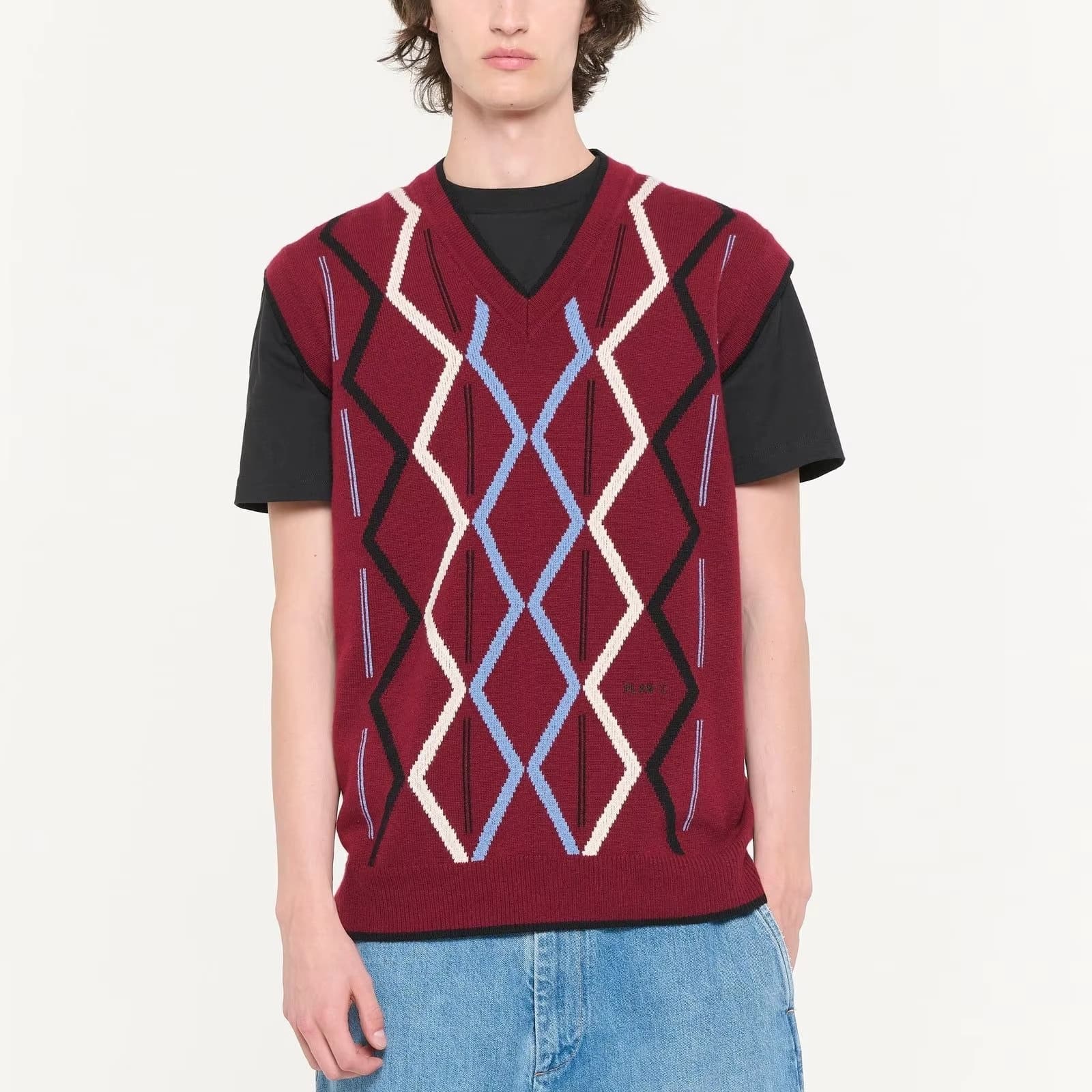
Don't treat color as an afterthought. Put the reference, approved lab dip and tolerance into your spec, and check color at inspection. This fits inside the broader sampling approval process and sweater quality control checklist. For multi-color jacquards and patterns, confirm every shade and the cross-matching between them — see jacquard vs intarsia knitwear.
Common color mistakes
- Approving color on a screen instead of dyed yarn
- Checking under only one light source
- Not specifying dye-lot tolerance on large orders
- Forgetting color fastness, so the garment fades or crocks
- Approving verbally with no written record
Get color right the first time
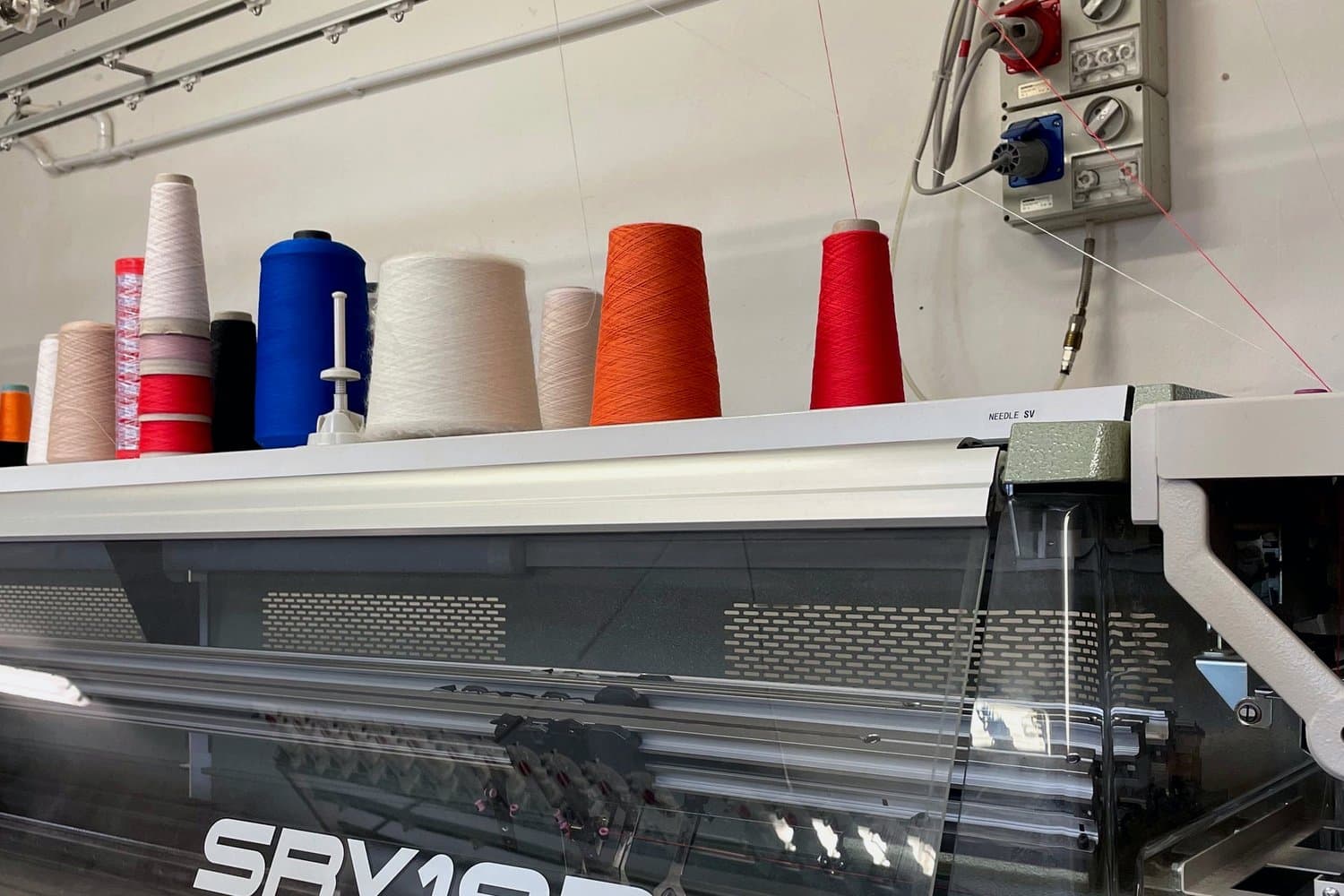
Licheng Knitwear runs lab-dip approval against your Pantone or physical reference, dyes bulk to the approved standard, and checks bulk color before shipment. Share your color targets and request a quote, or browse product directions to start from a style and palette you like.
---
Talk to our team about this
If you're planning a real project around any of the points above, we'd be glad to take a quick look. Send a short brief and we'll come back within one business day with a practical direction, MOQ + lead time estimate, and a sample plan if it makes sense.
→ Request a free quote · Download the men's knitwear catalog · WhatsApp us · info@lcgarment.cn
Frequently Asked Questions
You send a Pantone or physical standard; the mill dyes a lab dip; you approve it; then bulk yarn is dyed to the approved lab dip. Stock colours skip dyeing.
Often 1-2 rounds to hit the standard. Tight or unusual shades may need more. We send lab dips for sign-off before bulk dyeing.
Yes - a small-lot dyeing surcharge below 100-300 pieces per colour, and 7-15 extra days for the lab dip. The MOQ stays at 50 pieces per colour; in-stock colours keep cost and lead time lowest.
We focus on men's sweaters, cardigans, knit jackets, jacquard knitwear and private label knitwear. We support B2B buyers with OEM/ODM development, sampling and bulk production planning.
Ready sample styles and selected custom programs can support lower-risk trials before larger seasonal orders.
Yes. Brands, including new labels preparing a first collection, can pay for a sample and see it before placing a production order. Two routes: a ready sample of a published style at USD 60 per piece in about 7 days, or a development sample from your tech pack at USD 150 per style, covering yarn sourcing, knit programming, one prototype and one revision round, in 15-25 days. Cashmere and mohair styles are quoted individually and shipping is charged at cost. Production starts only after you approve the physical sample, at our minimum of 50 pieces per colour with sizes mixed inside the 50. A sample does not commit you to a production run; we do not make garments for personal use.