Common Sweater Quality Problems and How to Avoid Them
Updated 8/18/202612 min readBy Simon Liu · Licheng Knitwear
A quality control guide covering common sweater issues such as measurement variance, pilling, color difference, seam quality, shrinkage and packing mistakes.
Even a well-designed sweater can disappoint in bulk if common production defects are not understood and prevented. Knowing what typically goes wrong, and why, lets B2B buyers brief better, inspect smarter, and hold factories to a standard. This guide covers the most frequent sweater quality problems and how to avoid each one.
Most knitwear defects are predictable and preventable. The buyers who know them write better specs and catch problems before they ship.
Yarn quality is the root cause of pilling; testing the actual yarn before bulk is the best prevention.
Pilling
The most common complaint. Pilling happens when short fibers work loose and tangle into balls, especially at friction points. Prevention starts with yarn: longer-staple, higher-twist yarns pill less. Ask the factory to test pilling on the actual production yarn before bulk, and treat cheap yarn claims with caution.
Twisting (Spirality)
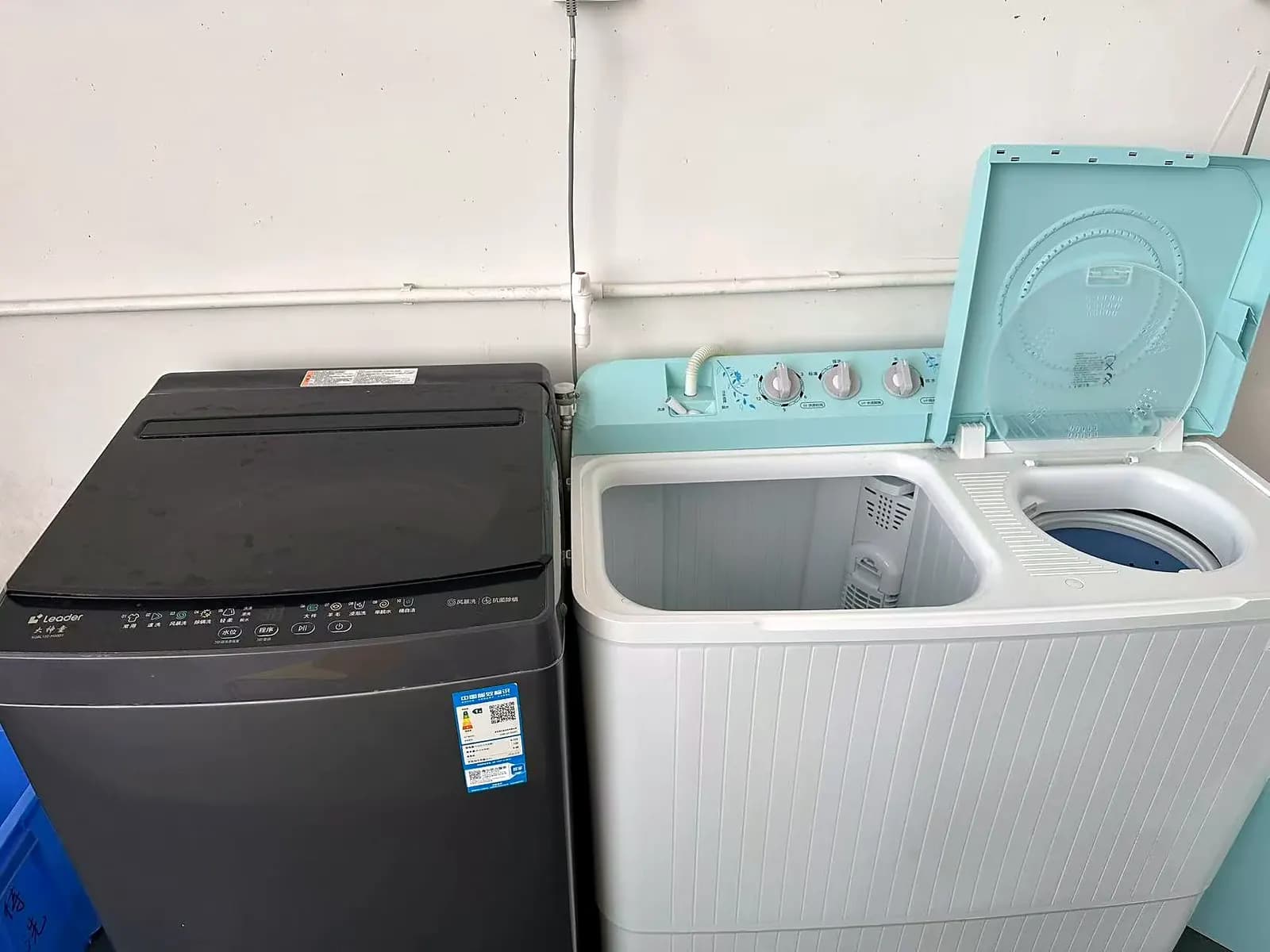
When side seams spiral around the body after washing, the yarn twist is unbalanced or the fabric was not properly relaxed and finished. Prevention is balanced yarn and correct finishing. Always check a washed sample, not just a fresh one, because twisting often appears only after the first wash.
Shade Variation
If garments in the same order differ slightly in color, the cause is usually mixed dye lots. A good factory keeps one dye lot per color per order, or at minimum tests for consistency. Specify color with Pantone or a physical swatch and require dye-lot consistency in writing.
Measurement Drift
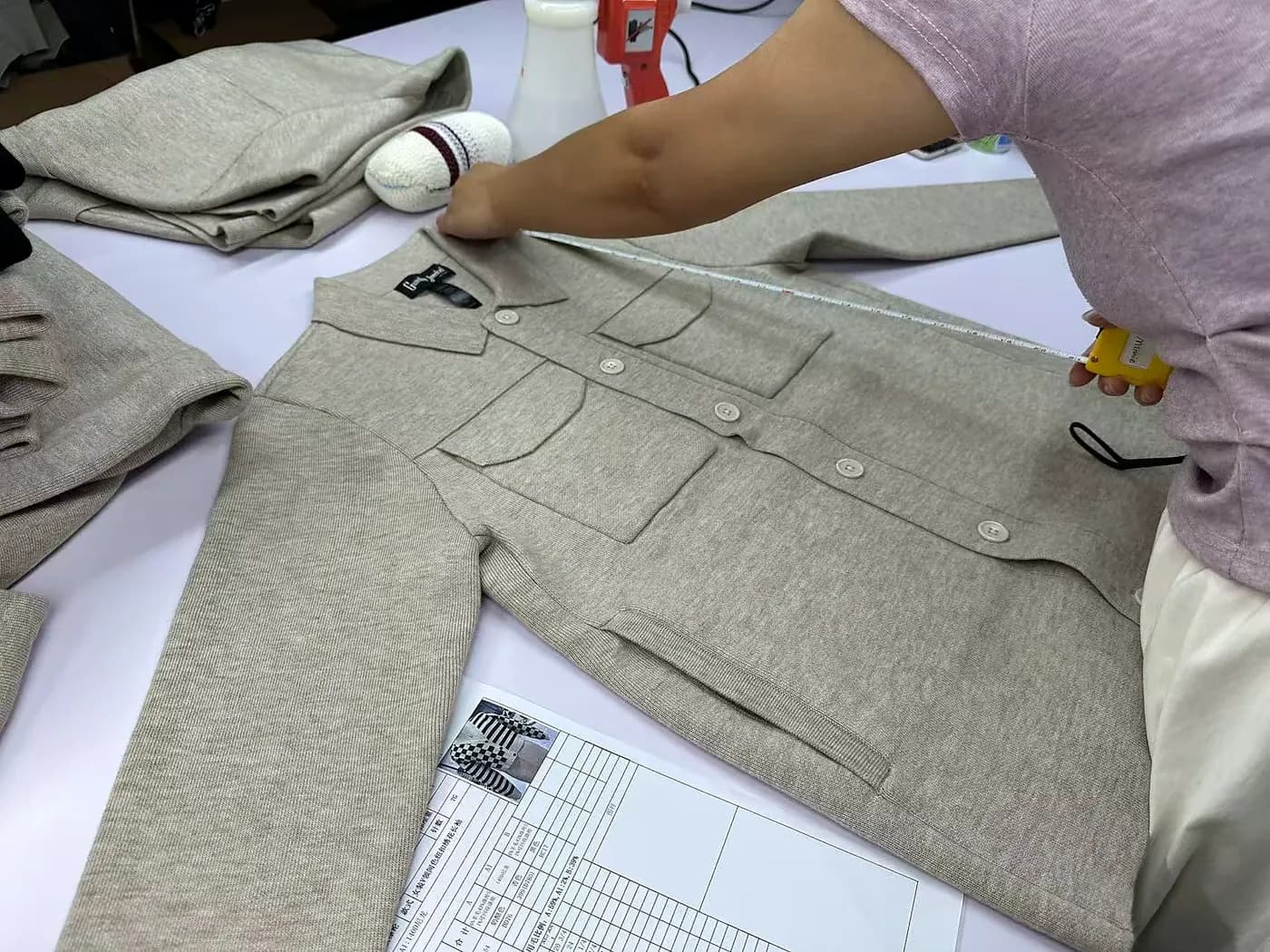
On large orders, measurements can drift if knitting tension is not controlled. The result is sizes that creep off-spec across the run. Prevention is tension control and in-line measurement checks. Agree tolerances (for example +/- 1cm) up front, as covered in our QC checklist.
How to Prevent Problems as a Buyer
Test the yarn for pilling and shrinkage before bulk
Approve a washed PP sample, not just a fresh proto
Specify dye-lot consistency and color references
Agree tolerances and an AQL standard in writing
Inspect at multiple stages, not only final
Keep the approved sample as the reference standard
The best defense is choosing a factory with documented multi-stage QC in the first place. See how to assess this in our guide to vetting a knitwear factory.
Where Each Defect Should Be Caught
Defects are cheapest to fix the earlier you find them. A hole caught at in-line knitting is a re-stitch; the same hole found at final inspection may mean a rejected carton. Use this map to decide which gate catches which problem, so nothing waits until the goods are already packed.
Defect
Best stage to catch it
What to check
Pilling
Yarn approval (pre-bulk)
Lab pilling test on production yarn
Twisting (spirality)
PP sample, after wash
Side seams on a laundered sample
Shade variation
Dyeing / in-line
One dye lot per color; light-box comparison
Measurement drift
In-line knitting
Spot-measure pieces against the spec sheet
Holes / dropped stitches
In-line + final (AQL)
Needle condition, snag points, full panels
Uneven linking
In-line linking
Seam flatness at neck, shoulder, armhole
The pattern is consistent: yarn and finishing faults are designed out before bulk, while workmanship faults are caught in-line and confirmed at a final AQL inspection. Across gauges from 3GG chunky to 18GG fine-gauge, and across cotton, wool, merino, cashmere and blends, acrylic, and recycled yarns, the gates stay the same — only the tolerances tighten as the gauge gets finer.
A Worked Example: Catching Spirality Before It Ships
A buyer orders 600 fine-gauge merino crews. The fresh proto looks perfect, so it is tempting to approve and move on. Instead, the buyer requires a washed PP sample. After one home wash, the side seams rotate roughly 3cm off-vertical — classic spirality from unbalanced twist. Because this surfaced during the 15–25 day sampling window, not after the 30–45 day bulk run, the fix is cheap: the factory switches to a balanced (plied) yarn, adds a proper relaxing-and-steaming finish, and re-submits a washed sample. The order ships clean. Approving only the fresh proto would have meant 600 garments twisting in customers' first wash — far costlier than one extra sample round.
A Pre-Production Defect-Prevention Checklist
Run this before you release bulk, ideally attached to your PO:
[ ] Production yarn passes a lab pilling and shrinkage test
[ ] Washed PP sample approved (checked for twisting and measurement)
[ ] One dye lot per color confirmed in writing; color matched to Pantone or swatch
[ ] Measurement tolerances stated (e.g. +/- 1cm) and an AQL level agreed
[ ] In-line inspection scheduled, not just final
[ ] Approved sample sealed and retained as the reference standard
[ ] If recycled content is claimed, GRS documentation requested
Common Questions
Can pilling be eliminated completely?
No yarn is fully pill-proof, but it can be minimized by choosing longer-staple, higher-twist yarns and testing the actual production yarn before bulk. The goal is acceptable, specified pilling performance, not an impossible zero.
How do I make a factory accountable for defects?
Put the standard in writing: measurement tolerances, dye-lot consistency, and an agreed AQL inspection level on the PO, with a sealed approved sample as the reference. A documented standard turns disputes into objective checks.
Will a fresh sample tell me if the sweater will twist or shrink?
Often not — twisting and shrinkage usually appear only after the first wash. Always approve a laundered PP sample so post-wash behavior is verified before the 30–45 day bulk run begins.
Licheng Knitwear runs multi-stage QC and yarn testing to prevent these defects for B2B buyers in North America and Europe. Request a quote or browse our products.
---
Talk to our team about this
If you're planning a real project around any of the points above, we'd be glad to take a quick look. Send a short brief and we'll come back within one business day with a practical direction, MOQ + lead time estimate, and a sample plan if it makes sense.
Common issues include measurement variance, pilling, color difference, loose linking, shrinkage, finishing defects and packing errors.
No supplier should promise zero risk. Clear specs, sample approval and staged QC can reduce preventable issues.
We focus on men's sweaters, cardigans, knit jackets, jacquard knitwear and private label knitwear. We support B2B buyers with OEM/ODM development, sampling and bulk production planning.
Ready sample styles and selected custom programs can support lower-risk trials before larger seasonal orders.
Yes. Brands, including new labels preparing a first collection, can pay for a sample and see it before placing a production order. Two routes: a ready sample of a published style at USD 60 per piece in about 7 days, or a development sample from your tech pack at USD 150 per style, covering yarn sourcing, knit programming, one prototype and one revision round, in 15-25 days. Cashmere and mohair styles are quoted individually and shipping is charged at cost. Production starts only after you approve the physical sample, at our minimum of 30 pieces per colour with sizes mixed inside the 30. A sample does not commit you to a production run; we do not make garments for personal use.
Our sample fee is not refundable. Yarn sourcing, knit programming, machine setup and hand linking cost about the same whether one piece follows or five hundred, which is why the fee exists at all. It is credited against your first bulk order placed within six months of sample approval: 100% of a development sample fee, 50% of a ready sample fee.
Ready to Start Your Project?
Get a free catalog or submit an RFQ today. Our team will respond within 24 hours.