Knitwear Color Approval: Lab Dips, Pantone & Bulk Color Matching
Stop bulk arriving a shade off. A practical guide to knitwear color approval — from Pantone reference to lab dips to consistent bulk — covering metamerism, dye-lot tolerance, fastness and how to sign color off so delivered sweaters match.
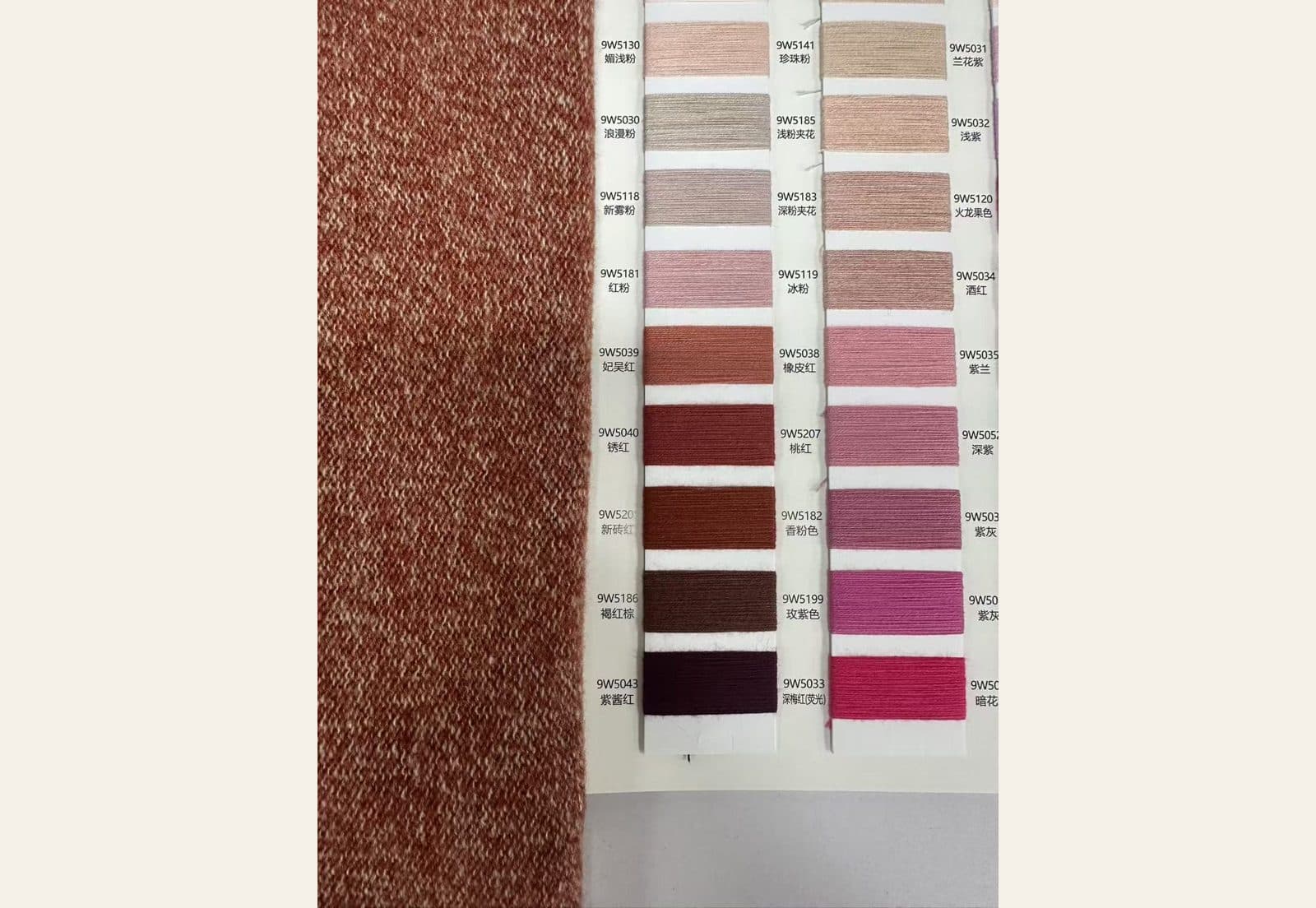
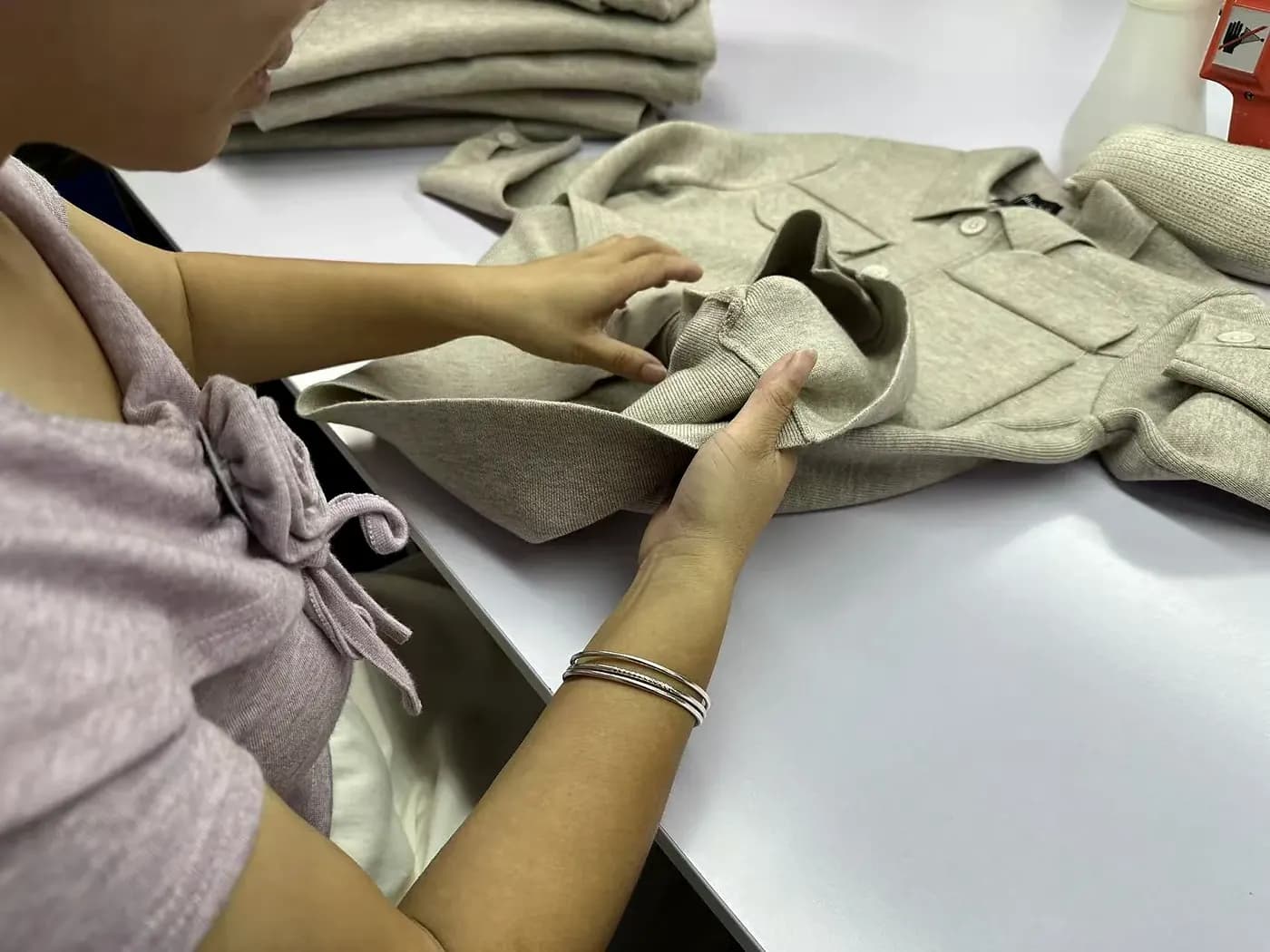
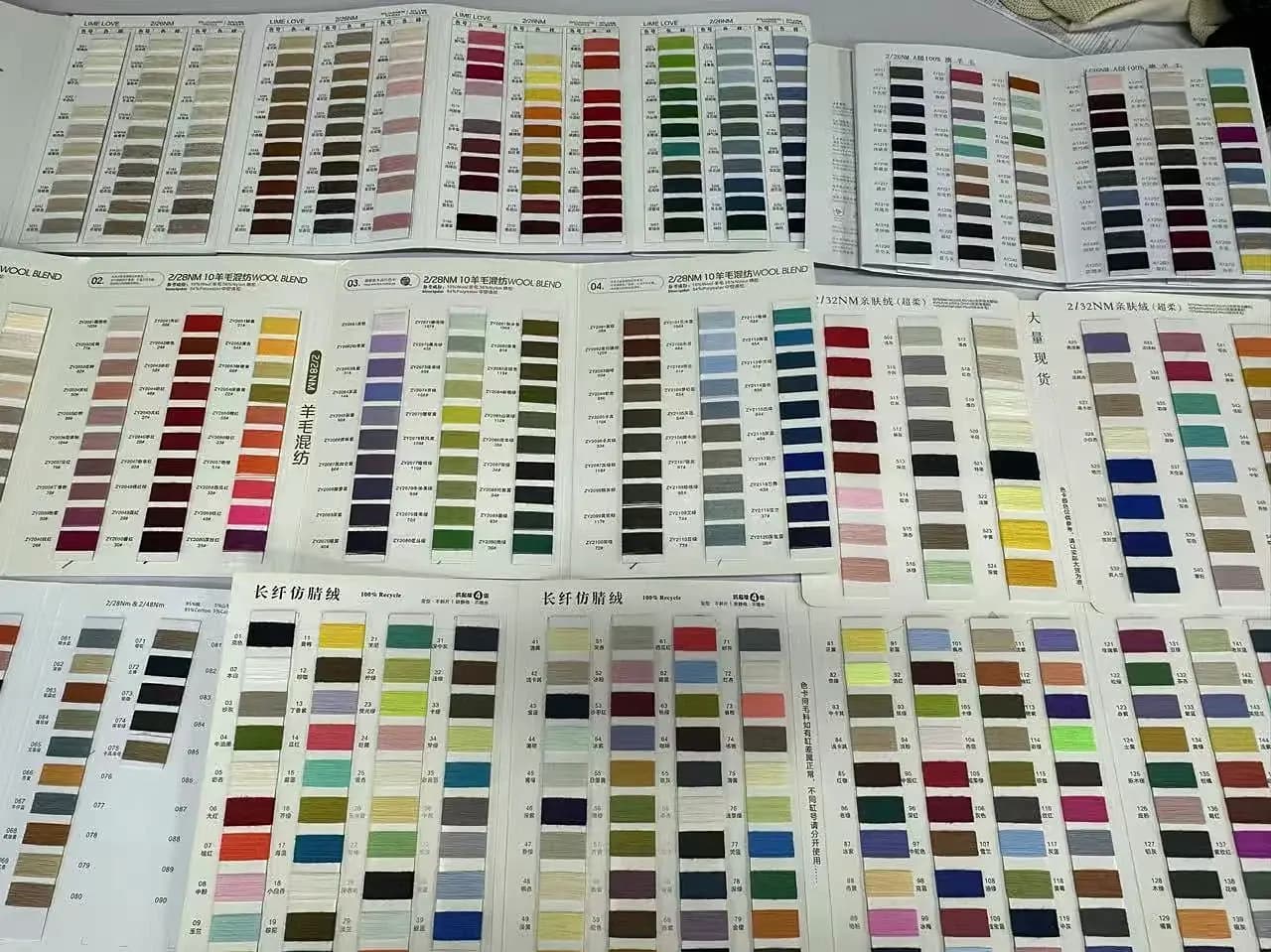
Color is one of the most common reasons a knitwear order disappoints a buyer — the bulk arrives a shade off the sample, or two colours that should match don't. Almost all of it is avoidable with a proper color-approval process. This guide walks through how knitwear color works in practice, from a Pantone reference to approved lab dips to consistent bulk, so your delivered sweaters match what you signed off.
Approve color on the actual yarn, under agreed lighting, in writing. A color approved casually on a phone screen is the number-one source of "the bulk looks wrong" disputes.
The color approval workflow
Common Questions
What does the colour approval workflow look like end to end? Colour reference, lab dip submission, lab dip approval, bulk dyeing, then bulk colour verification against the approved dip. Each stage is a gate, and skipping the bulk verification is where colour problems reach the customer.
How many lab dip rounds should a buyer expect? More than one is normal, particularly for a difficult shade. Each round carries a fee and calendar time, which is why an unambiguous colour reference at the outset is the cheapest intervention available.
Because a bulk dye lot is a different scale of process from a laboratory dip - different volume, different liquor ratio, sometimes a different yarn lot. Some drift is inherent, which is why an agreed tolerance and a bulk verification step matter more than a perfect dip.