Overview
Acrylic blend knitwear can help buyers manage cost while keeping warmth, color options and production flexibility. The final blend should be reviewed for pilling, handfeel, market positioning and buyer quality expectations.
Material guide
Cost-conscious yarn direction for accessible sweaters, cardigans and private label programs.
Quick summary
Acrylic blend knitwear is best for accessible price-positioned sweaters, cardigans and private label programs when buyers need cost control and flexible color options.
Overview
Acrylic blend knitwear can help buyers manage cost while keeping warmth, color options and production flexibility. The final blend should be reviewed for pilling, handfeel, market positioning and buyer quality expectations.
Fiber Composition
Acrylic, acrylic wool blend, acrylic cotton blend or buyer-specified synthetic-rich blend.
Suitable Products
Sweaters, cardigans, knit jackets, vests and value-positioned programs
Suitable Gauge
3GG, 5GG, 7GG, 9GG, 12GG
Suitable Markets
USA, Canada, Europe, South America, wholesale and private label buyers
Season & Cost Positioning
Autumn, winter and transitional programs depending on gauge Low to Medium Wholesalers, sourcing teams and private label buyers needing accessible price positioning.
Soft, warm or lightweight depending on blend and finishing; less natural than wool or cotton.
3GG, 5GG, 7GG, 9GG, 12GG
Sweaters, cardigans, knit jackets, vests and value-positioned programs
USA, Canada, Europe, South America, wholesale and private label buyers
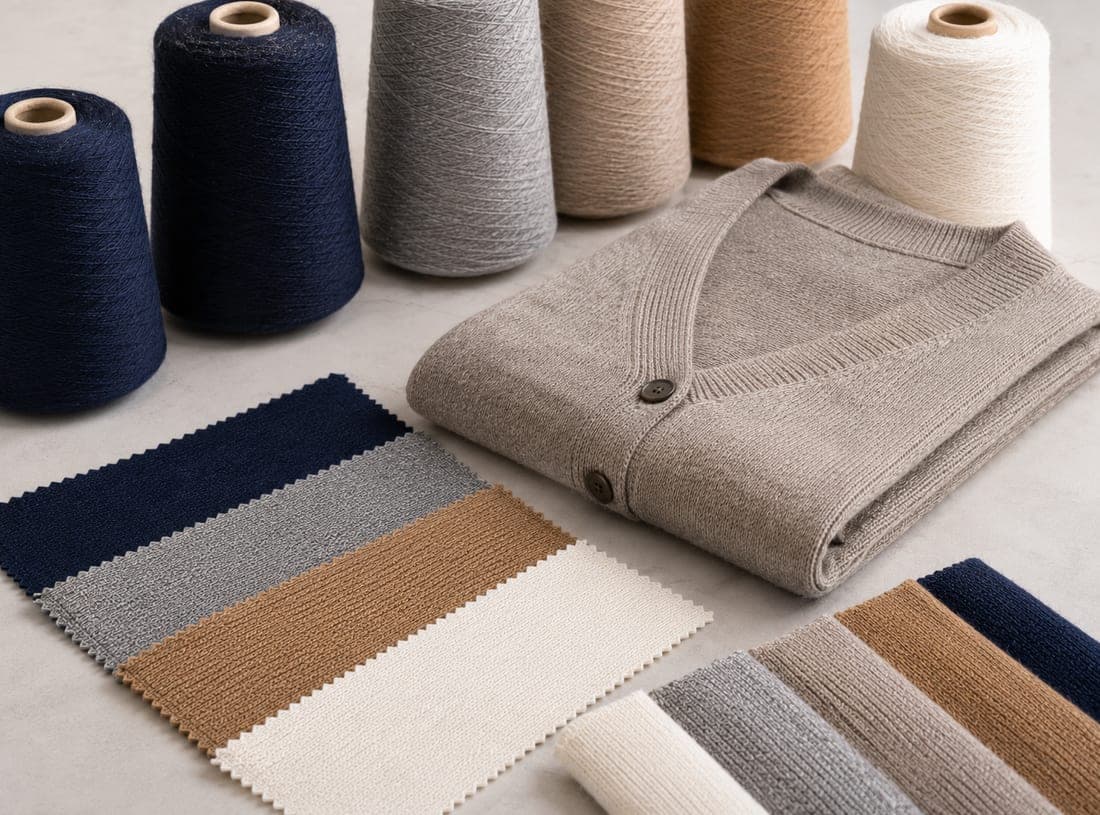
Colour options
Open each colour-card option online and flip through the uploaded pages. These catalogues are managed from the backend media library and material editor.
Backend managed
This area shows published catalogue covers and pages uploaded through the material media editor. Add more colour-card catalogues in the backend and they will appear here automatically.
MOQ is often more flexible than premium natural fibers, but depends on color count and yarn source. Lead time can be practical when yarn is available, but custom color and special blends require review.
Pilling, static, handfeel and shape retention should be checked in sample review. Care label and heat sensitivity should be reviewed based on actual composition.
Wool blend, cotton blend or recycled yarn can be reviewed if fiber story or sustainability positioning is more important.
Product links
Soft, warm or lightweight depending on blend and finishing; less natural than wool or cotton.
Get material suggestion, sample planning and RFQ review for your next knitwear collection.
Acrylic blend can be considered when buyers need practical cost control and easy-care positioning. Final handfeel and quality expectations should be sampled.
For brands making animal-welfare or traceability claims to consumers or retailers, yes — RWS is currently the most defensible third-party chain-of-custody standard, and the Transaction Certificate trail is what lets you back up a claim if challenged. For brands that are quietly buying non-mulesed wool without making the claim publicly, a clean National Wool Declaration or grower attestation may be enough. The premium for RWS over comparable non-certified merino is typically modest at yarn level (often 10-20 percent), and most of the cost lives in the documentation work rather than the fiber itself. Buy the certification you intend to use commercially.
Require two documents on every shipment: a mill spec sheet from the spinner stating fiber origin, average fiber length, and average fiber diameter; and an independent third-party test report from Intertek, SGS, Bureau Veritas or equivalent covering fiber content and average fiber diameter (micron). Tests should reference your PO number. Pull retention samples at incoming QC and weigh them against tech-pack target weight. For ongoing programs, occasionally send a retention sample to a different lab than the supplier uses. The cost of testing per shipment is small compared to the cost of a returns wave from sub-grade goods reaching customers.
Only if the traceability story matters to your customer. Supima is a licensed trademark with a documented chain from US grower to finished garment, which is genuinely useful for brands making a Made-in-USA-fiber or full-traceability claim. The fiber itself is excellent but not categorically superior to top-grade Peruvian Pima or genuine Giza Egyptian, both of which usually quote 15-25% cheaper at the yarn level. If you don't need the trademark on the hangtag, ask your mill to quote combed Peruvian Pima as a value alternative for the same hand and luster.
On direct landed cost, yes — acrylic yarn at $4-6/kg FOB versus wool at $9-14/kg drives a real $3-7 FOB delta per sweater that is hard to erase with finishing. The harder question is total lifetime cost. If you sell acrylic into a premium channel where the consumer expects wool, return rates and review scores can eat the savings within one season. If you sell it into a value channel where the consumer expects price and washability, acrylic is straightforwardly cheaper end-to-end. The decision is channel-driven, not just cost-driven.
Decide on pure vs cashmere-blend, set quality grade and ply, request lab dips and a sample, and verify fibre content. We offer cashmere-blend programmes.
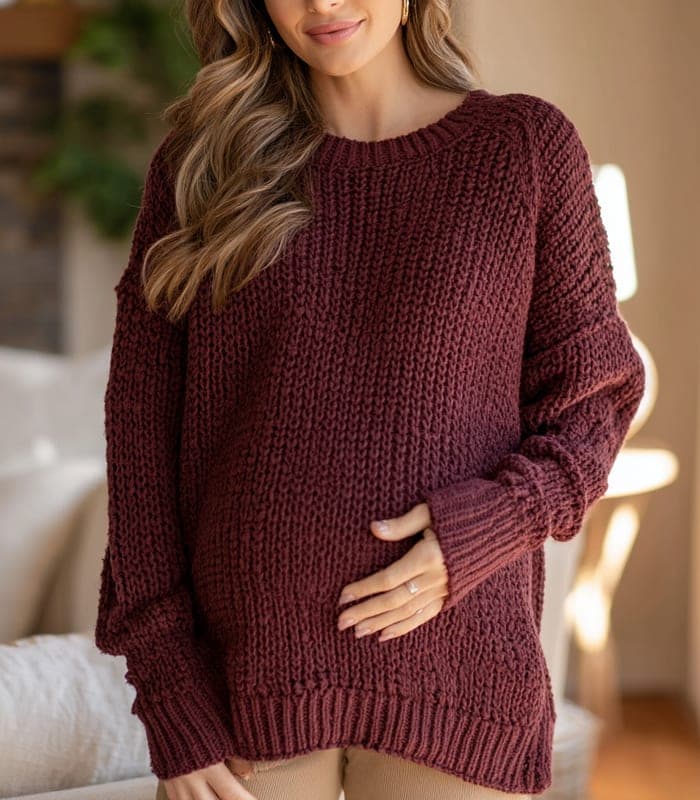
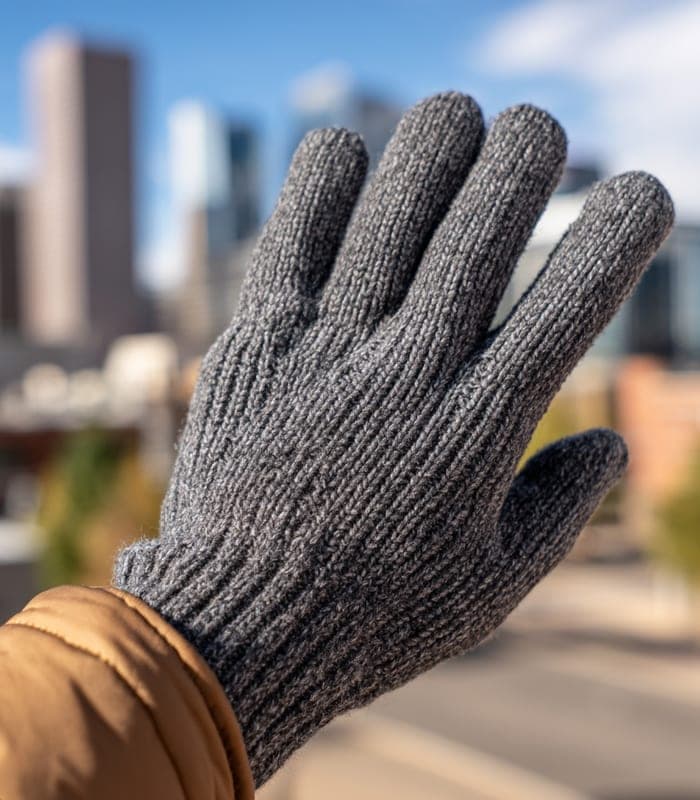
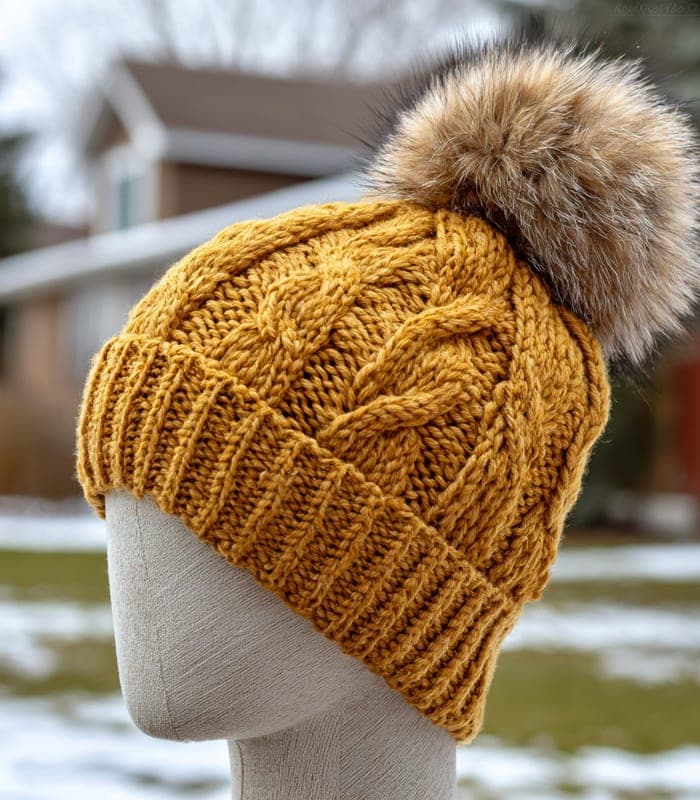
MOQ, lead time, cost ranges, gauge selection and QC checkpoints across typical OEM/ODM knitwear programs in NA + EU. Enter your email — we'll send you the report link in 30 seconds.
No spam. Unsubscribe with one reply. We use your email only to send you the report and follow up if you want a sourcing conversation.
Brand names shown are previously serviced OEM/ODM partners. Logos are decorative and do not imply current endorsement.