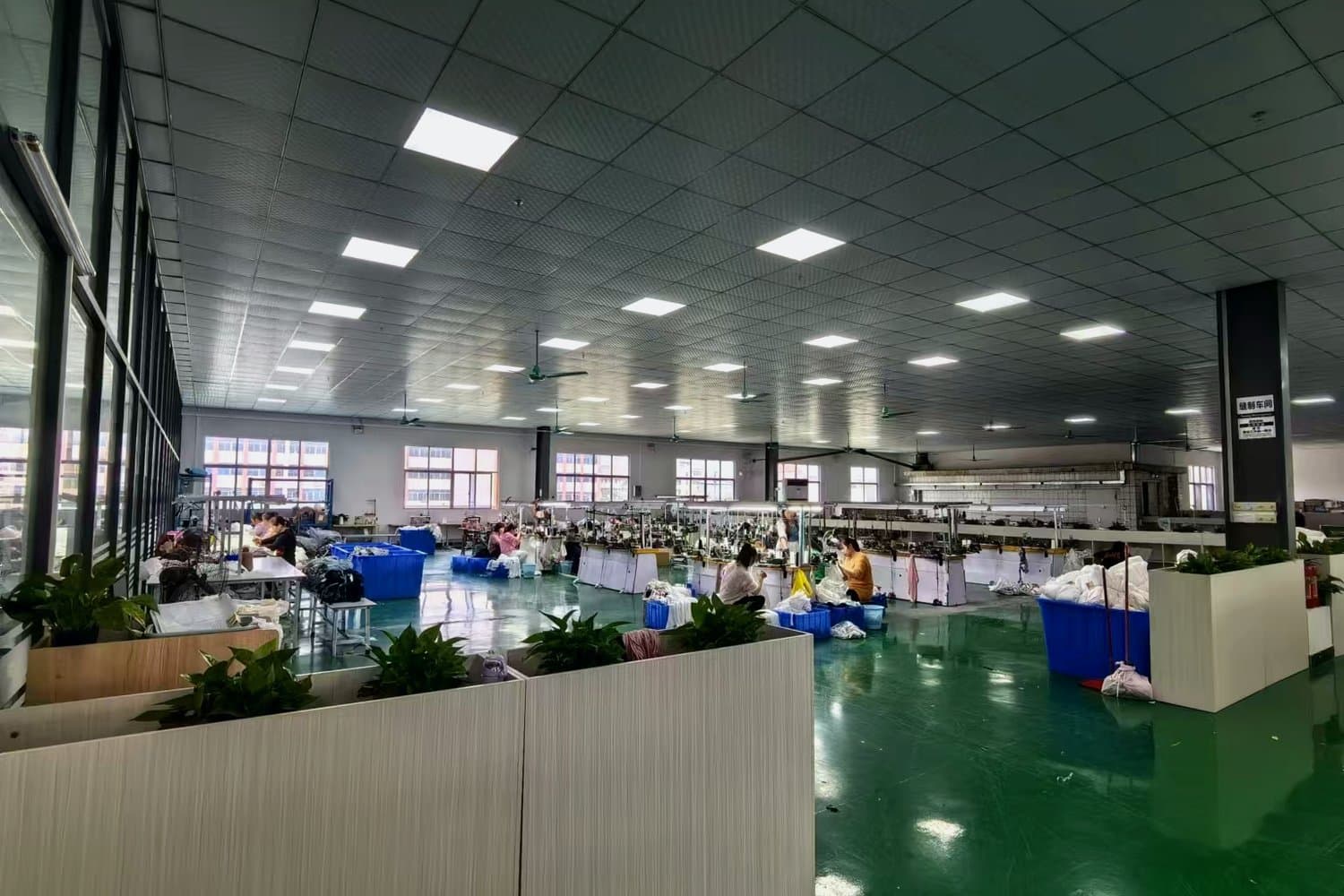
We focus on men's sweaters, cardigans, knit jackets, jacquard knitwear and private label knitwear. We support B2B buyers with OEM/ODM development, sampling and bulk production planning.
面向 B2B 买家的定制针织制造、材料、产品开发与品质控制指南。
Craftsmanship
面向开发图案毛衣、花型开衫与定制图案的品牌,对比提花与嵌花针织工艺的实操指南。
阅读指南 ->Product Development
如何开发男士半拉链与四分之一拉链毛衣:从拉链与领型选择到纱线和针型,助力 B2B 品牌打造商务运动风针织系列。
阅读指南 ->Comparison
Every first knitwear order has two routes, and factories rarely publish the second one. From a tech pack a sample takes about 15-25 days; from a style that already exists, about 7. The minimum, the bulk lead time, the labelling and the QC route are identical either way. What changes is where the first physical garment comes from - and what you give up by not starting from a blank sheet.
阅读指南 ->Product Development
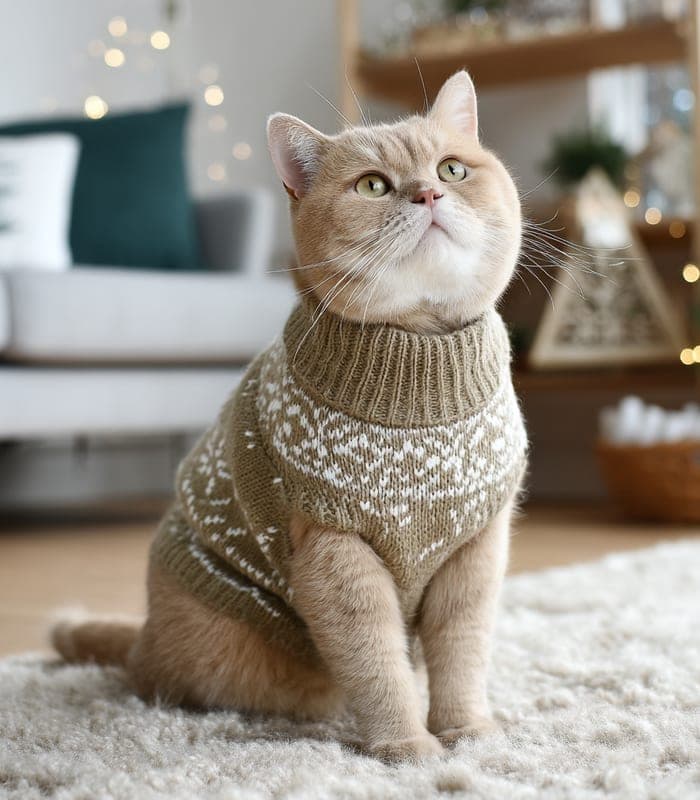
A pet knitwear sourcing read counted from our own published range: two separate size runs rather than one stretched chart, acrylic on 12 of 17 styles for wash durability, 10 of 17 at 7GG-12GG, and why the harness opening has to be on the tech pack before knitting.
阅读指南 ->Product Development
面向 B2B 服装品牌开发男士针织 polo 的实操指南,涵盖领型、门襟、纱线与针型,适用于春夏与全年系列。
阅读指南 ->Comparison
Knitted-in or applied: which route a pattern, logo or motif should take on a knit garment, what each costs, the gauge and colour-count limits, and the tests that catch failures late.
阅读指南 ->针织品第三方验货的运作方式,包括验货类型、AQL 标准、验货员的检查内容,以及何时值得启用独立验货。
7 min read - Guide
What apparel brands must confirm before importing knitwear into the EU — the GPSR EU Responsible Person, packaging EPR (LUCID/Verpackungsgesetz), OEKO-TEX, GRS, REACH and fibre labelling — plus a supplier-vetting checklist.
6 min read - Guide
What has to be on a knitwear label for the EU — mandatory fibre composition (Reg 1007/2011) in each market language, the GPSR Responsible-Person contact, care symbols (EN ISO 3758), and a label checklist.
5 min read - Guide
Packaging compliance for apparel sold in the EU — per-country packaging EPR (register before you ship), Germany’s LUCID/Verpackungsgesetz, and the new PPWR (applies 12 Aug 2026), with a buyer checklist for polybags, cartons and mailers.
8 min read - Guide
The full EU compliance landscape for imported apparel and knitwear in one reference — GPSR Responsible Person, packaging EPR/LUCID, the PPWR (from 12 Aug 2026), REACH, fibre/care labelling and OEKO-TEX/GRS — with key dates, a master checklist and links to each detail guide.
6 min read - Guide
A vendor-neutral 2026 sourcing comparison of China, Vietnam, Bangladesh and Türkiye for knitwear and sweaters — MOQ, lead times, cost and strengths — with a "choose by your situation" decision guide.
5 min read - Guide
伊比利亚针织买家面对的采购窗口非常紧凑:漫长温暖的秋季使秋冬针织上新晚于北欧,而西班牙内陆短暂却强烈的冬季高峰和葡萄牙温和的海岸气候,则要求形成层次分明的产品组合。Licheng Knitwear 是 2018 年创立于东莞的制造商,我们与西班牙和葡萄牙的批发商及贴牌品牌合作,他们所需的采购节奏必须紧扣这些现实,而非套用通用的欧洲日历。本指南将逐一说明:我们如何为伊比利亚市场安排打样与大货的时间节点,何种 MOQ 与商务条款适合典型的西班牙或葡萄牙品牌规模,伊比利亚买家青睐哪些纱线和针型,以及最常见的品控、物流与贸易术语问题。目标是提供一份实用参考,让您能够自信地从东莞规划秋冬或春夏针织项目。
7 min read - Guide
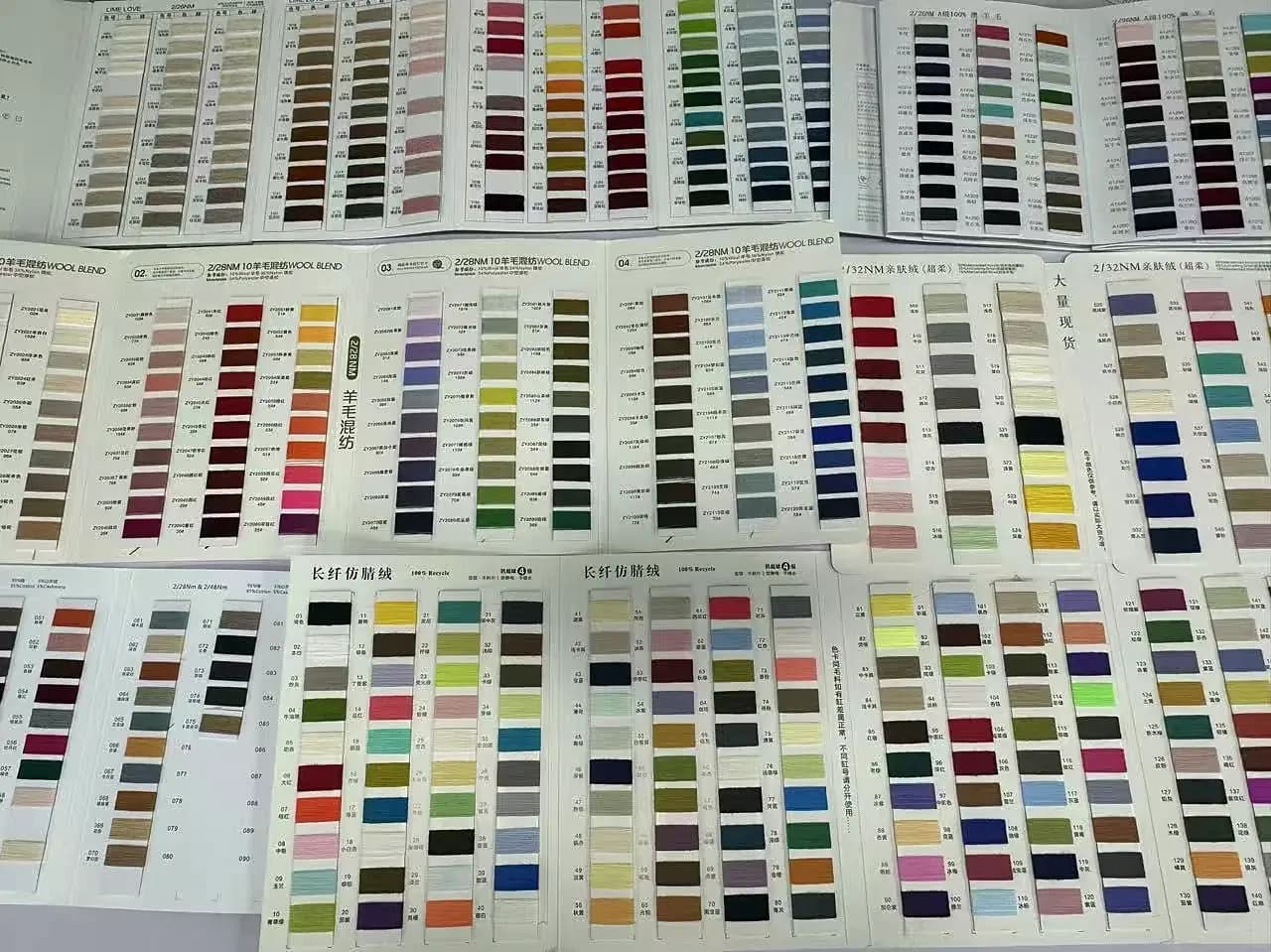
Three different dye stages produce three very different sweaters, even when the colorway on your moodboard is identical. Yarn-dye, piece-dye, and garment-dye each lock color into the garment at a different point in production — before knitting, after knitting, or after make-up — and each one carries a distinct cost, lead time, MOQ implication, and risk profile. For a designer trying to nail a single brand shade across a six-style collection, picking the right method matters more than picking the right Pantone. This guide walks B2B buyers through how each dyeing method works, where each one shines, where each one goes wrong, and how Licheng plans dye routes for buyers developing custom knitwear in our Dongguan facility.
6 min read - Guide
The honest calendar for a group knitwear order with a fixed date: about 15-25 days for sampling once the specification is confirmed, 30-45 days for bulk, plus freight. Where the time actually goes, which three decisions cause most slippage, and what a rush request can and cannot do.
7 min read - Guide
We focus on men's sweaters, cardigans, knit jackets, jacquard knitwear and private label knitwear. We support B2B buyers with OEM/ODM development, sampling and bulk production planning.
Ready sample styles and selected custom programs can support lower-risk trials before larger seasonal orders.
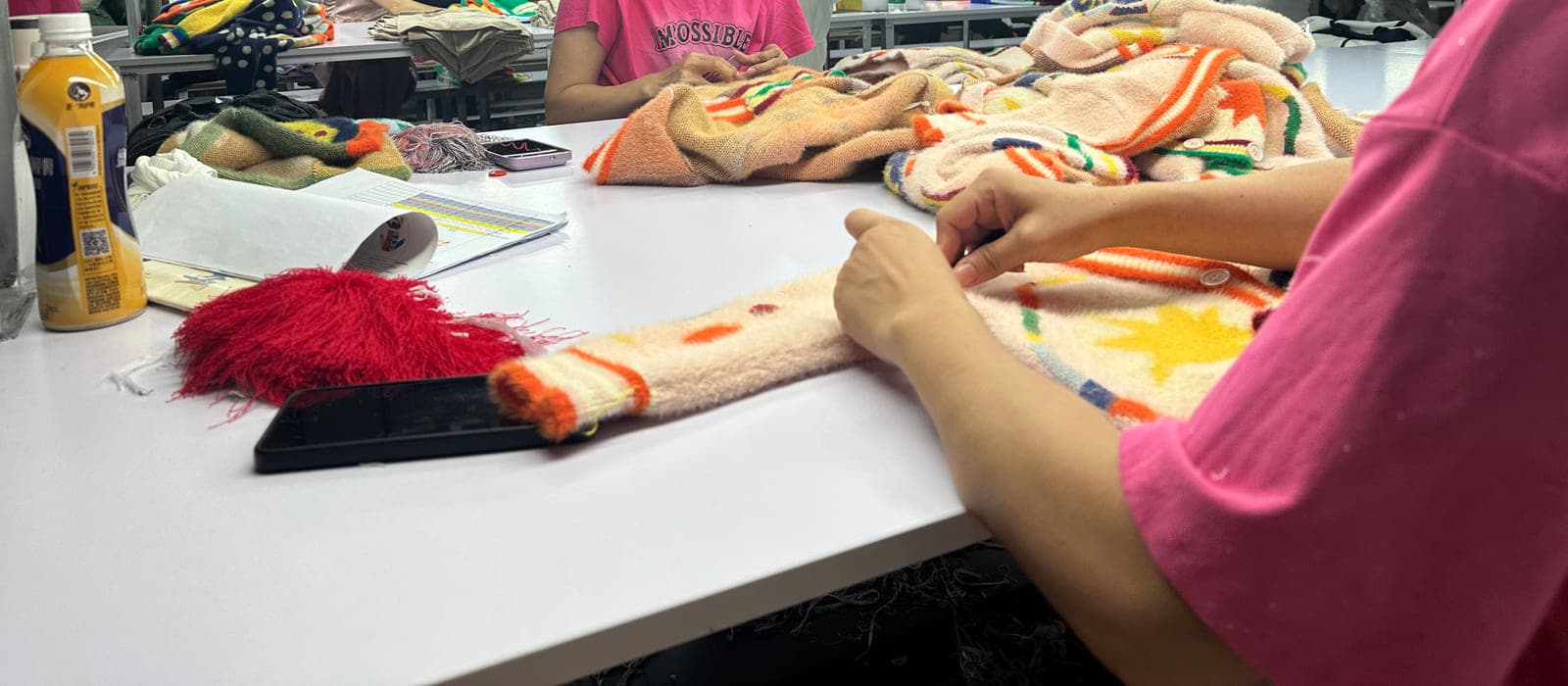
Yes. Brands, including new labels preparing a first collection, can pay for a sample and see it before placing a production order. Two routes: a ready sample of a published style at USD 60 per piece in about 7 days, or a development sample from your tech pack at USD 150 per style, covering yarn sourcing, knit programming, one prototype and one revision round, in 15-25 days. Cashmere and mohair styles are quoted individually and shipping is charged at cost. Production starts only after you approve the physical sample, at our minimum of 30 pieces per colour with sizes mixed inside the 30. A sample does not commit you to a production run; we do not make garments for personal use.
Our sample fee is not refundable. Yarn sourcing, knit programming, machine setup and hand linking cost about the same whether one piece follows or five hundred, which is why the fee exists at all. It is credited against your first bulk order placed within six months of sample approval: 100% of a development sample fee, 50% of a ready sample fee.
Yes, for brands developing a style. One development piece is fine, with no commitment to bulk: a development sample is USD 150 per style and covers yarn sourcing, knit programming, one prototype and one revision round, in 15-25 days (cashmere and mohair are quoted individually). If you then go to production, the minimum is 30 pieces per colour with sizes mixed inside the 30, and the full USD 150 is credited against a first bulk order placed within six months of approving the sample. We do not make garments for personal wear.
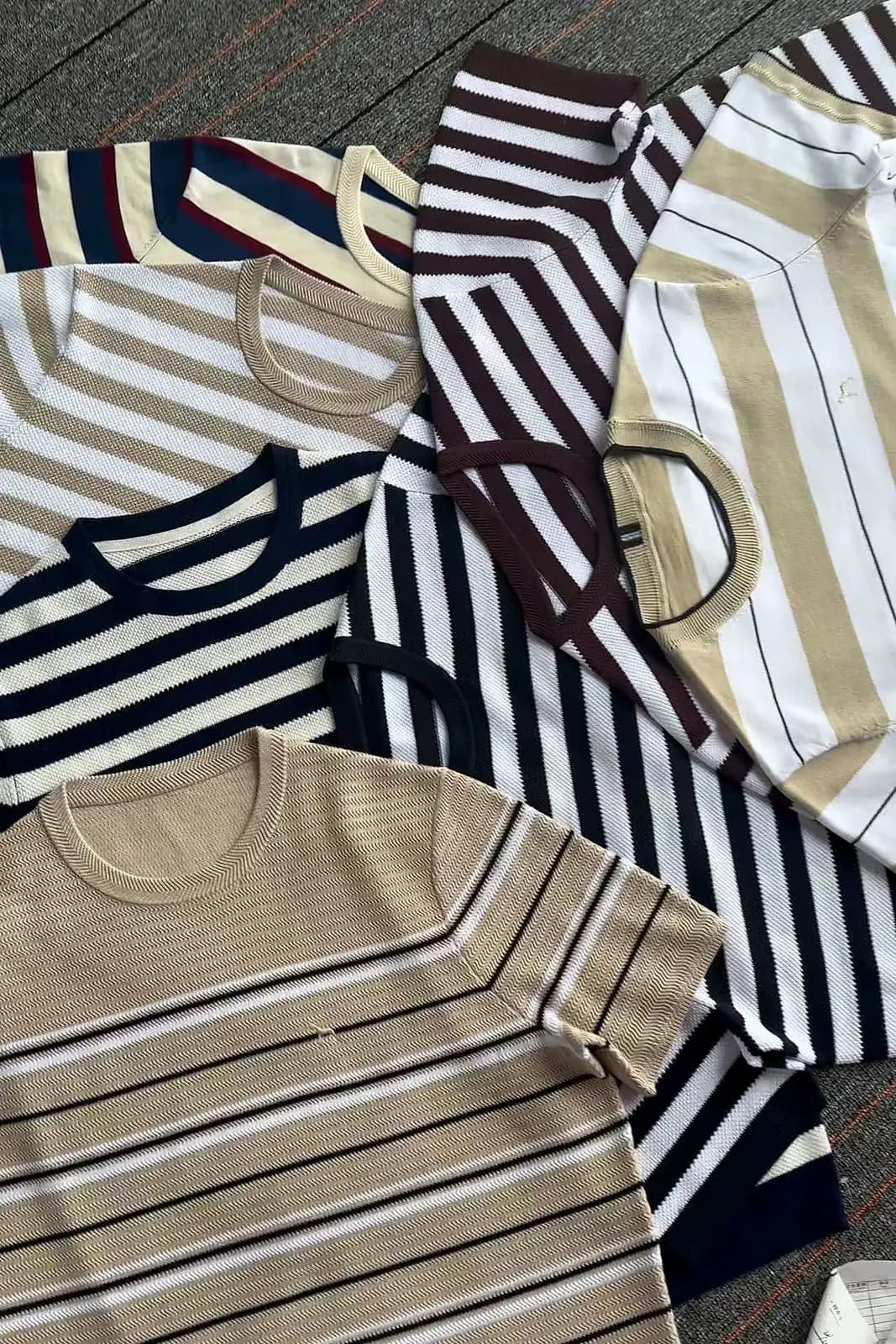
Plain and striped styles using the same yarn and colour can be combined toward a minimum of 30 pieces, with mixed sizes. For example, four plain styles of 25 pieces each in the same yarn and colour total 100 pieces and meet that minimum. Different yarns or colours are counted separately. Jacquard and intarsia require 30 pieces per pattern; quantities from different patterns cannot be combined. Send us your styles, yarns, colours and quantities so we can confirm how the minimum applies to your project.
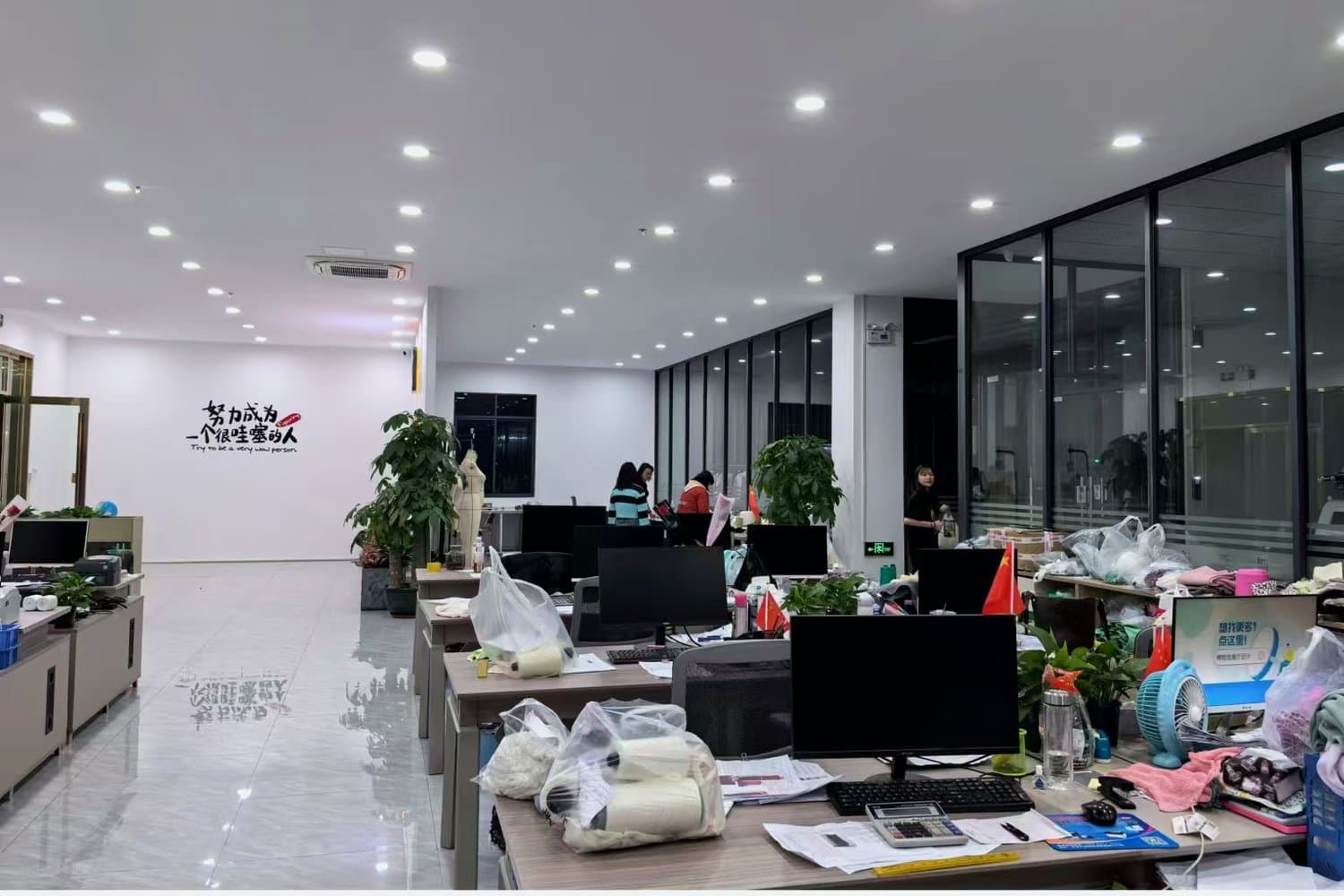
Cannot find what you need? Our team can create a custom guide or template for your specific project.
Request Custom Resource ->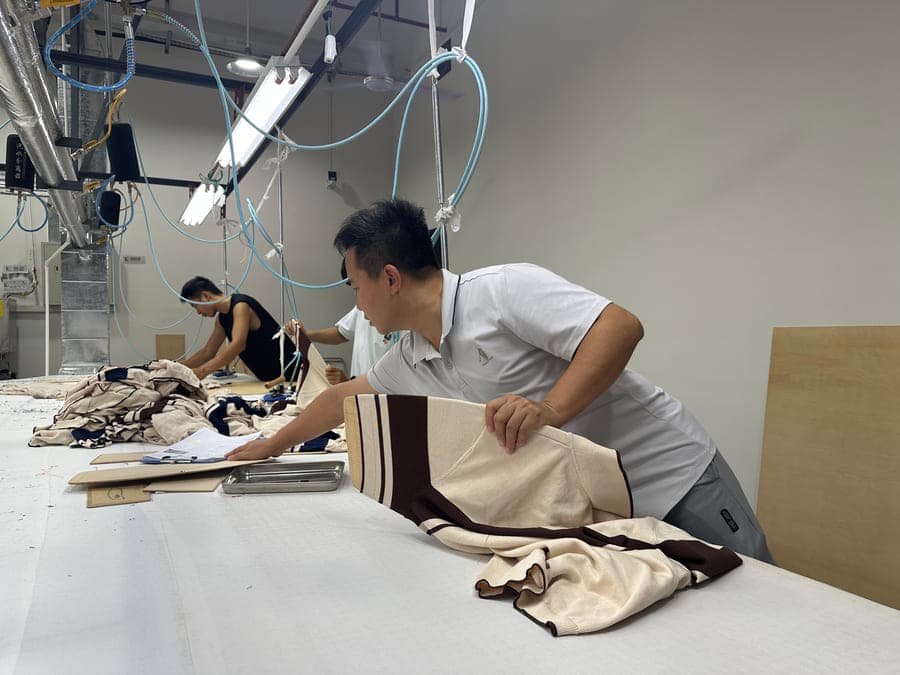
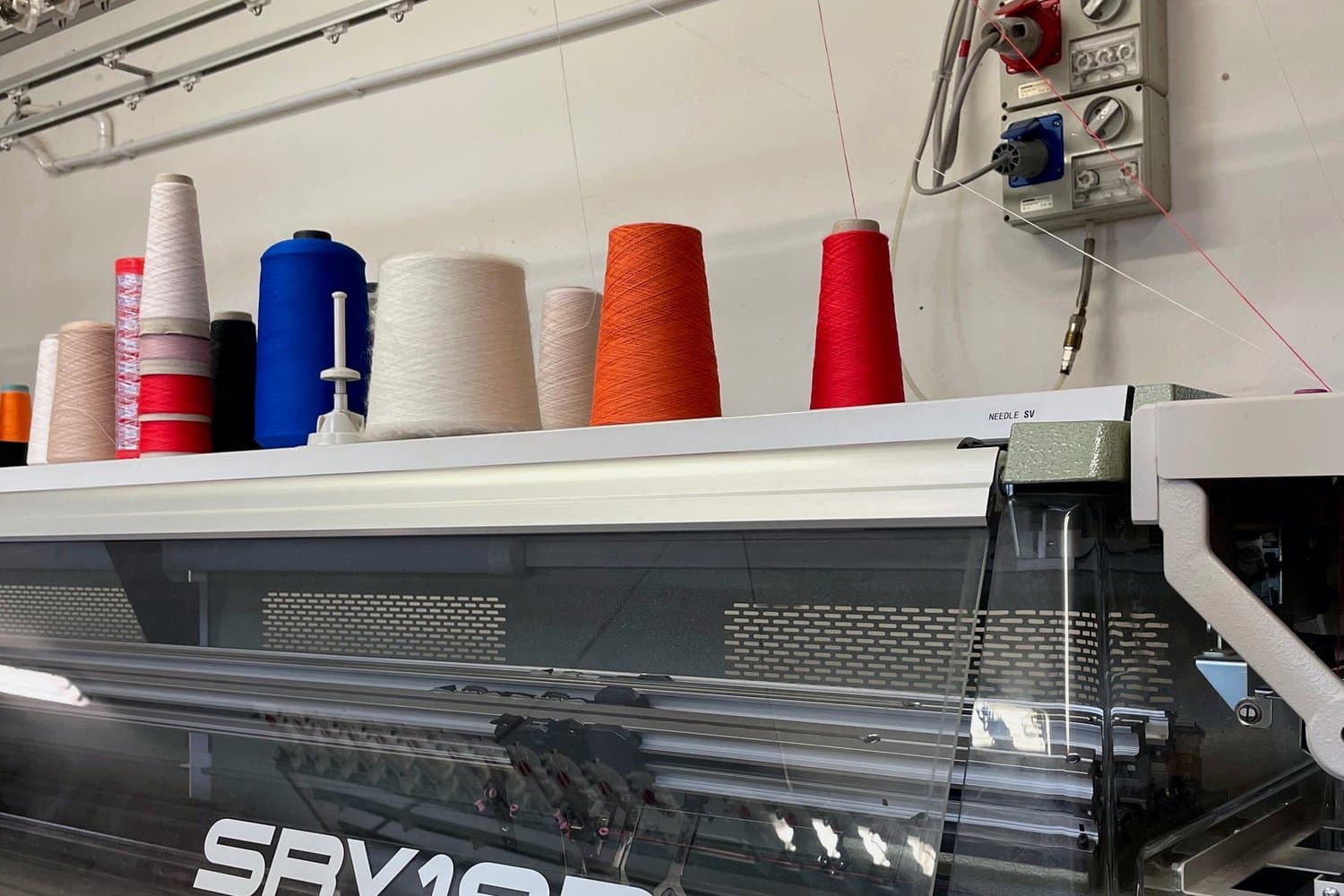
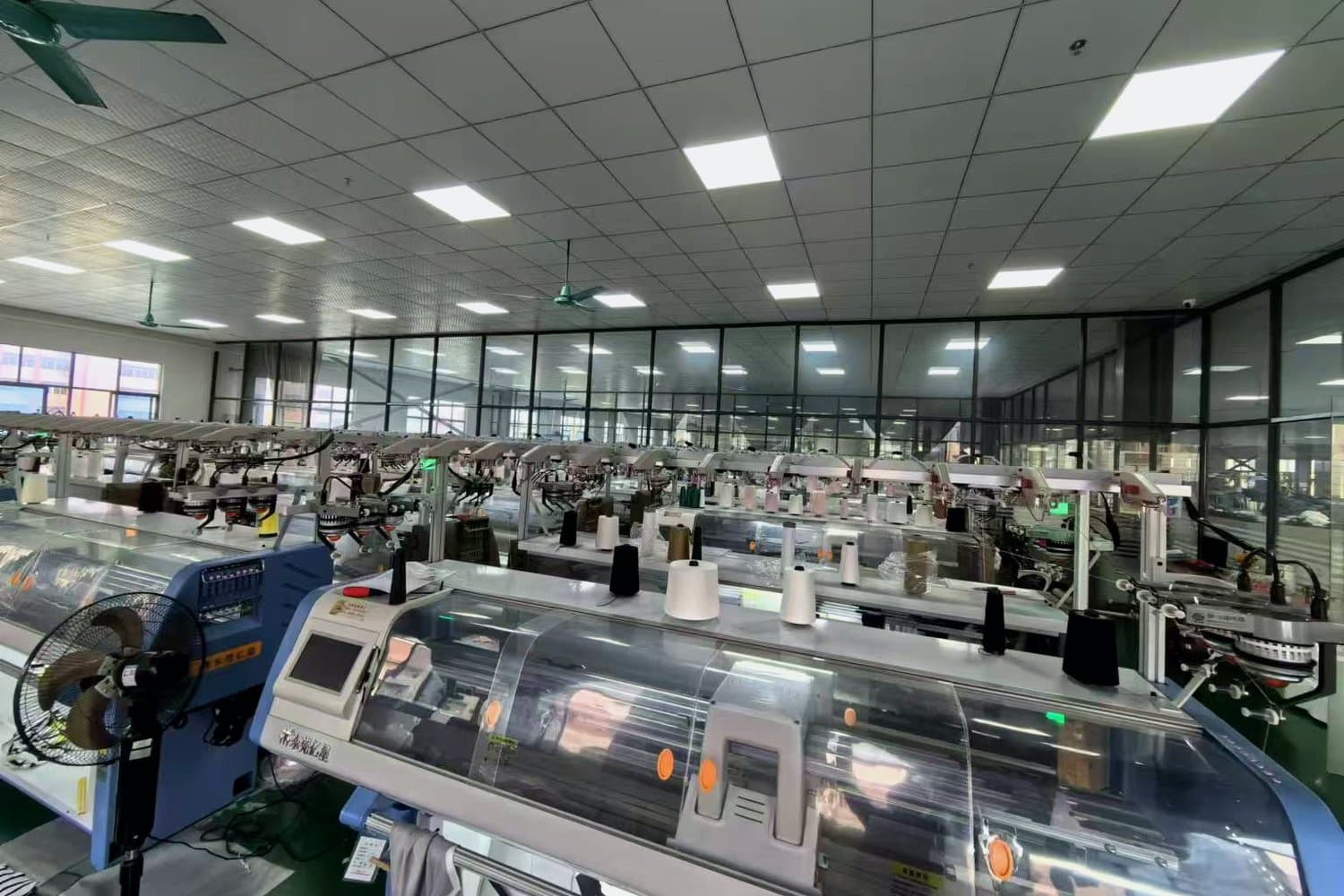
涵盖北美与欧洲常见 OEM/ODM 针织项目的 MOQ、交期、成本区间、针型选择与品控检查点。留下邮箱,30 秒内发送报告链接。
不发垃圾邮件。回复一封即可退订。邮箱仅用于向您发送报告,并在您需要时继续采购沟通。
此处展示的品牌为我们此前服务过的 OEM/ODM 合作方。标识仅作展示,不代表当前的背书关系。