Whole-Garment vs Fully-Fashioned vs Cut-and-Sew Knitwear
Cut-and-sew, fully-fashioned and whole-garment compared on cost, waste, MOQ and setup - and the machine class most factories do not own.
Short version: cut-and-sew is cheapest and wastes the most yarn. Fully-fashioned knits each panel to shape, costs roughly 30–50% more, and is what most quality knitwear is. Whole-garment knits the entire sweater in one piece with no cutting and no linking at all — and is made on a machine class most factories, including many that quote for it, do not actually own.
These three are often discussed as a quality ladder. They are not. They are three different ways of turning yarn into a garment, each with a distinct cost structure, and the right answer depends on your order size and where your money is best spent.
How each one is actually built
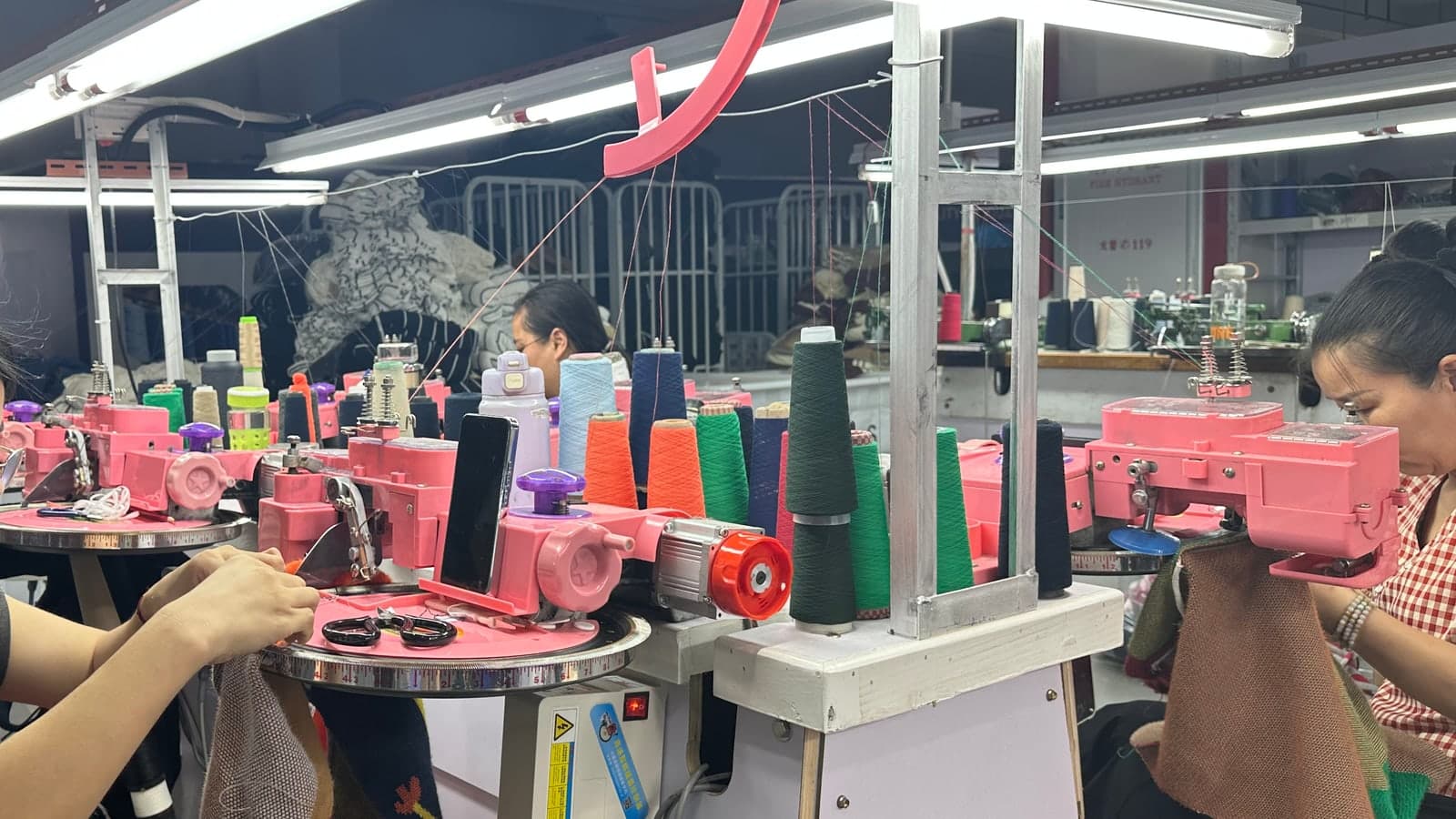
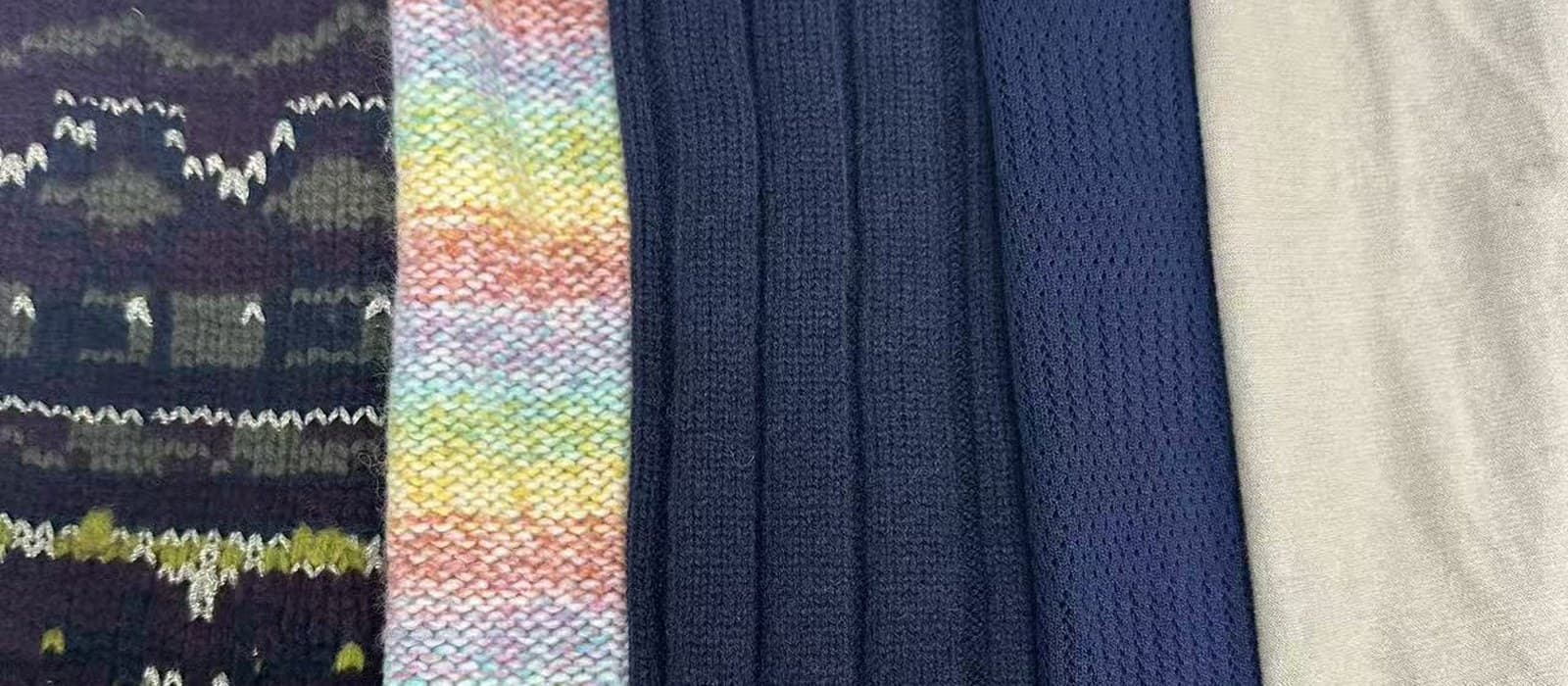
Cut-and-sew. The factory knits fabric by the metre, lays a pattern over it, cuts the pieces and sews them together with overlock or coverstitch seams. It is the garment-industry default applied to knit fabric.
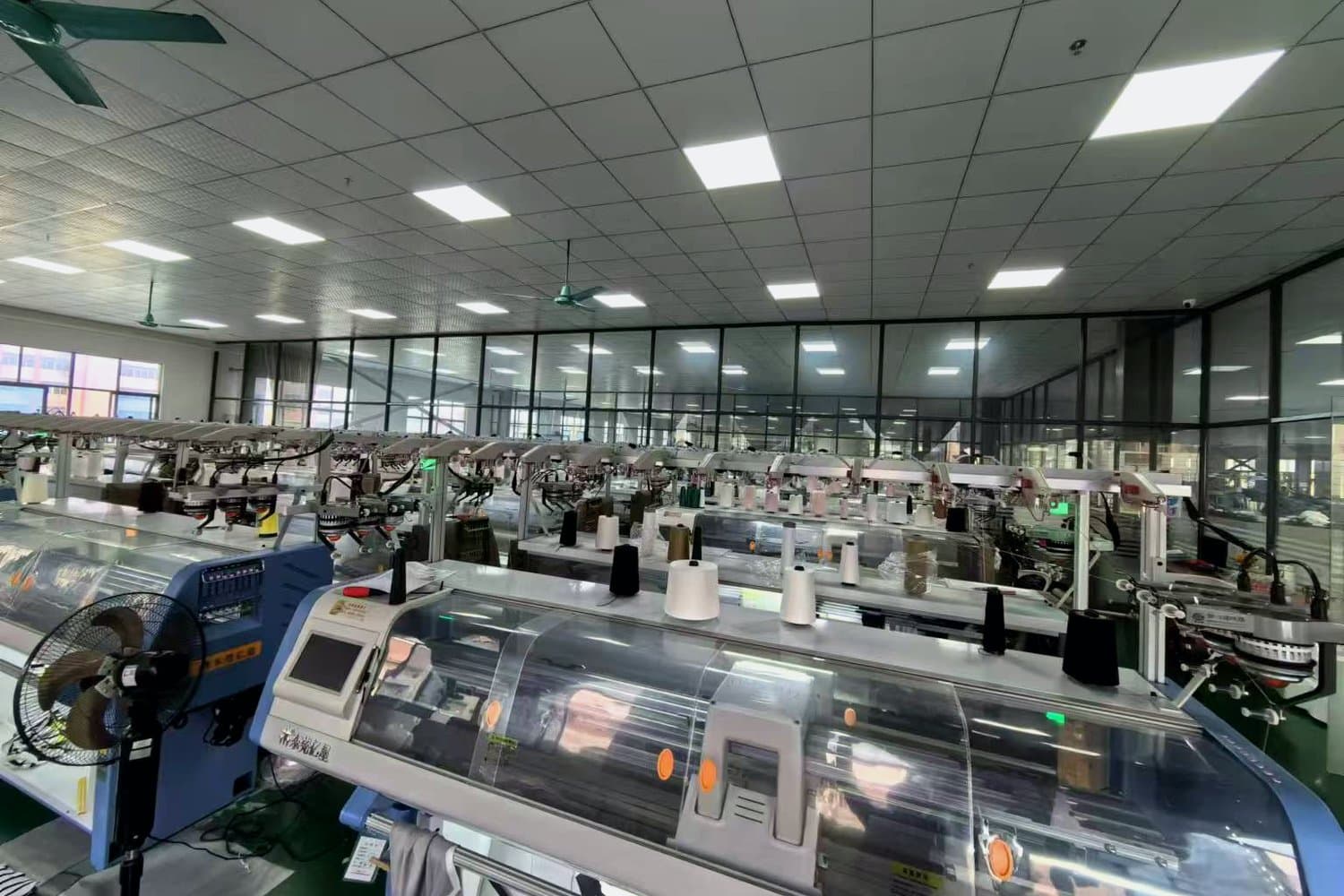
Fully-fashioned. Each panel — front, back, sleeves — is knitted to its finished shape on a flat knitting machine, with stitches added and dropped to form the armhole and shoulder line. No cutting. The panels are then joined, usually by linking, stitch through stitch.
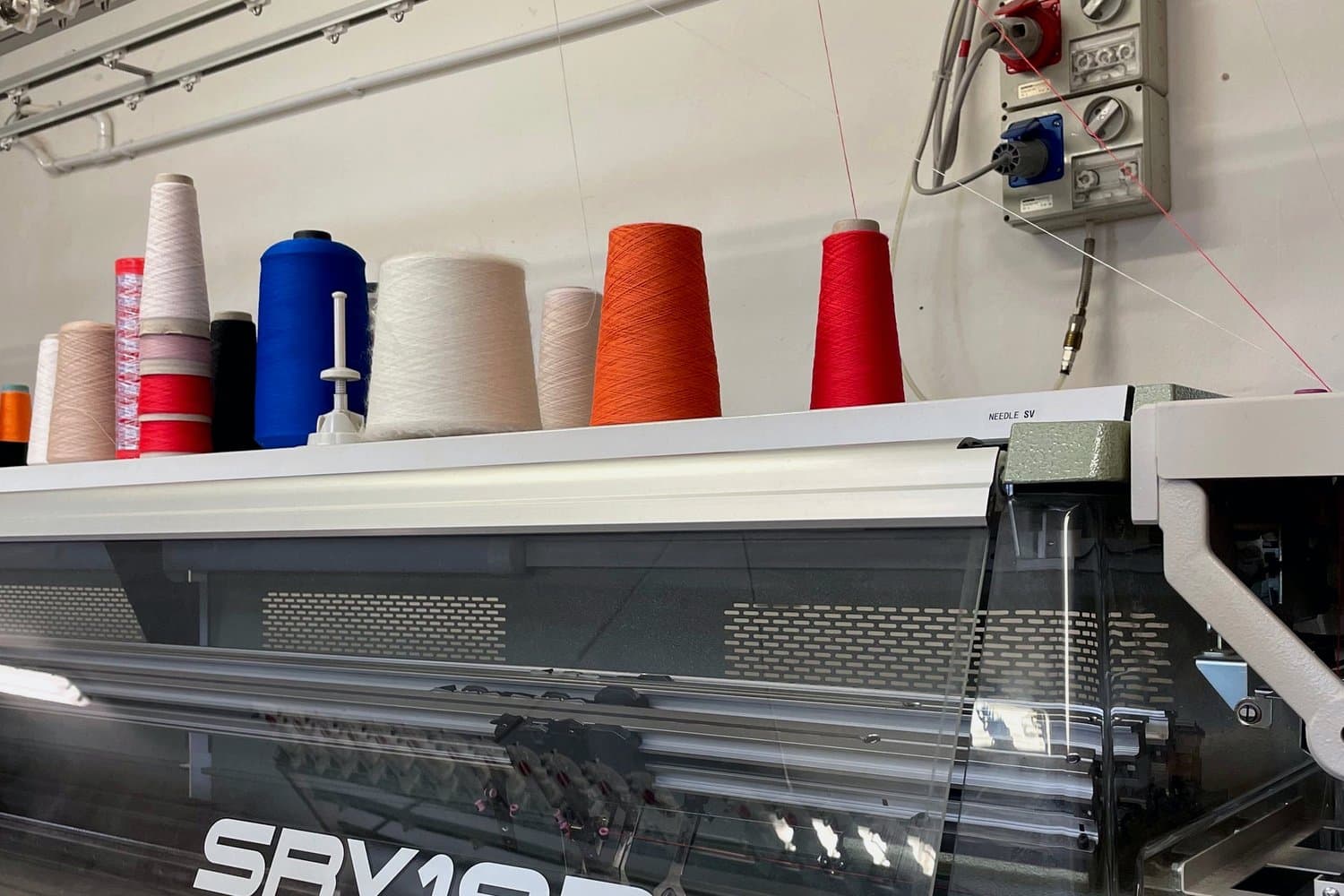
Whole-garment. The machine knits body and sleeves as tubes and shapes them simultaneously on multiple needle beds, so a three-dimensional garment comes off the machine in one continuous piece. Both the cutting step and the linking step disappear.
The comparison that matters commercially
| **Cut-and-sew** | **Fully-fashioned** | **Whole-garment** |
|---|---|---|
| Cutting waste |