2026 Custom Knitwear Manufacturing Benchmarks: MOQ, Lead Times & FOB Price Ranges
Updated 9/24/202612 min readBy Simon Liu · Licheng Knitwear
Transparent 2026 benchmarks for custom knitwear production — MOQ by product type, sampling and bulk lead times, FOB price ranges, machine gauges, on-time delivery and export mix — based on a direct China flat-knit factory's production data.
Sourcing custom knitwear in 2026 means negotiating MOQ, lead time and price without a public reference point — most factories keep these numbers behind an inquiry form. This report publishes transparent, current benchmarks so brand owners and buyers can plan budgets and calendars before they ever send an RFQ.
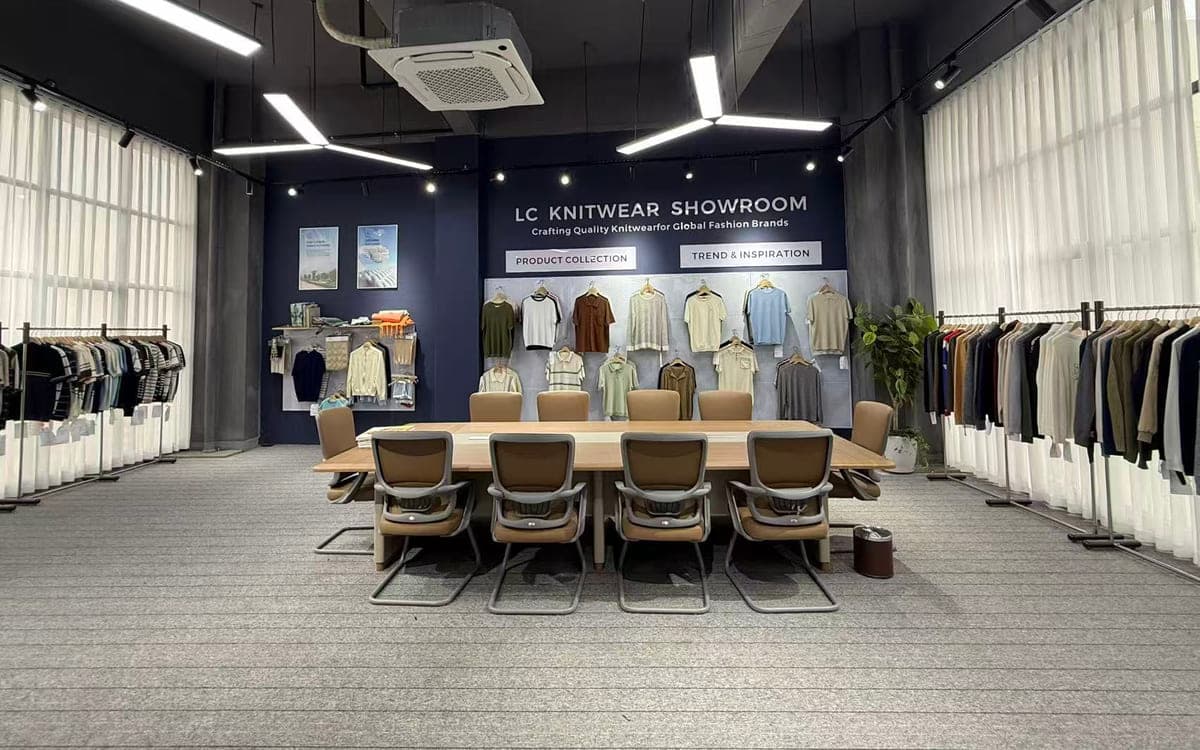
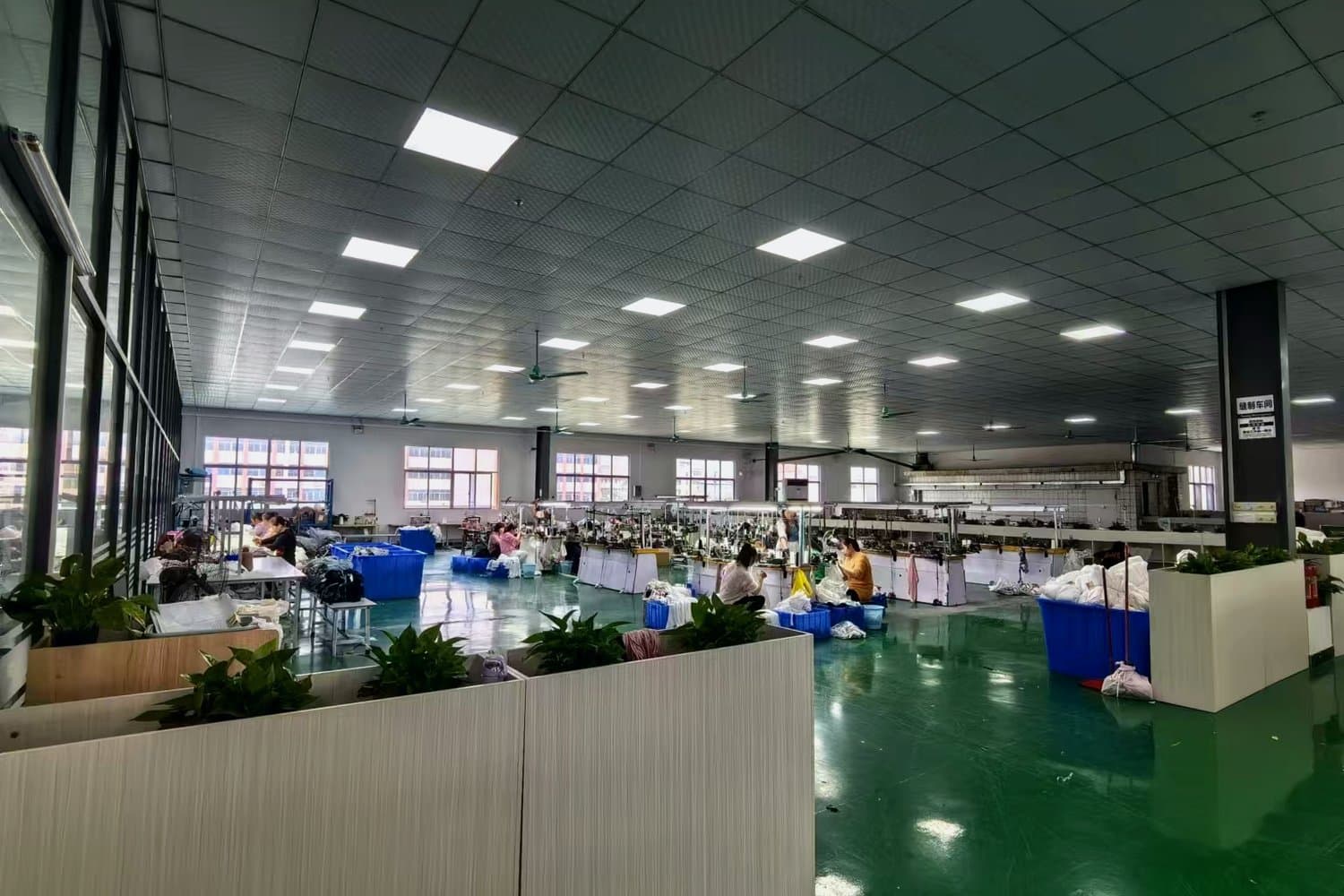
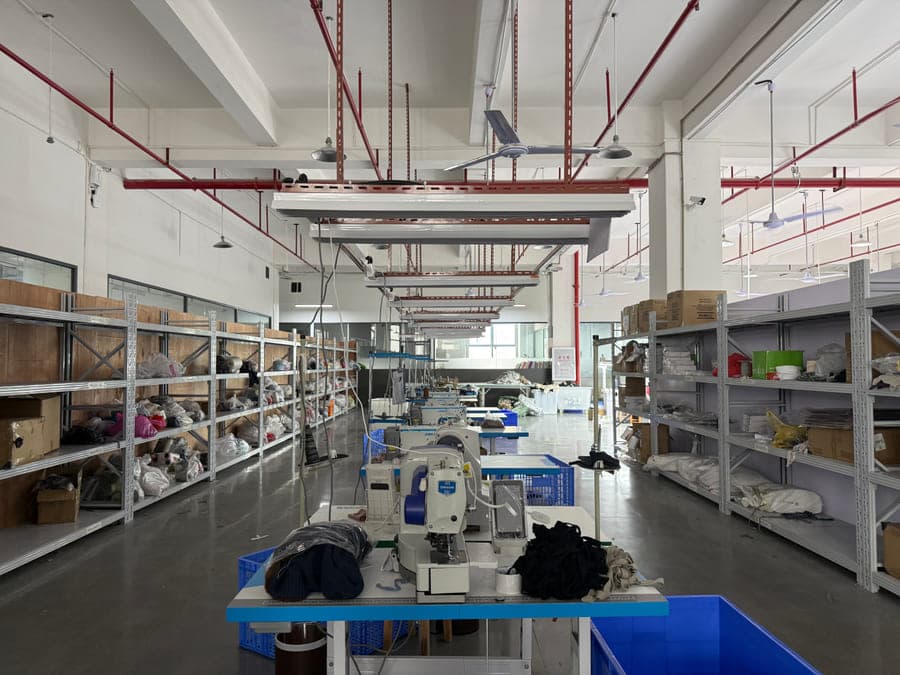
The figures below are drawn from the live production data of Licheng Knitwear, a direct OEM/ODM flat-knit factory (approx. 8,000 m2, 51-200 staff) serving North American and European brands. They are representative operating ranges for 2026, not quotes; your final numbers depend on yarn, gauge, stitch structure, order size and finishing.
Quick reference: regular sweater MOQ starts at 30 pcs per colour (typically 50-100 pcs per style across colourways), sampling runs 15-25 days from confirmed tech pack and yarn, and FOB prices land at roughly USD 12-25 for a regular sweater and USD 45-95+ for cashmere or premium blends.
Production capacity at a glance
Monthly capacity: ~30,000-50,000 pcs
Daily output: ~1,000-1,800 pcs (varies by gauge, yarn, stitch structure and order complexity)
On-time delivery rate: over 95% on planned production
Inquiry response time: within 3 hours; same-day initial quote on regular styles
MOQ benchmarks by product type
Product type
Typical MOQ (per style)
Regular sweaters & cardigans
30 pcs per colour (50-100 per style)
Jacquard / intarsia styles
30 pcs per colour (sizes mixed inside the 30)
Selected existing styles / simple customization
small trial orders from 30-50 pcs
MOQ is set per style and per colourway, not per order. Jacquard and intarsia do not raise the minimum; they add programming and sampling time instead. A custom-dyed yarn can carry its own dye-lot minimum from the mill.
FOB price ranges by product type (USD / pc)
Product type
FOB range (USD/pc)
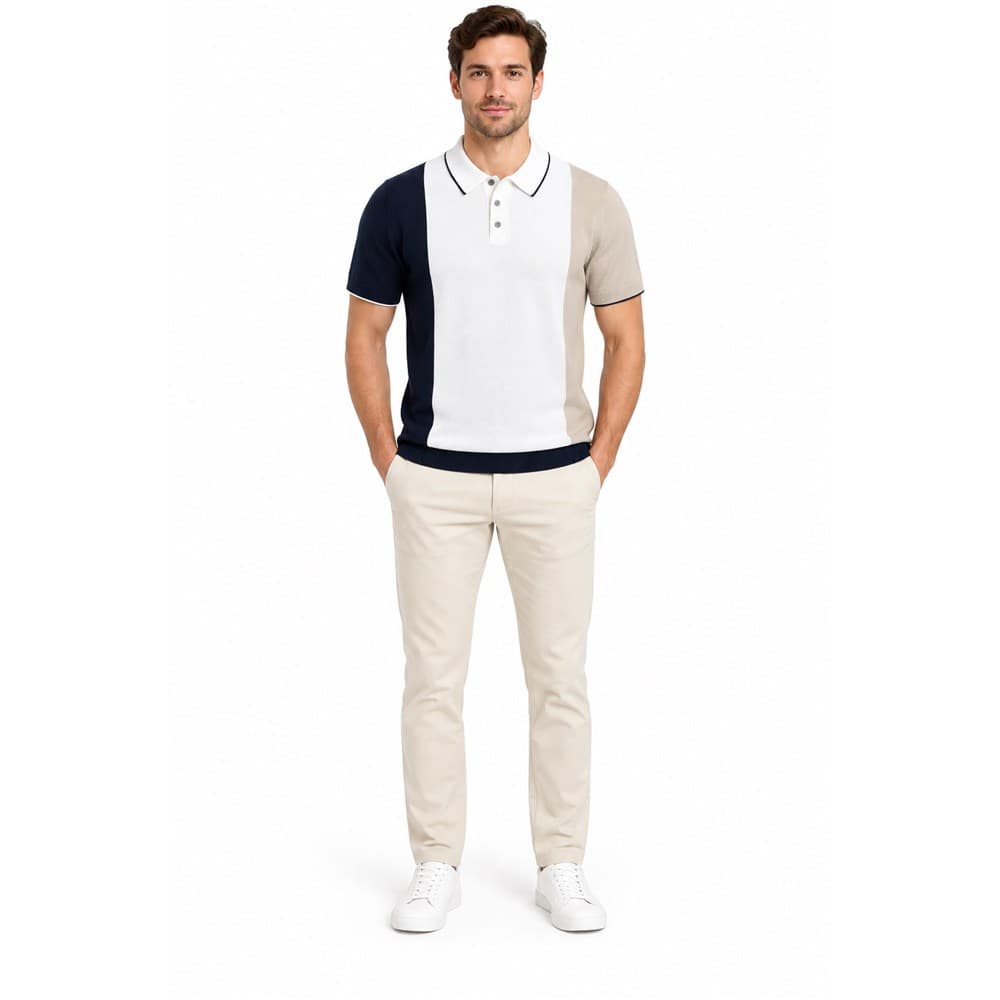
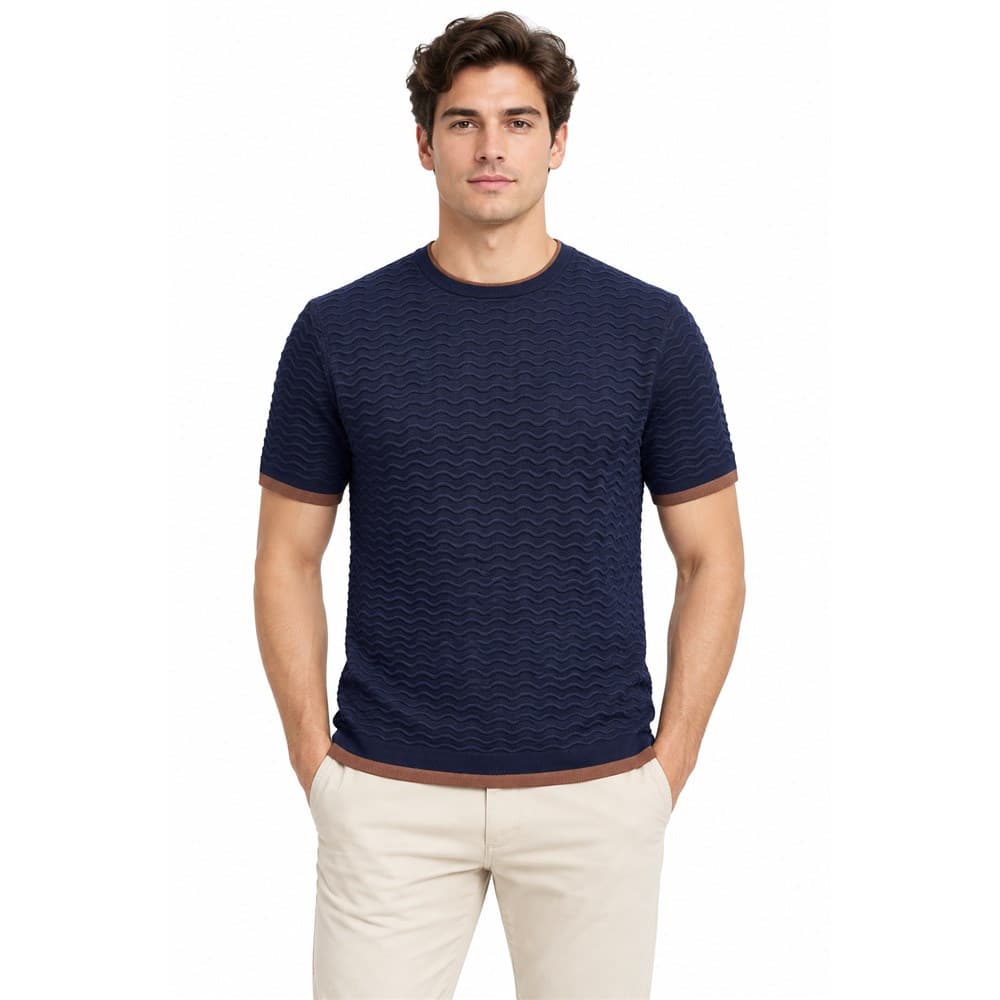
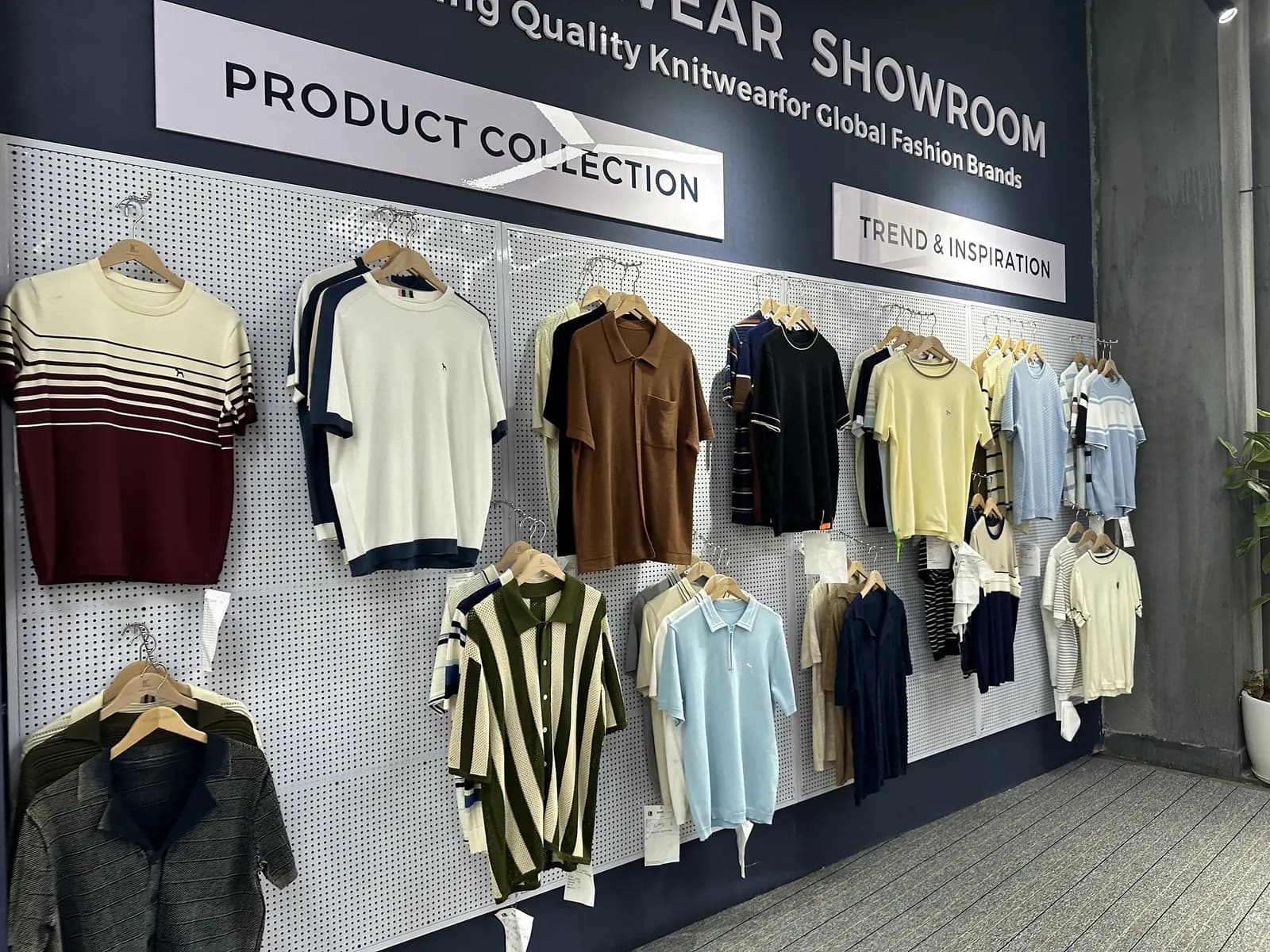
Knit polos / knit tees
10-22
Regular sweaters
12-25
Cardigans
15-35
Jacquard sweaters
18-40
Knit dresses / knit sets
18-45
Zip cardigans / knit jackets
20-45
Merino / premium wool styles
28-55
Cashmere / premium blended styles
45-95+
Pet sweaters
4-12
Knit accessories
3-15
Prices are FOB and move with yarn cost, gauge (finer = more machine time), stitch complexity, and order quantity. Larger runs lower per-piece cost; sample and small-trial pricing sits above these bulk ranges.
Sampling & bulk production lead times
Stage
Scope
Lead time
Sampling
Regular styles
15-25 days
Sampling
Complex jacquard / special yarn / custom development
15-25 days
Bulk
Depending on quantity and complexity
30-45 days
Lead times start after sample approval and yarn confirmation. Peak season (the autumn/winter buying window) and lab-dip / colour-approval rounds are the most common sources of slippage — build them into your calendar.
Machine gauge to product fit
Gauge
Typical products
3GG
Chunky / heavy-gauge sweaters
5GG-7GG
Medium-weight sweaters & cardigans
9GG-12GG
Lightweight sweaters, knit polos, fine cardigans
14GG-18GG
Fine-gauge sweaters, jacquard knitwear, fine layering
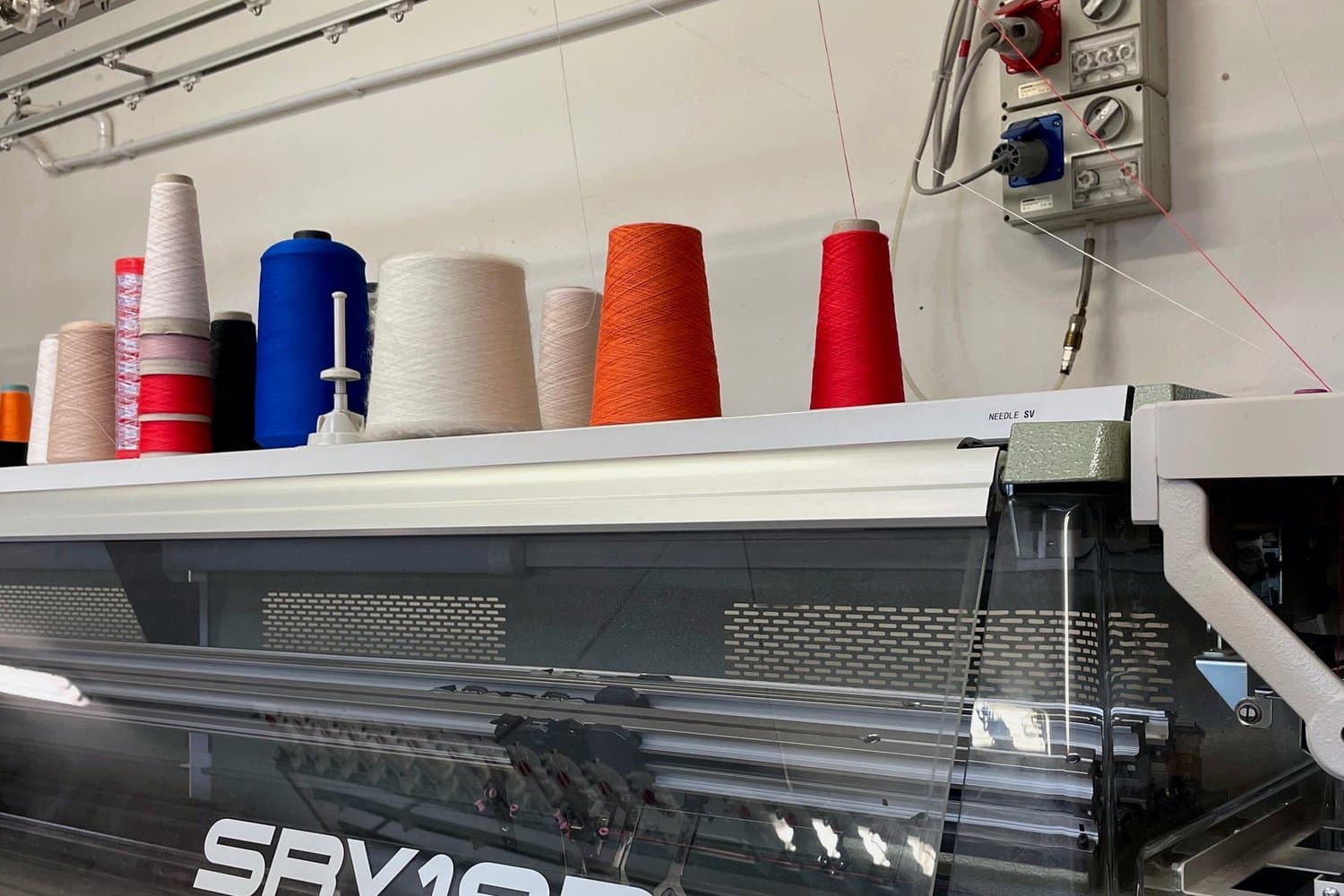
Gauge (needles per inch) sets fabric weight and hand-feel. Finer gauges take more machine time per piece, which is why a 14GG fine sweater can price above a 7GG mid-weight one in the same yarn.
Reliability & relationship benchmarks
On-time delivery: over 95% on planned production
Inquiry response: within 3 hours; complex styles quoted within 24 hours of a complete tech pack
Repeat business: 40%+ of orders come from repeat and long-term clients
Export market mix (2026)
Region
Share
North America
40-45%
Europe
30-35%
South America
10-15%
Middle East & other
5-10%
Nordic and premium European knitwear are active development markets.
How to use these benchmarks
Budget: multiply the FOB range for your product type by your buy quantity, then add freight, duty and a sampling allowance.
Calendar: count back from your in-store date — bulk lead time + sampling + colour approval + shipping. For an autumn/winter launch, that usually means confirming bulk by mid-summer.
RFQ: state target quantity, gauge, yarn and a tech pack up front to get a same-day or next-day quote instead of a back-and-forth.
Data note
These benchmarks reflect Licheng Knitwear's representative 2026 operating ranges as a direct flat-knit OEM/ODM factory, not a third-party industry survey. They are published as planning references for brand owners and buyers. Actual quotes depend on the specific yarn, gauge, construction, quantity, finishing and compliance requirements of each program.
Common Questions
What are these benchmarks for?
To give buyers a checkable reference for MOQ, lead time, price band and gauge-to-product fit, so a quotation can be sanity-checked against something rather than accepted on trust. Most suppliers keep these figures behind an inquiry form.
What MOQ should a buyer expect by product type?
It varies by construction, and the article breaks it out. Our own published minimum is 30 pieces per colour across the range, which is lower than the market norm for fine-gauge work in particular.
What sampling and bulk lead times are realistic?
Sampling 15-25 days from confirmed yarn and artwork, with bulk following. The figure buyers most often underestimate is not the factory time but the dyeing time attached to a dyed-to-order colour.
How should gauge be matched to product?
Chunky gauges for statement and outerwear knits, mid gauges for commercial crews and cardigans, fine gauges for polos and layering pieces. We run 3GG-18GG in-house, so the product can drive the gauge rather than the other way round.
How should a buyer use these benchmarks in a negotiation?
As a reference point, not as a demand. If a quotation sits far outside the band, ask what specification difference explains it - the answer is usually yarn count, gauge or finishing, and it is a more productive conversation than asking for a discount.
Around 30,000 to 50,000 pieces a month, or roughly 1,000 to 1,800 pieces a day depending on gauge, yarn, stitch structure and order complexity. On-time delivery on planned production runs above 95%.
The published planning ranges are USD 15-35 for cardigans and USD 20-45 for zip cardigans and knit jackets. Merino and premium wool styles sit at USD 28-55, and cashmere or premium blends at USD 45-95 and above. They are planning ranges, not quotations.
North America accounts for about 40-45% of exports and Europe 30-35%, with South America at 10-15% and the Middle East and other regions at 5-10%. Nordic and premium European knitwear are active development markets.
Peak-season loading in the autumn/winter buying window, and lab-dip or colour-approval rounds. Lead times start only after sample approval and yarn confirmation, so both belong in the calendar from the start.
Inquiries are answered within 3 hours, regular styles usually get a same-day initial quote, and complex styles are quoted within 24 hours of a complete tech pack. Stating quantity, gauge and yarn up front avoids a back-and-forth.
We focus on men's sweaters, cardigans, knit jackets, jacquard knitwear and private label knitwear. We support B2B buyers with OEM/ODM development, sampling and bulk production planning.
Ready to Start Your Project?
Get a free catalog or submit an RFQ today. Our team will respond within 24 hours.
MOQ, lead time, cost ranges, gauge selection and QC checkpoints across typical OEM/ODM knitwear programs in NA + EU. Enter your email — we'll send you the report link in 30 seconds.
No spam. Unsubscribe with one reply. We use your email only to send you the report and follow up if you want a sourcing conversation.
Brand names shown are previously serviced OEM/ODM partners. Logos are decorative and do not imply current endorsement.