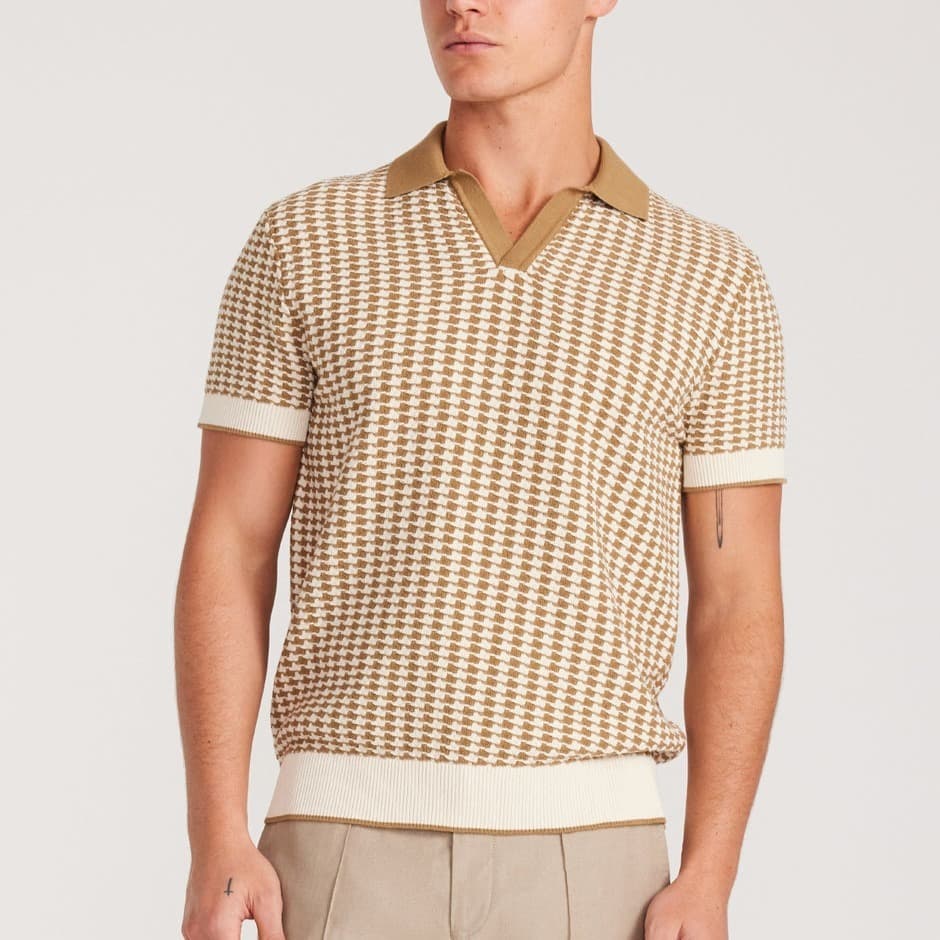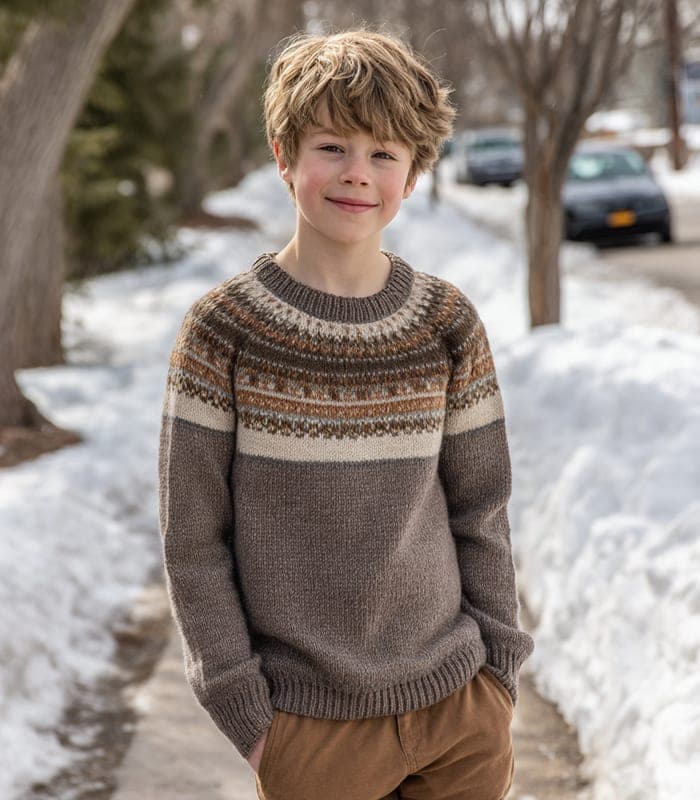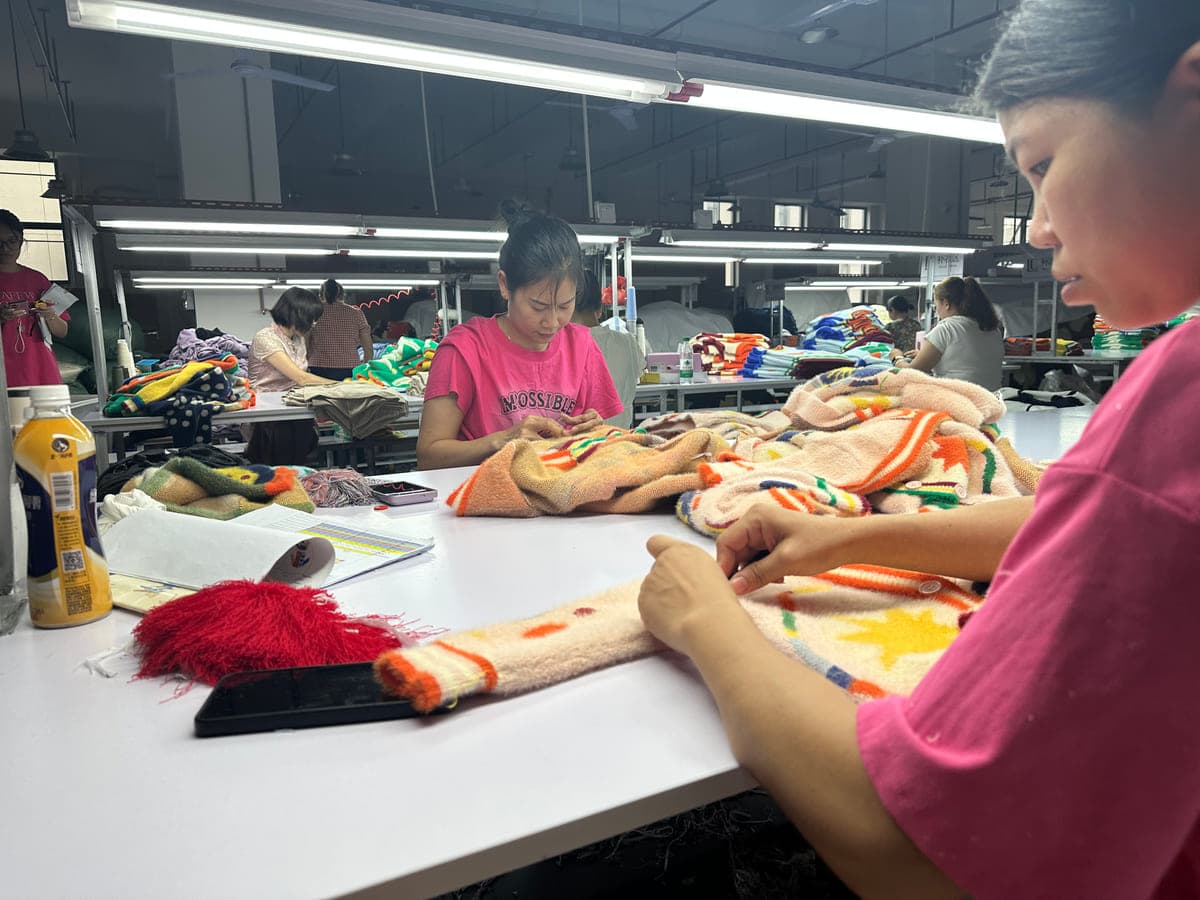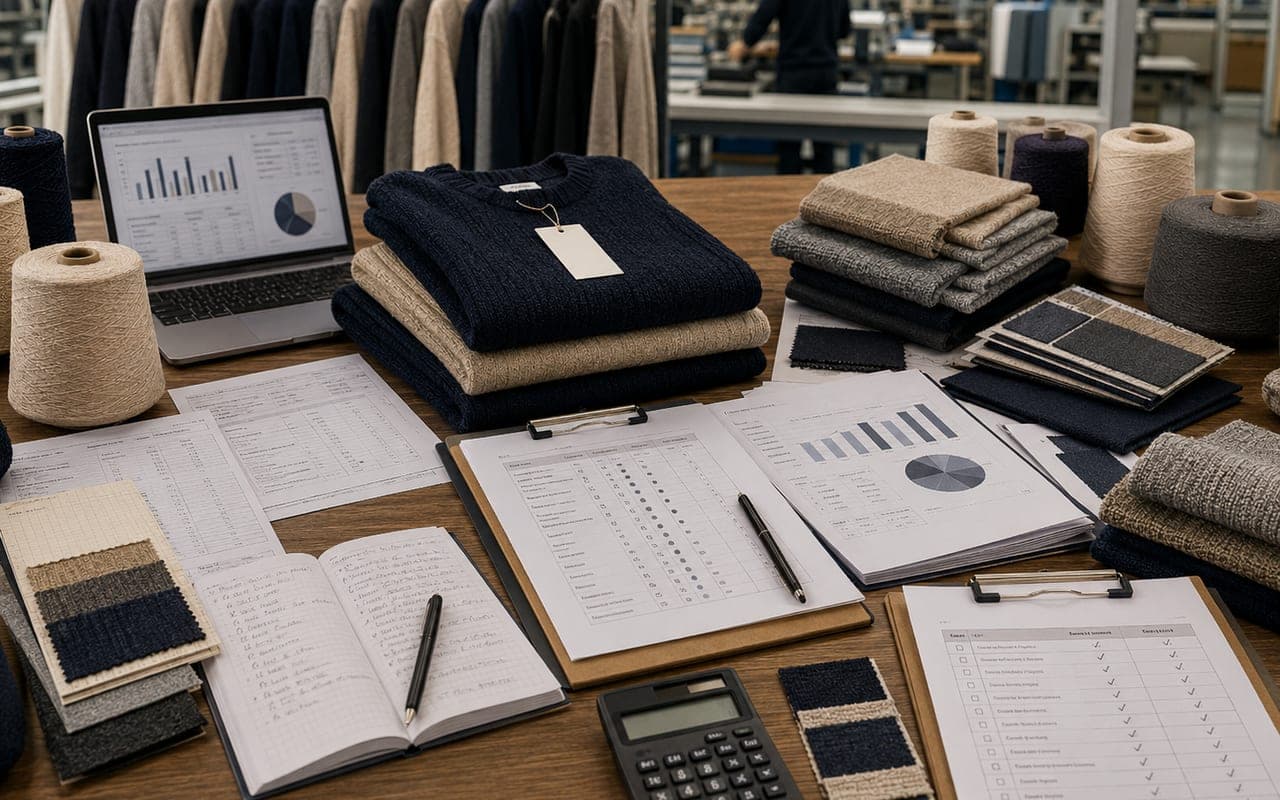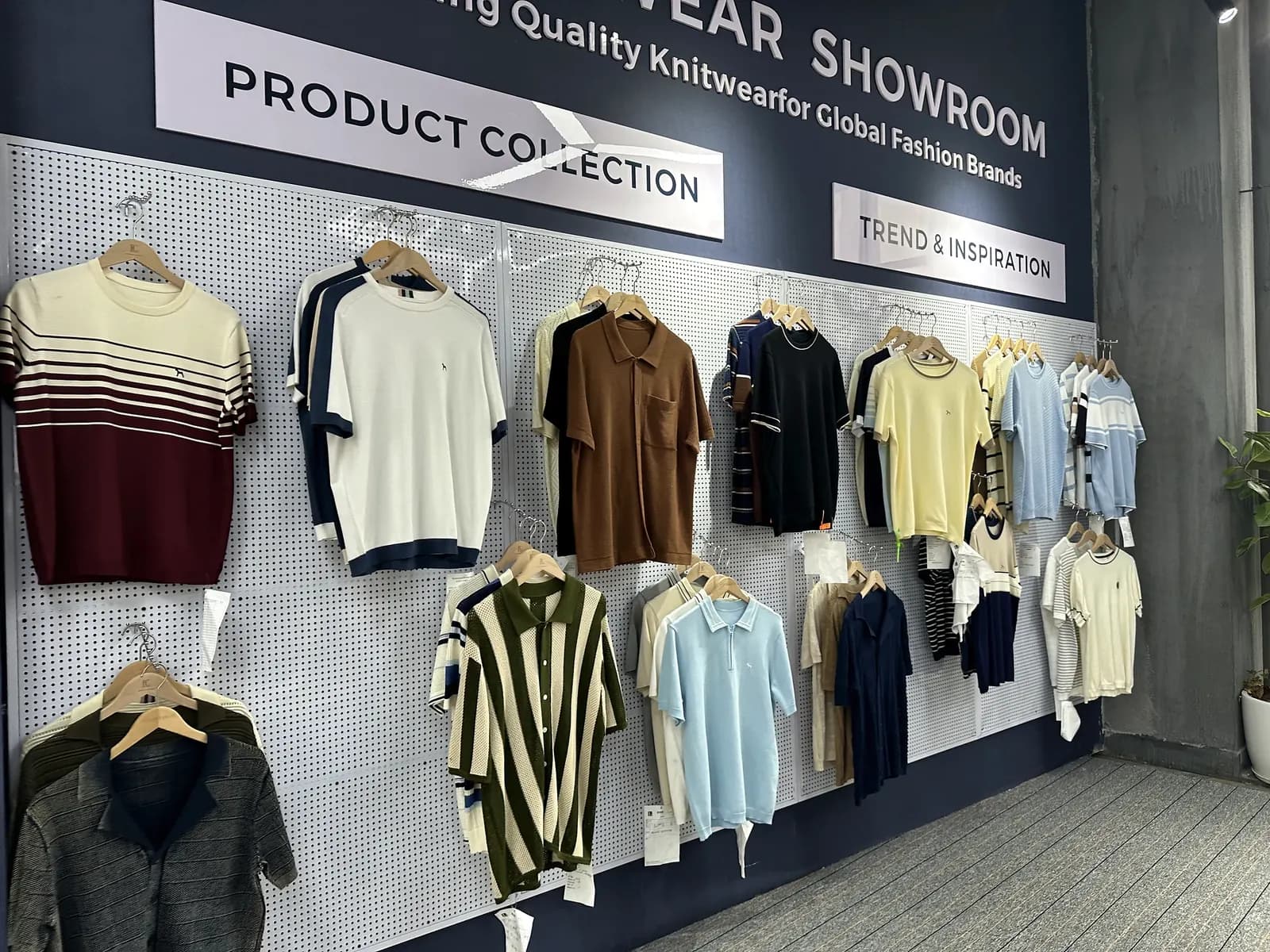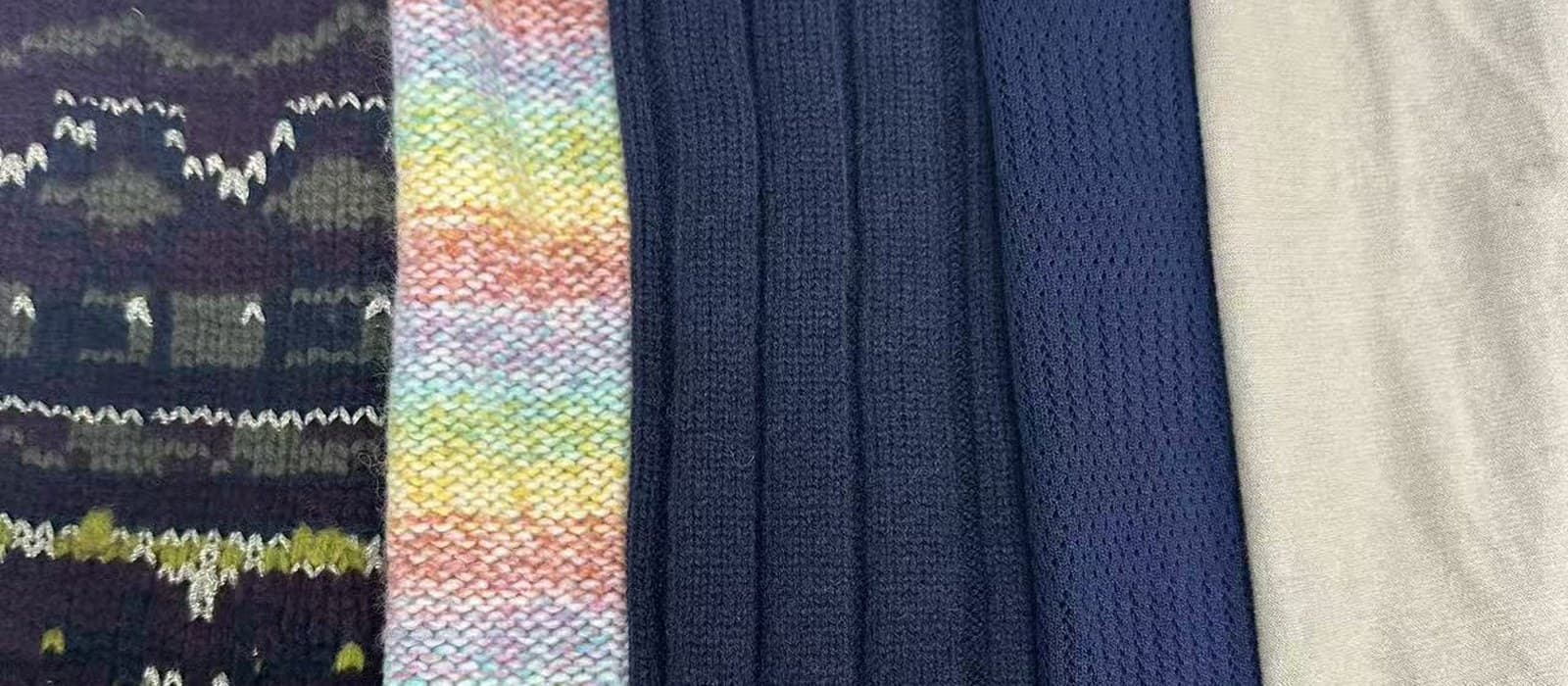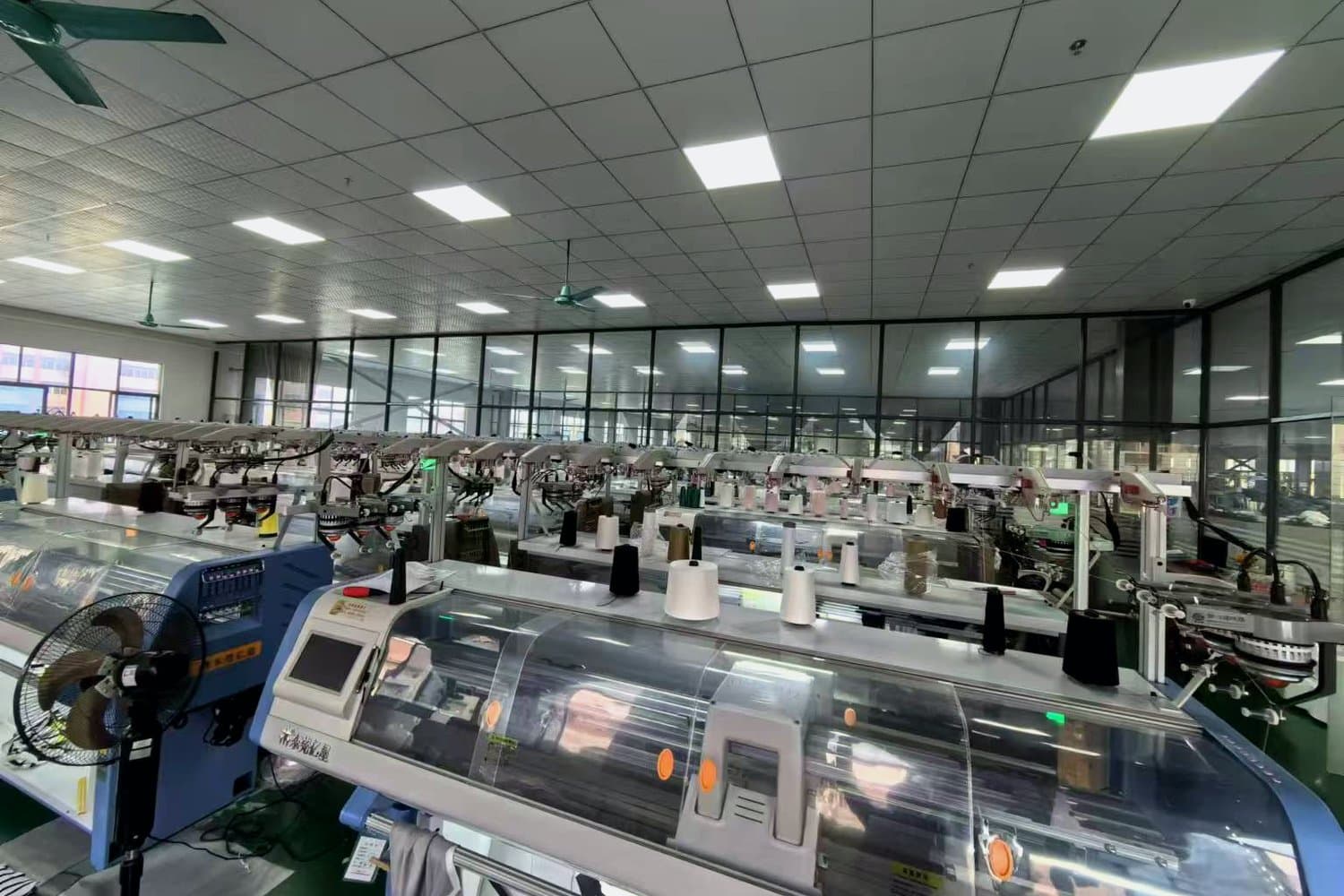
We focus on men's sweaters, cardigans, knit jackets, jacquard knitwear and private label knitwear. We support B2B buyers with OEM/ODM development, sampling and bulk production planning.
面向 B2B 买家的定制针织制造、材料、产品开发与品质控制指南。
Craftsmanship
面向开发图案毛衣、花型开衫与定制图案的品牌,对比提花与嵌花针织工艺的实操指南。
阅读指南 ->Product Development
如何开发男士半拉链与四分之一拉链毛衣:从拉链与领型选择到纱线和针型,助力 B2B 品牌打造商务运动风针织系列。
阅读指南 ->Comparison
Every first knitwear order has two routes, and factories rarely publish the second one. From a tech pack a sample takes about 15-25 days; from a style that already exists, about 7. The minimum, the bulk lead time, the labelling and the QC route are identical either way. What changes is where the first physical garment comes from - and what you give up by not starting from a blank sheet.
阅读指南 ->Product Development
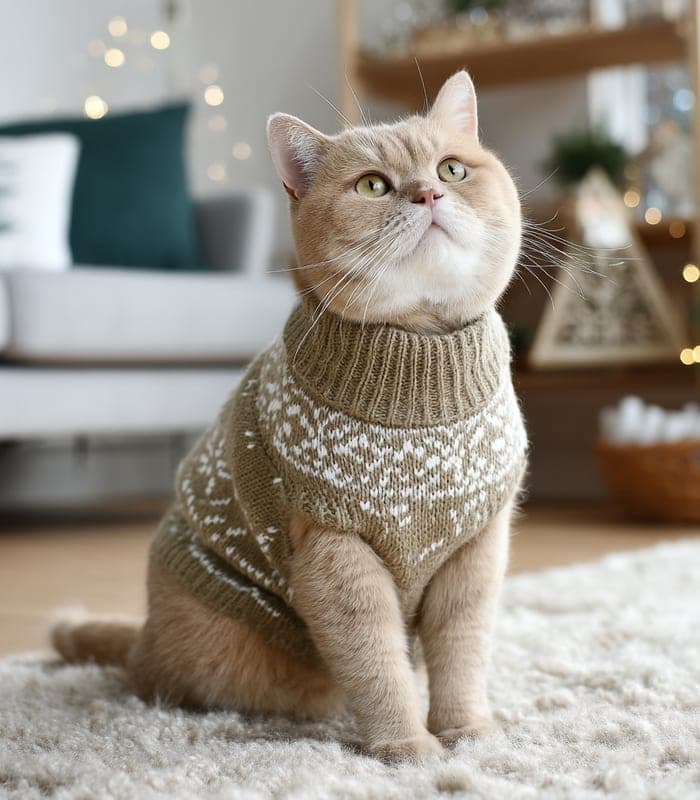
A pet knitwear sourcing read counted from our own published range: two separate size runs rather than one stretched chart, acrylic on 12 of 17 styles for wash durability, 10 of 17 at 7GG-12GG, and why the harness opening has to be on the tech pack before knitting.
阅读指南 ->Product Development
面向 B2B 服装品牌开发男士针织 polo 的实操指南,涵盖领型、门襟、纱线与针型,适用于春夏与全年系列。
阅读指南 ->Comparison
Knitted-in or applied: which route a pattern, logo or motif should take on a knit garment, what each costs, the gauge and colour-count limits, and the tests that catch failures late.
阅读指南 ->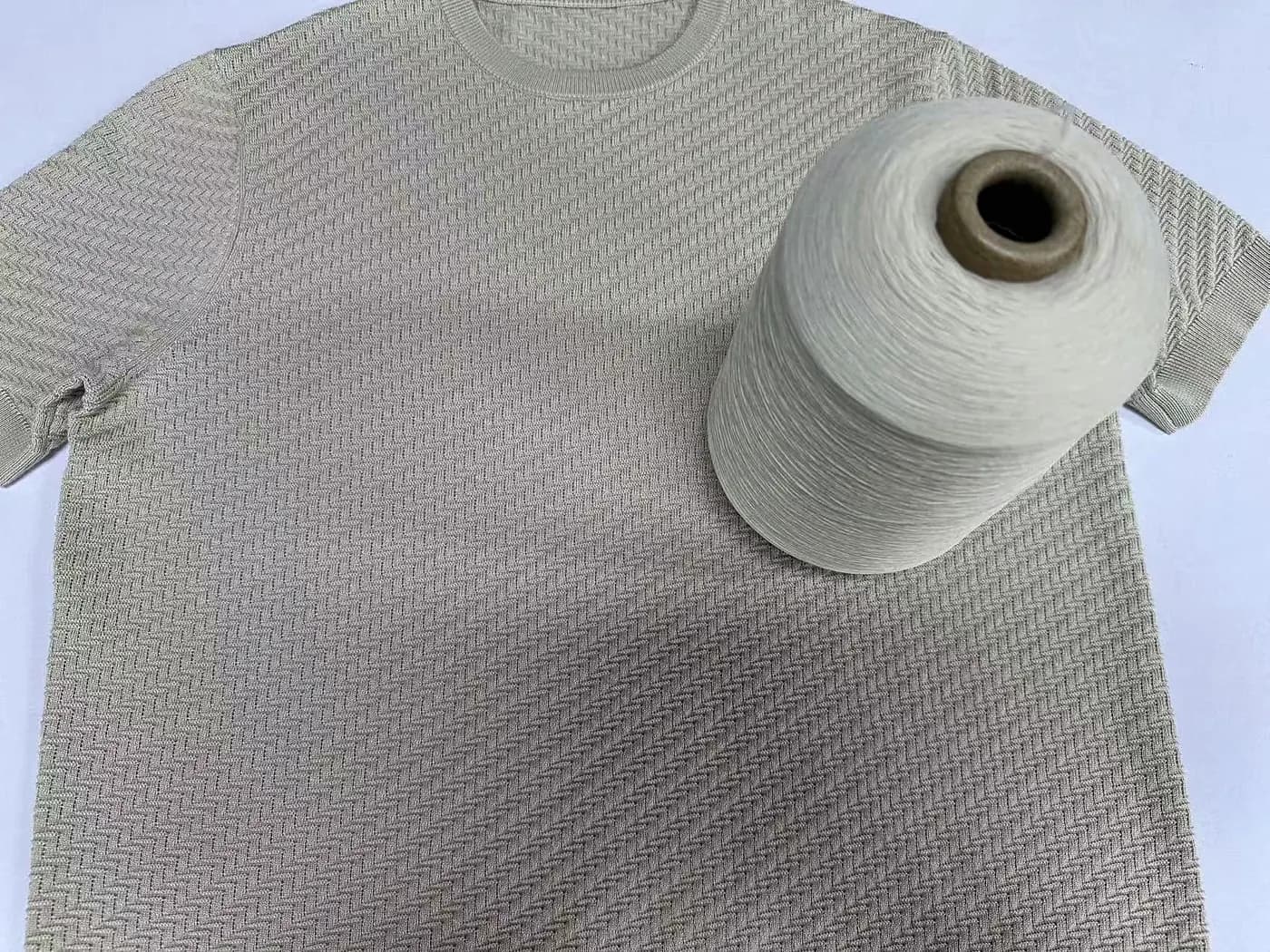
Our minimum is 30 pieces per colour and it does not move. This explains what that number is made of - knitting programme set-up, yarn lot, sampling - why it is per colour rather than per order, and where gauge changes the arithmetic.
7 min read - Guide
Most trend reporting says what AW27 men's knitwear will look like. This says what each look costs to make. Six detail directions read against our own 410 published styles — knitted-in versus applied, mixed-material panelling (46 styles), pockets (27), embroidery and appliqué (20 and 9), collar treatment, and half-cardigan on a loose-tension ground — each scored for what it adds to sampling, to bulk and to the yarn bill.
6 min read - Guide
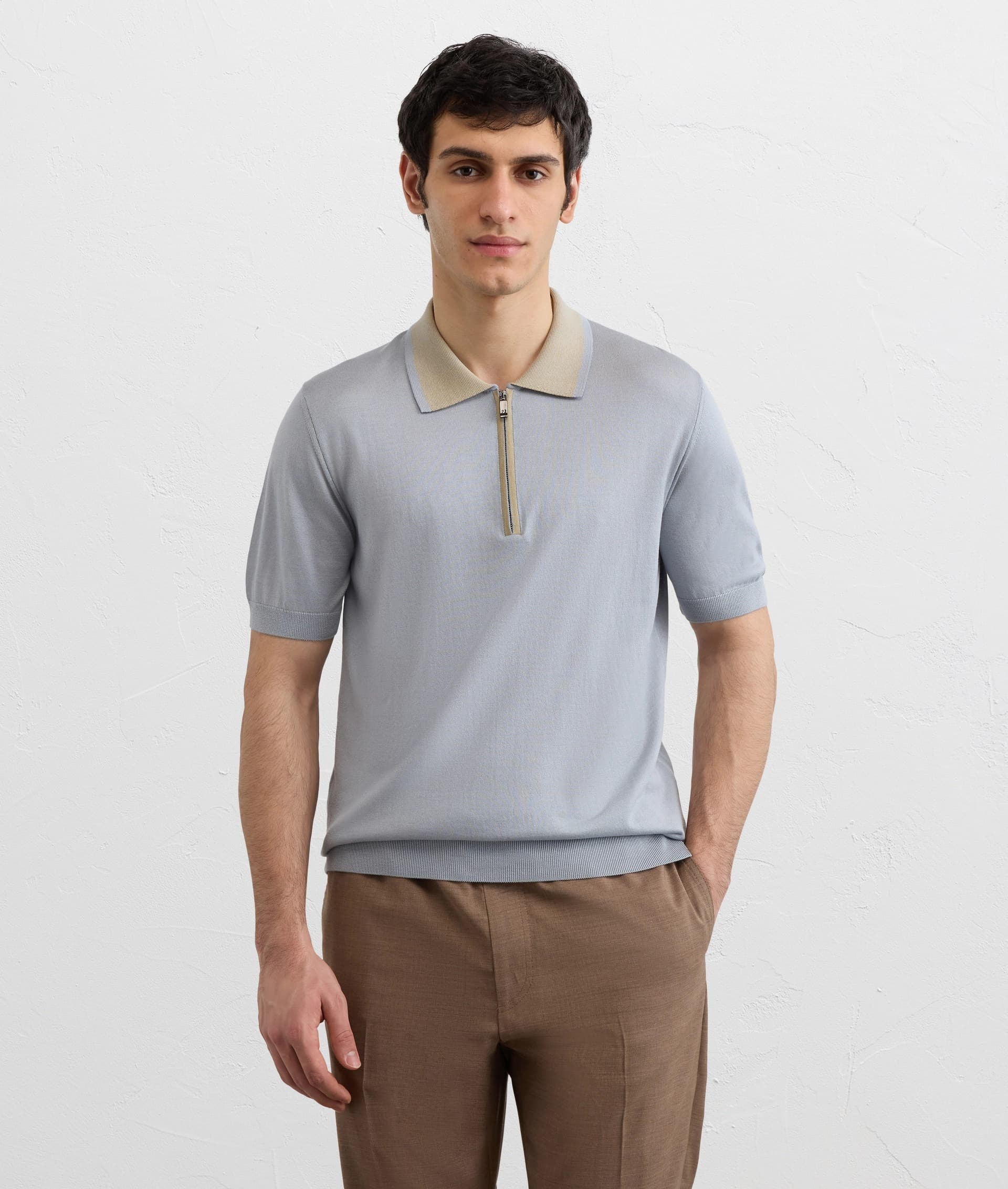
Spring/summer knitwear is a fine-gauge season, not a lighter winter. Read from 37 published men's spring/summer styles: the gauge and fibre split, why the knit polo carries the season at 13 of 37 styles, what each silhouette costs against our published index, and the two gaps our own shelf does not yet cover.
5 min read - Guide
A knit polo replaces a woven shirt, not a sweater, and that decides gauge, fibre and collar. Read from 28 published knit polo styles: the four gauge bands and what each produces, the four collar and placket constructions with what each needs at sampling, published index medians per fibre, and the two gaps our own shelf does not cover.
8 min read - Guide
A children's knit programme is not a scaled-down adult one. Read from 18 published children's styles: the even split into six cardigans, six hoodies and six pullovers, why gauge runs at 7GG and coarser rather than the 12GG of adult spring/summer, where cotton, organic and recycled fibres actually sit, published index medians per fibre, and where the grading work really is across a Newborn-12y range.
6 min read - Guide
"Oversized" describes an outcome, not a route. On our own shelf the 54 published volume styles split cleanly in two - 26 at 3GG-5GG where yarn weight does the work, 21 at 7GG where opened stitch tension does. They cost different amounts, fail in different ways, and only one of them matches any given reference image.
5 min read - Guide
Alpine and après-ski knitwear for AW27: five buildable routes counted from 462 published styles - Nordic yokes, lodge cables, ski half-zips, belted fringe cardigans and knit accessory sets - with the engineering and cost behind each.
7 min read - Guide
2026 年 B2B 针织采购参考基准:起订量、交期、成本结构、针型、品质管控与商务条款,帮助买家核对报价、自信制定采购计划。
6 min read - Guide
Recycled-content knitwear sounds simple on a hangtag, but the fiber choice, blend ratio, and chain-of-custody paperwork decide whether the program actually scales. This briefing walks through rPET, rPA, and recycled wool — what they each bring to a knit, the blend percentages that hold a clean hand, and where the trade-offs start to bite. It also separates GRS from RCS, addresses the microfiber-shed conversation honestly, and gives a buyer-side checklist for AW and year-round recycled programs. Written for sourcing managers who need answers their tech team and their compliance team will both accept.
7 min read - Guide
We focus on men's sweaters, cardigans, knit jackets, jacquard knitwear and private label knitwear. We support B2B buyers with OEM/ODM development, sampling and bulk production planning.
Ready sample styles and selected custom programs can support lower-risk trials before larger seasonal orders.
Yes. Brands, including new labels preparing a first collection, can pay for a sample and see it before placing a production order. Two routes: a ready sample of a published style at USD 60 per piece in about 7 days, or a development sample from your tech pack at USD 150 per style, covering yarn sourcing, knit programming, one prototype and one revision round, in 15-25 days. Cashmere and mohair styles are quoted individually and shipping is charged at cost. Production starts only after you approve the physical sample, at our minimum of 30 pieces per colour with sizes mixed inside the 30. A sample does not commit you to a production run; we do not make garments for personal use.
Our sample fee is not refundable. Yarn sourcing, knit programming, machine setup and hand linking cost about the same whether one piece follows or five hundred, which is why the fee exists at all. It is credited against your first bulk order placed within six months of sample approval: 100% of a development sample fee, 50% of a ready sample fee.
Yes, for brands developing a style. One development piece is fine, with no commitment to bulk: a development sample is USD 150 per style and covers yarn sourcing, knit programming, one prototype and one revision round, in 15-25 days (cashmere and mohair are quoted individually). If you then go to production, the minimum is 30 pieces per colour with sizes mixed inside the 30, and the full USD 150 is credited against a first bulk order placed within six months of approving the sample. We do not make garments for personal wear.
Plain and striped styles using the same yarn and colour can be combined toward a minimum of 30 pieces, with mixed sizes. For example, four plain styles of 25 pieces each in the same yarn and colour total 100 pieces and meet that minimum. Different yarns or colours are counted separately. Jacquard and intarsia require 30 pieces per pattern; quantities from different patterns cannot be combined. Send us your styles, yarns, colours and quantities so we can confirm how the minimum applies to your project.
Cannot find what you need? Our team can create a custom guide or template for your specific project.
Request Custom Resource ->