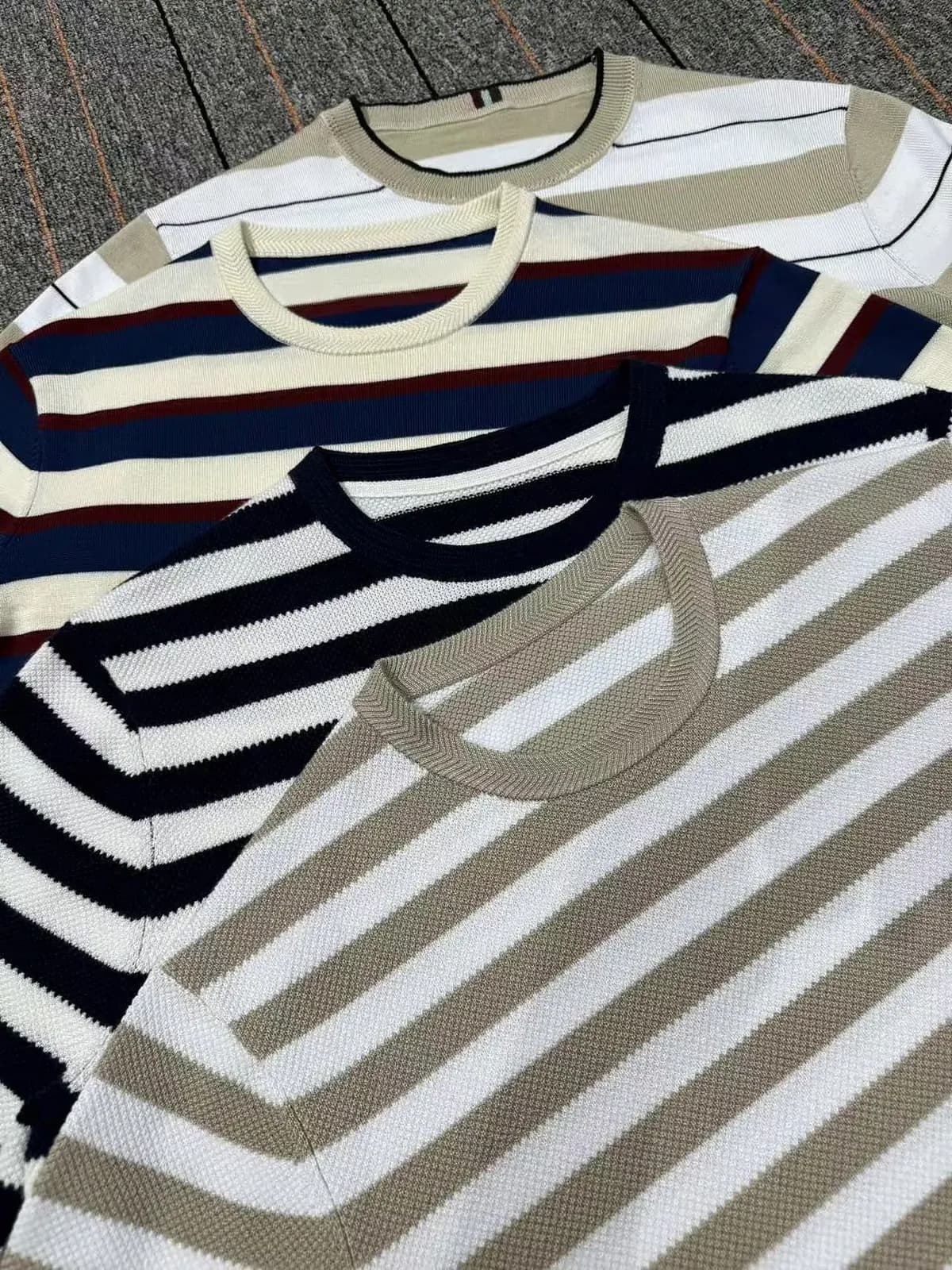
Most sourcing managers do not switch knitwear suppliers because they want to. They switch because something broke — quality drift over three seasons, a price increase that no longer maps to fiber markets, repeated lead-time slip, a key contact who left, or a corporate mandate to second-source. By the time the decision lands, there is usually a season pressing down on it, which is exactly when calm onboarding gets sacrificed and exactly when most transitions go sideways.
This is an anonymized composite pattern from real work with established US wholesale brands — none of the specifics belong to any one customer, and we do not name names. What follows is the 60-day sequence we have seen work, plus the failure modes that show up when teams skip steps. The arithmetic is simple: a knitwear sample cycle is 15-25 days and a bulk cycle is 30-45 days, so 60 days is roughly the minimum honest runway to validate a new supplier on one style without gambling the season on them.
Why 60 days to onboard a new knitwear supplier rather than 30?
Because reproducing an existing garment is a different exercise from developing a new one. The new supplier has to match fits, tolerances and finishing that the previous one had absorbed over seasons, and that reproduction plus a paired QC review does not compress into a month without carrying risk into the first PO.
What should a buyer send at the very start of a switch?
The tech pack, a physical reference garment, and the tolerances and test results the previous supplier was working to. The reference garment is the item that most reduces iteration - it encodes the corrections that were never written down.
What is a paired QC review and why does it matter?
Inspecting the new supplier's reproduction against the reference garment together, so both sides calibrate on the same defects and the same tolerances. It surfaces the interpretation gaps that otherwise appear during the first production run.
Should the first order with a new supplier be full volume?
No. A first PO at roughly half typical volume limits exposure while proving the process end to end, including packing, documentation and shipping - the parts that a sample never tests.
What are the red flags during onboarding?
Verbal commitments that never reach writing, a reproduction sample that is close but consistently off in the same direction, and reluctance to accept a paired review. Each predicts the same problem recurring at bulk.
💬 Sourcing this for an upcoming project? Request a free quote → · MOQ 30 pcs · Sample in 15–25 days · WhatsApp us
Thirty days is enough time to receive a courtesy sample and convince yourself the new factory is fine. It is not enough time to see how they respond to corrections, how they handle a lab dip rejection, or whether their second sample drifts from their first. Ninety days, on the other hand, is what suppliers ask for when they want to slow-walk you into committing volume before you have validated anything; it also tends to push the decision past the calendar point where you still have leverage to walk away.
Sixty days fits two full sample cycles plus a pre-production sample, which is the minimum number of iterations needed to see whether a supplier corrects intelligently or just repeats their first attempt with a different ticket on it. It is short enough to keep urgency in the room and long enough that nobody can claim they were rushed.
The opening week is not a negotiation. It is information transfer. The new supplier needs three things, and you need to send them together: the current tech pack for the style you are testing, a physical reference garment from your existing supplier (washed, with care label and any in-line repairs visible), and a sample fee that is high enough to signal seriousness.
The sample fee matters more than buyers expect. A free sample from a new factory is rarely their best work — it is allocated to whichever merchandiser had bandwidth, run on whatever yarn was already on the floor. A paid sample, at roughly two to three times the garment's expected FOB, buys you the right to ask for re-makes and the supplier's attention from someone senior. It also flushes out factories that were never going to commit; the ones who push back on a reasonable sample fee usually push back on every later checkpoint too.
The reference garment is what separates this from a normal RFQ. You are not asking the new factory to interpret your tech pack in a vacuum. You are asking them to reproduce a specific object, with all its accumulated corrections, on their machines.
These two weeks belong to the supplier. They knit the reference. You do not call every other day. You do agree, in writing, on three things before the sample ships:
- The yarn count, fiber blend, and supplier the new factory is using — and whether it matches the original or substitutes.
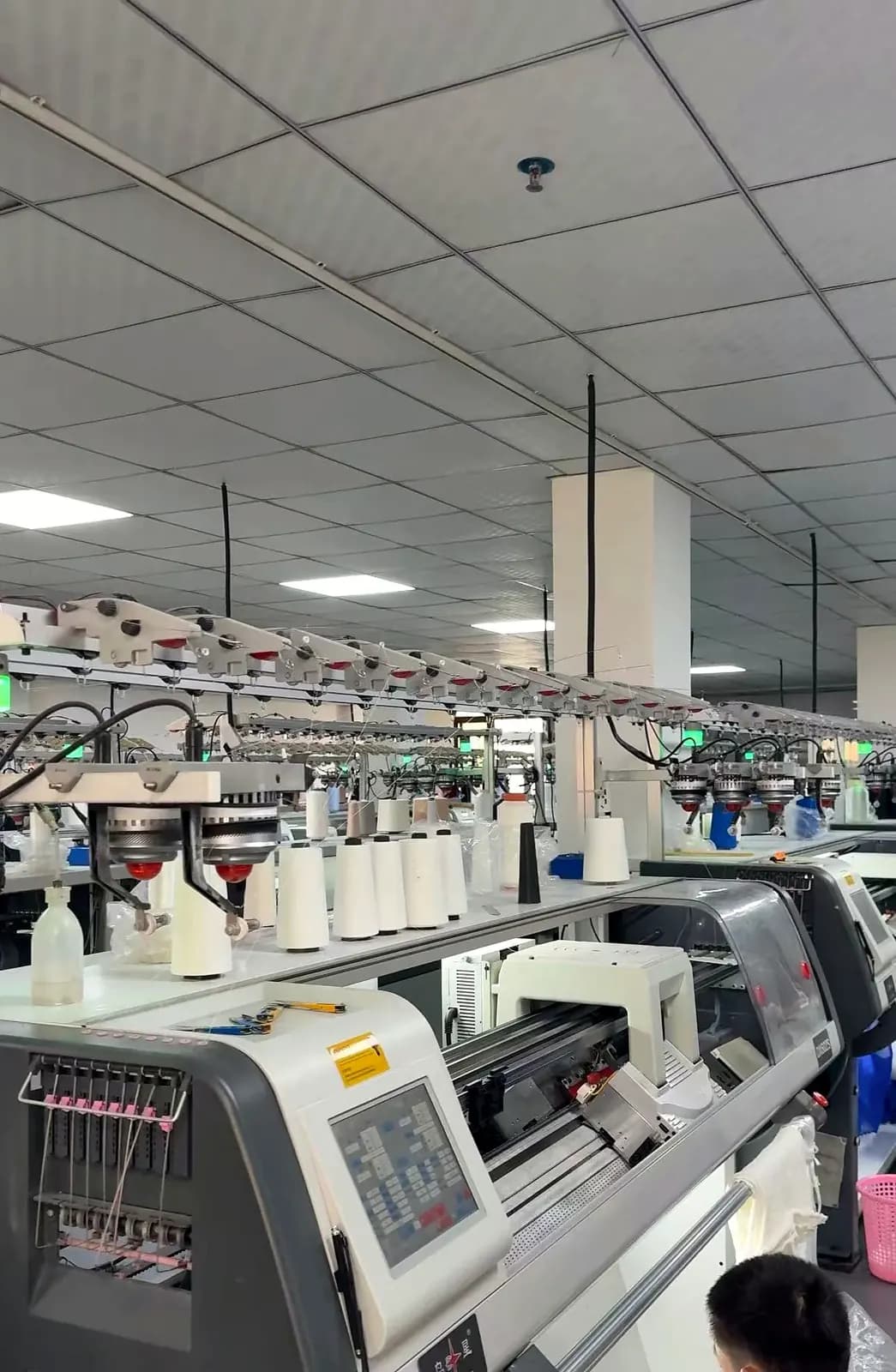
- The gauge and stitch structure they have programmed (3GG-18GG covers most adult knitwear; getting the gauge wrong upstream invalidates everything else).
- The wash and finish protocol they will use (steamed only, tumble-finished, brushed, anti-pill treated, etc.).
If the new supplier proposes a yarn substitution at this stage, the answer you want from them is a written rationale: which mill, which count, why they believe it matches hand and recovery, and whether they will run a small swatch comparison before committing to the full sample. "Our yarn is similar" is not a rationale. "We propose 2/28Nm extrafine merino from Mill X instead of your current 2/26Nm because their 28Nm tested cleaner on pilling in our last three programs, and we will send a 20cm swatch alongside" is a rationale.
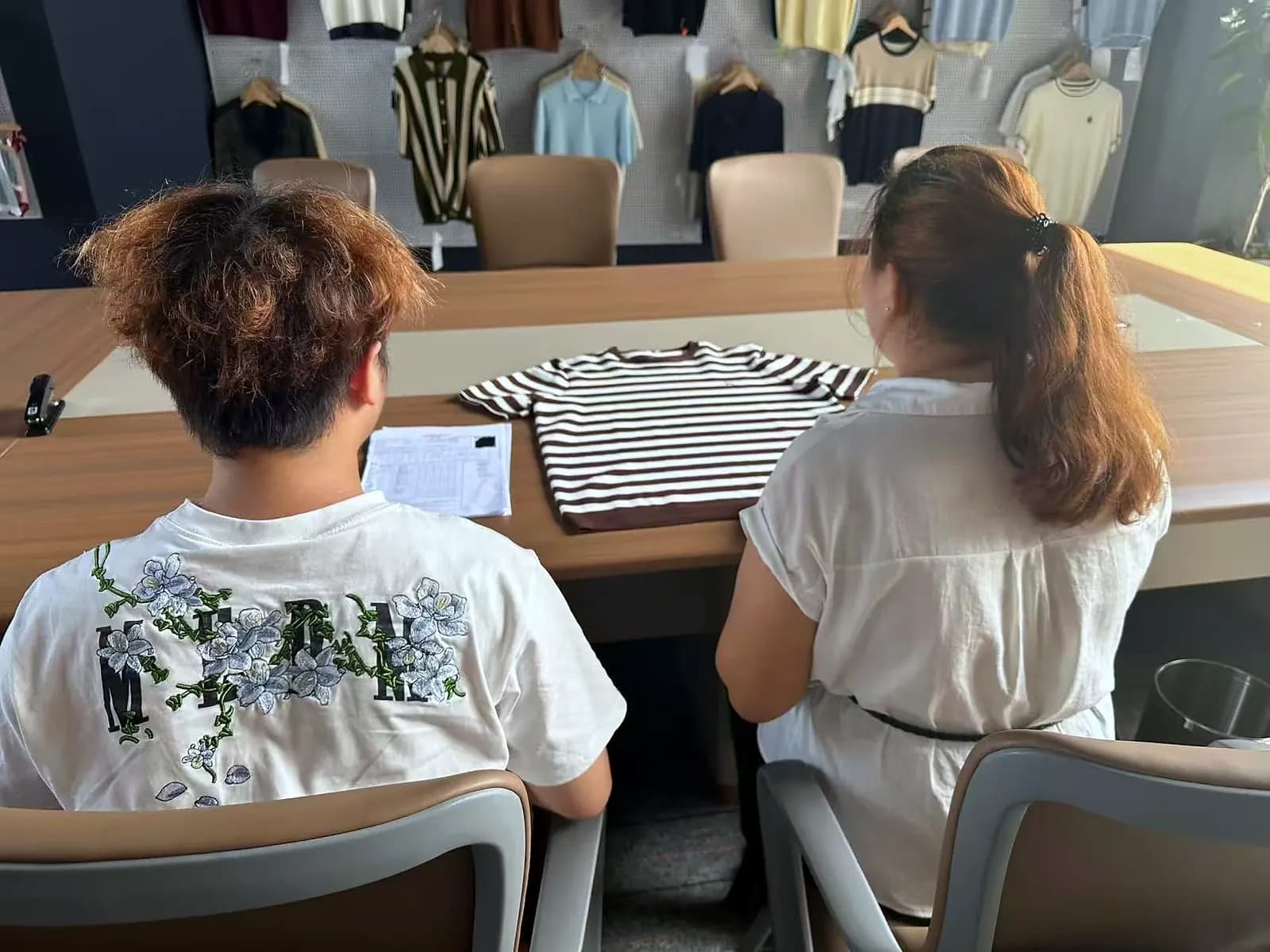
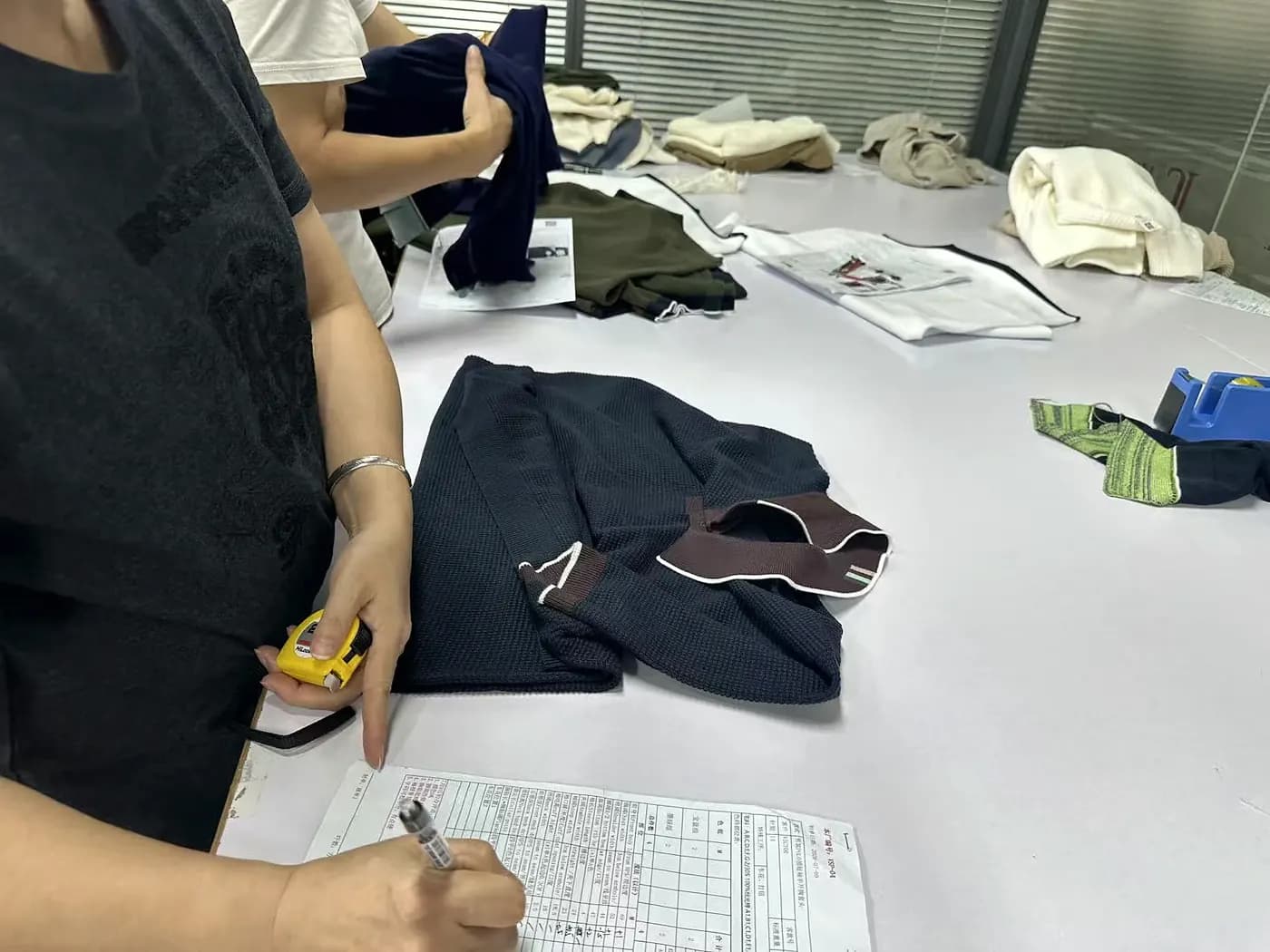
This is the single most important step in the sequence, and it is the one most teams skip when the season is tight. When the new sample arrives, you do not evaluate it alone. You evaluate it next to the original reference garment, on the same table, under the same light, by the same QC person.
A paired QC review for a knit sweater covers, at minimum:
|
| Body length, chest, sleeve | Tape on flat garment | Within 1 cm of reference |
| Gauge (stitches/cm both directions) | 10cm square count | Match reference exactly |
| Yarn count and ply | Untwist a 5cm strand from inside seam | Match or documented substitute |
| Hand feel | Side-by-side touch test, three people | Subjective, but no clear outlier |
| Wash recovery | One AATCC 135 cycle | Within 3% shrinkage of reference |
| Pilling after rub test | Martindale 2000 cycles | Within one grade of reference |
| Color depth | D65 light box vs Pantone reference | Pass at delta-E around 1.0 |
| Construction details | Seam type, neck binding, label placement |
The paired review produces a written comment sheet that goes back to the new supplier with annotated photos. A capable factory responds with a corrected sample inside two weeks; an incapable one argues about whether the corrections are necessary. That distinction is the entire point of the exercise.
With the construction validated, you move to color and finishing. Pick one SKU — ideally one that is representative of the season's overall complexity, not the easiest one — and run the full pre-production sequence on it. That means lab dips against your Pantone, then a pre-production sample (PPS) in the approved color with all trims, labels, hangtags, and packaging exactly as they will appear at retail.
For a typical mid-weight wool or cotton-blend sweater, expect two to three lab dip rounds before approval; one round suggests the supplier is rushing past your standards, four or more suggests their dyehouse or color management is not up to the program. Either tail of that distribution is a warning sign.
The PPS is your last chance to catch problems before bulk. Check label co-location, hangtag attachment method, polybag spec, and inner carton labeling. These are the details that derail receiving at your warehouse if they are wrong, and they are the details a new supplier is statistically most likely to miss because they are not in the tech pack body.
The final two weeks are for negotiating and placing a deliberately small first PO. Not a courtesy order — a real, properly forecast PO, at roughly half the volume you would normally place with a trusted supplier. For a brand that typically runs 2,000-3,000 pieces per style at peak, that is a 1,000-1,500 piece first commitment. For a smaller program, it might be 200-400 pieces against a normal 500-800.
The goal is not to save money. It is to build a real bulk dataset — measurements across actual sizes XS-3XL, packing variance across cartons, on-time shipping behavior, communication during production — without exposing the season to a factory you have not yet pressure-tested at volume. If the half-volume PO ships clean, the next PO scales to normal. If it ships with issues, you have a manageable problem instead of a catastrophic one, and the learning informs whether you scale up, run a second test, or quietly back away.
A few patterns reliably predict a transition that will not end well. None of them are subtle once you know to watch for them.
- Yarn must be different, no rationale. The new supplier insists they cannot work with your specified yarn but will not document the substitute, will not send a comparison swatch, and gets defensive when pressed. This is usually a transparency problem about what yarn they are actually running.
- Refusal of paired QC. "Just look at our sample, do not compare it to your old one" means they know it will not hold up.
- MOQ pressure before sampling. A demand for a large committed PO before they will produce a real sample is a sign their economics only work at scale you cannot afford to gamble.
- Tech pack treated as suggestion. A supplier who does not measure their sample against the tech pack does not measure their bulk against it either.
- One contact for everything. A single salesperson who handles tech, production, QC, and shipping is a single point of failure; ask to meet the merchandiser and the QC lead.
- Lead time that contradicts physics. A claim of 20-day bulk on a complex full-fashion garment is either a lie or implies corner-cutting somewhere.
The reverse pattern is just as recognizable. Capable suppliers behave in predictable ways before you have spent any real money with them.
- They ask for the old tech pack and the reference garment proactively, sometimes before you offer.
- Their feedback on the tech pack is annotated and specific — "the rib spec implies 2x2 but the photo looks 2x1, please confirm" rather than "received, ok."
- They suggest improvements with rationale and let you say no without sulking.
- They agree to a first PO at half typical volume and treat it as a normal commercial decision, not a slight.
- They send weekly production updates during the sample build without being chased.
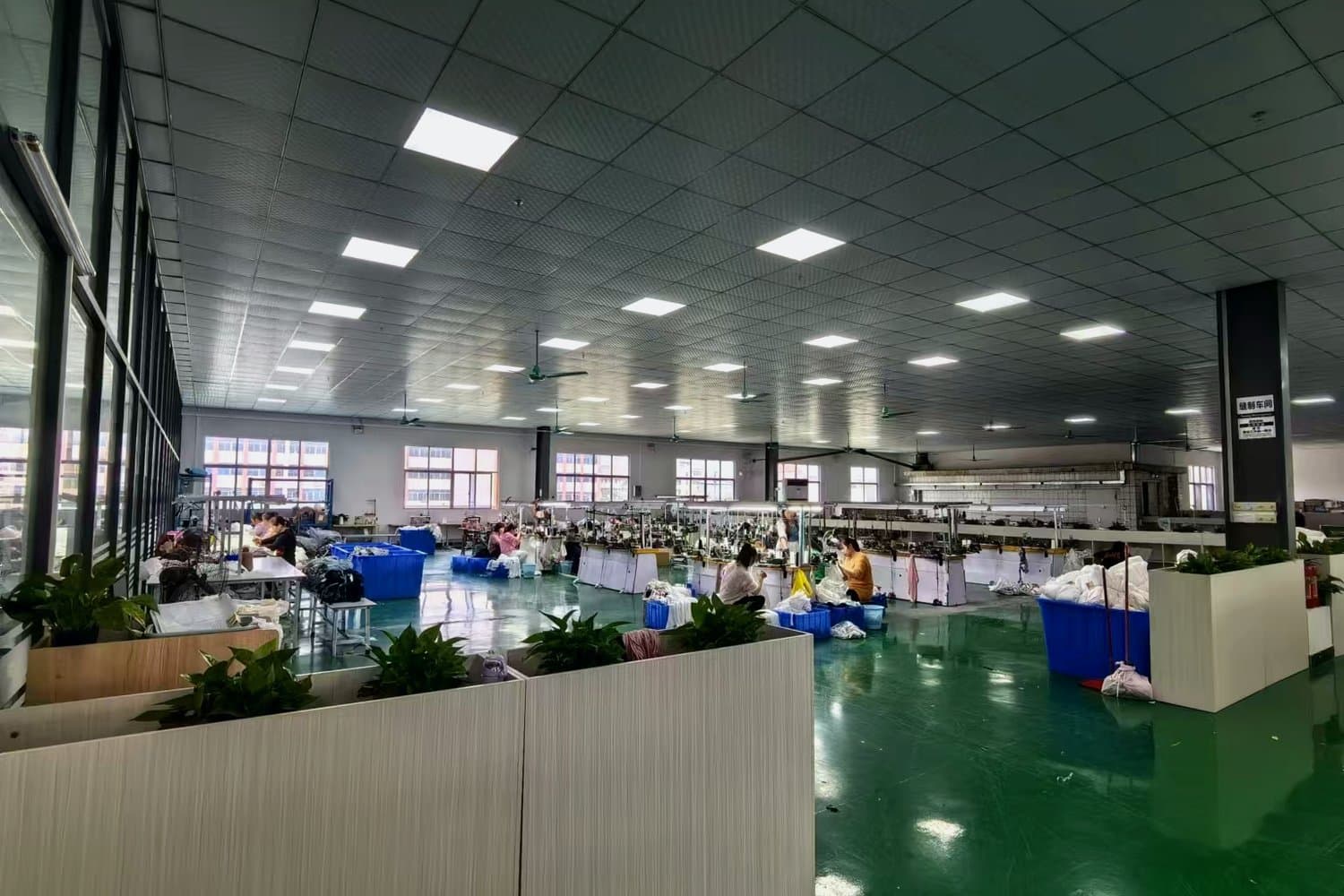
- Their MOQ position is reasonable for the gauge and complexity — for adult knitwear in the 7GG-14GG range, around 30 pieces per colour is a healthy starting point for development; bulk economics improve with volume but the door does not start at 1,000 pieces.
A 60-day onboarding handles the operational and quality validation. It does not, by itself, validate social compliance, fiber traceability claims, or financial stability. Those run in parallel and on their own clocks — BSCI, Sedex or SA8000 audit reports if you require them, GOTS or recycled-content transaction certificates on the relevant lots, and a basic credit check on the entity you are issuing the PO to. Treat the 60-day sequence as the production side of onboarding; the compliance side is a separate workstream that should be open from day one and gated before the first PO ships.
---
If you're planning a real project around any of the points above, we'd be glad to take a quick look. Send a short brief and we'll come back within one business day with a practical direction, MOQ + lead time estimate, and a sample plan if it makes sense.
→ Request a free quote · Download the men's knitwear catalog · WhatsApp us · info@lcgarment.cn
Browse the full men's sweaters range →